Canada’s fighter force is approaching its most consequential modernization in decades. The Royal Canadian Air Force (RCAF) is preparing to replace its aging CF-18 Hornet fleet with the F-35A Lightning II, but the government’s continuing review of the acquisition has added uncertainty to a program already facing infrastructure, cost and scheduling pressures.
- Canada’s current fighter force: The CF-18 Hornet
- The planned replacement: F-35A Lightning II
- The F-35 procurement review: What is Canada reconsidering?
- The timeline problem is as important as the aircraft
- Initial aircraft delivery and training
- First aircraft arrive in Canada
- Initial operational capability target
- CF-18 retirement target
- F-35 full operational capability target
- Why Canada’s geography shapes its fighter requirements
- Cost, sustainment and Canadian industry
- What the fleet review means for Canada’s air force
As of October 2026, Canada’s planned acquisition remains 88 F-35A fighters, while the government continues to examine whether the aircraft remains the best option for the country. The first aircraft are scheduled to support Canadian pilot training in the United States in 2026 and 2027, with the first arrivals in Canada planned for 2028.
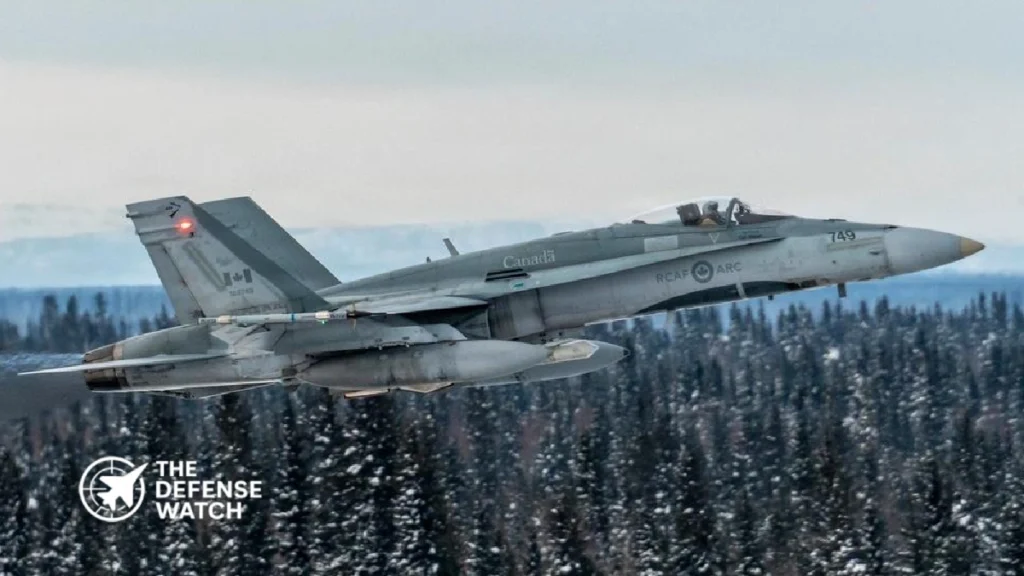
The central question is no longer simply which fighter Canada should operate. It is whether the country can introduce a modern combat aircraft fleet, maintain its North American and NATO commitments, and retire the CF-18s without leaving a gap in operational capability.
Canada’s current fighter force: The CF-18 Hornet
The CF-18 Hornet, Canada’s version of the McDonnell Douglas F/A-18A/B, entered Canadian service in the 1980s. It has since supported air defense, training, expeditionary operations and allied missions, including deployments under NATO.
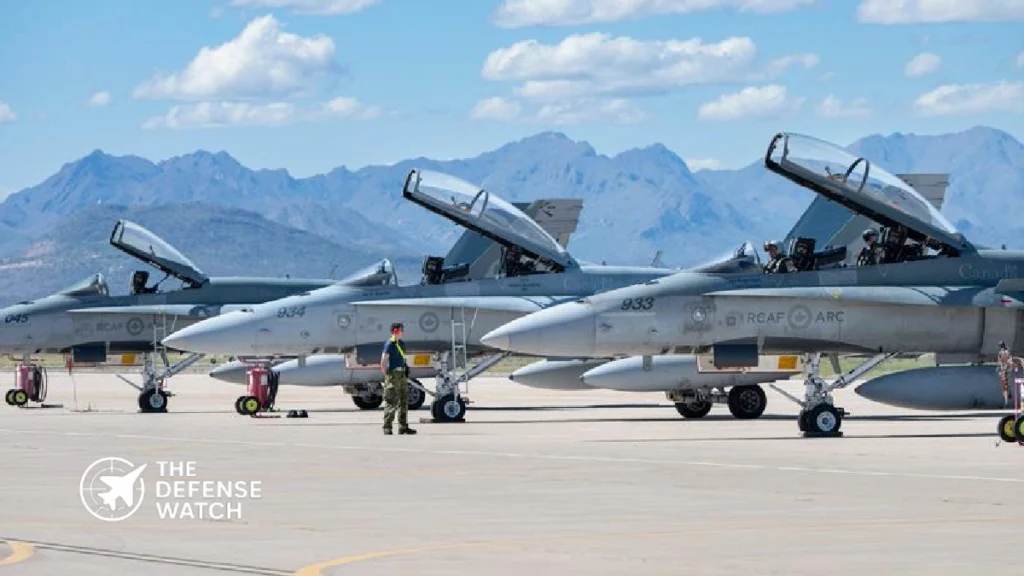
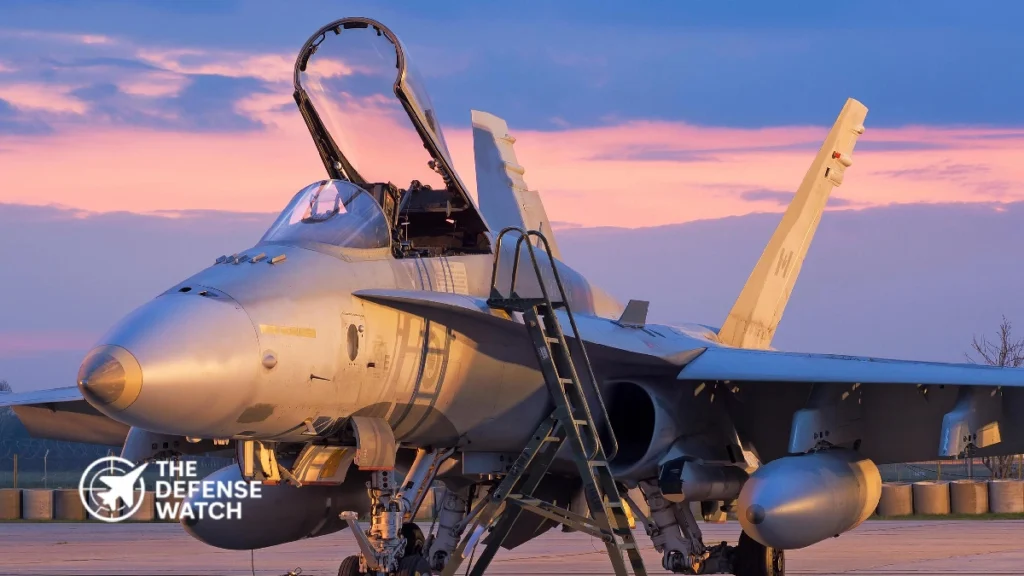
The aircraft remains responsible for important missions, including the defense of Canadian airspace and commitments through the North American Aerospace Defense Command (NORAD). Its continued use, however, depends on maintaining an aging fleet through upgrades and sustainment work.
According to Canada’s Department of National Defence, the original CF-18 fleet has undergone successive life-extension efforts. The current Hornet Extension Project includes regulatory and interoperability upgrades for as many as 82 aircraft, with additional combat capability upgrades planned for 36 of them.
These figures describe project scope, not the number of fighters available for immediate combat operations. Aircraft assigned to training, maintenance or other duties cannot automatically be counted as operationally ready.
Canada has also acquired former Australian F/A-18 aircraft to supplement its existing fleet during the transition. These aircraft help address the interim requirement, but they do not eliminate the challenges of sustaining an older fighter design.
The government has stated that the CF-18 fleet is scheduled for complete retirement by 2032. It has also warned that available opportunities to extend the aircraft’s service life have been exhausted, making timely replacement a pressing operational requirement.
The planned replacement: F-35A Lightning II
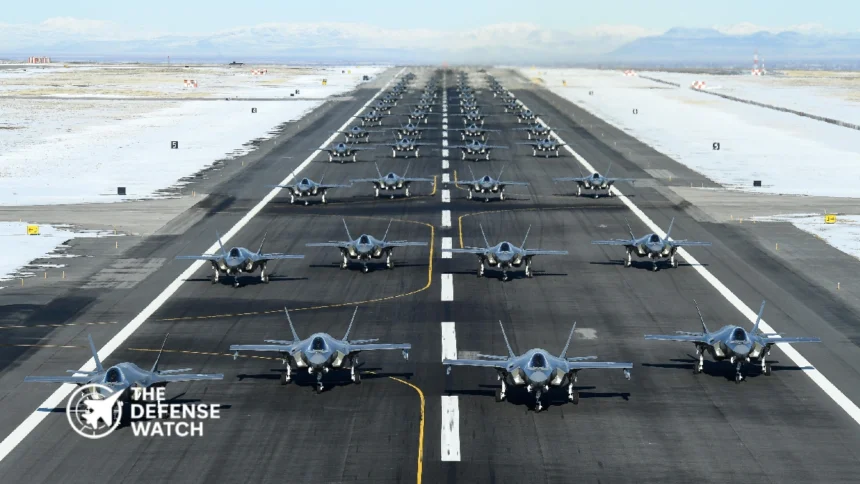
Canada selected the F-35A as its future fighter in January 2023, agreeing to acquire 88 aircraft through the multinational Joint Strike Fighter program. The announced acquisition budget is C$27.7 billion, covering the aircraft and associated elements such as training, equipment, sustainment setup and fighter squadron facilities.
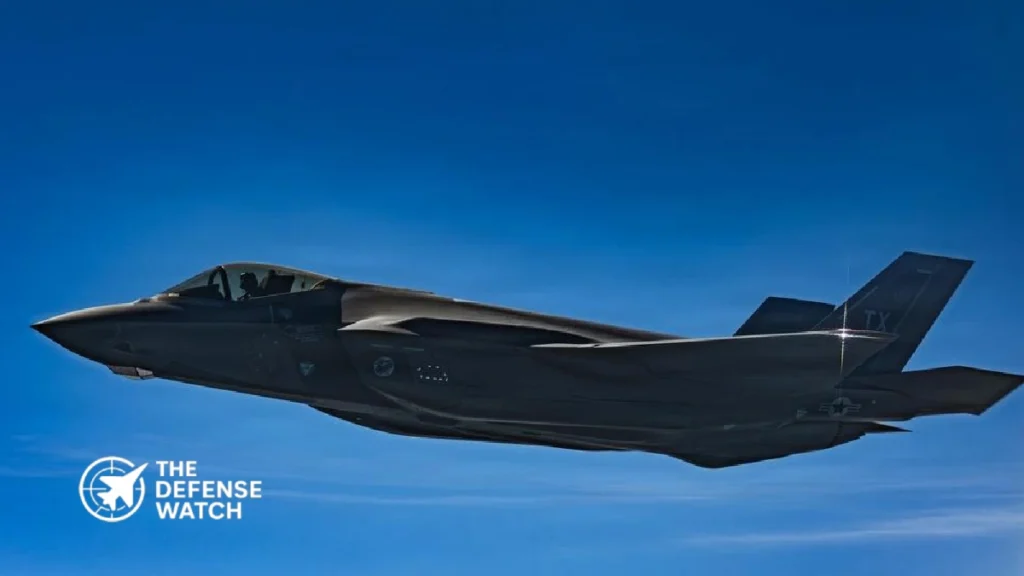
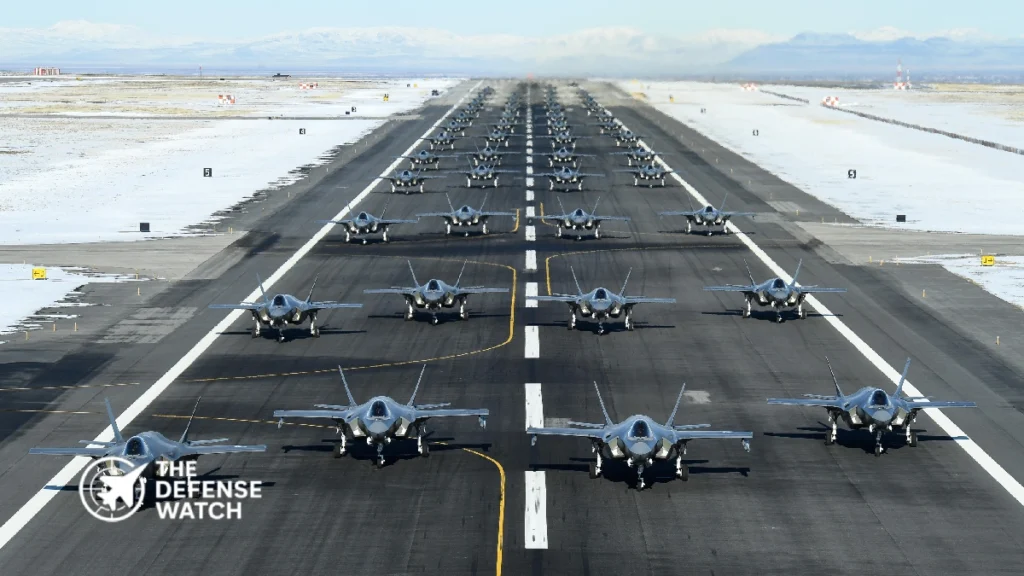
The F-35A is a single-seat, single-engine stealth multirole fighter. Its design combines reduced radar observability with integrated sensors, electronic warfare functions and the ability to share information with other platforms.
These features address operational requirements that extend beyond traditional air-to-air combat. Canadian fighters may need to identify and track aircraft across large areas, operate alongside U.S. forces under NORAD, and contribute to NATO missions in environments protected by modern air defense systems.
The F-35’s low-observable design can make it harder for an adversary to detect and engage under relevant conditions, but it does not make the aircraft invisible or invulnerable. Its effectiveness also depends on mission planning, weapons, training, intelligence support, maintenance and the wider network of allied capabilities.
The planned fleet of 88 aircraft is intended to replace the CF-18s rather than simply add a new fighter type alongside them. Introducing the F-35 will therefore require Canada to build a new operating and support system while maintaining the existing fleet until the transition is sufficiently advanced.
The F-35 procurement review: What is Canada reconsidering?
The Canadian government initiated a review of the F-35 acquisition in March 2025. Prime Minister Mark Carney directed officials to assess whether the aircraft remains the best choice, taking into account operational requirements, industrial benefits, strategic partnerships and potential alternatives.
The review does not mean Canada has canceled the purchase. In its May 2026 parliamentary briefing, the Department of National Defence said the review was continuing while preparations for the aircraft’s introduction proceeded. The government also confirmed its commitment to acquiring the initial 16 aircraft under the existing arrangement.
The distinction matters because Canada has already invested in the program and its industrial supply chain. According to the department, more than C$5.2 billion in contracts had been awarded to over 110 Canadian companies involved in F-35 production and supply activities by May 2026.
Any decision to change the planned fleet would therefore involve more than comparing aircraft performance. It would require an assessment of existing contractual commitments, transition costs, industrial returns, training requirements and the time needed to introduce another fighter.
Could Canada choose a different fighter?
Potential alternatives have been discussed in the context of Canada’s review, including the possibility of a mixed fleet. However, the government has not announced a final replacement decision or confirmed a new aircraft selection.
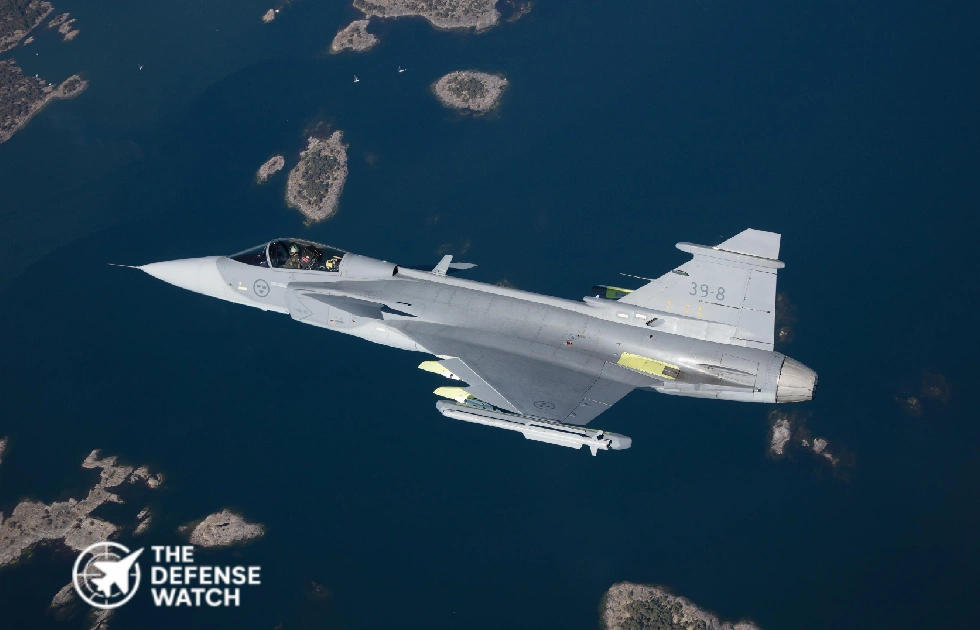
Saab JAS 39 Gripen E
A single-engine multirole fighter with a different acquisition and support model from the F-35. A serious assessment would need to examine its ability to meet Canada’s northern air defense requirements, interoperability needs, delivery schedule and long-term operating costs.
Ask ChatGPT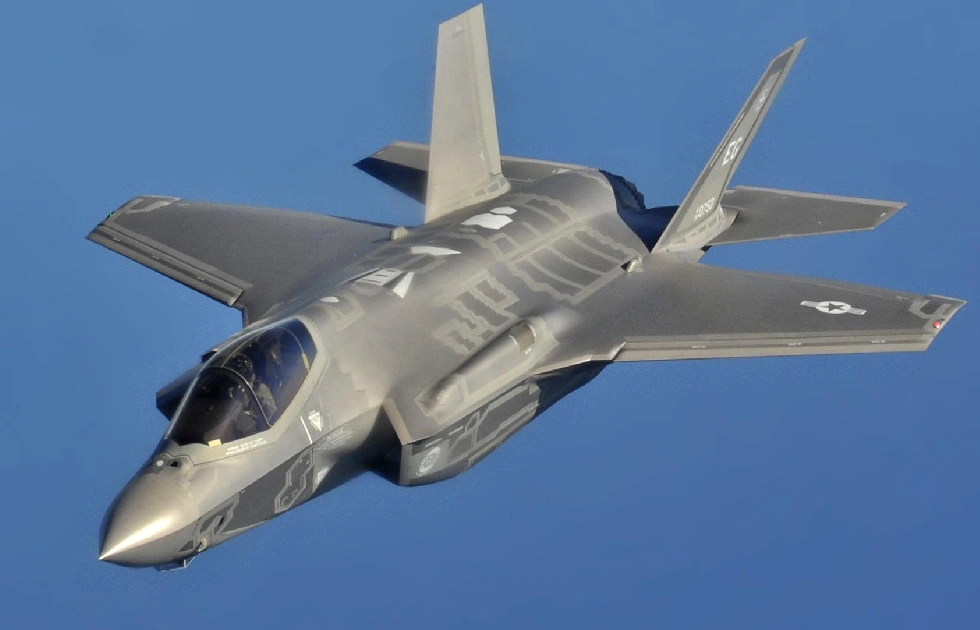
F-35A Lightning II
The aircraft selected for Canada’s planned 88-fighter fleet. It offers low-observable design and integrated sensing capabilities, alongside established connections to U.S. and NATO operators. Canada has already committed resources to the program.
These are capability options, not evidence of an active final competition. The Gripen E should not be treated as a confirmed Canadian selection or as a direct replacement that could enter service without additional procurement and integration work.
A mixed fleet could, in principle, distribute operational and industrial risks, but it would also create additional training, maintenance, spare-parts and weapons-integration demands. The financial and operational case would depend on the actual aircraft numbers, contract terms and delivery timelines.
The timeline problem is as important as the aircraft
Canada’s transition schedule contains a difficult overlap between the retirement of the current fleet and the introduction of its successor.
Initial aircraft delivery and training
The first F-35A aircraft are scheduled to enter the training pipeline at Luke Air Force Base in Arizona.
First aircraft arrive in Canada
The initial aircraft are planned to reach Canadian Forces Base Cold Lake, Alberta, as infrastructure and support arrangements develop.
Initial operational capability target
Canada plans to begin operating the new fighter fleet for assigned missions, subject to aircraft availability, training and support readiness.
CF-18 retirement target
The remaining Hornets are scheduled to leave service, placing pressure on the new fleet to assume their responsibilities.
F-35 full operational capability target
Canada’s published planning schedule places full operational capability after the scheduled retirement of the CF-18 fleet.
The dates reveal a scheduling challenge. Canada plans to retire the CF-18s in 2032, while the published F-35 full operational capability target is 2033. That difference does not automatically establish a one-year loss of fighter capability, because operational capability develops in stages and some F-35s are expected to be operational before the entire fleet reaches full capability.
However, it makes the delivery of aircraft, weapons, trained personnel and functioning support infrastructure especially important.
The Office of the Auditor General of Canada identified infrastructure delays in its June 2025 report on the future fighter project. It found that the two new fighter squadron facilities were expected to be completed in 2031, more than three years behind schedule, with an interim operating solution adding infrastructure costs.
The Department of National Defence’s 2026 project status report continued to identify construction delays and an interim operations plan intended to maintain the schedule for the first aircraft arriving in Canada. The department reported that other major implementation milestones remained unchanged at that time.
The practical test is whether the RCAF can maintain enough trained crews, serviceable aircraft and support capacity to meet its assigned missions while the new fleet grows.
Why Canada’s geography shapes its fighter requirements
Canada’s fighter requirements differ from those of countries that operate mainly from compact territories or nearby airbases. Its forces must support air defense across a vast landmass, including remote northern regions where weather, distance and infrastructure constrain operations.
Through NORAD, Canada works with the United States to detect, assess and respond to aerospace threats approaching North America. Its NATO commitments also require aircraft that can operate with allied forces and participate in coalition missions.
The fighter is only one part of that system. Effective air defense depends on surveillance sensors, command-and-control networks, communications, tankers where needed, weapons stocks and the ability to keep aircraft flying.
The F-35 could strengthen Canada’s ability to operate in contested airspace through its combination of reduced observability and integrated sensors. But aircraft performance alone will not resolve shortcomings in northern infrastructure, personnel availability or the broader surveillance network.
Canada is already investing in NORAD modernization, including surveillance and command-and-control improvements. Those investments are complementary to the fighter replacement program, rather than substitutes for it.
Cost, sustainment and Canadian industry
The C$27.7 billion figure commonly associated with Canada’s F-35 acquisition is the government’s stated acquisition budget, not a complete measure of every cost that the fleet will incur over its service life.
Operating a modern fighter fleet also requires ongoing expenditure on personnel, training, fuel, maintenance, software, spare parts, weapons and infrastructure. Those costs extend well beyond the initial delivery of the aircraft.
The Auditor General’s 2025 review found significant cost pressures and delays in the transition project. It also highlighted the risk that shortcomings in planning and infrastructure preparation could affect the timely introduction of the aircraft.
Canadian industrial participation is another consideration. Canadian firms contribute to the multinational F-35 supply chain, creating production and sustainment opportunities that could continue over the aircraft’s service life. The scale of those benefits depends on contracts, production demand and future sustainment arrangements.
A decision to change the fleet plan would therefore need to compare total transition costs, industrial opportunities and operational requirements, rather than purchase price alone.
What the fleet review means for Canada’s air force
Canada’s fighter modernization is not simply a choice between an older aircraft and a newer one. It is a transition involving two fleets, new infrastructure, pilot and technician training, weapons integration, long-term sustainment and alliance commitments.
The F-35A remains the government’s selected aircraft for the planned 88-jet fleet, while the procurement review continues. Publicly available government material does not establish that Canada has formally canceled the program or selected an alternative fighter.
The most consequential milestones to watch are the delivery of the initial aircraft, progress on facilities at Cold Lake and Bagotville, the outcome of the procurement review, and the RCAF’s ability to achieve operational readiness before the CF-18 fleet retires.
Canada’s final decision will need to balance capability, affordability, industrial interests and delivery risk. Whatever the outcome of the review, the replacement must be supported by a complete operating system, not just a new aircraft.