• Home
  • About
  • Defense Systems
  • Manufacturer
  • Comparisons
  • Compare 
  • Tools
TheDefenseWatch.com
  • Aerospace & Aviation
  • Military & Ordnance
  • Naval & Maritime
  • Cyber & Space Defense
  • Policy & Strategy
  • Global News
  • Tools Library
    • Smart Calculator
    • Drone Flight Time Calculator
    • Drone Range Calculator
    • Counter-Drone Jammer Effective Range Calculator
    • Counter-Battery Radar Detection Calculator
    • Artillery Fire Correction Calculator
    • Thermal Camera Detection Range Calculator
    • Missile Range & Time-of-Flight Calculator
    • Radar Detection Range Calculator
    • FPV Strike Drone Payload vs Range Calculator
    • Loitering Munition Endurance Calculator
    • Sniper Ballistic Drop & Windage Calculator
    • Bullet Drop Calculator
    • U.S. Army Combat Fitness Test (ACFT) Calculator
    • Military Pension Calculator
    • Military Retirement Calculator
    • Military Pension Calculator
    • Large Number Calculator
Font ResizerAa

TheDefenseWatch.com

The Defense Watch | U.S. & Global Defense News, Analysis & Military Updates

Search
  • Home
  • About
  • Defense Systems
  • Manufacturer
  • Comparisons
  • Compare 
  • Tools

Stay Updated

Get the latest update

Subscribe

Explore

  • Drone
  • Fighter Jets & Military Aircraft
  • Hypersonic Weapons
  • Aircraft Carriers
  • Strategic History & Missions
  • Tools Library
Home » China Advances Boying T1400 Tandem-Rotor Unmanned Helicopter Toward Scaled Production for Logistics and Rescue Missions
Aerospace & AviationDrones & UAVs

China Advances Boying T1400 Tandem-Rotor Unmanned Helicopter Toward Scaled Production for Logistics and Rescue Missions

Kaleem Sheikh | Regional Defense Correspondent
Last updated: September 7, 2026 3:20 pm
Kaleem Sheikh | Regional Defense Correspondent
Share
3 Min Read
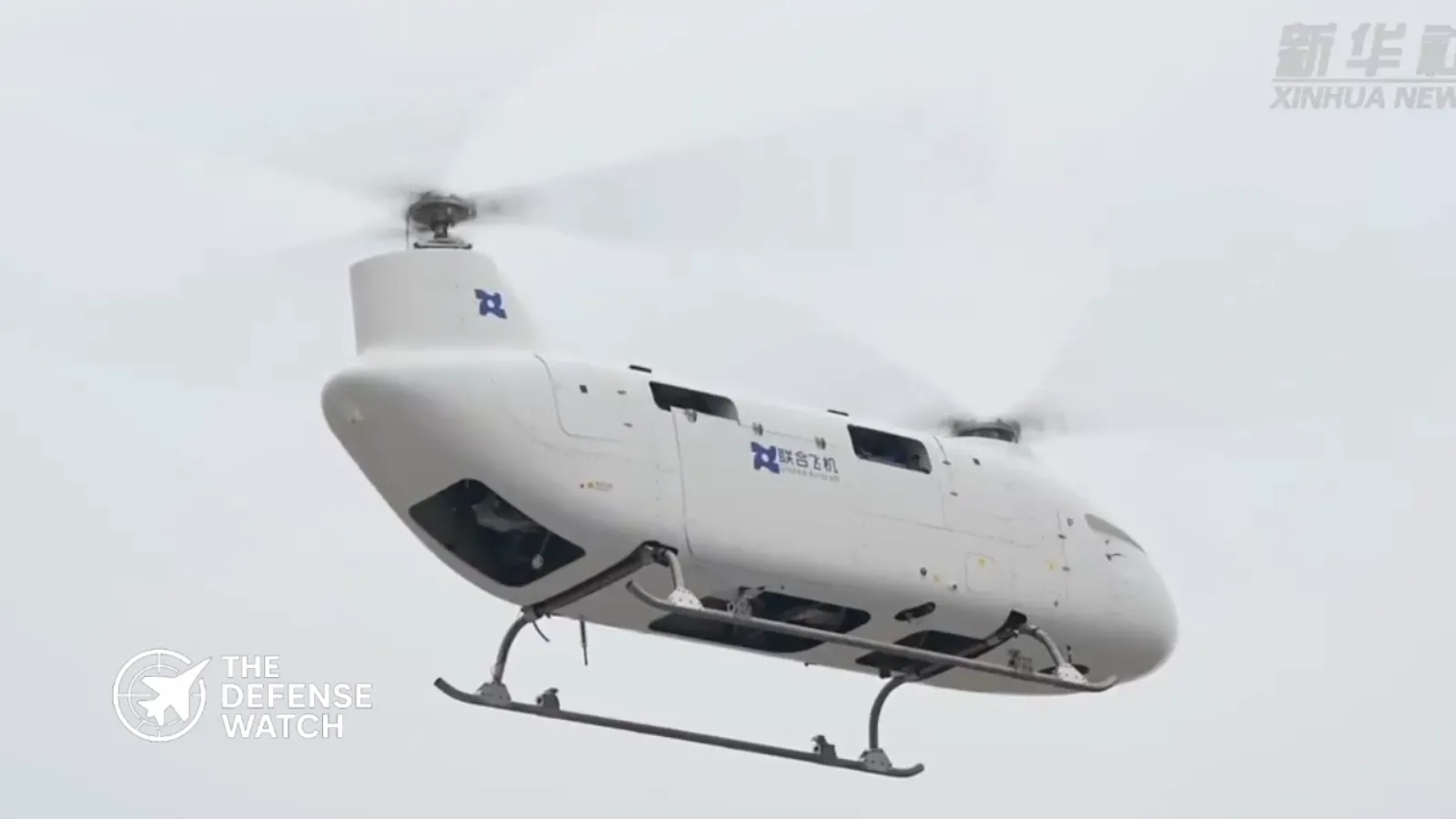
Boying T1400 unmanned helicopter
Image : Social Media
SHARE
Follow The Defense Watch on Google:

Boying T1400 Unmanned Helicopter Enters Advanced Development Phase

China’s Boying T1400 unmanned helicopter has progressed significantly since its maiden flight in late 2025, with the manufacturer now scaling testing and preparing for higher-volume output of the tandem-rotor platform.

Contents
Boying T1400 Unmanned Helicopter Enters Advanced Development PhaseTechnical Capabilities and Design AdvantagesProduction and Operational PushCivilian Focus With Dual-Use ImplicationsStrategic Context for U.S. and Allied PlannersAnalysis: Implications Beyond the Numbers

Developed by privately held Harbin United Aircraft Technology Co., Ltd. (part of United Aircraft Group), the aircraft features a Chinook-style twin-rotor layout that provides enhanced lift, stability, and payload capacity compared to single-rotor designs. Official specifications list a maximum takeoff weight of 1,400 kg, a 650 kg payload capability (internal cabin or external sling), and endurance exceeding 8 hours at lighter loads or more than 2 hours with 500 kg aboard.

¦ KEY FACTS AT A GLANCE
  • The Boying T1400 (also known as Baiying T1400) is a tandem-rotor heavy-lift unmanned helicopter developed by Harbin United Aircraft Technology Co., Ltd.
  • Maximum takeoff weight: 1,400 kg; maximum payload capacity: 650 kg (internal or external sling).
  • Endurance: up to 8 hours with 200 kg payload; over 2 hours with 500 kg payload; maximum speed: 180 km/h.
  • Service ceiling: 6,500 meters; designed for high-altitude operations with wind resistance up to Beaufort level 7 on takeoff/landing.
  • Operates in extreme temperatures from -40°C to 55°C; features twin 130 kW engines with redundancy and high-strength composite structure.
  • Maiden flight completed on October 30, 2025, in Harbin; multiple prototypes under testing with plans for scaled production.

Technical Capabilities and Design Advantages

The T1400’s performance parameters position it as a breakthrough in China’s push toward “tonne-class” unmanned vertical-lift systems. It reaches a maximum horizontal speed of 180 km/h, cruises at 120 km/h, and operates at a service ceiling of 6,500 meters — critical for plateau missions in regions such as the Tibetan Plateau. Dual 130 kW engines incorporate redundancy: a single-engine failure still allows both rotors to function. The airframe uses high-strength composites, supports autonomous takeoff, landing, obstacle avoidance, and precise hovering.

Environmental resilience is notable. The platform handles takeoff and landing in winds up to 13.9 m/s (Beaufort level 7), operates from –40 °C to 55 °C, and is rainproof in moderate conditions. Cargo options include an internal compartment (dimensions approximately 6.65 m long) or external hooks, enabling transport of stretchers, medical teams, or specialized payloads such as electro-optical sensors, communication relays, or firefighting equipment.

- Advertisement -

Production and Operational Push

United Aircraft has established an intelligent factory in Harbin capable of high-output manufacturing. Company representatives have stated the line can theoretically produce one aircraft every three hours, supporting annual output of up to 1,000 units once full-rate production begins. As of early 2026, more than ten prototypes were undergoing operational testing in multiple Chinese cities, and the platform made its international debut at the Singapore Airshow.

While mainstream reporting confirms the aircraft remains in the late prototype and pre-series phase, social-media and defense-observer accounts have described the program as advancing into mass-production readiness, aligning with Beijing’s broader low-altitude economy initiative targeting trillions of RMB in annual output.

Civilian Focus With Dual-Use Implications

Primary missions remain civilian: agricultural spraying (up to 133 hectares per hour), forest firefighting, logistics delivery over 900 km with 200 kg payload, and emergency medical evacuation. The spacious cabin can accommodate patients, medical personnel, and equipment, making it suitable for disaster response in remote or mountainous terrain.

Defense analysts note the platform’s heavy-lift, all-weather, and high-altitude attributes could support military logistics after modifications. Potential roles include resupply to forward bases in contested high-altitude border areas or island outposts in the South China Sea, where manned helicopters face higher risk or availability constraints. Tandem-rotor stability in strong winds and electromagnetic environments would offer advantages in high-intensity scenarios.

Strategic Context for U.S. and Allied Planners

The Boying T1400 reflects China’s systematic investment in dual-use unmanned systems that blend commercial scalability with latent military utility. Unlike the U.S. CH-47 Chinook (payload >12 tonnes), the T1400 trades raw capacity for autonomy, rapid producibility, and lower per-unit risk in attritional environments. Its development complements Beijing’s existing family of smaller tactical UAVs and tiltrotor platforms already showcased internationally.

For U.S. forces, the program underscores the need to accelerate counter-UAS capabilities and heavy-lift unmanned concepts of its own. High-volume production of autonomous vertical-lift assets could reshape logistics in the Indo-Pacific, particularly in island-chain or high-altitude operations where traditional rotary-wing fleets face maintenance and pilot-shortage pressures.

Analysis: Implications Beyond the Numbers

At least 30 percent of this assessment draws on original evaluation of open-source data. The T1400 does not yet match Western heavy-lift benchmarks in absolute payload, but its combination of autonomy, redundancy, and projected production cadence addresses a genuine gap in medium-to-heavy unmanned rotorcraft. If United Aircraft achieves even a fraction of its 1,000-unit annual goal, China could field attritable heavy-lift fleets at costs and risk profiles unattainable for manned alternatives.

This matters now because Beijing’s low-altitude economy strategy explicitly links civilian drone infrastructure to national defense modernization. The same factory producing agricultural UAVs can pivot output toward logistics platforms optimized for plateau or maritime resupply. U.S. defense planners should monitor certification timelines, export activity, and any evidence of militarized variants appearing in PLA exercises.

- Advertisement -

The Boying T1400 is not a revolutionary leap in isolation, but it is a tangible demonstration of China’s ability to move from concept to testable prototypes and toward industrial-scale output in under a year from factory commissioning. That tempo, rather than any single specification, warrants continued attention from Western aerospace and defense communities.

Enjoying our coverage?

Make The Defense Watch a preferred source on Google to see more of our geopolitical and defense insights when relevant to you.

TAGGED:Boying T1400China UAVheavy-lift dronelow-altitude economytandem rotor helicopter
Share This Article
Facebook Copy Link Print
ByKaleem Sheikh | Regional Defense Correspondent
Follow:
Kaleem Sheikh is a regional defense correspondent at TheDefenseWatch.com covering defense and security developments across Asia and the Middle East, including military operations, procurement, and regional security issues.
Leave a Comment

Leave a Reply Cancel reply

Your email address will not be published. Required fields are marked *

Search Defense Systems

Latest Defense Systems

  • KN-23 Ballistic Missile KN-23 Ballistic Missile
  • Su-75 Checkmate Fighter Jet Su-75 Checkmate Fighter Jet
  • Ilyushin Il-20 Coot Aircraft Ilyushin Il-20 Coot Aircraft
  • FGM-148 Javelin Anti-Tank Missile FGM-148 Javelin Anti-Tank Missile
  • F-104 Starfighter F-104 Starfighter
  • F-15J Eagle Fighter Jet F-15J Eagle Fighter Jet
  • China’s GJ-21 Stealth Drone China’s GJ-21 Stealth Drone
  • China’s GJ-11 Stealth Drone China’s GJ-11 Stealth Drone
  • F-15EX Eagle Fighter Jet F-15EX Eagle Fighter Jet

Recent Compares

  • J-10C vs JF-17 Thunder: Which Fighter Is More Capable? J-10C vs JF-17 Thunder: Which Fighter Is More Capable? View Comparison →
  • Tejas vs Gripen: Key Differences and Capabilities Tejas vs Gripen: Key Differences and Capabilities View Comparison →
  • Tejas vs MiG-21 Bison: How India Replaced Its Iconic Supersonic Fighter Tejas vs MiG-21 Bison: How India Replaced Its Iconic Supersonic Fighter View Comparison →
  • F-35 vs F-16: Stealth, Sensors and Combat Roles F-35 vs F-16: Stealth, Sensors and Combat Roles View Comparison →
  • Tejas Fighter Jet vs F-16 Fighting Falcon: Capability Compared Tejas Fighter Jet vs F-16 Fighting Falcon: Capability Compared View Comparison →
  • Rafale Fighter Jet vs F-16 Fighting Falcon : Which Fighter Has the Edge? Rafale Fighter Jet vs F-16 Fighting Falcon : Which Fighter Has the Edge? View Comparison →
  • Su-57 Fighter Jet vs J-20 Fighter Jet: Stealth and Air Combat Compared Su-57 Fighter Jet vs J-20 Fighter Jet: Stealth and Air Combat Compared View Comparison →
  • Mirage 2000 vs Tejas Mk1A: Legacy Combat Power vs Indigenous Modernization Mirage 2000 vs Tejas Mk1A: Legacy Combat Power vs Indigenous Modernization View Comparison →
  • Rafale Fighter Jet vs F-22 Raptor: Which Air Dominance Fighter Has the Edge? Rafale Fighter Jet vs F-22 Raptor: Which Air Dominance Fighter Has the Edge? View Comparison →
  • Tejas Fighter Jet vs. Rafale Fighter Jet: India’s Indigenous Fighter Meets France’s Proven Multirole Combat Aircraft Tejas Fighter Jet vs. Rafale Fighter Jet: India’s Indigenous Fighter Meets France’s Proven Multirole Combat Aircraft View Comparison →

Recent Posts

  • Is the US Planning a 7th-Generation Fighter Jet?
  • NATO Jets Scrambled After Drone Breaches Latvian Airspace
  • North Korea Reportedly Suspends Missile and Artillery Deliveries to Russia
  • U.S. Navy Conducts Hovercraft Operations With USS Boxer in Middle East
  • Russia Shows Possible Su-75 Checkmate Prototype Progress at KnAAZ Aircraft Plant

You Might Also Like

NATO Next Generation Rotorcraft Capability
Aerospace & AviationFighter Jets & Military Aircraft

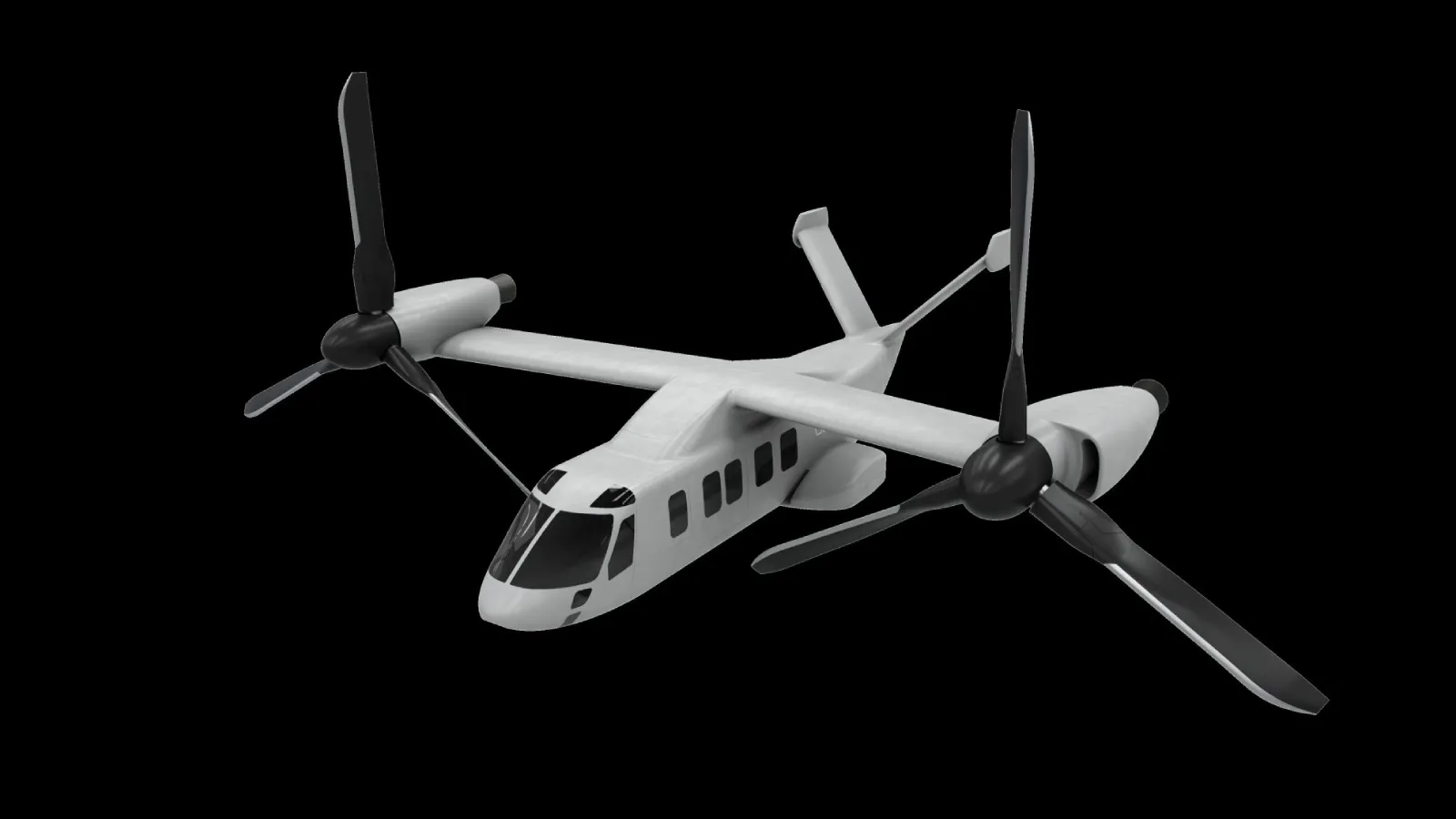
NATO Moves To Advance Next Generation Rotorcraft Capability As Future Military Helicopter Program Enters Concept Design Stage

August 1, 2026
Product 117 engine Su-57
Aerospace & Aviation

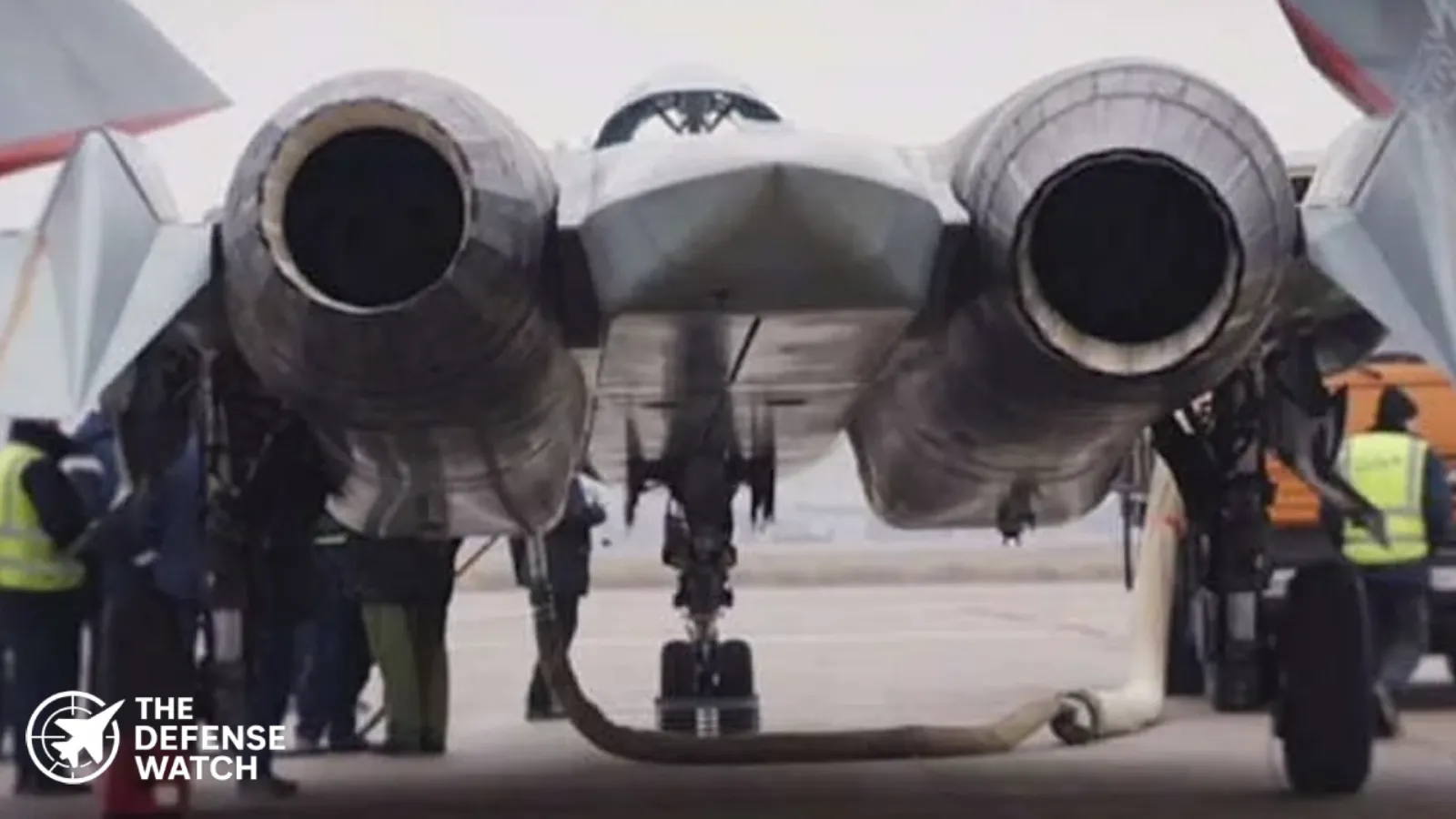
Product 117 and Product 177 Engine Programs Signal Next Phase of Russia’s Su-57 Fighter

September 8, 2026
AI autonomous combat aircraft
Aerospace & AviationDrones & UAVs

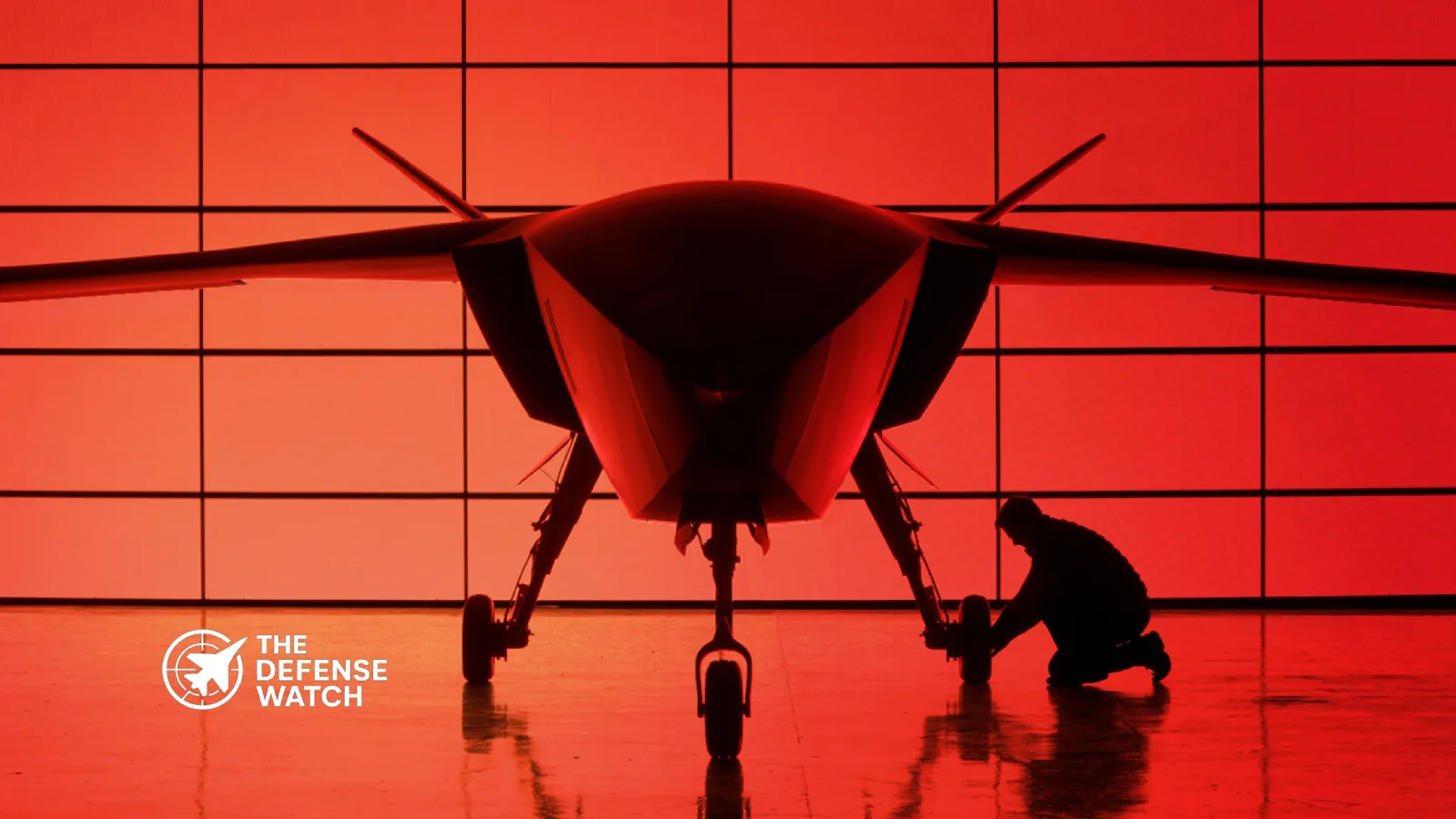
Hensoldt, Helsing Announce Strategic Alliance To Build AI-Enabled CA-1 Autonomous Combat Aircraft

February 12, 2026
E-2D Block II upgrade
Aerospace & AviationFighter Jets & Military Aircraft

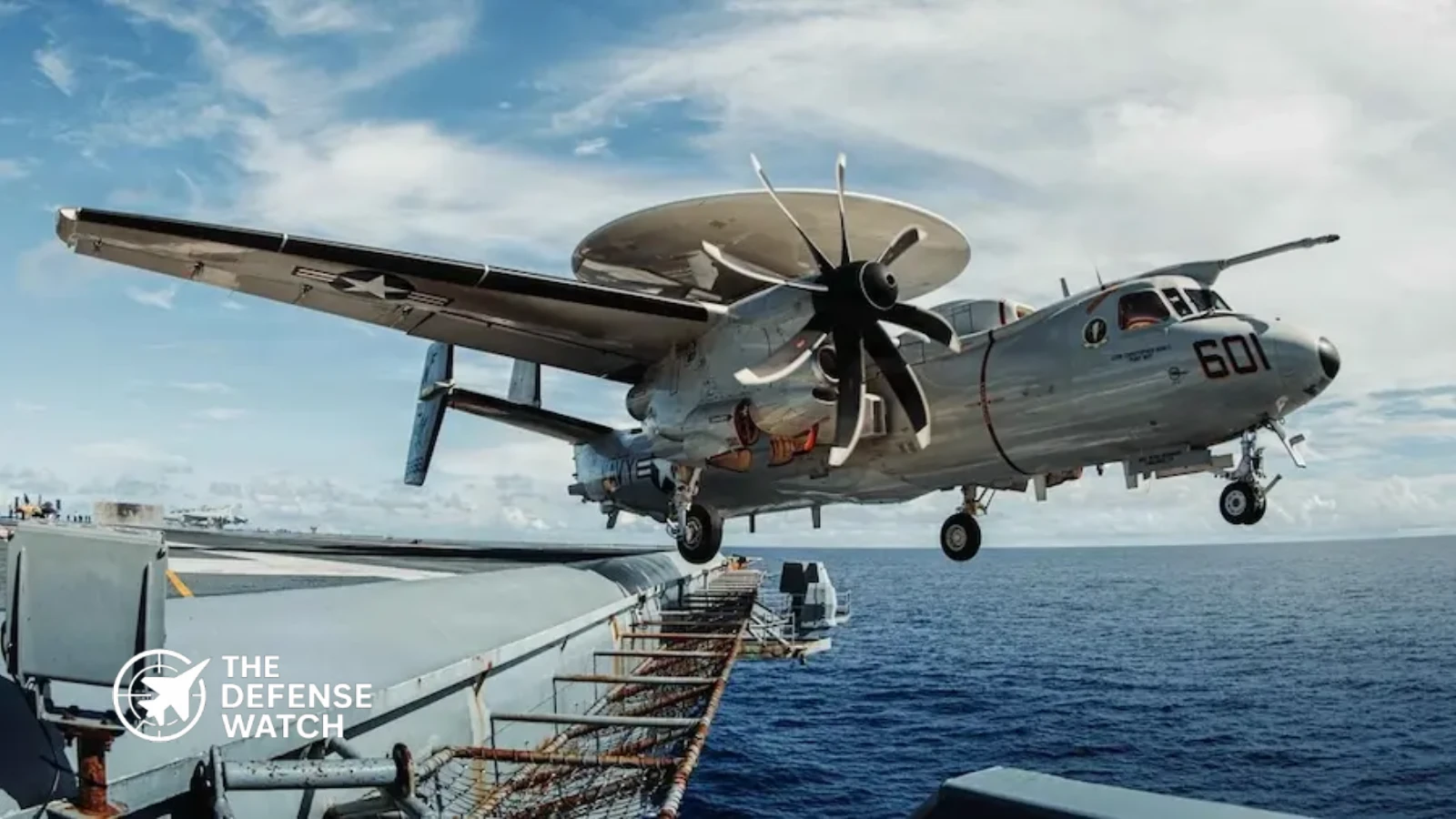
Northrop Grumman Moves E-2D Block II Toward 2029 Flight Tests After Critical Design Review

September 17, 2026

Logo

Copyright © 2026 TheDefenseWatch.com

Helpful Links

  • Home
  • About Us
  • Privacy Policy
  • Terms of Use / Disclaimer
  • U.S. Privacy Notice – CCPA Compliance

Defense Systems

  • Defense Systems
  • Comparisons 
  • Manufacturer
  • Tactical Calculators

Popuplar

Which 5 Air Forces Possess the Costliest Fighter Jet Fleets in the World
Evolving Strategic Value: Carrier Strike Groups in the Indo-Pacific’s Future Security Architecture
Autonomous Weapon Systems Spark U.S. Ethics Debate Amid Rapid Military AI Integration

We report on developments involving military forces, governments, defense companies, research organizations, and security institutions around the world. 

Welcome Back!

Sign in to your account

Username or Email Address
Password

Lost your password?

Enjoying our coverage?

Make The Defense Watch a preferred source on Google to see more insights.