Executive Summary:
Lockheed Martin is expanding cooperation with Australian industry partners to support the country’s growing HIMARS and Precision Strike Missile programs. The effort aligns with Canberra’s broader push to strengthen sovereign defense manufacturing and long-range strike capabilities across the Indo-Pacific region.
Lockheed Martin Expands Australian HIMARS Cooperation
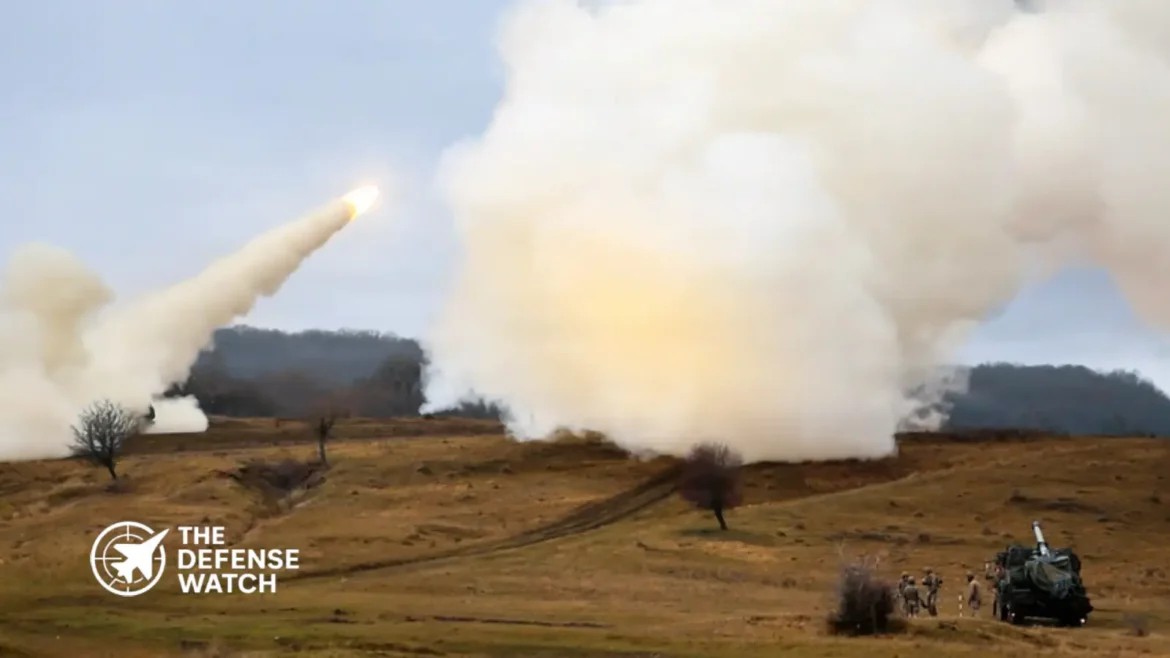
Lockheed Martin is expanding its cooperation with Australian industry as Canberra accelerates plans to field long-range precision strike systems under its broader defense modernization strategy.
The company is increasing collaboration with local suppliers and industrial partners tied to the Australian Army’s acquisition of the M142 HIMARS and the Precision Strike Missile, commonly known as PrSM.
The expansion reflects Australia’s effort to build sovereign industrial capability while improving long-range fires capacity amid growing security competition in the Indo-Pacific.
Australia approved the acquisition of HIMARS launchers in 2023 as part of a wider defense restructuring effort designed to increase mobility, survivability, and strike range. The system has gained significant international attention following its operational use in Ukraine, where it demonstrated high-precision engagement capability against logistics hubs and command infrastructure.
Focus On Sovereign Manufacturing
Lockheed Martin Australia said the latest phase of cooperation centers on increasing participation by domestic companies in manufacturing, sustainment, integration, and future missile support activities.
The company has already signed agreements with several Australian suppliers as Canberra pushes to reduce reliance on overseas sustainment chains. Officials have repeatedly emphasized that future Australian Defense Force procurement programs must generate domestic industrial benefits and improve resilience during potential regional crises.
The HIMARS program is closely linked to Australia’s broader Guided Weapons and Explosive Ordnance initiative, which seeks to establish a domestic missile manufacturing ecosystem over the coming decade.
The addition of the Precision Strike Missile is especially significant. PrSM is designed to replace the aging Army Tactical Missile System, offering substantially greater range, improved survivability, and the ability to strike high-value targets at long distances.
PrSM Expands Long-Range Strike Reach
The Precision Strike Missile is being developed for the U.S. Army as its next-generation long-range precision fires weapon. The missile is expected to exceed the range of legacy ATACMS systems while supporting rapid targeting and network-enabled operations.
For Australia, the introduction of PrSM represents a major expansion in operational reach. Combined with the mobility of the M142 HIMARS, the capability provides the Australian Army with a more flexible deterrence option across dispersed regional environments.
Defense analysts increasingly view long-range fires as central to Indo-Pacific military planning, particularly given the vast maritime distances and the growing importance of distributed operations.
Australia’s 2024 National Defence Strategy identified long-range strike capability as a priority area, alongside integrated air and missile defense, undersea warfare, and northern force posture improvements.
Growing U.S.-Australia Defense Alignment
The HIMARS and PrSM expansion also highlights deepening defense cooperation between Australia and United States.
The two allies have expanded military integration through initiatives linked to AUKUS, rotational force deployments, advanced missile cooperation, and joint exercises across the Indo-Pacific theater.
Washington has encouraged allied nations to develop interoperable precision strike capabilities that can operate across shared command-and-control architectures. Australia’s investment in HIMARS and PrSM aligns directly with that objective.
At the same time, Canberra is attempting to balance rapid capability acquisition with domestic industrial growth. That approach mirrors similar policies adopted by several NATO and Indo-Pacific partners seeking to strengthen defense production capacity after supply chain disruptions exposed vulnerabilities during recent global crises.
Strategic Implications For The Indo-Pacific
The expansion of HIMARS and Precision Strike Missile cooperation comes amid heightened regional military competition and increasing emphasis on deterrence through long-range precision fires.
Australia’s geography places unique importance on mobility and standoff strike capability. Systems such as HIMARS allow rapid deployment across remote operating locations while reducing dependence on fixed infrastructure.
The move also signals a broader shift in Australian force design away from short-range continental defense toward longer-range regional deterrence and integrated allied operations.
While the current focus remains on initial fielding and industrial participation, future cooperation could expand into missile sustainment, component manufacturing, and broader guided weapons integration programs.
Bell and KAI Sign MOU to Explore MV-75 Cheyenne II for South Korea’s Next-Generation Helicopter Requirement
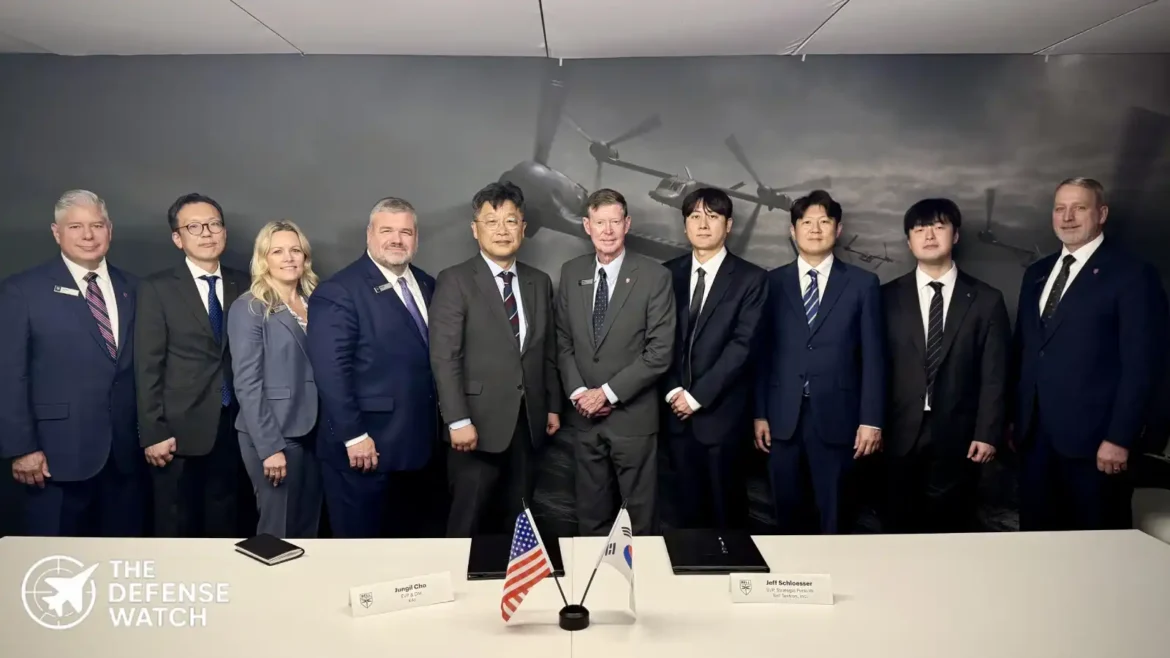
Bell Textron and Korea Aerospace Industries signed a Memorandum of Understanding to explore solutions based on the MV-75 Cheyenne II tiltrotor for South Korea’s High Speed Medium Utility Helicopter (HSMUH) program, the two companies announced April 28, 2026. The agreement — signed at Bell’s Fort Worth, Texas, headquarters — marks the first publicly disclosed international cooperation effort tied to the MV-75 since the U.S. Army formally named the aircraft the Cheyenne II earlier in April.
- Bell Textron and Korea Aerospace Industries (KAI) signed an MOU on April 27–28, 2026, at Bell’s headquarters in Fort Worth, Texas, to explore MV-75 Cheyenne II solutions for South Korea’s High Speed Medium Utility Helicopter (HSMUH) program.
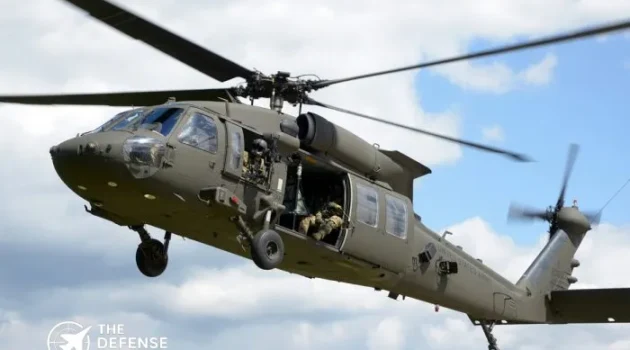
- The MV-75 Cheyenne II is the U.S. Army’s selected Future Long-Range Assault Aircraft (FLRAA), offering more than twice the speed and range of the UH-60 Black Hawk it is designed to replace.
- This is the first publicly disclosed international cooperation effort tied to the MV-75, signaling Washington’s intent to extend next-generation tiltrotor capability to allied forces in the Indo-Pacific.
- The exploratory work is supported under U.S. Army Contracting Command Contract No. W58RGZ-23-C-0001, tying any potential South Korean variant directly to the Army’s program of record and future U.S. export policy decisions.
- Both companies will evaluate a Modular Open Systems Approach (MOSA) to allow South Korean forces to modify and upgrade the platform affordably over time, reducing long-term dependency on a single supplier.
The Big Picture
The United States is actively working to extend its most advanced defense platforms to close allies, and vertical-lift aviation represents one of the clearest examples of this effort. As Washington deepens its focus on Indo-Pacific deterrence, ensuring that allies like South Korea operate compatible, interoperable platforms becomes strategically essential.
South Korea sits at the crossroads of one of the world’s most volatile security environments. The Korean Peninsula borders a nuclear-armed North Korea, exists within striking range of Chinese military assets, and demands a defense posture that can respond rapidly across difficult terrain — mountainous, coastal, and urban. The Republic of Korea Army relies heavily on rotary-wing aviation for troop transport, logistics, and close support, making the HSMUH program a high-priority modernization effort.
Simultaneously, the U.S. Army’s own FLRAA program is maturing rapidly. Rolls-Royce began ground testing the AE 1107F turboshaft engines that will power the MV-75 in December 2025. Collins Aerospace received contracts in April 2026 to supply five onboard systems including main power generation, the interconnect drive system, and the SmartProbe air data system. Bell opened a dedicated Wichita Assembly Center for MV-75 fuselage production on April 27, 2026 — one day before the KAI MOU was announced. The domestic program’s accelerating pace creates the conditions necessary for international offers to become credible.
What’s Happening
Bell Textron and KAI signed the MOU on April 27 (local time) at Bell’s Fort Worth headquarters. The signing was attended by KAI Rotary Wing Business Division Head Jo Jung-il and Bell Senior Vice President of Strategic Pursuits Jeff Schloesser.
Under the agreement, the two companies will assess MV-75-based solutions for South Korea’s HSMUH requirement. The scope includes evaluating a Modular Open Systems Approach (MOSA) framework to allow the Republic of Korea Armed Forces to modify the platform’s weapons systems rapidly and affordably as operational needs evolve.
Bell and KAI will also explore areas for industrial cooperation as the program matures. The press release notes the effort is “aligned with U.S. Government priorities and policies,” language that signals the partnership’s scope is bounded by Washington’s export authorization framework. Critically, the work is supported under U.S. Army Contracting Command Contract No. W58RGZ-23-C-0001 — the same FLRAA development contract that funds the domestic MV-75 program. That structure directly ties any future South Korean variant to U.S. policy decisions on technology transfer.
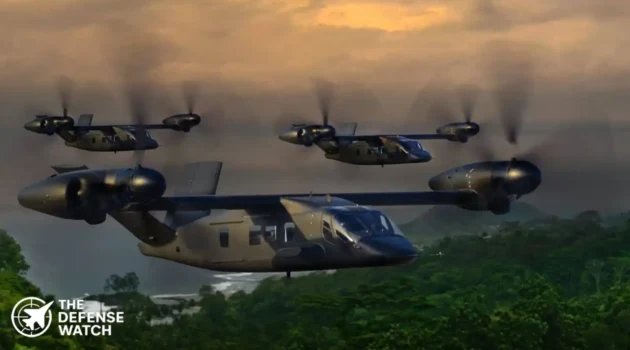
The MV-75 Cheyenne II is derived from Bell’s V-280 Valor demonstrator, which the U.S. Army selected for FLRAA in December 2022. The platform offers more than twice the speed and range of the UH-60 Black Hawk it is designed to replace, using tiltrotor technology to combine vertical-takeoff-and-landing capability with fixed-wing cruise efficiency.
Why It Matters
The Bell-KAI MOU carries significance on multiple levels — industrial, operational, and geopolitical.
For the ROK military, the HSMUH requirement represents a generational leap. South Korea’s current utility helicopter fleet, including aging UH-60 variants and domestically produced Surion helicopters, operates at conventional speeds and ranges. A tiltrotor-based replacement would dramatically expand the operational reach of ROK ground forces, enabling faster troop insertion, logistics support, and medical evacuation across a broader area of operations.
For Bell, the MOU represents the first concrete step toward internationalizing the MV-75 platform. Defense contractors rarely recoup development costs from a single-nation program of record. Export sales extend production runs, reduce per-unit costs, and generate revenue streams that sustain long-term program health. Establishing a partnership with KAI early — before the domestic program reaches initial operational capability — positions Bell to shape the HSMUH competition on its terms.
For the U.S.-ROK alliance, interoperability is the key operational dividend. If South Korea fields a variant of the same tiltrotor platform the U.S. Army operates, combined arms planning, logistics, and maintenance support become significantly simpler in a conflict scenario. That alignment has tangible value in a theater where American and South Korean forces train together under the Combined Forces Command structure.
Strategic Implications
The MOU carries strategic weight beyond its immediate industrial scope.
Tiltrotor technology represents a genuine capability gap relative to China’s current rotary-wing aviation inventory. The People’s Liberation Army Ground Force operates conventional helicopters — the Z-8, Z-9, and Z-20 families — none of which match the projected speed and range envelope of the MV-75. A South Korea operating tiltrotors alongside U.S. forces would widen that advantage and complicate Chinese planning assumptions about the pace at which allied forces could maneuver in a Peninsula contingency or Taiwan Strait escalation scenario.
The MOSA requirement embedded in the MOU also reflects a deliberate strategic choice. By designing a framework that allows South Korea to modify weapons systems without relying on a single supplier, the arrangement hedges against potential export control friction in a future crisis. This approach mirrors the philosophy Washington has applied to the F-35 program — providing advanced platforms while retaining control over the most sensitive subsystems through strict access agreements.
The fact that this cooperation is explicitly tied to a U.S. Army contract rather than structured as a pure foreign military sale adds another dimension. It keeps the program within the oversight architecture of U.S. defense acquisition law, ensuring Washington retains visibility and approval authority over how MV-75 technology flows to a third party — even a close treaty ally.
Competitor View
China will note this MOU as part of a broader pattern of the United States extending advanced military aviation to Indo-Pacific allies. Beijing has watched the U.S. deepen defense industrial cooperation with Japan, Australia, and South Korea through multiple channels, and the prospect of a tiltrotor-equipped ROK Army adds another layer to the military balance on the Peninsula and in the broader region.
North Korea’s military planners face a more immediate concern. The Korean People’s Army relies on a mix of Soviet-era helicopters for assault and logistics missions. A South Korean fleet equipped with tiltrotors capable of faster infiltration speeds, longer operational radii, and greater payload flexibility would significantly complicate DPRK air defense planning, particularly for high-value targets deeper inside North Korean territory.
Russia’s defense establishment, closely watching Western military technology proliferation, has tracked the MV-75 program with interest. Moscow understands the FLRAA concept and has invested in its own high-speed rotorcraft research — the Mil Mi-X1 compound helicopter program — though Russian development timelines have been substantially disrupted by the Ukraine war and associated industrial pressures.
What To Watch Next
The MOU is a framework for exploration, not a procurement commitment. Several milestones will determine whether this agreement matures into a formal program.
The MV-75’s domestic development timeline remains the first gating factor. Army Program Acquisition Executive Maj. Gen. Clair Gill stated in April 2026 that the first flight will happen “when it’s going to happen,” declining to commit to a specific date. Until the aircraft demonstrates flight performance, any South Korean variant remains conceptual.
Watch for indicators of formal South Korean government engagement. The HSMUH program has been discussed in Seoul’s defense acquisition circles for several years, but budget allocation and a formal Request for Information or Proposal have not yet been publicly announced. Korean defense budget decisions in the 2027–2028 timeframe will signal whether this program accelerates or remains in long-range planning.
Industrial cooperation terms will also shape the deal’s political viability. South Korea’s defense procurement process strongly favors domestic industrial participation — offsets, technology transfer, and co-production arrangements. How Bell and KAI structure any future workshare agreement will be a decisive factor in Korean governmental support for the MV-75 bid.
Capability Gap
South Korea’s current medium utility helicopter fleet faces several operational limitations relevant to the threat environment on the Peninsula. Conventional helicopter speeds — typically 140 to 160 knots cruise — limit rapid vertical envelopment and deep insertion operations. The Korean terrain, which combines mountainous interior regions with urbanized coastal corridors, demands aviation assets that can transition quickly between low-observable infiltration profiles and high-speed transit.
The MV-75 tiltrotor concept directly addresses this gap. Tiltrotor aircraft cruise at speeds approaching 280 knots — nearly double conventional helicopter performance — while retaining helicopter-style vertical lift capability for confined-area operations. For a military facing a threat from the north that values speed and surprise, this performance differential is operationally significant.
The MOU’s MOSA framework addresses a separate but equally important gap: long-term platform adaptability. Legacy South Korean helicopter programs have faced challenges integrating new sensors, weapons, and communications systems as technology evolved. A platform designed from the outset for modular upgrades reduces that friction and extends operational relevance without costly and time-consuming airframe redesigns.
Limitations remain. The MV-75 is still in development; first flight has not been achieved and production timelines remain unconfirmed. Any South Korean variant would follow the U.S. Army’s own procurement schedule by several years at minimum. The export authorization process adds further uncertainty, as tiltrotor technology — with its military performance implications — will require careful review under U.S. International Traffic in Arms Regulations.
The Bottom Line
The Bell-KAI MOU moves the MV-75 Cheyenne II beyond a single-nation Army program and into the broader architecture of U.S. Indo-Pacific alliance strategy — a signal that Washington intends next-generation vertical lift to become a shared capability, not a unilateral advantage.
Singapore Prepares For Historic F-35 Stealth Fighter Arrival
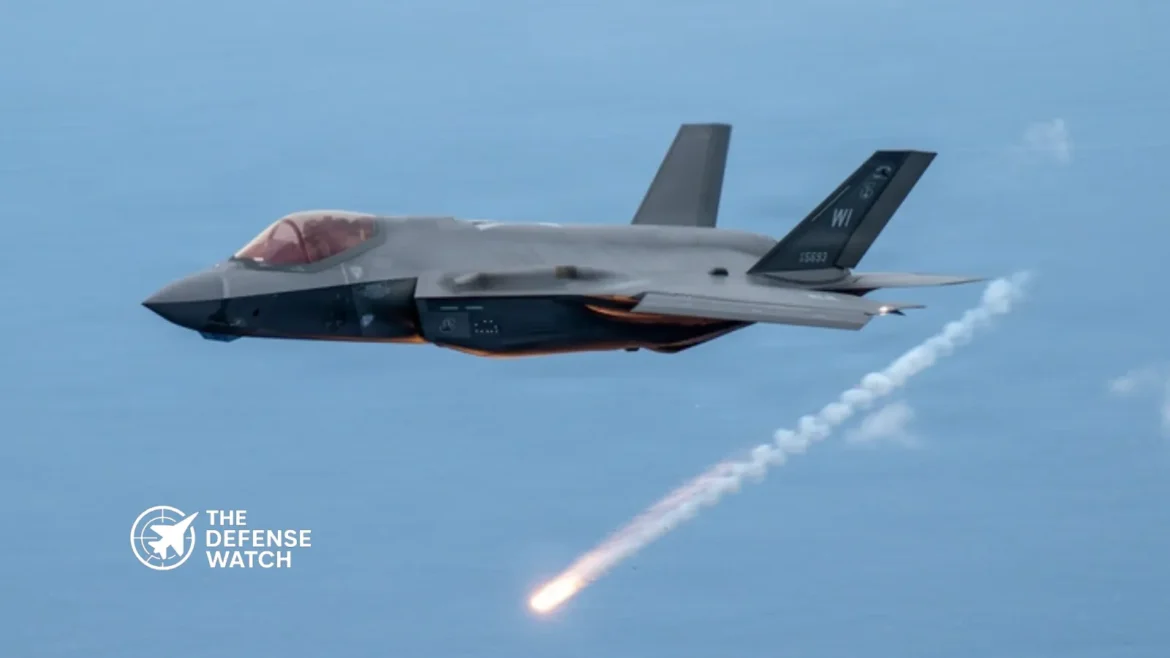
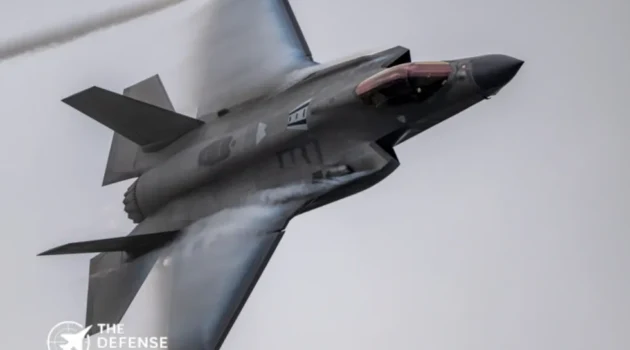
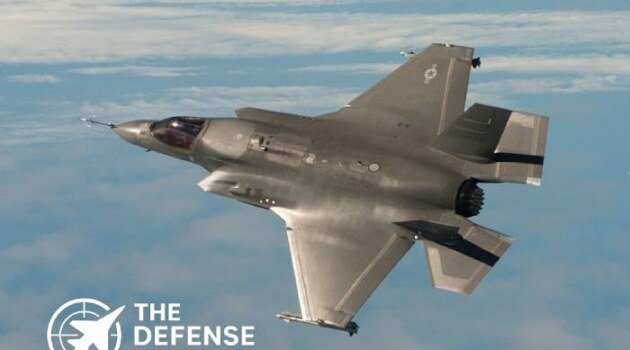
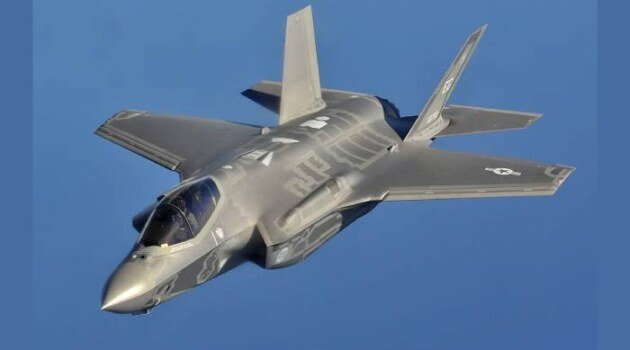
Singapore is on track to receive its first F-35 Lightning II stealth fighters later this year, marking a significant milestone in the Republic of Singapore Air Force’s (RSAF) modernization efforts. According to Defense News reporting, the Southeast Asian nation will join an exclusive group of operators flying the world’s most advanced fifth-generation fighter aircraft, strengthening its defense capabilities amid evolving regional security challenges.
The anticipated delivery represents the culmination of Singapore’s 2020 decision to procure the F-35, positioning the city-state as the first Southeast Asian nation to operate the Joint Strike Fighter. This acquisition fundamentally transforms Singapore’s air combat capabilities and reinforces its position as a key U.S. defense partner in the Indo-Pacific region.
Background: Singapore’s F-35 Acquisition Program
Singapore announced its intention to purchase the F-35B and F-35A variants in January 2020, with an initial order reportedly covering up to 12 aircraft in the first phase. The F-35B variant, capable of short takeoff and vertical landing (STOVL), offers unique operational flexibility for Singapore’s space-constrained environment, while the conventional takeoff and landing F-35A provides complementary capabilities.
The procurement decision followed years of evaluation and came after Singapore’s participation in the F-35 program as a Security Cooperation Participant since 2003. This long-standing involvement provided RSAF personnel valuable exposure to the platform’s development and operational concepts well before finalizing the purchase.
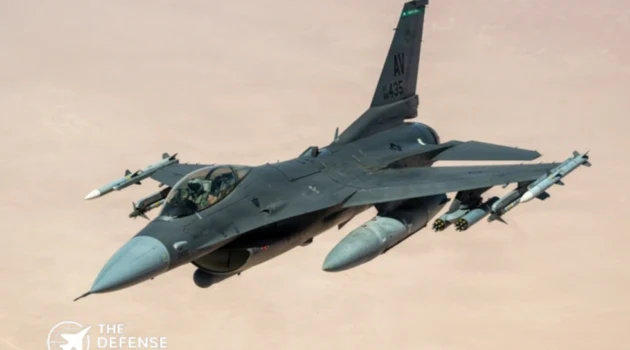
Defense officials indicated that the F-35 acquisition aligns with Singapore’s comprehensive fleet modernization strategy, which includes replacing aging F-16C/D Fighting Falcons that have served as the backbone of the RSAF fighter force for decades.
Technical Capabilities And Strategic Implications
The F-35 Lightning II brings transformative capabilities to the Republic of Singapore Air Force, including advanced stealth characteristics, sensor fusion technology, and network-centric warfare capabilities that far exceed fourth-generation platforms. The aircraft’s AN/APG-81 Active Electronically Scanned Array (AESA) radar, Electro-Optical Targeting System (EOTS), and Distributed Aperture System (DAS) create an unprecedented situational awareness picture for pilots.
Singapore’s F-35 fleet will provide critical advantages in contested airspace scenarios, including the ability to detect, track, and engage threats while remaining difficult to detect. The aircraft’s advanced electronic warfare suite and low-observable design enable operations in highly defended environments that would pose significant challenges to conventional fighters.
The stealth fighter’s interoperability with U.S. and allied forces represents another strategic dimension. As tensions in the South China Sea and broader Indo-Pacific region continue, Singapore’s F-35s will enhance coalition operations and information sharing with other F-35 operators including the United States, Australia, Japan, and South Korea.
Training And Infrastructure Development
Preparing for F-35 operations has required substantial investments in infrastructure, training, and support systems. According to industry sources, RSAF pilots and maintainers have been conducting training at U.S. facilities, including Luke Air Force Base in Arizona, which hosts international F-35 training operations.
Singapore has also invested in specialized maintenance facilities, secure communications infrastructure, and Autonomic Logistics Information System (ALIS) — now transitioning to the Operational Data Integrated Network (ODIN) — to support F-35 operations. These systems enable predictive maintenance and global sustainment coordination essential for maintaining the sophisticated fifth-generation platform.
The training pipeline for F-35 pilots typically requires 12-18 months, beginning with academic instruction on aircraft systems, followed by simulator training, and culminating in live flying operations. RSAF personnel have reportedly been progressing through this pipeline in preparation for the aircraft’s arrival.
Regional Context And Balance Of Power
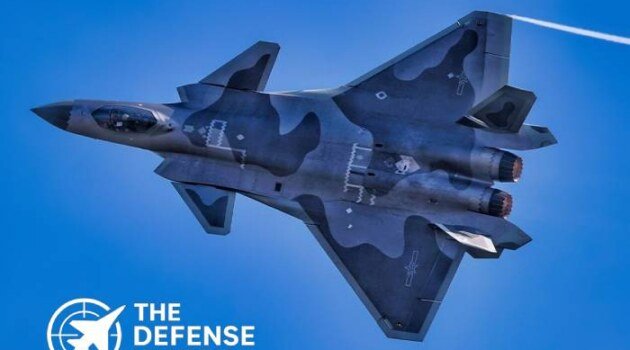
Singapore’s F-35 acquisition occurs against a backdrop of significant military modernization across the Asia-Pacific region. China has deployed its own fifth-generation fighters, including the J-20 and FC-31/J-35, while neighboring countries have pursued advanced fourth-generation-plus platforms.
The arrival of F-35s in Singapore reinforces the nation’s defense deterrence posture without dramatically altering regional military balances. Singapore has historically maintained a policy of active defense and technological superiority to compensate for its small geographic size and limited strategic depth.
Defense analysts note that Singapore’s F-35 fleet will likely focus on air defense, maritime strike, and intelligence, surveillance, and reconnaissance (ISR) missions within the immediate region. The aircraft’s advanced sensors make it particularly valuable for monitoring maritime approaches and contested waters, including critical sea lanes through the Strait of Malacca.
Economic And Industrial Participation
Singapore’s involvement in the F-35 program extends beyond simple procurement. Local defense companies have secured positions in the global F-35 supply chain, providing components and support services for the international fleet of over 1,000 aircraft across multiple operators.
ST Engineering, Singapore’s defense industrial champion, manufactures components including aircraft structures and participates in maintenance, repair, and overhaul activities for the F-35 program. This industrial participation generates economic returns while building domestic expertise in advanced aerospace technologies.
The F-35 program office has emphasized that Security Cooperation Participants like Singapore benefit from technology transfer opportunities, industrial partnerships, and long-term sustainment contracts that extend well beyond initial aircraft deliveries.
Operational Timeline And Fleet Expansion
While the first F-35 deliveries are expected in late 2026, achieving full operational capability will require additional time for pilot training, tactics development, and operational testing under tropical conditions specific to Southeast Asia. Defense sources suggest initial operational capability could be achieved by 2027-2028.
Singapore has indicated that the F-35 acquisition may extend beyond the initial batch, with potential for additional orders as older F-16 fighters reach the end of their service lives. The RSAF currently operates approximately 60 F-16C/D aircraft alongside F-15SG Strike Eagles, and the F-35 is positioned to eventually replace the F-16 fleet entirely.
The phased approach allows Singapore to manage costs, develop operational expertise gradually, and assess the platform’s performance before committing to larger fleet numbers. This measured strategy reflects Singapore’s typically prudent approach to major defense acquisitions.
Challenges And Considerations
Operating the F-35 in Singapore’s tropical environment presents unique challenges, including high temperatures, humidity, and corrosive salt air that can affect aircraft systems and maintenance requirements. The RSAF will need to develop location-specific maintenance procedures and potentially modify existing infrastructure to accommodate the platform’s environmental sensitivities.
The F-35’s operating costs, which remain higher than fourth-generation fighters despite continuous reduction efforts, will require sustained defense budget commitments. Singapore’s robust economy and consistent defense spending — typically 3-4% of GDP — position the nation to sustain F-35 operations long-term.
Cybersecurity considerations also factor prominently, as the F-35’s network-centric design and reliance on software updates require robust information security measures. Singapore has invested heavily in cyber defense capabilities that will support secure F-35 operations.
International Cooperation And Partnerships
Singapore’s F-35 acquisition strengthens defense ties with the United States, already formalized through multiple agreements including the 1990 Memorandum of Understanding on U.S. military access to Singapore’s facilities. The F-35 program includes extensive information sharing, joint training opportunities, and coordinated sustainment activities that deepen bilateral defense cooperation.
The platform also facilitates multilateral cooperation with other regional F-35 operators. Australia, Japan, and South Korea all operate F-35s, creating opportunities for combined exercises, tactics development, and interoperability enhancement across the Indo-Pacific theater.
Singapore’s Defense Minister has emphasized that the F-35 acquisition supports the nation’s commitment to regional stability and its role as a responsible stakeholder in Southeast Asian security architecture. The RSAF regularly participates in multilateral exercises including Red Flag, Cope Tiger, and Pitch Black, where F-35 integration will enhance training value.
Looking Ahead: Future Capabilities
The F-35 program continues evolving through ongoing software upgrades and capability enhancements under the Continuous Capability Development and Delivery (C2D2) process. Singapore’s aircraft will benefit from these improvements, including enhanced weapons integration, improved electronic warfare capabilities, and advanced networking features.
Future Block 4 upgrades promise significant capability expansions, including integration of new weapons, improved radar performance, and enhanced survivability features. As these upgrades become available, Singapore’s F-35 fleet will maintain its technological edge throughout its multi-decade service life.
The RSAF has also expressed interest in unmanned systems and loyal wingman concepts that could operate alongside manned F-35s, potentially including platforms like the MQ-28 Ghost Bat being developed by Australia and Boeing. Such collaborative combat aircraft could multiply F-35 effectiveness while reducing pilot risk in high-threat scenarios.