Executive Summary:
Lockheed Martin is expanding cooperation with Australian industry partners to support the country’s growing HIMARS and Precision Strike Missile programs. The effort aligns with Canberra’s broader push to strengthen sovereign defense manufacturing and long-range strike capabilities across the Indo-Pacific region.
Lockheed Martin Expands Australian HIMARS Cooperation
Lockheed Martin is expanding its cooperation with Australian industry as Canberra accelerates plans to field long-range precision strike systems under its broader defense modernization strategy.
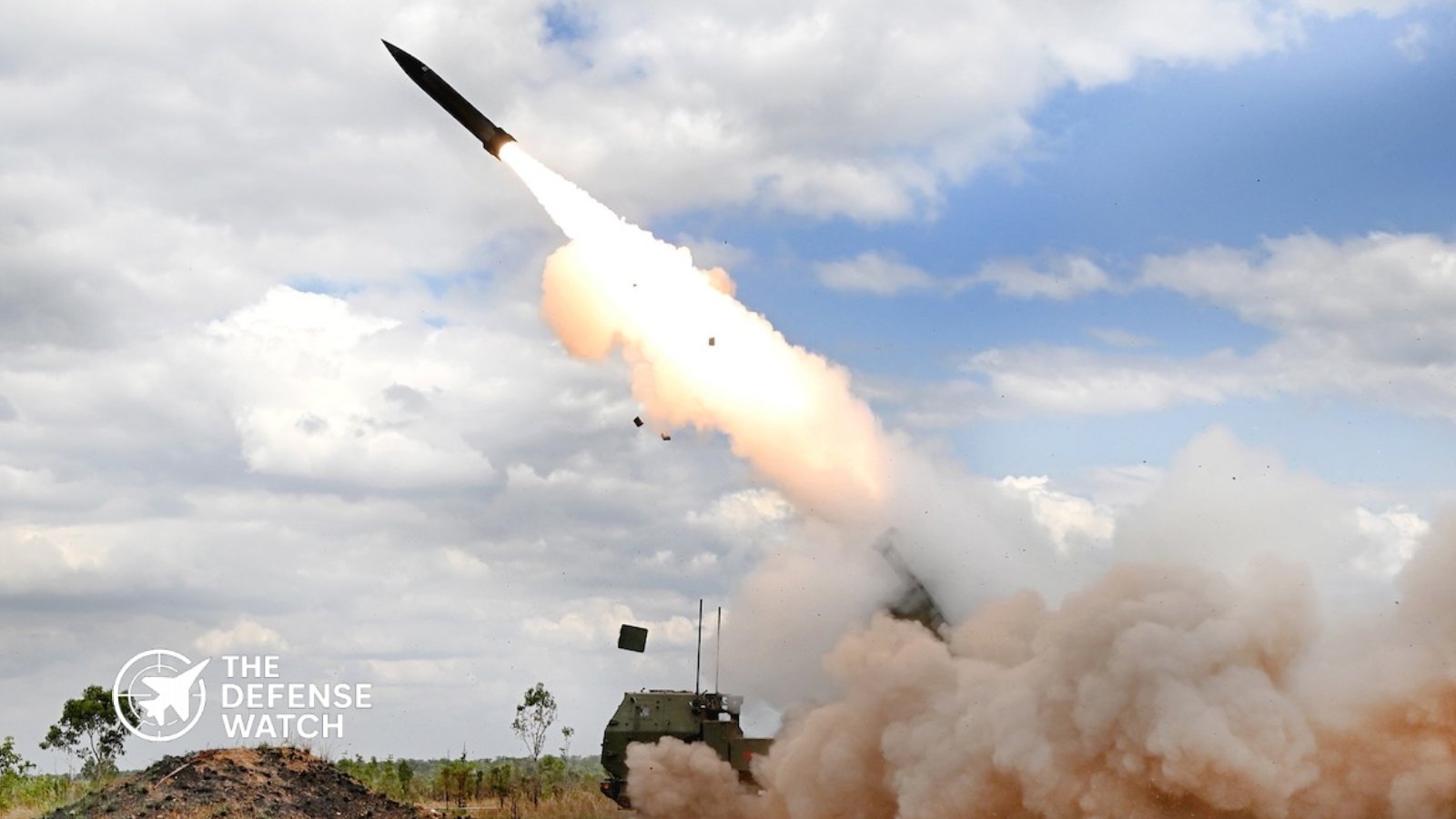
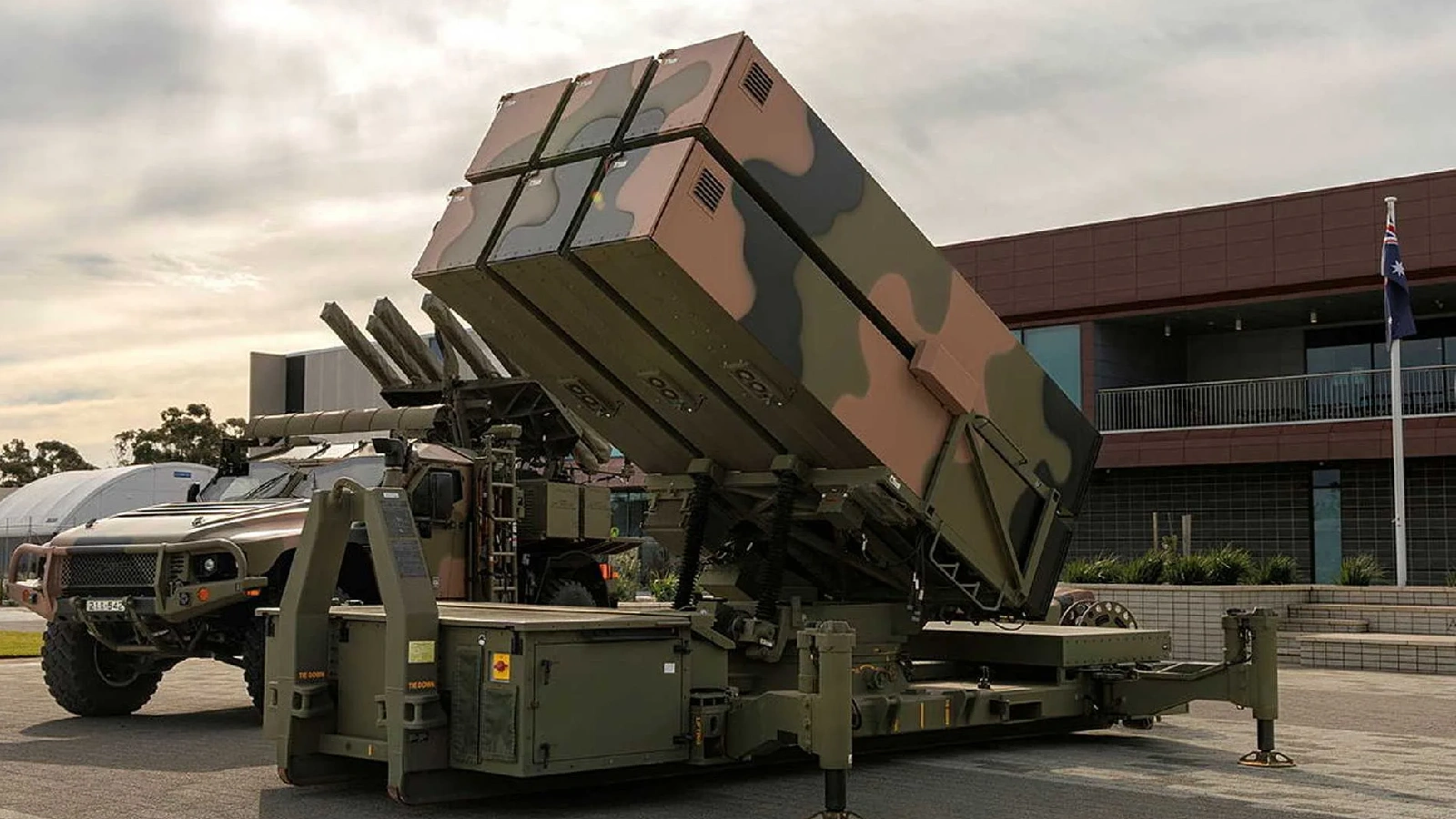
The company is increasing collaboration with local suppliers and industrial partners tied to the Australian Army’s acquisition of the M142 HIMARS and the Precision Strike Missile, commonly known as PrSM.
The expansion reflects Australia’s effort to build sovereign industrial capability while improving long-range fires capacity amid growing security competition in the Indo-Pacific.
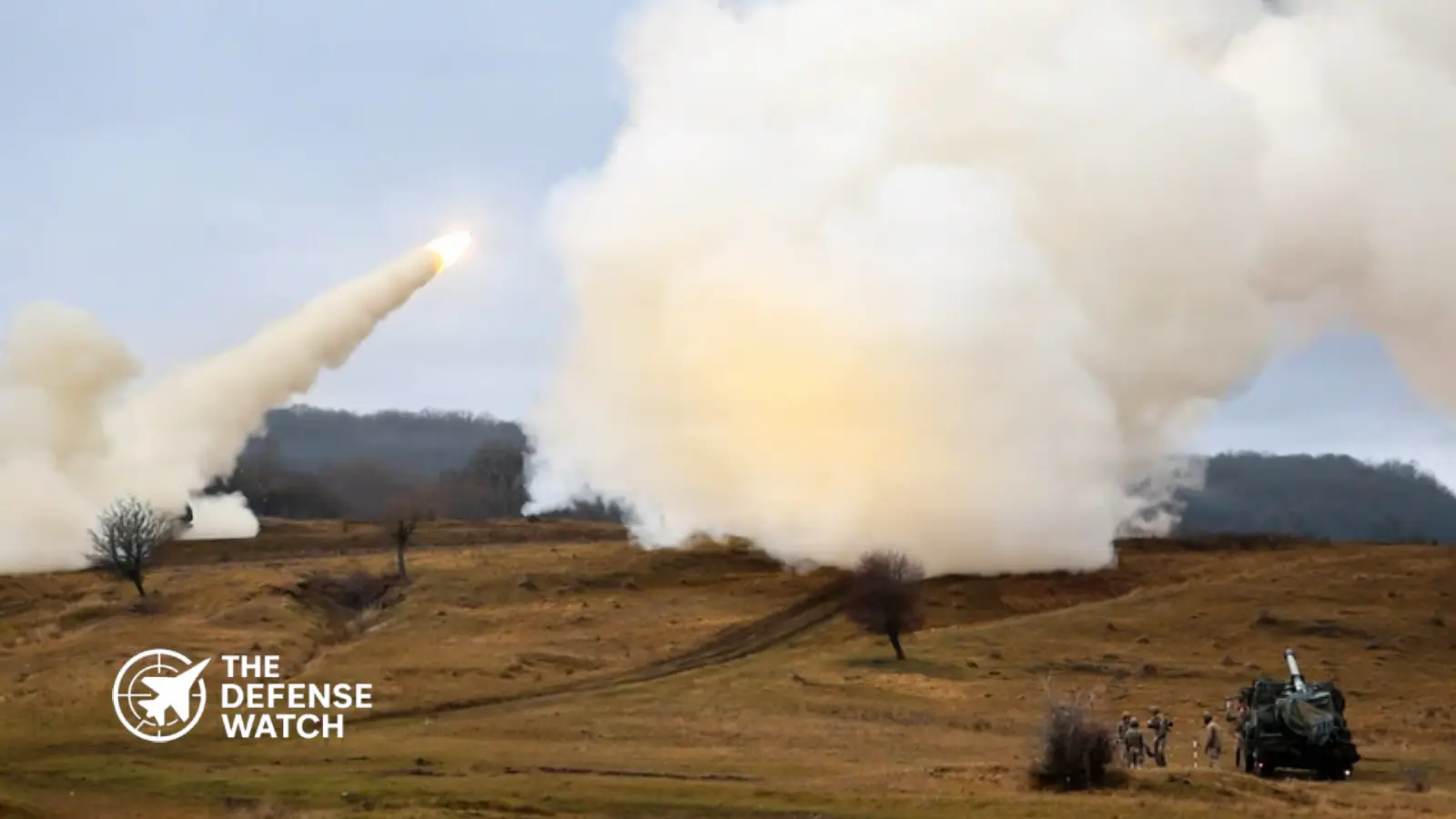
Australia approved the acquisition of HIMARS launchers in 2023 as part of a wider defense restructuring effort designed to increase mobility, survivability, and strike range. The system has gained significant international attention following its operational use in Ukraine, where it demonstrated high-precision engagement capability against logistics hubs and command infrastructure.
Focus On Sovereign Manufacturing
Lockheed Martin Australia said the latest phase of cooperation centers on increasing participation by domestic companies in manufacturing, sustainment, integration, and future missile support activities.
The company has already signed agreements with several Australian suppliers as Canberra pushes to reduce reliance on overseas sustainment chains. Officials have repeatedly emphasized that future Australian Defense Force procurement programs must generate domestic industrial benefits and improve resilience during potential regional crises.
The HIMARS program is closely linked to Australia’s broader Guided Weapons and Explosive Ordnance initiative, which seeks to establish a domestic missile manufacturing ecosystem over the coming decade.
The addition of the Precision Strike Missile is especially significant. PrSM is designed to replace the aging Army Tactical Missile System, offering substantially greater range, improved survivability, and the ability to strike high-value targets at long distances.
PrSM Expands Long-Range Strike Reach
The Precision Strike Missile is being developed for the U.S. Army as its next-generation long-range precision fires weapon. The missile is expected to exceed the range of legacy ATACMS systems while supporting rapid targeting and network-enabled operations.
For Australia, the introduction of PrSM represents a major expansion in operational reach. Combined with the mobility of the M142 HIMARS, the capability provides the Australian Army with a more flexible deterrence option across dispersed regional environments.
Defense analysts increasingly view long-range fires as central to Indo-Pacific military planning, particularly given the vast maritime distances and the growing importance of distributed operations.
Australia’s 2024 National Defence Strategy identified long-range strike capability as a priority area, alongside integrated air and missile defense, undersea warfare, and northern force posture improvements.
Growing U.S.-Australia Defense Alignment
The HIMARS and PrSM expansion also highlights deepening defense cooperation between Australia and United States.
The two allies have expanded military integration through initiatives linked to AUKUS, rotational force deployments, advanced missile cooperation, and joint exercises across the Indo-Pacific theater.
Washington has encouraged allied nations to develop interoperable precision strike capabilities that can operate across shared command-and-control architectures. Australia’s investment in HIMARS and PrSM aligns directly with that objective.
At the same time, Canberra is attempting to balance rapid capability acquisition with domestic industrial growth. That approach mirrors similar policies adopted by several NATO and Indo-Pacific partners seeking to strengthen defense production capacity after supply chain disruptions exposed vulnerabilities during recent global crises.
Strategic Implications For The Indo-Pacific
The expansion of HIMARS and Precision Strike Missile cooperation comes amid heightened regional military competition and increasing emphasis on deterrence through long-range precision fires.
Australia’s geography places unique importance on mobility and standoff strike capability. Systems such as HIMARS allow rapid deployment across remote operating locations while reducing dependence on fixed infrastructure.
The move also signals a broader shift in Australian force design away from short-range continental defense toward longer-range regional deterrence and integrated allied operations.
While the current focus remains on initial fielding and industrial participation, future cooperation could expand into missile sustainment, component manufacturing, and broader guided weapons integration programs.
Birdon awarded Australian Army amphibious vehicles contract
Birdon has secured a 125 million dollar contract to deliver next generation amphibious vehicles for the Australian Army, marking a major milestone in Australia’s land and maritime logistics modernization.
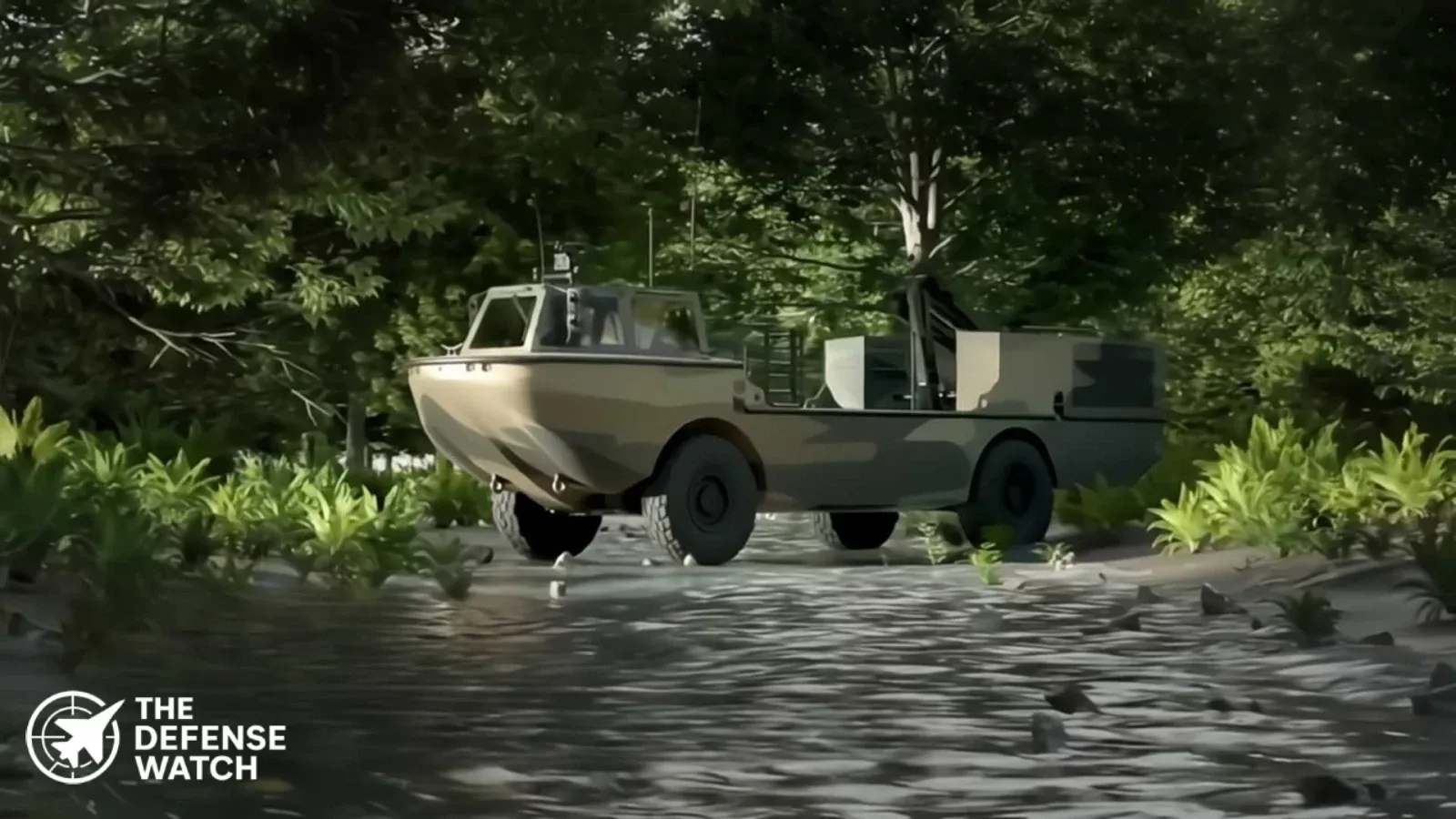
Under the Land 8710 Littoral Manoeuvre program, Birdon will design and build one prototype and 15 Amphibious Vehicles Logistics, known as AV L, for the Australian Department of Defence. The program replaces the Army’s long serving LARC V fleet, which has been in service for decades.
According to the Australian Government and Birdon statements, the new AV L vehicles are intended to provide a significant improvement in amphibious capability, safety, and reliability across Australia’s complex coastal and near shore operating environments.
Designed for land, surf, and open water operations
The AV L platform is engineered to operate seamlessly across land, surf zones, and open water, combining deep sea vessel performance with on road mobility. Birdon states the design complies with Australian safety and regulatory standards while remaining suitable for military operations.
The vehicles are built to operate in high heat, extreme humidity, and corrosive saltwater conditions. These requirements reflect the Australian Army’s focus on operating across tropical, littoral, and remote environments in support of both military and humanitarian missions.
Advanced propulsion, steering, and traction systems enable smooth transitions between marshland, beaches, and surf. In water manoeuvrability and vehicle responsiveness during recovery and emergency situations are also key design priorities.
Focus on crew safety and mission flexibility
Operator safety is a central element of the AV L design. Birdon says the vehicles include systems that actively manage traction, reduce crew fatigue, and improve stability during high risk amphibious operations.
The platform also features a modular payload system, deck mounted crane, and adaptable configurations. This allows the AV L to support a wide range of tasks including logistics resupply, equipment transport, disaster response, and humanitarian assistance.
Australian defence officials have highlighted the need for flexible logistics platforms that can support joint and amphibious operations across the Indo Pacific region.
Australian build supports sovereign capability
All AV L vehicles will be designed and manufactured at Birdon’s Port Macquarie shipyard in New South Wales. The company says the program will support local jobs, workforce skills development, and Australia’s sovereign maritime and defence industrial capability.
The project aligns with broader Australian defence policy goals focused on strengthening domestic defence manufacturing and reducing reliance on overseas suppliers for critical military platforms.
Birdon described the contract as part of its long term partnership with the Australian Department of Defence, emphasizing design led engineering and integrated delivery.
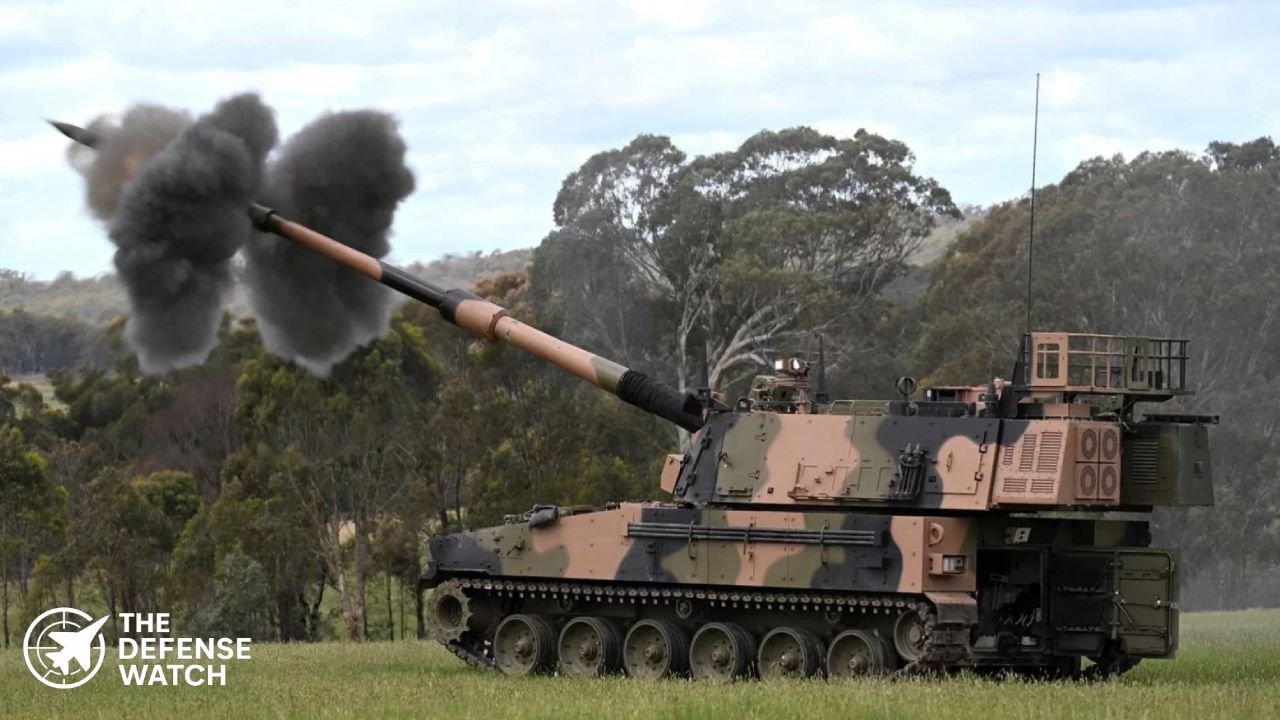
On 1 December 2025, in a landmark event for the Australian Army, artillery crews conducted the first live-fire exercises on Australian soil using the new AS9 Huntsman 155 mm self-propelled howitzer. The drills took place at the Puckapunyal Military Area (Victoria), where personnel from the School of Artillery and the 4th Regiment, Royal Australian Artillery executed the inaugural round of firing. The exercise afforded the first live validation of the platform under Australian operational conditions.
Background — The Journey to Huntsman Live Fire
The AS9 Huntsman is the Australian variant of the South Korean K9 Thunder tracked self-propelled howitzer, acquired under a 2021 contract worth roughly AUD 1 billion. The agreement, part of the Land 8116 Phase 1 program (also known as the Protected Mobile Fires programme), calls for delivery of 30 AS9 howitzers along with 15 AS10 Armoured Ammunition Resupply Vehicle (AARV) units. Under the contract, after initial vehicles delivered from South Korea, subsequent units are to be assembled domestically at the new infrastructure of Hanwha Defense Australia (HDA) in Geelong, Victoria by 2027.
The first deliveries occurred in late 2024, when two AS9s and one AS10 were transferred to HDA, marking the physical start of the program.
Details of the Live Fire: What the Exercise Demonstrated
During the December 1 exercise at Puckapunyal, AS9 crews ran through full firing procedures, including gun laying, loading, and fire control routines. According to the Australian Department of Defense, the live firing allowed validation of gunnery procedures, mobility workflows, and integration of the digital fire control system under Australian conditions.
The AS9 Huntsman is crewed by five soldiers — commander, gunner, assistant gunner, loader, and driver — and is designed for “speed, lethality and survivability.” Its 155 mm/52-caliber main gun can fire standard rounds out to approximately 40 km, while rocket-assisted or specialized munitions extend reach to 60 km. The platform supports a high rate of fire — three rounds in 15 seconds in burst mode, and a sustained rate of six to eight rounds per minute — enabling rapid responses and multiple-round simultaneous impact if required.
Moreover, thanks to its tracked chassis and automated loading/fire control systems, the AS9 can relocate quickly after firing — a key capability for survivability against counter-battery fire. The associated AS10 AARV supports sustained operations by providing ammunition resupply without exposing crews to enemy fire.
What Makes AS9 Huntsman Different — Upgrades and Adaptations
While the AS9 Huntsman is rooted in the established K9 Thunder architecture, it features several modifications to meet Australian operational needs. Enhancements include add-on armor and improved mine-protection for crew survivability, upgraded suspension and cooling systems to cope with harsh climates, and an advanced fire-control and communications suite that interoperates with Australian command-and-control networks.
The domestic manufacturing plan adds strategic value — the HDA facility in Geelong helps build sovereign defense-industrial capacity, creates jobs, and provides a foundation for long-term sustainment and possible future exports of the Huntsman family.
Strategic Context and Significance
The launch of AS9 Huntsman live-firing marks a generational shift in the Australian Army’s artillery capabilities. It underscores a broader transition from older to networked, mobile, precision-strike artillery — a shift mirrored across many modern militaries facing evolving regional threats.
The integration of the AS9 into the force structure enhances the Army’s ability to deliver rapid, accurate, long-range fires, conduct shoot-and-scoot operations, and support dispersed, mobile formations. In the Indo-Pacific context — with shifting security dynamics, rising emphasis on joint and distributed operations, and growing interest in allied interoperability — the Huntsman gives Australia a potent, resilient foundation for land-based firepower.
What Comes Next — Integration, Training, and Operational Deployment
The December 1 live fire at Puckapunyal was the first of what is expected to be a series of drills and training cycles designed to fully integrate AS9 Huntsman within Australian Army units. Over the next months and years, as additional vehicles roll out from the Geelong facility, the Army will conduct further live-fire exercises, develop tactics leveraging the Huntsman’s capabilities, and train crews across multiple artillery regiments.
The presence of AS10 resupply vehicles will be particularly important for sustained operations, enabling sustained fire missions with minimal vulnerability. As the full fleet completes delivery by 2027 under the Land 8116 program, the AS9/AS10 combination is likely to become the backbone of Australia’s protected mobile fires capability.
Conclusion — A New Era in Australian Artillery
The first live firing of AS9 Huntsman howitzers on Australian soil is more than a technical milestone — it represents a decisive leap in the Australian Army’s fire-support capability. By combining mobility, protection, automation, and long-range precision fires, the Huntsman redefines what Australian land forces can achieve, both in routine training and potential combat scenarios. As further deliveries and training roll out, the AS9 Huntsman is set to become a central pillar of Australia’s modernized artillery doctrine.