


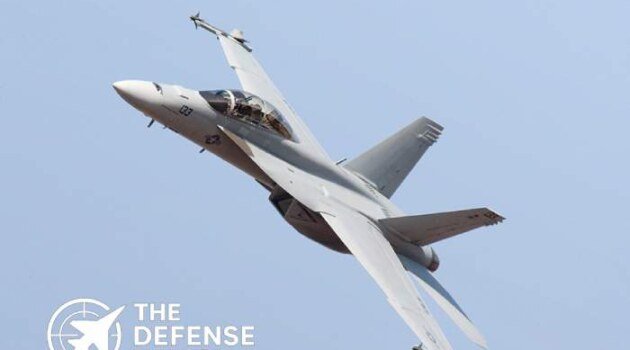
On 5 December 2025 the United States Navy announced it has successfully recovered both an F/A-18F Super Hornet fighter jet and an MH-60R Seahawk helicopter from the seabed of the South China Sea. The two aircraft had crashed within roughly 30 minutes of each other on 26 October while operating from the carrier USS Nimitz. The wrecks were retrieved from about 400 feet depth, says the Navy’s 7th Fleet.
Both aircraft were recovered intact, and all recovered components are being moved to a U.S. military facility in the Indo-Pacific for further analysis.
Background
On 26 October 2025 the South China Sea incident startled naval analysts. At about 2:45 p.m local time a MH-60R Seahawk assigned to the “Battle Cats” of Helicopter Maritime Strike Squadron 73 went down while conducting routine operations from USS Nimitz. Three crew members aboard were rescued by search-and-rescue assets.
Roughly 30 minutes later, at around 3:15 p.m., an F/A-18F Super Hornet from the “Fighting Redcocks” of Strike Fighter Squadron 22 also crashed during routine flight operations from the same carrier. Both pilots ejected safely and were recovered in stable condition.
The cause of the crashes remains under investigation. Among possible contributing factors, contaminated or substandard fuel has been raised, including by a senior U.S. official.
The dual loss was notable: losing two carrier-borne aircraft within half an hour during routine operations is rare for the Navy. The incidents occurred while the aging USS Nimitz — the oldest carrier in active U.S. service — was on its final deployment before decommissioning.
Details of the Recovery Effort
The salvage operation was led by a combined effort: Task Force 73, Task Force 75, the naval salvage and diving command SUPSALV, and the Mobile Diving and Salvage Unit attached to CTG 73.6..
A contracted “vessel of opportunity” equipped with a government-owned, contractor-operated unmanned lifting system carried out the recovery. The Navy did not disclose the vessel’s name.
Earlier, the Navy had deployed the salvage ship USNS Salvor (T-ARS 52) — a Safeguard-class vessel operated by the Military Sealift Command — to the site. Salvor is designed for heavy-lift and deep-sea salvage, with cranes capable of lifting tens to hundreds of tons depending on configuration.
Given the approximate weights — around 33 tons for a Super Hornet at maximum takeoff and about 11.5 tons for a Seahawk — the salvage hardware was more than capable of recovering the airframes.
According to Lt. Cmdr. Christopher Andersen, officer leading the operation, the recovery showcased the integration of diving, salvage and carrier-group capabilities. He praised the broad pool of expertise that made safe retrieval possible.
Strategic Context
The retrieval comes amid growing strategic competition in the South China Sea. For the U.S. Navy, recovery was likely priority number one. Experts note it is routine for the Navy to salvage downed aircraft — especially those carrying sensitive systems — to avoid the risk of foreign recovery. As defense analyst Mark Cancian observed, such operations “are totally normal.”
Still, the back-to-back crashes raise concern internally and abroad. Observers in Beijing have pointed to the accident as evidence of declining operational capability in the U.S. fleet, arguing the incident highlights vulnerabilities in carrier-borne aviation.
With the Nimitz nearing decommissioning, the pressure on maintenance and safety for the remaining service life may become a subject of scrutiny.
What’s Next
The recovered wreckage is now slated for thorough analysis at a U.S. military installation in the Indo-Pacific region. The results may help shed light on what caused two carrier-based aircraft to go down within minutes of each other.
The findings could influence training, maintenance, and operational protocols for carrier air wings — especially during deployments in geopolitical flashpoints such as the South China Sea.
Given regional tensions, the full report may also shape diplomatic messaging and reassure both U.S. allies and rivals about the safety and security of sensitive technology.

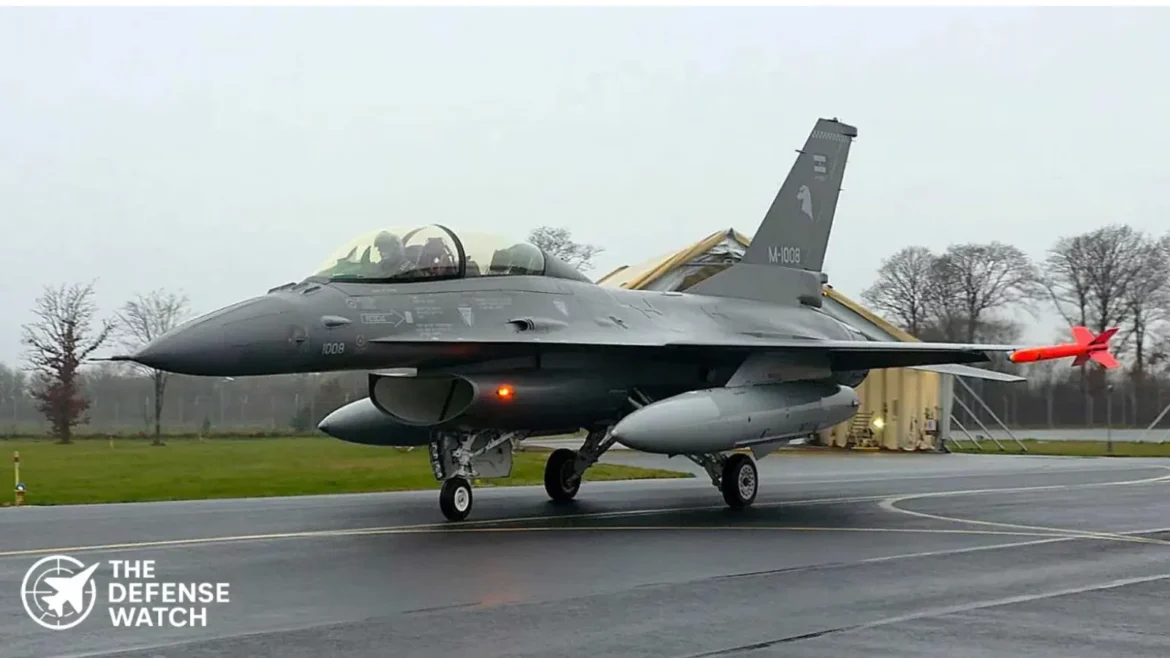
On December 5, 2025, six second-hand Lockheed Martin F-16 Fighting Falcon fighters arrived in Argentina after a trans-Atlantic ferry flight from Denmark. The arrival marks the first delivery under the country’s deal to buy ex-Royal Danish Air Force (RDAF) F-16s, restoring a supersonic fighter capability to the Fuerza Aerea Argentina (FAA) for the first time in over a decade.
An official induction ceremony followed on December 6 at the base in Córdoba Province, where top government figures welcomed the jets.
Why This Matters
Argentina had lacked modern jet-powered fighters since it retired its last supersonic fleet. The delivery of these F-16s ends a significant capability gap, giving the country renewed reach in air defense, interception, and multi-role strike. The arrival signals a major step in the FAA’s broader modernization plan.
Background: From Mirage to F-16
After retiring its Dassault Mirage III fighters in 2015, the FAA relied largely on aging subsonic jets such as the Douglas A-4 Skyhawk and locally assembled trainers.
Efforts to acquire new fighters over the years — including proposals involving aircraft such as the Saab Gripen, IAI Kfir and FA-50 — were blocked by export restrictions tied to the fallout from the 1982 Falklands War. Those restrictions limited Argentina’s access to advanced military hardware for decades.
The 2024 agreement with Denmark changed that. Under the deal, Argentina is acquiring a total of 24 operational F-16AM/BM aircraft, plus one non-flying airframe for training and ground instruction.
Delivery Details
- The first batch comprises four two-seat F-16BM and two single-seat F-16AM jets.
- The jets departed from Denmark’s Skrydstrup Air Base on November 28, 2025. The ferry route included technical stops in Zaragoza, Spain; the Canary Islands; and Natal, Brazil.
- The trans-Atlantic flight was supported by aerial refueling from three Boeing KC-135 Stratotanker aircraft.
- The jets landed at Área Material Río Cuarto (ARMACUAR) base. The FAA plans to deploy them at first from Río Cuarto, with a later move to a permanent base at Tandil Air Base once infrastructure upgrades finish.
Capabilities and Modernization
According to the Argentine Defense Ministry, the new F-16s come equipped with advanced avionics, an electronic warfare suite, and a modern weapons package. The multirole jets are intended for air defense, suppression of enemy air defenses, maritime strike, close air support, reconnaissance, and dynamic targeting tasks.
The acquisition follows a broader push to upgrade the air force fleet and restore long-lost capabilities. The deal includes not only the aircraft, but also spare parts, maintenance support, and training arrangements.
Policy and Strategic Significance
The delivery of these F-16s comes after a long period during which export restrictions effectively left Argentina without modern combat jets. The 2024 agreement and the 2025 delivery suggest a shift in the political and diplomatic environment surrounding arms transfers to Buenos Aires.
The US also played a role: previous export rules were relaxed, allowing this third-party transfer of U.S.-made aircraft from Denmark.
For the FAA, joining the global F-16 user community may open opportunities for future training, interoperability with partner air forces, and access to maintenance and upgrade support.
What Comes Next
Deliveries of the remaining aircraft are planned to continue through 2028. Once fully integrated, the 24-jet fleet — plus the static trainer — will significantly enhance Argentina’s air defense reach and deter potential threats.
Meanwhile, the FAA will need to finalize infrastructure upgrades at Tandil and Río Cuarto bases, establish maintenance and training pipelines, and integrate the jets operationally into its command structure.
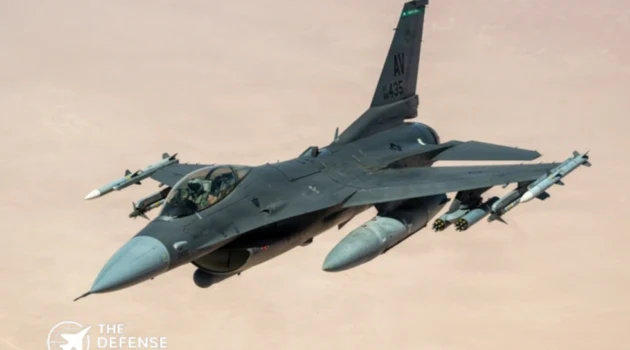
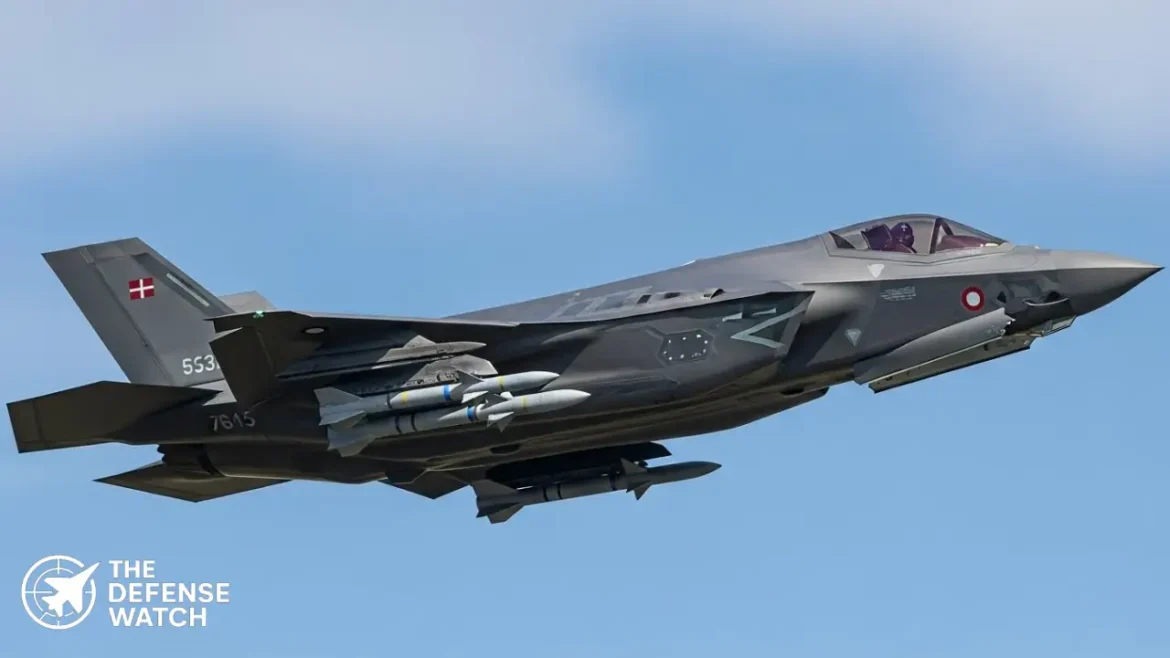
The United States government has approved potential foreign military sales worth more than US$1 billion to three allied nations — Denmark, Italy and Republic of Korea (South Korea) — authorizing a range of air-launched munitions and support equipment.
The approvals, announced 5 December 2025 by the Defense Security Cooperation Agency (DSCA), open the door for acquisition and integration of advanced missiles and bombs into the air arsenals of all three countries.
Details of the Sale
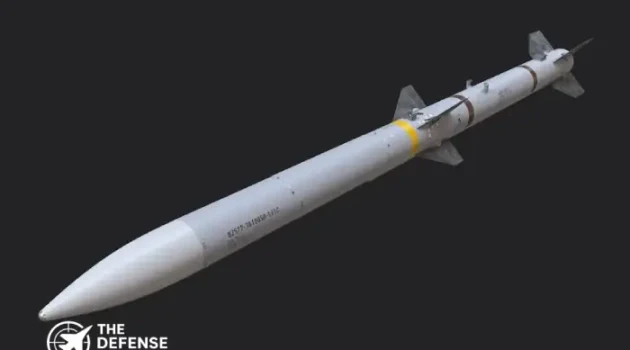
Denmark: AIM-120C-8 Missiles
Denmark has been cleared to purchase up to 200 AIM-120C-8 AMRAAM (Advanced Medium Range Air-to-Air Missiles) for an estimated total of US$730 million. The sale includes associated support equipment and services.
According to DSCA the sale will enhance Denmark’s air-to-air capability and improve its interoperability with U.S. and NATO air forces.
This clearance comes shortly after Copenhagen was approved to purchase 340 AIM-9X Sidewinder Block II missiles.
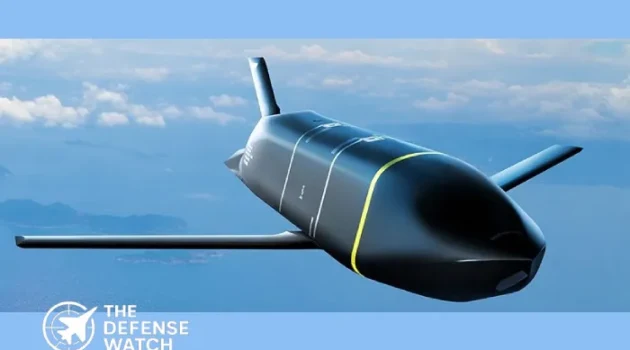
Italy: JASSM-ER Cruise Missiles
Italy is authorized to buy 100 units of the long-range AGM-158B/B-2 JASSM-ER (Joint Air-to-Surface Standoff Missiles – Extended Range), along with related hardware, logistics and support. The estimated value of the package is US$301 million.
The DSCA notes the sale will expand Italy’s air-to-surface strike reach, enabling stand-off attacks from safer distances. The missiles are compatible with Italian fighter aircraft including — but not limited to — the F-35.
South Korea: GBU-39/B Small Diameter Bombs
South Korea has received clearance for 624 units of the GBU-39/B Small Diameter Bomb (SDB-I), at a cost of approximately US$112 million including related support. The new sale supplements an earlier batch under a previous contract.
The bombs are precision-guided weapons designed for use by fighter and bomber aircraft, allowing for accurate strike against hardened or fortified ground targets.
Context: Why Now
Recent years have seen a marked rise in conventional arms imports by European NATO states. According to the Stockholm International Peace Research Institute (SIPRI), U.S. arms exports to Europe increased 233% between 2015–19 and 2020–24, making Europe the largest regional recipient of U.S. weapons in decades.
The approvals for Denmark and Italy show continued U.S. support for strengthening air capabilities among NATO partners. At the same time, the sale to South Korea underscores Washington’s effort to reinforce regional allies in Asia amid rising security concerns across the Indo-Pacific.
Implications for Recipients
For Denmark, acquiring 200 AIM-120C-8 missiles will significantly boost its air-to-air combat readiness, particularly as part of NATO’s aerial deterrence posture. The compatibility of those missiles with modern fighters allows for quick integration.
Italy’s acquisition of JASSM-ER missiles will give its air force deep strike capability, enabling long-range precision attacks well beyond previous reach. This improves Italy’s ability to contribute to coalition operations or national defense missions requiring stand-off engagements.
For South Korea, the additional GBU-39 bombs expand its precision-strike inventory, increasing flexibility in targeting hardened or fortified positions while reducing collateral damage. This could enhance Seoul’s deterrence or rapid-response capacity.
What’s Next
With DSCA’s clearance granted on 5 December, the respective governments and U.S. defence contractors will move into the contracting and procurement phase. Final delivery schedules will depend on manufacturing lead times, integration timelines and training.
These sales come at a time when rising global demand — driven in part by recent conflicts and shifting security dynamics — has pushed U.S. arms exports to new highs. As these weapons enter service, they may reshape air combat and strike capabilities among U.S. allies in both Europe and the Indo-Pacific.
US Air Force Unveils First Uncrewed Fighter Jets in CCA Program
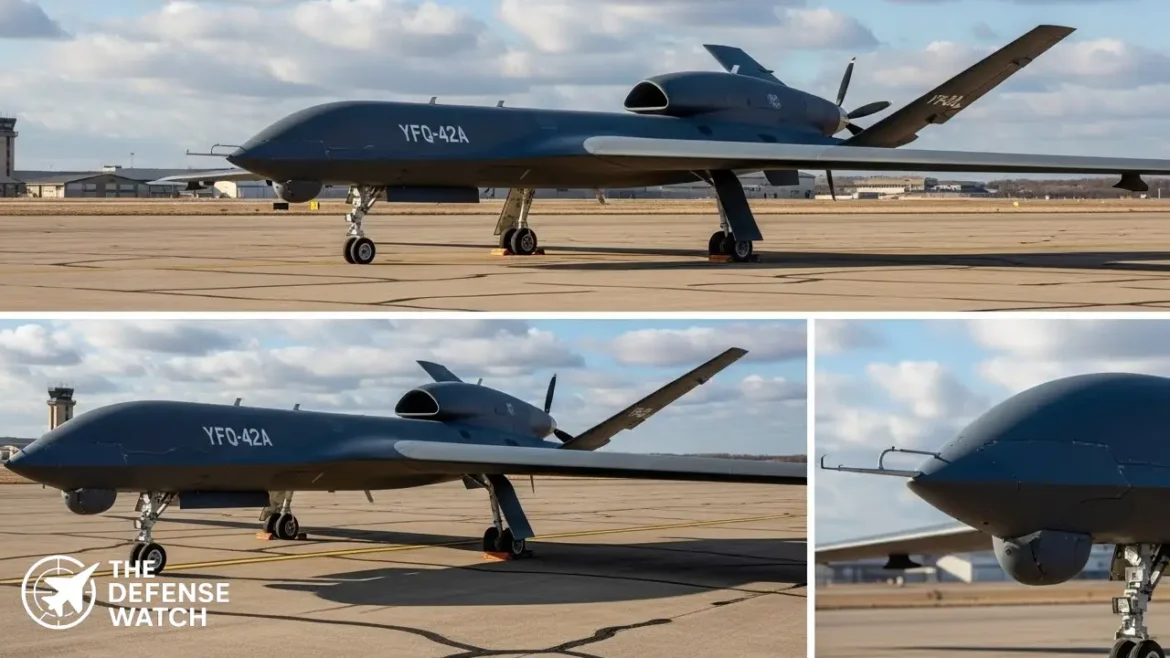
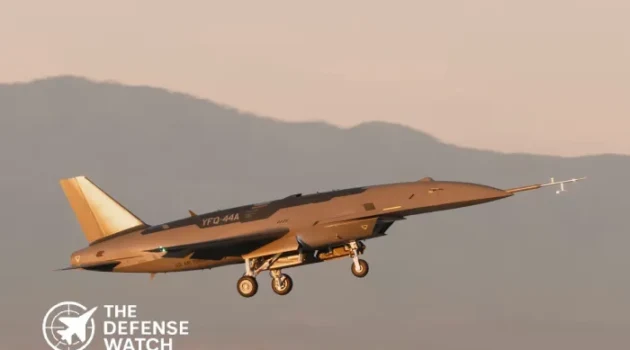
On March 3, 2025 the US Air Force formally designated two jet-powered unmanned fighters — YFQ-42A and YFQ-44A — under its newly launched Collaborative Combat Aircraft (CCA) initiative.
Less than a year later, both prototypes have taken to the skies: YFQ-42A achieved its maiden flight in August 2025, followed by YFQ-44A on October 31, 2025.
Together these jets mark the first time the service has fielded uncrewed platforms with a formal “fighter” designation.
Background: An Evolving Vision for Air Combat
The CCA program emerged as part of the Air Force’s broader push toward the next generation of air dominance, blending human-piloted aircraft with autonomous drones to expand mission flexibility and survivability in contested environments.
Under the official US military aircraft designation system, the “Y” prefix denotes prototype status, “F” indicates a fighter mission, and “Q” signals an uncrewed system. Thus YFQ-42A and YFQ-44A are the first uncrewed jets to carry a formal fighter label.
The aim is to complement existing frontline aircraft — such as the F-35 Lightning II — with swarms of lower-cost, high-performance drones that can assume risky roles, extend sensor coverage, conduct electronic warfare or strike missions, and multiply combat mass without putting pilots in danger.
YFQ-42A and YFQ-44A: What We Know
YFQ-42A (General Atomics)
- Built by General Atomics Aeronautical Systems (GA-ASI), the YFQ-42A traces its roots to the earlier XQ-67A demonstrator from the Air Force Research Laboratory’s Off-Board Sensing Station program.
- The jet features a stealth-informed design with a streamlined fuselage, dorsal-mounted air intake, and twin canted V-tails. It carries weapons in internal bays — including air-to-air missiles such as the AIM-120 AMRAAM.
- Its architecture is modular, built to support different mission profiles including air-to-air combat, strike, electronic warfare, and surveillance — depending on payload and configuration.
- According to GA-ASI, the design provides “affordable mass” — lower unit cost and higher deployability than manned fighters — making it suitable for high-risk missions where attrition is possible.
- Flight testing kicked off in August 2025 at a classified site in California.
YFQ-44A (Anduril “Fury”)
- Developed by Anduril Industries, YFQ-44A — internally known as “Fury” — represents a clean-sheet, jet-powered combat drone design. Anduril acquired the original design from Blue Force Technologies in 2023.
- The aircraft incorporates swept trapezoidal wings, a chin-mounted air inlet, a cruciform tail, and external hardpoints. It relies on a Williams FJ44-4M turbofan engine, giving thrust around 4,000 lbf (roughly 17.8 kilonewtons).
- Estimated performance puts it at near-supersonic speed (around Mach 0.95) at altitudes up to 50,000 feet, and capable of withstanding up to 9 g maneuvers.
- On Oct 31, 2025, YFQ-44A completed its first semi-autonomous flight at Southern California Logistics Airport. During the flight the aircraft carried out its mission plan, managed flight control and throttle autonomously, and returned to land under operator supervision.
- Anduril says the development from clean-sheet design to first flight took just 556 days, showing a rapid development pace unusual in modern military aviation.
What This Means: Redefining Air Combat
With the introduction of YFQ-42A and YFQ-44A, the Air Force is signalling a shift toward manned-unmanned teaming. These drones are not meant just as remote-controlled recon platforms, but as fully capable combat assets that can fly alongside — or ahead of — crewed fighters.
The fighter designation alone marks a doctrinal change. According to Air Force leadership, the move reflects a broader transition to what some call “affordable mass” — deploying larger numbers of cheaper, attritable platforms rather than fewer high-cost, high-risk manned jets.
Additionally, these uncrewed fighters could expand mission flexibility. They might handle dangerous strike or suppression tasks, act as decoys, perform electronic warfare, or extend sensor and weapons coverage — all while reducing risk to pilots.
By pairing with existing fighters such as F-35, the drones could offer significant force multiplication — potentially enabling one pilot to control multiple unmanned wingmen in future combat formations.
What’s Next: Testing, Production, Planning
Both YFQ-42A and YFQ-44A remain in a developmental phase. After their first flights, the next steps will involve more flight tests, integration trials with manned fighters, and evaluation of autonomy, weapons delivery, sensor packages, and survivability in contested environments.
If testing proceeds successfully, the Air Force may move toward production later in the decade under the CCA program’s Increment 1 deliverables. Observers expect future CCAs may number in the hundreds — or possibly thousands — providing a radically expanded air-combat force structure.
Implications
The successful flight tests of YFQ-42A and YFQ-44A mark the start of a new chapter in U.S. airpower. As these uncrewed fighters advance through evaluation and integration, they could significantly reshape how air combat is fought — blending human-led decision-making with autonomous execution, increasing force flexibility, and lowering risk to pilots.
If adopted at scale, CCAs may shift military investment away from expensive, high-end manned jets toward fleets of attritable, capable drones that deliver combat mass with lower cost per unit and higher operational risk tolerance.

Thai Air Force Strikes Cambodian Military Targets
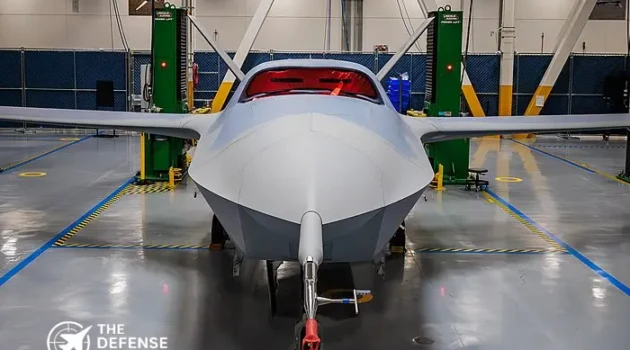
BANGKOK — On 8 December 2025, the Royal Thai Air Force (RTAF) carried out air strikes against multiple military targets inside Cambodia after a fresh bout of cross-border hostilities. The air operations followed what Bangkok described as hostile actions and troop mobilization by Cambodian forces along the disputed border. According to RTAF, the strikes were aimed at neutralizing Cambodian military infrastructure, weapons depots, command centres and logistical routes.
Context: A Fragile Border and Recent Clashes
Tensions between Thailand and Cambodia have surged throughout 2025. In July, border clashes near disputed territory — including the area around the Ta Moan Thom Temple — saw the first combat deployment of RTAF fighter jets of the year. At that time, a Thai F-16 struck Cambodian military targets, prompting condemnation from Phnom Penh.
Bangkok’s decision to again rely on air power underscores the widening gulf between the two neighbours and suggests the breakdown of recent diplomatic efforts to stabilize the frontier. Cambodia’s defense forces remain limited: the Royal Cambodian Air Force reportedly only fields a small fleet of light-attack helicopters (notably the Harbin Z-9), leaving it largely unable to respond in kind.
From Statement to Strikes: What Happened
In an official statement, the RTAF said the operation was conducted jointly with the so-called Suranaree Task Force and invoked due to Cambodian “mobilization of heavy weaponry, repositioning of combat units, and preparation of fire-support elements,” actions deemed as posing direct threats to Thai personnel and civilians near the border.
The strike reportedly targeted “military infrastructure, weapons depots, command centres, and logistical routes.” According to RTAF, all missions were planned and executed under security protocols and relevant international law, with emphasis on “preventing harm to civilians.”
While Thai authorities have not publicly confirmed the precise number or type of aircraft involved, media reports indicate that RTAF’s fleet — including legacy F-16A/B jets — was likely used in the operation.
Bangkok’s decision follows what it described as a deadly cross-border exchange in which a Thai soldier was killed and several others wounded after alleged Cambodian fire. Cambodian officials, however, deny the accusations and contend that Thailand launched an unprovoked attack.
Military Balance: Why the RTAF Holds the Advantage
The RTAF possesses a robust fixed-wing combat fleet — approximately 109 combat jets and training variants, including nearly 50 F-16A/Bs, plus Gripen C/D fighters and a mix of older fighters and light-attack aircraft.
In contrast, Cambodian aerial capability is limited to a small number of light attack helicopters, offering little capacity for conventional air defense or retaliation.
This imbalance enables Thailand to project air power unilaterally along the border, raising the stakes in any further escalation and limiting Cambodia’s ability to respond symmetrically.
International Law & Official Justification
According to RTAF, the operations were grounded in self-defense under international law, citing Cambodia’s force mobilization and weapons deployments as justification. The Thai Air Force claims that the strikes were calculated to minimize risk to civilians and adhere to the principles of necessity and proportionality.
Broader Implications: Diplomatic Fallout and Regional Stability
The air strikes mark a major escalation with serious implications for regional stability in Southeast Asia. Diplomatic channels, already strained after the July clashes and a fragile truce mediated by external actors, risk total breakdown. The recent use of aerial strikes undermines confidence-building efforts and raises the specter of wider conflict or further violence.
For Cambodia, the strikes spotlight its military disadvantage, potentially prompting calls for external support or regional diplomatic intervention. For Thailand, the operation further underscores its reliance on air superiority to manage border disputes — a strategy that may face international scrutiny if civilian casualties or broader destabilization follow.
What Comes Next
The situation remains fluid. Unless both capitals pursue urgent diplomatic engagement — perhaps via regional organizations — further cross-border attacks may occur. Monitoring of civilian evacuations, border movements, and any response from Cambodian forces or international actors will be critical in the coming days.
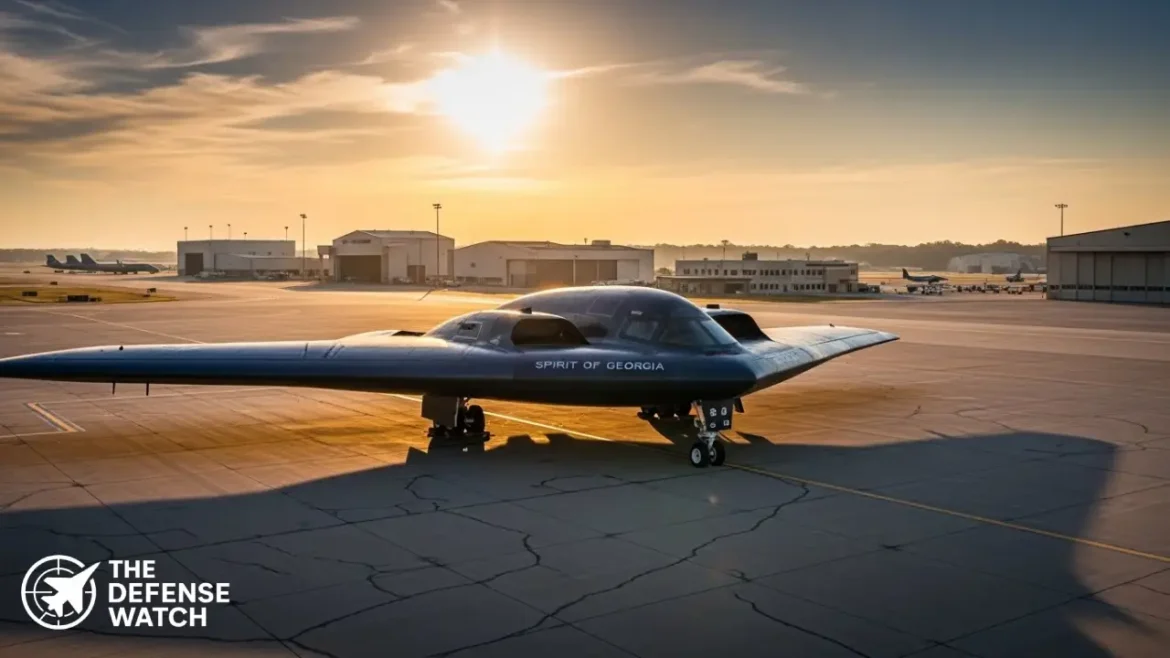
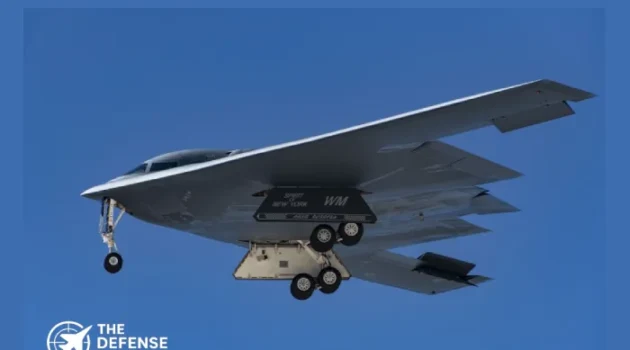
The B-2 Spirit stealth bomber known as “Spirit of Georgia” (tail number 89-0129) officially rejoined the U.S. Air Force’s operational fleet, following extensive repairs to structural damage sustained in a landing gear collapse at Whiteman Air Force Base, Missouri.
Background: Gear Collapse Incident and Fleet Significance
The incident occurred on September 14, 2021, during landing at Whiteman AFB. A hydraulic failure triggered an emergency gear-extension, but upon touchdown the left main landing gear (LMLG) failed to remain locked, causing it to collapse. The bomber veered off runway — its left wing scraped the ground and the aircraft came to rest roughly one mile from the landing point.
At the time, initial repairs were estimated at a minimum of US$10.1 million. But given the complex damage to the wing bay, lower wing skin, and landing-gear bay structures — including potential impact on stealth skin and internal fuel tanks — further analysis was required.
With the restoration of Spirit of Georgia, the B-2 fleet returns to 19 operational bombers, following the retirement of another damaged B-2 — “Spirit of Hawaii” — in 2024 after a separate crash-landing and fire.
Repair Details: The Restoration Journey
Phase 1: Damage Discovery and Recovery
Immediately after the collapse, maintenance crews from the 509th Maintenance Group and the B-2 System Program Office used airbags to lift the aircraft, manually locked the main gear, and towed the bomber into a hangar for inspection.
Non-Destructive Inspections revealed the bulk of the damage was concentrated in the left main landing gear bay and the lower wing region. Outside wing spars were reportedly intact.
Phase 2: Ferry Flight to Palmdale
After temporary repairs, Spirit of Georgia was cleared for a ferry flight from Whiteman AFB to the maintenance facility at Northrop Grumman in Palmdale, California. This move marked a key milestone toward full structural repair.
Phase 3: Structural Repair — Innovation Saves Time and Cost
Rather than fabricate a completely new composite skin for the damaged left wing, engineers sourced an existing 8×4 ft composite skin section from a B-2 test article (Test Article 0998). This donor part significantly reduced both cost and time compared with building from scratch.
Repair work included:
- Replacement of the left-hand wingtip;
- Replacement of the outboard wing major-mate skin panel;
- Replacement of the left main landing gear door hinges;
- Repairing disbonded composite skin and rigging the landing-gear door.
Structural repairs were finalized on May 12, 2025.
Phase 4: Certification and Return to Service
Following the repairs, engineers developed airworthiness artifacts and certifications to ensure the bomber met all safety and stealth-integrity standards. Once cleared, the aircraft was returned to Whiteman AFB and reinstated to operational status on November 6, 2025.
The total cost of the repair effort was approximately US$23.7 million.
Col. Jason Shirley, Senior Materiel Leader of the B-2 System Program Office at the Air Force Life Cycle Management Center (AFLCMC), characterized the achievement as a “remarkable recovery,” crediting the 509th Maintenance team’s rapid response and the engineering creativity that accelerated repair and kept costs well below potential replacement value.
Why It Matters — Strategic Implications for the USAF
- Fleet Size and Stealth Capability: With only 19 B-2 bombers now operational, the return of the Spirit of Georgia restores one of the USAF’s most critical stealth assets. Given the limited size of the fleet and its centrality to nuclear deterrence and global strike missions, each aircraft’s availability bears outsized strategic weight.
- Cost-Effective Maintenance and Sustainment: The successful use of donor composite material demonstrated an efficient, cost-effective approach to restoring low-observable airframes — a model that could inform future maintenance strategies across stealth fleets.
- Operational Readiness and Confidence: The restoration affirms the U.S. commitment to sustaining legacy stealth capabilities even as newer platforms emerge. It also sends a message of resilience: the USAF can recover from serious mishaps without permanently losing high-value aircraft.
What’s Next
With Spirit of Georgia back in service, the USAF may refocus maintenance resources on other aging B-2 airframes. Ongoing sustainment of stealth skin integrity — notoriously labor-intensive — will remain a priority, especially as the bomber continues to operate alongside emerging platforms like the B-21 Raider.
Further, the successful repair could influence policy decisions favoring restoration over early retirement for select legacy aircraft — provided the damage is contained and the airframe remains structurally sound.
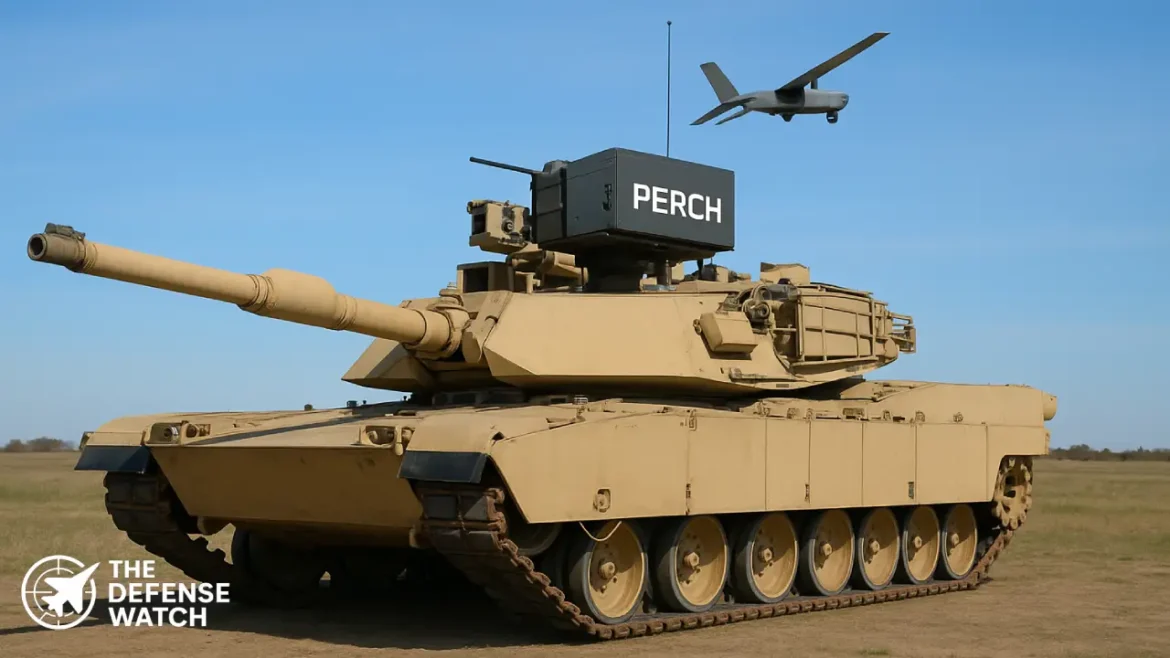
On December 5, 2025, General Dynamics Land Systems (GDLS) announced a successful demonstration of its new modular launcher, PERCH loitering munition launcher, installed on M1A2 SEP V3 Abrams main battle tanks. The live trial took place during the Machine Assisted Rugged Sapper (MARS) event at Fort Hood, Texas. The test saw Abrams tanks deploy AeroVironment Switchblade 300 loitering munition and AeroVironment Switchblade 600 loitering munition, giving the heavy armored vehicles a new beyond-line-of-sight (BLOS) reconnaissance and strike option.
Why This Matters: Context & Background
In recent conflicts, loitering munitions and armed drones have dramatically reshaped the battlefield, enabling forces to hit targets hidden behind terrain or fortifications — often without risking personnel. Tanks, long reliant on direct fire and external reconnaissance, have been exposed during such modern, drone-heavy engagements.
PERCH aims to change that dynamic. By installing a modular launcher directly onto armored platforms, tanks and infantry vehicles can carry and launch loitering munitions independently — turning them into both sensor and shooter nodes.
The demonstration at the MARS event marks the first public evidence that this concept can work under realistic, combat-relevant conditions.
PERCH Launcher: Technical and Operational Details
- The PERCH launcher — an acronym for Precision Effects & Reconnaissance, Canister-Housed — is a modular system co-developed by GDLS and AeroVironment (AV).
- It is designed to house and launch Switchblade loitering munitions (specifically Switchblade 300 and Switchblade 600) from combat vehicles like the M1A2 SEP V3 Abrams and the Stryker infantry carrier vehicle.
- Notably, PERCH requires no welding, cutting, or turret redesign. Instead, it replaces the Abrams’ loader sponson box and bolts directly into existing mounting points — enabling rapid kit installation and preserving the tank’s original protection and systems.
- According to GDLS, future iterations could integrate with onboard vehicle computer systems, allowing seamless control and management of loitering munitions from within the platform.
During the MARS event (Oct 26–30), crews using a PERCH-equipped Abrams conducted a complex obstacle-breaching operation. The tank launched both Switchblade 300 and 600 munitions to perform BLOS reconnaissance and over-the-horizon targeting of high-value targets — all without exposing crew or requiring external ISR (intelligence, surveillance, reconnaissance) assets.
One of the GDLS representatives noted: “PERCH allows units to deploy Switchblade loitering munitions far forward on the battlefield while remaining covered and concealed.”
AV emphasized that integrating Switchblade 300 and 600 via PERCH delivers immediate operational benefits — extending reach and enabling rapid, precise effects from protected positions.
What This Could Mean for Armored Warfare
The successful PERCH trial marks a potentially transformative moment for how armored units operate. Rather than tanks being limited to line-of-sight fire or depending on external drones, they can now carry their own drone strike and reconnaissance capability — creating a more self-sufficient and responsive force.
In doctrine terms, this reflects a growing shift toward distributed, networked fires, where every platform — tank, infantry carrier, or unmanned system — can act as both sensor and shooter.
This could reduce reliance on air assets or artillery for precision strikes, provide rapid response against hidden or fortified threats, and improve survivability by allowing units to engage without exposing themselves.
Moreover, the low-risk, modular installation path means that existing Abrams tanks (and other vehicles) can be upgraded without long downtime or major overhaul — making wide-scale adoption more feasible, should the U.S. Army decide to field PERCH broadly.
What Comes Next
While the demonstration shows promise, PERCH has not yet been formally procured by the U.S. Army.
Further testing under combat-representative conditions — in different environments, threat scenarios, and with full tactical formations — will be necessary to assess reliability, logistics, and integration into existing doctrine.
If performance holds up, this capability could influence future procurement and modernization decisions, not just for the Abrams fleet, but also for other armored and mechanized platforms.

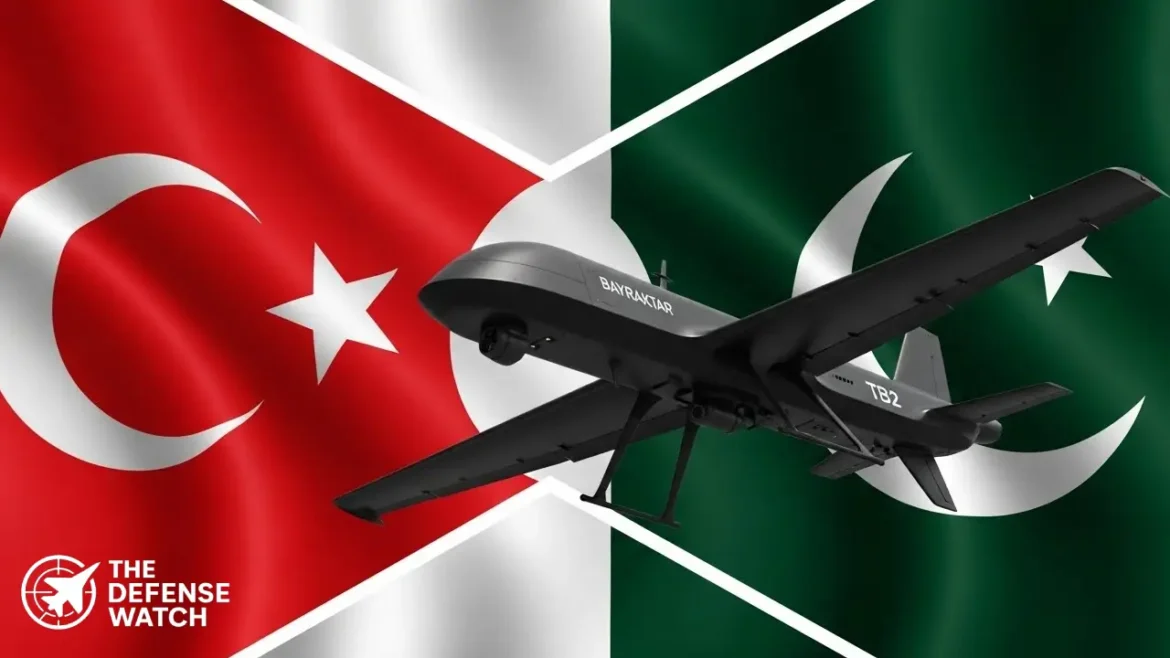
What Happened — Turkey’s Drone Facility Proposal in Pakistan
On December 5, 2025, the international business media reported that Pakistan and Türkiye are in advanced talks to establish a combat drone assembly facility in Pakistan, as part of Ankara’s concerted strategy to deepen its global defense industry footprint.
According to unnamed Turkish officials quoted by the report, the facility will assemble advanced unmanned aerial vehicles (UAVs), including stealth-capable and long-endurance drones exported from Türkiye. Talks have gained momentum since October 2025.
Background — Evolution of Turkish Drone Exports and Pakistan–Türkiye Defense Ties
Over the past decade, Türkiye’s UAV industry — anchored by firms such as Baykar and Turkish Aerospace Industries (TAI) — has transformed from modest domestic programs into a globally recognized exporter of combat-proven drones. The widely deployed Bayraktar TB2 has seen combat in multiple theatres, underscoring the platform’s effectiveness and boosting international demand.
For its part, Pakistan has been gradually increasing defense cooperation with Türkiye. Past collaborations include corvette production for the Pakistan Navy, F-16 upgrades, and joint UAV component production (e.g., production of parts for the ANKA drone together with Pakistan’s national defense industries).
By establishing a drone assembly plant on Pakistani soil, the move would mark a shift from simple hardware sales to embedded co-production — deepening strategic and industrial defense ties between the two countries.
Facility Details — What Will It Build, When and How
According to the sources, the planned facility will focus on assembling Turkish-made combat UAVs — likely including the Bayraktar TB2 and heavier or more capable models such as the Akıncı. Some reports suggest even more advanced stealth-capable and long-endurance drones may be part of the plan.
Officials from both sides remain silent publicly. Türkiye’s Defense Ministry declined comment, and Pakistan’s Information Minister did not respond to media requests.
As of now, no precise location or timeline has been officially announced. However, industry insiders say that preparatory negotiations and site selection processes have already made significant headway since October 2025.
Strategic Context — Why This Matters for Türkiye and Pakistan
Türkiye’s Export Strategy and Defence Industry Growth
Türkiye’s defense exports are reportedly up 30% in the first 11 months of 2025, reaching a record around US$7.5 billion. The new facility aligns with Ankara’s push to transform its defense industry into a globally integrated supply network, especially among allied or partner nations.
By shifting from export-only to localized production in friendly states, Türkiye can reduce logistic burdens, speed up delivery, and establish more resilient supply chains — especially given growing global demand for UAVs. Production in Pakistan could also lower costs for future drones earmarked for export.
Pakistan’s Defence Modernization and Strategic Autonomy
For Pakistan, hosting a Turkish drone assembly plant could enhance its self-reliance in UAV operations — from quicker procurement cycles to enhanced maintenance, repair and overhaul (MRO) capabilities. It may also open pathways for future technology transfer and co-development of UAV variants tailored to regional security needs.
Given the strategic environment, especially in South Asia where aerial and border surveillance — including UAV operations — has become increasingly important, the addition of a domestic-assembled drone fleet may significantly bolster Pakistan’s operational readiness.
Moreover, the venture dovetails with broader plans for cooperation between the two nations, including joint work on the next-generation fifth-generation fighter aircraft program TF‑KAAN, indicating growing aerospace integration.
Challenges & Uncertainties
As of now, key details remain unconfirmed:
- There is no official announcement regarding a firm agreement, plant location, project cost, or precise timeline.
- The silence from both governments suggests the initiative is still in negotiation, and could be subject to political and diplomatic sensitivities.
- Technology transfer and export-control issues — especially for stealth and long-endurance UAV systems — may complicate operationalizing full-scale production on foreign soil.
Finally, actual integration of such a facility would require significant investment, infrastructure, training, and regulatory oversight, which could delay realization well beyond 2026 or 2027.
What’s Next — Implications and What to Watch For
If finalized, the Pakistan-based drone facility could represent a significant milestone in South Asian defense collaboration and reshape regional UAV procurement dynamics. It may accelerate Pakistan’s UAV acquisition and sustainment capacities, reducing reliance on direct imports for future drone needs.
For Türkiye, the move would reinforce its standing as a leading global exporter of combat drones — now offering foreign-based assembly to clients willing to deepen cooperation. It may also encourage other allied states to seek similar co-production arrangements, further entrenching Turkish UAV presence worldwide.
Observers should watch for:
- Formal announcements from the respective defense ministries or defence-industry authorities in Ankara and Islamabad detailing scope, investment, and timelines.
- Signals of technology transfer agreements, joint R&D or training components.
- Potential export orders from third-party nations leveraging the Pakistan facility — which would test the viability of overseas UAV production hubs.

Hegseth’s forceful defense of boat strikes
At the Pete Hegseth’s keynote address during the Reagan National Defense Forum on December 6, 2025, he staunchly defended recent U.S. military strikes against alleged drug-cartel vessels in the Caribbean and Pacific. He reiterated that Donald Trump — as president — has broad authority to “take decisive military action as he sees fit to defend our nation’s interests.” The strikes, which have killed at least 87 individuals, remain under intense scrutiny for potential violations of international and humanitarian law.
“If you’re working for a designated terrorist organization and you bring drugs to this country in a boat, we will find you and we will sink you,” Hegseth declared. “Let there be no doubt about it.”
Background: The campaign against suspected narco-trafficking vessels
Since September 2025, U.S. forces have launched a series of maritime strikes targeting vessels allegedly linked to narcotics trafficking. In total, at least 23 boats have been struck, resulting in dozens of deaths.
The administration argues that some of these vessels are operated by designated terrorist groups — including illicit cartels — thereby framing the operations within the context of counterterrorism rather than traditional law enforcement.
But critics counter that using lethal force against unarmed maritime trafficking suspects blurs the line between drug enforcement and warfare — circumventing due process and raising serious international law concerns.
Details of Hegseth’s Remarks and Official Rationale
Hegseth’s Justification: Terror analogy and homeland defense
- Hegseth explicitly likened cartel-linked traffickers to Islamist terrorist militants such as those behind the 9/11 attacks. “This is a war,” he said, arguing that the U.S. must treat cartel networks as existential threats to national security.
- During the forum, he underscored that President Trump retains the prerogative to deploy military force — even preemptively — when confronting threats tied to drug smuggling.
- According to multiple sources, the campaign so far has resulted in at least 87 fatalities.
“Double-tap” strike under scrutiny
One particularly controversial incident occurred on September 2, when a suspected drug-smuggling boat was struck, reportedly killing 11 people. US surveillance later identified two survivors clinging to the wreckage, after which a follow-up strike — allegedly carried out by special operations forces — reportedly killed them.
According to unconfirmed reports, an attacking commander claimed the second strike followed a verbal directive from Hegseth to “leave no survivors.” While Hegseth denies issuing any such order directly, he stated during the forum that he “would have made the same call.”
Wider agenda: Security strategy and future posture
Hegseth’s remarks at the forum came alongside a reiteration of the administration’s broader strategic posture: a hard-line approach to emerging threats, a renewed emphasis on U.S. military strength, and a willingness to re-prioritize defense missions over humanitarian or climate-linked initiatives.
He criticized past U.S. engagement in prolonged Middle East warfare, democracy-building efforts, and climate-informed defense planning — arguing that such distractions would no longer be tolerated under the current leadership.
Legal, Policy, and Strategic Implications
Legality under international law
The use of lethal force against suspected drug traffickers at sea — especially when survivors are reportedly targeted — raises serious questions under the laws of armed conflict and international humanitarian law. The alleged “double-tap” strikes (i.e., engaging shipwrecked individuals or survivors) may violate longstanding prohibitions against targeting incapacitated persons. Legal analysts warn that such precedent undermines established norms separating law enforcement and wartime operations.
Moreover, the justification that the vessels were run by “terrorist organizations” remains contested: unlike declared belligerents, most cartels operate in criminal — not political — contexts, challenging the premise that their maritime trafficking constitutes an armed conflict. Experts argue this conflation risks eroding legal clarity and undermining human rights protections.
Strategic escalation and geopolitical risk
By framing drug trafficking as a national security threat requiring military force, the U.S. is expanding the role of its armed forces in anti-narcotics campaigns — potentially setting a precedent for similar operations in other contested regions. This could increase friction with regional actors, including Latin American states whose waters could be patrolled or surveilled.
In addition, the strong rhetoric and aggressive posture endorsed by Hegseth may embolden U.S. forces to pursue increasingly kinetic operations beyond traditional conflict zones — blurring the line between counterterrorism, narcotics control, and irregular warfare.
Domestic political fallout and oversight demands
The growing controversy over the strikes — particularly the questionable “double-tap” incidents — has already triggered calls among some lawmakers for investigations, transparency, and potential resignations. If unredacted video or after-action reports are released, they may influence congressional hearings and could shape future legislation limiting the military’s role in drug interdiction.
What Comes Next: What to Watch
- Whether the Pentagon will release unedited footage of the controversial strikes, particularly the September “double-tap” incident. Such transparency could shape legal and congressional responses.
- How lawmakers — especially in the House and Senate — respond in hearings, including calls for more robust oversight, clearer rules of engagement, or limits on strike authority in non-wartime settings.
- Reaction from U.S. allies and regional partners in Latin America: increased military operations in international waters may provoke diplomatic pushback or compel partner nations to recalibrate maritime security cooperation.
U.S. Raid in Syria Kills Undercover Agent Instead of IS Target
A U.S.-led military operation in Syria in October 2025, aimed at capturing an Islamic State (IS) official, instead resulted in the death of an undercover intelligence operative, according to family members and Syrian officials. Khaled al-Masoud, who had been gathering intelligence on IS for the Syrian interim government, was killed in his home in Dumayr, east of Damascus.
Background: Complex Anti-IS Operations
The raid highlights the increasingly intricate security landscape in Syria. Following the fall of Bashar al-Assad, the interim government under President Ahmad al-Sharaa has been cooperating with the U.S. and coalition partners in targeting remnants of IS across the southern Syrian deserts, known as the Badiya. Al-Masoud had been working with al-Sharaa’s forces for years, infiltrating IS networks and providing intelligence critical to counterterrorism operations.
Details of the Raid
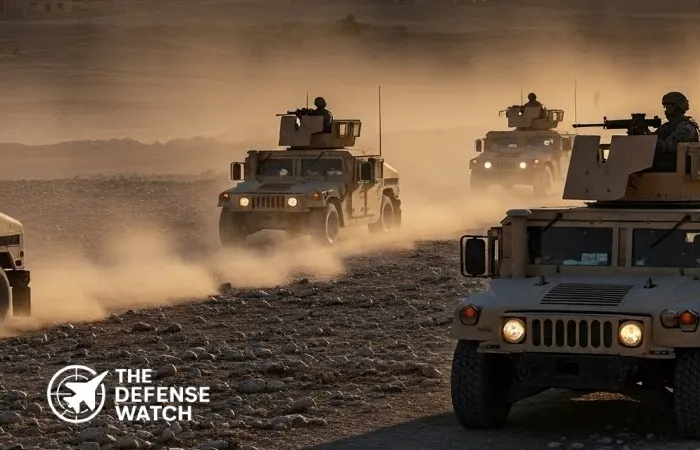
According to relatives, the operation occurred around 3 a.m., involving U.S. troops and members of the Syrian Free Army (SFA), a U.S.-trained opposition faction now reporting to the Syrian Defense Ministry. Humvees marked with U.S. flags and troops with weapons surrounded al-Masoud’s residence.
Al-Masoud reportedly identified himself as affiliated with Syria’s General Security forces. Despite this, the door to his home was breached, and he was fatally shot. His family was initially told he had been released to a hospital but later informed of his death.
Experts point to a potential intelligence failure as a key factor in the mistaken raid. Wassim Nasr, senior research fellow at the Soufan Center, described the incident as “a result of the lack of coordination between the coalition and Damascus,” warning that it could be a setback in efforts to combat IS in southern Syria.
Confusion and Faulty Intelligence
Initial reports claimed the raid had captured an IS official, but U.S. Central Command issued no statement confirming the strike or its target. Syrian officials corroborated that al-Masoud had been working on anti-IS operations, underscoring the complexities of operating in an environment with multiple armed factions and evolving alliances.

Family members believe the SFA may have provided incorrect intelligence leading to the fatal incident, though the group did not respond to requests for comment. Al-Masoud had previously operated in the Idlib region under Hayat Tahrir al-Sham before returning to Dumayr to assist the interim government in intelligence operations against IS.
Implications for U.S.-Syria Cooperation
While the raid represents a tragic error, it occurs amidst increasing U.S.-Syrian coordination against IS. In recent operations, American forces alongside Syrian Interior Ministry units reportedly located and destroyed 15 IS weapons caches in the south, signaling operational progress despite the incident.
The killing of an undercover operative underscores the delicate balance in Syria, where coalition forces must navigate a volatile landscape of insurgent groups, local militias, and emerging governance structures. Analysts warn that missteps could undermine broader counterterrorism efforts and complicate diplomatic ties.
Conclusion
The October 2025 raid demonstrates both the operational capabilities and intelligence challenges faced by the U.S.-led coalition in Syria. The loss of Khaled al-Masoud, a key anti-IS informant, highlights the risks inherent in complex multi-party counterterrorism operations and the need for improved coordination with local authorities. As U.S. forces continue counter-IS campaigns in Syria, ensuring accurate intelligence and operational safeguards will be critical to minimizing civilian and allied casualties.