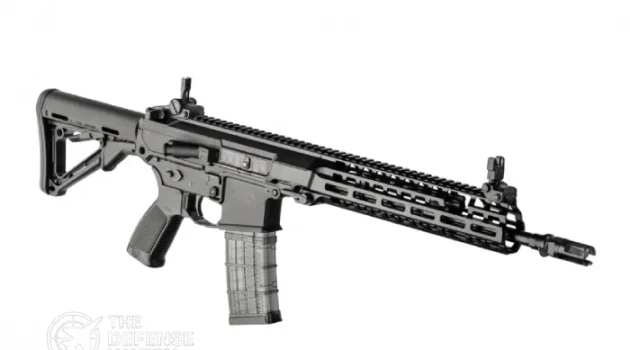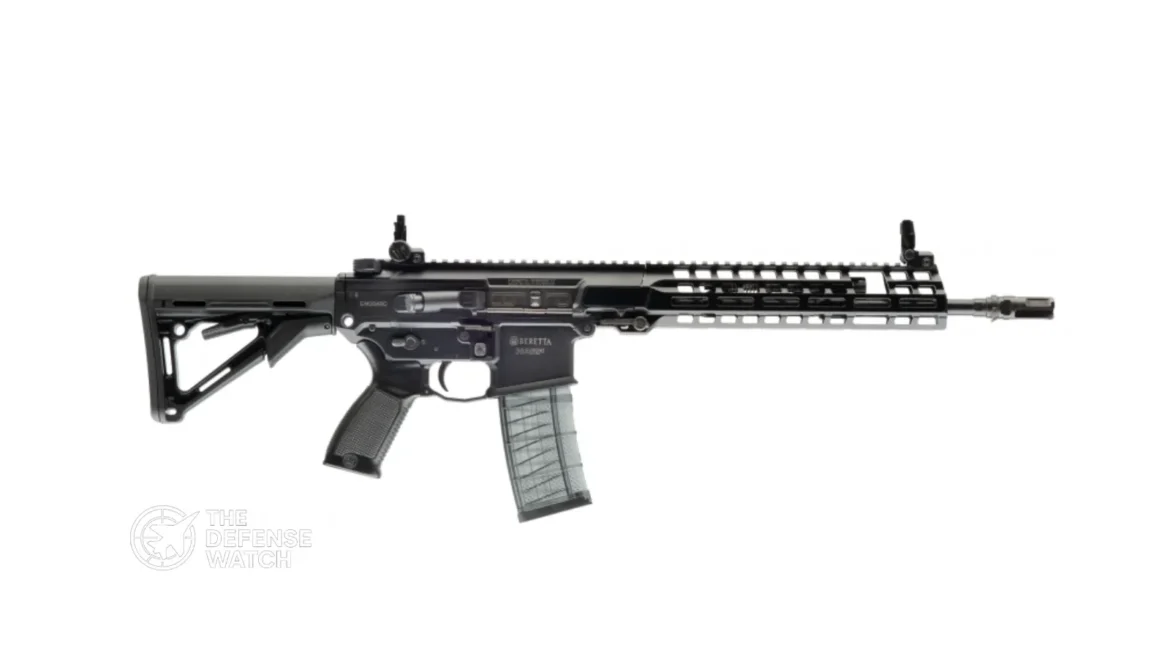
- Beretta Defense Technologies confirmed delivery of 7,000 NARP assault rifles to the Italian Army.
- The 5.56×45 mm NATO rifle uses a short stroke gas piston system and AR style ergonomics.
- The delivery marks one of the first operational deployments of the New Assault Rifle Platform.
- The program reflects Italy’s effort to modernize infantry equipment and align with NATO standards.
- The NARP platform is designed for modular upgrades including optics, suppressors, and advanced accessories.
Beretta NARP Assault Rifle Delivery Signals Italian Army Modernization
The Beretta NARP assault rifle has entered operational service with the Italian Army following the confirmed delivery of 7,000 rifles under the New Assault Rifle Platform program.
Beretta Defense Technologies disclosed the delivery during the Enforce Tac 2026 exhibition, marking the first significant fielding of the system within Italy’s land forces. The rifles represent an early phase of broader infantry modernization efforts aimed at improving soldier lethality, reliability, and modularity.
The New Assault Rifle Platform program reflects a growing focus across NATO armies on modernizing standard infantry weapons to support integrated optics, suppressors, and digital battlefield systems.
The Big Picture
Modern infantry operations increasingly rely on networked equipment, modular weapons, and adaptable systems that can support diverse mission profiles.
Across NATO, militaries are upgrading rifles to improve accuracy, ergonomics, and compatibility with emerging soldier systems. Programs such as the U.S. Army’s Next Generation Squad Weapon initiative and European modernization projects highlight a broader shift toward enhanced infantry lethality and survivability.
Italy’s NARP program fits squarely within this trend.
By fielding a new generation rifle designed around NATO standards and modular architecture, the Italian Army aims to ensure interoperability with allied forces while improving the performance of its infantry units in both conventional and expeditionary missions.
What’s Happening
Beretta Defense Technologies confirmed that 7,000 NARP assault rifles have been delivered to the Italian Army as part of the platform’s early operational rollout.
The rifles were developed through the New Assault Rifle Platform initiative, a program designed to create a next generation infantry weapon for modern battlefield requirements.
The NARP rifle is chambered in 5.56×45 mm NATO, the standard ammunition used across NATO forces. The system uses a short stroke gas piston operating mechanism, which generally improves reliability in harsh environments compared with direct impingement designs.
The weapon also incorporates:
- AR style ergonomics for ease of training and compatibility with common rifle handling techniques
- Ambidextrous controls for left and right handed operation
- Modular rail interfaces for optics, lasers, and accessories
- Adjustable gas regulation for suppressed and unsuppressed fire
The design allows barrel configurations ranging from compact close quarters variants to longer rifles optimized for standard infantry use.
Why It Matters
Modernizing infantry rifles may appear incremental, but the operational impact can be significant.
Small arms remain the primary weapon system for ground troops, and improvements in reliability, ergonomics, and modularity directly affect battlefield effectiveness.
The NARP platform was designed to enhance several key operational factors:
Reliability
Short stroke piston systems generally reduce carbon buildup and improve functioning in dusty or extreme environments.Modularity
Modern combat rifles must support advanced optics, suppressors, and digital targeting systems.Training Efficiency
AR style controls mirror the ergonomics of widely used NATO rifles, reducing training time for soldiers familiar with similar platforms.These improvements collectively increase infantry unit effectiveness in both high intensity conflict and expeditionary operations.
Strategic Implications
The delivery of the Beretta NARP assault rifle highlights a broader European trend toward strengthening domestic defense industries while modernizing frontline equipment.
For Italy, the program reinforces several strategic priorities:
Industrial Sovereignty
Developing and producing a new assault rifle domestically allows Italy to maintain control over supply chains and reduce reliance on foreign small arms suppliers.
Standardizing around 5.56×45 mm NATO ammunition ensures compatibility with allied forces during coalition operations.
Export Potential
Modern modular rifles developed for national armed forces often evolve into export products. The NARP platform could eventually compete in international procurement programs.
European manufacturers increasingly compete with U.S., Israeli, and German small arms suppliers for global defense contracts.
Competitor View
Other defense manufacturers will closely monitor the NARP program’s operational performance.
Companies producing modular rifles such as Germany’s Heckler & Koch, Belgium’s FN Herstal, and the United States based SIG Sauer dominate many international military small arms contracts.
If the NARP platform demonstrates strong reliability and adaptability, it could strengthen Beretta Defense Technologies’ position in the global small arms market.
At the same time, NATO allies may view Italy’s adoption of a domestically developed rifle as part of a broader European effort to expand sovereign defense production capabilities.
What To Watch Next
Several developments will determine the long term trajectory of the NARP program.
First, additional production batches will likely follow as the Italian Army evaluates the rifles in operational units.
Second, further variants may emerge, including:
- Short barrel carbines for special operations units
- Designated marksman configurations
- Enhanced versions optimized for suppressed fire
Finally, international marketing efforts could expand the platform’s presence in foreign military procurement competitions.
Capability Gap
The NARP program aims to address limitations associated with older infantry rifle designs.
Legacy rifles often lack:
- Integrated modular rails
- Suppressor optimized gas systems
- Ambidextrous controls
- Reduced signature technologies
Modern battlefields increasingly demand weapons that integrate seamlessly with advanced optics, thermal devices, and suppressors.
However, small arms modernization alone does not transform infantry capability. Training, logistics support, and soldier systems integration remain essential factors in operational effectiveness.
The Bottom Line
Italy’s delivery of 7,000 Beretta NARP assault rifles marks a key step in modernizing its infantry weapons while strengthening domestic defense industry capabilities.
 KEY FACTS AT A GLANCE
- Three Royal Australian Navy personnel were aboard a US Navy submarine when it sank the Iranian frigate IRIS Dena on March 4, 2026.
- The US submarine fired a Mark 48 torpedo that destroyed the Iranian warship in international waters near Sri Lanka.
- The Australian sailors were participating in submarine training tied to the AUKUS nuclear submarine partnership.
- Canberra confirmed the Australians did not take part in offensive combat operations during the engagement.
- The incident highlights the operational and political implications of deeper allied military integration under AUKUS.
Australian Submariners And The Iran War Incident
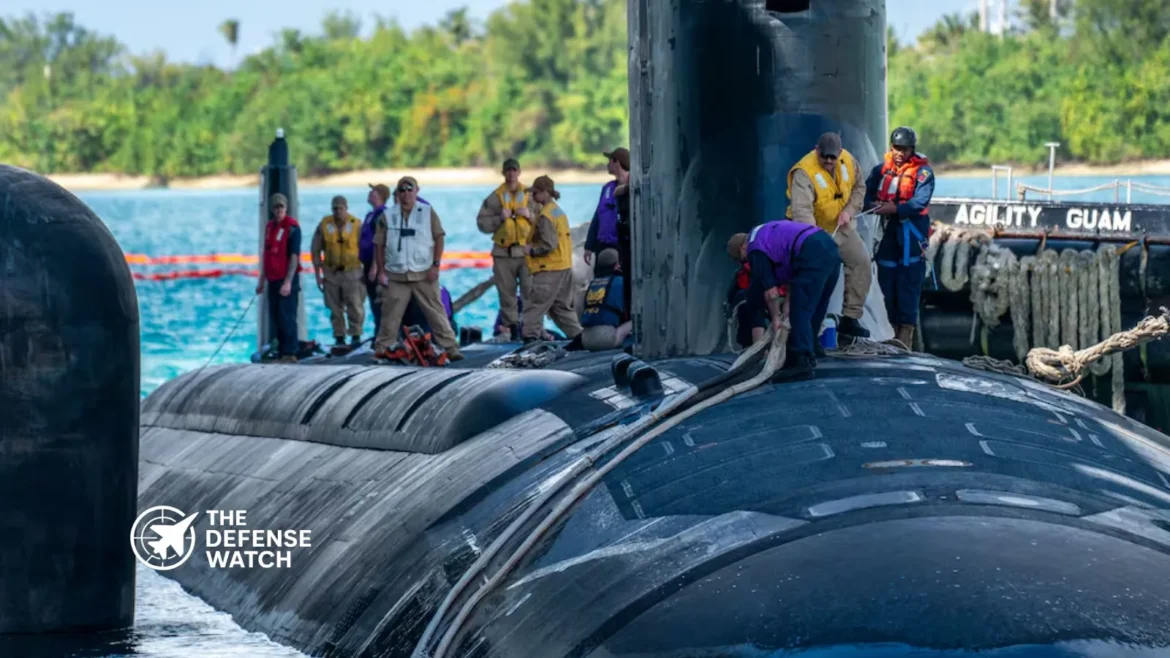
Australian submariners found themselves unexpectedly connected to the Iran conflict after a US Navy submarine sank an Iranian warship while carrying three Royal Australian Navy personnel onboard.
(adsbygoogle = window.adsbygoogle || []).push({});The incident occurred on March 4, 2026, when a US attack submarine torpedoed the Iranian frigate IRIS Dena in international waters near Sri Lanka. At least 80 Iranian sailors were killed in the strike. Australian Prime Minister Anthony Albanese later confirmed that three Australian sailors were aboard the submarine at the time, though none participated in the combat action.
The Australians were deployed on the vessel as part of long running training arrangements linked to the AUKUS security partnership between Australia, the United States, and the United Kingdom.
The Big Picture
The presence of Australian submariners on a US submarine during a wartime engagement reflects the growing operational integration between allied naval forces under the AUKUS framework.
AUKUS is designed to give Australia access to nuclear powered submarines and advanced undersea warfare capabilities. The plan includes decades of personnel exchanges, technology sharing, and industrial cooperation.
Under this arrangement, Australian sailors rotate through US and British submarine crews to build operational experience with nuclear powered attack submarines. More than 50 Australian sailors have already served aboard American submarines, and roughly 160 to 200 personnel are currently in training pipelines in the United States and United Kingdom.
These placements are essential for building the skilled workforce required for Australia’s future fleet of nuclear powered submarines.
What’s Happening
The naval engagement occurred during escalating hostilities between the United States and Iran.
According to defense reporting, a US Navy submarine attacked the Iranian frigate IRIS Dena, which was operating in the Indian Ocean after participating in exercises in India. The warship sank within minutes after being hit by a torpedo fired from the submarine.
Sri Lankan authorities reported recovering dozens of bodies and rescuing several survivors from the incident.
(adsbygoogle = window.adsbygoogle || []).push({});Although Washington has not officially confirmed the submarine involved, several reports suggested it may have been a Virginia class attack submarine operating in the region.
Two days after the incident, Australia confirmed that three Royal Australian Navy sailors were onboard the vessel. The Australian government emphasized that the personnel were embedded for training purposes and did not participate in the attack itself.
Officials explained that standing agreements require Australian personnel embedded on foreign military platforms to comply with Australian law and policy.
Why It Matters
The episode illustrates how deeply integrated allied forces have become in modern military alliances.
Personnel exchange programs are common among NATO and close security partners. However, the incident shows how quickly such arrangements can expose partner nations to operational events during conflicts they are not formally participating in.
For Australia, the presence of sailors on a US submarine during a combat operation highlights the complexity of the AUKUS partnership.
The Australian government maintains that the sailors did not take part in offensive operations and therefore did not place Australia in direct combat with Iran. Nevertheless, the incident triggered political debate inside Australia about the risks associated with embedding personnel on allied combat platforms.
The debate reflects a broader strategic tension. Canberra wants to deepen military integration with the United States while maintaining political control over when and how Australian forces participate in combat.
Strategic Implications
The incident underscores the increasing operational connectivity among allied submarine forces in the Indo Pacific.
Submarine warfare is one of the most sensitive and technologically complex areas of military operations. Training sailors requires years of experience, particularly when dealing with nuclear powered propulsion, advanced sonar systems, and long endurance deployments.
(adsbygoogle = window.adsbygoogle || []).push({});Embedding Australian sailors within US submarine crews accelerates the development of those skills.
From a military perspective, such arrangements strengthen coalition interoperability. Crews become familiar with each other’s procedures, command structures, and operational doctrine. This improves coordination during joint operations or crises.
At the same time, the incident highlights a strategic risk. When personnel operate inside allied platforms, political boundaries between national operations can blur. Even if embedded personnel are not directly involved in combat, their presence can create diplomatic or legal complications.
Competitor View
Iran has strongly condemned the sinking of the IRIS Dena and warned that the attack could have consequences for the United States and its partners.
From Tehran’s perspective, the incident reinforces the perception that Western alliances are expanding military cooperation across multiple regions, including the Indian Ocean.
Other strategic competitors are likely watching closely as well.
China has frequently criticized AUKUS, arguing that the agreement could fuel regional militarization and introduce nuclear submarine capabilities into the Indo Pacific.
Events like this reinforce Beijing’s narrative that Western alliances are becoming more operationally integrated and potentially more willing to project power beyond traditional areas of operation.
What To Watch Next
Several developments could shape how this incident affects regional security and alliance politics.
First, the continued expansion of AUKUS training programs will place more Australian personnel aboard US and British submarines over the coming years.
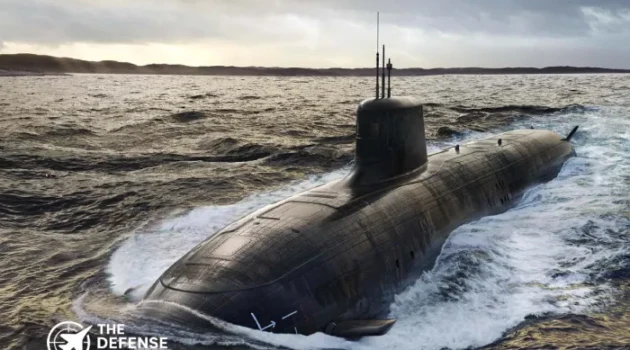
Second, Australia is preparing to acquire at least three US Virginia class submarines in the 2030s before introducing a jointly designed SSN AUKUS submarine later in the decade.
Third, political debate inside Australia may intensify regarding transparency and the rules governing embedded military personnel.
(adsbygoogle = window.adsbygoogle || []).push({});These questions will become increasingly important as allied military cooperation deepens across the Indo Pacific.
Capability Gap
Australia’s submarine workforce currently faces a significant capability gap.
Operating nuclear powered submarines requires specialized training in nuclear propulsion, reactor safety, long duration patrol operations, and advanced undersea combat systems.
Australia’s existing Collins class submarines are conventionally powered and rely on diesel electric propulsion. Transitioning to nuclear powered submarines represents a major technological and operational shift.
Embedding sailors within US and UK submarine crews is one of the few ways to rapidly build that expertise.
(adsbygoogle = window.adsbygoogle || []).push({});However, the arrangement also exposes Australian personnel to real world operational environments, including potential combat scenarios, even before Australia fields its own nuclear submarine fleet.
The Bottom Line
The presence of Australian submariners during the sinking of an Iranian warship highlights how deeper alliance integration under AUKUS is already shaping real world military operations.
¦ KEY FACTS AT A GLANCE- An Iranian cluster bomb warhead reportedly struck central Israel, killing one person and seriously injuring others.
- The warhead dispersed multiple submunitions over a wide area, increasing the likelihood of civilian casualties.
- Israeli officials say cluster-type missile payloads pose a broader area threat than standard ballistic missile warheads.
- Submunitions can remain unexploded after impact, creating persistent explosive hazards in urban environments.
- The incident highlights evolving missile tactics in the ongoing Iran Israel confrontation.
Iranian Cluster Bomb Warhead Strike In Central Israel
An Iranian cluster bomb warhead struck central Israel during a missile attack, killing one person and seriously wounding at least two others, according to Israeli emergency responders and local media reports. The incident marks another escalation in the ongoing missile exchange between Iran and Israel and underscores the growing use of wide area explosive payloads in the conflict.
Medics from Israel’s national emergency service responded to multiple impact reports across central Israel after air raid sirens sounded during the latest missile barrage. One fatality occurred at a construction site, while two other victims suffered severe injuries and were transported to hospital for treatment.
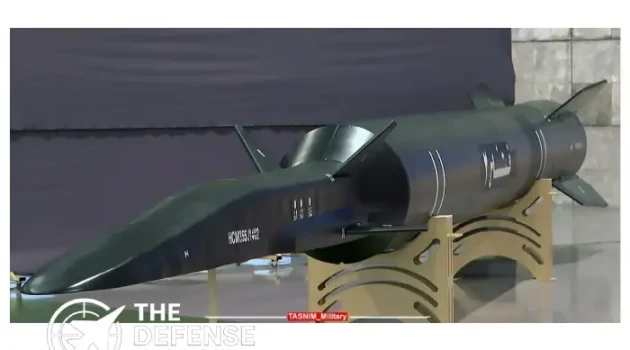
Israeli officials indicated that the attack involved a missile equipped with a cluster munition warhead, which disperses numerous smaller explosive submunitions over a large radius after the missile descends toward its target area.
The Big Picture
Missile warfare between Iran and Israel has entered a new phase characterized by increasingly complex payloads and tactical adaptations. The reported use of the Iranian cluster bomb warhead reflects a shift from purely high-explosive ballistic missile strikes toward area effect weapons designed to threaten wider zones.
Cluster warheads are particularly controversial in modern conflict because they release multiple smaller bombs across broad areas rather than concentrating explosive force at a single point. This characteristic increases the probability of damage across urban environments and infrastructure.
In the Middle East theater, where many strategic targets sit within dense civilian population centers, such weapons raise significant operational and humanitarian concerns. Defense planners increasingly view the introduction of cluster warheads as part of a broader missile modernization trend across the region.
Iran has spent decades expanding its ballistic missile arsenal, which includes systems capable of carrying varied payload types such as conventional high explosive warheads, maneuverable reentry vehicles, and potentially submunition payloads.
What’s Happening
Emergency services reported the latest attack after Iran launched a new wave of missiles toward Israeli territory.
One missile reportedly carried a cluster bomb warhead that scattered explosive fragments and smaller bomblets across a populated area in central Israel. One person died at the scene, and at least two others were seriously injured.
Security camera footage and local reports showed a sudden explosion on a street in the area as civilians rushed to assist the wounded.
Israeli authorities also warned residents to avoid unexploded fragments that may remain on the ground following such attacks. Cluster submunitions sometimes fail to detonate immediately and can remain dangerous long after the initial strike.
Why It Matters
The use of cluster payloads significantly alters the operational dynamics of missile warfare.
A standard ballistic missile typically delivers a single high explosive warhead that impacts one location. In contrast, a cluster warhead releases multiple smaller explosives across a wider zone. Israeli military officials have previously said such missiles can disperse roughly 20 submunitions over an area several kilometers wide.
Each bomblet carries a smaller explosive charge, but the combined effect increases the geographic footprint of the attack.
This tactic complicates missile defense planning. Intercepting the missile itself can neutralize the payload, but once the warhead releases submunitions the defensive challenge shifts from missile interception to emergency response and explosive ordnance disposal.
The presence of unexploded ordnance can also disrupt civilian movement, infrastructure repairs, and emergency operations for extended periods.
Strategic Implications
The deployment of the Iranian cluster bomb warhead highlights several broader strategic trends shaping the Iran Israel confrontation.
First, it signals an effort to maximize psychological and operational pressure without relying solely on heavier conventional warheads. By spreading multiple bomblets across urban areas, cluster payloads can create multiple simultaneous impact points even from a single missile.
Second, this tactic may attempt to complicate Israel’s layered missile defense architecture, which includes systems such as Arrow, David’s Sling, and Iron Dome. While these systems intercept incoming threats at different ranges and altitudes, the dispersal of submunitions increases the complexity of threat assessment and response.
-
Third, the presence of unexploded submunitions introduces a long term security risk. Military explosive ordnance disposal teams must locate and neutralize each device individually, which can slow recovery operations following attacks.
Competitor View
Regional actors and strategic competitors closely monitor the evolving missile exchange between Iran and Israel.
For Iran, cluster warheads represent one method of expanding the operational flexibility of its ballistic missile force. Such payloads can increase the effective strike area without requiring larger or more advanced missile systems.
For Israel, the appearance of these munitions reinforces the importance of integrated air and missile defense systems and rapid civil defense response. The Israeli Home Front Command already maintains procedures for identifying and disposing of unexploded ordnance from missile strikes.
Other regional militaries may view the use of cluster warheads as part of a broader trend toward adaptable missile payloads capable of targeting airfields, infrastructure, and urban areas.
What To Watch Next
Several developments will shape the next phase of the conflict.
Israeli defense authorities will likely increase monitoring of missile debris and unexploded submunitions to better understand the specific design of the cluster warheads used in the attack.
Military analysts will also watch whether additional Iranian missiles employ similar payloads in future strikes.
Another key factor will be the performance of Israel’s missile defense network as it continues to intercept incoming threats during repeated attack cycles.
Capability Gap
Cluster warheads aim to exploit a key vulnerability in missile defense operations: the difficulty of protecting wide geographic areas from dispersed explosives.
While interceptors can destroy incoming missiles before impact, they cannot eliminate the hazard once submunitions scatter across the ground. This creates a gap between strategic missile defense and tactical explosive ordnance disposal.
However, cluster warheads also have limitations. Each individual bomblet carries far less explosive power than a full ballistic missile warhead. As a result, their destructive effect against hardened military facilities or fortified structures remains limited compared with heavier payloads.
The Bottom Line
The Iranian cluster bomb warhead strike on central Israel illustrates how evolving missile payloads are expanding the tactical and humanitarian risks of modern missile warfare.
-
¦ KEY FACTS AT A GLANCE- U.S. Air Force deployed three B-52H Stratofortress bombers to RAF Fairford in the United Kingdom on March 9, 2026.
- The aircraft can carry large payloads including AGM-158 JASSM cruise missiles and precision guided bombs.
- Deployment strengthens the U.S. long-range strike posture as operations against Iranian military targets intensify.
- RAF Fairford now hosts a concentration of U.S. strategic bombers including B-1B and B-52H aircraft.
- Forward basing significantly reduces mission duration compared with bomber sorties launched from the continental United States.
U.S. Deploys B-52H Stratofortress Bombers To UK
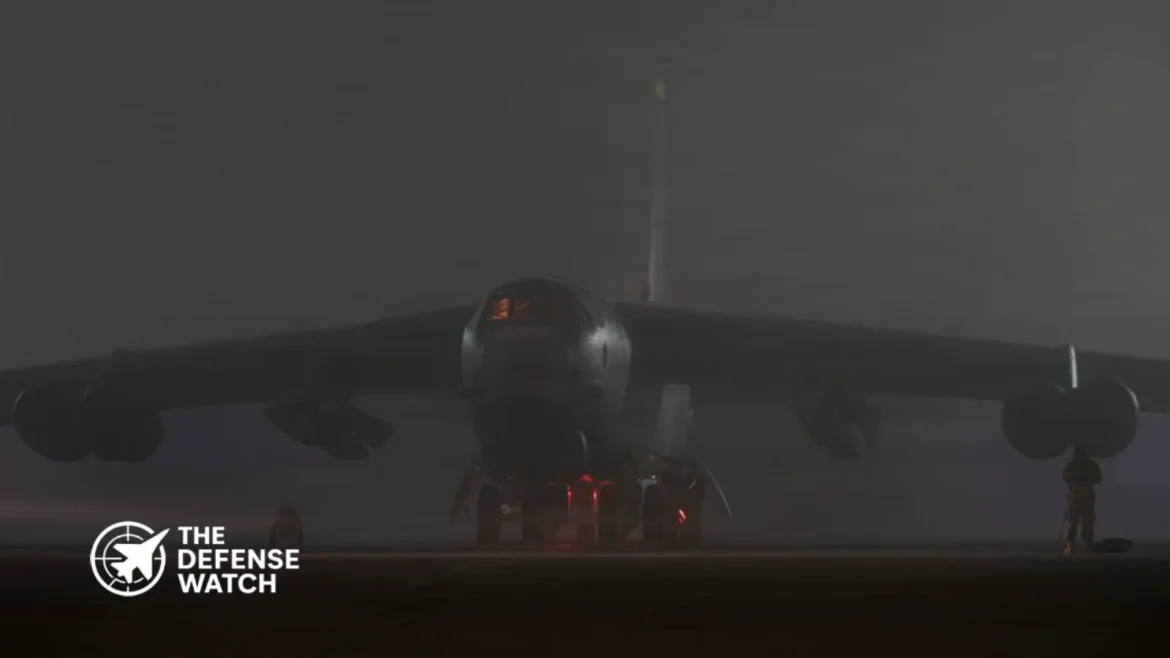
The B-52H Stratofortress bomber deployment to the United Kingdom marks a significant expansion of U.S. long-range strike capability as Washington increases pressure on Iranian military infrastructure. Three U.S. Air Force B-52H bombers arrived at Royal Air Force Fairford on March 9, 2026, reinforcing a growing concentration of American strategic aircraft in Europe supporting ongoing operations targeting Iran.
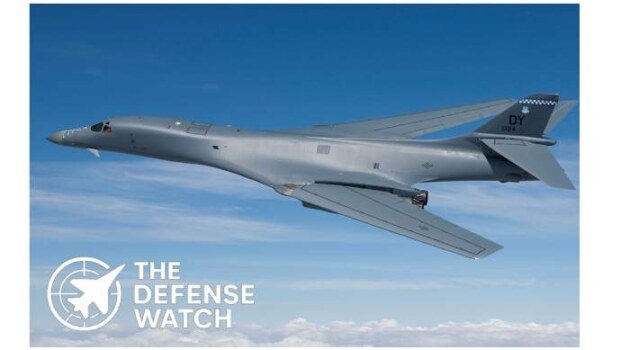
(adsbygoogle = window.adsbygoogle || []).push({});The deployment follows earlier arrivals of B-1B Lancer bombers to the same base, creating one of the largest U.S. bomber task force groupings in Europe in recent years.
The Big Picture
The United States increasingly relies on forward-deployed strategic bombers to provide rapid long-range strike options during regional crises. Heavy bombers such as the B-52H, B-1B Lancer, and B-2 Spirit form the backbone of America’s conventional global strike capability.
Positioning these aircraft in Europe allows the United States to project power into the Middle East, Eastern Europe, and North Africa without relying solely on bases inside the immediate conflict zone.
RAF Fairford in the United Kingdom has long served as a key staging location for U.S. bomber operations in Europe. The base supports Bomber Task Force rotations and offers the infrastructure required for sustained heavy bomber deployments, including long runways, maintenance facilities, and access to aerial refueling support.
(adsbygoogle = window.adsbygoogle || []).push({});The current deployment underscores how NATO territory continues to play a critical role in enabling U.S. military operations beyond Europe.
What’s Happening
Three B-52H Stratofortress bombers arrived at RAF Fairford after flying from Minot Air Force Base in North Dakota. The aircraft were tracked crossing the Atlantic before landing at the Gloucestershire base on March 9.
Their arrival follows the earlier deployment of eight B-1B Lancer bombers, bringing the total number of U.S. strategic bombers at the base to roughly eleven aircraft.
These bombers form part of the expanding U.S. air campaign targeting Iranian ballistic missile infrastructure and command facilities as part of the ongoing operation known as Operation Epic Fury.
According to open-source imagery and flight tracking data, the B-52H bombers involved in the deployment are capable of carrying multiple AGM-158 Joint Air-to-Surface Standoff Missiles (JASSM). Each aircraft can reportedly carry up to twenty of these precision-guided cruise missiles when combining external pylons with internal rotary launchers.
This weapons configuration allows the aircraft to strike heavily defended targets from outside advanced air defense systems.
Why It Matters
Heavy bomber deployments provide the United States with several operational advantages during high-intensity conflicts.
First, the B-52H offers exceptional payload capacity. The aircraft can deliver large volumes of precision-guided munitions in a single sortie, making it well suited for sustained strike campaigns against infrastructure such as missile launch sites, command centers, and hardened facilities.
(adsbygoogle = window.adsbygoogle || []).push({});Second, the bomber’s long range allows it to operate from secure bases outside the immediate conflict zone. This reduces vulnerability to enemy missile attacks while still maintaining access to regional targets.
Forward basing in the United Kingdom significantly shortens flight times compared with launching missions from the continental United States. A round-trip strike from North America to the Middle East can exceed thirty hours, whereas operations from RAF Fairford are considerably shorter and allow faster sortie generation.
This improvement in operational tempo can become decisive during prolonged air campaigns.
Strategic Implications
The B-52H bomber deployment to the United Kingdom strengthens the United States’ deterrence posture while signaling the ability to sustain large-scale strike operations if necessary.
Concentrating multiple bomber types in Europe creates a flexible strike package. B-1B bombers provide high payload capacity for conventional precision weapons, B-2 aircraft offer stealth penetration against heavily defended targets, and B-52H bombers deliver high-volume standoff missile attacks.
Together, these aircraft form a layered strike architecture capable of targeting a wide range of objectives.
The deployment also highlights the growing role of NATO infrastructure in supporting U.S. operations beyond Europe. Allied bases provide logistical depth, secure basing, and access to critical aerial refueling networks that enable global strike missions.
For U.S. planners, maintaining this network remains essential for rapid crisis response.
(adsbygoogle = window.adsbygoogle || []).push({});Competitor View
Iran is likely to interpret the B-52H deployment as a signal that Washington is preparing to maintain a sustained strike capability rather than limited or symbolic operations.
Strategic bombers represent some of the most visible elemen
ts of American military power. Their deployment often serves both operational and signaling purposes.
From Tehran’s perspective, the presence of B-52H and B-1B bombers in Europe suggests that the United States can maintain continuous strike operations while rotating aircraft and crews to sustain pressure on Iranian military infrastructure.
Russia and China may also view the deployment as part of a broader demonstration of U.S. global strike capability. Both countries closely monitor bomber task force deployments because they reveal how quickly the United States can shift strategic assets between theaters.
What To Watch Next
Several developments will likely determine how the situation evolves in the coming weeks.
One factor will be whether additional bomber aircraft join the deployment. The United States frequently rotates bomber task force elements during active operations to maintain readiness and distribute operational load across multiple units.
Another indicator will be the type of weapons employed in upcoming missions. Long-range cruise missiles such as JASSM enable stand-off attacks, while heavier precision bombs may indicate operations against hardened facilities.
Satellite imagery, flight tracking data, and official military announcements will continue to provide clues about the scale and tempo of ongoing operations.
Capability Gap
The deployment addresses a key operational challenge facing long-range strike missions: distance.
Launching heavy bomber missions from the continental United States to targets in the Middle East requires complex aerial refueling chains and extremely long flight durations. Such missions place strain on aircraft crews and reduce the number of sorties that can be generated.
Forward basing bombers in Europe closes this gap. Aircraft can reach operational areas more quickly while maintaining high payload capacity and stand-off strike capability.
(adsbygoogle = window.adsbygoogle || []).push({});However, strategic bombers still rely heavily on aerial refueling, intelligence support, and secure airspace access to conduct sustained operations.
The Bottom Line
The B-52H Stratofortress bomber deployment to the United Kingdom significantly strengthens the United States’ ability to conduct sustained long-range strike operations against Iranian military targets.
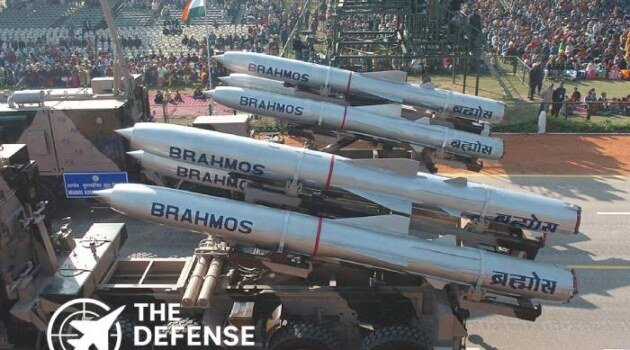
¦ KEY FACTS AT A GLANCE- Indonesia has agreed to acquire the BrahMos supersonic cruise missile system from India.
- The deal is estimated to be worth between $200 million and $350 million.
- The acquisition reflects growing defense cooperation between India and Southeast Asian partners.
- BrahMos missiles travel at around Mach 2.8 to Mach 3 with a range of roughly 290–400 kilometers depending on variant.
- Indonesia would become the second Southeast Asian operator of the BrahMos system after the Philippines.
Indonesia BrahMos Missile Deal Signals Growing Defense Cooperation In The Indo-Pacific
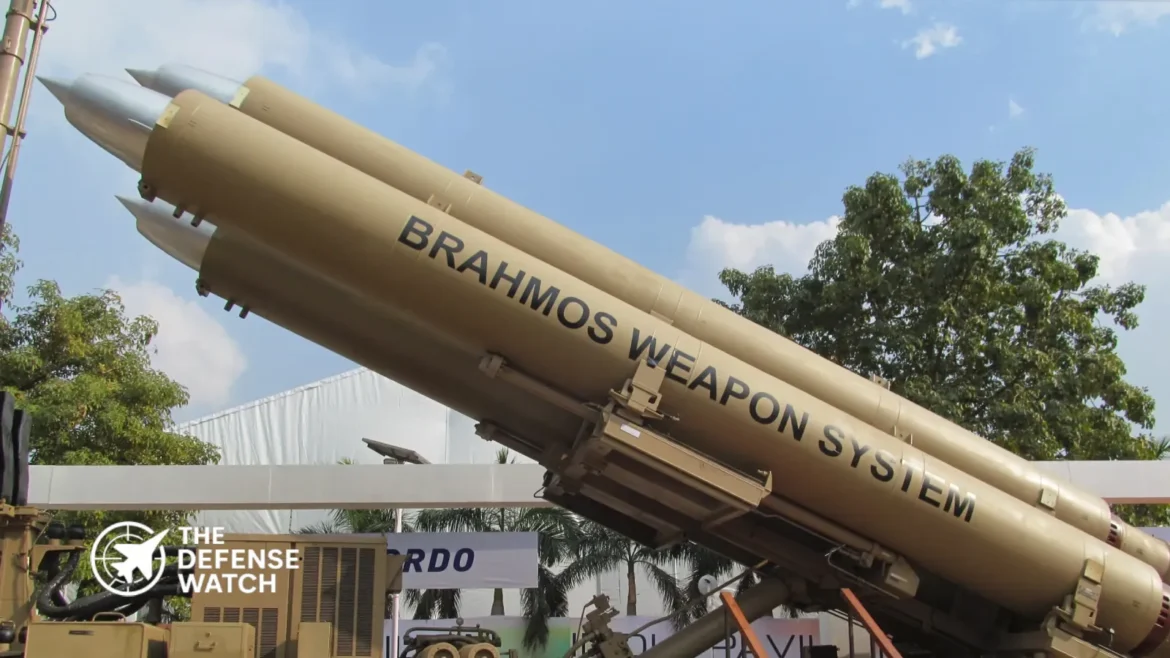
The Indonesia BrahMos missile deal marks a significant step in Jakarta’s effort to strengthen its maritime strike capabilities and deepen defense ties with India. The agreement, reportedly valued between $200 million and $350 million, will provide Indonesia with one of the world’s fastest operational cruise missile systems.
(adsbygoogle = window.adsbygoogle || []).push({});The acquisition follows a similar deal signed by the Philippines in 2022 and reflects India’s expanding role as a defense exporter in the Indo-Pacific region.
The Big Picture
Security competition across the Indo-Pacific has driven many regional militaries to expand long range strike and anti ship missile capabilities.
Countries such as Japan, Australia, the Philippines, and Vietnam have all accelerated investments in coastal defense systems and anti ship missiles designed to deter potential maritime aggression. Much of this modernization effort focuses on controlling key sea lanes and chokepoints in the South China Sea and surrounding waters.
Indonesia occupies a critical strategic position along major maritime routes linking the Indian and Pacific Oceans. The country’s vast archipelagic geography includes more than 17,000 islands and multiple strategic straits, including the Malacca Strait, Sunda Strait, and Lombok Strait.
Strengthening coastal defense and long range strike systems has therefore become a central element of Jakarta’s military modernization strategy.
The BrahMos supersonic cruise missile, developed jointly by India and Russia, offers a high speed strike capability designed for both land based and naval platforms. Its speed and maneuverability make it difficult for many conventional air defense systems to intercept.
What’s Happening
Indonesia and India have reached an agreement for Jakarta to purchase the BrahMos missile system, with the total value of the deal estimated between $200 million and $350 million.
Officials have not publicly released detailed information about the specific configuration being acquired. However, defense analysts expect Indonesia to initially deploy a coastal defense variant of the system, similar to the version currently operated by the Philippines Marine Corps.
The Philippines signed a $375 million contract with India in 2022 for the BrahMos Shore Based Anti Ship Missile System. That agreement marked the first export sale of the missile system by India.
India has since promoted the system to multiple countries across Southeast Asia, the Middle East, and Latin America as part of its broader effort to expand defense exports.
The BrahMos system is produced by BrahMos Aerospace, a joint venture between India’s Defence Research and Development Organisation (DRDO) and Russia’s NPO Mashinostroyeniya.
- (adsbygoogle = window.adsbygoogle || []).push({});
Why It Matters
The Indonesia BrahMos missile deal strengthens Jakarta’s ability to conduct long range precision strikes against surface targets at sea.
BrahMos missiles travel at speeds approaching Mach 3, significantly faster than most conventional subsonic cruise missiles such as the U.S. Tomahawk or the French Exocet. The high speed shortens reaction time for enemy ships and increases the probability of penetration against naval defenses.
For a country like Indonesia, which must defend an expansive maritime domain, coastal defense missiles provide a relatively cost effective method of strengthening deterrence.
Deploying land based anti ship missile batteries across key islands allows Indonesia to cover critical sea lanes without relying solely on naval vessels or aircraft.
The system also complements Indonesia’s broader modernization program, which includes new fighter aircraft, submarines, and naval surface combatants.
Strategic Implications
The growing adoption of the BrahMos missile system across Southeast Asia could gradually reshape the region’s maritime deterrence environment.
High speed anti ship missiles create a denial capability that complicates naval operations for potential adversaries operating near contested waters.
Indonesia’s potential deployment of BrahMos batteries along strategic islands would allow Jakarta to monitor and defend approaches to important maritime routes. Such capabilities can support Indonesia’s longstanding policy of maintaining sovereignty over its exclusive economic zone, particularly around the Natuna Islands, an area that has seen repeated tensions involving Chinese fishing vessels and coast guard ships.
India also benefits strategically from the deal.
Expanding BrahMos exports strengthens India’s defense industrial base while increasing its security partnerships across Southeast Asia. The policy aligns with New Delhi’s Act East strategy, which aims to deepen economic and security cooperation with ASEAN countries.
For India, each export deal also strengthens the operational ecosystem surrounding the BrahMos system, potentially opening opportunities for future upgrades, logistics support, and joint training.
Competitor View
China closely monitors regional missile deployments in Southeast Asia.
(adsbygoogle = window.adsbygoogle || []).push({});Beijing has invested heavily in its own anti ship missile capabilities, including the YJ series cruise missiles and the DF 21D anti ship ballistic missile. The spread of systems like BrahMos across Southeast Asia introduces additional challenges for Chinese naval forces operating in contested maritime areas.
Regional militaries acquiring high speed anti ship missiles increase the number of potential threat vectors for large surface combatants.
Russia, meanwhile, remains indirectly connected to the BrahMos program through its original technology partnership with India. However, India has increasingly localized production and expanded independent export efforts.
What To Watch Next
Several milestones could follow the Indonesia BrahMos missile deal.
Implementation details such as system configuration, delivery schedules, and training programs are likely to emerge once the contract enters formal execution phases.
Operational deployment will require infrastructure development, personnel training, and integration into Indonesia’s broader maritime surveillance network.
Indonesia may also consider integrating the missile with naval vessels or future platforms as its modernization program evolves.
India continues to develop upgraded variants of the BrahMos system, including extended range and hypersonic research programs, which could eventually influence future export offerings.
Capability Gap
Indonesia faces the challenge of defending one of the world’s largest maritime territories with limited naval assets.
Land based anti ship missile systems address this gap by allowing smaller forces to threaten larger naval units operating within range.
However, the BrahMos system is not a complete solution on its own. Effective employment requires reliable targeting data, surveillance systems, and command networks capable of tracking maritime threats in real time.
Without those supporting capabilities, the full potential of long range missile systems cannot be realized.
(adsbygoogle = window.adsbygoogle || []).push({});Indonesia has therefore invested in maritime surveillance radars, patrol aircraft, and satellite monitoring to support its broader maritime defense architecture.
The Bottom Line
Indonesia’s BrahMos missile acquisition strengthens regional deterrence while reinforcing India’s growing role as a defense supplier in the Indo-Pacific.
¦ KEY FACTS AT A GLANCE- Pentagon officials told Congress the first week of the U.S. war against Iran cost roughly $6 billion.
- Around $4 billion of the total was spent on munitions and missile defense interceptors.
- U.S. and allied strikes have hit approximately 4,000 Iranian targets including missile launchers and air defenses.
- U.S. Central Command says Iranian ballistic missile launches have dropped by about 90 percent since the first day of the campaign.
- The Pentagon is expected to request additional funding to replenish depleted stockpiles and sustain operations.
US War Against Iran Cost $6 Billion In First Week
The US war against Iran cost roughly $6 billion in its first week, according to Pentagon officials who briefed members of Congress on the financial impact of the opening phase of the military campaign.
Most of that spending was tied to high-end weapons. Approximately $4 billion went toward munitions and missile defense interceptors, systems used to strike Iranian military targets and defend U.S. forces and regional allies from retaliatory missile attacks.
The figures underscore the intensity of the air and missile campaign launched as part of the broader U.S. military operation targeting Iran’s strategic military infrastructure.
The Big Picture
The cost of the opening week reflects the scale of the largest U.S. combat operation in the Middle East in years.
The campaign began after coordinated U.S. and Israeli strikes targeted Iranian military sites in late February 2026. The operation quickly evolved into a high-tempo air and missile campaign involving advanced aircraft, naval strike groups, and long-range precision weapons.
Early operations focused on degrading Iran’s core military capabilities. These included missile launch sites, naval assets in the Persian Gulf, and integrated air defense systems protecting key military infrastructure.
Large-scale operations of this kind typically carry a heavy upfront financial burden. The opening phase of modern air campaigns often consumes large inventories of precision-guided weapons, which are among the most expensive items in the U.S. arsenal.
What’s Happening
Pentagon officials disclosed the financial figures during discussions with lawmakers reviewing the operational costs of the ongoing conflict.
According to New York Times:
- The first week of combat operations cost about $6 billion.
- Approximately $4 billion went to munitions and interceptor missiles used in both offensive strikes and missile defense.
- U.S. and allied forces have struck around 4,000 Iranian military targets during the campaign.
Targets reportedly included:
- Ballistic missile launchers
- Naval vessels
- Air defense systems
- Military infrastructure across Iran
Adm. Brad Cooper, commander of U.S. Central Command, said Iranian ballistic missile launches have dropped roughly 90 percent since the first day of the campaign, while drone attacks have declined by about 83 percent.
Despite those reductions, U.S. officials caution that Iran still retains roughly half of its missile capabilities, meaning the threat remains significant.
Why It Matters
The US war against Iran cost figures reveal how expensive modern high-intensity warfare has become, especially when advanced precision weapons and missile defense systems dominate operations.
Several factors drive the high cost:
- Precision munitions
Weapons such as cruise missiles and guided bombs cost hundreds of thousands to several million dollars each. - Missile defense interceptors
Systems designed to shoot down incoming missiles often cost several million dollars per shot. - High operational tempo
Large numbers of daily sorties and naval launches rapidly consume stockpiles.
Defending against Iranian missile and drone attacks has proven particularly expensive. Interceptors designed to stop ballistic missiles and drones often cost far more than the weapons they destroy.
This dynamic has become a central challenge in modern warfare, especially against adversaries that rely on large volumes of relatively inexpensive missiles or drones.
Strategic Implications
The financial burn rate of the campaign highlights broader strategic pressures facing the U.S. defense establishment.
Sustained operations at this pace could require significant supplemental funding from Congress. Pentagon officials have already indicated that additional funding will likely be needed to replenish depleted weapons inventories.
This issue extends beyond the Middle East.
The United States must maintain sufficient stockpiles for other potential conflicts, including in the Indo-Pacific and Europe. Large wartime expenditures in one theater can strain global readiness if replacement production cannot keep pace.
Defense planners have increasingly warned that the U.S. industrial base may struggle to replenish advanced weapons quickly during prolonged conflicts.
Competitor View
Strategic competitors will closely monitor both the operational and economic aspects of the campaign.
Russia and China have long argued that U.S. military power relies heavily on expensive high-tech weapons systems that could become financially unsustainable during prolonged conflicts.
Iran may also draw lessons from the cost imbalance between its relatively inexpensive drones and missiles and the far more expensive systems required to intercept them.
This dynamic has shaped many recent conflicts, where large volumes of low-cost weapons force technologically advanced militaries to expend costly interceptors.
What To Watch Next
Several developments will shape the next phase of the conflict.
Supplemental funding request
The Pentagon is expected to seek additional funds from Congress to cover the ongoing campaign and replenish weapons inventories.Operational tempo changes
Air campaigns often slow after the initial surge of strikes, which could reduce the daily burn rate of munitions.Industrial production increases
Defense contractors may be asked to accelerate production of key systems, including interceptor missiles and precision weapons.Regional escalation risks
Iran’s remaining missile arsenal and regional proxy forces could continue to generate operational costs for U.S. forces.Capability Gap
The campaign highlights a persistent capability gap in modern warfare.
Advanced militaries rely on extremely expensive interceptor systems to defeat missiles and drones that can cost only a fraction as much to produce.
This imbalance has become a central challenge for air and missile defense systems worldwide.
U.S. defense planners are increasingly exploring lower-cost solutions such as directed-energy weapons, electronic warfare systems, and cheaper interceptor designs to reduce the economic burden of sustained missile defense operations.
The Bottom Line
The US war against Iran cost $6 billion in its first week, demonstrating both the military intensity and financial scale of modern high-technology warfare.
¦ KEY FACTS AT A GLANCE- Israeli forces struck Iranian missile launch sites and rocket engine production infrastructure.
- Targets included facilities linked to long-range ballistic missiles intended for strikes on Israel.
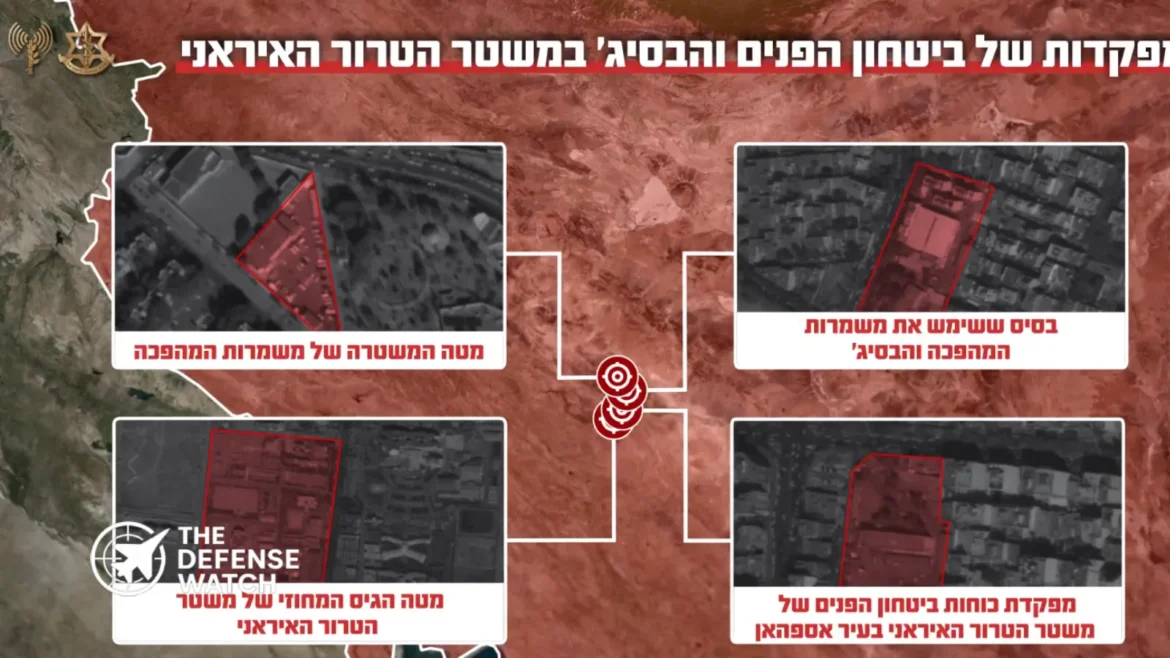
- Headquarters linked to Iran’s Internal Security Forces and Basij militia were also targeted.
- Sites in multiple regions including Isfahan were reportedly hit during the operation.
- The strikes form part of a broader campaign aimed at weakening Iran’s military and security infrastructure.
Israel Strikes Iranian Missile Sites As IDF Expands Campaign
Israel strikes Iranian missile sites as part of a new wave of operations targeting military infrastructure tied to Tehran’s missile program and internal security forces. The Israeli Air Force carried out coordinated strikes on launch facilities, rocket engine production sites, and command centers associated with Iran’s Internal Security Forces and the Basij militia.
Israeli military officials said the operation aimed to degrade capabilities linked to long range missile attacks against Israel while also targeting institutions that support Iran’s internal security apparatus.
The Big Picture
Israel has long identified Iran’s ballistic missile program as one of the most significant security threats in the Middle East. Tehran possesses one of the region’s largest and most diverse missile arsenals, including medium and long range ballistic missiles capable of reaching Israel and U.S. forces across the region.
Iran has steadily expanded this arsenal over the past two decades through domestic missile production programs. These efforts include the development of solid fuel rocket motors, mobile launch systems, and underground missile infrastructure designed to ensure survivability during conflict.
Israeli military planners view the destruction of missile launch facilities and production infrastructure as a critical component of their deterrence strategy. Targeting manufacturing capacity limits Iran’s ability to replenish its missile inventory during prolonged conflict.
The latest operation reflects a broader shift toward direct strikes on strategic military infrastructure rather than solely focusing on proxy forces aligned with Iran across the region.
What’s Happening
Israeli Defense Forces confirmed that the Israeli Air Force conducted another wave of strikes across several locations inside Iran. Military intelligence guided the operation, identifying infrastructure linked to missile production and launch activities.
The strikes targeted a facility responsible for producing rocket engines used in ballistic missile systems. Israeli officials said these engines support missiles designed for long range launches toward Israeli territory.
Additional targets included several launch sites believed to support long range ballistic missile operations.
Israeli aircraft also struck facilities connected to Iran’s Internal Security Forces and the Basij militia. These forces form part of the Iranian security structure and operate under the broader authority of the country’s armed forces.
Among the reported targets were:
• Headquarters of a regional corps associated with Iran’s security forces
• The Internal Security Forces headquarters in Isfahan
• A base used by the Islamic Revolutionary Guard Corps and Basij units
• Police headquarters linked to the Revolutionary Guard structureIsraeli officials described the strikes as part of an ongoing campaign designed to degrade the operational foundations of what Israel characterizes as Iran’s security and military system.
Why It Matters
Ballistic missiles remain central to Iran’s military doctrine. Unlike many regional powers, Iran relies heavily on missile forces as a substitute for modern airpower.
International sanctions and export restrictions have limited Iran’s access to advanced combat aircraft. As a result, Tehran has invested heavily in missile programs capable of projecting power across the Middle East.
These missiles serve multiple strategic functions. They provide conventional deterrence against regional adversaries, support Iran’s network of allied militias, and offer the ability to strike military bases and infrastructure at long range.
By targeting rocket engine production facilities and launch infrastructure, Israel aims to disrupt the supply chain that supports Iran’s missile forces.
Strikes on manufacturing sites can be particularly disruptive because rebuilding complex production infrastructure requires time, specialized materials, and skilled personnel.
Strategic Implications
The decision to strike facilities linked to internal security forces carries broader strategic implications beyond missile deterrence.
Iran’s Internal Security Forces and the Basij militia play a key role in maintaining internal stability and enforcing government authority. These organizations have historically been used to suppress domestic unrest and control large scale demonstrations.
Targeting such institutions signals that Israeli operations may increasingly focus on the broader security architecture that supports Iran’s leadership rather than strictly military systems.
For Israel, this approach aims to weaken both the operational and political foundations of Iranian power during a crisis.
Regional stability may also be affected. Direct strikes inside Iranian territory represent a significant escalation compared to the shadow conflict that has historically defined Israeli Iranian competition.
Operations of this scale raise the risk of further retaliation through missile strikes, proxy forces, or maritime attacks.
Competitor View
Iran will likely interpret the strikes as an attempt to degrade both its strategic deterrent and internal security framework.
Tehran has historically responded to similar actions through a combination of asymmetric measures. These include missile launches, cyber operations, and attacks by allied groups operating in Lebanon, Syria, Iraq, and Yemen.
Russia and China will also watch the situation closely. Both countries maintain strategic relationships with Iran and have criticized Israeli and Western military actions in the region in the past.
However, neither country has shown willingness to intervene directly in Israeli Iranian confrontations.
What To Watch Next
Future developments will likely focus on several key indicators.
Military analysts will watch whether additional strikes target underground missile storage facilities or command and control networks tied to Iran’s strategic forces.
Another critical factor will be Iran’s response. Tehran possesses a wide range of retaliatory options, including missile launches, drone attacks, and operations conducted through regional partners.
Regional air defense systems, including those operated by Israel and U.S. forces, may be placed on heightened alert depending on developments.
Diplomatic responses from international actors will also shape how the situation evolves in the coming weeks.
Capability Gap
Israel’s campaign reflects concerns about the survivability and scale of Iran’s missile arsenal.
Iran operates a network of hardened missile facilities, underground launch tunnels, and mobile transporter erector launchers designed to reduce vulnerability to airstrikes.
Destroying launch sites and production infrastructure addresses part of the threat, but mobile systems and concealed storage facilities remain difficult to neutralize entirely.
As a result, Israel continues to emphasize intelligence driven targeting combined with precision airpower to limit Iran’s missile capabilities before they can be deployed.
The Bottom Line
Israel’s latest operation targeting missile infrastructure and security force facilities signals a widening campaign aimed at weakening both Iran’s military capabilities and the institutional structures that sustain them.
¦ KEY FACTS AT A GLANCE- U.S. Central Command says B-2 Spirit stealth bombers struck roughly 200 targets in Iran during a 72 hour air campaign.
- The strikes targeted Iranian military infrastructure linked to missile, drone, and operational command networks.
- The operation demonstrated the U.S. Air Force’s ability to conduct deep precision strikes inside contested airspace.
- B-2 bombers flew long range missions supported by aerial refueling and intelligence surveillance assets.
- The operation highlights the continued strategic relevance of stealth bombers in modern high intensity warfare.
B-2 Spirit Stealth Bombers Conduct Major Strike Operation In Iran
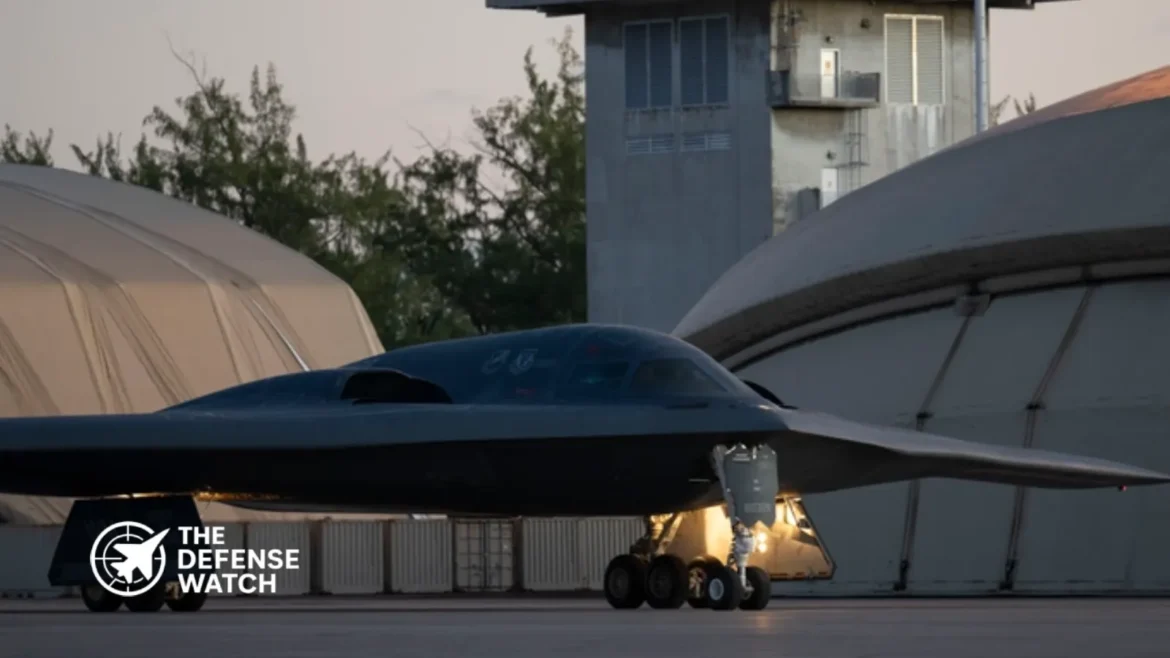
B-2 Spirit stealth bombers carried out strikes on roughly 200 targets in Iran during a 72 hour operation, according to U.S. Central Command. The long range bombing campaign targeted Iranian military infrastructure and operational facilities connected to missile and drone activity.
(adsbygoogle = window.adsbygoogle || []).push({});Officials said the operation relied heavily on the stealth capabilities and precision strike capacity of the U.S. Air Force’s B-2 bomber fleet. The aircraft conducted deep strike missions designed to degrade Iranian military capabilities while avoiding heavily defended airspace.
The operation represents one of the largest stealth bomber strike campaigns conducted in the region in recent years.
The Big Picture
The use of B-2 Spirit stealth bombers highlights the United States’ continued reliance on long range stealth strike platforms to conduct high value missions in heavily defended environments.
The B-2 remains one of the few aircraft capable of penetrating advanced air defense networks while delivering precision guided munitions against strategic targets. Although the aircraft entered service in the 1990s, its stealth design and long range endurance still give the U.S. Air Force a unique deep strike capability.
Operations like this also reflect a broader shift in modern warfare. Precision air campaigns increasingly focus on disabling command networks, missile infrastructure, and unmanned systems rather than mass bombing of large facilities.
By striking hundreds of smaller operational nodes, the United States aims to disrupt military coordination and reduce the ability of adversaries to launch sustained attacks.
What’s Happening
U.S. Central Command reported that B-2 Spirit stealth bombers struck approximately 200 targets across Iran during a 72 hour period.
The strikes focused on military infrastructure linked to missile systems, drone launch operations, and command and control networks.
The B-2 Spirit is designed for long range precision strike missions. The aircraft can fly intercontinental distances and deliver conventional or nuclear payloads. Its stealth design reduces radar detection, allowing it to operate inside contested airspace protected by modern air defense systems.
(adsbygoogle = window.adsbygoogle || []).push({});The bombers typically operate from Whiteman Air Force Base in Missouri, though they can deploy forward when required. Long duration strike missions often rely on extensive aerial refueling and intelligence support from surveillance aircraft and satellites.
CENTCOM did not release detailed information about the specific locations targeted or the munitions used in the operation.
Why It Matters
The B-2 bomber strikes in Iran demonstrate the continued operational value of stealth aircraft in modern military campaigns.
Stealth platforms allow commanders to strike high value targets early in a conflict without exposing large numbers of aircraft to enemy air defenses. This approach reduces operational risk while maximizing the impact of precision weapons.
The ability to hit 200 targets in a short time frame also shows the scale at which modern precision strike operations can be conducted. Advances in intelligence, targeting systems, and networked warfare allow militaries to coordinate complex air campaigns across multiple locations simultaneously.
For the United States, maintaining the ability to conduct these deep strike missions is a core component of global power projection.
Strategic Implications
The operation sends a clear signal about U.S. military reach and readiness.
Stealth bombers remain a central component of American deterrence strategy. Their ability to strike strategic targets anywhere in the world gives U.S. leaders flexible options during crises.
The strikes also highlight the importance of integrated air campaigns. Missions involving B-2 bombers typically rely on a large supporting network that includes intelligence satellites, airborne early warning aircraft, aerial refueling tankers, and electronic warfare platforms.
This layered approach allows U.S. forces to maintain situational awareness while conducting high precision operations in contested environments.
The campaign may also shape how future air operations are planned in regions with advanced air defense systems.
Competitor View
Regional and global competitors closely monitor the use of stealth bombers in real combat operations.
Iran has invested heavily in air defense systems, including domestically produced radar networks and surface to air missile platforms. Operations involving B-2 Spirit stealth bombers test the effectiveness of those defenses against advanced low observable aircraft.
China and Russia also study these operations carefully. Both countries continue developing advanced radar systems and stealth detection technologies designed to counter aircraft like the B-2.
Real world combat operations provide valuable insight into how stealth aircraft operate in contested environments, including mission profiles, strike patterns, and operational tempo.
Capability Gap
The B-2 bomber fleet helps fill a critical capability gap in the U.S. military’s strike architecture.
Short range tactical aircraft can conduct many missions, but penetrating heavily defended territory often requires stealth platforms with long endurance and large payload capacity.
The B-2 was specifically designed for this role. Its large internal weapons bays allow it to carry precision guided bombs while maintaining a low radar signature.
(adsbygoogle = window.adsbygoogle || []).push({});However, the fleet is relatively small. The U.S. Air Force operates only about 20 B-2 aircraft, which limits the number of simultaneous missions that can be conducted.
To address this limitation, the Pentagon is developing the next generation B-21 Raider stealth bomber, which will eventually replace both the B-2 and the B-1 bomber fleets.
What To Watch Next
Future developments will likely focus on follow up military operations and potential escalation dynamics in the region.
Analysts will also watch for signs of damage to Iranian missile infrastructure and drone launch capabilities following the strikes.
Another key factor will be how Iran adjusts its air defense posture and military strategy after the operation.
The strikes may also accelerate discussions around next generation long range strike capabilities as the U.S. Air Force prepares to field the B-21 Raider.
(adsbygoogle = window.adsbygoogle || []).push({});The Bottom Line
The B-2 Spirit stealth bomber strikes in Iran highlight the United States’ ability to conduct large scale precision air operations deep inside contested territory.
¦ KEY FACTS AT A GLANCE- Mojtaba Khamenei has been appointed Iran’s new supreme leader by the Assembly of Experts following the death of his father.
- The transition marks the first time leadership of the Islamic Republic has passed directly from father to son.
- Ayatollah Ali Khamenei led Iran for more than three decades before his death during the ongoing regional conflict.
- Mojtaba Khamenei is a mid ranking cleric with longstanding ties to the Islamic Revolutionary Guard Corps.
- The leadership change comes as Iran faces significant military and geopolitical pressure in the Middle East.
Mojtaba Khamenei Becomes Iran’s New Supreme Leader
Mojtaba Khamenei supreme leader transition has reshaped Iran’s political leadership after the Assembly of Experts selected him to succeed his father, Ayatollah Ali Khamenei, according to multiple media reports.
The appointment places the 56 year old cleric at the helm of the Islamic Republic during one of the most volatile periods in the country’s modern history. Iran is currently facing heightened military tensions in the Middle East and internal political pressure following the death of its long serving leader.
Ayatollah Ali Khamenei ruled Iran for more than three decades and held ultimate authority over the country’s military, judiciary, and political institutions. His death triggered a rapid succession process under Iran’s constitutional framework, which assigns the clerical Assembly of Experts the responsibility of selecting a new supreme leader.
Within days, the body reportedly agreed on Mojtaba Khamenei as the new leader, signaling continuity within Iran’s conservative political establishment.
A Rare Leadership Transition In The Islamic Republic
The selection of Mojtaba Khamenei supreme leader marks a historic development in Iran’s political system. It is the first time since the 1979 Islamic Revolution that leadership has effectively passed from father to son.
Iran’s system was originally designed to avoid hereditary rule after the overthrow of the Shah. However, Mojtaba Khamenei has long been considered an influential figure within the country’s inner political circle.
Although he has rarely appeared in public or held elected office, analysts have frequently described him as a powerful behind the scenes actor within the office of the supreme leader. Over the years he developed strong connections with conservative clerics and key security institutions.
This informal influence positioned him as a leading candidate in any future succession scenario.
Influence Within Iran’s Security Establishment
One of the key factors behind the rise of Mojtaba Khamenei supreme leader is his relationship with the Islamic Revolutionary Guard Corps.
The IRGC remains one of the most powerful institutions in Iran, controlling large segments of the country’s security infrastructure, defense industry, and regional military networks.
Reports indicate that the IRGC and senior elements of Iran’s armed forces quickly pledged loyalty to the new leader following the announcement of his appointment.
Such backing is critical because the supreme leader serves as the commander in chief of Iran’s military forces. The position carries authority over the country’s strategic weapons programs, missile forces, and regional proxy networks.
For defense analysts, the transition suggests that Iran’s military doctrine and strategic posture are likely to remain broadly consistent with policies established under Ali Khamenei.
Military And Strategic Implications
From a defense and security perspective, the Mojtaba Khamenei supreme leader transition comes at a sensitive moment for Iran’s military establishment.
The supreme leader sits at the top of Iran’s national security architecture. The role includes direct oversight of:
- The Islamic Revolutionary Guard Corps
- Iran’s ballistic missile program
- Nuclear policy and strategic deterrence
- Regional proxy forces operating across the Middle East
As a result, the leadership change could influence how Tehran manages ongoing tensions with the United States, Israel, and regional adversaries.
However, early signals from Iran’s political leadership suggest continuity rather than immediate strategic shifts. The rapid endorsement of Mojtaba Khamenei by key security institutions indicates that Iran’s power structure remains intact despite the sudden leadership transition.
For global defense observers, stability within Iran’s command hierarchy is a critical factor in preventing further escalation during an already volatile regional conflict.
Limited Public Profile But Longstanding Influence
Unlike many senior figures in Iran’s political system, Mojtaba Khamenei has largely avoided public office.
He studied theology in the religious seminaries of Qom and holds the clerical rank of Hojjat al Islam, a position below the rank of Ayatollah.
Despite his limited public role, he has reportedly played an influential part in Iran’s internal political dynamics for years. His name surfaced frequently during key political events, including Iran’s contested 2009 presidential election and the consolidation of conservative factions within the government.
This background suggests that although he remained largely behind the scenes, Mojtaba Khamenei already possessed extensive connections within Iran’s political and security institutions before becoming supreme leader.
What Comes Next For Iran
The Mojtaba Khamenei supreme leader appointment places Iran under new leadership at a moment when the country faces complex geopolitical challenges.
Internally, the government must manage political unity and maintain control over state institutions. Externally, Iran remains deeply involved in regional security dynamics that involve multiple state and non state actors.
The immediate priority for Tehran appears to be continuity and stability within the leadership structure. The swift succession decision by the Assembly of Experts reflects an effort to ensure that the chain of command remains intact during a period of heightened regional tensions.
For defense analysts and policymakers worldwide, the new leadership will likely be closely watched for any signals regarding Iran’s military posture, regional alliances, and strategic doctrine.
KEY FACTS AT A GLANCE- U.S. Central Command issued a civilian safety warning regarding Iranian military activity in urban areas.
- Iran is reportedly launching one way attack drones and ballistic missiles from cities including Dezful, Esfahan, and Shiraz.
- CENTCOM states that sites used for military operations may lose protected civilian status under international law.
- Iran has launched hundreds of ballistic missiles and thousands of drones since Feb. 28.
- U.S. and partner forces say Iranian launch rates are declining as military infrastructure is targeted.
U.S. CENTCOM Safety Warning Highlights Iranian Drone And Missile Launches From Cities
The U.S. CENTCOM safety warning issued March 8 states that Iranian forces are launching drones and ballistic missiles from heavily populated urban areas, placing civilians at risk and complicating military operations across the Middle East.
U.S. Central Command said Iranian military units are conducting launch operations from cities including Dezful, Esfahan, and Shiraz. According to the command, the Iranian government is using civilian populated areas as operational sites for one way attack drones and ballistic missiles.
(adsbygoogle = window.adsbygoogle || []).push({});CENTCOM officials warned that facilities used for military operations may lose protected civilian status under international humanitarian law, increasing the potential risk to nearby populations if those locations become military targets.
Adm. Brad Cooper, commander of U.S. Central Command, said the Iranian government is disregarding civilian safety while carrying out attacks against regional partners.
The Big Picture
The U.S. CENTCOM safety warning reflects a broader escalation in regional military activity involving Iran and U.S. partner nations across the Middle East.
Since late February, Iran has conducted large scale launches of drones and ballistic missiles targeting regional sites, including civilian infrastructure such as airports and residential areas, according to U.S. military statements.
The warning highlights a key feature of modern missile warfare in the region. Military forces increasingly disperse launch systems inside urban environments to complicate detection and targeting. This tactic reduces vulnerability to preemptive strikes but increases risks to civilian populations.
Urban launch operations also create operational and legal challenges for opposing forces. Targeting sites located within populated areas requires careful verification and precision engagement to reduce civilian harm.
For U.S. forces operating under strict rules of engagement, these conditions can slow targeting timelines and complicate air defense responses.
What Is Happening
According to CENTCOM, Iranian military units have used several major cities as operational hubs for drone and missile launches.
Locations identified by the command include:
Dezful
Esfahan
ShirazThese cities host a mix of civilian populations and military infrastructure. Iran maintains air bases, missile depots, and aerospace research facilities across several of these locations.
CENTCOM reported that Iran has launched hundreds of ballistic missiles and thousands of one way attack drones since Feb. 28, representing one of the largest coordinated launch campaigns attributed to the country in recent years.
However, U.S. officials say the pace of launches has recently declined.
The command attributes the reduction to ongoing operations by U.S. and partner forces targeting Iranian military capabilities.
(adsbygoogle = window.adsbygoogle || []).push({});CENTCOM emphasized that the U.S. military attempts to minimize civilian casualties but cannot guarantee safety near facilities used for military operations.
Why It Matters
The U.S. CENTCOM safety warning highlights the increasing central role of drone warfare and missile systems in regional conflicts.
Iran has spent decades developing an extensive missile and unmanned aerial vehicle program designed to provide strategic deterrence against technologically superior adversaries.
Ballistic missiles allow Iran to strike targets across the Middle East from within its borders. One way attack drones offer a lower cost but highly flexible strike option that can overwhelm air defenses through mass launches.
By launching these systems from populated areas, Iran complicates the targeting decisions of adversaries and increases the potential political cost of retaliatory strikes.
However, this tactic also increases the risk to Iranian civilians if military infrastructure becomes a target during conflict.
The issue has drawn increasing attention from military planners who must balance operational necessity with legal obligations under the laws of armed conflict.
Strategic Implications
The warning from CENTCOM reflects a growing regional confrontation between Iran and U.S. aligned partners in the Gulf.
Iran’s missile and drone forces form the backbone of its deterrence strategy. These systems provide Tehran with the ability to threaten energy infrastructure, military bases, and commercial shipping routes across the region.
For the United States, countering these capabilities has become a central mission for regional commands and coalition forces.
Air defense networks in the Gulf now rely on a layered architecture that includes Patriot missile batteries, naval Aegis systems, and fighter aircraft capable of intercepting drones and cruise missiles.
The current surge in Iranian launches tests these systems under real operational conditions. It also demonstrates the scale at which drone warfare can challenge modern air defenses.
If Iranian launch infrastructure continues to operate inside urban areas, coalition forces will face ongoing challenges identifying and neutralizing threats while minimizing civilian harm.
Competitor View
Iranian military doctrine places strong emphasis on asymmetric warfare against technologically superior adversaries.
From Tehran’s perspective, dispersing missile and drone operations across urban environments increases survivability and complicates enemy targeting.
Russian and Chinese military planners have studied similar operational concepts in recent conflicts. The widespread use of mobile missile launchers and concealed drone infrastructure reflects broader trends in modern warfare.
Urban concealment techniques reduce vulnerability to surveillance systems such as satellites, drones, and airborne radar platforms.
However, these tactics can also draw international criticism if military operations occur in densely populated areas.
(adsbygoogle = window.adsbygoogle || []).push({});Capability Gap
The situation highlighted by the U.S. CENTCOM safety warning exposes a persistent challenge for modern air defense systems.
Missiles and drones launched from urban areas often provide minimal warning time for defenders. Mobile launchers can appear briefly before firing and then relocate rapidly.
Traditional missile defense systems were designed primarily to counter high altitude ballistic threats. Large scale drone attacks require additional capabilities such as electronic warfare systems, directed energy weapons, and rapid firing interceptors.
The U.S. military has increasingly invested in layered counter drone systems to address this gap. These include high energy lasers, electronic jamming systems, and advanced radar networks designed to detect low flying unmanned aircraft.
What To Watch Next
Several developments could shape how this situation evolves.
Military analysts will closely watch whether Iranian launch activity continues or declines further following coalition strikes.
Another key factor is the potential expansion of missile defense operations by U.S. allies in the Gulf. Regional states have been upgrading radar networks and interceptor systems in response to the growing drone threat.
Operational data gathered during these attacks could also influence future U.S. procurement decisions for counter drone technology.
(adsbygoogle = window.adsbygoogle || []).push({});Finally, any escalation involving strikes on Iranian military infrastructure could significantly reshape the regional security environment.
The Bottom Line
The U.S. CENTCOM safety warning underscores the growing risks of missile and drone warfare conducted from urban areas, a tactic that increases operational complexity while placing civilian populations at greater risk.
- (adsbygoogle = window.adsbygoogle || []).push({});