• Home
  • About
  • Defense Systems
  • Manufacturer
  • Comparisons
  • Compare 
  • Tools
TheDefenseWatch.com
  • Aerospace & Aviation
  • Military & Ordnance
  • Naval & Maritime
  • Cyber & Space Defense
  • Policy & Strategy
  • Global News
  • Tools Library
    • Smart Calculator
    • Drone Flight Time Calculator
    • Drone Range Calculator
    • Counter-Drone Jammer Effective Range Calculator
    • Counter-Battery Radar Detection Calculator
    • Artillery Fire Correction Calculator
    • Thermal Camera Detection Range Calculator
    • Missile Range & Time-of-Flight Calculator
    • Radar Detection Range Calculator
    • FPV Strike Drone Payload vs Range Calculator
    • Loitering Munition Endurance Calculator
    • Sniper Ballistic Drop & Windage Calculator
    • Bullet Drop Calculator
    • U.S. Army Combat Fitness Test (ACFT) Calculator
    • Military Pension Calculator
    • Military Retirement Calculator
    • Military Pension Calculator
    • Large Number Calculator
Font ResizerAa

TheDefenseWatch.com

The Defense Watch | U.S. & Global Defense News, Analysis & Military Updates

Search
  • Home
  • About
  • Defense Systems
  • Manufacturer
  • Comparisons
  • Compare 
  • Tools

Stay Updated

Get the latest update

Subscribe

Explore

  • Drone
  • Fighter Jets & Military Aircraft
  • Hypersonic Weapons
  • Aircraft Carriers
  • Strategic History & Missions
  • Tools Library
Home » India’s BrahMos Missile Enters New Era: Fleet Saturation, Hypersonic Upgrades, and Lighter Air-Launched Variant
Asian Defense & Security

India’s BrahMos Missile Enters New Era: Fleet Saturation, Hypersonic Upgrades, and Lighter Air-Launched Variant

TeamDefenseWatch
Last updated: September 8, 2026 6:00 am
TeamDefenseWatch
Share
2 Min Read
BrahMos missile
SHARE

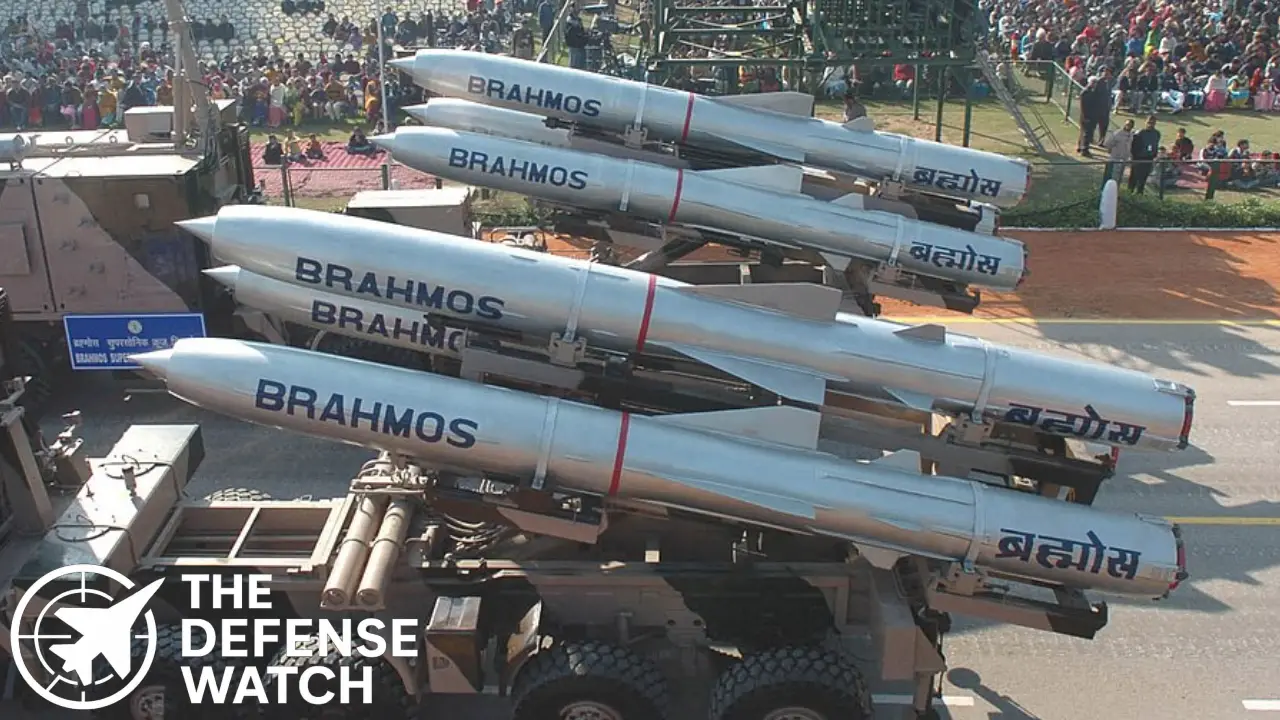
India’s BrahMos missile, the cornerstone of its precision-strike deterrence, is undergoing a transformative phase—marked by plans to fully saturate the fleet by 2030, advancements toward hypersonic capability, and significant upgrades to the air-launched variant.

Contents
  • Naval Saturation—300+ BrahMos by 2030
  • Accelerating Air-Launch Capability—BrahMos-A Gets Lighter
  • Hypersonic Future—Fast-Tracking BrahMos-II and BrahMos-NG
  • Industrial Expansion & Strategic Context
    • Strategic Significance: Analysis

Naval Saturation—300+ BrahMos by 2030

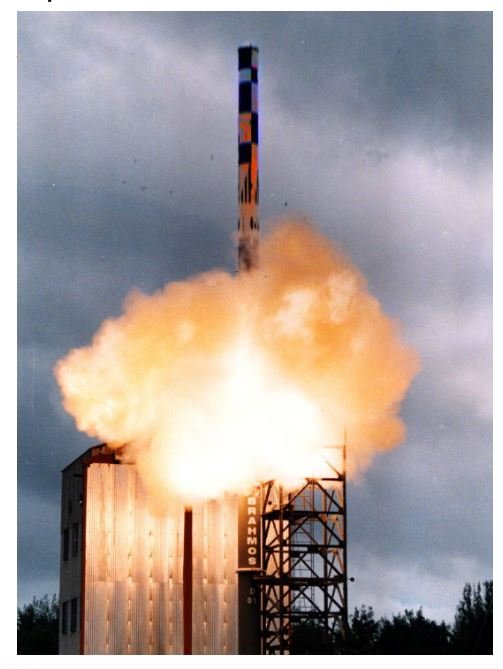
The Indian Navy aims to equip every major frontline warship—over 30 destroyers, frigates, and missile vessels—with BrahMos supersonic missiles by 2030, culminating in the simultaneous deployment of more than 300 missiles at sea.
BrahMos missile

Current fleet strength already includes 13 destroyers and 14 stealth frigates armed with BrahMos, including the recently commissioned INS Udaygiri and INS Himgiri, both equipped with eight vertical launch BrahMos each.

Accelerating Air-Launch Capability—BrahMos-A Gets Lighter

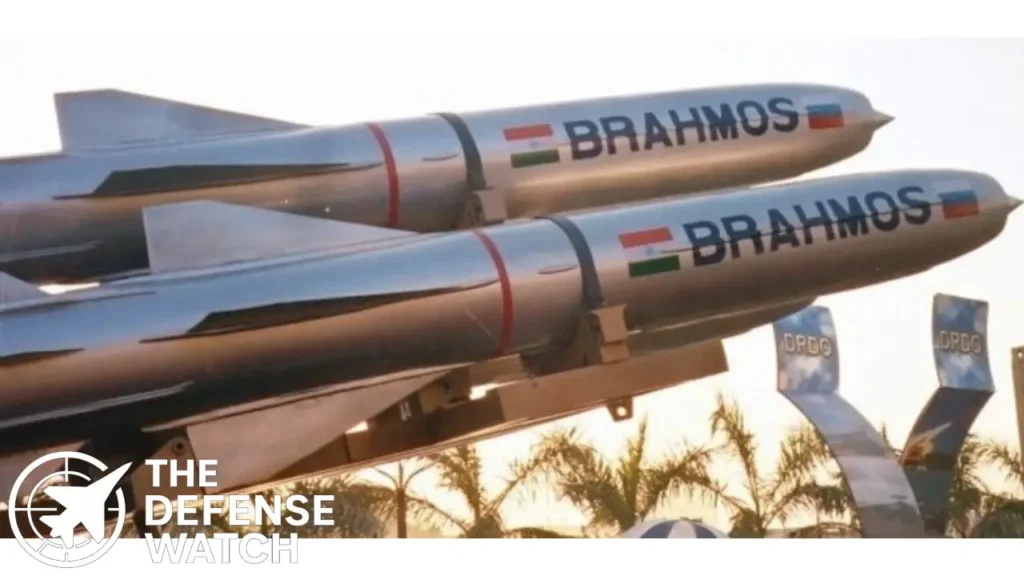
A pivotal upgrade to the air-launched BrahMos (BrahMos-A) has recently been announced: through use of advanced composite materials and the removal of the booster stage, its weight has dropped from 2,900 kg to 2,200 kg—a reduction of 700 kg—greatly enhancing agility and potentially extending its range from 450 km to 800 km.

- Advertisement -

This lighter air-launch variant positions the BrahMos as a flexible multi-domain asset—deployable from fighter platforms such as the Su-30MKI.

Hypersonic Future—Fast-Tracking BrahMos-II and BrahMos-NG

India’s push into hypersonic cruise capability is progressing on two fronts:

  • BrahMos-NG (Next Generation): A compact, lighter version (~1.5 tonne) with Mach 3.5 speed, 290 km range, reduced radar cross-section, and variants for air, submarine, and VLS deployment. Flight trials were slated for late 2025 or early 2026. Production is ramping up in Lucknow, where the Integration & Testing Facility—set to manufacture BrahMos-NG—was inaugurated in May 2025, with initial capacity of 80–100 units yearly, expanding later.
  • BrahMos-II: A full hypersonic (scramjet-propelled) variant expected to reach speeds up to Mach 8 and a range of ~1,500 km. Flight tests delayed earlier are now anticipated by 2026–27, with scramjet combustor tests reportedly conducted in April 2025 and an 800 km-range test in May.
BrahMos missile

Additionally, BrahMos-A is on a trajectory toward Mach 3.5 soon and Mach 5 within three years, with hypersonic capability expected within 7–10 years Brahmos.

Industrial Expansion & Strategic Context

Production expansion underwrites India’s Aatmanirbhar Bharat ambition. The newly inaugurated integration and testing facility in Lucknow, costing ₹300 crore, underscores the boost to local manufacturing, jobs, and throughput.

Moreover, the Defence Acquisition Council’s August 2025 approval of over 110 air-launched BrahMos missiles as part of a ₹67,000 crore modernization package reflects the tri-service importance of the system.

Export traction is also rising: the Philippines is set to receive its second batch of BrahMos batteries to enhance coastal defense amid South China Sea tensions. Additionally, discussions with Indonesia for BrahMos procurement align with India’s push to expand strategic ties with Southeast Asia.

Strategic Significance: Analysis

These developments represent a paradigm shift:

  1. Maritime Deterrence Deepened: By saturating its navy with BrahMos, India ensures overwhelming strike ability across the Indo-Pacific, shifting from reactive defense to pre-emptive deterrence.
  2. Versatility & Reach: The lighter air-launched variant and upcoming hypersonic variants enable layered deployment—from sea to air to land—strengthening India’s response across multiple domains.
  3. Self-Reliance & Export Potential: Localization of production and global interest solidify BrahMos’s status as an indigenous, high-demand strategic export.

However, challenges remain. Scaling to 300+ missiles entails sustaining production lines amid supply chain volatility. High per-unit cost (~$2–3 million) and technology partnership with Russia continue to pose strategic dependencies.


- Advertisement -

TAGGED:Aatmanirbhar BharatBrahMos missileDefense exportsHypersonic weaponsIndian Navy
Share This Article
Facebook Copy Link Print
ByTeamDefenseWatch
TeamDefenseWatch is the official editorial byline of TheDefenseWatch.com. Working under one umbrella, TheDefenseWatch.com, the team delivers verified, factual reporting on global defense, military technology, aerospace systems, and security developments. Articles are sourced from official statements, defense industry releases, and trusted media, with editorial review to ensure accuracy and clarity.Contact: info@TheDefenseWtach.com
25 Comments
  • Pingback: B-52 Stratofortress Celebrates 70 Years of Vigilance as Radar Modernization Nears Flight Testing
  • Pingback: U.S. Army Leverages Upgraded TOW Anti-Tank Missile in Precision Combat Roles
  • Pingback: What Is Radar? Understanding Its Technology and Military Uses | TheDefenseWatch.com
  • Pingback: Dean-of-Defense Strategy 2025: U.S. Shifts Focus to Homeland and Indo-Pacific Amid Escalating Rivalries
  • Pingback: What Is an Air Defense System? Types, Importance, and List of Major Systems Worldwide
  • Pingback: China, Russia Hold Joint Submarine Patrol — What It Means for U.S. Security
  • Pingback: U.S. Army’s Long Range Hypersonic Weapon “Dark Eagle” Nears First Battery Fielding Amid Indo-Pacific Deployments
  • Pingback: India’s Agni-5 Test Signals Deepening Strategic Ambitions in South Asia
  • Pingback: Rafale vs F-35: Europe’s Multirole Fighter Against America’s Stealth Power
  • Pingback: Pakistan Army Tests Fatah-4 Cruise Missile, Expanding Strike Capabilities
  • Pingback: The F-15 Fighter Jet: Evolution of America’s Legendary Air Superiority Aircraft
  • Pingback: Saab Gets Ready to Produce More Gripen Fighter Jets if Ukraine Deal Is Finalized
  • Pingback: Why the U.S. Navy Passed on the Vought Model 1600: The F-16’s Almost Naval Variant
  • Pingback: European MBDA Meteor Missile Unit Cost Marks Major Benchmark at Approximately €2 Million
  • Pingback: World's First Hydrogen-Powered Hypersonic Jet Targets Mach 12: Hypersonix's Sustainable Breakthrough in Aerospace
  • Pingback: France Unveils ASMPA‑R Nuclear Cruise Missile for the First Time | TheDefenseWatch.com
  • Pingback: China’s PL‑15 Air-To-Air Missile: A Deep Dive into Its Capabilities, Variants, and Strategic Impact
  • Pingback: South Korea to Transfer Jang Bogo-Class Submarine to Poland by Late 2025
  • Pingback: Canada Eyes Quebec as Maintenance Hub for F-35 Fleet; L3Harris Proposes Depot for U.S. and Canadian Jets
  • Pingback: Germany Expands Arrow 3 Missile Defense Purchase, Israel Confirms
  • Pingback: Japan Unveils New Anti-Ship Missile Designed to Evade Modern Warship Defenses | TheDefenseWatch.com
  • Pingback: Ethiopia Becomes First Buyer of Russian Orion-E Combat Drone | TheDefenseWatch.com
  • Pingback: China J-10C Fighter Jet Debuts at Singapore Airshow With PLA Aerobatic Team | TheDefenseWatch.com
  • Pingback: Armenia For First Time Publicly Showcases Latest Military Acquisitions | TheDefenseWatch.com
  • Pingback: Russia’s Fifth‑Gen Fighter Jet Seen in Test Sortie Over North Africa | TheDefenseWatch.com

Leave a Reply Cancel reply

Your email address will not be published. Required fields are marked *

F-22 Reptor

Latest Defense Systems

  • B61 Nuclear Bomb B61 Nuclear Bomb
  • Japan E-767 Airborne Japan E-767 Airborne
  • Remington 870 Shotgun Remington 870 Shotgun
  • RUTA B1 Cruise Missile RUTA B1 Cruise Missile
  • XQ-67A Drone XQ-67A Drone
  • B-25 Mitchell Bomber B-25 Mitchell Bomber
  • F-100 Super Sabre F-100 Super Sabre
  • North American F-86 Sabre North American F-86 Sabre
  • North American XB-70 Valkyrie North American XB-70 Valkyrie

Recent Compares

  • J-10C vs JF-17 Thunder: Which Fighter Is More Capable? J-10C vs JF-17 Thunder: Which Fighter Is More Capable? View Comparison →
  • Tejas vs Gripen: Key Differences and Capabilities Tejas vs Gripen: Key Differences and Capabilities View Comparison →
  • Tejas vs MiG-21 Bison: How India Replaced Its Iconic Supersonic Fighter Tejas vs MiG-21 Bison: How India Replaced Its Iconic Supersonic Fighter View Comparison →
  • F-35 vs F-16: Stealth, Sensors and Combat Roles F-35 vs F-16: Stealth, Sensors and Combat Roles View Comparison →
  • Tejas Fighter Jet vs F-16 Fighting Falcon: Capability Compared Tejas Fighter Jet vs F-16 Fighting Falcon: Capability Compared View Comparison →
  • Rafale Fighter Jet vs F-16 Fighting Falcon : Which Fighter Has the Edge? Rafale Fighter Jet vs F-16 Fighting Falcon : Which Fighter Has the Edge? View Comparison →
  • Su-57 Fighter Jet vs J-20 Fighter Jet: Stealth and Air Combat Compared Su-57 Fighter Jet vs J-20 Fighter Jet: Stealth and Air Combat Compared View Comparison →
  • Mirage 2000 vs Tejas Mk1A: Legacy Combat Power vs Indigenous Modernization Mirage 2000 vs Tejas Mk1A: Legacy Combat Power vs Indigenous Modernization View Comparison →
  • Rafale Fighter Jet vs F-22 Raptor: Which Air Dominance Fighter Has the Edge? Rafale Fighter Jet vs F-22 Raptor: Which Air Dominance Fighter Has the Edge? View Comparison →
  • Tejas Fighter Jet vs. Rafale Fighter Jet: India’s Indigenous Fighter Meets France’s Proven Multirole Combat Aircraft Tejas Fighter Jet vs. Rafale Fighter Jet: India’s Indigenous Fighter Meets France’s Proven Multirole Combat Aircraft View Comparison →

Recent Posts

  • Remington 870 in Military Service: Mark 1 to MCS
  • Boeing Receives $16.9 Million Contract Modification for Japan’s E-767 AWACS Support
  • Lockheed Martin Wins $80 Million Air Force Mission Planning Software Contract
  • Pakistan Tests Indigenous Fa’az Air-to-Air Missile for First Time
  • Operation Unified Resolve Reports 70% Drop in Rio Grande Valley Border Crossings

You Might Also Like

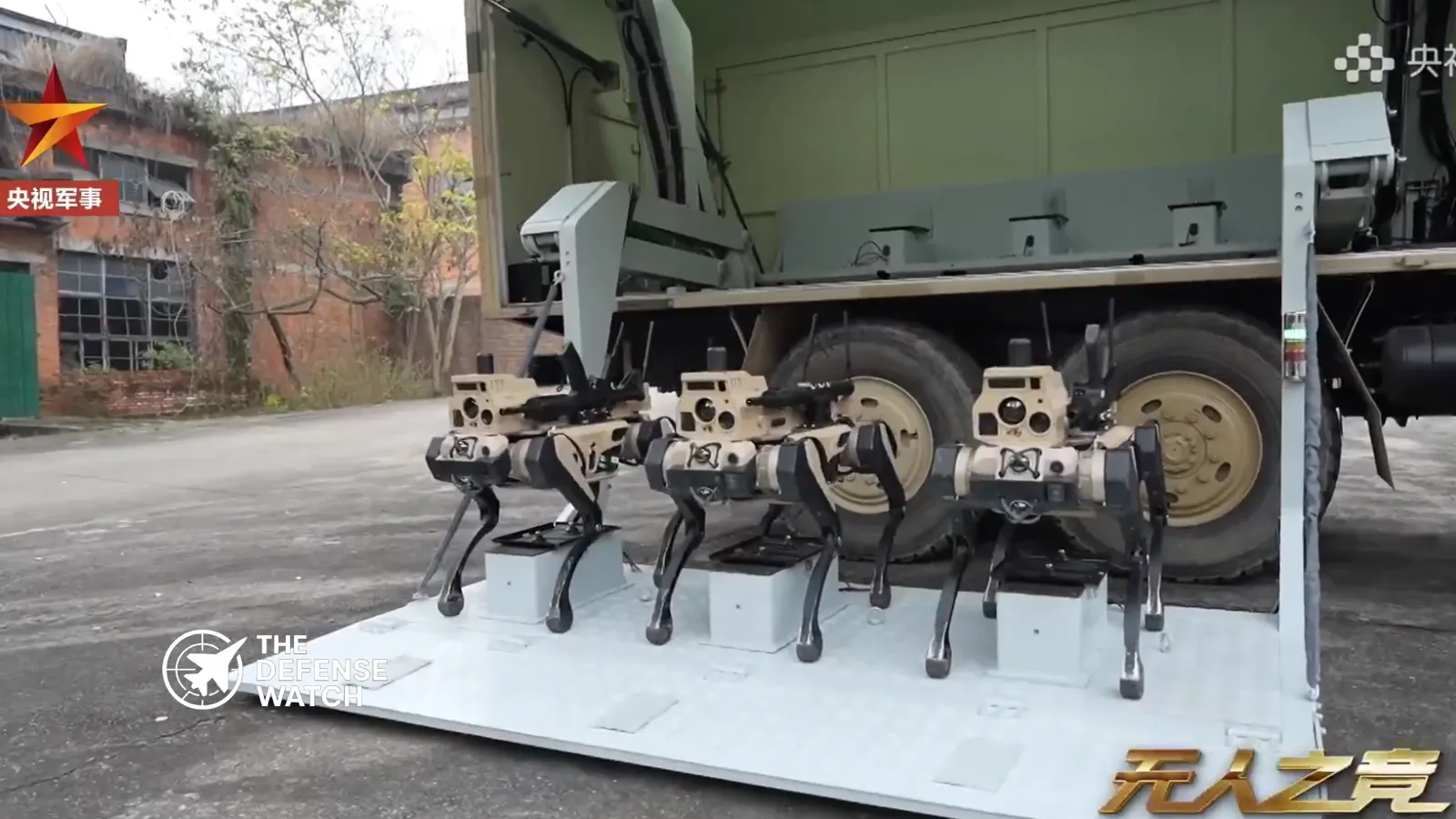
China robot wolf pack system
Asian Defense & Security

China Unveils Robot Wolf Pack For Urban Warfare And Autonomous Swarm Operations

March 26, 2026
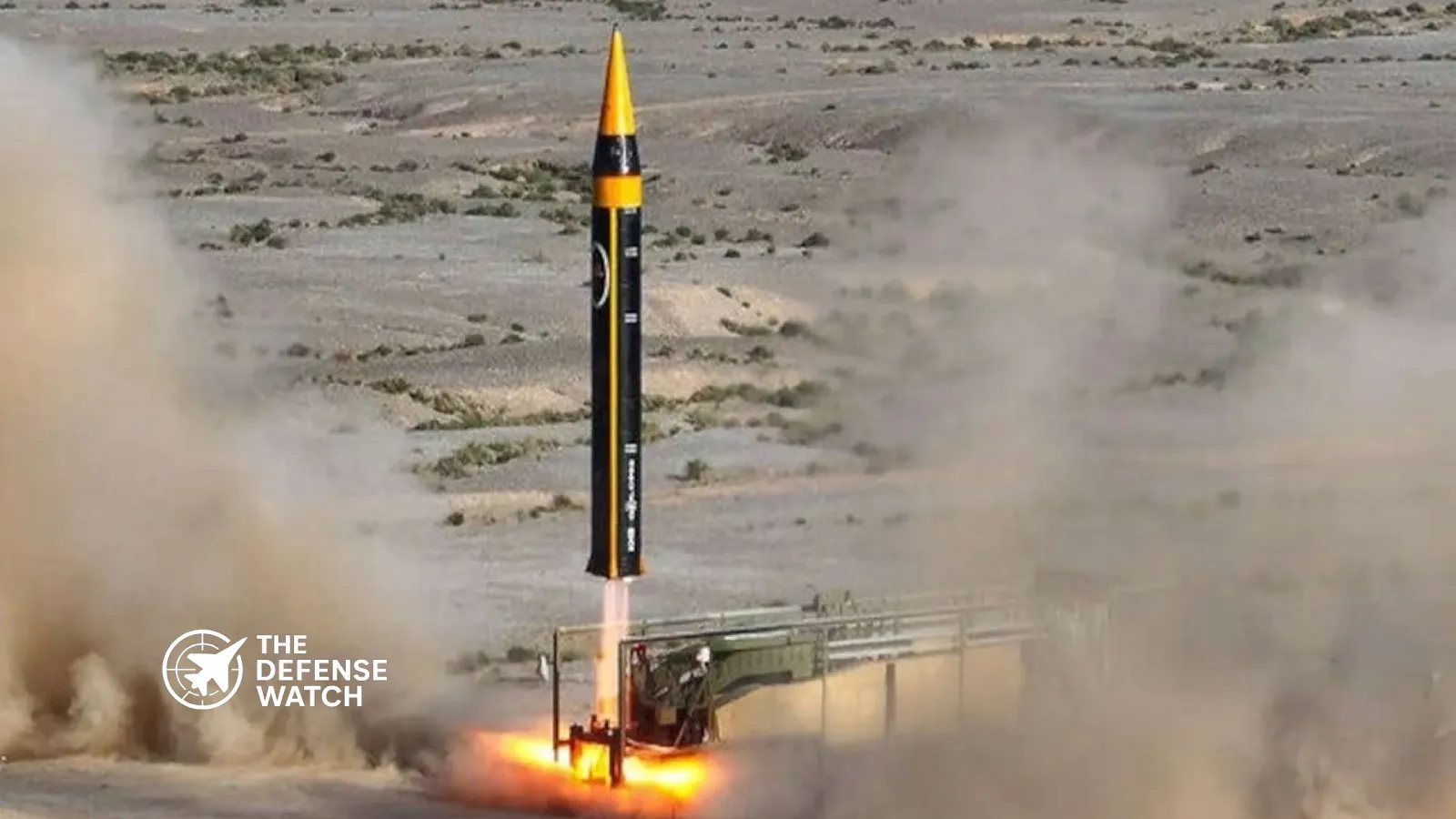
Iran hypersonic capable Kheibar missile
Hypersonic WeaponsMilitary & Ordnance

Iran Claims Hypersonic Capable Kheibar Missile Launch Against Israel Air Defenses

September 12, 2026
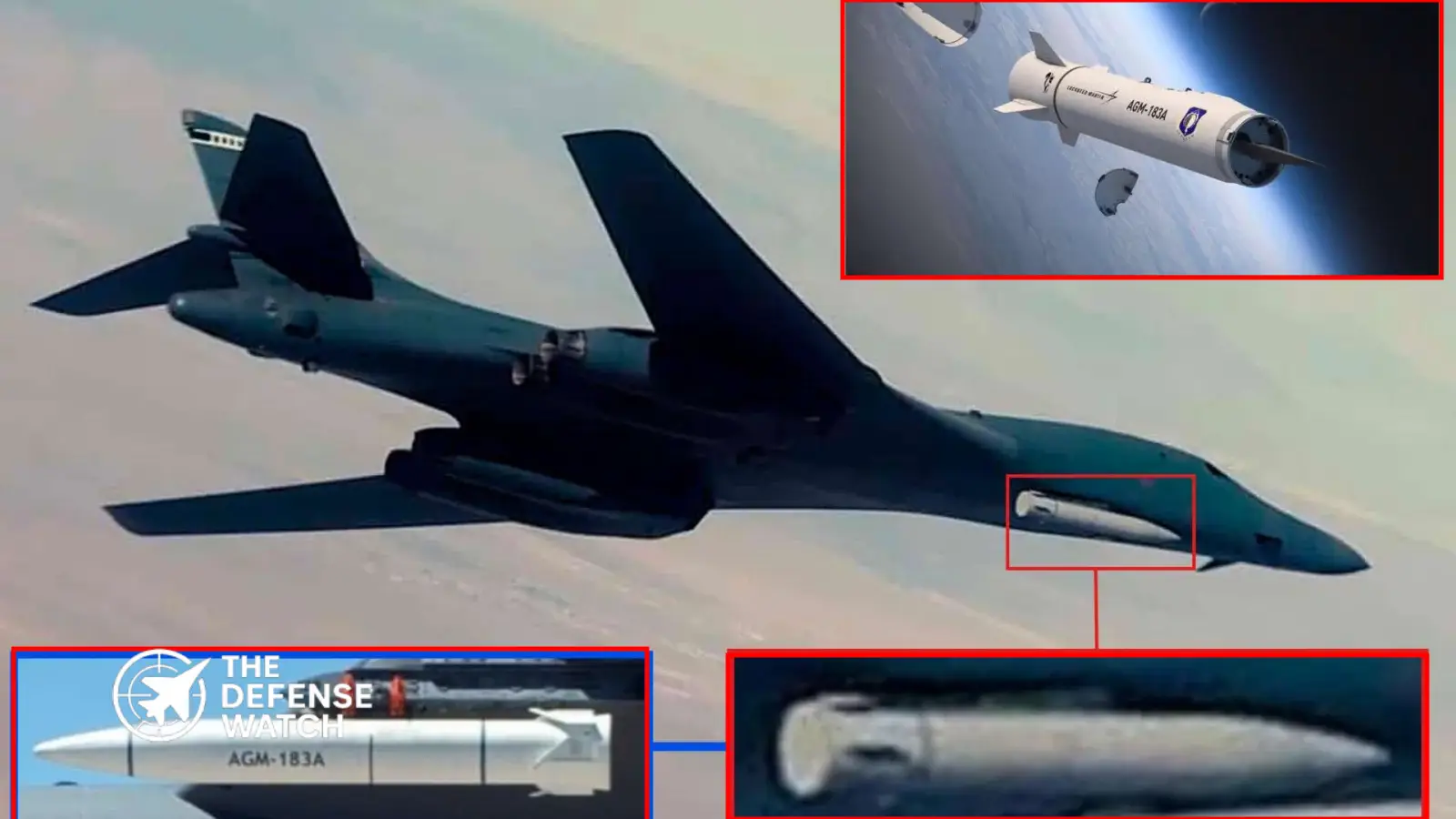
B-1B Lancer hypersonic loadout
Aerospace & AviationFighter Jets & Military Aircraft

U.S. Air Force Unveils B-1B Lancer Hypersonic Loadout To Counter Emerging Threats

September 7, 2026
Blackbeard hypersonic missile
Aircraft CarriersNaval & Maritime

U.S. Navy Races To Deploy Blackbeard Hypersonic Missile Amid Indo-Pacific Pressure

April 27, 2026

Logo

Copyright © 2026 TheDefenseWatch.com

Helpful Links

  • Home
  • About Us
  • Privacy Policy
  • Terms of Use / Disclaimer
  • U.S. Privacy Notice – CCPA Compliance

Defense Systems

  • Defense Systems
  • Comparisons 
  • Manufacturer
  • Tactical Calculators

Popuplar

Which 5 Air Forces Possess the Costliest Fighter Jet Fleets in the World
Evolving Strategic Value: Carrier Strike Groups in the Indo-Pacific’s Future Security Architecture
Autonomous Weapon Systems Spark U.S. Ethics Debate Amid Rapid Military AI Integration

We report on developments involving military forces, governments, defense companies, research organizations, and security institutions around the world. 

Welcome Back!

Sign in to your account

Username or Email Address
Password

Lost your password?