

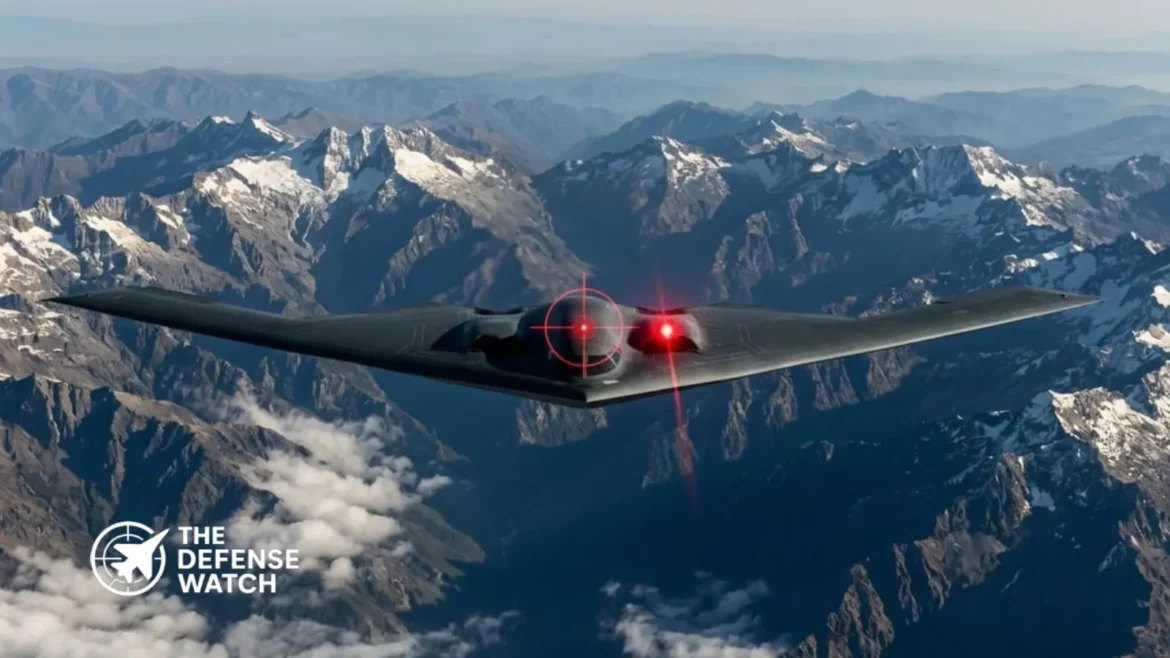
- Chinese firm claims detection of B-2 Spirit signal emissions over Iran.
- System uses AI to analyze radio frequency patterns and operational behavior.
- Highlights growing importance of passive detection and electronic intelligence.
- Detection reportedly linked to US military activity during a regional operation.
- Raises questions but does not confirm compromise of stealth aircraft survivability.
Chinese AI B-2 Spirit Signal Detection Raises New Questions
The B-2 Spirit signal detection claim by a Chinese defense firm has drawn attention to evolving electronic warfare capabilities, particularly the use of artificial intelligence to analyze radio frequency emissions from stealth aircraft.
Chinese company Jingan Technology stated that its system intercepted radio signals associated with a B-2 Spirit operated by Northrop Grumman during a mission linked to activity over Iran. The firm said the aircraft used call signs “Petro 41” through “Petro 44” during part of the operation.
The Big Picture
Stealth technology has long underpinned US air superiority, allowing aircraft like the B-2 to evade radar detection and penetrate contested airspace. However, modern military competition is shifting toward multi-domain sensing, where passive detection methods and AI-driven analytics play an increasing role.
The United States has invested heavily in low observable platforms, while competitors such as China focus on counter-stealth systems, including long wavelength radar, infrared tracking, and electronic intelligence.
This claim reflects a broader trend. Military powers are now targeting the electromagnetic spectrum itself rather than relying solely on traditional radar.
What’s Happening
Jingan Technology reported that its system detected radio frequency emissions linked to a B-2 mission. According to the company:
- The system captured signal activity associated with US aircraft operations
- AI algorithms analyzed patterns in communications and movement
- The platform reconstructed operational sequences and identified early indicators of military buildup
The firm described the detected activity as part of a large-scale US military presence in the Middle East, though it did not provide independent verification or technical details.
No official confirmation has been issued by the US Department of Defense.
Why It Matters
The significance of this B-2 Spirit signal detection claim lies in the distinction between stealth and emissions control.
Stealth aircraft reduce radar cross-section, but they can still emit signals through:
- Communications systems
- Data links
- Navigation equipment
If those emissions are detected and analyzed, adversaries may gain insight into operations without directly tracking the aircraft via radar.
AI adds a new dimension. Instead of identifying a single signal, modern systems correlate multiple data points across time, building a broader operational picture.
Strategic Implications
Electronic warfare is becoming central to modern conflict. Even if stealth aircraft remain difficult to track physically, their electronic footprint can create vulnerabilities.
This development suggests three key implications:
First, passive detection networks are gaining importance. Systems that listen rather than emit signals are harder to counter.
Second, AI enables faster processing of complex datasets. This shortens the time between detection and actionable intelligence.
Third, operational security becomes more critical. Managing emissions is now as important as reducing radar visibility.
However, the claim does not indicate that the B-2 was tracked continuously or targeted. Detecting signals is not the same as achieving fire-control quality tracking.
Competitor View
Chinese analysts often emphasize “system-of-systems” warfare, where data integration across sensors creates a comprehensive battlefield picture. This claim aligns with that approach.
Russia has also invested in electronic intelligence and counter-stealth radar systems, particularly for integrated air defense networks.
Iran, which operates layered air defense systems, may view such capabilities as a way to offset US technological advantages, especially in contested airspace scenarios.
Still, none of these perspectives confirm a fundamental erosion of US stealth capabilities.
What To Watch Next
Future developments will likely focus on:
- Integration of AI into electronic warfare platforms
- Expansion of passive sensor networks
- US efforts to enhance emissions control and secure communications
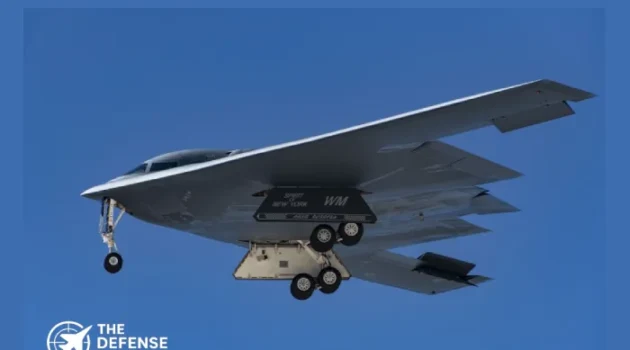
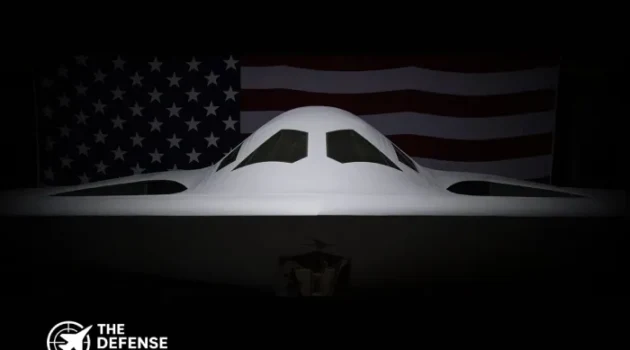
The Pentagon continues to invest in next-generation stealth platforms such as the B-21 Raider, which reportedly includes improved electronic signature management.
Capability Gap
This development highlights a gap between traditional stealth design and modern electromagnetic spectrum threats.
Stealth aircraft were optimized to defeat radar, not necessarily large-scale AI-driven signal analysis.
However, limitations remain:
- Signal detection depends on emissions being present
- Encrypted or low probability of intercept communications reduce exposure
- Detection does not equal targeting capability
These factors suggest that while the threat is evolving, it does not render stealth obsolete.
The Bottom Line
Chinese claims of B-2 Spirit signal detection reflect advances in AI-driven electronic warfare, but they do not signal the end of US air superiority.
- The Pentagon is seeking a standardized system to test whether AI models perform as intended before operational use.
- The framework would simulate real battlefield conditions, including degraded networks and adversarial cyber attacks.
- The initiative reflects growing reliance on artificial intelligence for military planning, intelligence, and decision support.
- The Defense Innovation Unit and the Office of the Director of National Intelligence are seeking industry proposals.
- The effort aims to create a neutral evaluation architecture that works across AI vendors and defense contractors.
Pentagon AI Model Evaluation System Aims To Strengthen Military AI Reliability
The Pentagon AI model evaluation system initiative reflects the U.S. Department of Defense’s effort to ensure artificial intelligence systems perform reliably before they are deployed in military missions.
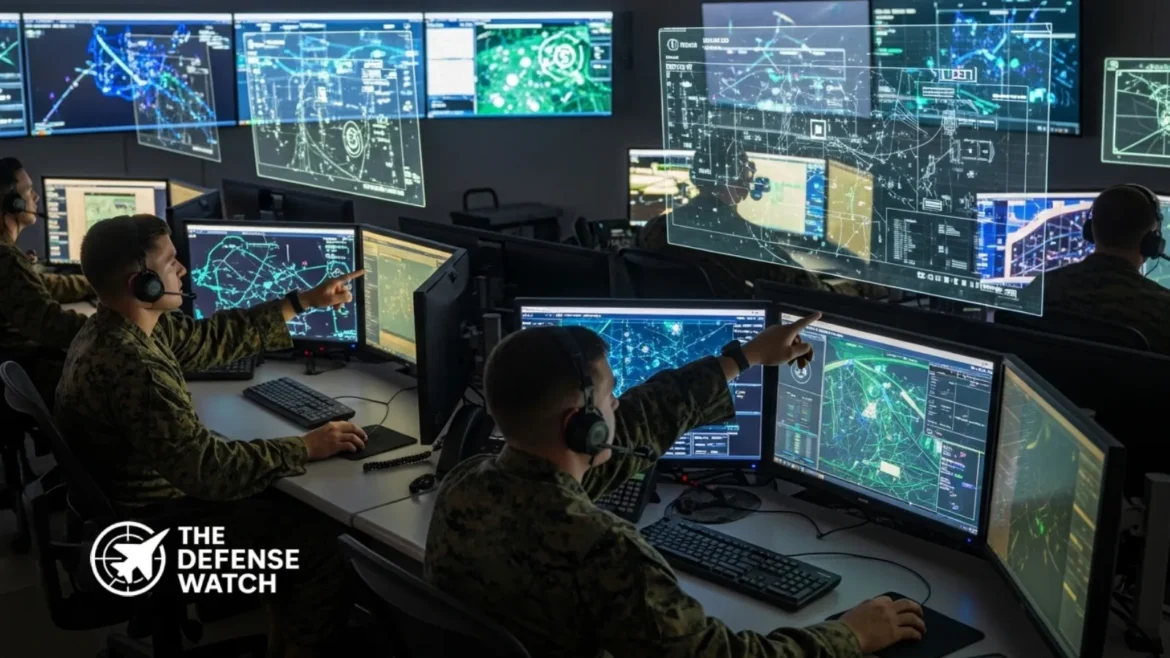
The Defense Innovation Unit (DIU), working alongside the Office of the Director of National Intelligence, is seeking proposals for a standardized testing framework capable of evaluating AI models against mission-specific benchmarks. The system would help determine whether AI tools operate as expected under operational conditions and alongside human operators.
Defense officials say the initiative is necessary as artificial intelligence becomes more deeply integrated into military operations ranging from intelligence analysis to logistics and battlefield decision support.
The Big Picture
The Pentagon has accelerated its adoption of artificial intelligence across multiple operational domains as part of broader U.S. military modernization efforts.
Programs such as Project Maven, which uses machine learning to analyze intelligence imagery and video data, demonstrate how AI can help process vast amounts of battlefield information and assist analysts.
More recently, the Defense Department has expanded access to commercial AI tools through platforms designed to support both classified and unclassified workflows. AI is increasingly used for data analysis, planning support, cyber defense, and operational logistics.
However, military leaders face a critical challenge: verifying that AI systems behave predictably under real-world conditions. Unlike traditional software, many AI models rely on probabilistic outputs and large training datasets, which can produce unexpected results if not rigorously tested.
A standardized evaluation system is intended to address that gap.
What’s Happening
The Pentagon’s Defense Innovation Unit has issued an “Area of Interest” announcement seeking technologies capable of evaluating AI systems before they are deployed to users.
Officials envision a testing “harness” with a modular architecture that can evaluate any AI model developed by government agencies or private contractors.
The system would perform several critical functions:
- Measure whether AI models meet mission requirements
- Test performance under operational stress conditions
- Evaluate human-AI collaboration in decision-making
- Conduct automated red teaming to identify vulnerabilities
Testing would also simulate degraded communications, incomplete data environments, and adversarial interference, conditions that frequently occur in real combat operations.
The framework must produce results that military decision-makers can easily interpret, including measurable benchmarks that define acceptable performance levels.
Importantly, the Pentagon emphasized that the evaluation system should remain vendor-neutral and avoid giving advantages to specific AI architectures or technology providers.
Why It Matters
Artificial intelligence is moving rapidly from experimental technology to operational capability across the U.S. military.
Commanders increasingly rely on automated systems for intelligence analysis, predictive logistics, mission planning, and cyber defense. These systems can process information at speeds far beyond human analysts, enabling faster operational decisions.
Yet reliability remains a central concern.
AI models can behave unpredictably when exposed to unfamiliar scenarios, biased datasets, or adversarial manipulation. In a military context, such failures could affect targeting decisions, operational planning, or battlefield awareness.
A standardized evaluation framework would provide the Defense Department with a structured method to validate AI performance before deployment.
This approach mirrors traditional military testing processes used for aircraft, weapons systems, and sensors.
Strategic Implications
The Pentagon’s effort to build a Pentagon AI model evaluation system reflects a broader shift toward institutionalizing AI assurance within defense acquisition.
Reliable AI systems could accelerate decision-making across joint operations, enabling faster analysis of intelligence data and improving coordination between military units.
Testing frameworks also help address concerns about trust in automated systems. Commanders must understand when AI recommendations are reliable and when human oversight is necessary.
Standardized evaluation tools could therefore play a central role in future command-and-control systems that integrate AI into operational planning.
The initiative also supports the Pentagon’s broader push to integrate commercial technology into defense programs while maintaining rigorous security and reliability standards.
Competitor View
Strategic competitors such as China and Russia closely monitor U.S. military AI development.
China has invested heavily in military AI research, including decision-support algorithms and autonomous systems designed to support command networks and battlefield analysis.
Russia has likewise explored AI applications in electronic warfare, autonomous vehicles, and military robotics.
A structured evaluation framework may strengthen the credibility and reliability of U.S. AI-enabled military systems. Reliable testing and verification processes could give U.S. forces greater confidence in AI-supported operations.
At the same time, the Pentagon’s emphasis on human-AI collaboration reflects Western defense doctrine that prioritizes human control over lethal force decisions.
What To Watch Next
Industry proposals for the AI evaluation framework are due in late March, marking the first phase of the initiative.
Next steps may include:
- Prototype testing platforms
- Integration with military AI programs
- Validation trials using operational data
- Expansion across multiple defense agencies
If successful, the testing framework could become a standard requirement for AI systems entering the Department of Defense acquisition pipeline.
Such systems may eventually support evaluations for intelligence tools, autonomous platforms, and future command-and-control networks.
Capability Gap
The initiative addresses a fundamental challenge in military AI deployment: verifying that machine learning systems behave reliably in unpredictable operational environments.
Traditional software testing methods often fail to capture how AI models respond to incomplete data, adversarial manipulation, or rapidly changing conditions.
Without rigorous evaluation frameworks, defense leaders risk deploying AI systems that may perform well in laboratory environments but fail under battlefield stress.
The proposed testing harness aims to close that gap by replicating operational conditions and assessing both technical performance and human-machine collaboration.
However, challenges remain. AI evaluation metrics are still evolving, and defining reliable performance thresholds across different mission types remains complex.
The Bottom Line
The Pentagon’s effort to build a Pentagon AI model evaluation system highlights a critical step toward ensuring that artificial intelligence can be safely and reliably integrated into future military operations.

- Thales launched the SkyDefender air and missile defence dome as a modular integrated air defense architecture.
- The system combines sensors, interceptors, and command networks using artificial intelligence enabled decision support.
- SkyDefender targets modern threats such as drones, cruise missiles, and complex saturation attacks.
- The architecture is designed to integrate existing national air defense systems and future interceptors.
- The concept reflects growing demand for layered and networked air defense systems worldwide.
SkyDefender Air And Missile Defence Dome
The SkyDefender air and missile defence dome unveiled by Thales Group represents a new approach to integrated air defense, combining sensors, command networks, and interceptors into a unified architecture designed to counter modern aerial threats. The company presented the system as a flexible framework capable of linking multiple defensive layers into a coordinated defensive shield.
The concept reflects a growing shift in air defense strategy. Military planners increasingly focus on integrated networks rather than standalone missile batteries. Systems like SkyDefender aim to manage diverse threats ranging from small drones to cruise missiles within a single command environment.
The Big Picture
Air defense has entered a period of rapid change. The war in Ukraine, the spread of long range precision weapons, and the proliferation of low cost drones have exposed weaknesses in traditional air defense structures.
Most legacy systems were designed primarily to counter aircraft or ballistic missiles. Today’s threat environment includes swarms of drones, loitering munitions, cruise missiles, and mixed attack packages designed to overwhelm defenses.
Western militaries have responded by pursuing layered and networked air defense models. These architectures connect radar sensors, command centers, electronic warfare assets, and missile launchers across multiple ranges.
The SkyDefender air and missile defence dome reflects this trend. Instead of a single weapon system, it acts as an integration framework designed to manage different defensive assets within one operational picture.
What Is Happening
According to information released alongside the announcement, the SkyDefender architecture integrates surveillance sensors, command and control software, and multiple interceptor systems into a single defensive network.
The architecture uses artificial intelligence assisted decision tools to analyze incoming threats and recommend responses to operators. This capability allows commanders to prioritize targets and coordinate multiple defensive layers.
The system is designed to operate as a modular structure. Nations can integrate their existing radars, missile batteries, and electronic warfare systems into the SkyDefender command environment rather than purchasing entirely new hardware.
Thales positioned the system as suitable for protecting critical infrastructure, military bases, or national airspace against complex attack scenarios.
Why It Matters
The emergence of systems like the SkyDefender air and missile defence dome reflects a broader transformation in air defense doctrine.
Modern conflicts increasingly involve multi vector attacks. Adversaries may launch drones, cruise missiles, and electronic warfare effects simultaneously. A single radar or interceptor system cannot manage that complexity alone.
Integrated architectures address this challenge by creating a unified air picture across all sensors and weapons. Command software then assigns interceptors based on range, probability of kill, and cost effectiveness.
Artificial intelligence plays a growing role in this process. Automated tools help operators filter large volumes of data and respond to threats within seconds.
Without such tools, defending against saturation attacks could overwhelm even advanced air defense networks.
Strategic Implications
Integrated systems such as SkyDefender support a broader shift toward distributed air defense across NATO and partner nations.
Many European states currently operate a mix of national systems acquired over decades. Integrating these assets into a common architecture could improve collective defense without requiring full replacement of existing platforms.
The concept also aligns with initiatives aimed at strengthening regional air defense cooperation. Multi nation projects increasingly focus on connecting sensors and interceptors across borders to build layered defensive coverage.
For military planners, the key advantage lies in flexibility. A software driven architecture allows operators to plug new sensors, interceptors, or directed energy systems into the network as technology evolves.
This approach reduces long term modernization costs while maintaining operational adaptability.
Competitor View
Russia and China have invested heavily in integrated air defense systems that combine long range radars, missile batteries, and command networks.
Moscow in particular emphasizes layered defensive structures capable of protecting strategic regions from precision strikes.
Western developments such as SkyDefender reflect an effort to maintain parity in network centric air defense capabilities.
From the perspective of potential adversaries, integrated defensive architectures increase the difficulty of conducting successful air campaigns. Attackers must overcome multiple defensive layers coordinated through a shared command network.
However, the effectiveness of these systems still depends on sensor coverage, interceptor inventory, and operator training.
What To Watch Next
The next phase for the SkyDefender concept will involve demonstrations and integration efforts with existing defense assets.
Key milestones to monitor include:
Operational testing with partner air defense systems
Integration with NATO command and control networks
Deployment of AI assisted decision support tools in operational environments
Adoption will likely depend on how easily the architecture integrates with existing national systems.
Capability Gap
The SkyDefender air and missile defence dome targets a specific operational weakness in many air defense networks.
Traditional systems often operate as isolated units with limited data sharing. This fragmentation slows response times and reduces the efficiency of interceptors during large scale attacks.
By connecting sensors and weapons into a unified command environment, SkyDefender aims to reduce this gap.
However, integration challenges remain. Different nations use diverse radar standards, communication protocols, and missile systems. Achieving full interoperability across these platforms requires extensive testing and standardization.
The Bottom Line
The SkyDefender air and missile defence dome represents a shift toward AI enabled, network driven air defense architectures designed to counter the growing complexity of modern aerial threats.

- Polish defense company WB Group has partnered with AI developer Applied AGI to integrate artificial intelligence into UAV systems.
- The collaboration focuses on enhancing autonomy, mission planning, and real time battlefield data processing.
- AI integration could significantly improve ISR capabilities and operational efficiency for modern military forces.
- The partnership aligns with growing global investment in autonomous and AI driven defense technologies.
- AI enabled UAV systems are becoming a critical element in modern military reconnaissance and precision operations.
WB Group AI Enabled UAV Development Signals Growing Role Of Artificial Intelligence In Military Drones
The WB Group AI enabled UAV initiative marks a new step in the integration of artificial intelligence into unmanned aerial systems. Polish defense manufacturer WB Group has partnered with technology firm Applied AGI to develop AI powered capabilities designed to enhance autonomy, mission effectiveness, and data analysis for military drone operations.
The collaboration reflects a broader shift across the defense sector toward advanced software driven systems capable of operating in complex battlefield environments with minimal human intervention.
The Big Picture
Artificial intelligence has rapidly emerged as a core technology in modern military modernization programs. Armed forces across NATO and other allied nations are investing heavily in AI driven systems that can process large volumes of sensor data, support faster decision making, and improve operational efficiency.
Unmanned aerial systems are particularly suited to this transformation. Drones generate large amounts of surveillance and reconnaissance data during missions, often overwhelming human operators. AI powered tools can automate much of this analysis while enabling faster identification of targets, threats, or patterns of activity.
For European defense companies such as WB Group, integrating AI into drone platforms also supports NATO efforts to strengthen technological competitiveness and operational readiness.
What Is Happening
WB Group and Applied AGI announced a partnership focused on integrating artificial intelligence into unmanned aerial systems and related defense technologies.
WB Group is a well established Polish defense manufacturer known for developing advanced unmanned systems, communications equipment, and battlefield management technologies. Its drone portfolio includes the widely deployed Warmate loitering munition and the FlyEye reconnaissance UAV.
Applied AGI specializes in advanced artificial intelligence software designed to support autonomous decision making and complex data analysis.
The collaboration aims to combine WB Group’s experience in UAV design and operational deployment with Applied AGI’s AI expertise to create next generation drone capabilities.
The partners intend to develop software solutions that can improve:
Autonomous flight control
Mission planning and task execution
Real time intelligence processing
Sensor data analysis
These capabilities could allow UAV systems to perform missions with reduced operator workload while increasing the speed and accuracy of battlefield information processing.
Why It Matters
Artificial intelligence is transforming how militaries operate unmanned systems.
Traditional drones rely heavily on human operators to analyze sensor feeds, identify targets, and make tactical decisions. This approach limits the number of systems that operators can control simultaneously and slows the flow of intelligence to commanders.
AI enabled UAV systems can partially automate these tasks. Machine learning algorithms can detect objects, track targets, and identify unusual patterns across video feeds and sensor data.
This capability becomes especially valuable during high intensity operations where speed and situational awareness are critical.
The WB Group Applied AGI partnership also highlights the growing importance of software in modern defense technology. Hardware platforms such as drones are increasingly defined by the software systems that control them.
Strategic Implications
The development of AI driven UAV capabilities could strengthen operational effectiveness for militaries using WB Group platforms.
Autonomous functions can improve mission endurance and allow smaller teams to control larger drone fleets. This capability is particularly relevant for reconnaissance missions, border surveillance, and precision strike operations.
For NATO members and partner countries, enhanced drone autonomy may support distributed operations where forces operate across multiple locations while maintaining situational awareness.
AI enabled systems can also improve resilience in contested environments. Automated data processing allows operators to focus on strategic decisions rather than routine analysis tasks.
The partnership also reflects a broader trend among European defense firms seeking to expand their software capabilities in response to evolving battlefield requirements.
Competitor View
Major military powers are closely monitoring developments in AI powered military systems.
China has invested heavily in autonomous drone technologies and swarm capabilities as part of its military modernization strategy. Russia has also explored AI integration in unmanned systems, particularly in reconnaissance and loitering munition roles.
The United States continues to advance artificial intelligence initiatives through programs supported by the US Department of Defense and the Defense Advanced Research Projects Agency (DARPA).
European defense firms therefore face increasing pressure to develop competitive AI capabilities. Partnerships between hardware manufacturers and AI specialists offer one path to accelerate innovation.
What To Watch Next
Several milestones will determine the long term impact of the WB Group AI enabled UAV effort.
The first key step will involve integrating Applied AGI software into operational drone platforms. This stage typically requires extensive testing to validate reliability and mission performance.
Future development phases may include:
AI assisted target recognition
Autonomous mission coordination
Advanced swarm control technologies
Improved sensor fusion capabilities
Successful integration could lead to upgrades for existing WB Group systems as well as entirely new UAV platforms designed around AI driven operations.
Capability Gap
Modern battlefields produce vast amounts of data from sensors, surveillance systems, and unmanned platforms.
Human operators alone cannot analyze all this information in real time. This gap creates delays in intelligence processing and decision making.
AI enabled UAV systems aim to close this gap by automating data analysis and improving information flow between drones and command centers.
However, AI systems still face limitations. They require large training datasets and must operate reliably in complex environments where sensor inputs may be degraded by electronic warfare or weather conditions.
Ensuring secure and trustworthy AI decision making will remain a key challenge for defense developers.
The Bottom Line
The WB Group AI enabled UAV partnership with Applied AGI highlights how artificial intelligence is becoming a central driver of next generation military drone capabilities.
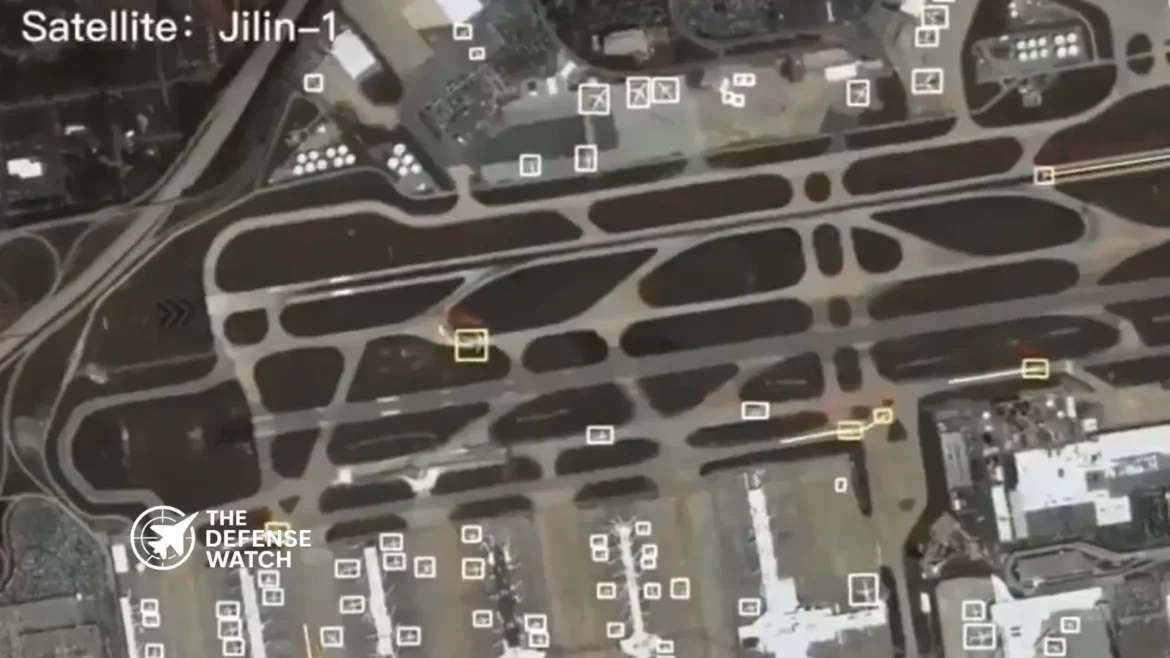
- China’s Jilin-1 satellite constellation reportedly observing US military activity linked to strikes on Iranian targets.
- The network includes more than 300 commercial remote sensing satellites capable of high-frequency imaging.
- Analysts say such observations could allow China to study US operational patterns and logistics cycles.
- Satellite data could capture launch patterns, aircraft movement, and potential air defense activity.
- Growing commercial satellite constellations are reshaping intelligence collection in modern warfare.
China Jilin-1 Satellites Monitoring US War Operations
China’s Jilin-1 satellite constellation is reportedly observing US war operations connected to military strikes against Iranian targets, highlighting how commercial space assets are increasingly used to monitor modern conflict in near real time.
Defense analysts note that large satellite constellations can collect frequent imagery of military activity across wide areas. In this case, China’s Jilin-1 network, operated by Chang Guang Satellite Technology, has grown into one of the world’s largest commercial Earth observation systems.
(adsbygoogle = window.adsbygoogle || []).push({});With hundreds of satellites in orbit, the constellation can revisit locations multiple times per day, enabling analysts to track military movements, infrastructure activity, and operational patterns during an active conflict.
The development underscores how space based observation is becoming a major intelligence factor in contemporary warfare.
The Big Picture
Space based surveillance has become a central component of modern military intelligence. Both governments and commercial companies now operate large constellations capable of producing high resolution imagery with rapid revisit times.
China has invested heavily in expanding its Earth observation capabilities as part of its broader push to strengthen military space infrastructure and intelligence collection.
The Jilin-1 program reflects this effort. Developed by Chang Guang Satellite Technology, the constellation has steadily expanded since its first launch in 2015.
Chinese officials have previously stated that the program aims to deploy hundreds of satellites to provide near real time global imaging coverage.
Such capabilities allow analysts to monitor military bases, ports, airfields, missile launch sites, and troop movements across large regions.
What’s Happening
Reports circulating among defense analysts suggest that Jilin-1 satellites are collecting imagery of US military operations connected to strikes on Iranian facilities.
The constellation now includes more than 300 satellites capable of capturing optical imagery at relatively short intervals.
High frequency coverage allows analysts to observe operational indicators such as:
Aircraft movement at airbases
Fueling or logistical activity
Missile launch preparations
Damage assessments after strikes
Air defense deploymentsBecause satellite imagery can be captured repeatedly throughout the day, analysts can construct timelines of operational activity.
This form of intelligence analysis is commonly known as pattern of life observation.
Military planners often use such data to understand how forces operate during both routine and combat scenarios.
Why It Matters
Modern conflicts generate enormous amounts of observable data. Satellites can record aircraft launches, missile trajectories, runway activity, and movement of military vehicles.
When analyzed over time, these observations reveal operational patterns.
For example, analysts could identify how quickly aircraft are refueled between missions, how frequently airbases launch sorties, or how air defense units reposition after attacks.
(adsbygoogle = window.adsbygoogle || []).push({});Such insights help military planners understand an opponent’s operational doctrine.
Even when sensitive systems remain classified, external observation can still reveal useful information about how forces are deployed and sustained.
Large satellite constellations increase this capability by dramatically shortening the time between observations.
Strategic Implications
The growth of commercial satellite constellations is transforming the intelligence environment.
During past conflicts, governments controlled most high resolution imagery systems. Today, private companies operate many of the world’s most active Earth observation networks.
These systems can provide persistent monitoring of conflict zones.
For military planners, this means operational secrecy is becoming harder to maintain.
Even routine activities such as aircraft refueling, munitions loading, or base preparation can be captured in satellite imagery.
In a high intensity conflict, this data could reveal logistical capacity and operational tempo.
For China, access to large volumes of imagery could support long term military research and development.
Defense analysts often study real world operations to understand how modern forces conduct combat missions.
Such insights can influence training models, war games, and system development.
Competitor View
Chinese military analysts closely study US military operations to understand operational concepts used by American forces.
Observing real combat activity provides valuable data that cannot be fully replicated through simulations.
China has emphasized the importance of studying foreign military doctrine in several official defense publications.
Satellite imagery allows analysts to observe deployment patterns, base activity, and potential response timelines during crises.
Other nations also monitor conflicts using satellite data. Russia, European countries, and private intelligence firms regularly analyze imagery during major military operations.
This expanding intelligence ecosystem means that most modern conflicts are observed by multiple actors simultaneously.
Capability Gap
Persistent satellite observation highlights an operational challenge for modern militaries.
Traditional operational security measures focused on communications interception and espionage. Today, constant imaging from space adds another layer of exposure.
Military forces must assume that adversaries can observe large scale deployments or base activity.
To mitigate this risk, armed forces increasingly rely on deception techniques, dispersed basing, and rapid operational movement.
Even so, complete concealment is difficult when hundreds of satellites may pass over a region each day.
What To Watch Next
Several trends will shape how satellite intelligence affects future conflicts.
Satellite constellation expansion
Both China and the United States continue launching new observation satellites to improve coverage.Commercial intelligence markets
(adsbygoogle = window.adsbygoogle || []).push({});
Private companies increasingly sell satellite imagery to governments and defense organizations.AI assisted imagery analysis
Artificial intelligence tools are being used to rapidly analyze large volumes of satellite data.These developments suggest that space based monitoring will play a growing role in global military competition.
The Bottom Line
Large satellite constellations such as China’s Jilin-1 are reshaping military intelligence by allowing near continuous observation of modern warfare from space.
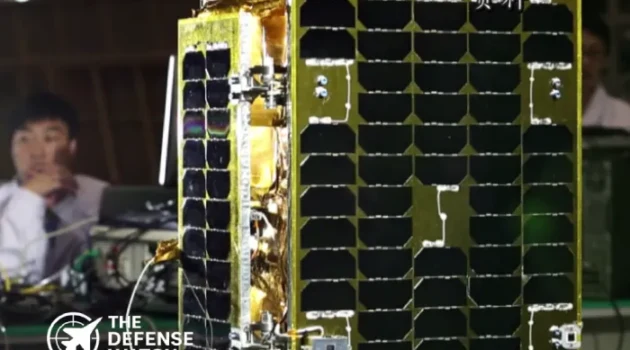

- ► SWARM Biotactics says its cybernetic insect swarms completed field testing in Germany.
- ► The systems are reportedly in operational use with NATO customers, including the German Armed Forces.
- ► Development from concept to deployment took approximately one year.
- ► The platform integrates live insects with micro electronics for reconnaissance roles.
- ► The capability reflects growing NATO interest in micro scale intelligence and surveillance systems.
NATO Intelligence From Germany Signals Operational Shift In Micro Drone Warfare
NATO intelligence from Germany indicates that cybernetic insect swarms developed by German firm SWARM Biotactics have completed field testing and transitioned into operational use with NATO customers, including the German Armed Forces.
The Germany based company announced that its bio robotic reconnaissance platform progressed from concept design to fielded capability in roughly one year, an unusually rapid development cycle for a defense system involving both robotics and live biological components.
While technical details remain limited, the development marks a notable step in micro drone warfare and close range intelligence collection.
From Concept To Operational Capability In One Year
According to statements released by SWARM Biotactics, the company successfully transitioned its cybernetic insect swarms from early design to operational employment within approximately twelve months. For defense programs, particularly those integrating biological systems with embedded electronics, that timeline is compressed.
The firm has previously described its approach as combining live insects with lightweight control modules, sensors, and secure communications links. The insects function as highly mobile micro platforms capable of entering confined spaces that conventional drones cannot access.
If confirmed at scale, this would represent one of the first operational uses of bio robotic systems within a NATO military framework.
Defense ministries across Europe have accelerated investment in small unmanned systems since the war in Ukraine highlighted the tactical impact of low cost drones. According to open source reporting and NATO procurement trends, member states have prioritized reconnaissance platforms that are smaller, cheaper, and harder to detect.
NATO Intelligence And The Micro Drone Race
The emergence of cybernetic insect swarms fits within a broader shift in NATO intelligence collection doctrine. Traditional ISR platforms, including medium altitude UAVs and crewed aircraft, provide strategic and operational coverage. However, they are less suited for indoor reconnaissance, tunnel systems, or dense urban terrain.
Micro drones attempt to close that gap.
In recent years, the U.S. Defense Advanced Research Projects Agency and European defense labs have explored insect scale robotics. What differentiates the SWARM Biotactics announcement is the claim of operational use with the German Armed Forces.
Berlin has steadily expanded funding for unmanned and autonomous systems as part of its post 2022 defense modernization push. Following Russia invasion of Ukraine, Germany launched a 100 billion euro special defense fund to accelerate procurement across air, land, and cyber domains.
While the company did not disclose contract values or deployment locations, the reference to NATO customers suggests the technology may be integrated into intelligence, special operations, or force protection units.
Operational Use Raises Strategic And Ethical Questions
The operational deployment of cybernetic insect swarms introduces both tactical advantages and policy considerations.
From a military standpoint, micro scale reconnaissance offers several clear benefits:
• Reduced detectability compared to conventional quadcopters
• Ability to infiltrate enclosed spaces
• Lower acoustic and radar signatures
• Potential for distributed swarm intelligence
However, the fusion of biological organisms and electronic control systems raises regulatory and ethical questions. NATO members operate under strict legal frameworks governing new weapons technologies. Any operational use would likely undergo legal review to ensure compliance with international humanitarian law.
There are also technical vulnerabilities. Small platforms face power limitations, signal interference risks, and environmental constraints. Adversaries investing heavily in electronic warfare could target control links or attempt to disrupt swarm coordination.
Still, the pace of innovation suggests NATO nations view micro autonomous systems as an essential component of future battlefield awareness.
Germany Position In Emerging Defense Tech
Germany has historically been strong in robotics, engineering, and industrial manufacturing. Companies such as Rheinmetall and Airbus Defence and Space have expanded into autonomous systems, loitering munitions, and AI enabled platforms.
The reported operationalization of SWARM Biotactics cybernetic insect swarms reflects a broader ecosystem of defense innovation in Germany.
It also aligns with NATO emphasis on multi domain operations, where small, networked systems feed real time data into larger command architectures.
If the system proves reliable, it could influence procurement decisions across allied nations seeking discreet ISR capabilities in urban warfare, counterterrorism, and hybrid conflict environments.
What Comes Next
Key unknowns remain. The company has not detailed production scale, cost per unit, endurance, or sensor payload capacity. It is also unclear whether the insects operate fully autonomously or rely on remote human control.
For now, the announcement signals that NATO intelligence from Germany is moving beyond conventional drones toward biologically integrated micro platforms.
As modern battlefields become denser, more contested, and electronically saturated, the demand for hard to detect reconnaissance assets will likely grow.
The transition from concept to operational use in one year suggests defense customers are willing to experiment rapidly when battlefield requirements demand it.

- ► Lockheed Martin is transitioning Flying Tactical AI from simulation and classroom environments into operational aircraft.
- ► The system is designed to assist pilots with tactical decision making in complex, high threat environments.
- ► AI models were trained and validated using digital simulations before flight integration.
- ► The development aligns with U.S. Department of Defense priorities for autonomy and human machine teaming.
- ► The move signals continued investment in AI enabled combat aircraft modernization.
Flying Tactical AI Moves From Simulation To Operational Cockpits
Flying Tactical AI is moving from classroom development into operational cockpits, according to new details released by Lockheed Martin, marking another step in the U.S. military’s push to embed artificial intelligence directly into combat aircraft.
The company outlined how its tactical AI systems, initially developed and refined in simulation environments and digital classrooms, are now being integrated into live flight environments. The effort reflects a broader Pentagon strategy to accelerate autonomy and decision support tools across air combat platforms.
Lockheed Martin said the transition demonstrates the maturity of its AI development pipeline, moving from academic modeling and pilot training environments into real aircraft systems designed for contested operations.
From Digital Classroom To Combat Environment
Lockheed Martin described Flying Tactical AI as a system built to assist aircrews in real time tactical scenarios. The company emphasized that early development focused on digital environments, including simulated air combat exercises and virtual mission rehearsals.
By using high fidelity models, engineers trained the AI to recognize threats, recommend maneuvers, and process battlefield data at machine speed. According to the company, this approach allowed developers to refine algorithms in controlled settings before exposing them to live flight conditions.
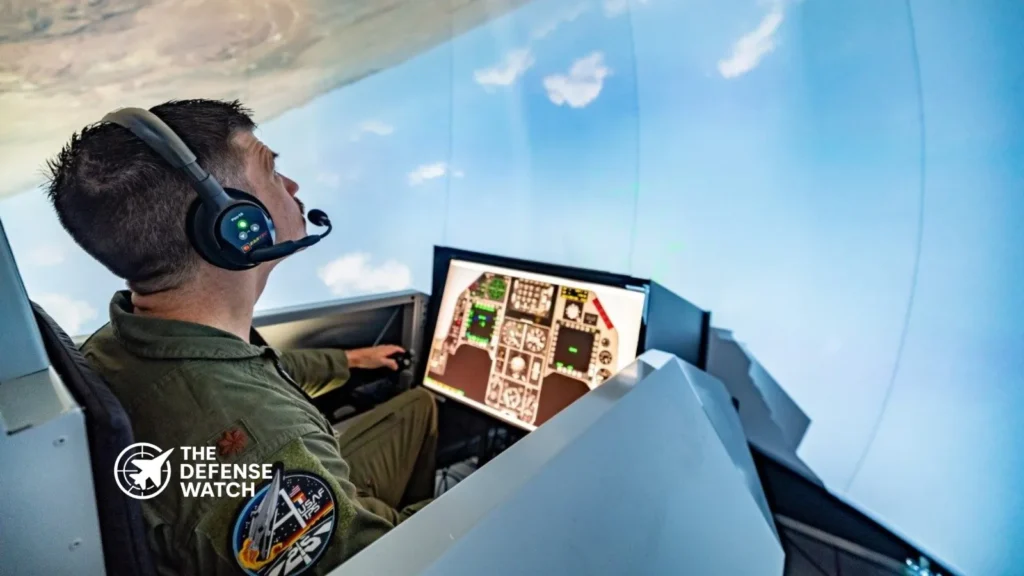
This transition from classroom to cockpit reflects a methodical development process. Simulation first. Validation second. Flight integration last.
That layered approach mirrors the broader U.S. Department of Defense emphasis on digital engineering and model based systems development, a strategy aimed at shortening acquisition timelines while reducing operational risk.
What Flying Tactical AI Actually Does
Flying Tactical AI is designed to function as a decision support tool rather than a replacement for pilots. Lockheed Martin said the system can process large volumes of sensor data and provide tactical recommendations during complex engagements.
In modern air combat, pilots must absorb data from radar, infrared sensors, electronic warfare systems, datalinks, and off board assets. The volume of information can overwhelm even experienced crews. AI based systems aim to filter, prioritize, and present relevant options in seconds.
That capability is especially relevant for fifth generation and future sixth generation aircraft, where sensor fusion already plays a central role. Integrating Flying Tactical AI builds on that architecture by adding predictive and adaptive elements to mission execution.
The U.S. Air Force and Navy have both signaled that future air dominance concepts will rely heavily on human machine teaming, including collaborative combat aircraft and autonomous systems operating alongside crewed fighters. Flying Tactical AI fits squarely within that trajectory.
Alignment With Pentagon Autonomy Strategy
The development comes as the Department of Defense accelerates adoption of artificial intelligence across operational domains. Senior defense officials have repeatedly highlighted autonomy as a force multiplier, particularly in contested environments where reaction time is critical.

Programs such as the Air Force push for collaborative combat aircraft and broader Joint All Domain Command and Control initiatives underscore this shift. While Lockheed Martin did not detail specific aircraft platforms in its feature, the company is a prime contractor on programs including the F 35 and advanced tactical aircraft projects.
Embedding Flying Tactical AI into cockpit systems could support future upgrades across multiple fleets, depending on service requirements and certification pathways.
From a strategic perspective, the integration of AI into tactical aviation is not just about automation. It is about compressing decision cycles. In high end conflict scenarios, the side that processes information faster and acts decisively gains a measurable advantage.
Risks, Testing, And Certification Challenges
Despite the progress, integrating Flying Tactical AI into operational aircraft presents technical and regulatory hurdles.
Flight certification standards for safety critical systems are stringent. Any AI driven tool must demonstrate reliability, transparency in decision logic, and compatibility with existing avionics. There are also cybersecurity considerations, particularly for systems that interface with mission data networks.
Lockheed Martin indicated that its structured development path, beginning in classroom and simulation environments, is designed to mitigate those risks. Gradual exposure to live flight testing allows engineers to validate system behavior under real world conditions.
For military operators, trust in the system is just as important as technical performance. Pilots must understand how recommendations are generated and retain final authority over tactical decisions.
Strategic Implications For U.S. Airpower
Flying Tactical AI represents more than a software upgrade. It signals how combat aviation is evolving.
Future air combat will likely involve smaller formations of crewed aircraft supported by autonomous platforms, advanced sensors, and networked effects. In that context, AI driven tactical tools could help maintain situational awareness across distributed operations.
If successfully fielded, Flying Tactical AI could contribute to reducing pilot workload, improving reaction time, and enhancing survivability in high threat environments. It also supports long term modernization goals centered on adaptability and rapid software updates rather than purely hardware driven upgrades.
For U.S. defense planners, the shift from classroom to cockpit marks a tangible milestone. It demonstrates that AI is moving beyond experimentation and into operational aviation ecosystems.
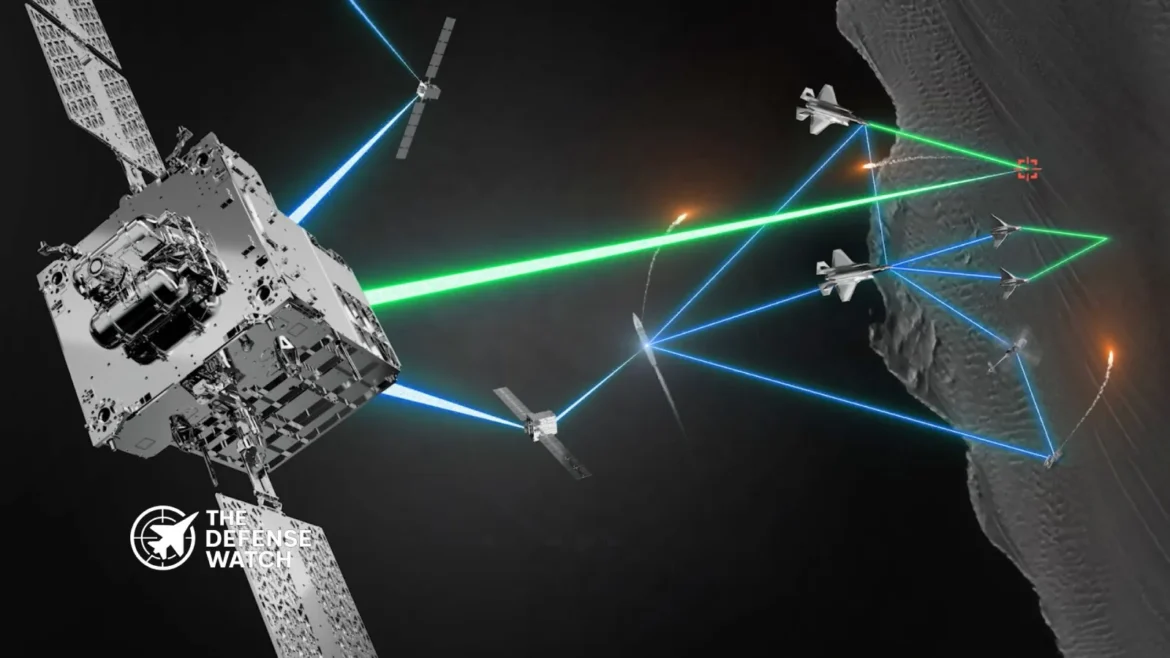
- ► Lockheed Martin unveiled its “Integrated Shield” concept to connect U.S. air and missile defense systems across domains.
- ► The approach links sensors, shooters, and command networks for faster threat detection and interception.
- ► Designed to counter ballistic, cruise, and hypersonic threats facing the U.S. homeland and forward forces.
- ► Builds on existing systems including Aegis, THAAD, Patriot, and space-based sensors.
- ► Supports Pentagon efforts to create a layered, joint, and networked missile defense architecture.
Lockheed Martin Building The Nation’s Integrated Shield
Lockheed Martin’s Integrated Shield concept aims to unify U.S. missile defense capabilities into a single, connected architecture capable of countering modern threats.
In a recent feature published by Lockheed Martin, the company detailed how it plans to integrate sensors, interceptors, command systems, and data networks across land, sea, air, and space domains. The goal is to create a more responsive and resilient shield against increasingly complex missile threats.
The Integrated Shield strategy reflects a broader Pentagon push toward joint, all domain operations, where data flows seamlessly between services and platforms.
Connecting Sensors To Shooters
At the core of the Integrated Shield approach is integration. Rather than relying on isolated defense systems, the concept links radar systems, satellites, command centers, and interceptors into one coordinated network.
Lockheed Martin is a prime contractor behind several cornerstone systems in U.S. missile defense, including the Aegis Combat System, the Terminal High Altitude Area Defense, and the Patriot air defense system. Each plays a distinct role in layered defense, from exo atmospheric interception to terminal phase engagements.

Under the Integrated Shield framework, these systems would share targeting data in near real time. A radar tracking a ballistic missile in one region could cue an interceptor in another. A satellite sensor detecting a hypersonic glide vehicle could pass data directly to a ground based or sea based shooter.
This type of networked defense aligns with the U.S. Department of Defense Joint All Domain Command and Control effort, known as Joint All-Domain Command and Control.
Addressing Evolving Threats
The Integrated Shield concept comes as adversaries expand their missile arsenals. Russia and China continue testing hypersonic glide vehicles and maneuverable reentry vehicles. North Korea advances its intercontinental ballistic missile program. Iran fields increasingly capable regional missile systems.
According to the U.S. Missile Defense Agency, the threat environment now includes ballistic, cruise, and hypersonic missiles operating across multiple trajectories and speeds. Traditional point defense systems alone are no longer sufficient.
Integrated Shield seeks to address that challenge through layered defense. Space based sensors detect launches early. Long range interceptors engage in midcourse. Terminal systems provide final layer protection for critical assets and population centers.
This layered architecture reduces reliance on any single system and improves redundancy if one layer fails.
Homeland And Forward Defense
While much of the discussion centers on homeland protection, the Integrated Shield concept also supports forward deployed U.S. forces and allied networks.

The Missile Defense Agency continues to modernize homeland defense through upgrades to Ground based Midcourse Defense and next generation interceptors. Meanwhile, Aegis equipped ships and land based Aegis Ashore installations extend coverage to Europe and the Indo Pacific.
Lockheed Martin’s approach ties these elements together rather than treating them as separate silos. That integration is critical for coalition operations, where interoperability between U.S. and allied systems can determine response time during a crisis.
Industrial And Strategic Implications
From an industrial perspective, Integrated Shield positions Lockheed Martin as a central systems integrator in the evolving missile defense market. As the Pentagon increases funding for integrated battle management systems and sensor networks, companies able to bridge legacy platforms with new digital architectures stand to gain.
But integration also brings technical and policy challenges. Data security, cyber resilience, and cross service interoperability remain ongoing concerns. The Department of Defense has repeatedly stressed the need for open architecture standards to prevent vendor lock and ensure flexibility.
Integrated Shield appears designed to align with that open architecture approach, though long term success will depend on sustained government funding and multi service coordination.
Strategic Significance
The Integrated Shield strategy underscores a shift in U.S. defense planning. Missile defense is no longer viewed as a collection of separate programs. It is becoming a unified enterprise spanning space, cyber, air, land, and maritime domains.
For policymakers, the key question is whether integration can keep pace with rapidly evolving threats. Hypersonic weapons compress decision timelines. Saturation attacks complicate targeting. Electronic warfare threatens sensor reliability.
A networked, layered defense increases resilience, but it also increases system complexity.
Lockheed Martin’s Integrated Shield proposal reflects that reality. It acknowledges that future missile defense will depend as much on software, data fusion, and connectivity as on interceptors and radars.
As the Pentagon refines its missile defense strategy and Congress debates funding priorities, Integrated Shield will likely shape industry discussions around how to build a credible, layered deterrent for the coming decade.
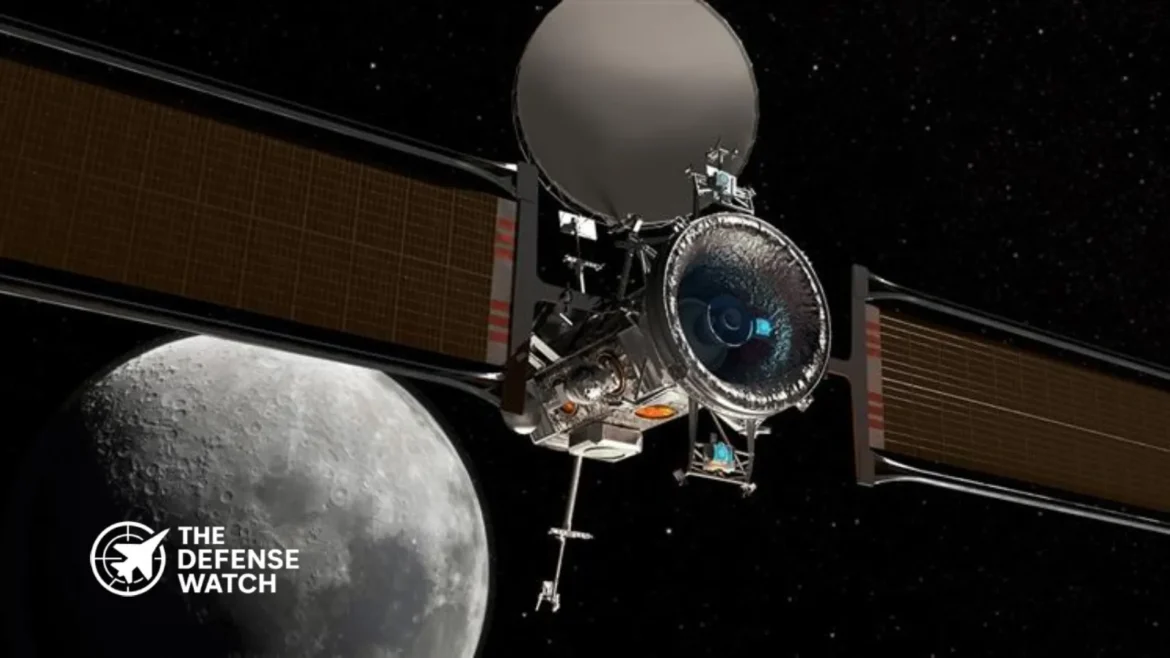
- ► Blue Ring cislunar mission vehicle delivers up to 3,500 kg of hosted and deployable payloads beyond Earth orbit.
- ► Capable of operations across the cislunar domain, including Earth Moon Lagrange points and low lunar orbit.
- ► Deploys multiple constellation satellites from a single vehicle without requiring onboard transfer propulsion per spacecraft.
- ► Reduces propellant mass per satellite, increasing usable payload capacity for sensors and mission equipment.
- ► Provides direct orbit insertion to cislunar destinations without dedicated transfer stages on each spacecraft.
- ► Functions as a command, control, and communications relay node for deployed payloads in deep space.
- ► Supports cost efficient, scalable cislunar missions aligned with growing U.S. civil and defense space objectives.
Blue Ring Cislunar Mission Vehicle Expands Access To Deep Space
The Blue Ring cislunar mission vehicle is designed to deliver up to 3,500 kilograms of hosted and deployable payloads across the cislunar domain, including missions to Earth Moon Lagrange points and low lunar orbit.
The platform is positioned as a multi role space mobility system, capable of transporting satellites beyond traditional geostationary and low Earth orbits without requiring each spacecraft to carry its own dedicated transfer propulsion system.
As interest in the cislunar domain accelerates among U.S. defense agencies, NASA, and commercial operators, Blue Ring represents a shift toward shared transport architecture in deep space.
A Transport Layer For The Cislunar Domain
The cislunar region, which spans the space between Earth and the Moon, is increasingly viewed by the U.S. Space Force and NASA as strategically and scientifically important. Earth Moon Lagrange points, particularly L1 and L2, provide stable gravitational regions that are valuable for communications relay, surveillance, and staging.
The Blue Ring cislunar mission vehicle is engineered to circumnavigate Lagrange points and deliver payloads directly into low lunar orbit. By centralizing propulsion and navigation on a single vehicle, the system reduces mass requirements for individual satellites.
This architecture allows multiple constellation satellites to be deployed on one mission. Instead of each spacecraft carrying large propellant reserves, Blue Ring handles transfer and orbital insertion. That increases usable payload mass and enables more complex sensor or communications packages.
In practical terms, it shifts deep space access from bespoke spacecraft designs to a more scalable transport model.
Hosted And Deployable Payload Operations
The vehicle supports both hosted payloads and deployable spacecraft. Hosted payloads can remain attached and use the platform for power, communications, and command and control functions. Deployable satellites can separate once the target orbit is reached.
Once operating in the cislunar domain, Blue Ring can serve as a command, control, and communications relay node. That reduces or eliminates the need for each deployed satellite to maintain direct to Earth communications capability.
This is a significant technical advantage. Deep space communications systems add cost, mass, and complexity to small satellites. Offloading that function to a central node improves efficiency and simplifies mission design.
For defense applications, this model also enables distributed architectures. Multiple spacecraft can be positioned across key orbital regimes while maintaining coordinated control through a single relay and operations hub.
Cost And Maneuverability Advantages
One of the primary selling points of the Blue Ring cislunar mission vehicle is cost efficiency. By aggregating payloads and removing redundant propulsion systems, the overall mass launched from Earth can be optimized.
Reducing onboard propellant requirements per spacecraft translates into either lower launch costs or greater mission capability. Operators can allocate mass to sensors, processing hardware, or radiation shielding instead of fuel tanks.
Maneuverability is another factor. A centralized propulsion system designed specifically for cislunar operations can execute complex transfers between Lagrange points and lunar orbits more efficiently than smaller, individually constrained spacecraft.
This is particularly relevant as U.S. planners increasingly focus on space domain awareness and resilience beyond geostationary orbit. According to U.S. Space Force doctrine documents, the cislunar domain is expected to host future communications, surveillance, and navigation assets.
Blue Ring aligns with that strategic direction by enabling sustained presence rather than one off demonstration missions.
Strategic Context: Why Cislunar Matters
The Blue Ring cislunar mission vehicle enters service at a time when competition and cooperation in lunar space are both intensifying.
NASA Artemis missions aim to establish a sustained human presence near the Moon, including operations around lunar orbit and the planned Gateway station. Meanwhile, the U.S. Department of Defense has signaled growing interest in monitoring and operating in deep space.
Authoritative analyses from the Center for Strategic and International Studies and the Aerospace Corporation have highlighted the need for infrastructure in cislunar space, including mobility, communications, and tracking networks.
A platform that can deliver 3,500 kilograms to Lagrange points and low lunar orbit addresses a key infrastructure gap. Rather than treating each mission as a standalone effort, Blue Ring supports a layered architecture.
That architecture mirrors how low Earth orbit evolved, from individual satellites to constellations supported by shared services.
Operational Flexibility And Constellation Deployment
The ability to deploy multiple satellites from a single vehicle has both commercial and defense implications.
Commercial operators could use the Blue Ring cislunar mission vehicle to place science payloads or communications relays at L1 or L2 without designing complex transfer stages. Defense users could deploy distributed sensor nodes for tracking objects in deep space.
Because direct orbit access is achieved without dedicated transfer propulsion on each spacecraft, total system complexity decreases. That can shorten development timelines and reduce integration risks.
The vehicle’s role as a communications and control node further strengthens constellation operations. Deployed spacecraft can communicate through Blue Ring instead of carrying high power antennas and deep space transmitters.
This hub and spoke model supports scalability. As more missions target the cislunar domain, shared infrastructure becomes essential to avoid congestion and redundancy.
Analysis: A Shift Toward Infrastructure In Deep Space
At least 30 percent of the significance of Blue Ring lies not in its raw payload capacity, but in its architectural implications.
Historically, deep space missions were bespoke, high cost, and infrequent. Each spacecraft was designed to operate independently, with its own propulsion, power margins, and communications.
Blue Ring reflects a move toward infrastructure first thinking. By providing mobility and relay services as a shared platform, it lowers the barrier to entry for cislunar missions.
This mirrors developments in low Earth orbit, where rideshare launches and shared satellite buses transformed access. In cislunar space, where distances and communication delays increase complexity, shared command and control nodes are even more valuable.
If widely adopted, this approach could shape how both civil and military actors structure their lunar and deep space strategies over the next decade.
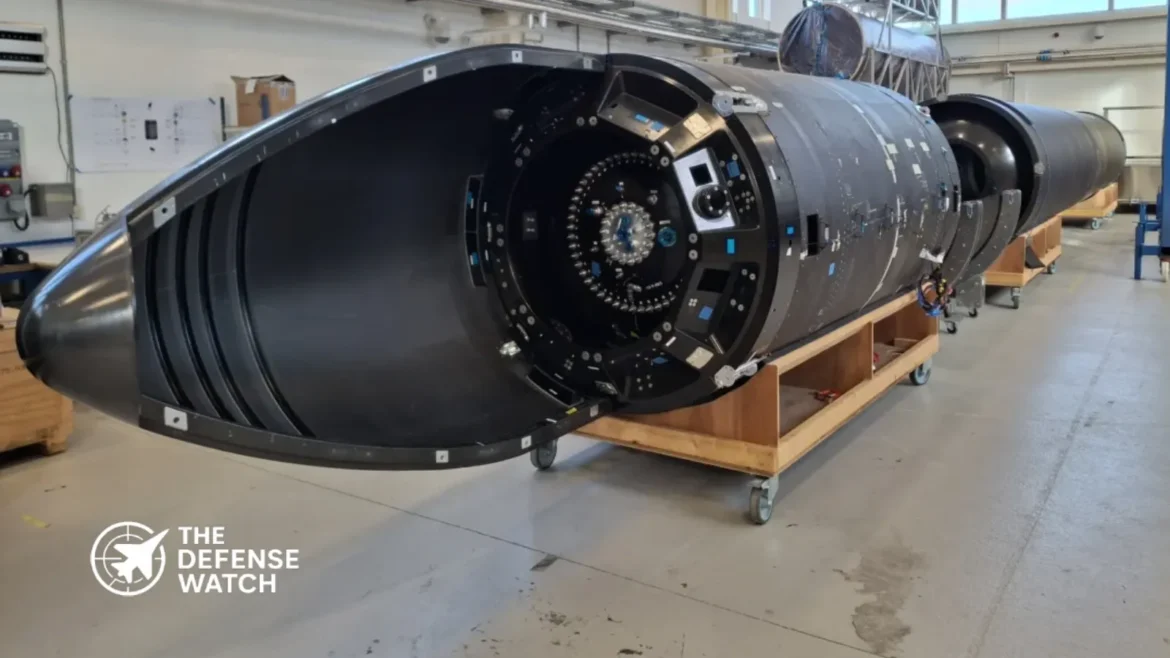
Orbex Prime Rocket Assembly Enters Final Integration Phase
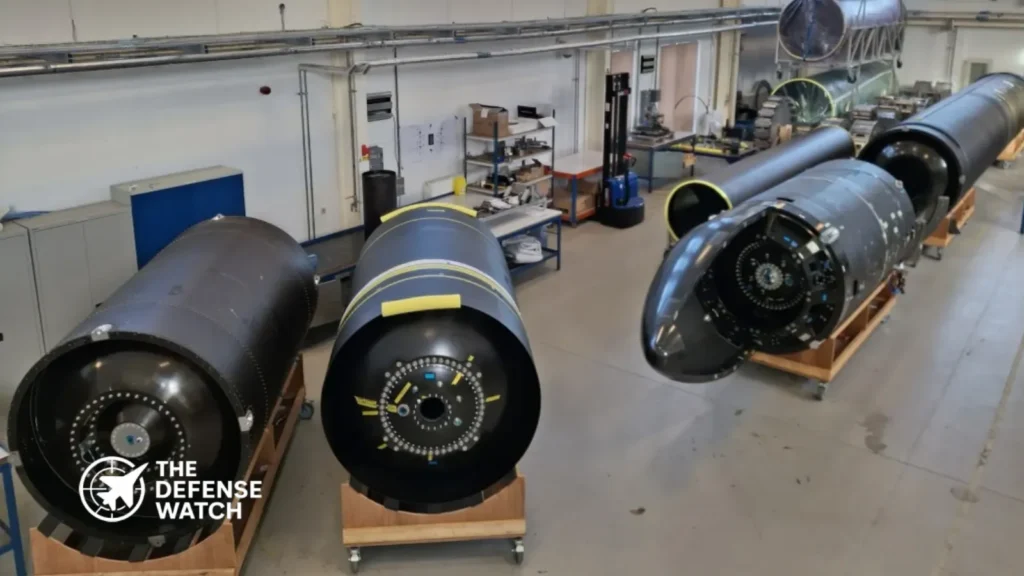
Orbex Prime rocket assembly is advancing toward completion, according to newly released images from UK launch company Orbex, offering a rare inside look at the integration of its small satellite launch vehicle.
(adsbygoogle = window.adsbygoogle || []).push({});The images show structural and systems integration underway on the Prime rocket at Orbex facilities, as the company prepares for its inaugural orbital launch from northern Scotland. The update comes as Orbex approaches the operational phase of its launch program at the Sutherland Spaceport.
Orbex said the release of the photographs reflects progress in vehicle assembly and infrastructure readiness as it moves toward full administration and operational maturity.
Prime Rocket Designed For Small Satellite Missions
The Prime rocket is a two stage, micro launch vehicle designed to carry small satellites into low Earth orbit. Orbex has previously stated that Prime will be capable of delivering payloads of up to 180 kilograms to sun synchronous orbit.
The vehicle is engineered with a focus on reduced carbon emissions compared to traditional kerosene based rockets. Prime is designed to use bio propane as fuel, which Orbex says lowers lifecycle carbon impact.
Orbex has positioned Prime to serve the growing European small satellite market, which continues to expand due to demand for Earth observation, communications, and defense related payloads.
According to the UK Space Agency, domestic launch capability is a strategic priority for the United Kingdom, aimed at strengthening sovereign access to space and supporting commercial growth.
Sutherland Spaceport Moves Closer To Launch Operations
Orbex plans to conduct Prime launches from Sutherland in northern Scotland, marking one of the first vertical orbital launch sites in mainland UK.
The development of Sutherland Spaceport has been supported by public and private funding, including backing from the UK government and regional partners. The site is intended to support small launch operations targeting polar and sun synchronous orbits.
The UK government has identified domestic launch infrastructure as critical to national space ambitions. The UK Government has previously outlined goals to grow the UK space economy and capture a larger share of the global launch market.
(adsbygoogle = window.adsbygoogle || []).push({});Orbex’s progress comes amid broader efforts to establish the UK as a competitive launch location following earlier horizontal launch initiatives in Cornwall.
European Competition In The Small Launch Sector
Orbex operates in a competitive European small launch market that includes emerging providers developing dedicated micro launch vehicles.
The European launch landscape has shifted in recent years as governments seek more resilient and flexible access to space, particularly in light of geopolitical tensions and increased demand for secure satellite deployment.
The European Space Agency has emphasized the importance of independent European launch capability, especially for institutional and security missions.
While Orbex has not publicly confirmed a firm launch date for Prime’s first flight, the release of assembly imagery signals continued progress toward operational readiness.
Infrastructure, Testing And Regulatory Steps Ahead
Before launch, Orbex must complete final integration, vehicle testing, and regulatory approvals.
Launch licensing in the United Kingdom is overseen by the UK Civil Aviation Authority, which regulates commercial spaceflight under the UK Space Industry Act.
Orbex has previously stated that environmental assessments and safety case submissions form part of the licensing process for Sutherland operations.
Industry analysts note that small launch providers must demonstrate both technical readiness and regulatory compliance before entering routine service.
Strategic Importance For UK Space Capability
The development of Prime and Sutherland Spaceport is part of a broader push to establish sovereign UK launch capability.
(adsbygoogle = window.adsbygoogle || []).push({});Domestic launch services can reduce reliance on foreign providers and offer schedule flexibility for commercial and government customers. This is increasingly relevant for defense and security missions requiring responsive launch.
According to UK government strategy documents, strengthening space infrastructure supports economic growth, national security, and advanced manufacturing.
Orbex Prime rocket assembly progress represents a tangible milestone in that effort, as hardware moves closer to flight configuration.
What The New Images Show
The newly released images highlight:
- Structural integration of the rocket stages
- Avionics and propulsion system installation
- Assembly work within Orbex production facilities
- Continued development of ground infrastructure
While Orbex did not disclose specific testing timelines, the visual update provides evidence of ongoing vehicle maturation.
Outlook
Orbex Prime rocket assembly remains central to the UK’s ambition to join the small group of nations with domestic orbital launch capability.
If successful, Prime’s first flight from Sutherland would mark a significant step for the British commercial space sector and expand European small launch options.
(adsbygoogle = window.adsbygoogle || []).push({});Orbex has not announced a confirmed launch window, but assembly progress indicates the company is moving closer to operational status.