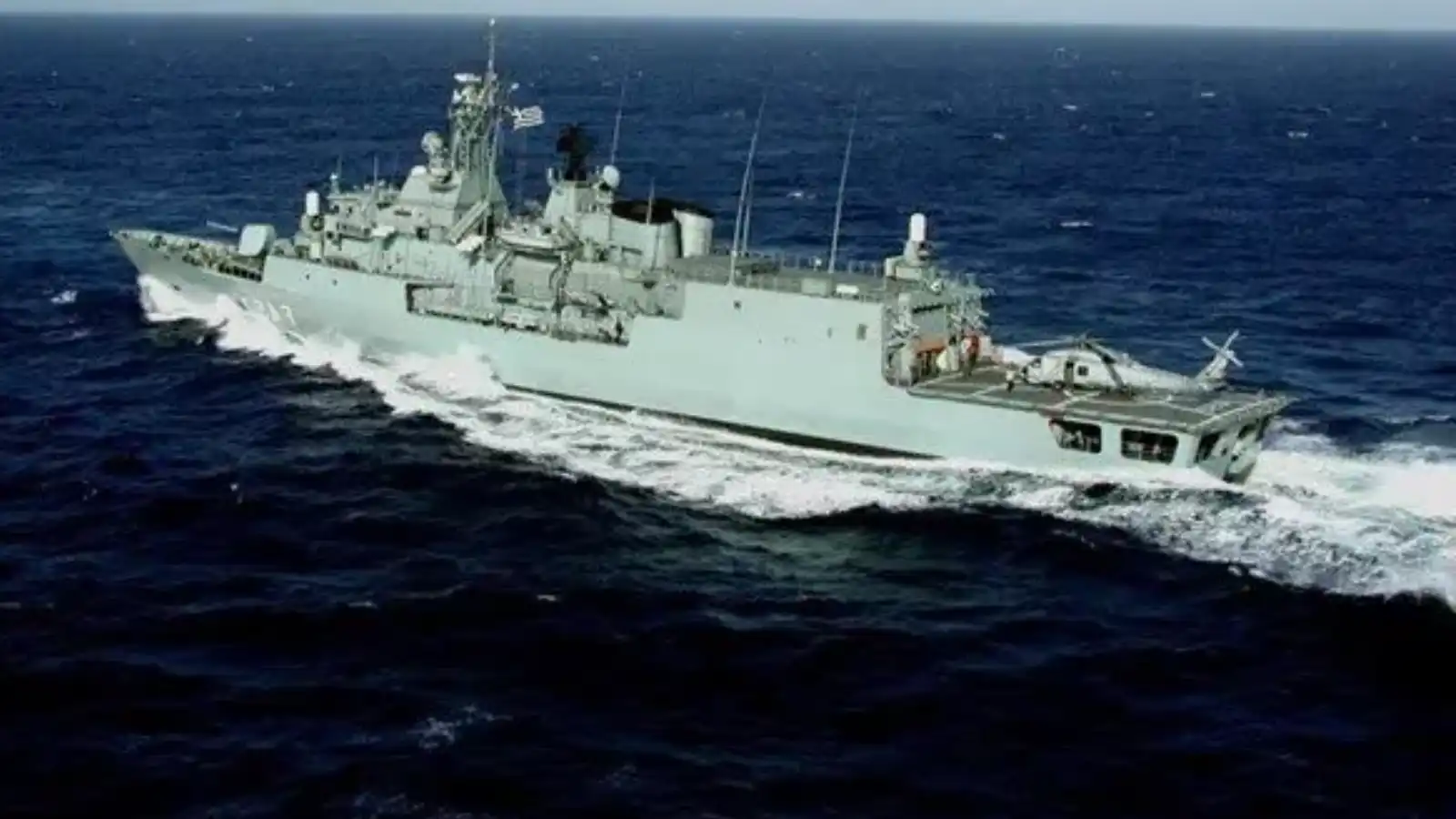
Greece is accelerating naval modernization efforts as Eastern Mediterranean security competition continues to intensify.
Executive Summary:
Thales has secured a new contract to modernize mission systems aboard the Hellenic Navy’s Hydra-class frigates. The program aims to improve combat management, sensor integration, and operational effectiveness as Greece expands naval modernization efforts in the Eastern Mediterranean.
Thales To Upgrade Hydra-Class Frigates For The Hellenic Navy
French defense company Thales has signed a new contract to modernize mission systems aboard the Hellenic Navy Hydra-class frigates, advancing Greece’s broader naval modernization strategy amid evolving regional security challenges.
The agreement focuses on upgrading core combat and mission systems across the Hydra-class fleet, which forms a major component of Greece’s frontline naval surface force. According to Thales, the modernization effort is intended to extend the operational relevance and combat effectiveness of the ships while improving interoperability with NATO naval assets.
The Hydra-class frigates are based on the German MEKO 200 design and entered service during the 1990s. Despite their age, the vessels remain central to Greek maritime defense operations in the Eastern Mediterranean and Aegean Sea.
Mission Systems Modernization Program
Under the contract, Thales will modernize several critical onboard systems, including combat management infrastructure, sensors, tracking capabilities, and operational coordination systems.
The company stated that the upgrades are designed to improve situational awareness, threat detection, and command-and-control performance during naval operations. Enhanced integration between sensors and weapons systems is also expected to improve reaction times against modern air and surface threats.
While detailed technical specifications were not publicly disclosed, naval modernization programs of this type typically include improvements to radar processing, electronic support systems, tactical data links, and digital combat architecture.
The Hydra-class frigate modernization effort reflects a broader trend among NATO naval forces seeking to upgrade legacy surface combatants instead of pursuing immediate full fleet replacement. This approach allows navies to maintain operational readiness while controlling procurement costs and preserving force structure.
Strategic Importance In The Eastern Mediterranean
The Hellenic Navy’s modernization push comes amid rising geopolitical competition in the Eastern Mediterranean, where maritime security, energy exploration, and regional deterrence remain major strategic priorities.
Greece has increased defense investments in recent years, particularly in naval and air capabilities. Athens has already moved forward with acquisitions including French-built Belharra frigates and modernization initiatives for existing naval assets.
The Hydra-class upgrade program strengthens Greece’s ability to sustain naval operations across contested maritime areas while maintaining compatibility with allied NATO forces.
From a strategic perspective, the modernization also supports long-term fleet availability during a transitional period in which Greece is introducing newer surface combatants into service.
Thales Expands European Naval Modernization Portfolio
For Thales, the contract reinforces the company’s position within the European naval defense sector, particularly in combat management systems, sensors, and maritime electronic warfare technologies.
The company has been involved in multiple naval modernization and ship integration programs across NATO member states, including surface combatants, submarines, and maritime surveillance platforms.
The Hydra-class contract also highlights continuing European demand for mid-life upgrades of existing naval fleets. Many European navies are pursuing phased modernization strategies to address evolving threats such as advanced anti-ship missiles, unmanned systems, and electronic warfare challenges.
As regional maritime competition intensifies, combat system modernization is increasingly viewed as essential for maintaining operational survivability and multi-domain coordination capabilities.
Operational Impact Of The Upgrade
The Hydra-class frigate modernization program is expected to improve operational lifespan and mission flexibility for the Hellenic Navy fleet.
Enhanced digital mission systems can significantly improve target tracking, tactical coordination, and engagement management during high-tempo maritime operations. Modernized combat systems may also support future integration of newer sensors or weapons as operational requirements evolve.
For NATO operations, interoperability improvements are particularly important. Shared tactical data networks and upgraded command systems allow allied naval forces to coordinate more effectively during joint missions, maritime patrols, and regional security operations.
The modernization effort also reflects how European allies are adapting legacy naval platforms to meet modern operational demands without immediate fleet replacement, a trend increasingly visible across NATO maritime forces.
Broader Defense Modernization Trends
The Hydra-class program aligns with wider European efforts to strengthen maritime deterrence and improve naval readiness amid changing regional security conditions.
Across Europe, governments are investing in fleet upgrades, anti-submarine warfare capabilities, integrated air defense systems, and maritime surveillance technologies. These investments are being driven by increased focus on NATO collective defense requirements and evolving maritime threats.
For Greece, maintaining a capable surface fleet remains a national security priority due to the country’s geographic position and extensive maritime responsibilities.
The Thales modernization contract represents another step in ensuring the Hellenic Navy can continue operating effectively in a rapidly changing strategic environment.