(adsbygoogle = window.adsbygoogle || []).push({});Executive Summary:
Australia has opened the Southern Hemisphere’s first deep maintenance and modification facility for the Boeing P 8A Poseidon maritime patrol aircraft. The new hub is designed to strengthen Royal Australian Air Force readiness, reduce overseas maintenance dependency, and support allied Indo Pacific operations.
Australia Expands P 8A Poseidon Sustainment Capability
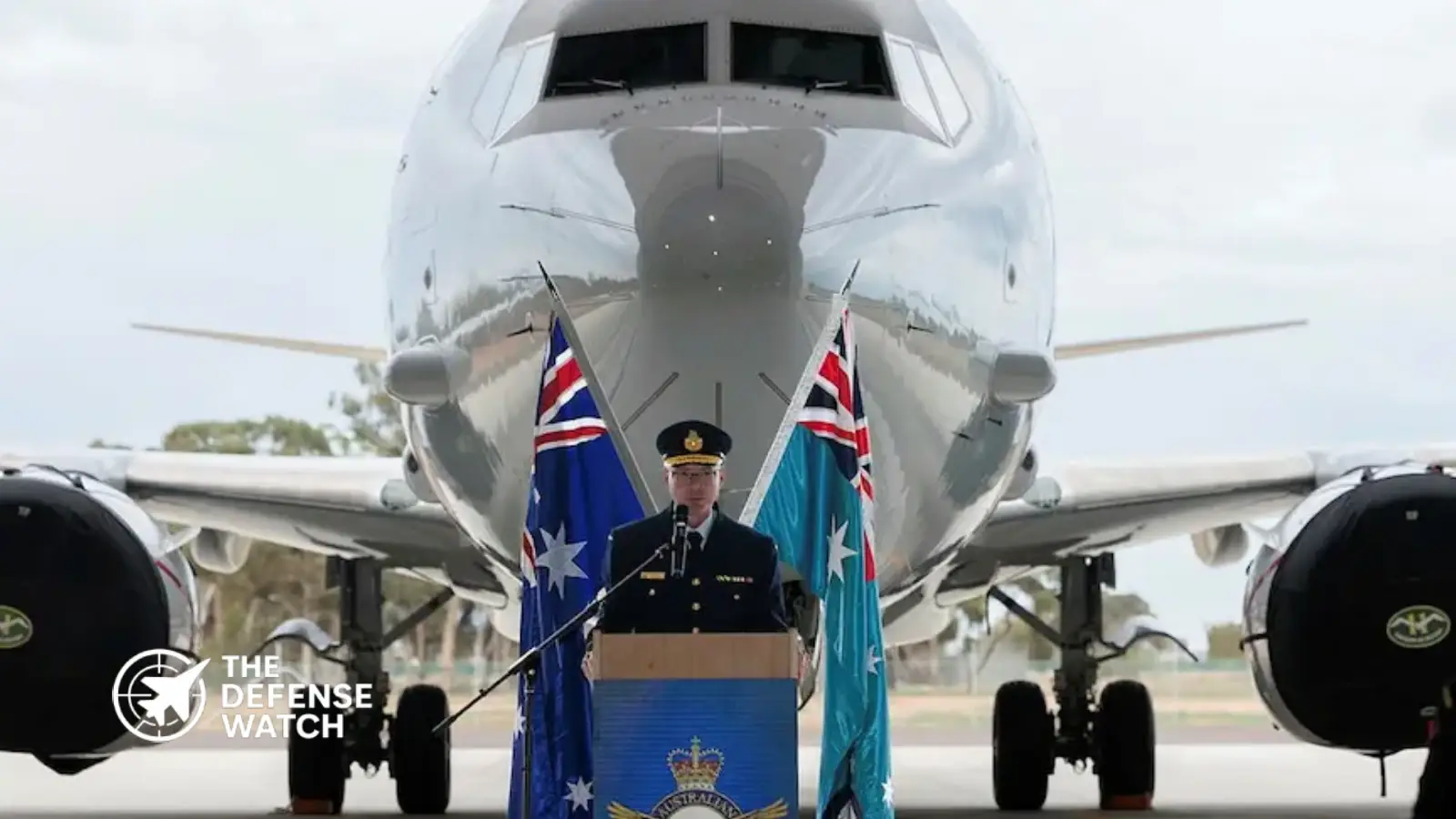
Australia’s new P 8A Poseidon deep maintenance and modification facility marks a significant expansion of the country’s long term maritime aviation sustainment capability. The facility, established at Royal Australian Air Force Base Edinburgh in South Australia, will provide depot level maintenance, structural upgrades, and aircraft modifications for the RAAF’s growing fleet of maritime patrol aircraft.
The facility is the first of its kind in the Southern Hemisphere dedicated to the Boeing P 8A Poseidon platform. Until now, heavy maintenance and major upgrades often required support from overseas facilities, particularly in the United States.
Australian defense officials said the new capability is intended to improve aircraft availability rates while strengthening sovereign defense industry capacity.
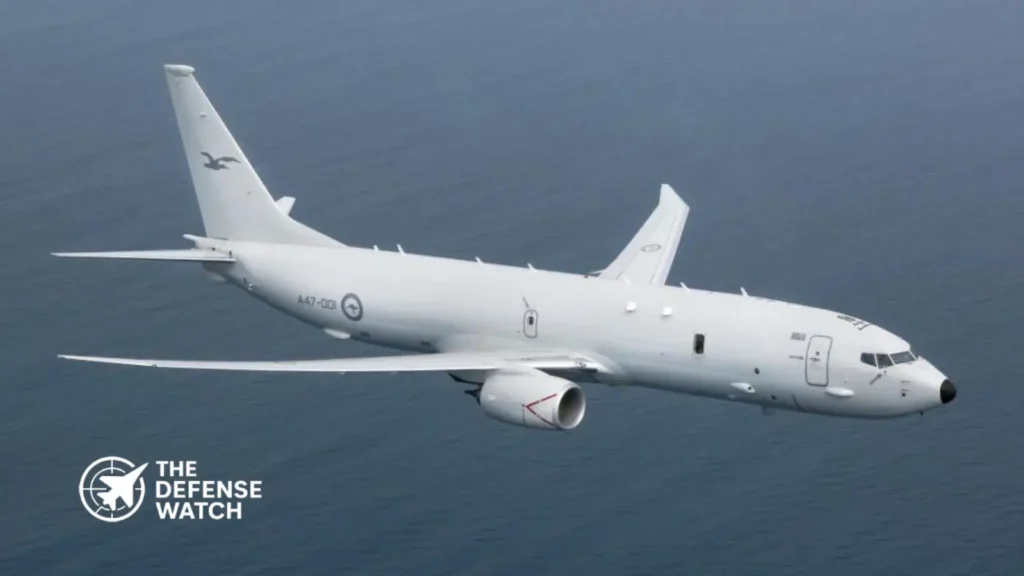
The Royal Australian Air Force currently operates a fleet of P 8A Poseidon aircraft as part of its maritime surveillance and anti submarine warfare mission set. The aircraft replaced the aging AP 3C Orion fleet and has become one of Australia’s most important intelligence, surveillance, reconnaissance, and maritime strike platforms.
Why The P 8A Poseidon Matters In The Indo Pacific
The P 8A Poseidon maintenance facility arrives at a time of growing strategic competition across the Indo Pacific region. Maritime surveillance requirements have increased significantly as regional navies expand submarine operations and military activity intensifies in contested waters.
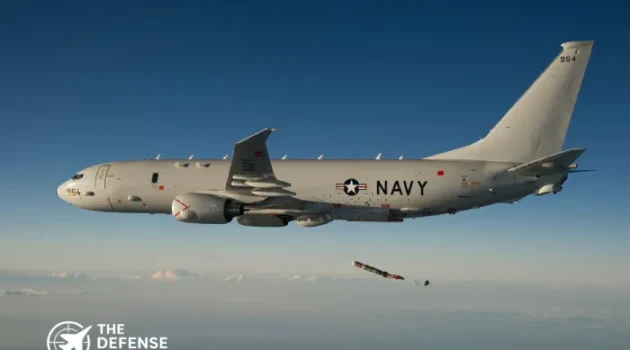
Derived from the commercial Boeing 737 airframe, the P 8A Poseidon combines long range surveillance capabilities with anti submarine warfare systems, advanced sensors, sonobuoys, and anti ship weapon integration.
The aircraft is widely operated among U.S. allies and partners, including the Royal Australian Air Force, the United States Navy, the Royal Air Force, and the Indian Navy.
Australia’s investment in local sustainment infrastructure reflects a broader shift among allied nations toward improving operational resilience and reducing dependence on overseas maintenance pipelines. That trend accelerated following supply chain disruptions and increased operational demands across the Pacific region in recent years.
(adsbygoogle = window.adsbygoogle || []).push({});The new facility may also position Australia as a regional sustainment partner for other allied P 8A operators operating in the Southern Hemisphere and wider Indo Pacific theater.
Strategic Importance For Australia And Allies
The opening of the P 8A Poseidon maintenance facility supports Australia’s wider defense modernization strategy and aligns with Canberra’s focus on strengthening long range maritime surveillance.
The P 8A plays a central role in Australia’s layered maritime defense network, working alongside the Boeing built MQ 4C Triton unmanned aircraft system and naval surface combatants.
Australian defense planners increasingly view persistent maritime domain awareness as essential to monitoring sea lanes, protecting undersea infrastructure, and supporting allied operations across the Pacific and Indian Oceans.

The facility also supports workforce development within Australia’s aerospace sector. Local industry participation in sustainment and modification work is expected to expand technical expertise in military aviation maintenance, systems integration, and fleet readiness management.
According to defense industry reporting, the site will support both scheduled depot maintenance and future capability upgrades throughout the operational life of the aircraft.
Broader Regional Security Context
The expansion of maritime patrol infrastructure comes amid increased naval modernization across Asia and the Pacific. Several regional powers are investing heavily in submarines, long range strike systems, and maritime reconnaissance assets.
Australia’s P 8A fleet has regularly participated in multinational exercises and freedom of navigation operations alongside allied forces. The aircraft has also supported humanitarian assistance, disaster relief, and search and rescue operations across the Indo Pacific.
The establishment of a dedicated deep maintenance facility ensures Australia can sustain high operational tempo deployments without relying exclusively on foreign maintenance cycles.
From a strategic perspective, sovereign sustainment capability has become a growing priority among Western defense partners seeking greater readiness and industrial resilience.
(adsbygoogle = window.adsbygoogle || []).push({});Industry And Defense Implications
The new facility highlights how sustainment infrastructure is becoming increasingly important in modern military procurement strategies. Beyond acquiring advanced aircraft, countries are now placing greater emphasis on domestic maintenance, repair, overhaul, and upgrade ecosystems.
For Boeing and its international partners, expanding regional sustainment hubs may improve long term fleet support efficiency as the global P 8A operator base grows.
The P 8A platform continues to gain relevance as maritime competition intensifies and undersea warfare capabilities expand worldwide. By building a sovereign sustainment capability, Australia strengthens both operational readiness and long term defense autonomy.