

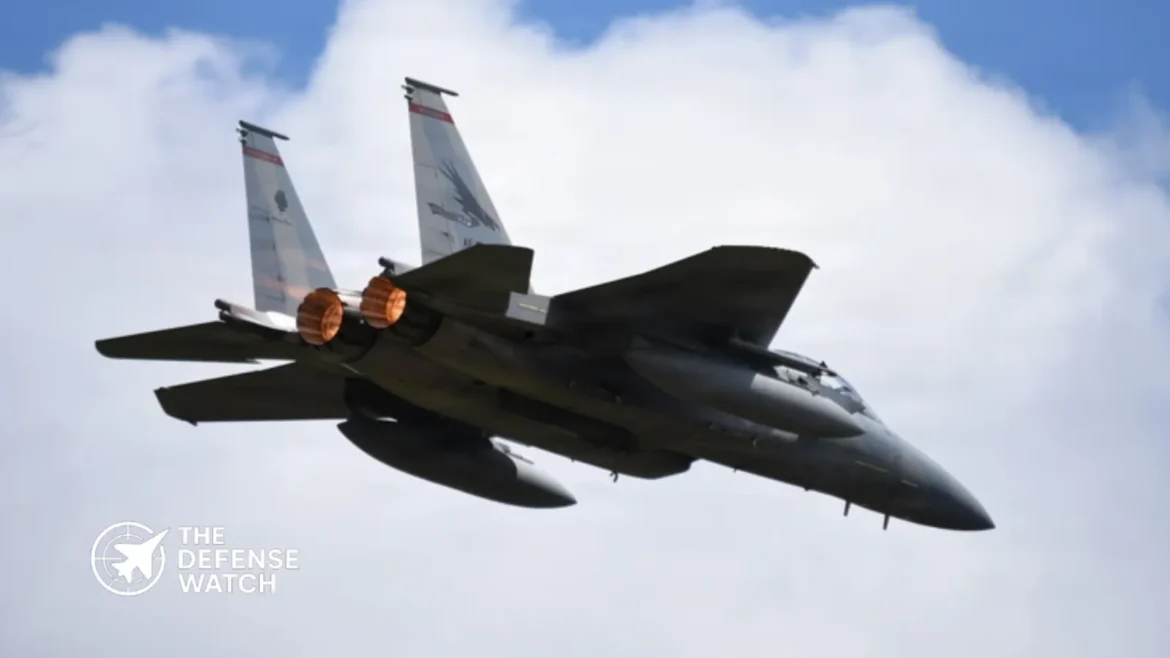
Executive Summary:
The U.S. Air Force is examining future propulsion options for its F-15EX Eagle II and F-16 Fighting Falcon fleets as part of a broader effort to strengthen long term competition and sustainment. The review comes as the service prepares for decades of continued operation of both fighter platforms while balancing readiness, affordability, and industrial base resilience.
US Air Force Studies Alternative Engines For F-15EX And F-16
The F-15EX alternative engines initiative signals a renewed Air Force interest in increasing competition for propulsion systems supporting two of its most important fourth generation fighter fleets. Air Force officials are evaluating whether additional engine options could reduce long term sustainment costs and improve operational flexibility.
The F-15EX currently flies with the GE Aerospace F110,GE,129 engine, while many F-16 variants operate either General Electric F110 engines or Pratt & Whitney F100 engines depending on aircraft block and operator. The Air Force’s review does not represent an immediate procurement decision but instead explores future pathways as fleet requirements evolve.
Why The Air Force Is Revisiting Fighter Engine Competition
Historically, engine competition has been viewed as a way to encourage innovation while providing leverage on pricing and sustainment.
The F-15EX program initially experienced debate over whether a sole source engine procurement or a competitive process would best support rapid fielding. Ultimately, the Air Force selected the GE F110 because it had already completed integration and certification with the aircraft’s digital fly by wire flight control system, minimizing schedule risk.
For the F-16 fleet, both GE Aerospace and Pratt & Whitney engines have powered different production blocks for decades, providing the Air Force and international operators with experience supporting multiple propulsion options.
Current Engine Configuration
Aircraft Current Primary Engine Notes F-15EX Eagle II GE F110,GE,129 Fully integrated and certified for the aircraft F-16 Fighting Falcon GE F110 or Pratt & Whitney F100 Depends on production block and operator Strategic Importance Beyond Procurement
The engine review reflects more than a technical exercise.
The Air Force expects both aircraft to remain operational well into the 2030s and beyond. The F-15EX continues replacing aging F-15C aircraft while assuming homeland defense and long range weapons carriage missions. Meanwhile, upgraded F-16s remain essential for homeland operations, training, and numerous overseas deployments.
Because propulsion systems account for a significant portion of lifecycle operating costs, even modest improvements in maintenance requirements, fuel efficiency, spare parts availability, or reliability can produce substantial savings across hundreds of aircraft.
Technical Challenges Of Introducing A New Engine
Although evaluating alternative engines appears straightforward, integrating a new propulsion system into an existing fighter is a complex engineering effort.
Certification typically requires:
- Flight testing across the aircraft’s operating envelope.
- Software integration with flight control systems.
- Validation of cooling, electrical, and hydraulic interfaces.
- Structural analysis of engine mounts.
- Logistics and maintenance qualification.
- Airworthiness certification.
For the F-15EX, these integration requirements were one of the principal reasons the Air Force previously favored the already qualified GE F110 rather than introducing another engine option.
Broader Implications For U.S. Air Power
The Air Force’s review also reflects broader concerns about maintaining a healthy defense industrial base.
Maintaining multiple capable propulsion suppliers can strengthen supply chain resilience, reduce dependence on a single manufacturer, and preserve engineering expertise that could benefit future combat aircraft programs.
At the same time, introducing competition must be balanced against integration costs and the operational risks associated with certifying new propulsion systems.
As the Air Force modernizes its tactical aviation fleet alongside sixth generation development efforts, sustaining highly capable fourth generation fighters remains a critical element of overall force structure. Aircraft such as the F-15EX provide exceptional payload capacity, long range, and the ability to carry emerging long range air to air and strike weapons that complement stealth aircraft rather than replace them.
What Happens Next
Air Force officials have not announced a formal engine competition or acquisition timeline.
Instead, the current effort appears focused on understanding available propulsion technologies, future sustainment strategies, and potential industrial benefits before any procurement decisions are made.
If the study eventually leads to competitive engine procurement, it could influence sustainment planning for hundreds of fighters that are expected to remain in service for decades.
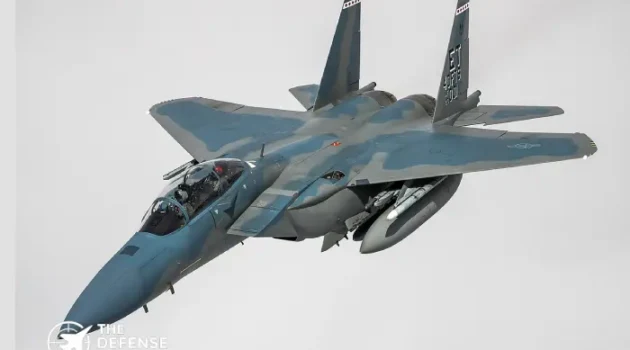
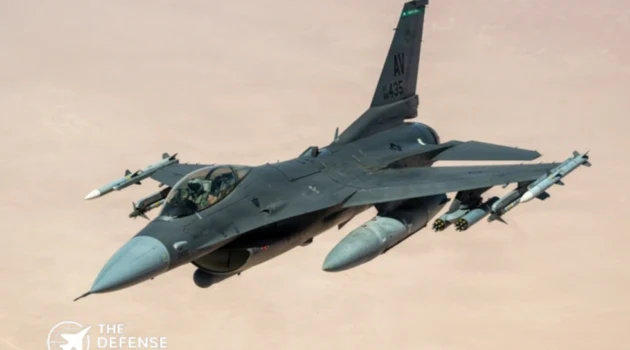
Executive Summary:
Lockheed Martin and Belgium based Sabena Engineering have expanded their long standing partnership to provide broader sustainment support for F-16 operators across Europe and future Block 70/72 customers. The agreement is intended to strengthen maintenance capacity, improve aircraft availability, and support the growing demand created by new F-16 production and ongoing fleet modernization.
Lockheed Martin Expands F-16 Sustainment Partnership Across Europe
Lockheed Martin has announced an expanded partnership with Sabena Engineering to strengthen long term sustainment support for F-16 Fighting Falcon operators across Europe, including customers acquiring the latest F-16 Block 70/72 variant.
The announcement, made through an official company statement, reflects increasing emphasis on sustainment as European air forces continue operating upgraded legacy F-16 fleets while integrating newly built Block 70/72 aircraft. Rather than focusing solely on aircraft production, the agreement expands maintenance, repair, overhaul, engineering, and technical support capabilities throughout the aircraft’s operational life.
Expanded Cooperation Focuses On Long Term Fleet Readiness
The enhanced agreement builds upon years of cooperation between Lockheed Martin and Sabena Engineering in military aircraft maintenance.
Under the expanded partnership, Sabena Engineering will support a broader range of sustainment services for European F-16 customers. These include:
- Depot level maintenance
- Aircraft repair and overhaul
- Structural modifications
- Engineering support
- Logistics assistance
- Technical services for Block 70/72 operators
The companies aim to increase aircraft availability while reducing maintenance downtime for air forces operating the world’s most widely used fourth generation fighter.
Lockheed Martin noted that sustainment remains a critical component of the F-16 program as more international customers continue to invest in the platform.
Support Extends To New F-16 Block 70/72 Customers
The agreement also positions Sabena Engineering to support operators of the newest F-16 Block 70/72 aircraft.
The latest production variant introduces significant improvements over earlier models, including:
Capability F-16 Block 70/72 Radar AN/APG,83 AESA radar Cockpit Large Area Display Mission Computer Advanced Modular Mission Computer Structural Life Up to 12,000 flight hours Networking Modern Link 16 and advanced datalinks Survivability Enhanced electronic warfare integration These upgrades have attracted numerous international customers seeking affordable multirole fighters with modern avionics and lower operating costs than many fifth generation platforms.
Europe Remains A Key F-16 Operating Region
Although several European NATO members are transitioning toward the F,35 Lightning II, the F-16 continues serving as a frontline aircraft in multiple air forces.
Many operators have invested heavily in service life extension programs, radar upgrades, and new mission systems designed to keep the aircraft operational for decades.
At the same time, several countries have transferred older F-16 aircraft to Ukraine while ordering replacement fighters, creating additional demand for sustainment expertise as fleets undergo modernization.
The expansion of regional maintenance capacity helps reduce reliance on overseas depot facilities and supports faster turnaround for operational aircraft.
Why Sustainment Has Become A Strategic Priority
While fighter aircraft procurement often receives the most public attention, sustainment increasingly determines actual combat readiness.
Modern air forces measure capability not only by the number of aircraft they own, but by the percentage available for missions on any given day. Maintenance delays, supply chain disruptions, and shortages of qualified technicians can significantly reduce operational effectiveness.
For NATO members facing heightened security challenges, improving sustainment infrastructure has become nearly as important as purchasing new aircraft.
Regional maintenance partnerships provide several operational advantages:
- Faster repair cycles
- Improved spare parts availability
- Greater engineering expertise
- Reduced aircraft ferry time
- Enhanced operational resilience during crises
For European operators, expanding industrial capacity within the region also aligns with broader efforts to strengthen defense industrial resilience.
Benefits For Block 70 Production Customers
The agreement arrives as Lockheed Martin continues delivering new production F-16 Block 70/72 aircraft from its Greenville, South Carolina manufacturing facility.
Recent customers include:
- Bulgaria
- Slovakia
- Bahrain
- Taiwan
- Jordan
- Morocco
Additional international customers are expected to receive aircraft over the coming years.
By expanding certified maintenance capability before more aircraft enter operational service, Lockheed Martin aims to establish a mature global support network capable of sustaining fleets throughout their projected decades long service life.
Analysis: Sustainment Is Becoming A Competitive Advantage
The expanded partnership illustrates a broader trend within the global defense aviation market. Manufacturers increasingly compete not only on aircraft performance but also on lifecycle support.
For many governments, the total cost of ownership now plays a central role in procurement decisions. Aircraft that can maintain high availability through efficient maintenance networks often provide greater operational value than platforms offering only marginal performance improvements.
This approach is particularly important for the F-16 program. With more than 3,000 aircraft still operating worldwide, maintaining a reliable international sustainment network helps preserve the platform’s relevance despite the growing adoption of fifth generation fighters.
From a NATO perspective, expanding maintenance capabilities within Europe also strengthens alliance readiness. Distributed sustainment reduces logistical bottlenecks, improves resilience during high operational tempo, and enables allied air forces to return aircraft to service more quickly during extended operations.
The partnership also demonstrates how industrial cooperation has become an increasingly important element of collective defense. Rather than centralizing maintenance in a limited number of locations, allied nations are investing in regional expertise that supports both national sovereignty and alliance interoperability.
As the F-16 remains in frontline service across Europe, the Middle East, Asia, and other regions, sustainment partnerships such as this will continue shaping the aircraft’s operational effectiveness well into the 2040s.
Conclusion
The expanded partnership between Lockheed Martin and Sabena Engineering represents a significant investment in the long term sustainment of one of the world’s most successful fighter aircraft programs. By strengthening European maintenance capacity and extending support to Block 70/72 operators, the agreement enhances aircraft readiness while supporting NATO modernization objectives and the growing international F-16 customer base.
Executive Summary:
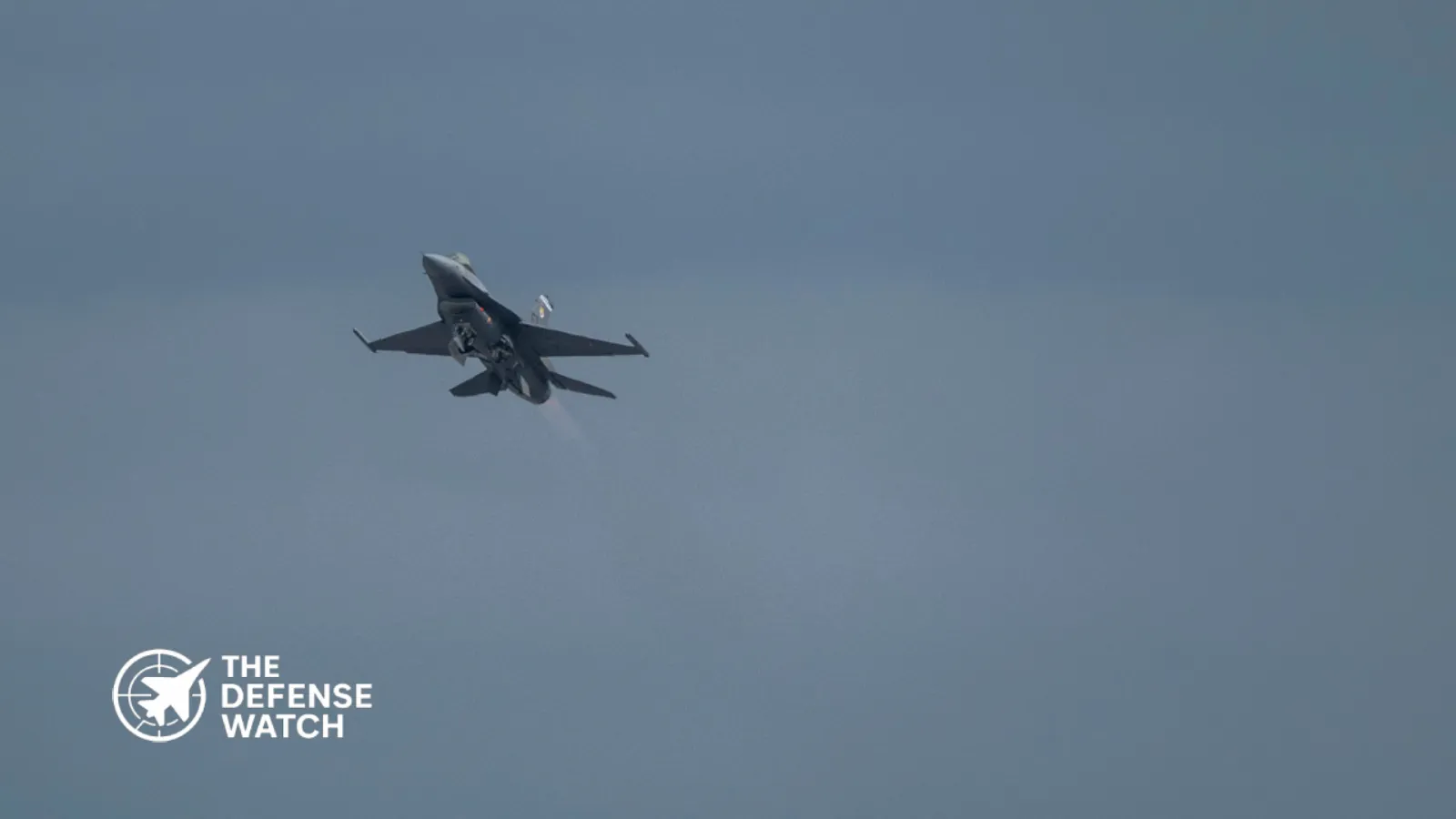
The Defense Advanced Research Projects Agency (DARPA) and the US Air Force have conducted flights of frontline Lockheed Martin F-16 fighters equipped with the Viper Experimentation and Next-generation Operations Model (VENOM) autonomy kit. The aftermarket modification enables pilots to switch between traditional manual controls and AI-driven autonomous flight with the flip of a switch. This development, announced in July 2026, builds directly on prior X-62 VISTA testing to mature AI for aerial combat and support future Collaborative Combat Aircraft (CCA) operations.
VENOM Autonomy Kit Brings AI to Operational F-16 Fleet
The US Air Force and DARPA have successfully flown F-16s modified with the VENOM kit at Eglin Air Force Base in Florida. At least one modified aircraft operates with the 96th Test Wing, with additional jets modified as part of the program.
The VENOM kit interfaces with the F-16’s existing flight controls and mission systems without altering core software. It includes hardware additions such as an auto-throttle for AI regulation of thrust and control surfaces. This design supports safe “human-on-the-loop” experimentation, where a pilot remains aboard to monitor and intervene if necessary.
Brigadier General James Valpiani, DARPA tactical technology office program manager, stated: “The air force and DARPA team has automated flight controls and sensors on a standard F-16 without changing the jet’s core software. This enables an efficient pipeline for developing dominant AI for aerial combat.”
Evolution from X-62 VISTA Demonstrator
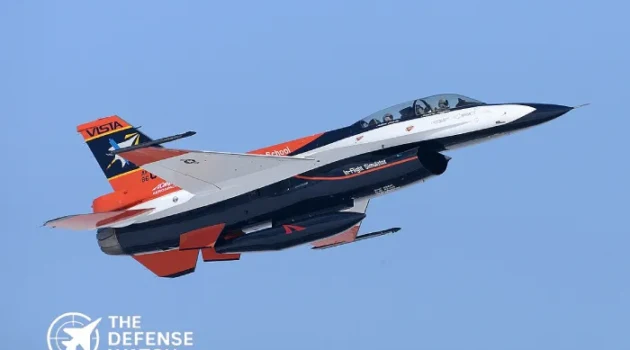
VENOM extends technologies proven on the unique X-62A VISTA (Variable Stability In-flight Simulator Test Aircraft), a heavily modified F-16D used by the Air Force Test Pilot School at Edwards AFB, California. Under DARPA’s Air Combat Evolution (ACE) program, the X-62 demonstrated AI-controlled within-visual-range dogfighting against human-piloted F-16s in 2023, completing 21 sorties with increasingly complex scenarios.
These tests involved high-speed, close-proximity maneuvers, including passes within 2,000 feet at speeds up to 1,040 knots. Participants included algorithms from Shield AI and others, which showed capabilities to improvise novel tactics.
While the X-62 remains a one-of-a-kind experimental platform, VENOM proves the concept on standard, frontline-configured F-16s drawn from operational fleets. At least four jets have received modifications, with arrivals at Eglin documented in 2024 and 2025.
Technical and Operational Implications
The VENOM approach prioritizes modularity and safety. The kit creates a reliable environment for testing multiple AI agents in live scenarios while maintaining human oversight. This addresses key challenges in combat AI trustworthiness amid the “fog and friction” of warfare, including incomplete sensor data, electronic warfare, and rapid decision timelines.
Key VENOM Program Elements:
- Switchable Control: Pilot can toggle between human and autonomous modes instantly.
- Hardware Additions: Auto-throttle and specialized instrumentation for AI control.
- Software Integration: Interfaces with existing F-16 systems without core software changes.
- Test Focus: Multi-agent AI evaluation, human-machine teaming, and CCA command-and-control methods.
This configuration supports broader USAF goals for Collaborative Combat Aircraft such as the General Atomics FQ-42 and Anduril FQ-44. VENOM-modified F-16s will help develop tactics for human pilots to direct teams of autonomous platforms in contested environments.
Strategic Context for US Air Force Modernization
Autonomous enhancements to legacy platforms like the F-16 offer a cost-effective bridge to sixth-generation capabilities. By leveraging existing airframes, the program accelerates AI maturation while reducing risk to high-value assets in high-threat scenarios. It also provides workload relief for pilots managing complex sensor, communications, and weapons suites.
Operationally, this supports the USAF’s shift toward distributed, attritable force structures. Autonomous F-16 testbeds enable realistic experimentation in beyond-visual-range coordination, electronic warfare integration, and multi-ship tactics—critical for maintaining advantage against peer adversaries.
Technical hurdles remain, particularly in ensuring AI reliability under real-world variables differing from simulation. VENOM’s human-on-the-loop design mitigates these by allowing iterative refinement in live flight. The program’s rapid progress—from X-62 dogfighting in 2023 to VENOM flights in 2026—demonstrates effective transition of autonomy technologies.
Future Testing and Broader Impact
Upcoming VENOM activities will expand to multi-agent live-flight testing and refine human control interfaces for CCA operations. Success here could influence not only uncrewed loyal wingmen but also optionally-manned configurations that enhance safety and mission effectiveness across the fighter fleet.
This effort aligns with ongoing USAF investments in mission autonomy software from providers including Shield AI, Anduril, and others, positioning the service to field production CCA systems in the coming years.

Executive Summary:
The United States has deployed F-16 fighters to enhance air defense coverage over the Strait of Hormuz, a key global energy transit route. The move aims to strengthen maritime security amid rising regional tensions and protect critical shipping lanes.
U.S. Deploys F-16 Fighters To Strengthen Strait Of Hormuz Air Defense
The U.S. F-16 deployment to the Strait of Hormuz marks a renewed effort to reinforce air defense coverage over one of the world’s most strategically vital maritime chokepoints. The move underscores Washington’s focus on safeguarding commercial shipping lanes amid persistent regional tensions and evolving aerial threats.
The deployment involves U.S. Air Force F-16 Fighting Falcons tasked with expanding aerial surveillance, deterrence, and rapid response capabilities across the Gulf region. The Strait of Hormuz handles roughly one-fifth of global oil trade, making its security a core priority for both the United States and its allies.
Strategic Context Behind The Deployment
The Strait of Hormuz air defense mission comes at a time of heightened geopolitical sensitivity in the Middle East. The narrow waterway, bordered by Iran and Oman, has long been a flashpoint for maritime security incidents, including vessel seizures, drone activity, and asymmetric threats.
The U.S. military has maintained a continuous presence in the region through the U.S. Central Command (CENTCOM), but the addition of F-16 fighters signals a calibrated adjustment rather than a routine rotation. This suggests a response to specific operational concerns, particularly the growing use of drones and low-altitude aerial systems that challenge traditional naval defenses.
From an operational standpoint, F-16s offer flexibility that complements naval assets. Unlike ship-based systems, fighter aircraft can quickly cover wide مناطق, intercept aerial threats, and provide real-time intelligence. This layered defense approach is increasingly important as adversaries rely more on unmanned systems and hybrid tactics.
Role Of The F-16 In Maritime Security Operations
The F-16 fighters maritime security role is centered on multi-mission capability. Equipped with advanced radar systems, precision-guided munitions, and air-to-air missiles, the aircraft can perform air policing, escort missions, and strike operations if required.
In the context of the Strait of Hormuz, their primary tasks likely include:
- Monitoring airspace for unauthorized or hostile aircraft and drones
- Providing escort to high-value naval or commercial vessels
- Acting as a rapid reaction force in case of escalation
- Enhancing situational awareness through airborne sensors
While the F-16 is not a stealth platform, its proven reliability and adaptability make it well-suited for sustained operations in contested but not fully denied environments. Its deployment also allows higher-end assets, such as fifth-generation fighters, to be reserved for more demanding scenarios elsewhere.
Operational Impact On Regional Security
The U.S. F-16 deployment to Hormuz contributes to a broader deterrence posture aimed at ensuring freedom of navigation. By increasing visible airpower presence, Washington signals its readiness to respond to disruptions without escalating to large-scale force deployments.
This approach aligns with recent U.S. defense strategy trends, which emphasize distributed operations and flexible force packages. Rather than relying solely on carrier strike groups, the Pentagon is leveraging land-based aircraft and regional partnerships to maintain coverage.
From a military balance perspective, the deployment does not fundamentally alter the regional power structure. However, it does complicate potential adversary calculations by reducing the window for opportunistic actions against shipping or allied forces.
Evolving Threat Landscape In The Gulf
One of the key drivers behind the Strait of Hormuz air defense reinforcement is the evolving threat environment. The increasing use of unmanned aerial vehicles (UAVs), loitering munitions, and fast attack craft has blurred the line between conventional and irregular warfare.
These threats are often low-cost, difficult to detect, and capable of causing significant disruption. Traditional naval defenses alone may not provide sufficient coverage, especially against swarming tactics or coordinated attacks.
Airpower, particularly platforms like the F-16, adds an essential layer by enabling early detection and interception. This is critical in a region where reaction time can determine the difference between deterrence and escalation.
Broader Implications For U.S. Defense Posture
The U.S. F-16 deployment to the Strait of Hormuz reflects a broader shift toward adaptive force positioning. Rather than maintaining static deployments, the U.S. military is increasingly adjusting its posture based on real-time threat assessments.
This approach offers several advantages:
- Greater operational flexibility
- Reduced logistical burden compared to large-scale deployments
- Enhanced ability to respond to emerging threats
- Improved coordination with regional allies
It also aligns with ongoing efforts to integrate air, naval, and cyber capabilities into a cohesive defense architecture.
Conclusion
The deployment of F-16 fighters to the Strait of Hormuz represents a targeted effort to strengthen air defense coverage over a critical global shipping route. While not a dramatic escalation, it highlights the importance of maintaining a credible and adaptable military presence in a region where even limited disruptions can have global economic consequences.
As the threat landscape continues to evolve, the role of versatile platforms like the F-16 will remain central to U.S. efforts to ensure maritime security and regional stability.
Northrop Grumman F-16 Radar Contract Extends Critical Fighter Fleet Support
Northrop Grumman has secured a $488 million contract for F-16 radar support, reinforcing long-term sustainment of one of the world’s most widely operated fighter aircraft fleets. The award was issued by the U.S. Air Force Life Cycle Management Center at Hill Air Force Base, Utah, and covers engineering and technical services for the APG-66 and APG-68 radar systems.
The firm-fixed-price, indefinite-delivery/indefinite-quantity agreement runs through March 31, 2036, signaling sustained demand for F-16 modernization and readiness support across both U.S. and allied operators.
- Northrop Grumman received a ceiling $488 million IDIQ contract for F-16 radar engineering and technical support.
- The award covers APG-66 and APG-68 radar systems used by U.S. Air Force, Navy, and foreign military sales customers.
- Work will be performed in Linthicum Heights, Maryland, through March 31, 2036.
- More than 20 nations are included, among them Bahrain, Egypt, Greece, Israel, Pakistan, Poland, Romania, Thailand, and Türkiye.
- Initial funding of $2.64 million was obligated at the time of award.
The contract was awarded on a sole-source basis and includes support for U.S. Air Force and Navy requirements, alongside extensive Foreign Military Sales (FMS) participation.
Why The F-16 Radar Support Deal Matters
Although newer fighters such as the F-35 continue entering service, the F-16 remains a frontline aircraft in many air forces. Thousands of F-16s are still active worldwide, making radar sustainment a strategic priority.
The APG-66 and APG-68 radars are central to the aircraft’s combat value. These systems support:
- Air-to-air target detection
- Beyond-visual-range engagements
- Precision strike missions
- Maritime surveillance roles
- Multi-target tracking in contested airspace
Without radar reliability, even upgraded F-16 fleets lose much of their operational effectiveness.
This means the Northrop Grumman F-16 radar contract is less about legacy maintenance and more about preserving combat capability for allied fleets expected to serve well into the 2030s.
Broad International Reach Through Foreign Military Sales
The Pentagon said the contract involves FMS support to:
Bahrain, Belgium, Chile, Denmark, Egypt, Greece, Indonesia, Iraq, Israel, Jordan, Korea, Morocco, Netherlands, Norway, Oman, Pakistan, Poland, Portugal, Romania, Thailand, and Türkiye.
That customer list highlights how deeply embedded the F-16 remains in NATO, Middle Eastern, and Indo-Pacific force structures.
Several of these nations are also pursuing fleet upgrades, weapons integration, and service-life extensions. Reliable radar support is therefore essential to bridge capability gaps while countries assess future fighter replacements.
Strategic Importance Of APG-66 And APG-68 Systems
The APG-66 radar equipped earlier F-16 variants and helped establish the aircraft’s reputation as a capable multirole platform. The later APG-68 introduced improved range, mapping modes, and targeting performance.
Many operators continue flying aircraft equipped with these radars or upgraded derivatives. Even where active electronically scanned array systems are being introduced, legacy mechanically scanned radars remain common across reserve, export, and second-line fleets.
From a cost perspective, radar sustainment is often more affordable than replacing entire fleets. That reality explains why the $488 million defense contract spans a decade.
Northrop Grumman’s Role In Fighter Sensor Sustainment
Northrop Grumman has long experience in airborne sensors, mission systems, and fighter radar integration. The company’s continued involvement in F-16 radar support gives operators access to original equipment expertise, repair pathways, engineering changes, and lifecycle management.
For Washington, these contracts also strengthen interoperability. When multiple allied nations rely on common systems and support channels, logistics and readiness can improve during coalition operations.
Funding And Contract Structure
The Pentagon stated $2,644,922 in fiscal 2026 non-appropriated, Air Force, and Navy funds were obligated at the time of award. As an IDIQ contract, total spending will depend on future task orders placed over the contract period.
That structure gives the U.S. government flexibility to order support as operational needs emerge.
Outlook
The latest Northrop Grumman F-16 radar contract underscores a broader defense trend: older but proven combat aircraft are staying relevant through sustainment and incremental modernization.
As global tensions drive demand for ready fighter fleets, radar readiness may prove just as important as new aircraft procurement.
U.S. Air Force F-16 Integration Expands Strike Flexibility
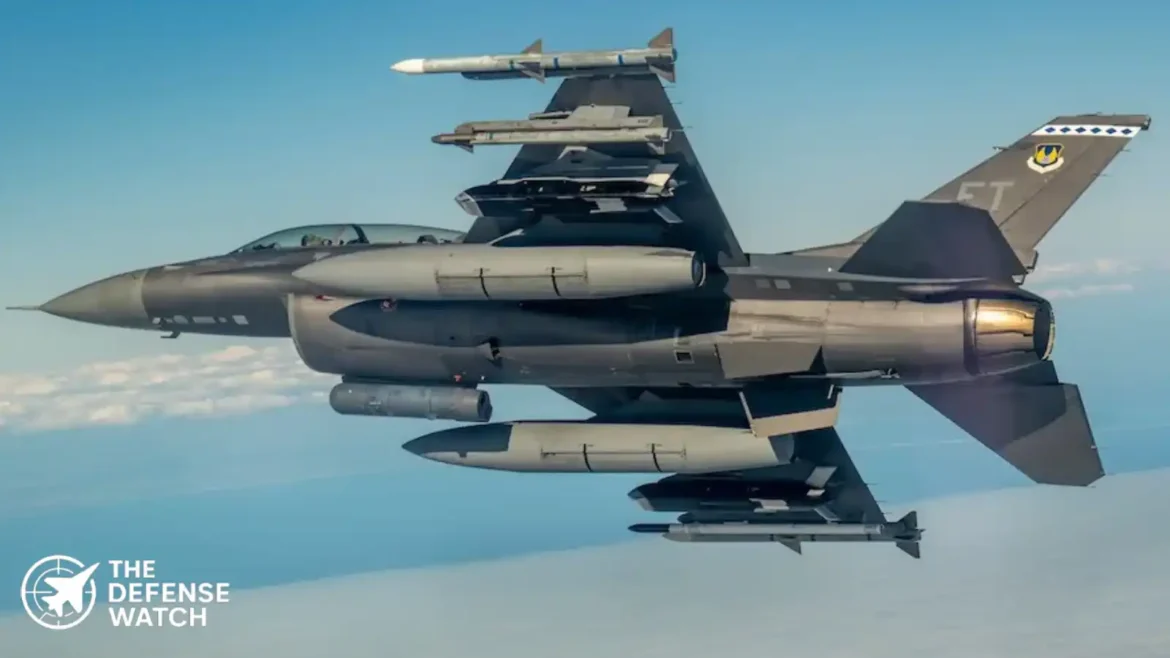
The U.S. Air Force F-16 has successfully undergone rapid integration work for a new munition, according to reporting from Defence Industry Europe. The effort underscores how the service continues to modernize proven fighter fleets through accelerated weapons testing rather than relying only on new aircraft procurement.
- U.S. Air Force test teams rapidly integrated a new munition onto the F-16 platform.
- Work focused on software, carriage, release, and compatibility testing.
- Faster integration improves combat flexibility during high demand operations.
- F-16 remains one of the most widely used U.S. and allied fighter aircraft.
- Upgrade shows legacy fighters can gain new capability without waiting for new airframes.
The Big Picture
The U.S. military faces simultaneous pressure to sustain readiness in Europe, the Middle East, and the Indo-Pacific. That environment has increased demand for adaptable aircraft that can carry multiple weapon types with minimal delay.
The F-16 remains central to that strategy. While fifth-generation fighters receive most public attention, large numbers of F-16s still perform air defense, close air support, suppression of enemy air defenses, and precision strike missions. Rapidly adding new munitions gives commanders more options at lower cost.
What’s Happening
The source report states that a U.S. Air Force test team completed fast-paced work to integrate a new munition with the F-16. Such programs usually involve several stages:
- Aircraft software updates
- Flight safety certification
- Carriage and separation testing
- Weapon guidance interface checks
- Live or simulated release trials
- Operational suitability reviews
These steps are essential because even capable weapons require platform-specific validation before frontline use.
The Air Force often conducts this work through developmental test units in partnership with industry and operational squadrons.
Why It Matters
Weapons integration speed can matter as much as aircraft performance. A fighter with an open, adaptable architecture can adopt new weapons faster than one requiring long redesign cycles.
That gives the F-16 three major advantages:
1. Lower-cost modernization
Adding weapons can extend service life without buying entirely new aircraft.2. Mission flexibility
Units can tailor loadouts for air defense, bunker strike, maritime attack, or battlefield interdiction.3. Allied interoperability
Many partner nations operate F-16 fleets. Once a weapon is integrated and approved, export users may eventually pursue similar upgrades.Strategic Implications
The F-16 still serves in U.S. Air National Guard units, active-duty formations, aggressor roles, and foreign military fleets. Any new munition integrated onto the aircraft potentially strengthens coalition airpower.
In Europe, upgraded F-16 fleets improve NATO depth and readiness. In the Middle East, they offer responsive strike capability with established logistics chains. In the Indo-Pacific, dispersed air operations favor aircraft with broad weapons compatibility and mature sustainment networks.
Rapid integration also signals that the Pentagon wants shorter acquisition cycles. That trend reflects lessons learned from recent conflicts where battlefield needs evolve faster than traditional procurement timelines.
Competitor View
China and Russia closely monitor U.S. efforts to improve legacy aircraft lethality. Both countries invest in layered air defenses, electronic warfare, and long-range missiles designed to complicate Western air operations.
A more flexible F-16 armed with modern stand-off or precision munitions complicates that planning. It means adversaries must account not only for stealth aircraft, but also for large fleets of upgraded fourth-generation fighters carrying effective weapons.
Regional rivals in other theaters may draw the same conclusion.
What To Watch Next
Several next steps will determine the program’s long-term value:
- Operational squadron fielding timelines
- Whether allied F-16 users adopt the same weapon
- Additional software block upgrades
- Integration with targeting pods and data links
- Production rates for the munition itself
If rollout occurs quickly, the F-16 could gain near-term combat relevance beyond previously planned timelines.
Capability Gap
The core weakness this kind of program addresses is inventory lag. Aircraft often remain in service longer than their original weapons architecture anticipated.
Rapid integration closes the gap between available aircraft and emerging weapons. It also helps offset limited numbers of newer fighters such as the F-35.
A realistic limitation remains survivability in heavily defended airspace. Even with advanced weapons, non-stealth aircraft still require tactics, escort support, electronic warfare, or stand-off employment.
The Bottom Line
Rapidly arming the F-16 with new munitions shows the U.S. Air Force can generate meaningful combat power now, not years from now.
Portuguese F-16 Baltic Mission Expands NATO Air Defense Coverage
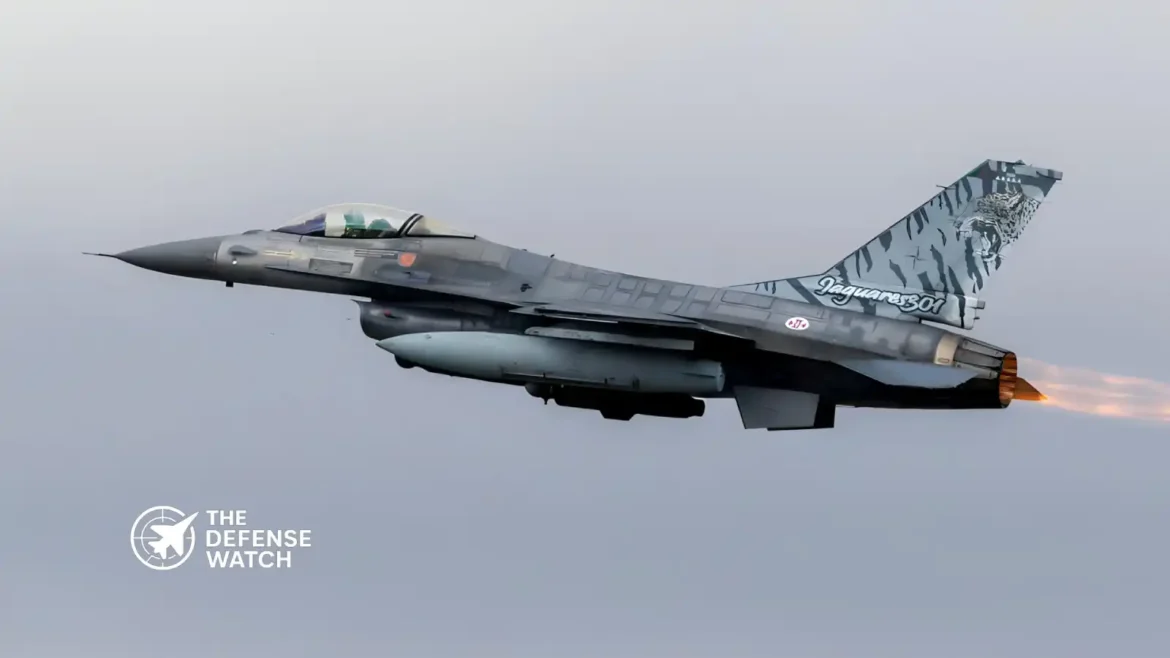
The Portuguese F-16 Baltic mission has officially begun, with Portugal deploying fighter aircraft to take over NATO’s Baltic Air Policing role, ensuring continuous protection of allied airspace along the alliance’s northeastern flank.
Portugal’s contribution reflects NATO’s ongoing rotational model, where member states provide air policing capabilities to Estonia, Latvia, and Lithuania, countries without their own fighter fleets.
- Portuguese Air Force F-16s assume NATO Baltic Air Policing duties.
- Deployment includes fighter aircraft, personnel, and support infrastructure.
- Mission reinforces NATO’s deterrence posture against Russian air activity.
- Rotation-based deployment ensures continuous airspace security over Baltic states.
- Highlights growing operational burden-sharing among NATO allies.
The Big Picture
NATO’s Baltic Air Policing mission remains a cornerstone of alliance deterrence in Eastern Europe. Since its launch in 2004, the mission has expanded in both scale and urgency, particularly after Russia’s actions in Ukraine and increased military activity near NATO borders.
The alliance relies on rotational deployments to maintain a persistent presence in the Baltic region. This approach distributes operational responsibilities across member states while signaling collective defense commitments under Article 5.
Portugal’s latest deployment underscores how smaller NATO members continue to play a meaningful role in high-priority missions traditionally dominated by larger air forces.
What’s Happening
Portugal has deployed a detachment of F-16 fighter jets, along with pilots, ground crews, and support personnel, to assume responsibility for Baltic Air Policing.
The aircraft are tasked with:
- Monitoring Baltic airspace
- Conducting quick reaction alert (QRA) missions
- Intercepting unidentified or non-compliant aircraft
The deployment follows a scheduled rotation, replacing another NATO contingent. These rotations typically last several months and operate from forward bases in the Baltic region.
The mission operates under NATO command and integrates seamlessly with allied air defense networks, including radar and command-and-control systems.
Why It Matters
The Portuguese F-16 Baltic mission directly contributes to NATO’s ability to maintain uninterrupted air sovereignty over vulnerable member states.
The Baltic region lacks indigenous fighter aircraft, making external support essential. Without these deployments, NATO would face a significant surveillance and interception gap along a sensitive frontier.
Portugal’s participation demonstrates several key trends:
- Increased operational tempo for NATO air forces
- Broader participation from smaller allies
- Sustained emphasis on air policing as a deterrence tool
F-16 platforms remain highly relevant in this role due to their reliability, interoperability, and proven air-to-air capabilities.
Strategic Implications
Portugal’s deployment strengthens NATO’s layered deterrence posture in Northern and Eastern Europe.
The mission provides:
- Immediate response capability against airspace violations
- Visible military presence near Russia’s western border
- Integration with broader NATO air and missile defense architecture
Persistent air policing also reduces escalation risks. By intercepting and identifying aircraft early, NATO minimizes ambiguity and avoids miscalculation.
This deployment reinforces alliance cohesion. It shows that collective defense responsibilities are shared, not concentrated among a few major powers.
Competitor View
Russia closely monitors NATO air policing operations in the Baltic region. Moscow has historically criticized these deployments, framing them as provocative.
However, NATO maintains that the mission is defensive and transparent. Aircraft involved in Baltic Air Policing operate under strict rules of engagement and do not conduct offensive operations.
From a strategic standpoint, Russia likely views Portugal’s participation as part of a broader pattern of NATO normalization of forward presence. The consistent rotation of allied aircraft signals long-term commitment rather than temporary surge activity.
What To Watch Next
Future rotations will continue to test NATO’s ability to sustain high readiness across multiple theaters.
Key developments to monitor include:
- Integration of newer platforms such as fifth-generation fighters
- Expansion of air policing into enhanced air defense roles
- Increased coordination with ground-based air defense systems
NATO may also adapt the mission as regional threats evolve, potentially incorporating more advanced surveillance and electronic warfare capabilities.
Capability Gap
The Portuguese F-16 Baltic mission addresses a critical gap in sovereign air defense for the Baltic states.
Without this mission:
- Estonia, Latvia, and Lithuania would lack interception capability
- NATO response times would increase significantly
- Airspace monitoring would rely heavily on distant assets
However, limitations remain. F-16s provide strong air policing capability but are not a substitute for a fully layered air defense system that includes long-range missile defense and integrated sensors.
The mission ensures immediate coverage but does not eliminate the region’s reliance on allied support.
The Bottom Line
Portugal’s F-16 deployment reinforces NATO’s ability to maintain continuous, credible air defense in the Baltic region while strengthening alliance burden-sharing and deterrence.
- Greece approved a new air defense system acquisition alongside F-16 upgrades.
- The F-16 fleet will be upgraded to advanced configurations with improved avionics and combat systems.
- The move strengthens NATO’s southeastern flank amid tensions in the Eastern Mediterranean.
- The program reflects long-term defense investment priorities and modernization timelines.
- Greece aims to build a layered, interoperable air defense network integrated with allied systems.
Greece Air Defense System Purchase And F-16 Upgrade
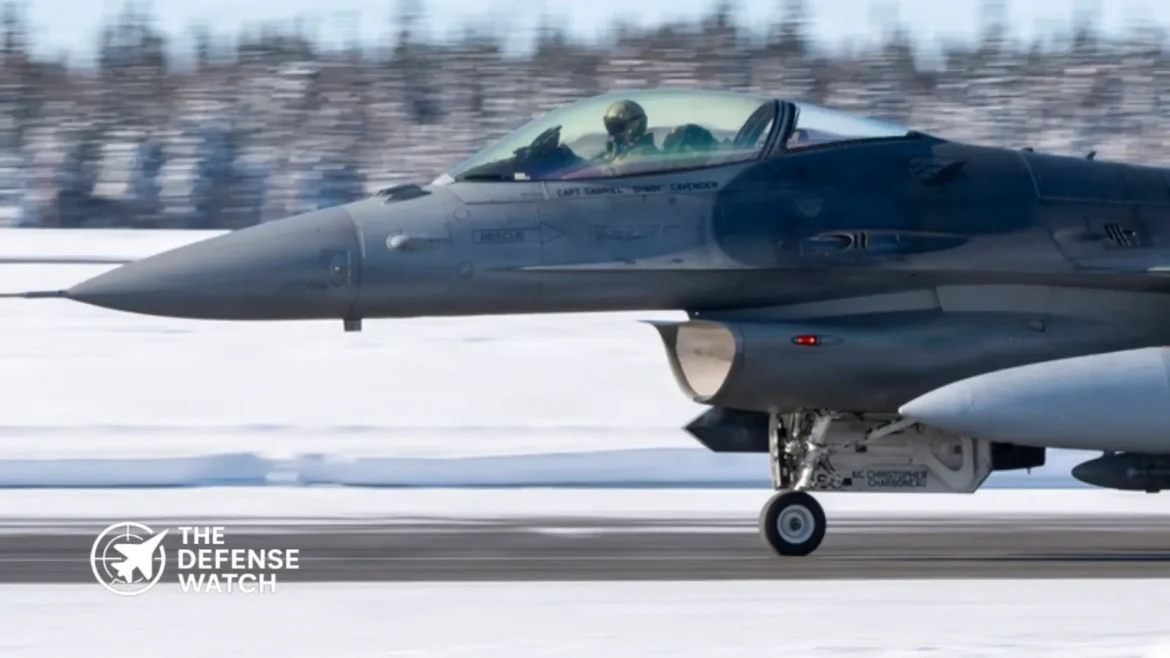
Greece air defense system purchase and F-16 upgrade plans have been formally approved, marking a significant step in Athens’ ongoing military modernization effort and reinforcing its role within NATO’s southern defense architecture.
The decision reflects a coordinated approach to upgrading both ground-based air defense and tactical airpower, addressing evolving regional threats and capability gaps.
The Big Picture
Greece continues to position itself as a key security provider in the Eastern Mediterranean, a region shaped by persistent geopolitical friction, contested airspace, and expanding missile threats.
NATO has emphasized integrated air and missile defense as a priority, particularly along its southeastern flank. Greece’s modernization aligns with broader alliance goals to enhance interoperability, early warning capabilities, and rapid response readiness.
The move also comes as European states increase defense spending following Russia’s actions in Ukraine and ongoing instability across the Middle East.
What’s Happening
Greek lawmakers approved the procurement of a new air defense system and the modernization of the country’s F-16 fighter fleet, according to reporting from Reuters.
The program includes upgrades to existing F-16 aircraft, bringing them closer to advanced configurations with improved radar systems, mission computers, and network-centric capabilities.
The air defense acquisition aims to enhance Greece’s ability to detect, track, and intercept aerial threats, including aircraft, drones, and potentially cruise missiles.
The approvals were finalized in March 2026, with implementation expected to unfold over multiple years.
Why It Matters
The Greece air defense system purchase directly addresses the growing complexity of modern aerial threats. Regional actors increasingly rely on unmanned systems, precision-guided munitions, and stand-off weapons, which challenge legacy air defense networks.
Upgrading the F-16 fleet ensures Greece maintains a credible air superiority and strike capability. Modernized fighters equipped with advanced sensors and data links can operate effectively in contested environments and integrate with allied forces.
The combination of air defense and fighter upgrades creates a layered defense structure, improving survivability and operational flexibility.
Strategic Implications
Greece’s modernization enhances deterrence in the Eastern Mediterranean by increasing both defensive depth and offensive reach.
A modernized F-16 fleet improves rapid response capability, allowing Greece to patrol contested airspace and respond to incursions more effectively. At the same time, advanced air defense systems strengthen homeland protection and critical infrastructure security.
The integration of these systems into NATO frameworks also boosts alliance cohesion. Greece can contribute more effectively to joint operations, including air policing and missile defense missions.
The move reinforces Greece’s strategic value as a frontline NATO member bordering volatile regions.
Competitor View
Regional rivals, particularly Turkey, are likely to view the Greece air defense system purchase and F-16 upgrade as part of a broader military balancing effort.
Turkey has pursued its own air defense capabilities and fighter modernization programs, including indigenous platforms and missile systems. Greece’s upgrades could influence procurement decisions and operational planning in Ankara.
Russia may interpret the move as further consolidation of NATO’s integrated defense network near its periphery, particularly given the alliance’s emphasis on missile defense and interoperability.
Iran and other regional actors will likely note the strengthening of Western-aligned defense capabilities in the Eastern Mediterranean, though the direct impact remains limited to the regional balance.
What To Watch Next
Implementation timelines will be critical. Observers should monitor contract awards, system selection details, and integration milestones for the air defense component.
F-16 upgrade schedules, including delivery timelines and operational readiness milestones, will indicate how quickly Greece can field enhanced capabilities.
Joint exercises with NATO partners will also serve as a key indicator of how effectively these systems integrate into alliance operations.
Capability Gap
Greece has faced limitations in both legacy air defense coverage and the aging capabilities of parts of its fighter fleet.
Older systems struggle to counter low-observable threats, drones, and high-speed precision weapons. The new air defense system aims to close these gaps by improving detection range, tracking accuracy, and interception capability.
However, challenges remain. Integration across different platforms and maintaining readiness levels will require sustained investment, training, and logistical support.
Upgrading F-16s extends their service life, but it does not fully replace the need for next-generation platforms in the long term.
The Bottom Line
Greece’s approval of a new air defense system and F-16 upgrades marks a decisive step toward a more integrated, resilient, and NATO-aligned defense posture in a contested region.
- Belgium is testing laser-guided rockets on F-16 fighter jets to intercept small drones.
- Trials involve precision-guided rocket systems designed to engage low-cost aerial threats.
- The effort reflects NATO’s growing focus on countering unmanned aerial systems.
- Testing supports operational evaluation of cost-effective air defense options.
- Results may influence future European counter-drone defense strategies.
Belgium Trials F-16 Laser-Guided Rockets For Counter-UAS Missions
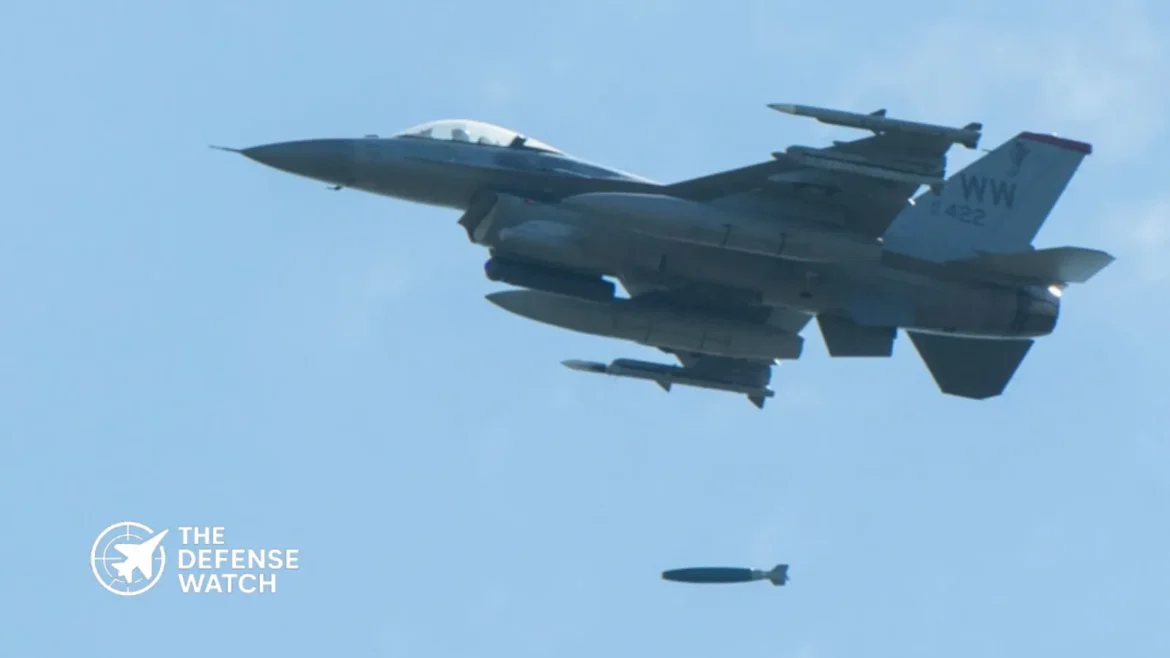
Belgium F-16 laser-guided rockets are being tested as part of a counter-UAS capability effort aimed at addressing the growing threat posed by small unmanned aerial systems. The Belgian Air Force is evaluating the use of precision-guided rockets launched from its F-16 fighter aircraft to intercept hostile drones at a lower cost than traditional air-to-air missiles.
The initiative reflects a broader shift across NATO militaries toward scalable counter-drone solutions as unmanned systems proliferate on modern battlefields.
The Big Picture
Small drones have become a defining feature of modern warfare. Conflicts in Ukraine and the Middle East have demonstrated how low-cost unmanned systems can disrupt conventional military operations.
NATO air forces traditionally rely on advanced air-to-air missiles to engage aerial targets. These weapons are highly effective against aircraft but can prove inefficient against small drones due to cost and target size.
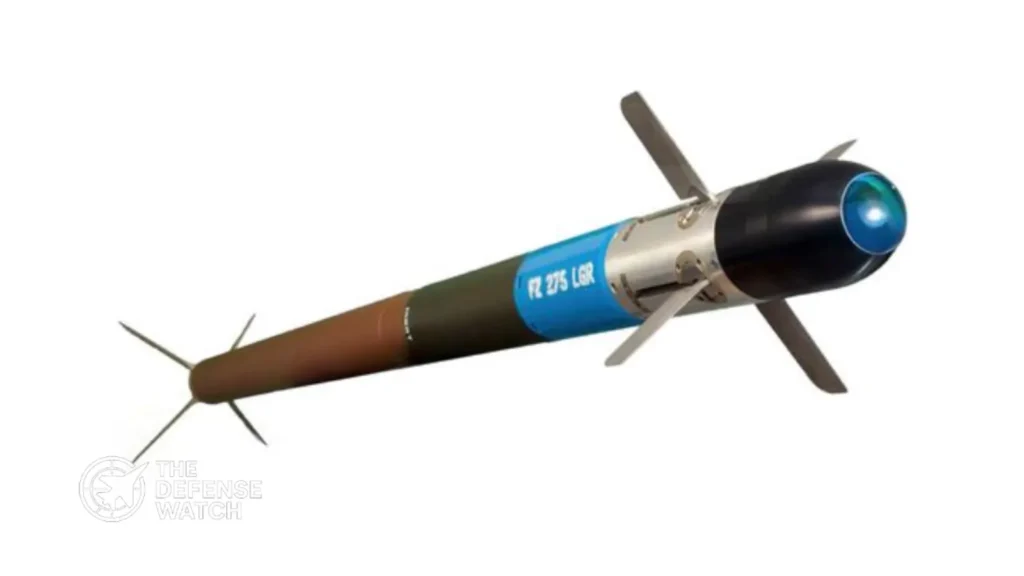
Belgium is trialling the use of the Forges de Zeebrugge (FZ)/Thales FZ275 70 mm laser-guided rocket (LGR) for the C-UAS role, evaluating the weapon aboard its F-16 combat aircraft. (Forges de Zeebrugge (FZ)/Thales)
A single missile can cost hundreds of thousands of dollars. Many small drones cost only a few thousand dollars or less.
This mismatch has driven NATO militaries to explore alternative interception methods, including laser-guided rockets, electronic warfare systems, and directed-energy weapons.
Belgium’s F-16 counter UAS capability trials fall directly within this broader effort to develop cost-effective drone defense tools.
What’s Happening
The Belgian Air Force recently conducted trials using laser-guided rockets mounted on F-16 fighter aircraft to engage unmanned aerial targets.
The testing evaluates whether these precision-guided rockets can reliably intercept small drones during flight operations.
The rocket systems are based on a concept that converts unguided 70 mm rockets into precision-guided weapons using laser guidance kits. Pilots can designate a target with a laser system, allowing the rocket to home in with improved accuracy.
According to defense reporting, the Belgian Air Force aims to determine whether this approach provides a viable counter-UAS capability for operational use.
Testing involves simulated engagements against aerial targets representing small unmanned systems.
The trials support ongoing NATO experimentation with layered counter-drone defenses.
Why It Matters
Laser-guided rockets offer a significantly cheaper interception method than traditional air-to-air missiles.
An air-to-air missile like the AIM-120 AMRAAM can cost more than one million dollars depending on the variant. In contrast, guided rocket systems are far less expensive.
This cost difference becomes critical when confronting large numbers of low-cost drones.
Military planners increasingly expect future conflicts to involve drone swarms, loitering munitions, and reconnaissance UAVs operating simultaneously.
Using fighter aircraft armed with laser-guided rockets could provide a flexible airborne defense layer capable of neutralizing these threats before they reach critical infrastructure or frontline forces.
For NATO air forces operating legacy fighter platforms such as the F-16, the approach also extends the utility of existing aircraft fleets.
Strategic Implications
Belgium’s experiment highlights an emerging trend in NATO airpower doctrine.
Air forces are adapting traditional fighter aircraft roles to address new threat environments dominated by unmanned systems.
Airborne counter-UAS missions could complement ground-based defenses such as short-range air defense systems and electronic warfare units.
Fighter aircraft equipped with laser-guided rockets could patrol high-risk areas and intercept drones before they approach sensitive locations such as military bases, ports, or critical infrastructure.
The concept also supports NATO’s layered air defense strategy, which integrates multiple sensors and interceptors across different ranges and altitudes.
If proven effective, the Belgium F-16 laser-guided rockets approach could influence similar programs across other NATO members that still operate F-16 fleets.
Competitor View
Russia and China have both invested heavily in unmanned systems and counter-drone technologies.
Military analysts note that adversaries are closely observing NATO efforts to address drone threats.
Russia’s extensive use of drones in Ukraine has highlighted both the tactical value of unmanned systems and the difficulty of defending against them.
China has also expanded production of small UAVs and loitering munitions while researching integrated air defense solutions against drone swarms.
NATO’s exploration of cost-efficient counter-UAS tools may therefore influence future competition in drone warfare technologies.
Affordable interception methods could become a critical factor in maintaining operational advantage against large-scale drone deployments.
What To Watch Next
The Belgian Air Force will likely continue operational evaluations to determine whether the rocket-based counter-UAS system meets reliability and accuracy requirements.
Future testing phases may focus on several factors:
• engagement success rates against different drone types
• integration with targeting sensors
• pilot workload and operational procedures
• compatibility with NATO air defense networksResults from these trials could inform procurement decisions or operational doctrine within NATO air forces.
Belgium is also transitioning its combat aviation fleet toward the F-35 fighter aircraft in the coming years, which may open additional options for integrating advanced counter-drone technologies.
Capability Gap
The Belgium F-16 laser-guided rockets initiative addresses a clear capability gap.
Traditional air defense systems are optimized for larger aircraft and cruise missiles. Small drones present a different challenge due to their size, maneuverability, and low radar signatures.
Using high-end missiles to intercept inexpensive drones is operationally unsustainable during prolonged conflicts.
Laser-guided rockets offer a potential solution by combining precision with lower cost.
However, limitations remain.
Rocket engagement ranges are shorter than those of air-to-air missiles. Weather conditions and laser designation requirements may also affect effectiveness in certain environments.
Operational testing will determine whether the system can reliably perform under realistic combat conditions.
The Bottom Line
Belgium’s F-16 laser-guided rocket trials highlight NATO’s growing focus on affordable, scalable counter-drone defenses as unmanned threats reshape modern air warfare.

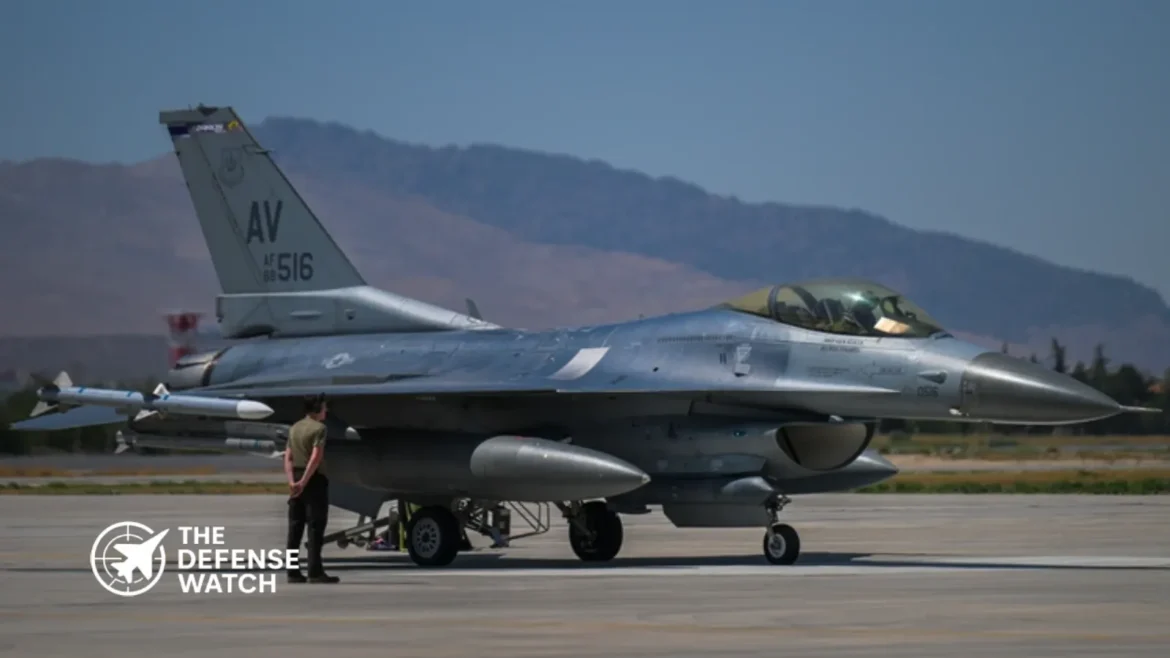
- Turkey has deployed six F-16 fighter jets to the Turkish Republic of Northern Cyprus to strengthen regional security.
- The deployment includes additional air defense systems to enhance protection of the island’s northern sector.
- The move follows a drone attack on Cyprus linked to escalating Middle East tensions.
- Greek forces previously deployed F-16 aircraft to the southern part of the island, raising military activity in the region.
- The deployment highlights growing strategic competition in the Eastern Mediterranean airspace.
Turkey F-16 Northern Cyprus Deployment Signals New Security Posture
The Turkey F-16 Northern Cyprus deployment marks a significant escalation in military activity around the divided Mediterranean island, as Ankara moves to strengthen the security of the Turkish Cypriot territory amid growing regional tensions.
(adsbygoogle = window.adsbygoogle || []).push({});According to officials cited by Reuters, Turkey has sent six F-16 fighter jets and supporting air defense systems to the Turkish Republic of Northern Cyprus (TRNC), a self-declared state recognized only by Ankara.
The deployment follows a series of regional security developments, including a drone strike on Cyprus linked to broader hostilities in the Middle East.
The Big Picture
Eastern Mediterranean security dynamics have shifted rapidly over the past decade as regional rivalries, energy competition, and military modernization reshape the balance of power.
Cyprus sits at the center of this evolving strategic landscape. The island hosts key military installations, including British sovereign bases used by NATO forces, and lies close to critical maritime routes connecting Europe, the Middle East, and North Africa.
The island has been divided since 1974 following a Turkish military intervention after a coup backed by Greece. Today, the internationally recognized Republic of Cyprus controls the south, while the Turkish-backed TRNC governs the north.
Military activity around the island has intensified as regional conflicts spill into the Eastern Mediterranean. Several countries, including Greece and European partners, have recently increased defense cooperation with the Republic of Cyprus.
Turkey’s decision to deploy fighter aircraft to Northern Cyprus reflects its intent to maintain a strong security presence in the region and protect the Turkish Cypriot community.
What’s Happening
Turkish authorities confirmed that six F-16 fighter jets have been deployed to Northern Cyprus as part of what officials described as a phased security response to recent developments in the region.
(adsbygoogle = window.adsbygoogle || []).push({});The aircraft are expected to operate from facilities near Ercan Airport, the main airfield in the northern part of the island.
Officials said the deployment will not disrupt civilian aviation operations and commercial flights will continue normally.
The move comes shortly after a drone attack struck a British military base in Cyprus, an incident linked to the broader escalation following military operations involving the United States, Israel, and Iran.
Greece had already deployed several of its own F-16 fighter jets to the southern part of Cyprus, further increasing military activity in the area.
Ankara has stated that the deployment forms part of a broader strategy to ensure the security of the TRNC and that additional measures could follow depending on how the regional situation evolves.
Why It Matters
The deployment of Turkish F-16 fighter jets to Northern Cyprus significantly improves Ankara’s ability to respond quickly to potential threats in the Eastern Mediterranean.
Operating fighter aircraft directly from the island dramatically reduces response times compared with aircraft flying from mainland Turkey. This allows faster interception of drones, missiles, or hostile aircraft approaching the area.
The move also reinforces Turkey’s air defense coverage around strategic maritime zones that are central to ongoing disputes over energy exploration and maritime boundaries.
Cyprus lies near several major offshore gas fields discovered in the Eastern Mediterranean, making control of surrounding airspace an increasingly important element of regional power projection.
By placing fighter jets on the island, Turkey strengthens both deterrence and surveillance capabilities in a region where military incidents have become more frequent.
Strategic Implications
Turkey’s deployment of F-16 aircraft introduces a new layer of military capability into an already complex security environment.
(adsbygoogle = window.adsbygoogle || []).push({});The Eastern Mediterranean has become a strategic crossroads where NATO allies, European Union members, and regional powers maintain overlapping military interests.
Ankara’s decision to forward deploy fighter aircraft may serve several operational objectives:
First, it creates a rapid reaction air defense capability near potential threat vectors originating from the Middle East.
Second, it increases Turkish air presence near maritime zones contested between Turkey, Greece, and Cyprus.
Third, it reinforces Turkey’s commitment to defending the Turkish Cypriot administration, which Ankara views as essential to its regional strategy.
From a military perspective, the deployment also enhances air patrol coverage over sea lanes connecting the Levant, Suez Canal routes, and Southern Europe.
Competitor View
Regional actors are likely to interpret the Turkish F-16 deployment through the lens of broader geopolitical competition in the Eastern Mediterranean.
Greece and Cyprus have strengthened defense cooperation with European partners and Israel in recent years, conducting joint exercises and expanding security agreements.
The presence of Turkish fighter aircraft in Northern Cyprus could therefore be viewed in Athens and Nicosia as an attempt by Ankara to consolidate military control over northern airspace.
Iran and other Middle Eastern actors may interpret the move differently, seeing it as a defensive step by Turkey to shield strategic territory from spillover effects of regional conflict.
For NATO planners, the situation highlights the complex dynamic of alliance members maintaining competing security positions in the same region.
What To Watch Next
Several developments will determine how this situation evolves in the coming months.
First, analysts will monitor whether Turkey rotates additional aircraft or expands air defense deployments on the island.
Second, regional partners may increase their own military presence in Cyprus, particularly through joint exercises or temporary deployments.
(adsbygoogle = window.adsbygoogle || []).push({});Third, NATO and European Union diplomacy could intensify to prevent further escalation between regional actors.
Another key indicator will be whether Ankara upgrades infrastructure at Northern Cyprus airbases to support longer-term fighter deployments.
Capability Gap
The deployment addresses a key operational gap in Turkey’s regional air defense posture.
Before the move, fighter aircraft responding to threats near Cyprus would typically launch from bases in southern Turkey, requiring longer flight times and reducing on-station endurance.
Forward basing F-16 aircraft on the island shortens response times significantly, especially against low-flying drones or cruise missiles.
However, the deployment also has limitations.
Six aircraft provide a modest defensive capability and would primarily support air policing and interception missions rather than sustained high-intensity air operations.
Maintaining a continuous air defense posture would require additional aircraft rotations, ground support infrastructure, and integrated radar coverage.
The Bottom Line
Turkey’s deployment of F-16 fighter jets to Northern Cyprus strengthens its regional deterrence posture and signals a more permanent Turkish airpower presence in the Eastern Mediterranean.
Newer Posts