Executive Summary
NATO’s Ramstein Flag 26 exercise demonstrated the ability of U.S. Air Force F-35A fighters and allied fifth-generation aircraft to conduct distributed combat operations across Europe. The exercise involved more than 200 aircraft from 18 nations and tested critical capabilities including integrated air and missile defense, intelligence sharing, and Agile Combat Employment across NATO’s northern and southern regions.
F-35A Demonstrates Long-Range NATO Combat Reach Across Europe
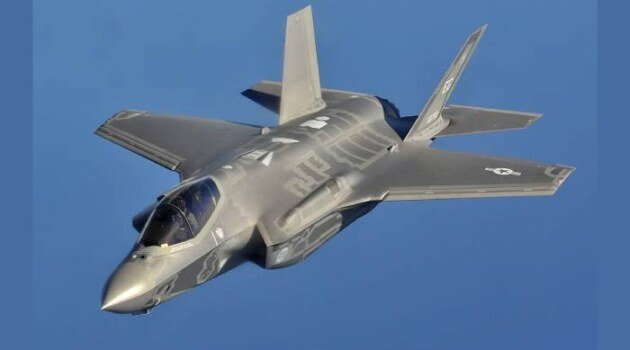
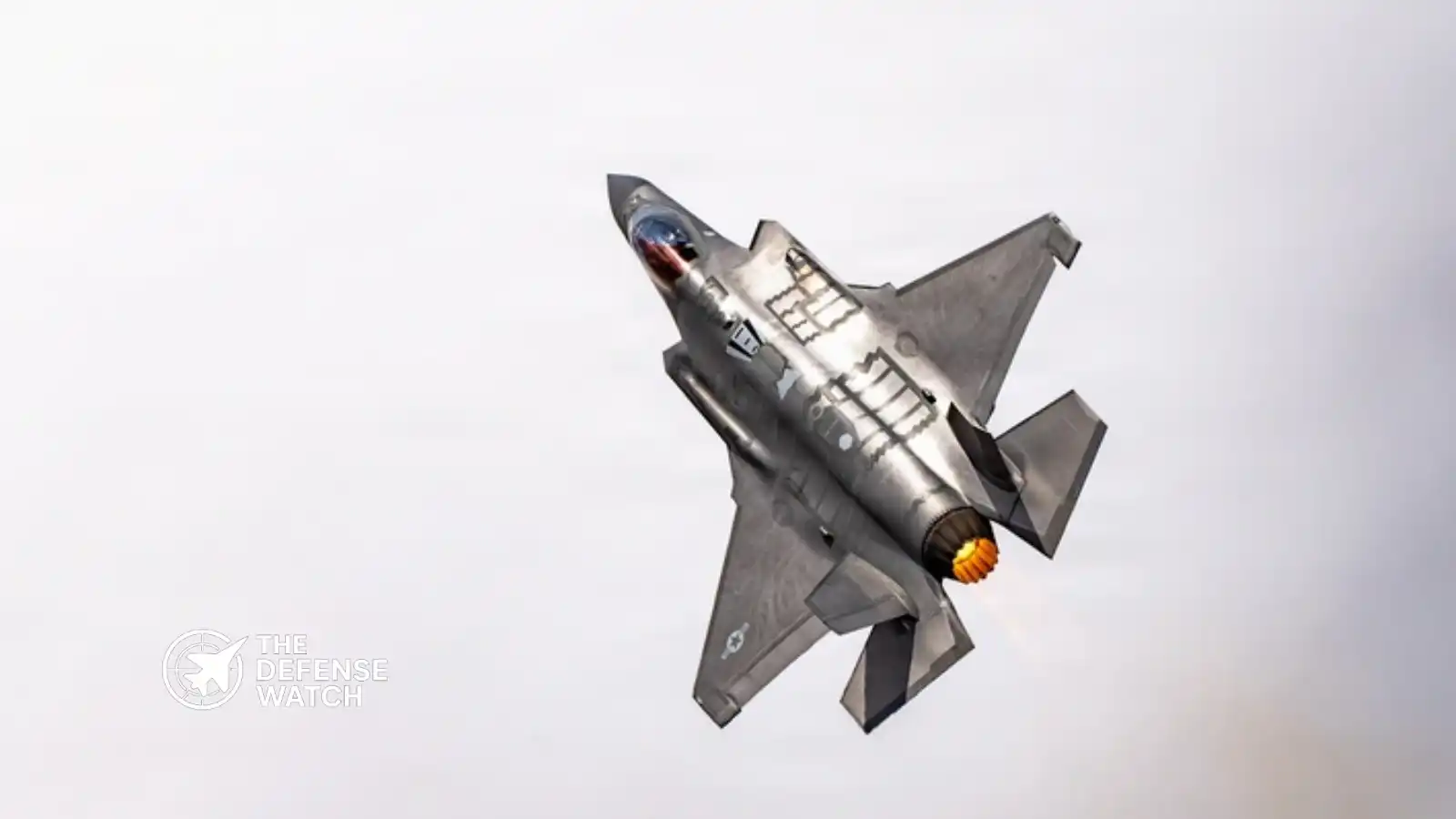
The F-35A Lightning II took center stage during NATO’s Ramstein Flag 26 exercise as aircraft from the U.S. Air Force’s 48th Fighter Wing operated alongside allied fifth-generation fighter fleets across a vast European battlespace.
According to NATO Allied Air Command and U.S. Air Force officials, the exercise ran from June 8 to June 19 and involved more than 200 aircraft operating from over 20 locations across 12 countries, stretching from Norway to Spain. The large-scale event was designed to validate NATO’s ability to generate combat airpower across dispersed locations while maintaining operational coordination in a high-threat environment.
At Pirkkala Air Base in Finland, more than 200 personnel from the 48th Fighter Wing’s 493rd Fighter Squadron deployed with F-35A aircraft to participate in the exercise. The deployment formed part of NATO’s broader effort to integrate advanced airpower capabilities across the alliance’s northern flank.
Ramstein Flag 26 Tests NATO’s Distributed Airpower Model
Ramstein Flag has evolved into one of NATO’s premier operational air exercises. In 2026, it became the first edition planned and executed under direct leadership of NATO Allied Air Command, reflecting the alliance’s growing emphasis on integrated multinational operations.
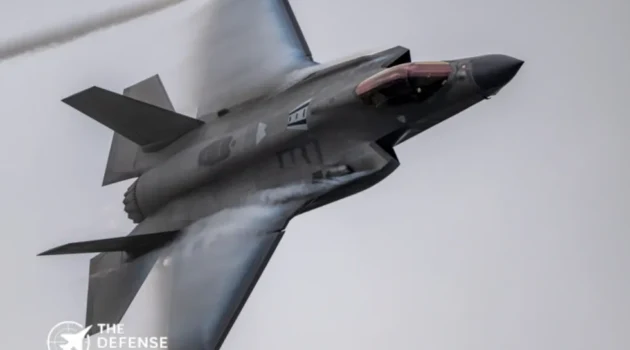
The exercise brought together F-35 operators from the United States, Denmark, Italy, and Norway. Additional allied aircraft, airborne surveillance platforms, and remotely piloted systems participated in complex missions focused on collective defense.
Key exercise objectives included:
Mission Area Operational Purpose Integrated Air and Missile Defense (IAMD) Coordinating air and missile defense across allied forces Intelligence and Data Sharing Enhancing real-time information exchange Counter Anti-Access/Area Denial (C-A2AD) Defeating enemy air defense networks Agile Combat Employment (ACE) Sustaining combat operations from dispersed locations Multinational Interoperability Integrating aircraft and command systems across NATO During peak operations, NATO reported more than 120 aircraft flying simultaneously and generating over 150 sorties daily.
Why The F-35A Was Central To The Exercise
The F-35’s role extended beyond traditional fighter missions.
NATO officials emphasized that the aircraft’s advanced sensors, secure data-sharing capabilities, and survivability features allow it to function as a critical node within a larger allied combat network. Rather than operating independently, F-35s distribute targeting and threat information to other aircraft, commanders, and air defense systems.
This network-centric approach is increasingly important as NATO prepares for potential high-intensity conflicts involving advanced air defense systems and long-range precision weapons.
The exercise specifically evaluated how F-35 formations could support the alliance’s 360-degree Integrated Air and Missile Defense architecture. NATO views this capability as essential for protecting allied territory, military forces, and civilian populations against evolving threats.
Agile Combat Employment Takes Center Stage
One of the most significant aspects of Ramstein Flag 26 was the validation of Agile Combat Employment concepts.
ACE is a U.S. Air Force and NATO operational model that disperses aircraft, personnel, and support equipment across multiple locations rather than concentrating forces at a few major air bases. The approach seeks to complicate enemy targeting and increase survivability during conflict.
For the 48th Fighter Wing, the exercise tested the ability to sustain F-35 combat operations from geographically separated sites while maintaining high sortie generation rates.
The concept has become increasingly relevant as NATO studies lessons from recent conflicts where fixed airfields and logistics hubs have become vulnerable to long-range missile attacks and drone strikes. Ramstein Flag provided an opportunity to evaluate how dispersed operations could maintain combat effectiveness across large distances.
Strategic Importance For NATO’s Northern Flank
The deployment of U.S. and allied F-35 aircraft to Finland highlights the growing strategic importance of Northern Europe following Finland’s accession to NATO.
Operating from Finnish territory provides the alliance with additional options for force dispersal and rapid response in the Baltic and Arctic regions. The country’s longstanding expertise in dispersed aviation operations, including highway strip operations, offers valuable lessons for NATO air forces adapting to modern threats.
The exercise also demonstrated the increasing density of F-35 operators within NATO. As more member states field fifth-generation aircraft, the alliance gains the ability to create multinational formations that share common systems, tactics, and data networks.
This growing interoperability represents one of the most significant shifts in NATO airpower since the alliance’s post-Cold War transformation.
Analysis: What Ramstein Flag 26 Reveals About Future Air Warfare
Beyond routine training, Ramstein Flag 26 offered insight into how NATO expects future air campaigns to be conducted.
The exercise’s focus on distributed operations, integrated air and missile defense, and counter-A2AD missions reflects concerns about operating against sophisticated adversaries equipped with layered air defense systems, electronic warfare capabilities, and long-range precision weapons.
The F-35’s value in this environment is increasingly tied to its ability to connect allied forces rather than solely its stealth characteristics. By serving as a sensor and data-sharing platform, the aircraft enables NATO commanders to create a more comprehensive operational picture across multiple domains.
Ramstein Flag also highlighted the alliance’s effort to move beyond national air operations toward a more integrated multinational force structure. As European F-35 fleets continue to expand, NATO’s ability to conduct coordinated fifth-generation operations across large geographic areas is expected to become a central pillar of allied deterrence strategy.
For the United States, the participation of the 48th Fighter Wing reinforces the role of forward-based F-35 units in Europe as a critical component of NATO’s rapid response and collective defense posture. The exercise demonstrated that these forces can quickly integrate with allied aircraft and operate across dispersed locations while sustaining combat effectiveness under demanding conditions.