


Russian Su‑57E Reportedly Spotted in Algeria Test Flight
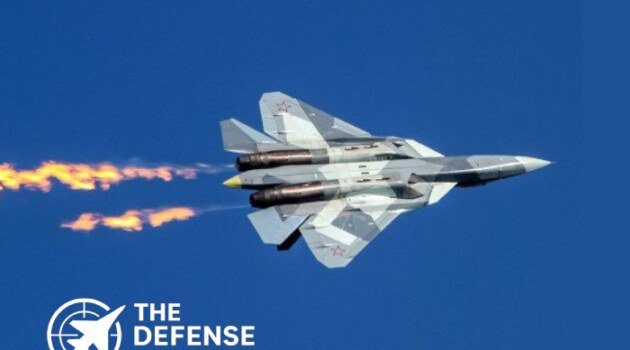
Russia’s export variant of the Su‑57 fifth‑generation fighter, the Su‑57E, has been reportedly sighted conducting a flight over Algeria, accompanied by Su‑35 fighter jets marked in Algerian Air Force colors, defense observers say. The sighting follows Algeria’s confirmed purchase of the Su‑57E, marking a major milestone in the jet’s export history.
Footage circulating on social media shows what appears to be a Su‑57E flying alongside multiple Su‑35s. The sorties are likely part of familiarization or evaluation flights as Algeria continues to integrate the new aircraft type.
First Foreign Operator Status
In 2024 Algerian authorities publicly confirmed a deal with Russia for the Su‑57E, making Algeria the first export customer for the advanced fighter jet. The contract also included other Russian combat aircraft such as the Su‑34ME and Su‑35, strengthening the North African nation’s air combat capabilities.
Previous reporting from multiple defense outlets and statements from Russian aerospace officials indicated that deliveries to an unnamed foreign partner would begin in 2025, with Algeria widely viewed as the recipient.
Su‑35s in Algerian Service
Alongside the Su‑57E sighting, high‑performance Su‑35 fighters in Algerian markings have been observed in recent months. These aircraft are believed to derive from a batch originally intended for Egypt but redirected to Algeria after the prior order was canceled. Satellite imagery and open‑source reporting show multiple Su‑35s at Algerian air bases, reinforcing earlier indications of the country’s expanding Russian‑built fleet.
The Su‑35’s presence in Algeria reflects broader modernization efforts by the Algerian Air Force and adds a capable 4.5‑generation multirole fighter to complement the Su‑30MKA fleet already in service.
Integration and Training
Reports from earlier in the procurement cycle noted that Algerian pilots were undergoing Su‑57 training in Russia as part of preparation for operational deployment. Though official details on quantities, delivery schedules, and the full scope of the deal remain limited in public sources, these training programs are a common precursor to fielding advanced combat aircraft.
Strategic Context
Algeria’s acquisition of the Su‑57E comes at a time when global demand for advanced fighter jets remains strong and competition among defense exporters is intense. The Su‑57 program’s first export sale could signal a shift in market dynamics, adding a new fifth‑generation platform outside of Western offerings. However, production rates and technical factors will shape how quickly additional jets move from Russia to Algeria.

US Navy Advances Aerial Target Fleet with Kratos Contract
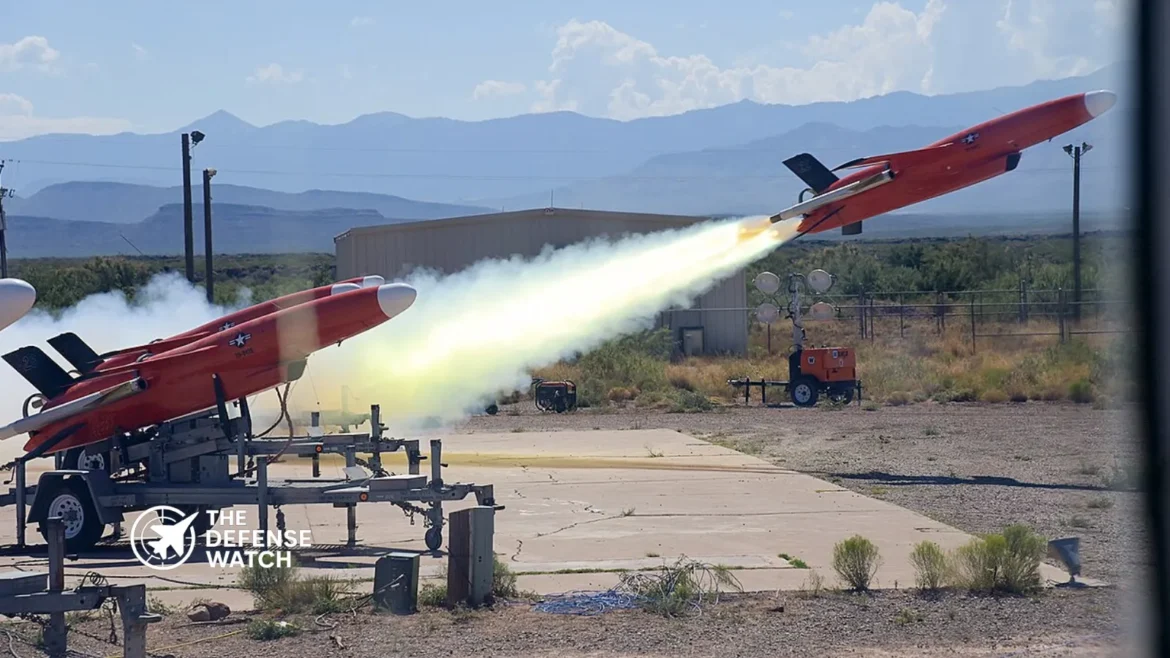
The Kratos BQM-177A Surface Launched Aerial Target program has received a major funding boost as the US Navy awards Kratos Unmanned Aerial Systems Inc. a 61,068,139 dollar contract modification for full rate production. The award supports weapons system test and evaluation and fleet training across the Navy, reinforcing the service’s ability to simulate advanced airborne threats in realistic operational environments.
(adsbygoogle = window.adsbygoogle || []).push({});Naval Air Systems Command confirmed the award on Feb. 3, 2026. The modification exercises options under a previously awarded firm fixed price contract and covers production of Lot Seven BQM-177A targets, along with 70 rocket assisted takeoff attachment kits and associated technical and administrative data.
Kratos, based in Sacramento, California, is a long standing supplier of high performance unmanned target systems to the US Department of Defense. The BQM-177A is a key element in Navy test and evaluation infrastructure, enabling air defense units, fighter squadrons, and ship crews to train against realistic, high speed aerial threats.
Full Rate Production Lot Seven Details
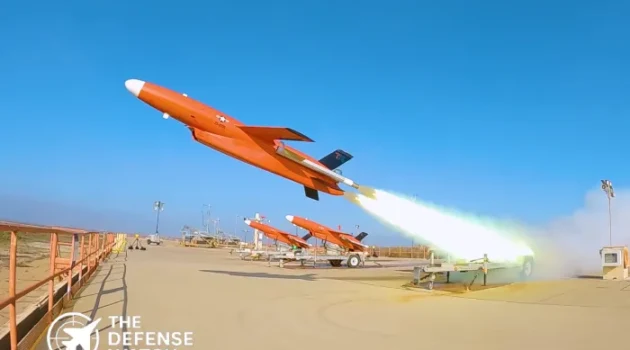
The latest contract modification authorizes full rate production of the seventh manufacturing lot of the BQM-177A Surface Launched Aerial Target. The system is designed to replicate a wide range of threat profiles, including cruise missile like targets, to support live fire exercises and system validation.
According to Navy contract documentation, the award includes
• BQM-177A aerial targets
• 70 rocket assisted takeoff attachment kits
• Technical data and administrative support materialsThese assets will be used across multiple Navy programs focused on air defense, missile interception, and sensor performance evaluation.
The Kratos BQM-177A Surface Launched Aerial Target is launched from ground based systems and is recoverable, allowing for repeated use and cost effective training cycles. Its performance envelope enables operators to stress radar systems, command and control networks, and interceptor weapons under realistic conditions.
- (adsbygoogle = window.adsbygoogle || []).push({});
Workshare and Industrial Footprint
Contracted work will be distributed across a broad US industrial base, supporting multiple states and defense manufacturing hubs. The Navy outlined the following workshare allocation
Sacramento, California accounts for approximately 50 percent of the effort.
Dallas, Texas supports about 20 percent.
Fort Walton Beach, Florida contributes 5 percent.
Blacksburg, Virginia supports 4 percent.
Santa Ana, California provides 2 percent.
Newton, Kansas provides 2 percent.
Concord, California supports 2 percent.
Milwaukie, Oregon contributes 2 percent.
Chatsworth, California accounts for 2 percent.
Various continental US locations make up the remaining 11 percent.Work under the contract is expected to continue through August 2028, aligning with Navy planning cycles for weapons testing and fleet readiness activities.
Funding Profile and Fiscal Breakdown
The contract modification obligates funding across three fiscal years under the Navy Weapons Procurement account. The funding breakdown is as follows
Fiscal year 2024 funds total 872,402 dollars.
Fiscal year 2025 funds total 3,489,608 dollars.
Fiscal year 2026 funds total 56,706,129 dollars.The Navy noted that 872,402 dollars will expire at the end of the current fiscal year. All funds are obligated at the time of award.
The contract was not competed, reflecting the specialized nature of the BQM-177A system and Kratos’ established role as the program’s prime contractor.
Role of BQM-177A in Navy Training and Test Missions
The Kratos BQM-177A Surface Launched Aerial Target plays a critical role in validating US Navy combat systems. It supports testing of
• Ship based air defense systems
• Surface to air missile interceptors
• Fighter aircraft weapons and sensors
• Integrated air and missile defense architecturesAs potential adversaries continue to invest in more capable cruise missiles and unmanned systems, realistic target drones are essential to maintaining US technological and operational advantages.
By fielding full rate production Lot Seven assets, the Navy ensures continued availability of high fidelity targets for both developmental testing and operational fleet training.
(adsbygoogle = window.adsbygoogle || []).push({});Kratos and the Broader Unmanned Systems Portfolio
Kratos Unmanned Aerial Systems Inc. has become a central player in the US military’s unmanned ecosystem, supplying target drones and tactical unmanned aircraft across multiple services. The BQM-177A program complements the company’s broader portfolio, which includes jet powered targets and attritable unmanned combat aircraft concepts.
While this award focuses strictly on aerial targets, it underscores the Pentagon’s continued reliance on industry partners to sustain test and evaluation capacity as new weapons and sensors enter service.
Naval Air Systems Command, headquartered at Patuxent River, Maryland, serves as the contracting activity for the program.
- (adsbygoogle = window.adsbygoogle || []).push({});

Northrop Grumman Lands Major Microelectronics Contract for Military Systems
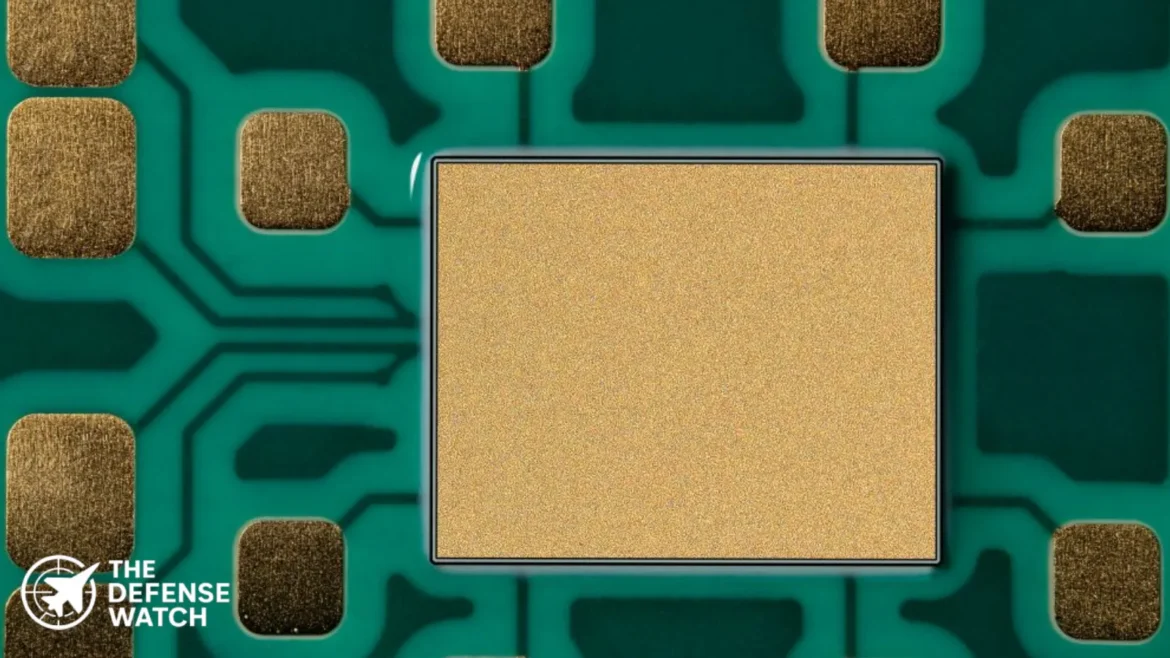
Northrop Grumman won a US defense microelectronics contract designed to speed American‑made chips into military systems, the company and US Defense Microelectronics Activity announced February 2, 2026.
(adsbygoogle = window.adsbygoogle || []).push({});The award places Northrop Grumman on the Advanced Technology Support Program V, or ATSP V, a long‑term contracting vehicle with a ceiling of about $25 billion aimed at getting domestic semiconductor technology into Department of Defense systems faster.
What the ATSP V Contract Means
The ATSP V contract is an indefinite delivery, indefinite quantity vehicle that lets the DoD and other federal agencies access advanced microelectronics engineering and manufacturing support without a full separate acquisition process for each order.
Under ATSP V, Northrop Grumman and other awardees can:
• Respond to government requests for proposals within roughly 30 days.
• Complete the work from proposal to contract award in an estimated 80 to 90 days.
Those timelines aim to shorten the time between identifying a need and delivering capable microelectronics solutions, a priority for military systems that increasingly depend on modern chips.
Boosting Domestic Microelectronics Capability
The ATSP V award supports broader US efforts to bring microelectronics design, packaging, and production into the domestic supply chain. Northrop Grumman said it has executed more than 200 task orders under similar frameworks, giving it experience in rapid integration of American‑made microelectronics for defense customers.
Lori Manley, Northrop Grumman’s ATSP V program manager, said the award demonstrates readiness to meet government demands and strengthen the US supply chain for reliable systems destined for warfighters.
The company notes that its microelectronics operations span design, fabrication, assembly, testing, and packaging, with facilities geared toward domestic production of chips and advanced components used in defense and commercial systems.
Context in US Defense Tech Procurement
ATSP V is part of a series of Department of Defense efforts to secure trusted and resilient supply lines for semiconductors, a class of components critical to everything from secure communications to weapons systems. Earlier programs have included long‑term agreements with fab partners to build trusted technologies on US soil.
(adsbygoogle = window.adsbygoogle || []).push({});Northrop Grumman joins other major defense and tech firms on this contract vehicle, which is expected to support a range of engineering activities from next‑generation manufacturing and packaging to emerging materials and processes.
Why It Matters
Semiconductors are at the heart of modern military systems, powering sensors, communications, navigation, and weapons controls. The ATSP V contract intends to deliver needed technologies at speed, helping the DoD keep pace with evolving threats and maintain a competitive advantage.
Short, clear procurement cycles and deeper domestic production align with US defense strategy to reduce reliance on foreign sources for critical components, a focus shared across the Pentagon and Congress.

Pentagon Accelerates Defense Innovation with Record Small Business Investment
The War Department’s Accelerate the Procurement and Fielding of Innovative Technologies (APFIT) program has surpassed $1 billion in total awards to small businesses and non-traditional defense contractors, marking a significant expansion in the Pentagon’s effort to rapidly field cutting-edge military capabilities.
The milestone announcement, made December 22, 2025, includes the first round of Fiscal Year 2026 project selections valued at approximately $400 million across 14 unclassified programs spanning autonomous systems, space technologies, communications networks, and advanced munitions.
“Crossing the billion-dollar threshold underscores APFIT’s commitment to America’s small business innovators,” stated Emil Michael, Under Secretary of War for Research and Engineering, emphasizing the program’s role in accelerating critical capabilities to warfighters.
Scaling Innovation from Development to Production
The FY 2026 selections demonstrate the program’s growing maturity and operational impact. Average project awards now exceed $30 million, reflecting APFIT’s transition from early-stage prototypes to production-scale deployments of mission-critical technologies.
The largest single award announced totals $49.7 million for the U.S. Army’s Real-Time Command and Control at the Tactical Edge project, approaching APFIT’s $50 million statutory maximum. This represents the highest individual contract in the program’s history and signals increasing confidence in rapid technology transition pathways.
According to the War Department, the FY 2026 portfolio emphasizes operational readiness through technologies already validated in development phases. The program continues expanding opportunities for small businesses across all U.S. regions, including traditionally underrepresented and remote states, strengthening the domestic defense industrial base.
Marine Corps Dominates Project Awards
The U.S. Marine Corps leads FY 2026 selections with seven projects totaling approximately $212 million, focusing heavily on autonomous systems and unmanned platforms. Notable Marine Corps projects include:
The Gremlin Low-Cost Munition receives $35 million to provide affordable precision strike capabilities. The autonomous Unmanned Ground Vehicle for Ground Based Air Defense garners $20 million to enhance expeditionary air defense posture.
Maritime autonomy represents another Marine Corps priority, with the Whaleshark Autonomous Low-Profile Vessel awarded $29.49 million and Small Uncrewed Maritime Vessels receiving $24 million in joint funding with the Navy. The Trolling Uncrewed Navigation Assistant (TUNA) Seeker secures $35 million for advanced maritime guidance systems.
Additional Marine Corps investments include a $20 million Miniaturized Gyroscope for Resilient Navigation and a $10 million Tactical High-Bandwidth, Low-Latency data network project, addressing critical gaps in denied-environment operations.
Space Force Pursues Orbital Superiority
The U.S. Space Force received two substantial awards addressing critical space domain challenges. The Augmented Maneuver Vehicle for Satellites project secures $48.5 million, the second-largest award announced, to enhance on-orbit operations and satellite maneuverability.
Deployable, Attritable Optical Systems receives $22.15 million to develop cost-effective space-based surveillance and tracking capabilities. These investments align with broader Pentagon efforts to maintain space superiority amid growing threats to orbital assets.
Navy and Air Force Technology Priorities
The U.S. Navy’s selection of Domestic High Performance UAS Batteries for $28 million addresses critical supply chain vulnerabilities in unmanned aerial systems. The service also allocated $33 million for the Kraken 18 Communications Pod, enhancing maritime communications capabilities.
The U.S. Air Force focuses on logistics innovation with a $25 million award for Mobile Smart Manufacturing for Airframe Spares. This project aims to revolutionize maintenance operations through additive manufacturing and distributed production capabilities at forward locations.
Army Invests in Electronic Warfare and Network Command
Beyond the flagship $49.7 million command and control project, the U.S. Army awarded $21.66 million for the High Frequency Intercept Direction Finding and Exploitation (HIDES) system. This electronic warfare capability addresses emerging threats in contested electromagnetic environments.
The Real-Time Command and Control at the Tactical Edge project represents the Army’s commitment to network-centric warfare, enabling faster decision-making cycles and improved battlefield awareness at the lowest echelons.
Strategic Implications for Defense Industrial Base
The APFIT program serves as a cornerstone of the War Department’s innovation strategy, designed to circumvent traditional acquisition timelines that often span decades. By focusing on small businesses and non-traditional contractors, APFIT aims to access commercial technologies and innovative approaches typically outside conventional defense channels.
Industry analysts note the program’s emphasis on dual-use technologies, particularly in autonomy, communications, and advanced manufacturing. These sectors attract significant commercial investment, allowing the Pentagon to leverage private sector innovation while maintaining operational requirements.
The $1 billion milestone also reflects broader Pentagon efforts to distribute defense spending beyond traditional prime contractors. Small business participation strengthens regional economies and cultivates a diverse supplier base less vulnerable to single points of failure.
Program Structure and Future Outlook
APFIT operates under specific statutory authorities enabling rapid prototyping and fielding of technologies demonstrating high operational value. The $50 million per-project ceiling encourages focused development while maintaining agility compared to major acquisition programs.
The War Department indicated additional FY 2026 projects will be announced throughout the fiscal year as selections are finalized. Classified projects were excluded from the December announcement but represent a significant portion of total APFIT funding.
Program officials emphasize that awards target technologies at higher technology readiness levels, typically between TRL 6 and 8, where systems have been validated in relevant environments but require final engineering and production scaling. This approach minimizes technical risk while maximizing fielding speed.
Technology Trends and Operational Priorities
The FY 2026 selections reveal clear operational priorities across the services. Autonomous systems dominate the portfolio, with seven of 14 unclassified projects involving unmanned platforms or autonomous capabilities. This reflects ongoing Pentagon emphasis on distributed operations, attrition-resistant forces, and human-machine teaming.
Maritime autonomy receives particular attention, with multiple projects addressing surface and subsurface unmanned vessels. These investments support distributed maritime operations concepts and counter-maritime strategies in contested environments.
Communications and networking technologies represent another focus area, addressing persistent challenges in denied and degraded environments. Projects emphasize resilience, bandwidth, and low-latency requirements for modern multi-domain operations.
Space technologies expand APFIT’s traditional focus on terrestrial systems, reflecting the domain’s growing importance and the Space Force’s integration into rapid acquisition pathways. Emphasis on attritable and maneuverable systems suggests preparations for potential orbital conflicts.
Congressional and Industry Reaction
While official congressional responses have not yet been issued, APFIT enjoys bipartisan support as a mechanism to accelerate innovation while supporting small business development. The program aligns with legislative priorities to strengthen the defense industrial base and reduce acquisition timelines.
Defense industry associations have previously praised APFIT for lowering barriers to entry for non-traditional contractors. However, some traditional defense firms express concern about program scale relative to major acquisition programs and potential gaps in long-term sustainment planning.
Small business advocacy groups welcome the funding expansion but note that $1 billion across multiple years represents a fraction of total defense procurement spending, which exceeds $140 billion annually.
Additional FY 2026 Announcements Expected
The War Department indicated the December announcement represents only the initial round of FY 2026 selections. Additional projects will be revealed as they complete evaluation and approval processes throughout the fiscal year.
Historical patterns suggest subsequent announcements may include projects currently under security review or pending final contract negotiations. The program typically announces 20-30 projects per fiscal year across classified and unclassified portfolios.
APFIT remains a key element of the Pentagon’s broader technology modernization strategy, working alongside other innovation initiatives such as the Defense Innovation Unit, Strategic Capabilities Office, and service-specific rapid capabilities offices. Together, these programs aim to maintain U.S. technological advantage against near-peer competitors while adapting to evolving threats.
The program’s success in reaching the $1 billion milestone demonstrates sustained institutional commitment to alternative acquisition pathways and recognition that traditional procurement cycles cannot adequately address the pace of technological change in modern warfare.
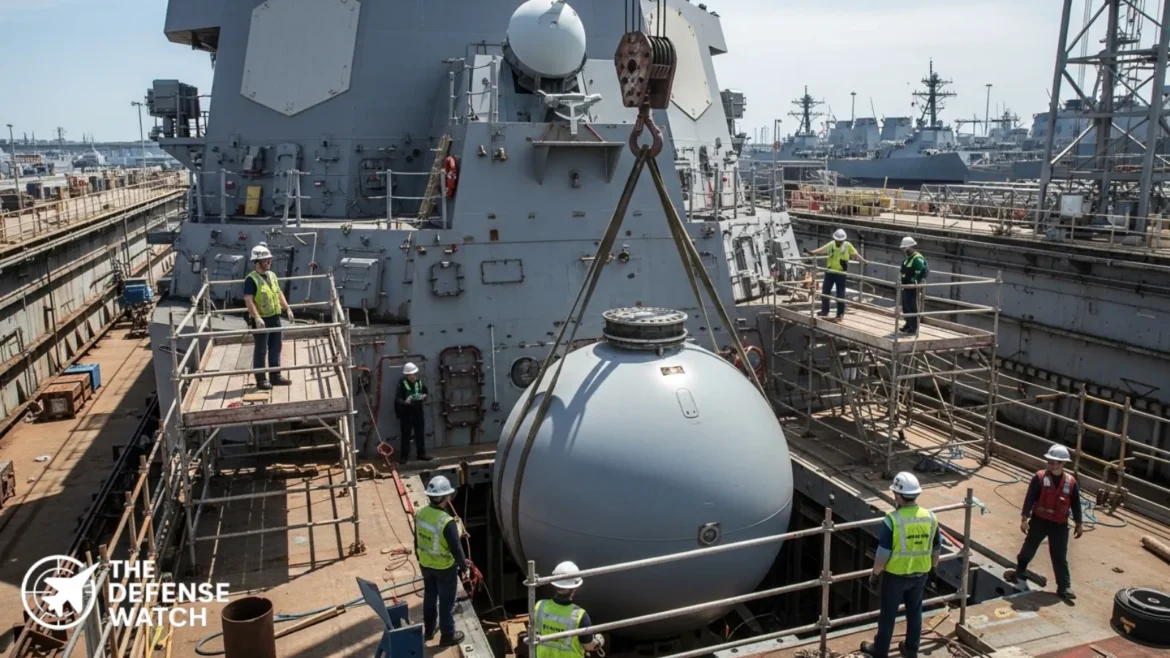
L3Harris Navy contract activity continued this week as the US Navy awarded the company a 22.9 million dollar deal for production of the Towed Body 34A sonar system, according to official contract documents released by Naval Sea Systems Command.
The award supports undersea warfare capabilities across the surface fleet and reflects sustained Navy investment in passive acoustic sensing systems designed to detect and track submarines in contested maritime environments.
Contract Overview and Scope
L3Harris Corp., based in Millersville, Maryland, received a fixed price incentive contract valued at 22,900,118 dollars for production, integration, and testing of the Towed Body 34A towed array system. The contract carries a firm target structure and includes options that could raise the total value to 65,470,348 dollars if fully exercised.
Naval Sea Systems Command in Washington, DC, is the contracting authority. The award was competitively procured through the System for Award Management platform, with two offers submitted.
Work under the contract will be spread across multiple L3Harris facilities. Production and support activities will take place in Millersville, Maryland at 25 percent, Liverpool, New York at 40 percent, and Ashaway, Rhode Island at 35 percent. Contract completion is expected by July 2028.
What Is the Towed Body 34A
The Towed Body 34A is a passive sonar system designed to be deployed behind surface ships to improve detection of submarines and other undersea threats. Towed array systems increase acoustic sensitivity by distancing sensors from ship noise, allowing improved performance in complex ocean conditions.
These systems play a central role in anti submarine warfare missions, especially for destroyers and other surface combatants tasked with protecting carrier strike groups and key sea lanes. While the Navy did not release platform specific details, Towed Body systems are commonly associated with fleet wide undersea surveillance upgrades.
Funding Breakdown and Budget Context
Funding for the L3Harris Navy contract comes from multiple fiscal year appropriations. At the time of award, the Navy obligated 1,964,476 dollars from fiscal year 2024 shipbuilding and conversion funds, representing 11 percent of the total. An additional 1,964,476 dollars from fiscal year 2025 shipbuilding and conversion funding also accounts for 11 percent.
The remaining 14,518,946 dollars, or 78 percent, comes from fiscal year 2026 other procurement Navy funding. All obligated funds will not expire at the end of the current fiscal year, allowing work to continue across multiple budget cycles.
This mix of shipbuilding and procurement accounts reflects how undersea warfare systems are integrated into both new construction and in service upgrades.
Competitive Award and Industry Context
The L3Harris Navy contract was awarded following a competitive process, underscoring continued competition in the naval sonar and undersea systems market. L3Harris has a long standing role as a supplier of acoustic sensors, electronic systems, and mission equipment for the US Navy and allied fleets.
The company supports a range of maritime programs including sonar arrays, electronic warfare systems, and integrated combat system components. Its distributed production footprint for the Towed Body 34A aligns with broader defense industrial base efforts to sustain skilled manufacturing across multiple states.
Importance for US Naval Strategy
Undersea warfare remains a core priority for the US Navy as peer competitors expand submarine fleets and invest in quieter, more capable platforms. Passive sonar systems such as the Towed Body 34A provide a key layer of situational awareness without revealing ship position through active emissions.
By continuing investment in towed array systems, the Navy aims to maintain an advantage in detection range and tracking accuracy, particularly in high traffic or acoustically challenging regions. Programs like this also support fleet readiness by ensuring legacy systems are refreshed with updated production and testing standards.
Authoritative Sources and Transparency
All contract details cited in this report are drawn from official US Department of Defense contract announcements and Navy procurement records. Naval Sea Systems Command oversees surface ship and undersea systems acquisition and serves as the primary authority for this program.
The System for Award Management is the US governments official platform for competitive federal contracting and provides transparency into award processes and vendor participation.
Closing
The L3Harris Navy contract for the Towed Body 34A highlights continued investment in undersea sensing as the service modernizes its surface fleet. With work scheduled through 2028 and options that could significantly increase contract value, the program reinforces the importance of acoustic dominance in future naval operations.
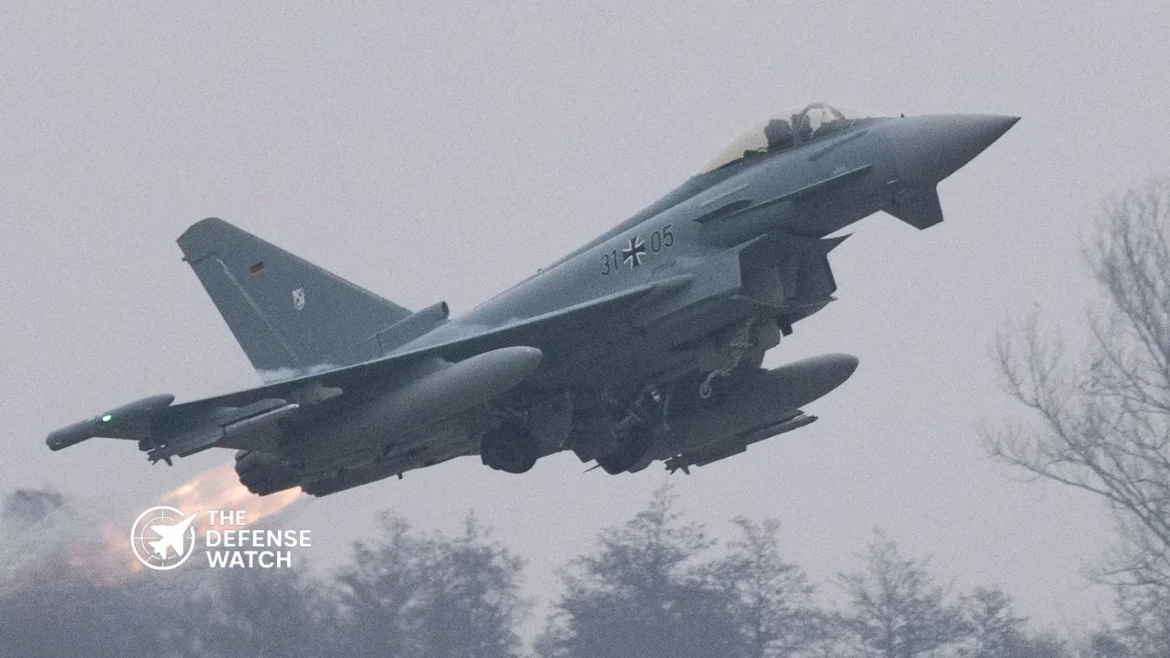
Türkiye Edges Closer to Eurofighter Typhoon Delivery
Türkiye is advancing toward receiving its first Eurofighter Typhoon jets following trilateral defense talks in Doha with Qatar and the United Kingdom, according to the Turkish Defense Ministry.
Air Force Commander Gen. Ziya Cemal Kadıoğlu led discussions with Qatari and UK counterparts focused on the Eurofighter procurement process. The meetings follow an agreement signed in October valued at roughly 8 billion pounds (10.7 billion USD) for 20 Eurofighter Typhoons from the UK.
In addition to the UK order, Ankara plans to acquire 12 secondhand Typhoons from Qatar and 12 more from Oman. Private broadcaster NTV reports the first delivery is expected by the end of February, with pilot training already underway.
Defense Minister Yaşar Güler indicated that the initial aircraft from Qatar could arrive in early 2026, while UK-supplied jets are projected for 2030. The agreement also provides options for further purchases.
The Eurofighter Typhoon is built by a consortium spanning the UK, Germany, Italy, and Spain, represented by BAE Systems, Airbus, and Leonardo. Türkiye’s interest in the platform dates back to 2022, amid stalled negotiations with the United States over F-16 acquisitions.
Türkiye finalized a $7 billion deal with Washington in late 2024 for 40 F-16s. Negotiations have been complicated by cost concerns and Ankara’s renewed interest in rejoining the F-35 program, from which it was excluded in 2019 following the S-400 purchase from Russia.
President Recep Tayyip Erdoğan raised the F-35 issue during a September White House meeting with former U.S. President Donald Trump, who recently stated the sale was being considered.
Despite NATO’s second-largest military, Türkiye has faced repeated arms embargoes, prompting investments in domestic production. The country now manufactures drones, missiles, and naval platforms and is developing its own fifth-generation stealth fighter, Kaan, intended to replace F-16s in the 2030s.


Unite Urges UK-Built Helicopters to Protect Leonardo Yeovil
UK-built helicopters must remain central to future British defense procurement if the country wants to retain a sovereign military aviation capability, according to Unite the Union. The warning centers on Leonardo’s Yeovil site, the UK’s last remaining helicopter manufacturing facility, as the Ministry of Defence prepares major fleet decisions.
Unite said continued reliance on overseas-built platforms risks undermining skills, jobs, and long-term industrial resilience at a time when defense supply chains are under growing pressure.
Pressure Ahead of Major MoD Decisions
The intervention comes as the UK reviews future helicopter requirements, including the New Medium Helicopter program and long-term sustainment of existing fleets. Leonardo Yeovil currently supports the Royal Navy and Army through assembly, integration, and support work, but Unite argues that role is being steadily reduced.
The union highlighted recent procurement choices that favored foreign-built aircraft, warning that a repeat approach could leave Yeovil with limited workload beyond the current decade.
Strategic Value of Leonardo Yeovil
Leonardo’s Yeovil facility employs thousands of skilled workers and acts as a hub for helicopter design, manufacturing, and through-life support. Unite stressed that the site provides not just jobs but also strategic freedom, allowing the UK to maintain and modify aircraft without external political or export constraints.
According to the union, UK-built helicopters at Leonardo Yeovil would strengthen national security while supporting the government’s stated goals on industrial strategy and defense resilience.
Union Calls for Clear Industrial Commitment
Unite urged the government to give explicit weight to UK industrial participation when evaluating helicopter bids. The union said cost alone should not drive decisions, especially when domestic capability could be permanently lost.
It also called for closer alignment between defense procurement and wider economic policy, arguing that long-term value, skills retention, and sovereign capability must be treated as core requirements, not optional extras.
Industry and Policy Context
The debate reflects a broader tension within UK defense policy between rapid off-the-shelf purchases and sustaining domestic manufacturing. Analysts note that once helicopter production lines close, restarting them is costly and time-consuming.
Leonardo has repeatedly stated that Yeovil remains ready to deliver complex military rotorcraft if supported by firm orders. Unite’s latest comments aim to keep political attention focused on that choice before key procurement milestones are reached.
What Comes Next
With defense spending under pressure and multiple aviation programs competing for funding, decisions taken over the next few years are likely to shape the future of British helicopter manufacturing for decades.
Unite said the outcome would signal whether the UK intends to remain a helicopter-building nation or become primarily a buyer and maintainer of foreign systems.
India Signs Elbit-Based Rocket Deal to Modernize Artillery
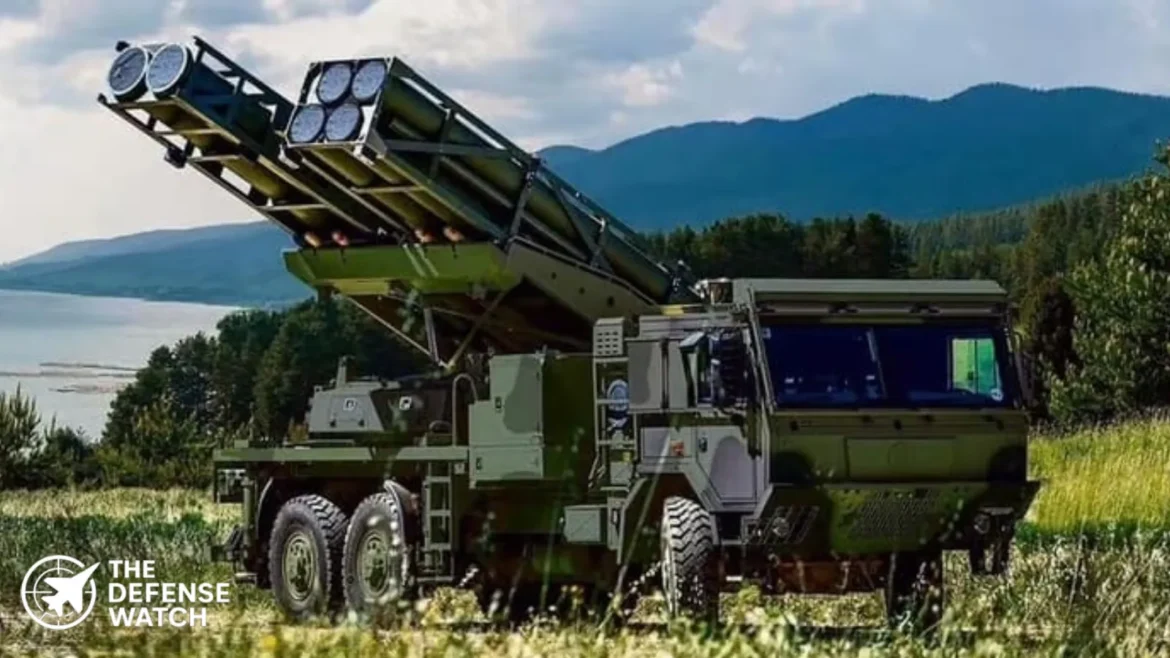
India has signed a multi-million-dollar defense deal with Israel-linked firm Elbit Systems to accelerate modernization of its artillery forces. The Indian Army has approved an emergency procurement contract valued at about ₹293 crore, roughly $32 to $33 million, for the Suryastra long-range rocket system based on Elbit Systems PULS technology.
According to OdishaTV, the contract was awarded to Pune-based NIBE, which will manufacture the system in India in cooperation with Elbit Systems. The deal reflects urgent operational requirements and allows the Army to bypass lengthy procurement timelines under emergency powers.
Universal Rocket Launcher Capability
India Defense News reports that Suryastra is defined as a universal rocket launcher. The system can fire multiple rocket calibers from a single platform, allowing both area saturation fire and precision deep strikes. It is designed to engage targets at ranges of up to 150 kilometers and 300 kilometers, depending on the munition used.
The launcher is based on Elbit Systems PULS architecture and supports 122 mm, 160 mm, and 306 mm rockets, as well as tactical missiles from the Predator Hawk family. The contract also covers ground equipment, accessories, electronic sequence programming units, and tailored ammunition.
Performance and Trial Results
Business Standard confirms the contract value at ₹292.69 to ₹293 crore, including taxes and levies. During evaluation trials, OdishaTV reports the Suryastra system demonstrated a circular error probable of less than five meters, a level of accuracy considered high for rocket artillery.
Compared to indigenous systems such as Pinaka, the Elbit-based platform offers greater range flexibility and multi-caliber integration, expanding the Indian Army’s precision strike options.
Industrial and Strategic Context
The groundwork for the deal was laid in July 2025, when NIBE signed a technology cooperation agreement with Elbit Systems Land. Angel One and BharatShakti report that the agreement covers licensing, knowledge transfer, and local production, aligning with India’s Make in India policy.
BharatShakti notes that Suryastra is India’s first universal rocket launcher platform and can be mounted on 4×4, 6×6, or 8×8 vehicle chassis. The program strengthens India’s domestic defense manufacturing base while integrating proven Israeli rocket technology.


Switzerland will buy fewer Lockheed Martin F-35A Lightning II fighter jets than originally planned following a U.S. price increase tied to inflation and rising production costs, the Swiss Federal Department of Defense, Civil Protection and Sport announced Friday. The decision comes as Bern works to keep the fighter jet purchase within a 6 billion Swiss franc budget approved by voters.
Swiss Reduce F-35 Buy After Cost Increase
The Swiss government said in an official press release that additional costs linked to the F-35A contract make it financially unviable to acquire all 36 jets initially planned under the Air2030 modernization program. The statement did not specify a new total number of aircraft, only that the “maximum possible number” allowed under the approved funding will be purchased.
According to Swiss authorities, talks with U.S. officials this summer made clear that the contractually agreed fixed price could not be enforced and that costs had increased due to inflation, rising raw material prices, and other factors. The U.S. government attributed a roughly $610 million price increase to these pressures.
Switzerland had planned to begin F-35A deliveries in 2027, with aircraft entering service through 2030. The original plan called for replacing aging McDonnell Douglas F/A-18 Hornets that are scheduled to retire by 2030.
Air2030 Background and Budget Context
The F-35A procurement is part of Switzerland’s broader Air2030 strategy to modernize air defense. Under that plan, the government and voters agreed to finance not only new fighter jets but also new ground-based air defense systems and upgraded surveillance capabilities. The 6 billion Swiss franc ceiling was set in a national referendum, reflecting public support for modernizing the Swiss Air Force.
Initially approved in 2021 with a contract signed in 2022, the F-35A deal was expected to secure a fixed price for the Swiss order. However, communications from the U.S. Defense Security Cooperation Agency in 2025 indicated that the understanding of a fixed price was not shared, prompting negotiations and reviews of options by Swiss officials.
Price Increase and Contract Dispute
The dispute over price centers on the interpretation of contract terms and how inflation and supply chain issues factor into the final cost. A U.S. Department of Defense official told media that higher costs for airframes and engines have driven prices above initial estimates. The additional $610 million figure represents the Pentagon estimate of what it would cost Switzerland beyond the original Letter of Offer and Acceptance price.
Swiss authorities had earlier projected even larger cost increases of between 650 million and 1.3 billion Swiss francs, reflecting broader concerns about inflation and tariffs. Those figures played into earlier discussions in Bern about how to proceed if the fixed price could not be upheld.
Although the Department of Defense deferred questions about the reduced order back to the Swiss government, defense ministry officials have signaled they will work within the budget limit. Neither Lockheed Martin nor the F-35 Joint Program Office responded to requests for comment by press time.
Political and Budgetary Impacts
The decision to reduce the number of F-35s reflects broader tensions in defense procurement when voter mandates intersect with evolving program costs. Switzerland’s defense budget and planning processes will now have to balance the reduced fighter jet buy with other priorities, including ground-based air defense and surveillance upgrades.
Swiss Defense Minister Martin Pfister has previously cautioned that the government must adhere to the budget cap while ensuring that air defense capabilities remain sufficient. Observation from local reporting suggests that the final number of aircraft could be clarified as the defense ministry presents prioritization plans to the federal council early next year.
What’s Next for Swiss Air Defense
With the original 36 F-35A ceiling likely to be trimmed, Switzerland’s armed forces will need to adjust planning for airspace protection past the retirement of the Hornet fleet. Officials have indicated that further decisions on additional aircraft purchases beyond the immediate budget may return to parliament or even to a public referendum.
The Swiss government has ruled out canceling the F-35 purchase entirely, noting that without new fighter jets and updated air defense systems, the country’s ability to protect its airspace would be limited. The defense ministry has been tasked with reviewing requirements for 2026 and 2027 and presenting options by late January.
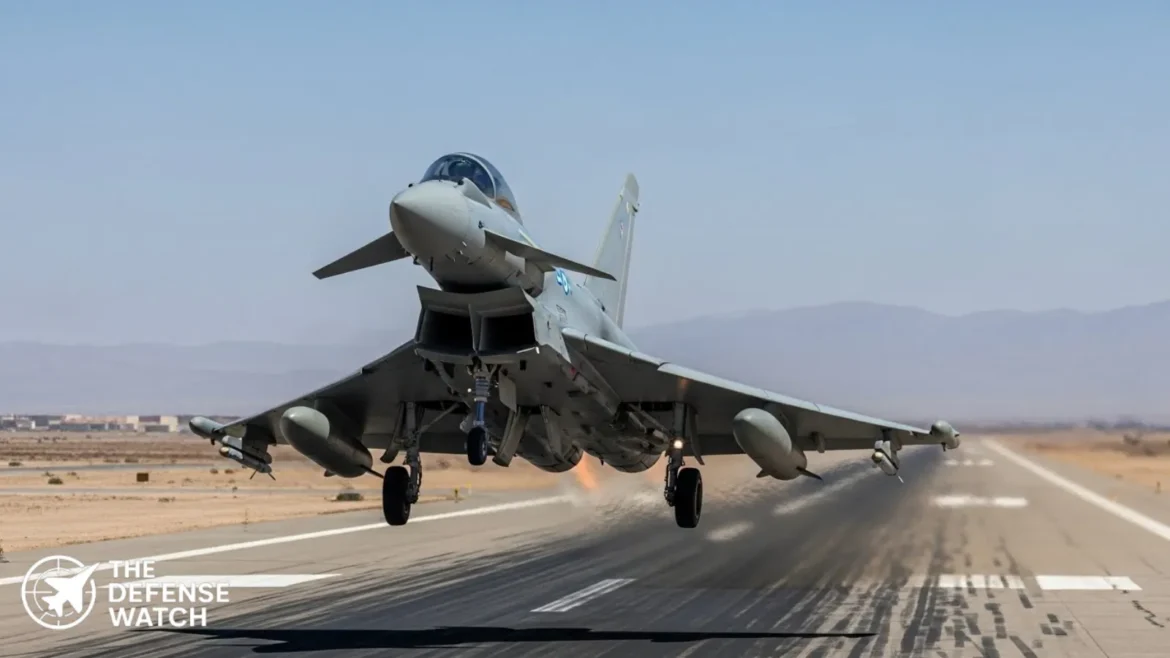
Bangladesh Signs Framework Agreement for Eurofighter Typhoon Acquisition
Bangladesh has taken its first step toward buying Western fighter aircraft after signing a framework deal with a European industry consortium for the Eurofighter Typhoon. The agreement was signed in Dhaka on December ten and represents a major shift in the Bangladesh Air Force as it moves ahead with a new multirole combat jet program.
A First for Bangladesh as It Turns to the West
Officials involved in the process said the framework establishes cooperation between Dhaka and a group of European aerospace companies that build the Typhoon. The signing gives Bangladesh access to detailed program data, industrial terms, and long term support options. It also allows the country to proceed to formal negotiations on aircraft numbers, configuration, training, and delivery schedules.
The step is significant for Bangladesh. The country has relied mainly on Chinese and Russian platforms, and the move toward a Western type marks a major policy and capability change. The Eurofighter Typhoon is widely used across Europe, the Middle East, and Asia, and the aircraft sits in the top tier of fourth generation plus fighters.
Background to the Deal
For several years, Bangladesh has studied options to renew its aging fighter fleet. The government set requirements for a twin engine jet with advanced radar, modern sensors, and strong air defense capabilities. The Typhoon met these conditions. The aircraft is built by Airbus, BAE Systems, and Leonardo. It features a powerful radar, high performance engines, and a range of air to air and air to surface weapons selected by each customer.
Bangladesh issued formal requests for information earlier in the decade. The European consortium responded with a full package including training, logistics, and possible participation in local industrial work.
What the Agreement Covers
The new framework is not a final purchase but it unlocks the next phase. The document outlines cooperation in areas such as flight training, simulator systems, maintenance planning, and future upgrades. It also includes access to classified technical data to help Bangladesh evaluate the aircraft against its long term defense needs.
European officials noted that the step allows both sides to move ahead with detailed cost discussions. Industry teams also said the agreement signals strong interest from Dhaka in the Typhoon as the lead candidate for its multirole fighter program.
The Bangladesh Air Force has set a goal to strengthen its air defense network and expand its air policing capacity. The Typhoon fits these aims because it can perform quick reaction alert, long range air patrol, and precision strike missions.
Why the Typhoon Matters for Bangladesh
If finalized, the Bangladesh Eurofighter deal would become the country’s first purchase of a Western combat aircraft. This would open the door to greater interoperability with European partners and give Bangladesh access to training programs not previously available.
Defense analysts point out that the Typhoon brings advanced radar, strong defensive systems, and high operational availability. These features would lift Bangladesh into a new capability tier in South Asia. The aircraft also supports future upgrades, something the air force sees as important because it wants long service life and evolving technology in its next jet.
Expert Perspective
Regional observers say Bangladesh is positioning itself for a diversified defense posture. They emphasize that the framework agreement shows Dhaka is widening its procurement sources to protect long term security interests. Specialists also note that the Eurofighter program allows customers to customize weapons and mission systems, giving Bangladesh flexibility in future planning.
One South Asia airpower analyst said the agreement signals that Dhaka wants a partner that can support long term sustainment rather than focusing only on upfront aircraft price. He added that the Typhoon offers Bangladesh a way to strengthen air defense without waiting for next generation fighter programs still under development.
What Happens Next
Negotiations will now focus on cost, timelines, and the final number of aircraft. Industry sources expect discussions to continue through next year. A final contract will depend on government funding, configuration choices, and long term support commitments.
If Bangladesh signs a full procurement deal, deliveries would likely begin several years later. Training for pilots and maintenance crews would start before the first aircraft arrives.
The Bangladesh Eurofighter deal stands as one of the largest defense modernization efforts in the country’s history. The move sets the stage for Dhaka to remake its air combat capabilities and places the Eurofighter Typhoon as the leading candidate for that role.