Executive Summary: India has issued a major tender for 60 multirole transport aircraft for the Indian Air Force, in a program expected to be worth roughly ₹1 lakh crore, or about $10 billion. The procurement calls for 12 aircraft to be delivered in fly-away condition and 48 to be manufactured in India with more than 60 percent indigenous content, putting industrial participation alongside aircraft performance at the center of the competition.
India Opens 60-Aircraft Multirole Transport Competition
India has issued a tender for 60 multirole transport aircraft for the Indian Air Force as New Delhi moves to replace aging Soviet-origin transport aircraft and strengthen tactical and strategic airlift capacity. Indian defense officials cited in reports said the tender has been issued to Indian companies including Hindustan Aeronautics Limited, Tata and Mahindra, with Indian industry expected to play a leading role.
The program follows the Defence Acquisition Council’s March 2026 approval of the 60-aircraft Medium Transport Aircraft requirement. The acquisition is intended to address a long-standing requirement to modernize the IAF’s transport fleet and improve the ability to move troops, equipment and supplies across India’s geographically demanding operating environment.
The three aircraft most prominently associated with the competition are Embraer’s C-390 Millennium, Lockheed Martin’s C-130J Super Hercules and Airbus’ A400M Atlas. Technical evaluations of the competing proposals were reported as completed in July, bringing the program closer to the selection and contracting phase.
A Major Shift Toward Domestic Production
The structure of the tender is significant because India is not simply seeking an off-the-shelf transport aircraft purchase.
The reported requirement calls for 12 aircraft to arrive in fly-away condition, representing about 20 percent of the fleet. The remaining 48 aircraft are to be manufactured in India, with more than 60 percent indigenous content.
That arrangement creates a substantial industrial requirement for the winning manufacturer and its Indian partner. It also means the competition will involve production engineering, supplier development, maintenance and long-term sustainment, rather than aircraft price and performance alone.
For India, the potential industrial benefit is considerable. A domestic production line for a large military transport aircraft could support local component manufacturing, maintenance, repair and overhaul capabilities and skilled aerospace employment over several decades.
The program also follows India’s broader effort to increase domestic aerospace production. The Airbus-Tata C295 program has already established a precedent for manufacturing a foreign-designed military transport aircraft in India.
C-390, C-130J And A400M Bring Different Capabilities
The three aircraft occupy overlapping but distinct positions within the military airlift market.
Aircraft Manufacturer Propulsion Maximum Payload Key Characteristic C-390 Millennium Embraer Twin turbofan 26 metric tons High-speed tactical transport C-130J-30 Super Hercules Lockheed Martin Four turboprops 19.96 metric tons Mature tactical airlift platform A400M Atlas Airbus Four turboprops 37 metric tons Heavy tactical and strategic airlift Source: manufacturer and U.S. Air Force specifications.
Embraer C-390 Millennium
The C-390 is the newest aircraft in the competition and offers a combination of relatively high payload and jet speed.
Embraer’s published specifications give the aircraft a maximum concentrated payload of 26 metric tons, a maximum cruise speed of 470 knots, or Mach 0.80, and a cargo hold measuring approximately 18.5 meters long, 3.45 meters wide and 2.95 meters high.
The aircraft is designed for cargo and troop transport, airdrop operations, medical evacuation, search and rescue, firefighting and humanitarian missions. It can also operate from temporary and unpaved runways.
For the Indian competition, Embraer has already established an industrial partnership with Mahindra Group. The companies have announced plans to develop C-390 manufacturing and MRO capabilities in India if the aircraft is selected for the MTA program.
Lockheed Martin C-130J Super Hercules
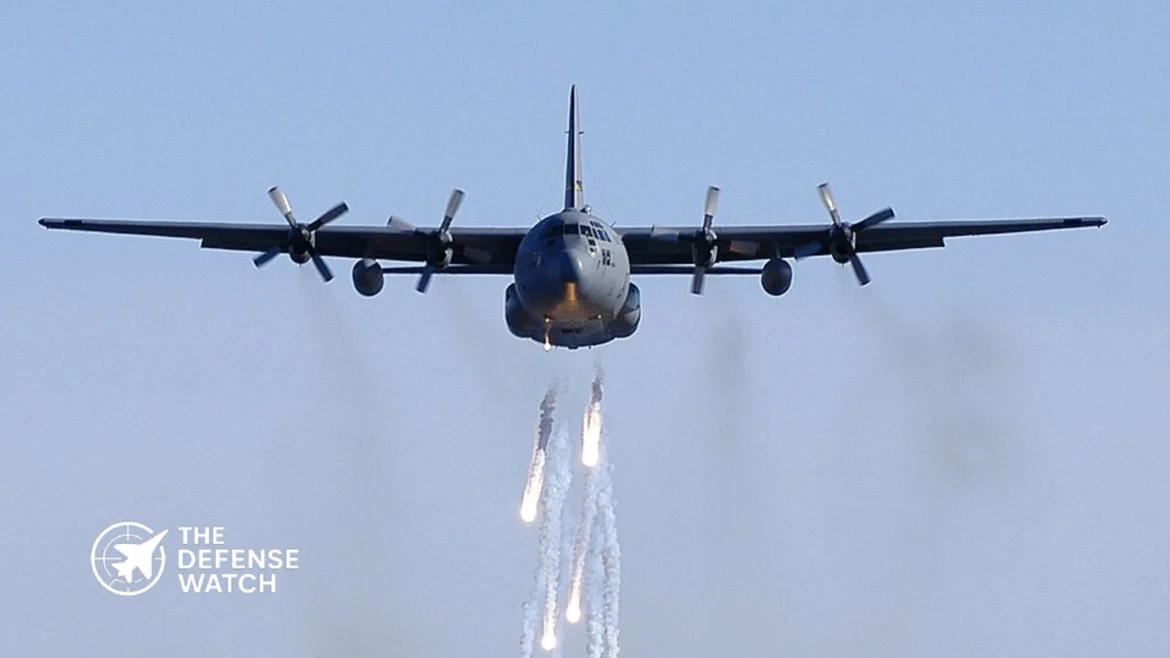
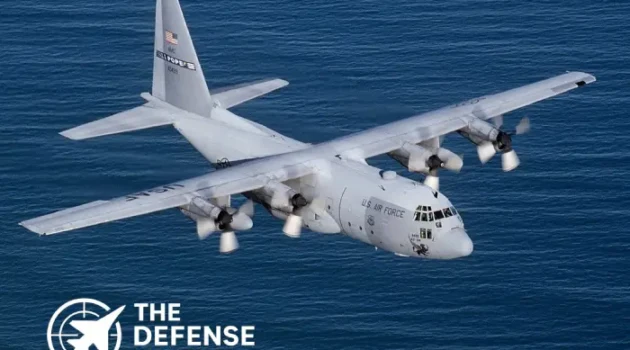
The C-130J brings a different advantage: operational maturity and an established Indian user base.
India already operates C-130J aircraft, primarily for special operations and tactical airlift missions. Lockheed Martin also offers the stretched C-130J-30, which provides additional cargo space compared with the standard aircraft.
According to the U.S. Air Force, the C-130J has a maximum allowable payload of 19,090 kilograms, while the C-130J-30 is rated at 19,958 kilograms. The C-130J-30 can carry up to 128 combat troops or 92 paratroopers under the listed maximum-load configuration.
The platform’s existing presence in India could reduce some transition requirements, particularly in areas such as crew training, maintenance practices, logistics and operational familiarity.
However, the C-130J’s payload capacity is lower than the C-390 and substantially below the A400M. That makes payload requirements and the exact missions envisioned for the new fleet especially important in the eventual evaluation.
Airbus A400M Atlas
The A400M sits at the upper end of the competition.
Airbus lists a 37-ton maximum payload, a 340-cubic-meter cargo hold and a maximum cruise speed of Mach 0.72. It can carry significantly heavier and larger loads than conventional medium tactical airlifters and is designed to operate from short and unpaved runways.
The aircraft can carry 20 tons to about 3,400 nautical miles and has a maximum payload range of about 1,780 nautical miles, according to Airbus specifications.
Its larger cargo compartment gives the A400M a major advantage when transporting bulky equipment. The tradeoff is that India would be acquiring an aircraft considerably larger than the C-130J and C-390.
Why Payload And High-Altitude Operations Matter
India’s transport requirements are unusually demanding because the IAF must support operations across the Himalayas, deserts, plains and island territories.
The aircraft will need to provide more than conventional strategic cargo movement. Its value will depend heavily on its ability to operate from forward airfields, carry useful payloads in demanding environmental conditions and sustain repeated tactical missions.
High-altitude operations are particularly important. Aircraft performance at high elevations is affected by air density, temperature, runway length and payload, making nominal maximum payload figures insufficient for judging suitability.
This is one reason the final evaluation is likely to depend heavily on operational testing rather than brochure specifications.
The aircraft also needs to occupy the capability space between India’s smaller tactical transports and its heavier strategic airlifters. The objective is not simply to obtain another cargo aircraft, but to create a flexible fleet capable of supporting routine logistics as well as rapid military movement.
Industrial Competition Could Be As Important As Aircraft Performance
The 60 percent indigenous-content requirement changes the commercial equation for the three manufacturers.
A successful bidder would have to establish or expand an Indian production ecosystem capable of supporting the aircraft throughout its service life. That includes manufacturing, quality control, component sourcing, maintenance and potentially engine and systems support.
For Embraer, the Mahindra partnership gives the C-390 campaign a defined Indian industrial framework.
Lockheed Martin has an established relationship with Tata Advanced Systems, while the C-130J already operates within the IAF. That provides the U.S. manufacturer with an existing Indian industrial and operational foundation.
Airbus also has a significant Indian industrial presence through the C295 program, which could provide an existing base for further aerospace manufacturing cooperation.
The winner will therefore be judged not only on the aircraft delivered but also on the credibility of its proposed Indian production system.
Strategic Importance For The Indian Air Force
A 60-aircraft fleet would provide a major increase in India’s medium airlift capacity and improve the IAF’s ability to move personnel, equipment and supplies without relying entirely on its heavier transport fleet.
The program also has wider strategic significance.
For India, domestic production could reduce dependence on imported aircraft and create greater control over long-term sustainment. It could also give Indian aerospace companies experience with complex military aircraft production at a scale beyond individual components.
For the United States and its defense industry, the competition is significant because the C-130J represents another opportunity to expand the U.S.-India defense industrial relationship. India already operates several U.S.-origin platforms, including C-17 and C-130J aircraft, while Washington and New Delhi have increasingly emphasized interoperability and defense technology cooperation.
The C-390 offers a different industrial proposition, potentially strengthening India’s aerospace relationship with Brazil and expanding Embraer’s manufacturing footprint in Asia.
The A400M, meanwhile, would connect India’s military airlift fleet to a European multinational program with substantial existing experience in tactical and strategic transport.
The Decision Will Extend Beyond The Initial 60 Aircraft
The immediate requirement is 60 aircraft, but the industrial implications are likely to last much longer.
A domestic assembly line, supplier network and MRO infrastructure created for the program could support additional aircraft, upgrades and sustainment over the fleet’s service life. That makes the initial selection potentially more consequential than the number of aircraft in the current tender suggests.
The competition will ultimately test three different approaches to Indian airlift modernization.
The C-130J offers an established aircraft and an existing Indian operating base. The C-390 offers a newer jet-powered design with higher payload and speed than the C-130J. The A400M provides substantially greater payload and cargo volume, placing it closer to the heavy tactical airlift category.
The key question for India’s acquisition authorities will be which combination of payload, runway performance, high-altitude capability, operating cost, fleet commonality, industrial participation and long-term support provides the best value.
The tender therefore represents more than a competition for 60 aircraft. It is also a decision about how India intends to build and sustain its next generation of military airlift capability.

Executive Summary:
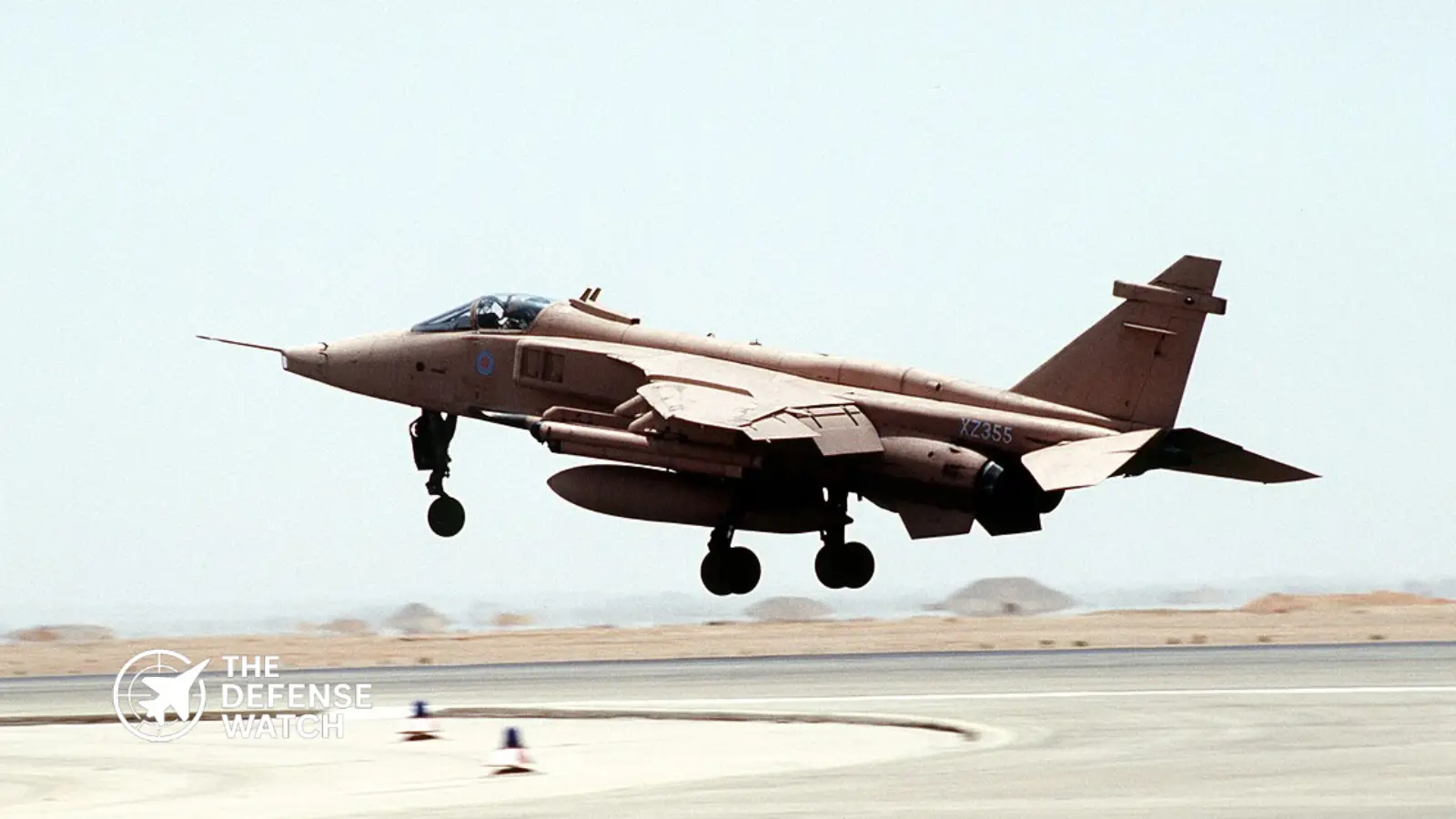
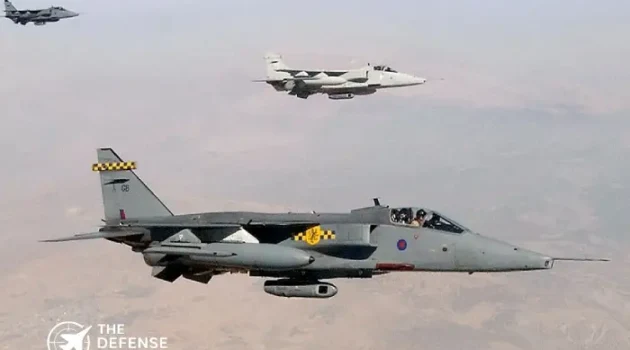
India is acquiring nine retired Jaguar fighter aircraft from the United Kingdom to support its existing Jaguar fleet with spare parts and reusable components. The move comes as the Indian Air Force seeks to maintain operational readiness while managing an aging fleet and a fighter squadron shortfall.
India Acquires Retired UK Jaguars To Support Fleet Sustainment
India Jaguar fighter jets are set to receive a critical sustainment boost after the Indian Air Force (IAF) decided to acquire nine retired Jaguar aircraft from the United Kingdom for spare parts and component recovery. The aircraft will not return to service but will instead be dismantled to provide engines, avionics, landing gear, hydraulic systems, and other components needed to support operational aircraft.
The acquisition reflects the growing challenge of maintaining legacy combat aircraft after the Jaguar platform was retired by other operators around the world. Today, India remains the only active military operator of the Anglo-French strike aircraft.
Supporting Six Operational Jaguar Squadrons
The Indian Air Force currently operates six Jaguar squadrons, which continue to perform deep penetration strike and ground attack missions. However, sustaining the fleet has become increasingly difficult as global supplies of spare parts have diminished following the aircraft’s retirement from service in the United Kingdom, France, and Oman.
According to recent reports, the retired British aircraft will be used as a source of reusable assemblies and spare components to help keep the fleet mission capable. The move is intended to preserve operational availability while India continues broader modernization programs across its combat aviation force.
The purchase also follows previous efforts by India to obtain retired Jaguars from other former operators. India sourced retired airframes from France in earlier years and acquired additional retired Jaguars from Oman to support maintenance requirements and extend fleet serviceability.
Squadron Shortfall Driving Sustainment Efforts
The decision comes as the Indian Air Force continues to face a significant fighter aircraft shortage. The service currently operates around 29 fighter squadrons compared with an authorized strength of 42 squadrons, a gap that has become a growing concern for defense planners.
While India is pursuing new fighter acquisitions and domestic aircraft programs, legacy platforms such as the Jaguar continue to play an important role in maintaining force structure and operational capacity.
The retirement of older aircraft, including the MiG-21, has increased pressure on the IAF to maximize the availability of remaining combat fleets until replacement aircraft enter service in larger numbers.
Jaguar Remains A Valuable Strike Platform
The SEPECAT Jaguar entered service in the 1970s as a low-level strike aircraft jointly developed by the United Kingdom and France. India began inducting the aircraft in the late 1970s and early 1980s, eventually becoming the world’s largest operator of the type.
Despite its age, the aircraft remains a capable strike platform following a series of upgrades that improved navigation systems, avionics, mission computers, sensors, and weapons integration. The DARIN modernization programs have helped extend the aircraft’s operational relevance within the Indian Air Force.
However, maintaining the fleet has become increasingly complex. Recent reports have highlighted shortages of critical components, including parts for ejection seat systems, underscoring the challenges associated with operating an aircraft that is no longer supported by active production lines.
Strategic Significance Beyond Spare Parts
While the acquisition involves retired aircraft rather than new combat platforms, it highlights an important aspect of military aviation sustainment. Air forces operating legacy fleets often rely on retired airframes as a source of components once original manufacturers cease production.
For India, the purchase provides a practical and relatively cost-effective method of sustaining an aircraft that continues to contribute to national strike capabilities. The move also allows the IAF to preserve combat capacity while newer aircraft programs advance.
India is simultaneously pursuing modernization initiatives that include additional Rafale fighters and expanded induction of indigenous Tejas aircraft. However, these programs require time to deliver operational aircraft in sufficient numbers, making fleet sustainment measures increasingly important in the interim.
Outlook
The acquisition of nine retired Jaguar aircraft from the United Kingdom demonstrates India’s continued commitment to maintaining operational readiness across its combat aviation fleet. By securing additional spare parts and reusable components, the Indian Air Force aims to sustain its six Jaguar squadrons as it navigates ongoing modernization efforts and persistent fighter squadron shortages.
Although the Jaguar is one of the oldest aircraft in Indian service, it remains a relevant part of the country’s strike capability. The latest acquisition highlights how sustainment and modernization must often proceed in parallel as air forces balance current operational demands with future force development.
(adsbygoogle = window.adsbygoogle || []).push({});Executive Summary: The Indian Air Force sits 12 squadrons below its sanctioned strength of 42, with the last MiG-21 retired in 2025 and Russian-origin jets aging fast. India is responding with a $40+ billion Rafale order for 114 jets, a $14.1 billion commitment for 180 Tejas Mk1A aircraft, and a “Super Sukhoi” upgrade covering up to 200 Su-30MKIs—the most expensive single-generation fighter recapitalization in South Asian history. The outcome will determine India’s air power posture against China and Pakistan for the next 40 years.
Twelve squadrons. That’s the gap between what the Indian Air Force is authorized to field and what it actually operates right now. With approximately 30 active combat squadrons against a sanctioned strength of 42, the IAF is running thin—and has been for over a decade, as successive MiG-21 retirements outpaced any new inductions.
The math is brutal. The MiG-21 Bison—India’s workhorse since the Cold War—flew its final sortie in 2025. The Jaguar, Mirage 2000, and MiG-29 fleets are all inside their retirement windows. What replaces them is a three-platform bet that will shape Indian airspace through the 2060s.
The Deep Dive: India’s Fighter Platforms, Specs, and Hard Numbers
Dassault Rafale — The Crown Jewel With a Price Tag to Match
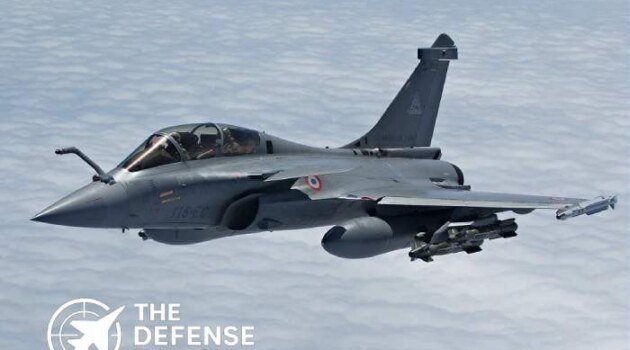
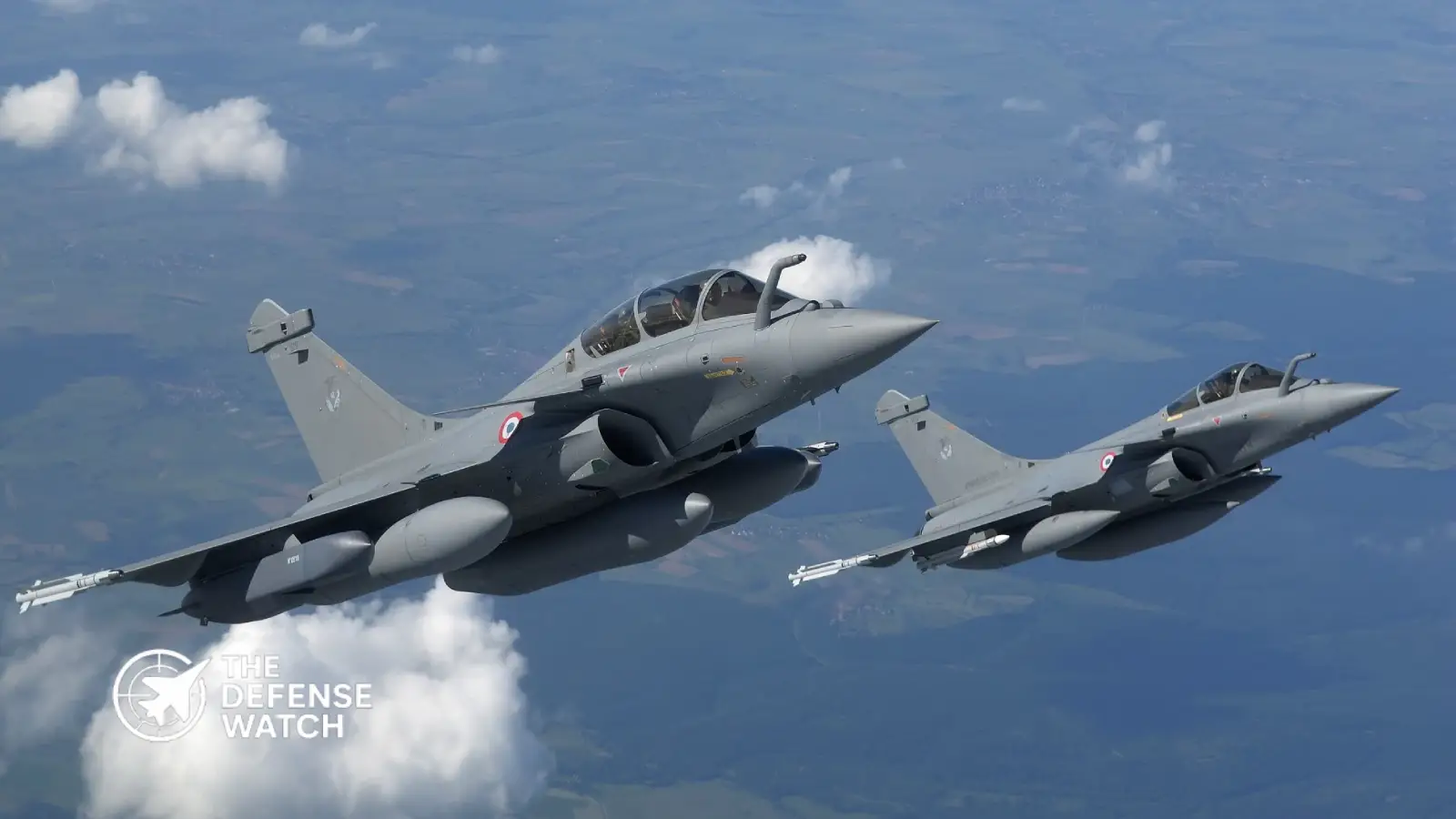
The IAF’s Rafale story begins in 2016 with a controversial ₹59,000 crore deal for 36 aircraft. The final “C” variant was delivered in December 2024. What exists now is two full squadrons—No. 17 “Golden Arrows” and No. 101 “Falcons”—based at Ambala and Hasimara respectively.
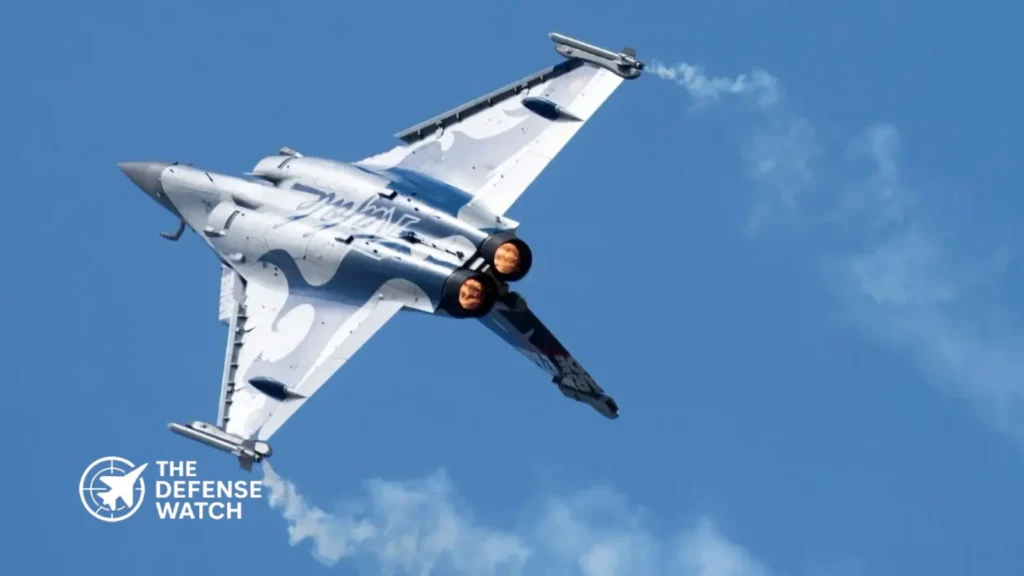
In February 2026, India’s Defence Acquisition Council cleared the single largest fighter jet deal in the country’s history: 114 additional Rafales at approximately ₹3.25 lakh crore (~$36–40 billion, with cost estimates varying between sources by accounting methodology). Unlike the 2016 flyaway purchase, this order mandates substantial local manufacturing—18 jets delivered from France, with the remaining 96 produced in India. Final assembly at the Dassault Reliance Aerospace facility in Nagpur. Indigenous content could hit 60%, with Tata Advanced Systems already manufacturing Rafale fuselage sections in Hyderabad.
At full build-out, India becomes one of the largest non-French Rafale operators on the planet.
Rafale (IAF Configuration) — Key Specs:
- Role: Twin-engine 4.5-gen multirole fighter
- Max Speed: Mach 1.8
- Combat Radius: ~1,850 km (with external tanks)
- Payload: Up to 9,500 kg
- Key Weapons: MBDA METEOR BVR, SCALP cruise missile, HAMMER precision munitions
- Unit Cost (approx.): ~$243 million per airframe (2026 batch, including support)
HAL Tejas Mk1A — The Indigenous Backbone
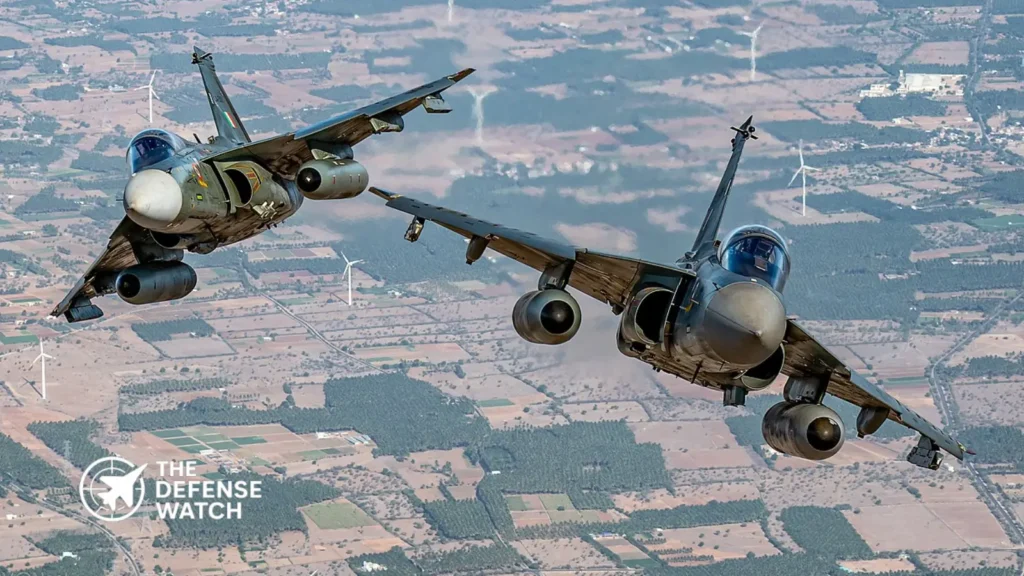
The Tejas program is now 43 years old, launched as the Light Combat Aircraft project in 1983. That history invites ridicule in some quarters. What’s less discussed is how far the final product has traveled from its clunky origins.
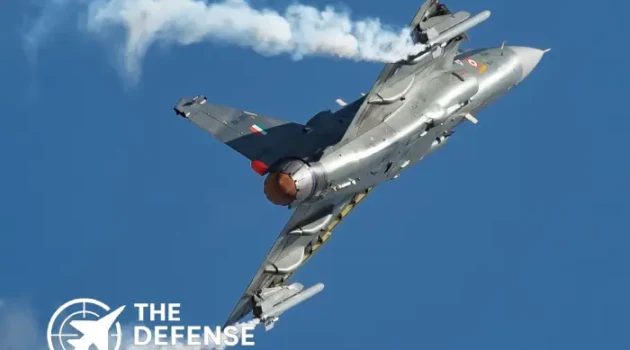
The Mk1A is a genuine fourth-generation-plus platform. It carries an indigenous AESA radar, an advanced electronic warfare suite, an in-flight refueling probe, and the GE F404-IN20 engine rated at 84 kN in afterburner. Beyond-visual-range missile capability (Astra Mk1 with 80+ km range) puts it in contention with regional peers.
- (adsbygoogle = window.adsbygoogle || []).push({});
India has now committed to 180 Mk1A aircraft: 83 jets under a 2021 contract worth ₹48,000 crore (~$5.5B), and a second batch of 97 jets signed in September 2025 for ₹62,370 crore (~$7.1B). Deliveries from the second batch commence in 2027–28, with production ramping to 24 aircraft annually.

HAL Tejas Mk1A The program’s Achilles’ heel remains engines. GE delivered its first F404-IN20 to HAL only in March 2025, after supply chain disruptions tied to the Russia-Ukraine conflict caused years of slippage. Air Chief Marshal AP Singh publicly flagged the delays—a rare admission of how close the IAF was to a genuine capability crisis.
Tejas Mk1A — Key Specs:
- Role: Single-engine light combat aircraft
- Max Speed: Mach 1.6
- Combat Radius: ~500 km
- Payload: ~3,500 kg
- Key Weapons: Astra Mk1/Mk2 BVR, Derby, Python-5
- Unit Cost (approx.): ~$37.8 million (fighter variant, Mk1A contract pricing)
Sukhoi Su-30MKI — Aging Workhorse, Being Reborn
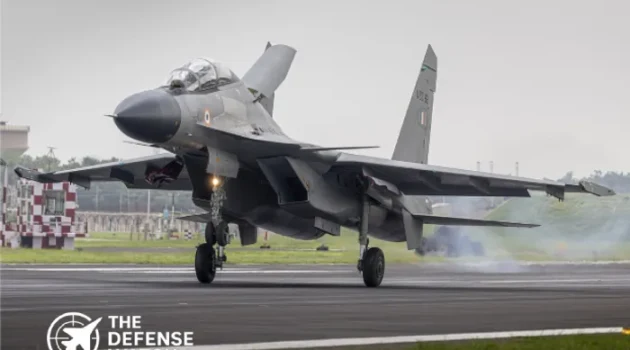
Approximately 260 Su-30MKIs form the absolute core of IAF combat power—the heavy hitter in every air superiority and deep-strike scenario. Built by HAL under a Sukhoi license, these twin-engine behemoths carry up to 8,130 kg of ordnance and boast a combat radius of roughly 1,500 km clean.
(adsbygoogle = window.adsbygoogle || []).push({});The problem: the original mission computer dates to 1998 and runs on a 32-bit architecture. In a network-centric combat environment—particularly against China’s J-20 and J-35 fleets—that’s a structural disadvantage.
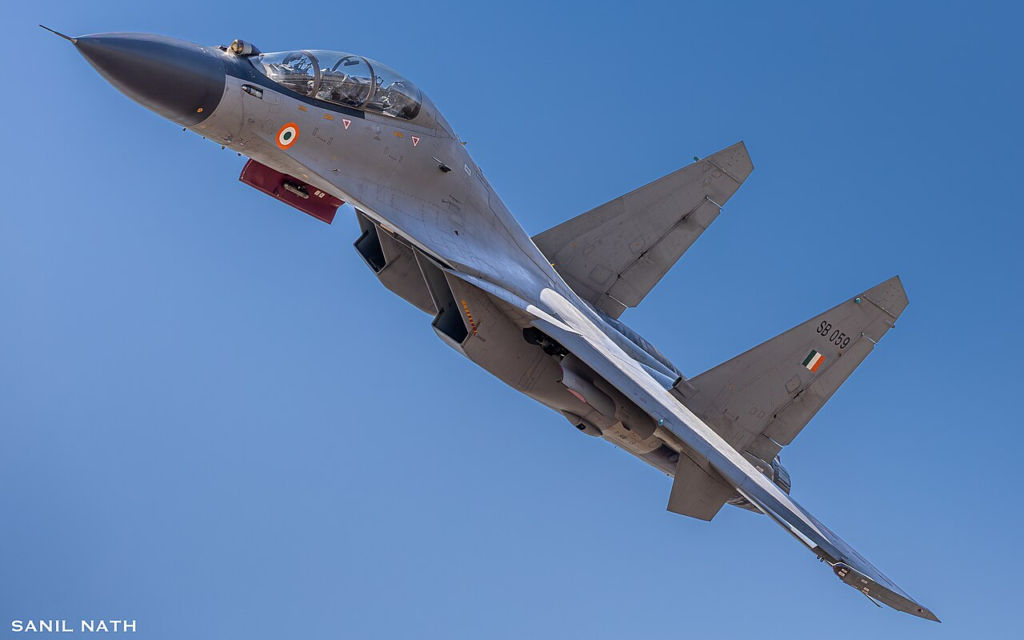
The “Super-30” program addresses this directly. Phase One, approved in 2023 for ₹19,000 crore, upgrades 84 Su-30MKIs with a new DRDO-developed 64-bit mission computer, Tejas Mk1A-derived avionics, and an indigenous AESA radar. Phase Two—around 2030—targets another 84 jets with AMCA-derived technologies. An even more ambitious proposal would extend modernization to 200 of the 260-strong fleet, potentially integrating the AL-31F 177S engine (a serious thrust upgrade) and the Virupaksha AESA radar.

Sukhoi Su-30MKI The IAF’s intent is unambiguous: keep these jets operationally relevant deep into the 2070s.
Comparative Data Block
Platform Generation Max Speed Combat Radius Max Payload Unit Cost (approx.) Fleet Size (2026) Dassault Rafale C 4.5 Mach 1.8 ~1,850 km 9,500 kg ~$243M 36 (150 on order) HAL Tejas Mk1A 4+ Mach 1.6 ~500 km 3,500 kg ~$38M Deliveries ongoing (180 contracted) Sukhoi Su-30MKI 4 (upgrading) Mach 2.0 ~1,500 km 8,130 kg ~$50M (unit cost at time of production) ~260 Mirage 2000 (legacy) 4 Mach 2.2 ~1,480 km 6,300 kg N/A (retiring) <50 (phasing out) MiG-29 (legacy) 4 Mach 2.25 ~1,430 km 4,000 kg N/A (retiring) <50 (phasing out) HAL AMCA (in dev.) 5 Mach 1.8+ TBD TBD TBD 0 (prototype ~2035) The Strategic Calculus: Why This Fleet Mix Makes Geopolitical Sense
India doesn’t face one air force threat—it faces two simultaneously, and they’re coordinating.
China fields approximately 300 J-20 fifth-generation fighters and over 50 J-35 stealth aircraft. Pakistan operates F-16 Block 52s, J-10Cs, and JF-17 Block IIIs—a substantially modernized force compared to 2019. The IAF’s planners aren’t designing a fleet for today’s order of battle. They’re designing for 2035, when these numbers will have grown further.
The Rafale handles the high-end fight. Its METEOR missile—with a no-escape zone exceeding 60 km—outranges anything currently in Pakistan Air Force inventory and most of what China deploys. Its SCALP cruise missile gives the IAF a deep-strike capability it didn’t have before. Two Rafale squadrons at Ambala, located 220 km from Pakistan and 500 km from the Chinese border, are positioned deliberately.
(adsbygoogle = window.adsbygoogle || []).push({});The Tejas fills volume. 180 Mk1A jets won’t match Rafale in raw capability, but at roughly one-sixth the unit cost, they allow the IAF to rebuild squadron numbers without bankrupting a procurement budget already stretched to its limits. They also drive HAL’s production capacity upward, setting the industrial foundation for the Tejas Mk2—a heavier, GE F414-powered follow-on designed to replace the Mirage 2000 and fill the “medium fighter” role.
The Su-30MKI upgrade ensures continuity. Withdrawing 260 jets for replacement simultaneously is logistically impossible. “Super Sukhoi” buys time, capability, and industrial employment—while the AMCA program aims for a genuine fifth-generation capability by the mid-2030s.
“The IAF is not fighting the last war. It is building a force for the next 40 years—and the decisions made between 2024 and 2028 will determine whether India achieves air parity with China or spends the 2030s playing catch-up.”
— Synthesis of IAF strategic planning documents and public statements by Air Chief Marshal AP Singh, 2025–2026
The History Angle: From MiG-21 to Multi-Vendor Mastery
The MiG-21’s final retirement in 2025 closed a chapter that defined Indian air power since the 1960s. The jet that helped India win the 1971 war—and later earned the grim nickname “Flying Coffin” due to crash rates—is gone. What’s replacing it is a fleet built on three continents: France, Russia, and India itself.
That multi-vendor architecture is deliberate. Over-reliance on Soviet/Russian platforms exposed the IAF structurally—when GE’s supply chain stumbled on F404 engines for Tejas, the entire domestic production program stalled. When geopolitical pressure constrains Russian spares pipelines, Su-30MKI serviceability suffers. India’s answer is diversification, codified in the “Make in India” defense policy: buy Rafale now, manufacture it locally, build Tejas in parallel, and develop AMCA entirely in-house.
(adsbygoogle = window.adsbygoogle || []).push({});The cultural resonance here cuts deep. India’s aerospace industry—for decades considered a cautionary tale of bureaucratic delays and missed timelines—is now producing fighters, helicopters, and warships at scale. Tejas is no longer a punchline. It’s a platform with 180 active orders, a pipeline of private-sector suppliers (over 105 Indian companies in the Mk1A supply chain), and an export pitch being made to Malaysia and Argentina.
The “Flying Coffin” era is over. The question now is whether the “Make in India” era can close a 12-squadron gap before the strategic window narrows.
Conclusion: A Force in the Making, Racing a Clock
The IAF’s transformation is real, well-funded, and strategically coherent. Over ₹4.5 lakh crore (~$52 billion) in active or approved fighter procurement—Rafale, Tejas Mk1A, Su-30MKI upgrades—represents the most significant recapitalization of any Asian air force outside China in this decade.
But timelines remain the enemy. AMCA won’t fly operationally until the late 2030s at earliest. Tejas Mk1A deliveries are behind schedule. The Rafale’s 114-jet order will take years to execute at scale. In the interim, India will fly under its sanctioned strength, facing two nuclear-armed neighbors whose air forces are modernizing on parallel tracks.
The $47 billion bet is not a guarantee of air dominance. It is a wager that indigenous production, multi-source procurement, and generational platform overlap can close a 12-squadron gap before China’s fifth-generation fleet achieves the kind of qualitative overmatch that makes the numbers irrelevant.
The IAF knows the clock is running. The question is whether the production lines can keep pace with it.

Executive Summary:
India has completed the maiden flight trial of the Tactical Advanced Range Augmentation (TARA) glide weapon system, developed by DRDO with support from the Indian Air Force. The low cost precision guidance kit is designed to convert conventional unguided bombs into stand off precision weapons, strengthening India’s domestic smart munitions capability.India Tests Indigenous TARA Glide Bomb Capability
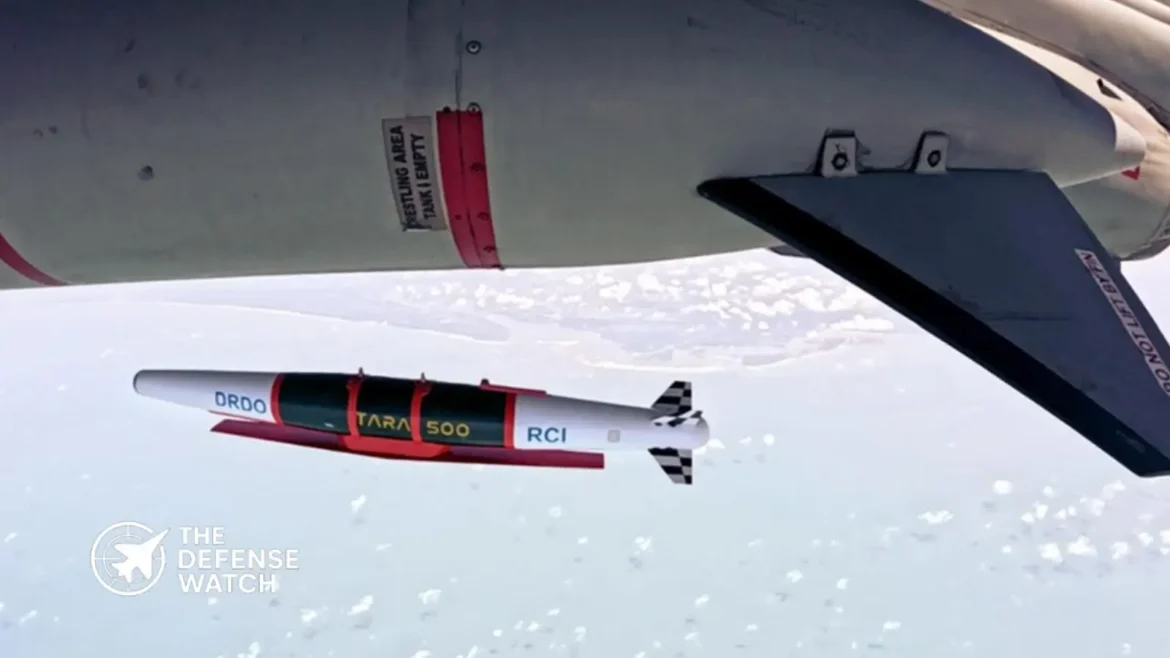
India has tested a new low cost glide bomb capability aimed at expanding the precision strike reach of the Indian Air Force (IAF). The country’s Defence Research and Development Organisation (DRDO), working alongside the IAF, successfully conducted the first flight trial of the Tactical Advanced Range Augmentation (TARA) weapon system off the coast of Odisha on May 7.
According to India’s Ministry of Defence, the TARA system is the country’s first indigenous glide weapon kit designed to convert conventional unguided bombs into precision guided munitions.
The flight trial involved an IAF SEPECAT Jaguar strike aircraft launching a 500 kg class bomb fitted with the TARA modular guidance and glide kit. The system was developed by DRDO’s Hyderabad based Research Centre Imarat (RCI) with support from other DRDO laboratories and Indian industry partners.
Low Cost Precision Weapons Gain Strategic Importance
The TARA glide bomb program reflects a broader shift in military airpower doctrine toward affordable precision strike weapons that can be deployed in large numbers.
Modern air campaigns increasingly rely on stand off munitions capable of striking targets from outside heavily defended airspace. However, high end cruise missiles and advanced smart weapons remain expensive and difficult to mass produce during prolonged conflict scenarios.
India’s approach mirrors efforts by several major military powers to convert existing “dumb bombs” into guided stand off weapons using modular kits. Similar concepts include the American JDAM family, Russia’s UMPK glide kits, and Turkey’s HGK precision guidance systems.
What makes the TARA program notable is its emphasis on low cost production and domestic manufacturing. Indian officials stated that production activities have already started with development and production partners from the private sector.
That production strategy could allow the IAF to expand its inventory of precision weapons without relying heavily on imported systems.
Designed For Multiple Aircraft Platforms
Although the maiden test was conducted using the Jaguar strike aircraft, Indian defense reports indicate the TARA kit is also intended for integration with several frontline IAF combat platforms.
These reportedly include the Sukhoi Su-30MKI, Mirage 2000, and the indigenous Light Combat Aircraft (LCA) Tejas fleet.
The flexibility of the modular kit is operationally important. Rather than developing entirely new missile systems, the TARA concept allows existing bomb inventories to be upgraded into precision stand off weapons.
According to information presented by Indian industry during Aero India 2025, the weapon may achieve strike ranges between 80 and 100 kilometers when released from high altitude at near transonic speed.
Open source reporting also suggests the system could be offered in different guidance configurations. One version reportedly uses satellite aided navigation with an accuracy under 20 meters circular error probable (CEP), while another variant may employ imaging infrared terminal guidance for significantly greater accuracy.
Expanding India’s Indigenous Precision Strike Portfolio
The TARA test comes amid a wider Indian push to strengthen domestic missile and guided weapon production under the government’s long running defense self reliance strategy.
India has already fielded several indigenous stand off weapon systems in recent years, including the Smart Anti Airfield Weapon (SAAW), BrahMos cruise missile variants, and the long range Gaurav glide bomb program.
TARA appears positioned as a lower cost option within that growing precision strike ecosystem. Its role may focus on enabling mass deployment against fixed ground targets while preserving more expensive missile inventories for higher value targets.
The system could also provide operational flexibility during regional contingencies where large quantities of precision guided munitions may be required over extended periods.
Analysts note that affordable glide bomb kits have gained renewed military relevance following lessons observed in conflicts in Ukraine and the Middle East, where cost effective stand off strike systems have been used extensively against fixed infrastructure and battlefield targets.
Regional Security Context
India’s continued investment in stand off strike weapons reflects broader regional military modernization trends across Asia.
China has rapidly expanded its inventory of precision guided munitions and long range air launched weapons, while Pakistan has also pursued precision strike capabilities through both imported and indigenous systems.
For the IAF, systems such as TARA may help improve survivability by allowing aircraft to release munitions farther from contested air defense zones.
The ability to retrofit existing bomb stockpiles also offers logistical and economic advantages during sustained military operations.
Defense Minister Rajnath Singh described the TARA trial as an important milestone for India’s indigenous defense capabilities, while DRDO Chairman Samir V Kamat congratulated the teams involved in the successful test campaign.
Executive Summary:
MBDA and the Indian Air Force have signed an agreement to establish local support and overhaul capabilities for MICA air-to-air missiles in India. The move is designed to improve missile availability, reduce turnaround times, and strengthen India’s long-term defense sustainment infrastructure.India Expands MICA Missile Support Infrastructure
The Indian Air Force (IAF) and European missile manufacturer MBDA have signed an agreement to establish an in-country support and overhaul capability for the MICA missile system, according to reporting from European Security & Defence.
The agreement marks another step in India’s broader defense modernization and localization strategy, particularly in sustainment and lifecycle management of advanced weapons systems. The new arrangement will allow the Indian Air Force to conduct maintenance, repair, overhaul, and technical support operations for MICA missiles within India rather than relying entirely on overseas support channels.
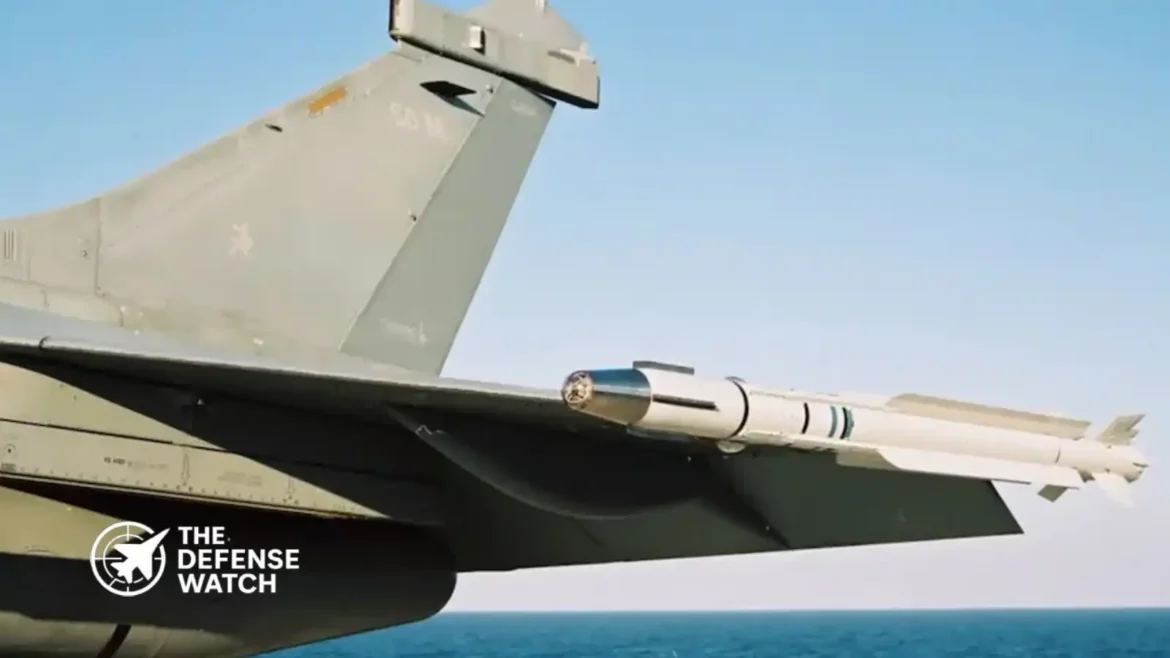
The MICA missile family is widely used on the Indian Air Force’s fleet of Dassault Mirage 2000 fighter aircraft and is also integrated with the Dassault Rafale platform operated by India.
Why The Agreement Matters
The new MICA missile support capability is strategically important because missile sustainment directly affects operational readiness and fleet availability. Air forces operating modern precision-guided munitions increasingly require local maintenance ecosystems to ensure rapid turnaround during peacetime operations and potential conflict scenarios.
By establishing domestic overhaul capability, the Indian Air Force could reduce dependency on foreign repair cycles, improve inventory management, and shorten maintenance timelines. The agreement also aligns with India’s long-running push for defense self-reliance under its indigenous manufacturing and sustainment initiatives.
While the announcement did not disclose the financial value of the agreement, the operational implications are significant. Sustainment infrastructure is often less visible than new procurement contracts, but it plays a critical role in maintaining combat effectiveness over the lifespan of advanced missile inventories.
The MICA missile itself remains a key component of India’s air combat capability. Developed by MBDA, the weapon is available in both infrared and radar-guided variants and is designed for beyond-visual-range and close-combat engagements. The missile has been exported to several countries and integrated onto multiple fighter aircraft platforms globally.
India’s Broader Air Power Modernization Effort
The MICA missile support agreement comes as India continues investing heavily in fighter aircraft modernization, weapons integration, and domestic defense industrial capacity.
The Indian Air Force is currently balancing several parallel modernization priorities, including Rafale fleet expansion, indigenous fighter development programs, upgraded air defense systems, and improvements in logistics infrastructure.
Local maintenance and overhaul agreements have become increasingly important for countries seeking to ensure operational continuity during geopolitical uncertainty and supply chain disruptions. Establishing domestic support capability for missile systems can help mitigate delays associated with overseas transportation, export approvals, and industrial bottlenecks.
India has pursued similar localization efforts across other defense sectors, including aircraft maintenance, naval systems support, armored vehicle production, and missile manufacturing partnerships. The latest MBDA agreement fits into this wider policy direction.
From MBDA’s perspective, the deal strengthens its long-term relationship with one of its largest international defense customers. India remains a major market for European aerospace and missile manufacturers, particularly in combat aviation and precision-guided weapons.
Operational Benefits For The Indian Air Force
The establishment of local MICA missile overhaul capability could provide several operational advantages for the Indian Air Force.
First, improved sustainment capacity may increase missile serviceability rates across frontline fighter squadrons. Faster inspection and refurbishment cycles can help ensure weapons remain available for training and operational deployments.
Second, local technical expertise development supports long-term force readiness. Building indigenous maintenance knowledge reduces reliance on external technical support and strengthens domestic defense engineering capabilities.
Third, in-country support infrastructure can provide greater flexibility during periods of heightened regional tension. Nations operating imported weapon systems often prioritize local sustainment capacity to avoid operational vulnerabilities tied to external supply chains.
The agreement also reflects a growing trend in global defense procurement where sustainment, technology transfer, and industrial participation are becoming as important as the original weapons purchase itself.
Strategic Implications In The Region
India’s continued investment in air-launched missile support infrastructure comes amid ongoing regional military modernization efforts across Asia.
Air combat capabilities, including beyond-visual-range missile systems, remain central to maintaining air superiority and deterrence. Sustainment readiness therefore becomes a key component of overall combat capability, particularly for high-tempo air operations.
Although the agreement is focused on maintenance and overhaul rather than new missile procurement, it demonstrates how support infrastructure is increasingly viewed as a strategic asset in modern military planning.
For India, improving local sustainment capacity supports both operational resilience and broader national defense industrial objectives.
Indian Air Force Expands Dispersed Air Operations
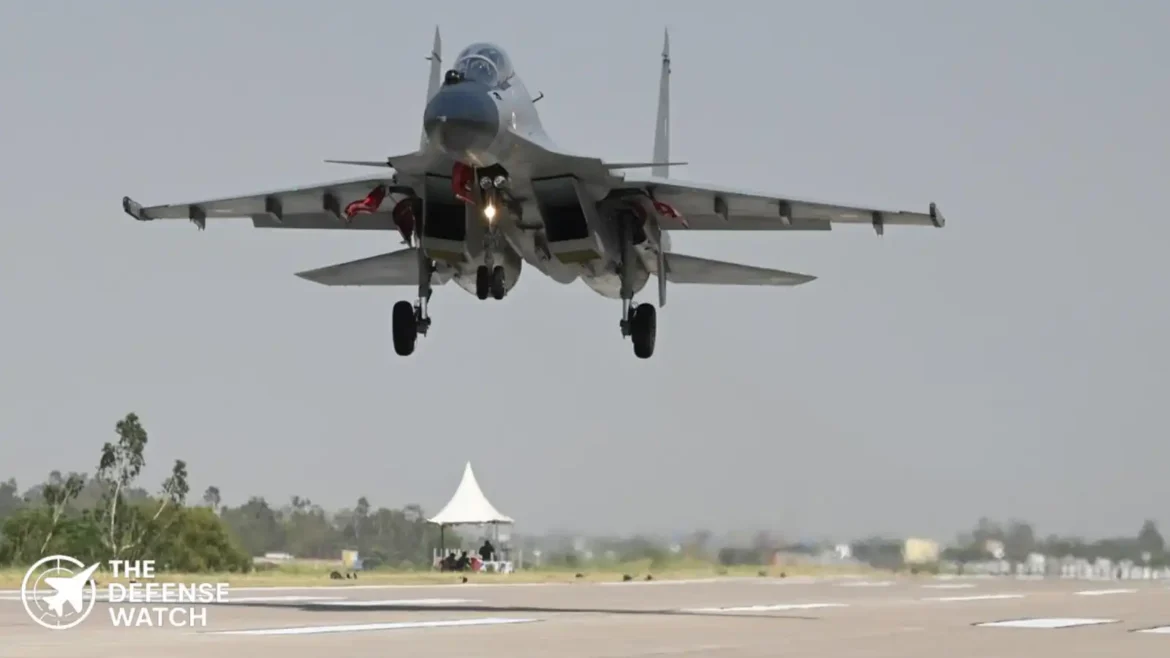
The Indian Air Force Emergency Landing Facility on the Purvanchal Expressway marks another step in India’s push to strengthen operational resilience and wartime flexibility. The newly activated strip allows military aircraft to land, refuel, redeploy, or stage missions from road infrastructure instead of relying solely on fixed airbases.
According to official statements, the drill demonstrated the IAF’s ability to operate beyond conventional airfields while reinforcing rapid disaster response capability. Senior attendees included Uttar Pradesh Minister Om Prakash Rajbhar, Air Marshal B Manikantan, Air Officer Commanding-in-Chief of Central Air Command, and UPEIDA CEO Deepak Kumar.
¦ KEY FACTS AT A GLANCE- Indian Air Force operationalised an Emergency Landing Facility on the Purvanchal Expressway in Uttar Pradesh.
- The facility enables military aircraft to use highway infrastructure when conventional airbases are unavailable or under pressure.
- The exercise highlighted rapid deployment capability, civil-military coordination, and disaster response readiness.
- Senior officials attending included Air Marshal B Manikantan and Uttar Pradesh minister Om Prakash Rajbhar.
- Highway landing strips are increasingly viewed as survivability assets in modern air warfare.
The event also showcased coordination between civilian state authorities and the military, an increasingly important factor in crisis response and national mobilization.
Why Highway Runways Matter In Modern Warfare
The Indian Air Force Emergency Landing Facility concept reflects a wider military trend. Fixed airbases are high-value targets in any conflict, especially under missile and drone attack. Dispersed operations using highways, auxiliary strips, and temporary bases can complicate enemy targeting and preserve sortie generation.
Several air forces, including those in Europe and Asia, regularly practice road-base operations for this reason. For India, the need is amplified by a two-front strategic environment involving both western and northern borders.
The Purvanchal Expressway site gives the IAF another option in northern India, where rapid aircraft movement can be critical during contingencies.
Purvanchal Expressway Adds Strategic Utility
The Purvanchal Expressway in Uttar Pradesh is already one of India’s major transport corridors. Converting sections into military-use landing strips adds dual-use strategic value to civilian infrastructure.
That model offers three advantages:
- Lower cost than building new dedicated airbases
- Faster expansion of emergency operating locations
- Improved military logistics during natural disasters or conflict
India has previously used expressways for fighter aircraft demonstrations and landing trials, but each new operationalised facility increases practical readiness rather than symbolic capability.
Beyond Combat, A Disaster Response Asset
The Indian Air Force Emergency Landing Facility is not only a wartime asset. It can support humanitarian relief after floods, earthquakes, or infrastructure failures by allowing transport aircraft and helicopters to stage closer to affected areas.
For a country with large geography and weather-related emergencies, this gives planners added flexibility. Military mobility often plays a decisive role in domestic disaster relief, especially when conventional airports are congested or damaged.
Regional Signaling And Readiness
The timing also matters. Across Asia, air forces are investing in survivability, mobility, and distributed basing. Precision strike weapons have changed the value of traditional large airbases. India’s investment in highway runway networks suggests planners are adapting to that reality.
While no specific threat was cited, the message is clear: the IAF wants the ability to continue operations even if standard infrastructure is disrupted.
That is a practical deterrence signal as much as a logistics upgrade.
Outlook
The Indian Air Force Emergency Landing Facility on the Purvanchal Expressway is a relatively low-cost capability with outsized strategic value. It enhances combat endurance, improves emergency response, and strengthens India’s dispersed air operations model.
As regional militaries modernize, infrastructure that can serve both civilian and military purposes is likely to become more common. India appears determined to stay ahead of that curve.
GE Aerospace Tejas Engine Support Deal Strengthens India’s Fighter Sustainment
The GE Aerospace Tejas engine support deal marks a significant step in strengthening India’s indigenous fighter sustainment ecosystem, as GE Aerospace formalizes an agreement with the Indian Air Force to establish an in-country depot for F404-IN20 engine support.
The agreement focuses on maintenance, repair, and overhaul capabilities for the engines that power the HAL Tejas, a cornerstone of India’s domestic military aviation program.
The new depot will enable localized servicing of the F404-IN20 engine, reducing dependence on overseas maintenance pipelines and improving turnaround times.
¦ KEY FACTS AT A GLANCE- GE Aerospace signed a deal with the Indian Air Force to establish an in-country support depot for F404-IN20 engines.
- The engines power the Tejas Light Combat Aircraft fleet, India’s indigenous fighter program.
- The depot will enhance maintenance, repair, and overhaul capabilities within India.
- The agreement supports long-term sustainment and operational readiness of the Tejas fleet.
- The move aligns with India’s push for defense self-reliance and local industrial capability.
Enhancing Operational Readiness
The GE Aerospace Tejas engine support deal is designed to directly improve fleet availability. By positioning engine sustainment infrastructure within India, the Indian Air Force can reduce downtime associated with logistics, shipping, and external repair cycles.
For a growing Tejas fleet, this is operationally significant. Aircraft readiness rates often hinge on engine availability, and localized support helps mitigate bottlenecks that can arise from global supply chain constraints.
This move reflects a broader trend across air forces globally, where sustainment is increasingly viewed as a critical component of combat capability rather than a back-end function.
Strategic Push for Self-Reliance
The agreement aligns closely with India’s long-standing push for defense indigenization. Programs tied to domestic production, including the Tejas, are intended to reduce reliance on foreign suppliers while building a local industrial base.
While the F404-IN20 engine itself remains a U.S.-origin system, the GE Aerospace Tejas engine support deal introduces a hybrid model. It combines foreign technology with local sustainment capacity, offering a practical pathway toward greater autonomy without sacrificing proven performance.
This approach is consistent with India’s broader procurement strategy, which increasingly emphasizes technology transfer, local assembly, and in-country lifecycle support.
Industrial and Economic Impact
Establishing a local depot is not only a military decision but also an industrial one. The initiative is expected to generate technical expertise within India’s aerospace sector, including skills related to advanced engine diagnostics, repair, and overhaul.
Over time, such capabilities can contribute to a more resilient domestic supply chain. They also position India to potentially support other operators of similar engine platforms in the region, depending on policy and export frameworks.
From GE Aerospace’s perspective, the deal strengthens its long-term presence in a key defense market. India remains one of the world’s largest importers of military equipment, and partnerships tied to sustainment often lead to deeper industrial cooperation.
Broader Implications for Tejas Program
The Tejas program has faced scrutiny in the past over production pace and sustainment challenges. Improved engine support infrastructure addresses one of the critical variables affecting fleet performance.
As India continues to expand Tejas squadrons, ensuring consistent engine availability will be essential. The GE Aerospace Tejas engine support deal contributes directly to that objective by shortening maintenance cycles and improving predictability in fleet operations.
In a regional security environment marked by evolving airpower capabilities, incremental improvements in readiness can have outsized operational impact.
■ KEY FACTS AT A GLANCE- ► An Indian Air Force Tejas fighter jet crashed during a training landing.
- ► The pilot survived and avoided serious injury.
- ► The aircraft was completely destroyed in the incident.
- ► This marks the third Tejas crash since March 2024.
- ► India has ordered 180 advanced Tejas variants for the Air Force.
Indian Air Force Tejas Crash Highlights Ongoing Safety Scrutiny
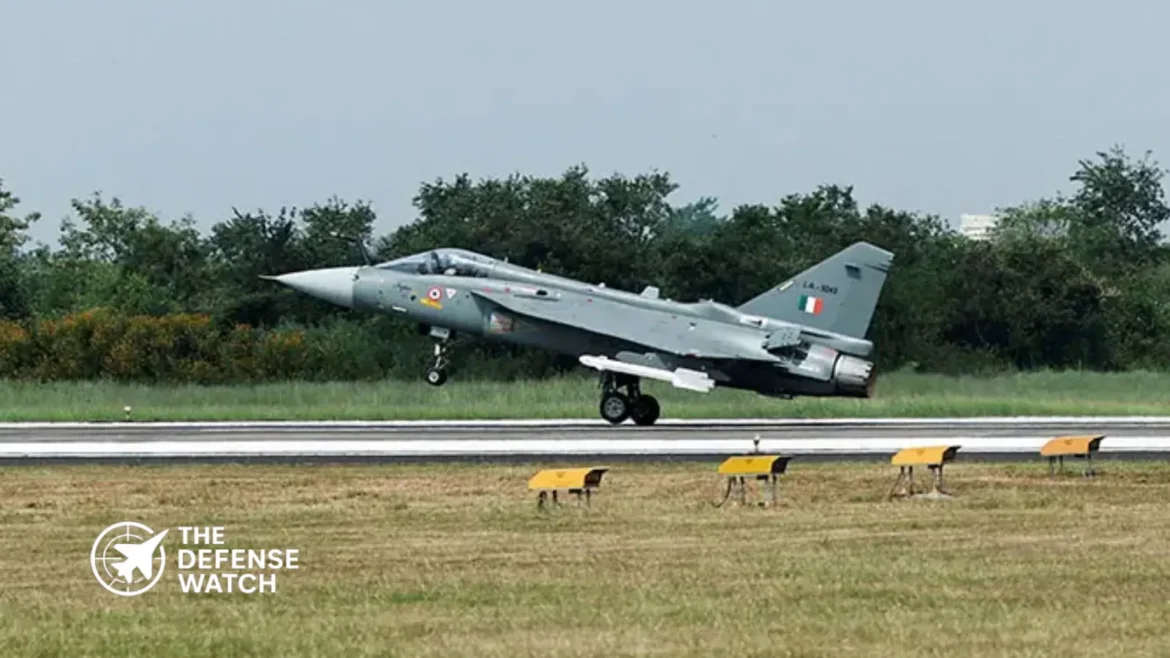
The Indian Air Force Tejas crash during a training sortie has once again drawn attention to India’s flagship indigenous fighter program, after the aircraft was destroyed while landing.
(adsbygoogle = window.adsbygoogle || []).push({});According to Indian media reports, the locally manufactured Tejas fighter jet was conducting a routine training flight when the accident occurred during landing. The pilot survived the incident and avoided serious injury, but the aircraft was declared a total loss.
The aircraft was one of 32 Tejas fighters delivered to the Indian Air Force to date. This incident marks the third confirmed Tejas crash since March 2024.
Third Tejas Accident Since 2024
The first crash occurred in Jaisalmer in March 2024. A second incident was reported during the Dubai Airshow the same year. The latest accident now raises fresh questions about fleet reliability and operational maturity as India expands Tejas production.
India’s Ministry of Defence has not yet released a formal technical cause for the latest accident. Standard Indian Air Force procedure in such cases involves convening a Court of Inquiry to determine whether the incident was caused by mechanical failure, human factors, or environmental conditions.
Historically, early production fighter programs worldwide have experienced attrition incidents as fleets transition from limited operational capability to full squadron service. However, repeated accidents in a relatively small fleet can place pressure on training pipelines and maintenance cycles.
Tejas Program and Production Outlook
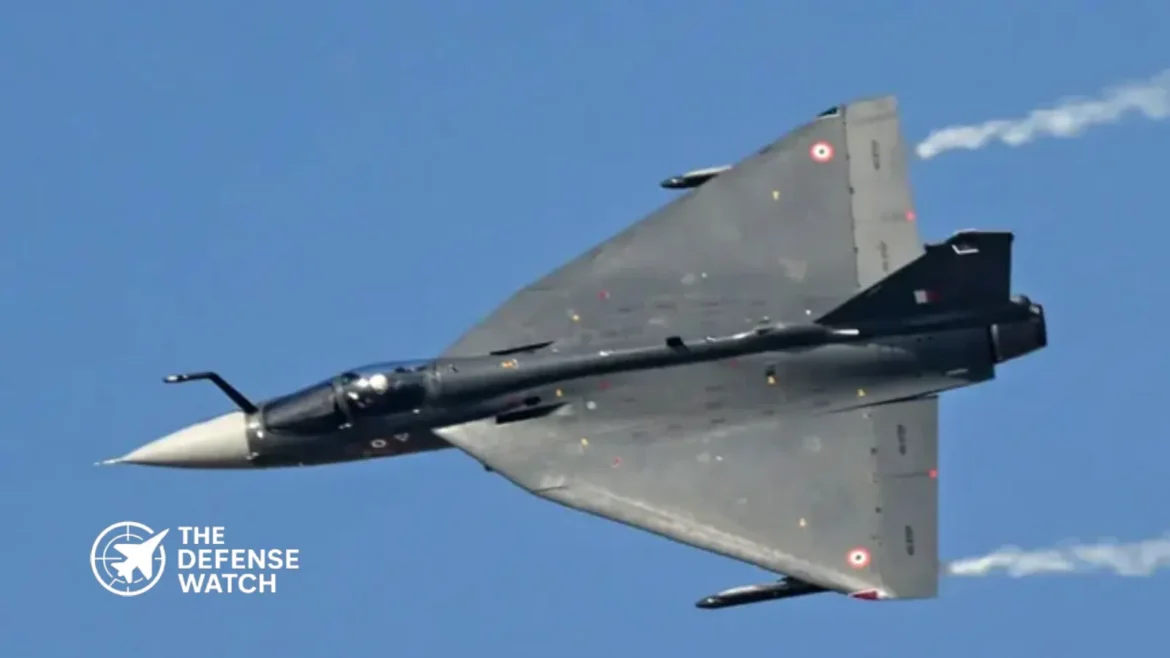
The Tejas fighter jet is developed by Hindustan Aeronautics Limited and serves as India’s domestically produced light combat aircraft. It was designed to replace aging MiG 21 aircraft in Indian Air Force service.
India has placed an order for 180 advanced Tejas variants, including the improved Mk1A configuration. The Mk1A version is expected to feature enhanced avionics, upgraded radar systems, improved electronic warfare suites, and reduced maintenance requirements compared to earlier variants.
The Tejas program is central to India’s push for defense self reliance under its broader domestic manufacturing policy. Sustained production rates and operational reliability are critical as India seeks to reduce dependence on foreign fighter imports.
Operational Impact on the Indian Air Force
With only 32 aircraft delivered so far, fleet size remains limited relative to the total planned procurement. Each aircraft loss represents a measurable reduction in available operational inventory.
That said, single aircraft losses do not automatically indicate systemic flaws. Accident investigations often reveal isolated technical or procedural causes. Without official findings, it is premature to attribute the crash to design deficiencies.
Still, repeated incidents can affect perceptions among policymakers and defense planners, especially as India negotiates follow on production schedules and capability upgrades.
The Indian Air Force currently operates a diverse fighter inventory that includes Su 30MKI aircraft and Rafale fighters, among others. Tejas is intended to fill the light combat aircraft segment within this broader force structure.
Training and Fleet Expansion Considerations
As India increases Tejas squadron induction, pilot training tempo will rise accordingly. Training phases often carry higher operational risk than standard patrol missions due to repeated takeoffs and landings.
Landing accidents in particular may stem from runway conditions, weather factors, or aircraft systems related to landing gear or flight control. Only the official investigation will clarify the sequence of events in this case.
From a modernization perspective, maintaining confidence in indigenous programs is strategically significant. India’s long term airpower plans depend on the successful scaling of Tejas production before transitioning to next generation platforms such as the planned Advanced Medium Combat Aircraft.
Strategic Context
The Tejas fighter jet represents more than a tactical aircraft. It is a test case for India’s ability to design, certify, produce, and sustain advanced combat aircraft domestically.
Internationally, emerging aerospace programs frequently face early stage technical hurdles. The key metric is whether corrective measures are rapidly implemented and whether fleet reliability improves over time.
For India, the upcoming delivery of 180 advanced Tejas variants will serve as a critical benchmark. Production consistency, supply chain stability, and flight safety performance will shape long term program credibility.
At this stage, the confirmed facts remain limited. The pilot survived. The aircraft was destroyed. An inquiry is expected.
Further official updates from the Indian Air Force will determine whether the latest Tejas crash reflects an isolated training mishap or points to broader operational considerations.
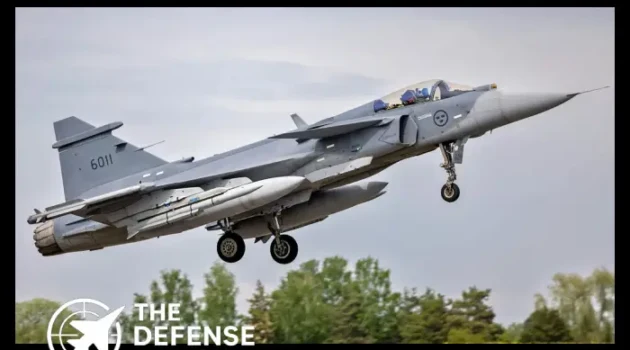
Saab Pitches Comprehensive Industrial Plan for Gripen E Production in India
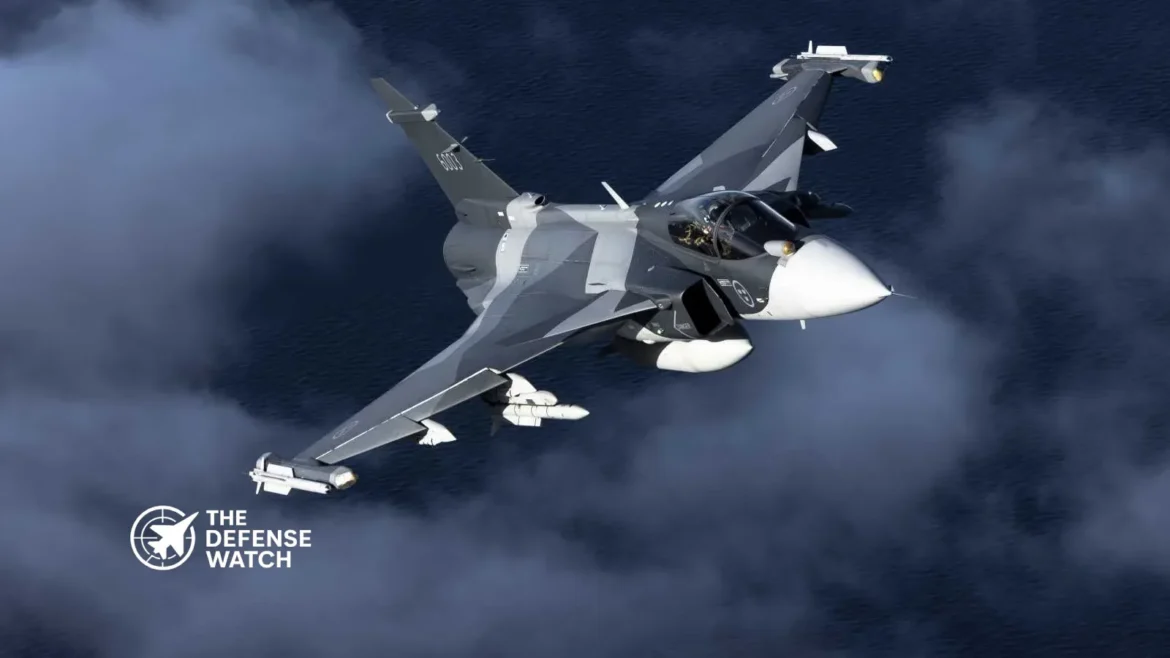
Swedish defense manufacturer Saab AB has formally offered the Gripen E multirole fighter jet to the Government of India, presenting a comprehensive industrial partnership that extends beyond aircraft sales to include design, production, and long-term sustainment capabilities across India’s defense manufacturing sector.
(adsbygoogle = window.adsbygoogle || []).push({});Speaking at the Singapore Airshow on February 9, 2026, Mikael Franzén, Saab’s Chief Marketing Officer for Gripen and Vice President of Business Area Aeronautics, revealed that the proposal involves more than 300 tier 1, tier 2, and tier 3 companies, including micro, small, and medium enterprises throughout India. According to Franzén, deliveries could commence as early as the third year following contract signature, with aircraft initially manufactured in Sweden before production rapidly transitions to Indian facilities.
The offer comes at a critical time for the Indian Air Force, which currently operates well below its authorized strength of 42 squadrons. The IAF’s existing fleet includes Dassault Rafale, HAL Tejas, Sukhoi Su-30MKI, upgraded MiG-29, Mirage 2000, and Jaguar aircraft, but retirements of older platforms such as the MiG-21 have outpaced new inductions.
Strategic Positioning Between Rafale and Tejas
Saab positions the Gripen E as a complementary platform that fills the operational gap between India’s heavyweight Rafale fighters and the domestically produced Tejas light combat aircraft. Franzén emphasized that the Gripen E could be inducted quickly and in larger numbers compared to heavier twin-engine fighters, directly addressing the IAF’s numerical deficiency while reducing operational pressure on higher-cost assets during routine air defense and tactical missions.
(adsbygoogle = window.adsbygoogle || []).push({});The Gripen E represents a medium-weight, single-engine fighter with a maximum takeoff weight of 16,500 kg. Powered by the General Electric F414G turbofan engine producing 98 kN of thrust, the aircraft achieves speeds exceeding Mach 2 and features ten external hardpoints capable of carrying a diverse weapons loadout including Meteor beyond-visual-range missiles and IRIS-T short-range air-to-air missiles.
Advanced Sensor Fusion and Software Autonomy
The Gripen E integrates several advanced systems that distinguish it from competitors in the Indian procurement landscape. The aircraft features the Raven ES-05 active electronically scanned array radar mounted on a repositionable swashplate, providing expanded field of regard. This radar works in conjunction with an infrared search and track system and an internal electronic warfare suite to deliver 360-degree spherical coverage.
A significant technological differentiator highlighted by Saab is the aircraft’s modular mission system architecture, which separates mission-critical software from flight-critical systems. According to Saab, this design allows operators to develop, qualify, and certify their own mission software—including electronic warfare logic and artificial intelligence functions—without manufacturer involvement. This capability contrasts with platforms where upgrade cycles remain tightly controlled by original equipment manufacturers.
(adsbygoogle = window.adsbygoogle || []).push({});The Gripen E recently completed its first artificial intelligence-controlled flight, demonstrating the platform’s potential for integrating national AI software directly into the avionics core. For the Indian Air Force, this could enable autonomous capability development aligned with indigenous defense initiatives without prolonged fleet grounding due to foreign certification schedules.
Austere Basing and Rapid Turnaround Capabilities
Unlike conventional fighters optimized for established air base infrastructure, the Gripen E is specifically engineered for dispersed operations from unprepared bases, highways, and short airstrips. Saab states the aircraft can be refueled and rearmed for air-to-air missions in under 15 minutes with minimal ground crew requirements, with general combat turnaround times ranging from 15 to 25 minutes.
This austere basing capability aligns with distributed operations concepts and provides operational resilience against potential adversary strikes on fixed air bases. The design also incorporates extreme climate tolerance, addressing India’s diverse operational environments from high-altitude Himalayan sectors to tropical coastal regions.
The airframe measures 15.2 meters in length with an 8.6-meter wingspan and is equipped with a Mauser BK 27mm internal cannon on single-seat variants. The aircraft’s certified maneuvering limit extends to +9g, supporting high-performance air combat maneuvering.
(adsbygoogle = window.adsbygoogle || []).push({});Addressing India’s Fighter Fleet Challenges
India’s procurement challenges extend beyond simple aircraft acquisition. The IAF has sought assistance from Oman and Ecuador to maintain its aging Jaguar strike aircraft fleet, and recently signed an agreement with a U.S. company to modernize approximately 100 Russian-origin MiG-29 fighters. Simultaneously, India continues evaluating options for fifth-generation stealth fighters, including the indigenous Advanced Medium Combat Aircraft (AMCA), Lockheed Martin’s F-35, and Russia’s Su-57.
The Gripen E proposal addresses multiple challenges simultaneously: expanding the number of mission-ready fighters available to squadron commanders, establishing scalable domestic production infrastructure to rebuild squadron strength, and providing a technology platform capable of long-term modernization with minimal foreign dependency.
The industrial partnership proposed by Saab would create multi-tier supply chains incorporating Indian companies across design, manufacturing, and sustainment activities. This approach mirrors India’s “Make in India” defense manufacturing objectives while potentially accelerating technology transfer beyond traditional offset arrangements.
Interoperability and Network-Centric Operations
The Gripen E’s avionics suite supports multi-sensor data fusion and networked operations through integrated communication systems including Link 16, national tactical data links, and IFF Mode 5 identification. The cockpit features a wide-area display and helmet-mounted display system presenting fused sensor data to support pilot decision-making in complex operational environments.
These capabilities enable interoperability with joint and allied forces, a consideration for the IAF given India’s growing defense partnerships with the United States, France, Israel, and other nations. The platform’s modular architecture also supports integration of indigenous sensors, weapons, and electronic warfare systems developed by India’s Defense Research and Development Organisation (DRDO) and private sector partners.
Timeline and Production Transition
According to Saab, the proposed timeline includes initial deliveries from Swedish production facilities beginning in the third year following contract signature, followed by a rapid transition to Indian manufacturing. The company has not disclosed specific annual production rates or total order quantities under discussion with Indian authorities.
The IAF’s current procurement planning includes ongoing induction of Rafale fighters under existing contracts, continued production of Tejas Mk1A variants by Hindustan Aeronautics Limited, and development of the more capable Tejas Mk2. Whether the Gripen E proposal will advance to formal competition or direct negotiation remains undisclosed by Indian defense officials.
(adsbygoogle = window.adsbygoogle || []).push({});Industry observers note that any major fighter acquisition must navigate India’s defense procurement procedures, including technical evaluations, life-cycle cost assessments, and technology transfer negotiations. Previous competitions for medium multirole combat aircraft have encountered delays and revisions, suggesting extended timelines before final contract decisions.
The Gripen E currently serves with the Swedish and Brazilian air forces, with Thailand having placed orders for the type. Saab continues marketing the platform to additional customers seeking modern multirole capabilities with lower acquisition and operating costs compared to twin-engine heavyweight fighters.
India Explores Su-57E Local Production as Fighter Gap Widens
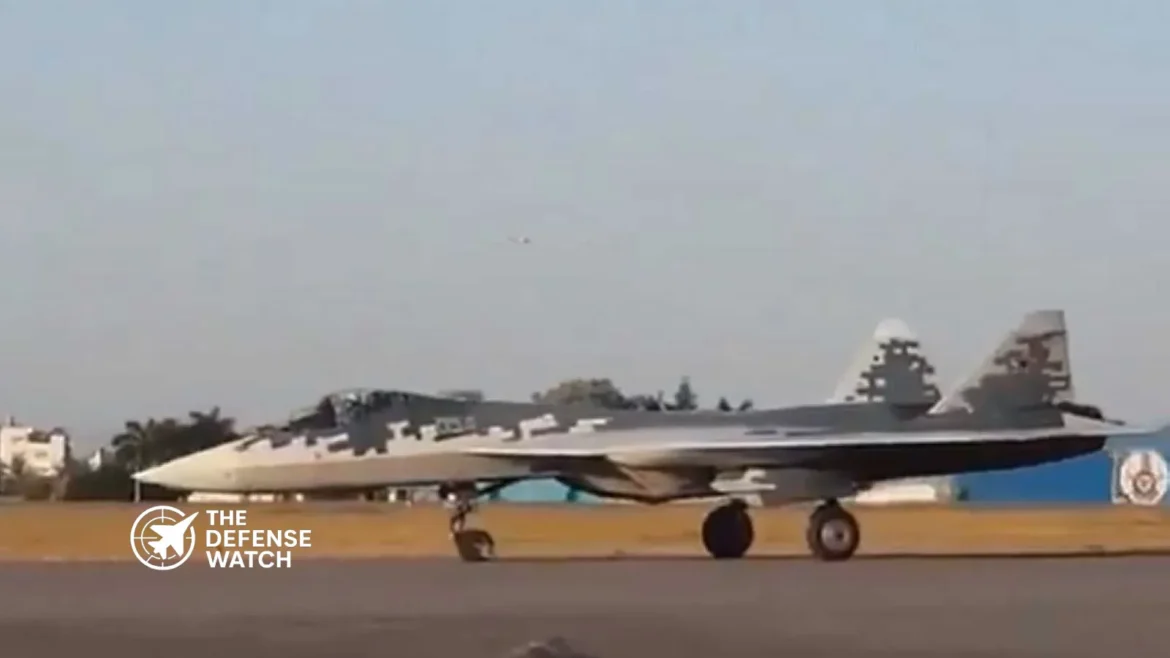
India Su-57E fighter talks have entered a deeper phase as New Delhi evaluates local production of Russia’s fifth-generation stealth aircraft to address growing capability gaps in the Indian Air Force. The discussions come as the United States quietly positions the F-35 as a potential long-term option, highlighting India’s widening set of strategic choices in fighter modernization.
(adsbygoogle = window.adsbygoogle || []).push({});According to reporting by Army Recognition and Indian defense officials, Moscow has proposed assembling the export variant Su-57E in India, potentially under a framework aligned with Make in India defense manufacturing goals. The proposal arrives amid delays in India’s indigenous Advanced Medium Combat Aircraft program and sustained pressure from regional airpower developments in China and Pakistan.
India’s Fifth-Generation Fighter Dilemma
Capability Gaps Drive Urgency
The Indian Air Force currently operates around 30 squadrons, well below the authorized strength of 42. Modernization efforts have been slowed by delays in indigenous programs and limited progress in foreign acquisitions beyond the Rafale fleet.
China’s operational deployment of the J-20 stealth fighter has sharpened concerns in New Delhi, particularly regarding air dominance and long-range strike capabilities. In this context, India’s interest in the Su-57E reflects a near-term attempt to secure fifth-generation capabilities without waiting for domestic development timelines to mature.
The Su-57E is Russia’s export-configured version of its stealth fighter, featuring reduced sensitive technologies compared to the domestic Su-57, but retaining low observability features, internal weapons bays, and advanced sensors.
What Russia Is Offering India
Local Assembly and Technology Access
Moscow’s proposal reportedly includes domestic assembly in India, with possible technology transfer linked to avionics integration, weapons compatibility, and maintenance infrastructure. Russian officials have emphasized flexibility on customization, including the integration of Indian or third-party systems.
India previously partnered with Russia on the Fifth Generation Fighter Aircraft program, a joint derivative of the Su-57, but withdrew in 2018 citing concerns over cost, stealth performance, and engine maturity. The renewed Su-57E discussions suggest both sides are revisiting the concept under revised terms.
For India, local production would support industrial capacity, reduce long-term sustainment risks, and align with strategic autonomy objectives. For Russia, India remains one of the few partners capable of sustaining high-end aerospace cooperation amid sanctions and export restrictions.
How the U.S. F-35 Fits Into the Picture
Strategic Option, Not a Near-Term Deal
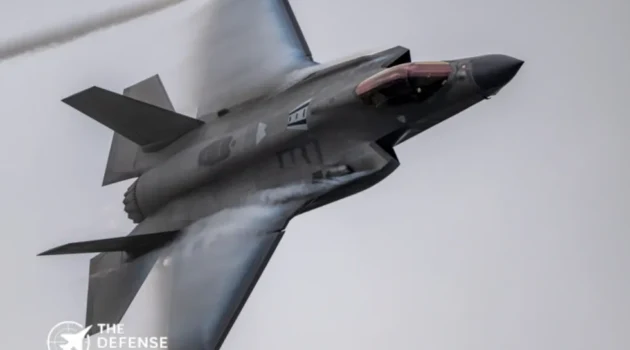
While India Su-57E fighter talks are gaining momentum, U.S. officials have increasingly referenced the F-35 as a potential future option. Any F-35 pathway would involve strict interoperability, data security, and political alignment requirements that differ significantly from Russian platforms.
Washington views India as a key Indo-Pacific partner, but an F-35 sale would require long-term policy alignment, interoperability commitments, and potential constraints on India’s existing Russian-origin systems, including the S-400 air defense network.
Defense analysts note that while the F-35 offers proven stealth performance, sensor fusion, and networked warfare capabilities, it remains a strategic rather than immediate option for India due to cost, basing requirements, and political considerations.
Operational and Technical Considerations
Stealth, Engines, and Sustainment
The Su-57E’s current configuration continues to evolve, particularly in engine development and radar cross-section reduction. Russia is working to field the Izdeliye 30 engine, which is expected to improve thrust, fuel efficiency, and thermal management.
(adsbygoogle = window.adsbygoogle || []).push({});Indian planners are expected to closely evaluate sustainment models, mission readiness rates, and lifecycle costs, areas that have historically challenged Russian-origin platforms. Western aircraft typically offer stronger logistics transparency, but at higher acquisition and operational costs.
Any Indian Su-57E variant would also require integration with existing command, control, and sensor networks, including indigenous datalinks and airborne early warning platforms.
Strategic Signaling and Geopolitical Balance
Multi-Alignment in Practice
India’s parallel engagement with Russia and the United States reflects its long-standing multi-alignment strategy. Rather than committing exclusively to one supplier, New Delhi continues to assess competing offers to preserve leverage, operational flexibility, and strategic autonomy.
The Indian Air Force fifth generation fighter decision will carry long-term implications for training pipelines, weapons inventories, and alliance interoperability, particularly as India expands defense cooperation with the United States, France, and Japan.
(adsbygoogle = window.adsbygoogle || []).push({});What Comes Next
Decision Timeline Remains Unclear
No formal contract or request for proposal has been announced. Defense officials indicate that feasibility studies, cost assessments, and operational evaluations are ongoing. Any decision is likely to follow broader reviews of India’s combat aircraft roadmap, including the AMCA and additional Rafale acquisitions.
Observers expect incremental progress rather than a rapid commitment, with India weighing industrial benefits, geopolitical risk, and operational readiness before choosing a path forward.
Newer Posts