Executive Summary:
NATO officials say Russia is facing increasing difficulty supplying occupied Crimea after sustained Ukrainian strikes against transport infrastructure and logistics networks. The assessment highlights fuel shortages, disrupted transport routes, and growing pressure on Russian military sustainment efforts in southern Ukraine.
Russia Struggling To Supply Crimea, NATO Says
Russia struggling to supply Crimea has become an increasingly significant issue in the Ukraine war, according to comments from a senior NATO official speaking during a recent NATO defense ministers meeting. The assessment comes as Ukraine intensifies attacks on Russian logistics networks, bridges, fuel facilities, and transport corridors supporting operations in occupied southern Ukraine.
According to the official, Ukrainian efforts to interdict supply routes into Crimea and parts of occupied Zaporizhzhia are producing visible effects on Russian military logistics. The official cited fuel shortages, transportation bottlenecks, and increasing restrictions on key supply routes supporting Russian forces in the region.
Ukrainian Strikes Target Critical Supply Networks
The NATO assessment aligns with a broader Ukrainian strategy focused on attacking operational depth rather than solely concentrating on front line positions.
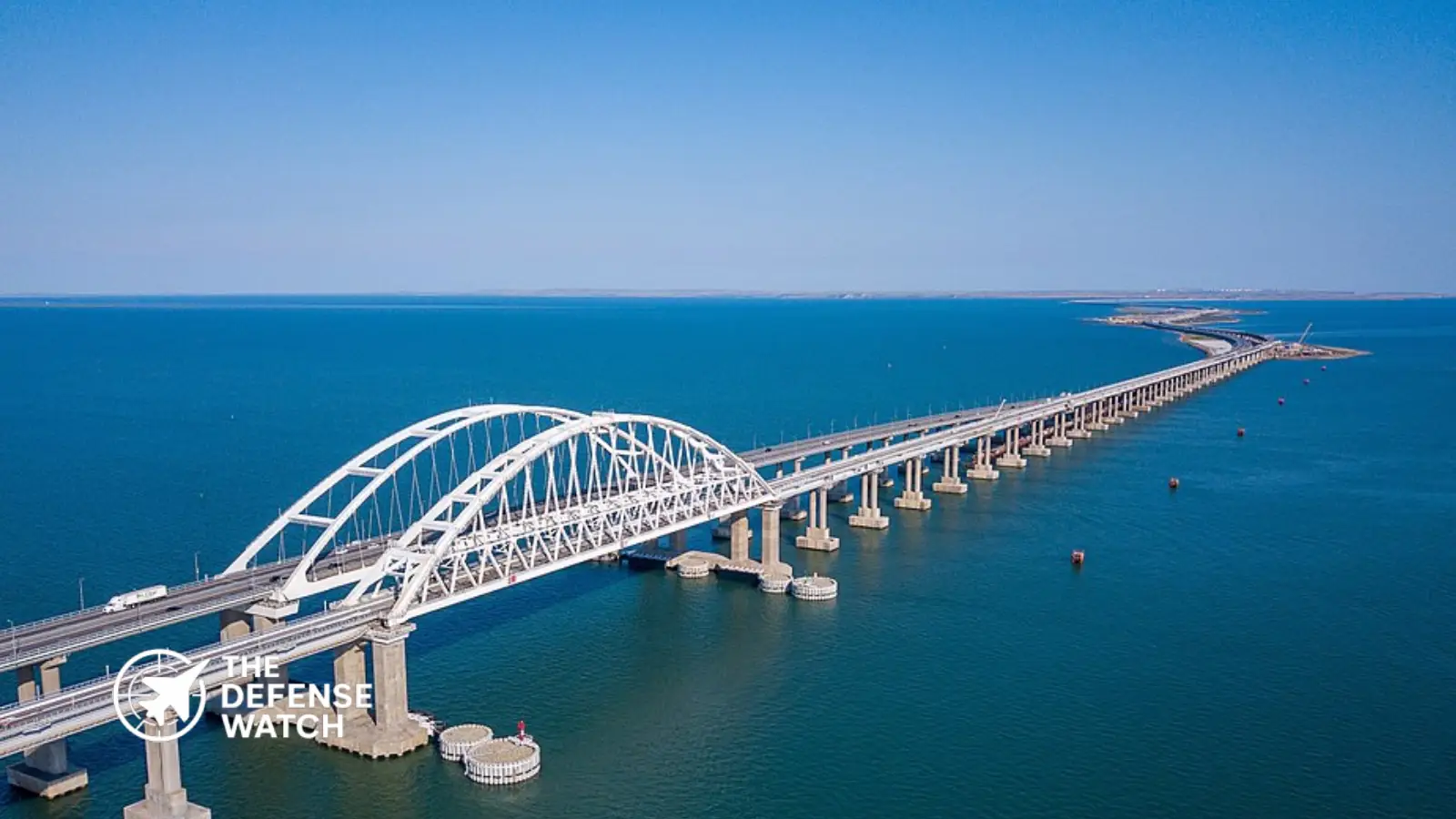
Over recent weeks, Ukrainian forces have reportedly targeted bridges in northern Crimea, transport infrastructure connecting occupied territories, and ferry services operating across the Kerch Strait. NATO officials noted that while the Kerch Bridge remains operational, its use is believed to be constrained by concerns over future Ukrainian attacks.
Additional reporting indicates that Ukrainian drone campaigns have struck fuel depots, road networks, and logistics hubs that support Russian military operations throughout southern Ukraine. These attacks have contributed to transportation disruptions and fuel distribution challenges across Crimea.
Fuel Shortages Emerging Across Crimea
One of the most visible indicators of logistical strain has been the emergence of fuel shortages across occupied Crimea.
Recent reports indicate that Russian authorities have introduced restrictions on fuel sales, limiting supplies primarily to government agencies and essential services after repeated attacks on logistics infrastructure. Ukrainian strikes against fuel storage facilities and transportation routes have complicated efforts to maintain regular fuel deliveries into the peninsula.
Crimea remains heavily dependent on external fuel deliveries. Unlike mainland Russia, the peninsula lacks sufficient domestic refining capacity to sustain military and civilian demand independently. This dependency makes transportation corridors and fuel infrastructure attractive targets for Ukrainian planners seeking to weaken Russian operational capabilities.
Drones Reshaping The Battlefield
A central factor behind the reported logistics disruption is Ukraine’s expanding use of long range and mid range drone systems.
The NATO official credited Ukrainian innovation, improved command and control capabilities, and increasingly effective drone operations for enabling strikes deep behind Russian front lines. According to the assessment, these capabilities have allowed Ukraine to target supply routes, fuel infrastructure, and transportation networks that are critical to sustaining Russian forces.
Recent reporting from multiple sources suggests Ukrainian drone attacks have increasingly focused on road traffic, fuel depots, bridges, and military logistics facilities. Analysts note that these attacks are intended to degrade Russia’s ability to move personnel, ammunition, fuel, and equipment across occupied territories.
Why Crimea Matters Strategically
Crimea remains one of the most strategically important territories in the conflict.
The peninsula serves as a major logistics hub for Russian military operations in southern Ukraine and hosts significant naval, air, and command infrastructure. Maintaining reliable supply lines into Crimea is essential for sustaining Russian military operations across the southern theater.
The ongoing campaign demonstrates how modern warfare increasingly depends on logistics resilience. While combat operations often receive greater public attention, military planners have long emphasized that the ability to move fuel, ammunition, equipment, and personnel frequently determines operational success.
The NATO official cautioned that a major crisis for Russian forces in Crimea is not necessarily imminent. However, the official stressed that military effectiveness ultimately depends on sustainment, warning that prolonged disruptions to supply networks could gradually degrade operational capabilities and increase pressure on occupation authorities.
Analysis: Logistics Becoming A Primary Battlefield
The latest NATO assessment highlights a broader trend emerging in the Ukraine war. Rather than focusing exclusively on direct battlefield engagements, both sides are increasingly targeting the systems that enable military operations.
Ukraine’s campaign against Russian logistics demonstrates a growing emphasis on operational depth, precision strikes, and infrastructure interdiction. By targeting fuel supplies, transport routes, bridges, and logistics hubs, Ukrainian forces appear to be seeking cumulative effects that weaken Russian military effectiveness over time.
For Russia, protecting supply corridors into Crimea is becoming a strategic necessity. The peninsula’s geographic position creates inherent logistical vulnerabilities, particularly when transportation infrastructure and fuel distribution networks come under sustained attack.
Whether these pressures ultimately translate into significant operational consequences remains uncertain. However, the growing focus on logistics warfare suggests that control of supply networks may prove as important as territorial gains in shaping future developments across the southern front.