HÜRJET Turkish Air Force Aircraft Completes Maiden Flight
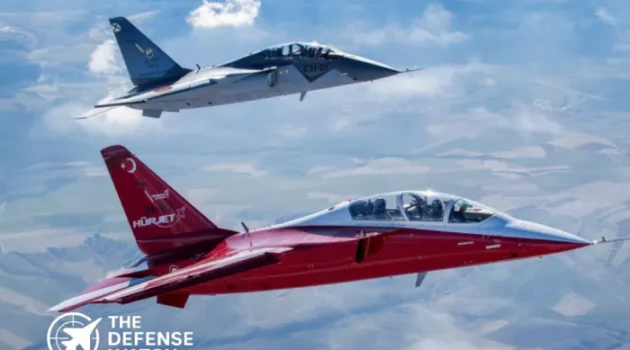
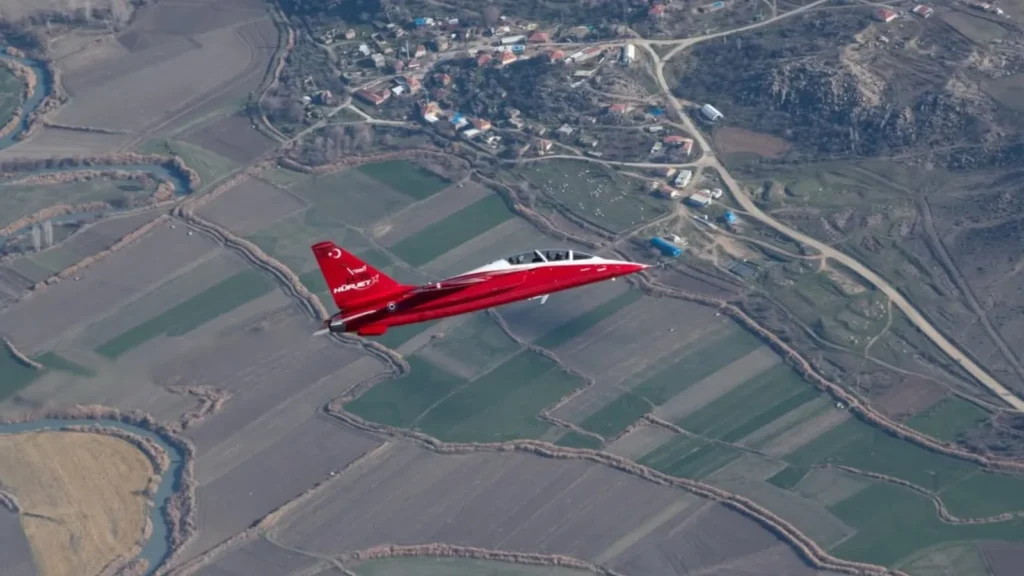
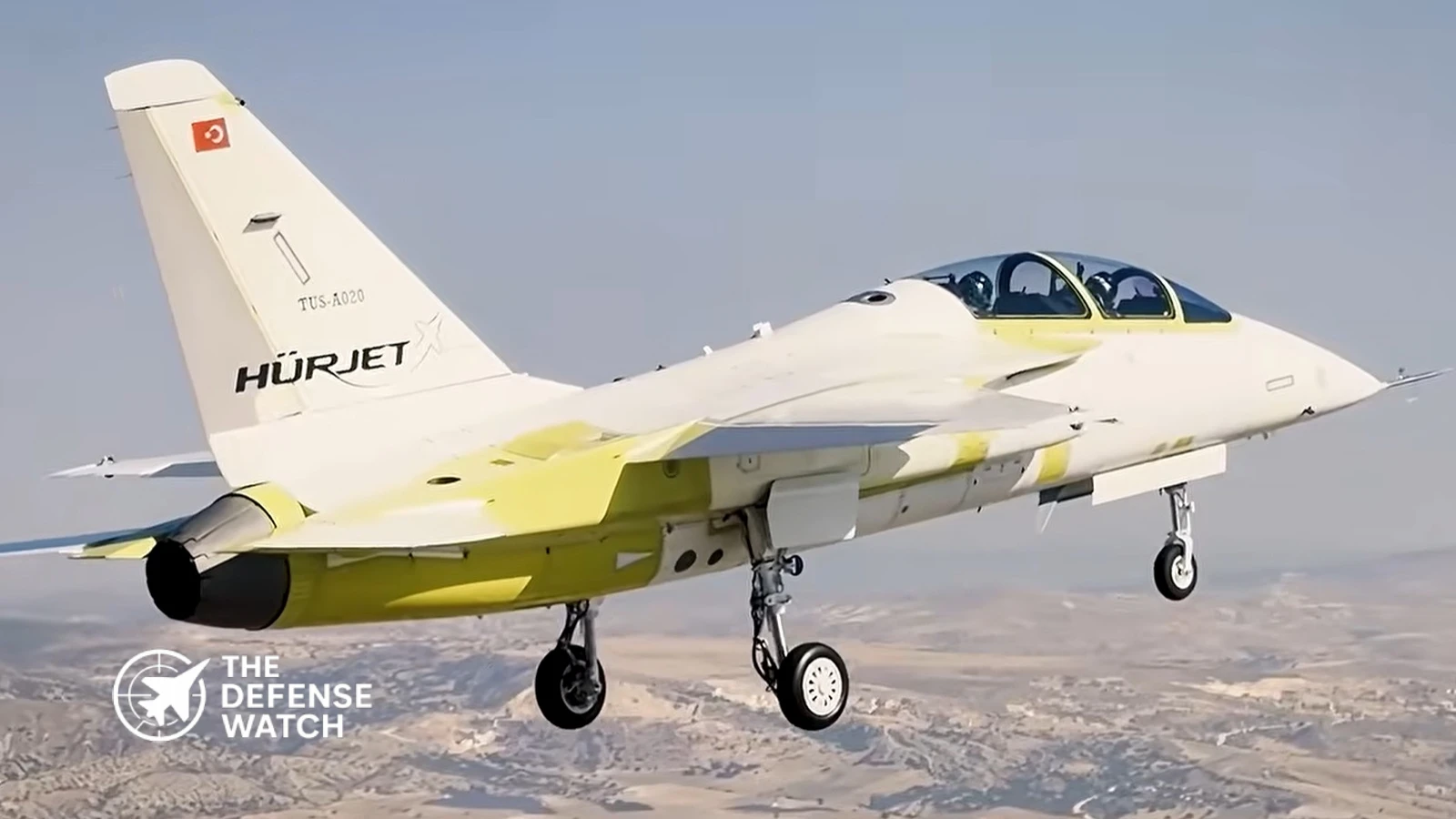
The first production-configured HÜRJET Turkish Air Force aircraft completed its maiden flight on August 30, marking a significant transition for Turkish Aerospace’s advanced jet trainer program from prototype development toward aircraft intended for military service. The aircraft flew for 18 minutes after completing final assembly, ground checks and taxi testing, according to reporting on the milestone and statements from Türkiye’s Presidency of Defense Industries.
- HÜRJET Turkish Air Force Aircraft Completes Maiden Flight
- Takeaways
- From Development Prototype To Production Aircraft
- HÜRJET Technical Profile
- Why The Production Flight Matters
- HÜRJET And The Turkish Fighter Pilot Pipeline
- Spain Gives HÜRJET A Major European Customer
- Production And Export Create A Larger Industrial Test
- What Comes Next For HÜRJET
- Bottom Line
Takeaways
The first production HÜRJET destined for the Turkish Air Force has flown for the first time, marking the transition from prototype development toward testing aircraft built for operational service.
The flight was deliberately timed to coincide with Türkiye’s Victory Day. The production aircraft was accompanied by HÜRJET’s first development prototype during the sortie, providing a visible demonstration of the program’s progression from test aircraft to production-standard platforms.
The event is important because this was not HÜRJET’s original maiden flight. The first prototype flew on April 25, 2023, while a second prototype subsequently joined the flight-test campaign. Turkish Aerospace says the two development aircraft have now completed more than 500 test flights.
From Development Prototype To Production Aircraft
The latest flight represents a different phase of the program. Development prototypes are primarily used to expand the aircraft’s flight envelope, validate systems and support certification work, while the new aircraft is being prepared for eventual delivery to the Turkish Air Force.
That distinction matters for a military aircraft program. Once customer-configured production aircraft begin flying, testing can increasingly focus on the configuration that the operator will actually receive, including production processes, maintainability and acceptance requirements.
The HÜRJET program was initiated in 2017 under the coordination of Türkiye’s Presidency of Defense Industries to address the Turkish Air Force’s advanced jet-training requirement. Turkish Aerospace describes the aircraft as a replacement for the service’s T-38 fleet and the F-5 aircraft used for aerobatic duties.
- (adsbygoogle = window.adsbygoogle || []).push({});
The aircraft is intended to bridge the gap between basic jet training and frontline fighter conversion. That role becomes particularly important as air forces transition pilots toward increasingly complex combat aircraft with digital cockpits, advanced sensors and high-performance flight characteristics.
HÜRJET Technical Profile
HÜRJET is a single-engine, tandem-seat aircraft with a modern avionics suite and a design optimized for advanced jet training. Turkish Aerospace also describes it as capable of light combat missions, giving the platform utility beyond the training role.
Specification HÜRJET Length 13.6 m Wingspan 9.5 m Height 4.1 m Wing area 25 m² Maximum speed Mach 1.4 Service ceiling 45,000 ft Range 1,060 nm Payload capacity 7,500 lb Engine GE F404-GE-104 Engine thrust 17,700 lb G limits +8g / -3g The aircraft’s stated Mach 1.4 maximum speed places it firmly in the supersonic trainer category. Turkish Aerospace also reports that the first development aircraft exceeded 45,000 feet and passed the sound barrier during testing.
The use of a GE Aerospace F404 family engine also gives HÜRJET a proven propulsion architecture, although the overall aircraft’s military value depends on the integration of its flight-control system, avionics, cockpit, training systems and other mission equipment.

Source: Turkish Aerospace Why The Production Flight Matters
For the Turkish Air Force, HÜRJET is more than a replacement for an aging trainer. It provides a domestically developed platform that can support the progression of pilots toward modern fighter aircraft.
This has particular relevance as Türkiye expands its indigenous combat-aircraft portfolio. A domestic advanced trainer provides greater control over training-system development, aircraft configuration and long-term support than relying entirely on imported platforms.
The production flight also demonstrates that the program is moving beyond the limited number of development aircraft. Turkish Aerospace’s official HÜRJET data says series production is continuing, with deliveries to the Air Force scheduled for 2026.
However, official planning documents have previously provided a more detailed production schedule. Türkiye’s 2024-2028 defense industry strategy document identified deliveries of four Block 0 aircraft in 2027 and 12 Block 1 aircraft during 2028 and 2029 under the then-existing contract.
The different dates illustrate why a maiden flight should not automatically be treated as an operational entry date. The aircraft must still progress through additional flight testing, qualification, acceptance and delivery activities before becoming an established training asset.
HÜRJET And The Turkish Fighter Pilot Pipeline
The aircraft’s most important contribution may ultimately be in pilot preparation.
Modern fighter pilots require training that extends well beyond basic aircraft handling. Advanced trainers must provide an environment in which pilots can develop skills associated with high-performance flight, tactical maneuvering, instrument procedures and transition toward frontline fighter systems.
HÜRJET’s performance allows it to provide a more demanding training environment than conventional subsonic trainers. Its tandem cockpit also preserves the instructor-student arrangement commonly used during advanced flight instruction.
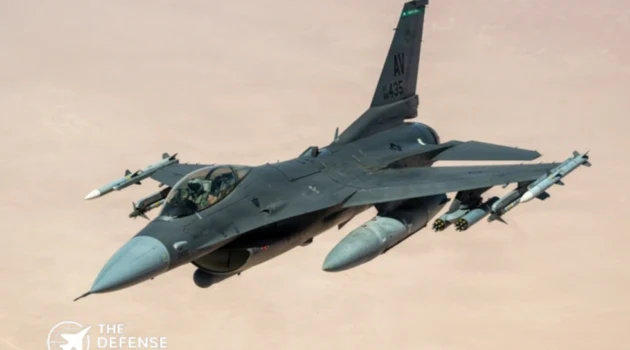
For Türkiye, that capability can support the broader modernization of its combat aviation force. The country operates F-16 fighters and is developing the KAAN fighter, making an indigenous advanced training aircraft strategically relevant to the long-term pilot pipeline.
The value is therefore not simply measured by how many HÜRJET aircraft enter service. It also depends on how effectively the aircraft, simulators, instructors, maintenance infrastructure and training syllabus operate as one system.
Spain Gives HÜRJET A Major European Customer
HÜRJET has also moved into a significant export phase.
Spain selected HÜRJET as part of its new Integrated Combat Training System, known as ITS-C, which is led by Airbus with Turkish Aerospace as the aircraft manufacturer. The program covers 30 HÜRJET aircraft intended to replace Spain’s remaining F-5 advanced trainers.
Turkish Aerospace puts the value of the Spanish procurement at €2.6 billion and says deliveries are planned to begin in the fourth quarter of 2028 and continue through 2036.
The Spanish program is strategically important because it places HÜRJET within a NATO member’s military training architecture. It also introduces Airbus and Spanish industry into the wider program, including aircraft customization, training infrastructure and sustainment.
That gives HÜRJET a potential path into a broader European training market, although future opportunities will depend on cost, certification, industrial arrangements, availability and the aircraft’s performance against competing trainer platforms.
Production And Export Create A Larger Industrial Test
The Turkish Air Force aircraft’s maiden flight comes at a point when HÜRJET is no longer solely a domestic development effort.
Türkiye now has to demonstrate that the aircraft can move from prototype production to repeatable manufacturing while maintaining quality, configuration control and supportability. That is a more demanding industrial challenge than producing a small number of prototypes.
The Spanish order increases that pressure because the program must eventually support different customer requirements while retaining a common aircraft architecture.
For Turkish Aerospace, successful production and delivery of the domestic aircraft will therefore be as important as the original flight-test achievements. A reliable production system is essential if HÜRJET is to develop into a sustainable export product.
What Comes Next For HÜRJET
The August 30 sortie begins another important stage of the program rather than completing it.
The first Turkish Air Force production aircraft will need to continue flight testing and move through the remaining acceptance process before delivery. At the same time, Turkish Aerospace is expected to continue series production and development work on later aircraft.
The company has also been examining additional HÜRJET configurations. Turkish Aerospace CEO Mehmet Demiroğlu said in August that the company had begun work on a navalized HÜRJET concept and was pursuing additional NATO export opportunities.
For now, the central milestone is more straightforward: the first HÜRJET built for the Turkish Air Force has left the ground.
The 18 minute flight marks the point at which Türkiye’s indigenous supersonic trainer begins proving not only the aircraft design, but also the production configuration that will eventually support the country’s military pilot training system.
Bottom Line
The first production HÜRJET’s maiden flight is a significant industrial and operational milestone for Türkiye. It confirms that the program has progressed beyond its two principal development prototypes and into flight testing of aircraft intended for actual Turkish Air Force service.
The larger test will be completing acceptance, sustaining production and translating the aircraft’s advanced training capabilities into a dependable pilot-training system. The Spanish export program adds another demanding benchmark, giving HÜRJET a chance to establish itself beyond Türkiye as a NATO-compatible advanced trainer.
For the Turkish Air Force, the immediate objective is clear: turn the production aircraft now flying into a reliable training asset for the next generation of fighter pilots.
- (adsbygoogle = window.adsbygoogle || []).push({});