Executive Summary
Marvin Engineering Company has been awarded a $138.2 million U.S. Air Force contract to supply guided missile launchers and power systems for fighter aircraft supporting Foreign Military Sales partners.
The contract reinforces long-term sustainment and integration of AIM-120 AMRAAM capabilities across allied air forces, with deliveries continuing through April 30, 2036.
Contract Overview and Scope
The U.S. Air Force has awarded a firm-fixed-price requirements contract valued at $138,217,405 to Marvin Engineering for the production of guided missile launchers and associated power supply units. These systems are designed for fighter aircraft that deploy the AIM-120 AMRAAM.
Key contract details include:
- Contract Value: $138.2 million
- Award Date: April 30, 2026
- Completion Date: April 30, 2036
- Contract Type: Sole-source, firm-fixed-price requirements contract
- Work Location: Inglewood, California
- Contracting Authority: Air Force Life Cycle Management Center, Robins Air Force Base, Georgia
- Funding Status: No initial funds obligated at award
The contract supports Foreign Military Sales programs, ensuring allied air forces maintain operational readiness with U.S.-standard missile integration systems.
Role of Launcher Systems in AMRAAM Integration
Missile launchers are a critical interface between aircraft and weapon systems. For AMRAAM operations, they provide:
- Mechanical support and secure carriage of missiles
- Electrical power and data link connectivity
- Safe release and ignition sequencing
- Compatibility with modern avionics and fire-control systems
These components ensure that AMRAAM missiles can be deployed effectively in beyond-visual-range (BVR) engagements.
Technology Comparison: Modern vs Legacy Launcher Systems
| Feature | Modern AMRAAM Launcher Systems | Legacy Missile Rails |
|---|---|---|
| Range | Supports full AMRAAM BVR capability | Limited integration range |
| Payload | Multi-variant AMRAAM compatibility | Restricted to older missile types |
| Status | Active production, FMS-enabled | Gradually being phased out |
| Key Technology | Digital interface, power conditioning, smart release systems | Analog systems, limited data integration |
Technical Advantages for Allied Air Forces
Modern launcher systems under this contract offer several operational benefits:
- Enhanced interoperability with NATO and allied aircraft fleets
- Improved reliability through updated power supply units
- Compatibility with newer AMRAAM variants, including extended-range models
- Reduced maintenance burden via modular design
- Scalability for integration across multiple fighter platforms
These advantages are particularly important for nations upgrading legacy fleets to maintain parity with evolving air combat threats.
Strategic Context: Sustaining Air Superiority Through FMS
This contract highlights the continued importance of Foreign Military Sales in extending U.S. defense capabilities to partner nations. By standardizing launcher systems for AMRAAM integration, the U.S. ensures:
- Greater coalition interoperability in joint operations
- Faster deployment timelines during crises
- Consistent logistics and sustainment frameworks
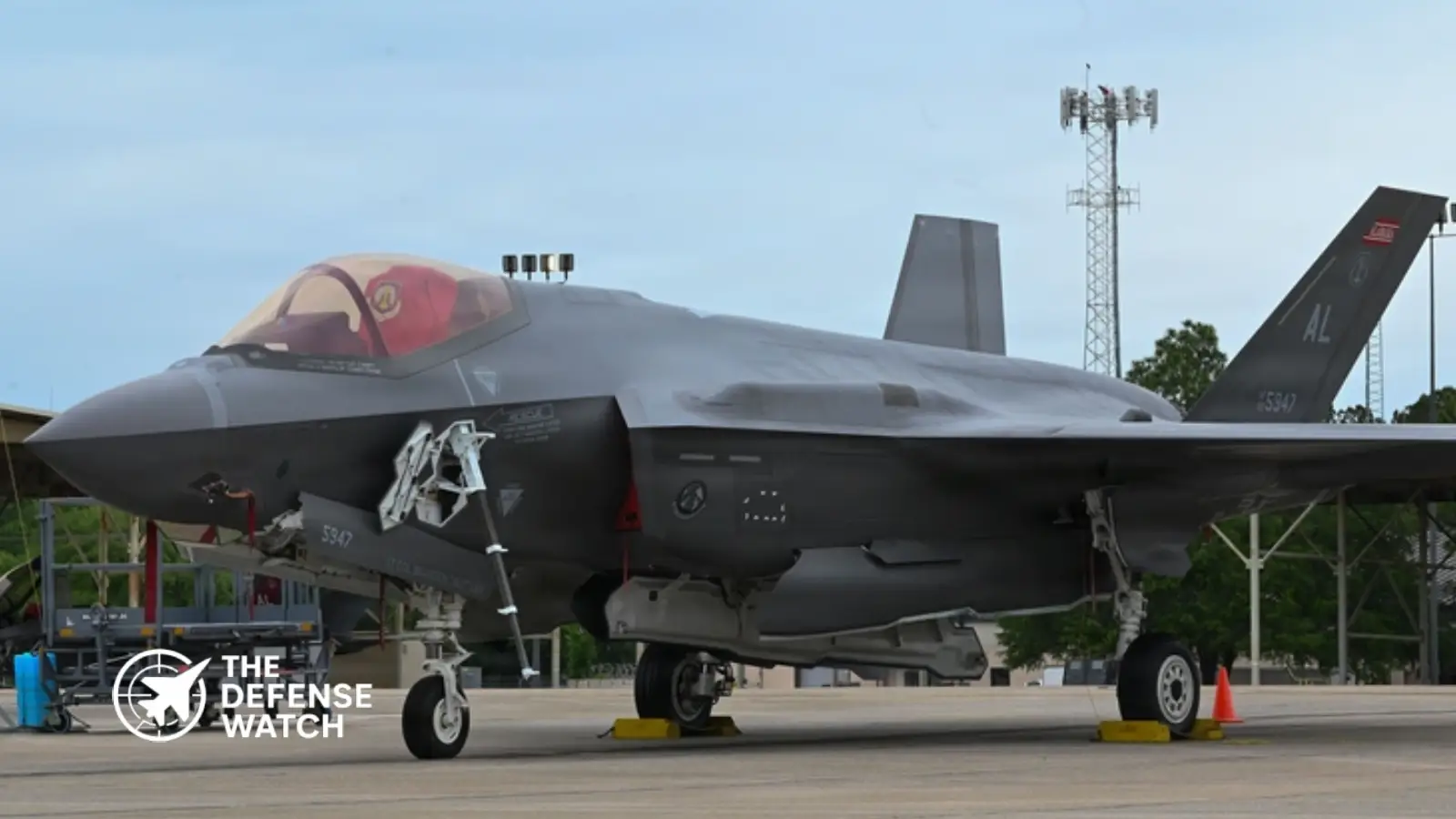
The AMRAAM remains a cornerstone of Western air combat doctrine, widely deployed across platforms such as the F-15, F-16, and F-35. Ensuring reliable launcher systems is essential as adversaries invest in advanced air-to-air missiles and electronic warfare capabilities.
Long-Term Industrial and Operational Impact
The 10-year duration of the contract reflects sustained demand for missile integration hardware as global air forces modernize. It also reinforces Marvin Engineering’s role as a key supplier within the U.S. defense industrial base.
With no funds obligated at award, the contract operates as a requirements-based vehicle, allowing the Air Force to procure systems as needed over time. This approach provides flexibility while maintaining readiness across allied fleets.
Overall, the award underscores the enduring relevance of AMRAAM-compatible infrastructure and highlights the critical, though often overlooked, role of launcher systems in modern air combat capability.