Executive Summary:
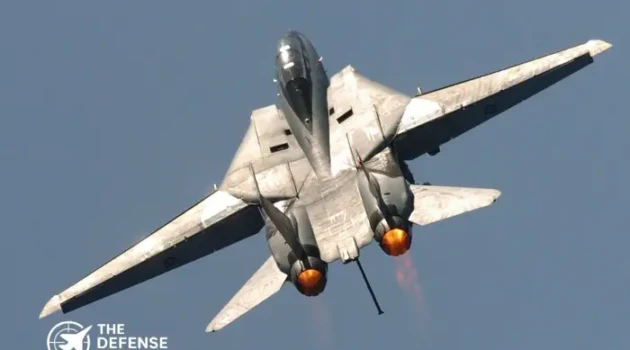
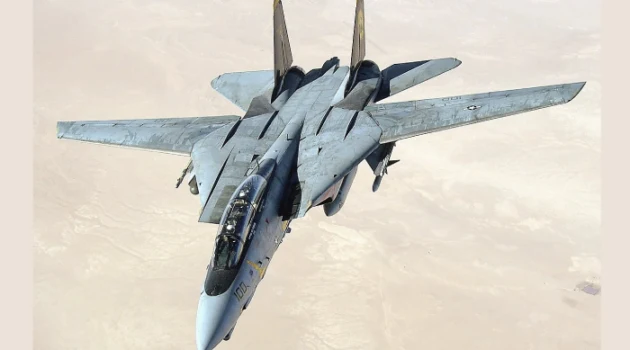
The U.S. Congress is advancing legislation that could preserve three retired F-14D Tomcat fighters and potentially return one aircraft to flying condition. The Maverick Act would transfer the jets from Navy storage to the U.S. Space & Rocket Center in Alabama for heritage and educational use.
Congress Advances F-14 Tomcat Preservation Effort
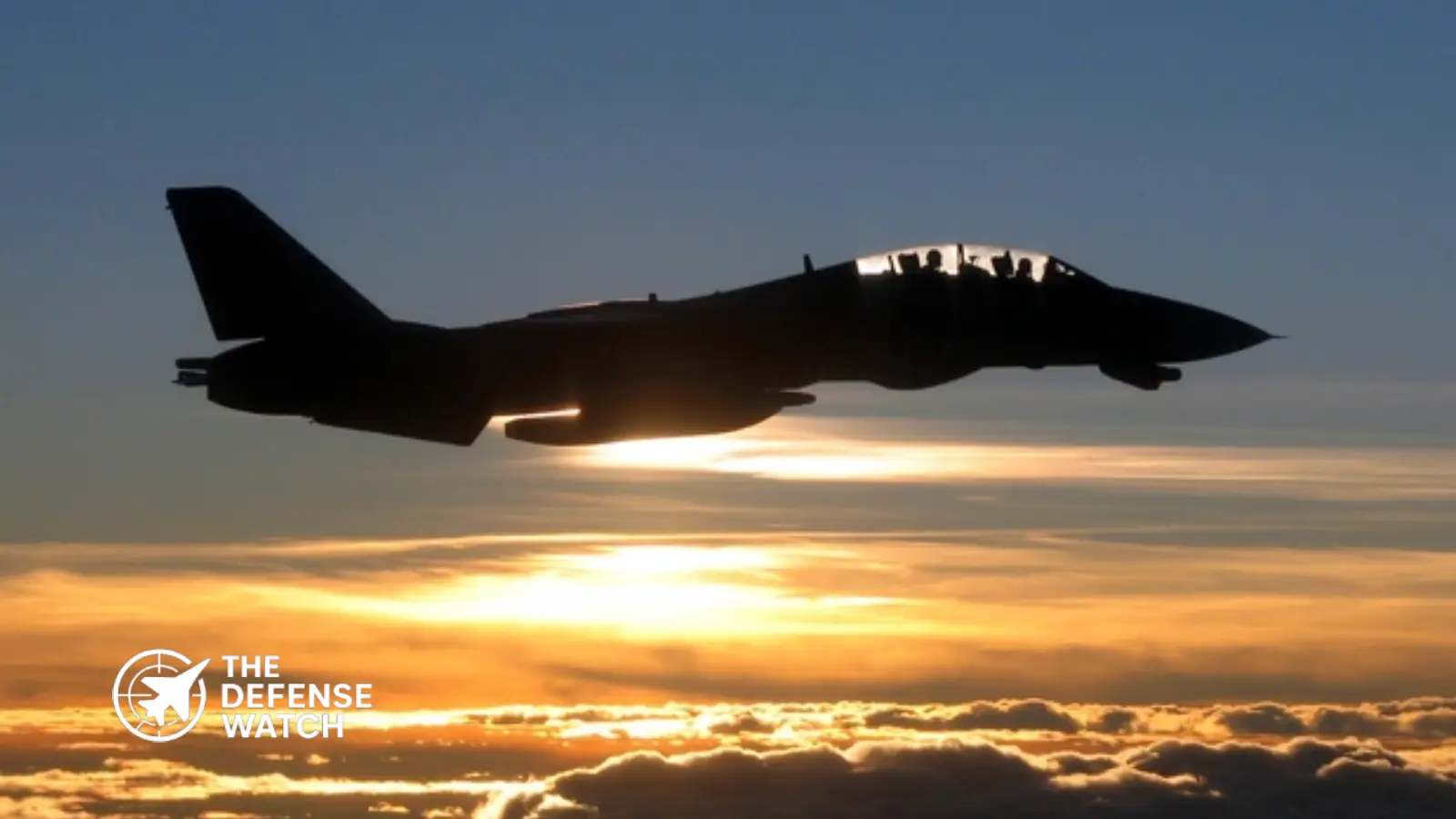
The future of the iconic Grumman F-14 Tomcat may be changing after nearly two decades in retirement, as U.S. lawmakers move forward with legislation aimed at preserving three remaining aircraft and potentially restoring one to flight status.
The proposed legislation, known as the Maverick Act, has already passed the U.S. Senate by unanimous consent and is now under consideration in the House of Representatives. The bill would authorize the transfer of three retired F-14D Tomcats from storage at Davis-Monthan Air Force Base in Arizona to the U.S. Space & Rocket Center Commission in Huntsville, Alabama.
The legislation was introduced in the Senate by Tim Sheehy and co-sponsored by Mark Kelly. In the House, companion legislation was introduced by Abe Hamadeh.
One F-14 Could Potentially Fly Again
The most significant provision in the Maverick Act allows the Secretary of the Navy to provide excess spare parts needed to make one of the aircraft either flyable or suitable for static display.
If approved and technically feasible, the restored aircraft could appear at public airshows, commemorative events, and naval aviation heritage demonstrations. The three aircraft identified in the legislation carry Bureau Numbers 164341, 164602, and 159437.
The proposed transfer would come with strict limitations. The aircraft would be fully demilitarized and stripped of any combat capability or weapons release functionality before transfer. Lawmakers also emphasized that the legislation does not reopen foreign transfer pathways for the aircraft.
The F-14 Tomcat was retired by the U.S. Navy in 2006 after more than three decades of service. The aircraft gained worldwide recognition for its variable-sweep wing design, long-range interception capability, and operational role aboard U.S. aircraft carriers during the Cold War and post-Cold War era.
Why The F-14 Was Previously Destroyed
The congressional effort marks a major shift in long-standing U.S. policy toward retired F-14 airframes.
After the Tomcat left Navy service, the Pentagon ordered most surviving aircraft dismantled or destroyed to prevent spare parts from reaching Iran, the only foreign operator of the aircraft. Iran acquired F-14s before the 1979 Islamic Revolution and continued operating portions of the fleet for decades despite sanctions.
That policy led to the scrapping of nearly all retired U.S. Navy F-14s. Many aviation experts believed the aircraft would never fly again in the United States because of severe parts shortages and structural modifications made during retirement processing.
Online aviation communities and former maintainers have debated whether surviving airframes remain structurally recoverable. Some observers claim critical wing box structures were intentionally cut during demilitarization, while others argue a limited number of preserved aircraft may still be viable for restoration.
Technical And Financial Challenges Remain
Even if the Maverick Act becomes law, returning an F-14 Tomcat to flight would remain a highly complex undertaking.
The F-14 was one of the most maintenance-intensive fighter aircraft ever operated by the U.S. Navy. Maintaining the swing-wing fighter required extensive logistics support, specialized tooling, and a large supply chain that no longer exists.
Unlike legacy warbirds such as the P-51 Mustang or F-4 Phantom, the Tomcat fleet was deliberately removed from long-term civilian restoration pipelines. Many spare parts were destroyed, and no commercial production network remains active for critical systems.
Still, the legislation reflects growing interest in preserving Cold War aviation history as public demand for historic military aircraft demonstrations continues to expand. The F-14 also remains one of the most recognizable U.S. naval aircraft ever built, partly due to its continued cultural visibility through films and aviation media.
Strategic Symbolism Beyond Heritage
While the Maverick Act is primarily framed as a heritage preservation initiative, the proposal also carries symbolic value for U.S. naval aviation history.
The Tomcat represented the peak of Cold War carrier-based fleet defense and served as a central component of Navy air superiority strategy for decades. Restoring even one aircraft to flying condition would provide the United States with a highly visible heritage platform linked to naval aviation history and carrier warfare evolution.
The move also comes during a broader period of renewed interest in preserving legacy American combat aircraft as museums, private organizations, and veterans groups seek to maintain public engagement with military aviation history.
Whether one of the aircraft ultimately returns to the skies will depend on engineering feasibility, funding, regulatory approvals, and long-term maintenance support. However, the fact that Congress is now openly considering the possibility marks a major reversal from the post-retirement policy that once ensured the F-14 would never fly again.