

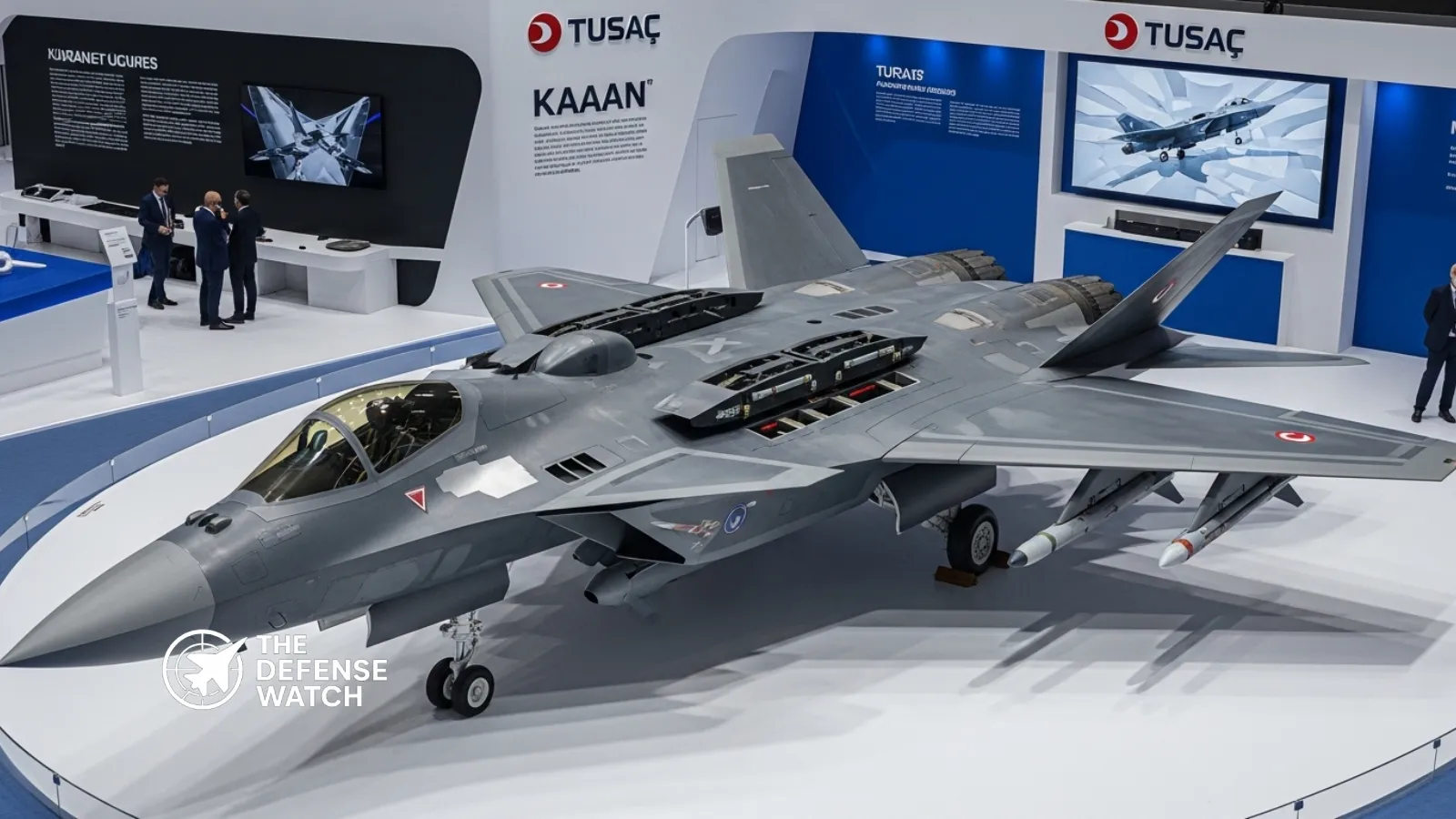
Turkey’s TUSAŞ Details Next-Gen Fighter Progress in Leadership Interview
Turkey’s state aviation and defense prime Turkish Aerospace Industries (TUSAŞ) has provided new public commentary on its sixth-generation combat aircraft program, widely referred to as KAAN, in a recently posted interview video featuring TUSAŞ General Manager Dr Mehmet Demiroğlu. The comments offer fresh insight into the development roadmap and test preparation for the advanced platform.
In the interview, Demiroğlu discusses current activities in the Turkish defense aerospace sector, with emphasis on KAAN’s flight test sequence and associated systems integration. The video was shared on official social media channels and linked by industry observers, indicating TUSAŞ’s intent to communicate progress to the broader defense community.
Program Context and Strategic Goals
Turkey’s next-generation fighter initiative is intended to succeed existing fourth- and fifth-generation aircraft in Turkish service, expanding indigenous capability in air superiority, sensor fusion, and survivability against emerging threats. The platform is being developed domestically by TUSAŞ with support from a broad national supply base.
While official defense ministries have not published detailed technical specifications, the sixth-gen designation generally implies capabilities such as advanced avionics, low observables, internal weapons bays, next-level sensor networks, and sustained high survivability in contested airspace.
Development Roadmap and Test Activities
In remarks captured by the interview video, TUSAŞ leadership confirmed ongoing ground testing and preparation for flight activity. Local industry media circulation around the video suggests a flight test campaign may occur later this year, with ground integration work and systems verification progressing on schedule.
The interview also underscores TUSAŞ’s communication strategy toward both domestic stakeholders and international partners. By publicly outlining aspects of the development timeline, the company aims to bolster confidence in the program’s trajectory and highlight Turkey’s growing aerospace engineering base.
Industry and Regional Implications
Turkey’s pursuit of an indigenous sixth-generation fighter reflects broader trends in the global defense aerospace domain, where major powers invest in next-generation platforms to maintain edge in air dominance. For Ankara, the KAAN effort supports national goals of technological autonomy, reduced reliance on foreign systems, and potential export opportunities.
The strategic timing of such communications can also influence regional defense dynamics, especially within NATO and adjacent security environments, where air superiority capabilities shape deterrence postures.
Outlook
As TUSAŞ moves toward first flights and continued prototype validation, defense analysts will be watching for formal ministry statements and flight test confirmations. Transitions from design and ground testing into airborne operations remain key milestones for any advanced combat aircraft program.

