

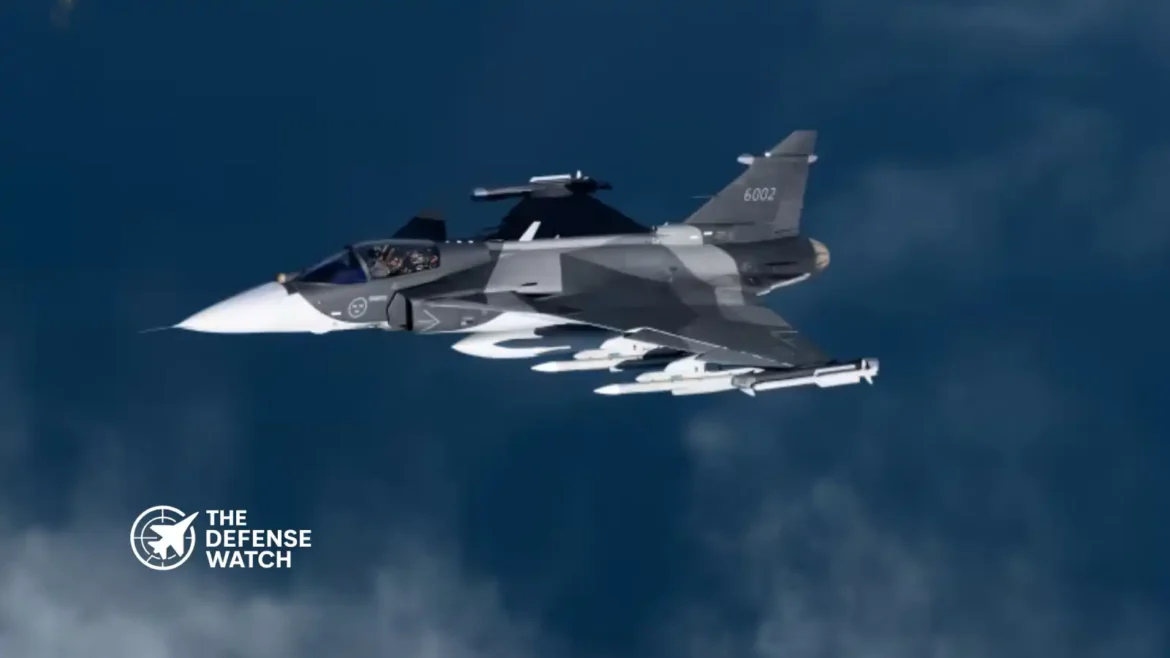
Saab Canada Fighter Partnership Targets Future Airpower Strategy
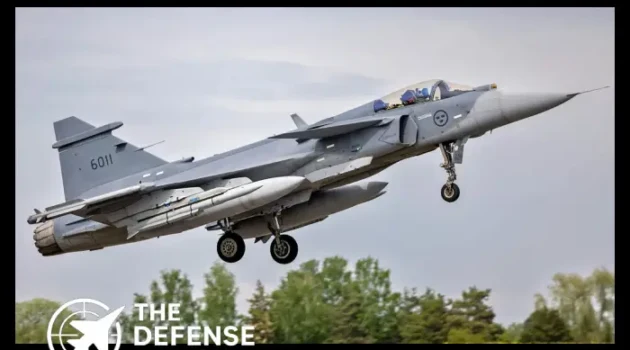
Sweden’s Saab is actively pursuing a Saab Canada fighter partnership aimed at supporting Ottawa’s long-term next-generation fighter development, signaling a strategic push to remain relevant in Canada’s evolving airpower landscape.
Saab is positioning itself as a partner not only for aircraft platforms but also for broader defense industrial collaboration, including technology transfer and domestic production capabilities. The effort comes even as Canada proceeds with its acquisition of the F-35, underscoring Saab’s focus on future opportunities rather than past procurement outcomes.
- Saab is seeking a long-term partnership with Canada on next-generation fighter development and industrial cooperation.
- The move comes despite Canada’s selection of the F-35, signaling Saab’s continued interest in future programs.
- Saab is offering technology collaboration, domestic industry participation, and sovereign capability development.
- Canada is expected to evaluate long-term airpower needs beyond current fifth-generation platforms.
- The proposal reflects growing competition among Western defense firms for future fighter ecosystems.
This approach reflects a broader shift in the global fighter market, where competition increasingly centers on ecosystem partnerships rather than standalone aircraft sales.
Saab’s Strategy: Beyond Aircraft Sales
Saab’s proposal emphasizes industrial cooperation, sovereignty, and long-term capability development. Rather than offering a traditional off-the-shelf fighter solution, the company is promoting a collaborative framework that could allow Canada to shape future systems alongside international partners.
This aligns with Saab’s established export strategy seen in previous campaigns, where it has highlighted technology sharing and local industry participation as key differentiators. The company’s pitch to Canada includes:
- Joint development of next-generation fighter technologies
- Integration of Canadian defense firms into global supply chains
- Support for sovereign maintenance and upgrade capabilities
From an operational standpoint, this model appeals to countries seeking greater control over their defense assets, particularly in an era where supply chain resilience and strategic autonomy are gaining importance.
Canada’s Long-Term Fighter Considerations
While Canada has committed to acquiring the F-35, defense planners continue to assess future requirements beyond fifth-generation platforms. Air forces across NATO and allied nations are already exploring sixth-generation fighter concepts, often involving multinational collaboration.
In this context, Saab’s outreach can be seen as a forward-looking move. By engaging early, the company aims to position itself within any future Canadian-led or multinational fighter initiative.
Canada’s geographic and strategic environment also plays a role. With vast Arctic territories and increasing attention to northern defense, future fighter capabilities may require:
- Extended range and endurance
- Advanced sensor integration
- Interoperability with allied systems
- Adaptability to extreme operating conditions
Saab’s experience in designing aircraft for dispersed operations and austere environments could factor into its pitch, particularly if Canada prioritizes flexibility alongside advanced stealth and sensor capabilities.
Competitive Landscape: A Crowded Field
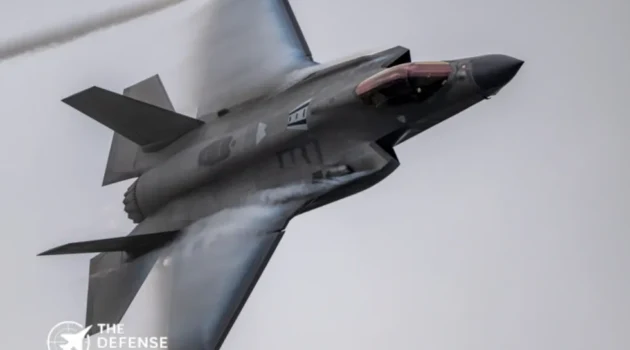
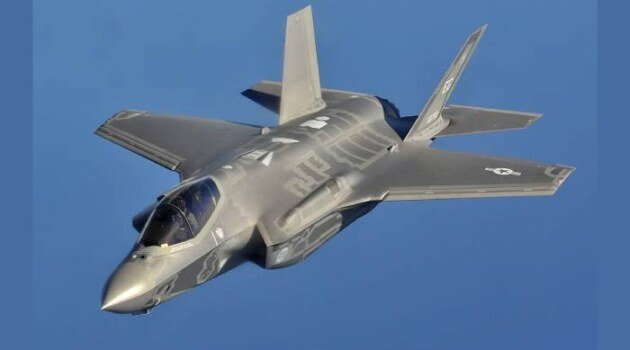
The Saab Canada fighter partnership initiative enters a highly competitive environment dominated by major defense primes. The F-35 program, led by the United States, already integrates multiple partner nations into a shared development and sustainment framework.
At the same time, emerging sixth-generation programs such as the Global Combat Air Programme (GCAP) and the Future Combat Air System (FCAS) are reshaping the market. These initiatives emphasize networked warfare, artificial intelligence integration, and manned-unmanned teaming.
Saab’s challenge lies in carving out a role within this evolving ecosystem. Unlike larger consortiums backed by multiple governments, Saab may need to leverage niche strengths such as cost efficiency, modular design, and flexible partnership models.
Industrial and Strategic Implications
For Canada, engaging with Saab could offer several potential advantages, even outside a formal aircraft procurement:
- Diversification of defense partnerships
- Increased domestic industrial participation
- Access to alternative technology pathways
However, such collaboration would need to align with Canada’s existing commitments, particularly within the F-35 program and NATO interoperability requirements.
From a geopolitical perspective, Saab’s outreach highlights the intensifying competition among Western defense firms to secure long-term partnerships with allied nations. As military modernization accelerates, early collaboration on future systems is becoming a key battleground.
Analysis: Positioning For The Next Cycle
Saab’s move is less about immediate procurement and more about shaping the next phase of fighter development. By targeting Canada now, the company is attempting to establish relationships that could influence decisions a decade or more into the future.
This reflects a broader industry trend where defense companies seek to embed themselves within national industrial ecosystems early, ensuring relevance as new programs emerge.
For Canada, the decision will ultimately hinge on balancing operational requirements, alliance commitments, and domestic industrial priorities. While the F-35 addresses current needs, future airpower strategies remain open to influence.
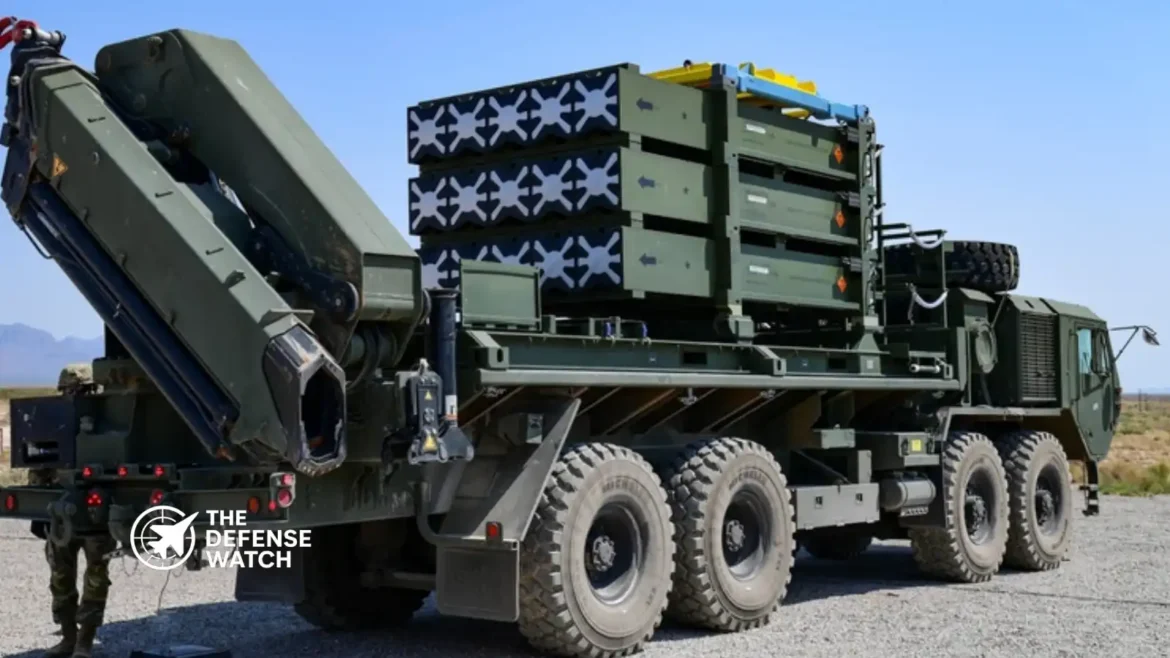
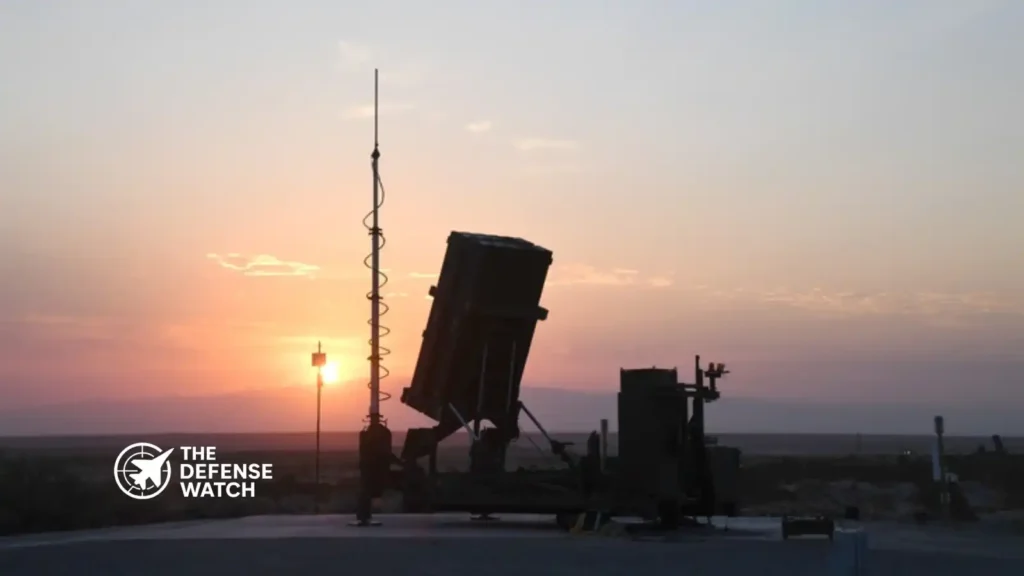
Iron Dome Turns 15: 10,000 Intercepts & Counting
Iron Dome missile defense system has crossed a milestone that few weapons platforms in modern history can claim: fifteen uninterrupted years of combat-proven performance, more than 10,000 confirmed intercepts, and an operational record that has fundamentally altered how militaries worldwide think about short-to-medium-range air defense. On April 9, 2026, Rafael Advanced Defense Systems formally marked the anniversary, underscoring the system’s evolution from a domestic Israeli solution into one of the most replicated and studied air defense concepts on the planet.
- Iron Dome conducted its first successful operational intercept on April 7, 2011, neutralizing a rocket launched from the Gaza Strip.
- The system has surpassed 10,000 combat intercepts over 15 years of active service with a reported success rate exceeding 90 percent.
- Iron Dome was developed in approximately two and a half years and is capable of engaging rockets, cruise missiles, UAVs, and other aerial threats.
- The naval variant, C-Dome, became operational in 2017 and recorded its first at-sea intercept in April 2024 aboard an Israeli Sa’ar 6 corvette.
- The United States Marine Corps has selected Iron Dome to bolster its own ground-based short-range air defense capabilities.
The Shot That Changed Everything: April 7, 2011
The clock started on April 7, 2011, when an Iron Dome battery neutralized a rocket fired from the Gaza Strip — the system’s first confirmed operational intercept. The moment was more than a technical proof of concept. It signaled a deliberate shift in Israeli national security strategy: rather than relying solely on deterrence and ground operations to suppress rocket fire, Israel would field a persistent, high-volume intercept capability designed to protect its civilian population in near-real time.
That first intercept marked a shift in Israel’s defensive approach to countering aerial threats, and the system has since been deployed across multiple large-scale operations including Protective Edge, Guardian of the Walls, Breaking Dawn, Shield and Arrow, the Swords of Iron War, and Operation Roaring Lion.
The speed of development was equally remarkable. Iron Dome was built in approximately two and a half years — an extraordinarily compressed timeline for a platform of this complexity, reflecting both the urgency of the threat environment and the depth of Israeli defense-industrial capacity.
A System Built for the Modern Threat Landscape
Iron Dome is not a single-mission interceptor. It is a short- to medium-range system designed to engage a wide range of targets, including rockets, cruise missiles, unmanned aerial vehicles, and other aerial threats under various operational conditions — capable of functioning independently or as part of an integrated, layered air defense network.

Image : Iron Dome missile defense system That multi-threat adaptability has proven decisive. In today’s conflict environment, where adversaries routinely saturate defenses with mixed salvos of unguided rockets, precision cruise missiles, and low-cost kamikaze drones, a system that can discriminate between threat types and engage selectively represents a significant operational advantage. Iron Dome’s battle management component calculates probable impact points and prioritizes intercepts against threats aimed at populated or strategically critical areas — a feature that directly contributes to its cost efficiency in high-volume engagements.
Over 15 years of service, the system has maintained a reported success rate exceeding 90 percent across more than 10,000 combat intercepts.
Leadership Voices: Confidence Backed by Battlefield Data
Rafael’s leadership did not mince words when assessing the system’s legacy.
Yuval Steinitz, chairman of Rafael, framed Iron Dome’s significance in both strategic and economic terms. He described it as “the only system capable of engaging rockets and missiles across short and medium ranges — and doing so at a cost that makes large-scale deployment feasible,” adding that it reflects the scientific and technological superiority of Israel and of Rafael’s engineers in particular.
Yoav Tourgeman, Rafael’s chief executive, pointed to the system’s continuous performance improvement as its defining characteristic. He stated that ongoing upgrades have significantly enhanced capabilities, noting that what the system can do today across the full spectrum of threats it faces exceeds what it could do at initial delivery by “an order of magnitude.” Tourgeman also credited the system with saving tens of thousands of Israeli lives over the course of its operational service.
Both statements reflect a broader truth about Iron Dome: it is not the same system it was in 2011. Iterative upgrades based on operational feedback — a process conducted in close coordination with the Israel Air Force and the Directorate of Defense Research and Development — have kept the platform ahead of an evolving threat curve that now includes precision-guided rockets, loitering munitions, and salvo tactics designed to overwhelm point defenses.
Expanding to Sea: The C-Dome Naval Variant
One of the clearest indicators of Iron Dome’s strategic staying power is the decision to extend the platform into the maritime domain. The C-Dome naval variant became operational in 2017 and conducted its first combat intercept in April 2024, aboard an Israeli Sa’ar 6 corvette.
The significance of that intercept extends well beyond Israel’s territorial waters. Naval forces globally are grappling with a rapidly deteriorating threat environment driven by cheap, proliferating anti-ship missiles and drone swarms. C-Dome’s integration aboard surface combatants offers a potential model for navies seeking affordable, high-rate intercept capability without the footprint of larger shipborne air defense systems. Its operational debut in a live conflict environment will inevitably draw close scrutiny from allied naval planners.
U.S. Adoption and International Demand
Perhaps the most telling endorsement of Iron Dome’s standing is its adoption by the United States military. The U.S. Marine Corps selected Iron Dome to enhance its own short-range air defense capabilities — a choice that reflects both the system’s combat credibility and Washington’s broader effort to address gaps in ground-based air defense following years of neglect during the counter-insurgency era.
The USMC selection also carries significant implications for allied interoperability. Iron Dome batteries operating alongside U.S. forces in a contested theater would need to integrate with American command-and-control networks, a requirement that accelerates technical cooperation between Rafael and U.S. defense industry partners and potentially opens doors to further foreign military sales.
Analysis: What Iron Dome’s 15-Year Record Reveals About the Future of Air Defense
Iron Dome’s anniversary arrives at a moment when the global air defense market is experiencing its most significant surge in demand since the Cold War. The wars in Ukraine and the Middle East have demonstrated that aerial threats — from crude artillery rockets to sophisticated cruise missiles and drone swarms — are now a fixture of modern combined-arms warfare, not an exception.
Several lessons from Iron Dome’s operational history are already shaping procurement decisions worldwide. First, the value of layered defense architecture is now empirically validated rather than theoretically argued. Iron Dome was never designed to operate alone; it functions as the lower tier of a network that includes David’s Sling and the Arrow systems for medium and long-range threats. That integrated approach, once primarily an Israeli concept, is now being adopted as a template by NATO members accelerating their own air defense investments.
Second, the cost-per-intercept question — long a vulnerability in Iron Dome’s economic case — has become less acute as adversaries increasingly deploy more expensive offensive systems. When the incoming threat is a $50,000 precision rocket rather than a $500 unguided projectile, the calculus of using a multi-thousand-dollar interceptor becomes considerably more defensible. And as Rafael continues to reduce production costs through scale and manufacturing efficiency, the system’s economics improve further.
Third, Iron Dome’s journey from a domestic emergency response to a global export product underscores how battlefield validation accelerates international adoption. No amount of laboratory testing or simulation replicates the persuasive power of a 90-plus percent success rate accumulated over 15 years and across multiple high-intensity conflicts. That record is Rafael’s most effective sales tool — and the reason allied defense ministries continue to study it closely.
What comes next will likely involve deeper integration of artificial intelligence into threat discrimination and intercept sequencing, expanded cooperation with U.S. and European partners on next-generation interceptors, and continued development of the C-Dome naval platform as maritime air defense becomes a priority concern across multiple allied navies.
Iron Dome did not just defend a country. It helped define what effective short-range air defense looks like in the 21st century — and fifteen years on, that definition is still being written.
FAQs
How many intercepts has Iron Dome made in 15 years?Iron Dome has recorded more than 10,000 combat intercepts since its first operational engagement in April 2011, maintaining a reported success rate above 90 percent.
What types of threats can Iron Dome intercept?The system is designed to engage short- to medium-range rockets, cruise missiles, and unmanned aerial vehicles. It can operate across all weather conditions and in dense threat environments.
Has the U.S. military adopted Iron Dome?Yes. The United States Marine Corps selected Iron Dome to strengthen its short-range air defense capabilities, marking a significant international endorsement of the platform.
What is C-Dome?C-Dome is the naval variant of Iron Dome developed by Rafael. It became operational in 2017 and conducted its first live combat intercept in April 2024 aboard an Israeli Sa’ar 6 corvette.
How long did it take to develop Iron Dome?Rafael developed Iron Dome in approximately two and a half years, an unusually compressed timeline for a system of its complexity and capability.
Is Iron Dome still being upgraded?Yes. Rafael conducts continuous capability upgrades based on operational experience, and company leadership has stated that the system’s current performance substantially exceeds its original specifications at the time of delivery.

Finland K9 Howitzers Deal Expands Firepower Capability
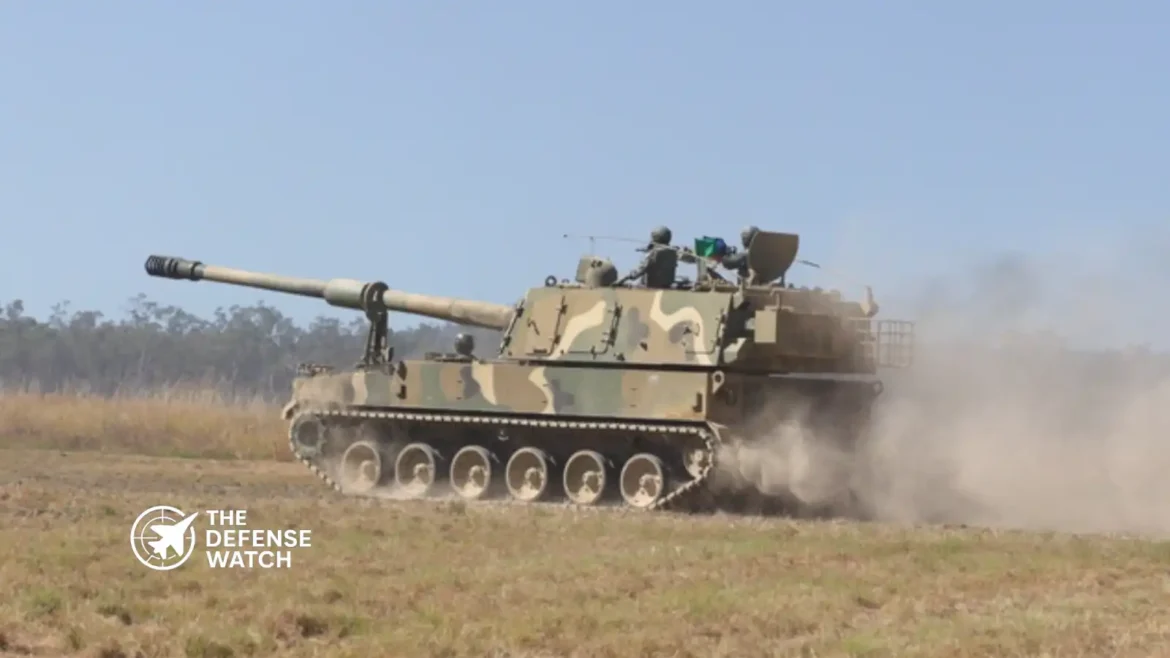
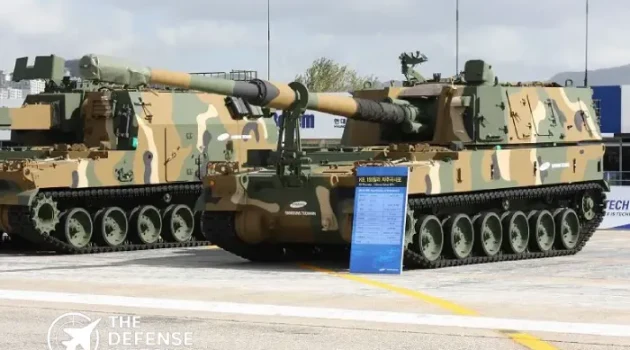
Finland’s K9 howitzers deal marks a significant expansion of its long-range artillery forces, with Helsinki confirming the procurement of 112 additional K9 Thunder self-propelled systems. The agreement, reported by Defence Industry Europe, reinforces the country’s focus on strengthening conventional firepower amid evolving security dynamics in Northern Europe.
The K9 Thunder, developed by South Korea’s Hanwha Aerospace, is a 155mm tracked self-propelled howitzer designed for rapid deployment and sustained high-volume fire. Finland has already integrated earlier batches into its armed forces, making this follow-on order a continuation of an established modernization path rather than a new capability introduction.
- Finland has signed a deal to procure 112 additional K9 Thunder self-propelled howitzers.
- The systems are part of Helsinki’s ongoing artillery modernization program.
- The K9 is a 155mm tracked howitzer with a range exceeding 40 kilometers depending on ammunition.
- The acquisition builds on Finland’s earlier K9 purchases from South Korea.
- The move reflects growing emphasis on high-intensity land warfare capability in Europe.
Short, mobile-friendly paragraphs and incremental procurement reflect a deliberate approach. Finland is scaling up what it already knows works in its operational environment.
A Proven System For Nordic Conditions
The K9 Thunder’s appeal lies in its combination of mobility, survivability, and firepower. The platform can deliver multiple rounds per minute and execute shoot-and-scoot tactics, reducing exposure to counter-battery fire.
For Finland, terrain and climate matter as much as firepower. The country’s geography includes dense forests, harsh winters, and limited infrastructure in some regions. A tracked artillery system like the K9 is better suited for these conditions compared to wheeled alternatives.
The system’s range, exceeding 40 kilometers with advanced munitions, allows Finnish forces to engage targets at depth while maintaining distance from frontline threats. This is particularly relevant given the increased emphasis on long-range fires across European militaries following lessons observed in Ukraine.
Strategic Context: Why Artillery Matters Again
The Finland K9 howitzers deal reflects a broader shift across NATO and partner nations. Artillery, once seen as secondary to airpower in many Western doctrines, has re-emerged as a central element of high-intensity warfare.
Recent conflicts have highlighted several realities:
- Sustained artillery fire remains decisive in attritional warfare
- Precision-guided munitions are limited by cost and supply constraints
- Counter-battery capability is critical for survivability
Finland’s investment aligns with these lessons. By expanding its K9 fleet, Helsinki is prioritizing volume, resilience, and operational endurance.
This is not just about acquiring more systems. It is about ensuring the ability to sustain operations over extended periods, a factor increasingly emphasized in European defense planning.
Continuity In Procurement Strategy
Finland’s decision to procure additional K9 systems instead of diversifying platforms suggests confidence in the system’s performance and logistical footprint.
Operating a single primary artillery platform offers several advantages:
- Simplified training pipelines
- Streamlined maintenance and spare parts supply
- Interoperability across units
This approach contrasts with some European states that operate multiple artillery systems, often complicating logistics.
Finland’s model reflects efficiency. It reduces complexity while scaling capability, a balance that is particularly important for countries with relatively limited manpower.
Industrial And Alliance Implications
The deal also underscores the growing role of South Korean defense manufacturers in Europe. Hanwha Aerospace has secured multiple contracts across NATO countries, positioning itself as a key supplier in the artillery segment.
This trend highlights a shift in defense procurement patterns:
- European nations are increasingly sourcing from non-traditional suppliers
- Speed of delivery and cost-effectiveness are becoming decisive factors
- Industrial partnerships are expanding beyond transatlantic ties
For Finland, the partnership with South Korea offers a proven system with relatively quick delivery timelines compared to some European alternatives.
Operational Impact On Finnish Forces
The expansion of the K9 fleet is expected to enhance several operational capabilities:
- Increased artillery density across brigades
- Greater flexibility in force deployment
- Improved ability to conduct sustained fire missions
In practical terms, more systems mean Finland can cover wider مناطق while maintaining redundancy. This is critical in a high-intensity scenario where losses or mechanical failures are expected.
Additionally, the K9’s automation reduces crew workload, allowing faster response times and higher operational tempo.
Analysis: A Calculated Move In A Changing Security Landscape
At least 30 percent of this development reflects a broader strategic calculation rather than a simple procurement decision.
Finland’s K9 howitzers deal signals three key priorities:
1. Preparedness for Prolonged Conflict
European defense planning is increasingly focused on endurance. Stockpiles, logistics, and sustained firepower are now central concerns.2. Emphasis on Land Warfare
While air and naval capabilities remain important, land forces are regaining prominence, especially in regions bordering potential adversaries.3. Rapid Capability Scaling
By expanding an existing system, Finland avoids the delays associated with introducing new platforms.This approach suggests a pragmatic mindset. Instead of pursuing cutting-edge but unproven technologies, Finland is investing in reliable systems that can be fielded quickly and at scale.

Pentagon’s AI Shakeup Creates Opening for Defense-Focused Startups
The Pentagon’s fractured relationship with Anthropic — its once-favored AI vendor — has handed a rare opportunity to a cohort of small, defense-focused artificial intelligence companies that had long struggled to break into the most heavily scrutinized procurement system in the world. New defense-focused AI companies like Smack Technologies and EdgeRunner AI report a surge in interest from military leaders, combatant commands, and investors that would have been unimaginable just months ago.
- The Pentagon designated Anthropic’s AI products a “supply-chain risk” in March 2026, triggering the company’s removal from U.S. military networks.
- Smack Technologies compressed a months-long Marine Corps operational planning process to roughly 15 minutes using its AI prototype — successfully demonstrated in October 2025.
- EdgeRunner AI received a Space Force contract within weeks of the Anthropic dispute becoming public; its IL-6 security clearance — normally an 18-month process — is now being fast-tracked to three months.
- Smack’s Marine Corps full production timeline was accelerated by more than a year — from October 2027 to 2026 — in the wake of the Anthropic fallout.
- A federal judge temporarily blocked the Pentagon’s blacklisting of Anthropic in late March 2026, but the DoD’s push to diversify AI providers continues regardless of litigation outcomes.
The Big Picture
The U.S. military’s race to field artificial intelligence across its operations has been a defining feature of Pentagon modernization over the past several years. The DoD’s Chief Digital and Artificial Intelligence Office has spent years building the infrastructure and policy frameworks to move AI from proof-of-concept to battlefield deployment. But that progress has always depended on reliable vendor relationships — and the assumption that those relationships would hold.
The Anthropic episode exposed a structural vulnerability that defense planners had long acknowledged but not fully addressed: single-vendor dependency in a technology sector where geopolitical, legal, and ethical conflicts can rupture a partnership overnight.
One Pentagon technologist previously told Reuters that the falling-out with Anthropic, and the realization that the Defense Department was heavily dependent on one AI provider, forced the department to diversify its AI vendor base. That acknowledgment carries significant weight. Concentration risk in defense procurement — whether in munitions, semiconductors, or AI — is a recognized strategic vulnerability. The Anthropic situation made it tangible.
What’s Happening
The Pentagon deemed Anthropic’s products a “supply-chain risk” in March 2026. The designation effectively barred the company’s AI tools from U.S. military networks, triggering a legal dispute between Anthropic and the Defense Department. In late March, a federal judge temporarily blocked the Pentagon’s blacklisting of Anthropic.
Tyler Sweatt, CEO of Second Front — a company that helps technology firms meet the requirements to operate on secure Pentagon networks — noted a massive increase in demand following the supply-chain designation, with customers turning to his firm as the Pentagon seeks rapid AI deployment.
The beneficiaries are emerging clearly. Smack Technologies, a 19-person startup based in El Segundo, California, reported that military interest from U.S. Special Operations Command and other commands came in nearly immediately after the Anthropic situation broke publicly.
EdgeRunner AI, which is deploying with Army Special Forces groups, said the Navy dramatically sped up engagement — meetings that had been biweekly or monthly are now happening multiple times a week.
Why It Matters
The acceleration is not merely commercial. The operational implications are direct and near-term.
Smack Technologies won a Marine Corps contract in March 2025 and delivered a successful prototype by October — software that compresses what is normally a months-long operational planning process into roughly 15 minutes. That is a significant tactical advantage. Military planners operating under compressed timelines — in contested environments, during force projection, or in crisis response — rely on speed and accuracy. Reducing a planning cycle from months to minutes is not a marginal improvement; it is a generational shift in tempo.
Within weeks of the Anthropic uproar, Smack was invited to multiple meetings with the Marine Corps focused on a single question: how fast can this move into production in 2026 — an acceleration of more than a year over the original fiscal year 2027 timeline.
The security clearance acceleration at EdgeRunner signals something equally important. The military told EdgeRunner it could reach IL-6 — a security designation enabling access to secret and top-secret data — within three months, a timeline Saltsman described as remarkable given that the process normally takes 18 months or longer. If the DoD can compress that clearance pathway, it unlocks an entirely different tier of operational utility for smaller vendors — one that had previously been gatekept by process timelines alone.
Strategic Implications
The Anthropic fallout has forced a structural recalibration of how the Pentagon approaches AI procurement. The shift carries three distinct strategic implications.
First, vendor diversification is now a national security imperative, not a procurement preference. A military that relies on a single frontier AI provider — regardless of that provider’s capabilities — is exposed to disruption through litigation, policy disagreement, or corporate governance decisions entirely outside the DoD’s control.
Second, the episode accelerates the emergence of a defense-native AI sector. Companies like Smack and EdgeRunner are not repurposed commercial AI tools. They are built specifically for military classification environments, operational planning constraints, and warfighter use cases. Their growth signals a maturation of the defense tech ecosystem — one less dependent on dual-use technology adapted from consumer or enterprise markets.
Third, procurement bureaucracy has demonstrated it can move faster when political pressure demands it. The 18-month IL-6 clearance being compressed to three months is not a capability improvement — it is a process improvement achieved by prioritization. That compression may prove replicable across other vendors, security domains, and acquisition pathways, with lasting effects on how quickly the DoD can onboard emerging technology.
Competitor View
China’s People’s Liberation Army has placed deliberate strategic bets on AI for command and control, logistics optimization, and autonomous systems. Chinese military doctrine increasingly treats AI-enabled decision speed as a decisive warfighting advantage. From Beijing’s perspective, the Anthropic episode is instructive — not because it weakens U.S. AI capability directly, but because it exposes institutional friction within the Pentagon’s technology acquisition architecture.
If the U.S. military is unable to field and sustain AI tools without legal disputes, vendor disruptions, and 18-month clearance delays, that friction represents a structural gap. Chinese defense planners, who can mandate vendor cooperation and accelerate deployment timelines through state directive, are unlikely to miss the contrast.
Russia, whose AI military investments lag the U.S. and China but whose information operations are sophisticated, may read the public dispute between the Pentagon and a leading AI firm as a signal of broader instability in American AI governance — a narrative useful for both domestic and international audiences.
What To Watch Next
Several near-term milestones will determine whether the post-Anthropic acceleration sustains or stalls.
The most immediate test is whether Smack Technologies successfully transitions its Marine Corps operational planning prototype into production-level deployment in 2026. A combat-ready fielding this year would validate both the technology and the accelerated acquisition model. Any delays would suggest the procurement urgency is more rhetoric than process reform.
EdgeRunner’s IL-6 clearance timeline is the second major indicator. If the company reaches secret and top-secret operational access within three months as indicated, it sets a precedent that smaller vendors with proven capabilities can be rapidly credentialed — a significant shift in the competitive landscape.
More broadly, the Pentagon’s stated commitment to diversifying AI providers needs to be tested against procurement outcomes. A Pentagon official stated that the department will continue to rapidly deploy frontier AI capabilities through strong industry partnerships across all classification levels. Whether that commitment translates into sustained contract awards — rather than a short-term burst driven by the Anthropic dispute — will define whether this moment represents a genuine structural shift or a temporary opening.
Capability Gap
The Anthropic episode exposed more than a vendor dependency. It revealed that the DoD’s AI deployment infrastructure remains heavily concentrated at lower classification levels, with the pathway to secret and top-secret AI capabilities gated by clearance timelines that are fundamentally incompatible with modern technology adoption cycles.
The 18-month standard timeline for IL-6 accreditation was designed for legacy IT systems, not for AI tools that can be updated, retrained, or replaced in weeks. Defense-focused AI companies operating at the tactical edge — where operational planning, ISR fusion, and logistics optimization intersect with classified data — cannot realistically serve their most critical use cases under that timeline.
The compression being applied to EdgeRunner’s clearance process suggests the DoD recognizes this gap. The limitation is whether that compression can be institutionalized rather than applied as a one-time exception driven by political urgency. Without systemic reform, the same bottleneck will constrain the next generation of vendors.
The Bottom Line
The Pentagon’s break with Anthropic has done more than create a commercial opening for smaller AI vendors — it has exposed the structural risks of AI vendor concentration and forced a procurement reckoning that may permanently reshape how the U.S. military fields its most consequential emerging technologies.
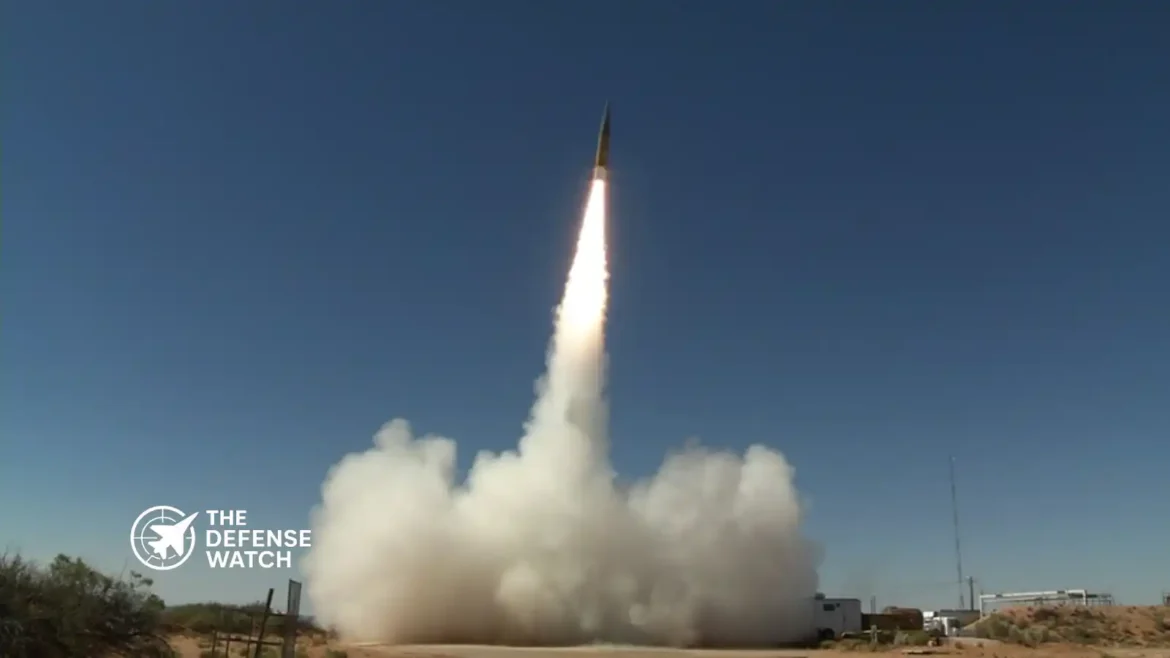
Spain Hypersonic Weapons Development Gains Strategic Priority
Spain hypersonic weapons development has emerged as a central pillar of Madrid’s new defense innovation strategy, signaling a shift toward advanced strike capabilities and greater technological autonomy. The initiative reflects growing urgency within Europe to address emerging threats from near-peer adversaries equipped with next-generation weapons systems.
- Spain has prioritized hypersonic weapons development in its new national defense innovation strategy.
- The effort focuses on high-speed, maneuverable strike systems capable of penetrating advanced air defenses.
- The move aligns with broader NATO concerns over Russian and Chinese hypersonic advancements.
- Development will be driven through national R&D programs and collaboration with European partners.
- Spain aims to reduce reliance on external suppliers and strengthen sovereign defense capabilities.
The Spanish government’s updated framework emphasizes investment in disruptive technologies, with hypersonic systems identified as a critical area for research, development, and eventual operational deployment.
The Big Picture
European defense planners are accelerating efforts to close capability gaps in high-end warfare domains. Hypersonic weapons, defined by speeds exceeding Mach 5 and the ability to maneuver unpredictably, are reshaping deterrence dynamics.
Russia has already fielded operational hypersonic systems such as the Kinzhal and Zircon, while China continues to expand its arsenal. NATO, by contrast, remains in earlier stages of development and integration.
Spain’s decision to prioritize hypersonic weapons development reflects a broader European push to keep pace with these advancements. It also aligns with NATO’s emphasis on high-speed strike, missile defense integration, and resilience against advanced threats.
What’s Happening
Spain has formally incorporated hypersonic weapons development into its national defense innovation strategy. The initiative focuses on advancing indigenous capabilities through research programs, industrial partnerships, and collaboration within the European defense ecosystem.
The strategy identifies hypersonic systems as a key technology area alongside artificial intelligence, cyber capabilities, and advanced sensors.
Spanish defense institutions and industry are expected to play a central role in developing these systems, with potential coordination through European Union defense initiatives such as the European Defence Fund.
The effort remains in the early stages, with no confirmed operational system or deployment timeline publicly disclosed.
Why It Matters
Hypersonic weapons introduce a new level of operational complexity for missile defense systems. Their speed and maneuverability reduce warning times and complicate interception, making them a high-value capability in both conventional and strategic scenarios.
Spain hypersonic weapons development supports several key objectives:
Strengthening NATO’s collective deterrence posture
Enhancing Spain’s ability to contribute to high-end coalition operations
Reducing dependence on non-European defense suppliers
Advancing domestic aerospace and defense industries
The move also reflects a recognition that future conflicts will likely involve contested air and missile environments where traditional systems may face limitations.
Strategic Implications
Spain’s investment in hypersonic technologies reinforces Europe’s gradual shift toward strategic autonomy in defense. By developing indigenous capabilities, Madrid reduces reliance on external partners while contributing to a more balanced transatlantic defense relationship.
The initiative could also support interoperability within NATO by enabling Spain to integrate advanced strike capabilities into alliance operations.
At a regional level, Spain’s move may encourage other European nations to accelerate similar programs, strengthening collective capabilities but also increasing competition within the defense industrial base.
Competitor View
Russia is likely to view European hypersonic development as a delayed but expected response to its own deployments. Moscow has emphasized hypersonic weapons as a key component of its deterrence strategy, particularly against NATO missile defenses.
China may interpret Spain’s move as part of a broader Western effort to close the technological gap in high-speed weapons systems. Beijing has invested heavily in hypersonic glide vehicles and testing infrastructure, positioning itself as a global leader in the field.
Regional actors in the Middle East and North Africa could also monitor these developments closely, particularly as European defense capabilities evolve.
What To Watch Next
Spain’s hypersonic weapons development will likely progress through several key phases:
Initial research and concept validation
Prototype development and testing
Integration with existing platforms and command systems
Potential participation in multinational European programs
Observers should watch for announcements related to funding allocations, industrial partnerships, and test milestones.
Collaboration with other European nations will be a critical factor in determining the pace and scale of progress.
Capability Gap
Spain’s initiative addresses a clear capability gap within NATO’s European members. While the alliance maintains advanced air and missile defense systems, it lacks a fully operational, widely deployed hypersonic strike capability.
However, significant challenges remain:
High development costs and technical complexity
Limited testing infrastructure within Europe
Integration challenges with existing military systems
Uncertain timelines for operational deployment
These factors may slow progress, particularly compared to more mature programs in Russia and China.
The Bottom Line
Spain hypersonic weapons development marks a strategic step toward closing Europe’s high-speed strike capability gap and strengthening NATO’s long-term deterrence posture.
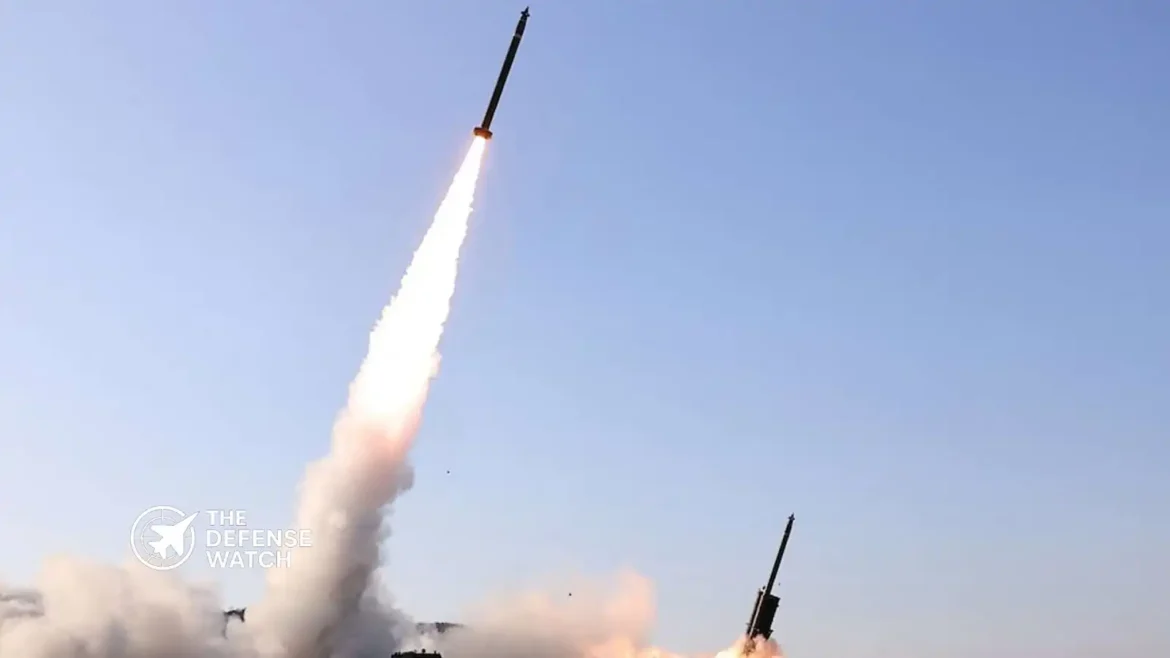
North Korea Hwasong-11 EMP Test Signals Shift Toward Electronic Warfare
The North Korea Hwasong-11 EMP strike system test marks a notable shift in Pyongyang’s approach to modern warfare, emphasizing electronic disruption alongside traditional missile capabilities. The system is designed to generate an electromagnetic pulse effect aimed at degrading or disabling critical military electronics.
Unlike conventional ballistic missile strikes, which focus on physical destruction, an EMP based system targets the digital backbone of military operations. This includes radar systems, communications networks, aircraft avionics, and command and control infrastructure. In the context of the Korean Peninsula, such a capability directly challenges the technological edge of US and South Korean forces.
- North Korea tested a Hwasong-11 missile configured for electromagnetic pulse strike roles, according to Army Recognition.
- The system is designed to disrupt or disable electronics rather than rely solely on kinetic destruction.
- The test reportedly targets US and South Korean airpower infrastructure and operational readiness.
- The Hwasong-11 platform is a short range ballistic missile already deployed within North Korea’s arsenal.
- The development signals an expanding North Korean focus on electronic warfare and asymmetric strike capabilities.
The Hwasong-11, also known as KN-23, is already a proven short range ballistic missile platform. Its adaptation into an EMP delivery system suggests North Korea is seeking to expand its operational toolkit without developing entirely new delivery vehicles.
Targeting Airpower: Strategic Implications For US And South Korea
The focus of the North Korea Hwasong-11 EMP test appears to be airpower, a cornerstone of US and South Korean military strategy in the region. Airbases, fighter aircraft, and surveillance systems depend heavily on advanced electronics, making them vulnerable to electromagnetic disruption.
An EMP strike, even if localized, could temporarily disable key systems such as:
- Air defense radars
- Runway control systems
- Aircraft onboard electronics
- Satellite communication links
This creates a window of vulnerability that could be exploited during the early stages of a conflict. In practical terms, even a short disruption could delay response times, reduce sortie generation, and complicate coordinated operations.
Defense analysts have long warned that modern militaries, while highly capable, are also increasingly dependent on interconnected digital systems. This dependence creates a potential single point of failure that adversaries like North Korea appear intent on exploiting.
Technical Context: EMP Weapons And Delivery Challenges
While the concept of EMP weapons is not new, integrating such effects into a tactical ballistic missile like the Hwasong-11 presents both opportunities and limitations.
EMP effects can be generated through nuclear or non nuclear means. Nuclear based EMP systems produce wide area effects but carry significant escalation risks. Non nuclear EMP systems, which are more likely in this case, typically produce localized disruption with reduced intensity.
The effectiveness of the North Korea Hwasong-11 EMP system will depend on several factors:
- Altitude of detonation
- Yield and design of the EMP payload
- Target hardening against electromagnetic effects
- Environmental conditions
Military systems in the US and South Korea are partially hardened against EMP threats, particularly critical infrastructure. However, not all systems are equally protected, especially forward deployed or legacy equipment.
Operational And Doctrinal Evolution In North Korean Strategy
The test underscores a broader evolution in North Korea’s military doctrine. Rather than relying solely on large scale destructive strikes, Pyongyang appears to be investing in asymmetric capabilities designed to offset technological disadvantages.
Electronic warfare, cyber operations, and precision strike systems are increasingly central to this approach. By combining these elements, North Korea can aim to disrupt, confuse, and degrade adversary forces before or during kinetic operations.
The North Korea Hwasong-11 EMP system fits into this strategy as a force multiplier. It allows for potentially high impact effects without requiring large scale missile salvos or nuclear escalation.
This aligns with observed trends in other military powers, where non kinetic capabilities are being integrated into conventional warfighting doctrines.
Regional Security Impact And Deterrence Dynamics
The introduction of an EMP capable missile system adds a new layer of complexity to deterrence on the Korean Peninsula. US and South Korean planners must now consider not only missile interception and physical defense, but also resilience against electronic disruption.
This could drive several responses:
- Increased hardening of critical systems
- Deployment of redundant communication networks
- Greater emphasis on rapid system recovery
- Expanded electronic warfare countermeasures
The North Korea Hwasong-11 EMP capability also complicates escalation dynamics. Because EMP effects can be less immediately visible than kinetic strikes, attribution and response decisions may become more challenging in a crisis scenario.
At the same time, the test reinforces North Korea’s intent to signal capability and deterrence. Demonstrating the ability to threaten high value assets like airpower infrastructure serves both military and political objectives.
Assessment: Capability Signal Or Operational Reality
While the test represents a significant development, questions remain about the operational maturity of the system. Demonstrating an EMP effect in a controlled test environment does not necessarily translate into reliable battlefield performance.
Key unknowns include:
- Actual EMP output and effectiveness
- Integration with targeting systems
- Survivability against missile defense
- Consistency across multiple launches
Nevertheless, the North Korea Hwasong-11 EMP test should be viewed as part of a broader pattern of capability development rather than an isolated event. Even a limited EMP capability could have disproportionate effects if used strategically.
Conclusion
The North Korea Hwasong-11 EMP strike system test highlights an evolving threat landscape in Northeast Asia, where electronic warfare is becoming increasingly central to military competition.
By targeting the technological foundations of US and South Korean airpower, North Korea is signaling a shift toward disruption based warfare. This approach aims to level the playing field against more advanced adversaries without relying solely on conventional or nuclear escalation.
For regional defense planners, the challenge now lies in adapting to a threat that is less visible but potentially just as disruptive.

Trump’s Record VA Budget Request Prioritizes Veteran Healthcare and Benefits in FY2027
The Trump administration’s VA budget request for fiscal year 2027 proposes a record $488 billion for the Department of Veterans Affairs — a 7.7% funding increase that underscores both the political weight of veteran care and the long-term fiscal pressure created by decades of overseas military commitments.
- The Trump administration’s FY2027 VA budget request totals a record $488 billion — a 7.7% increase over FY2026 levels.
- The proposal includes $205.6 billion in discretionary funding and $282.6 billion in mandatory spending covering disability benefits, pensions, and insurance.
- The budget supports disability compensation for more than 7.4 million veterans and VA healthcare enrollment for 9.2 million veterans.
- Key infrastructure investments include $1.3 billion for a new VA medical center in Manchester, NH, and nearly $2 billion to replace the Indianapolis VA facility.
- The VA’s total budget has grown ten-fold since FY2001, when it stood at $45 billion — reflecting the long-term cost of post-9/11 military commitments.
Released this week as part of the White House’s broader $2.2 trillion federal budget proposal, the VA funding plan carries major implications for veteran services, medical infrastructure investment, and the ongoing debate over how the U.S. funds care for those injured in its post-9/11 wars.
The Big Picture
The VA budget request does not exist in isolation. It arrives alongside a Pentagon funding proposal that the White House pegged at nearly $1.5 trillion — a 44% increase from FY2026 levels — signaling that the Trump administration views both warfighting capability and veteran welfare as central pillars of national defense policy.
This dual investment matters strategically. A military that recruits, deploys, and sustains a large all-volunteer force must credibly promise long-term care and benefits to service members. Undermining that promise carries serious readiness implications. The size and trajectory of the VA budget directly affects military recruitment and retention calculations, even if that link rarely receives attention in congressional budget debates.
The VA’s growth trajectory is also a direct accounting of the human cost of U.S. military strategy since 2001. The VA’s budget has grown ten-fold since fiscal 2001, when it stood at $45 billion — a function of aging Vietnam-era veterans, the millions who served in Iraq and Afghanistan, and the expanding scope of toxic exposure-related claims following passage of the PACT Act in 2022.
What’s Happening
The Trump administration released budget documents proposing a record $488 billion for the VA in FY2027, structured around $205.6 billion in discretionary funding and $282.6 billion in mandatory spending. Mandatory funds cover disability benefits, pensions, insurance programs, and other statutory requirements.
The discretionary side of the proposal includes $500 million to build permanent facilities for homeless veterans at the new National Center for Warrior Independence in West Los Angeles, $1.3 billion for a new VA medical center in Manchester, New Hampshire, and nearly $2 billion to replace the VA medical center in Indianapolis. An additional $30 million targets land acquisition for a new facility in San Antonio.
The proposal would support 443,327 full-time VA employees — roughly 9,000 fewer than in 2025 but up nearly 6,200 from fiscal 2026.
The budget also funds the restart of the VA’s long-stalled electronic medical record system program, which has been on hold since 2022. The VA plans to restart the initiative this month at four facilities, with nine additional sites joining later in the year.
Why It Matters
The VA budget request carries significance well beyond the dollar figure. Three intersecting pressures are driving the trajectory of this spending.
First, the toxic exposure backlog. The PACT Act expanded eligibility for millions of veterans exposed to burn pits, contaminated water, and other hazardous conditions during service. The FY2027 budget requests $52 billion from the Cost of War Toxic Exposures Fund, which the administration again seeks to shift from mandatory to discretionary spending — a move likely to generate bipartisan friction on Capitol Hill. Democratic lawmakers have consistently argued that reclassifying those funds creates long-term risk that dedicated PACT Act resources could be redirected or cut.
Second, the community care expansion continues. The budget increases both in-house medical care — requesting $96.2 billion for VA facility-based care — and the community care program, which covers treatment received by veterans at non-VA providers, requesting $42 billion. This dual increase reflects sustained demand and the ongoing challenge of providing accessible care across geographically dispersed veteran populations.
Third, the electronic health record modernization restart is a significant operational milestone. The VA’s failed Oracle Cerner rollout became one of the most scrutinized federal IT failures in recent memory, contributing to patient safety concerns at multiple facilities. Restarting it — carefully — will be closely watched across the defense and federal health IT communities.
Strategic Implications
A VA budget of this scale sends a clear policy signal: the Trump administration intends to use veteran care spending as a force readiness investment, not merely a social welfare obligation. VA Secretary Doug Collins framed the request around efficiency and outcomes. Collins stated that “the days of measuring VA’s progress by how much money we spend and how many people we employ, instead of how successfully we serve Veterans, are over.”
That framing matters. It suggests the administration will face pressure to demonstrate measurable improvements in veteran wait times, benefits processing speeds, and healthcare outcomes — not simply defend the budget topline. If performance does not visibly improve, the record funding figure becomes a political liability rather than an asset.
The homeless veteran facility investment also carries strategic messaging weight. Visible veteran homelessness undercuts military recruitment narratives. A $500 million commitment to permanent supportive housing in Los Angeles — one of the nation’s highest-visibility homeless veteran populations — addresses both a humanitarian imperative and a reputational concern for the armed forces.
What the Numbers Reveal About Long-Term Defense Commitments
The ten-fold growth in VA spending since FY2001 deserves analytical attention beyond the headline figure. It reflects a structural truth about modern American military strategy: the financial cost of deploying a large, sustained military force does not end when the shooting stops. It peaks years — sometimes decades — later, as disability claims mature, healthcare needs intensify, and aging veteran populations require more intensive medical support.
This dynamic has direct implications for future defense planning. Commitments made in current operational theaters — including potential future conflicts — will generate VA cost obligations that will appear in budget requests 10, 20, and 30 years from now. Congress and the Pentagon rarely budget for this latency explicitly, but the VA’s trajectory makes the math unavoidable.
The FY2027 proposal also includes advanced funding for fiscal 2028, a mechanism designed to ensure veterans benefits and services are never disrupted by a government shutdown. That structural protection reflects hard-learned lessons from years of continuing resolution cycles that left VA facilities uncertain about operating budgets.
Competitor and Adversary Perspective
Strategic competitors China and Russia monitor U.S. veteran care commitments as one indirect indicator of domestic political cohesion and military sustainability. A functioning, well-resourced veteran care system reinforces the credibility of the all-volunteer force model — signaling to potential recruits and current service members that the government honors long-term obligations.
Conversely, visible failures in veteran care — wait time scandals, benefits backlogs, inadequate mental health services — have historically been exploited in foreign influence narratives targeting U.S. military morale and public confidence in defense institutions. Sustained, accountable VA investment partially inoculates against that vulnerability.
Capability Gap: What This Budget Addresses
The VA’s most persistent operational gaps are in healthcare access, IT modernization, and benefits processing speed. The FY2027 budget targets all three. New medical center construction addresses geographic access deficits in New Hampshire, Indiana, and Texas. The electronic health record restart, if executed competently this time, addresses the dangerous fragmentation of veteran medical data across legacy systems. Community care expansion addresses capacity constraints in the direct-care system.
Realistic limitations remain. The workforce reduction of roughly 9,000 positions compared to FY2025 levels raises legitimate concerns about whether the VA can absorb growing caseloads with a smaller staff, particularly as PACT Act claims continue entering the pipeline. The DEI program funding reductions, while politically framed, carry practical risk if they eliminate programs that supported veterans from historically underserved communities who face compounding barriers to care access.
The Bottom Line
Trump’s record $488 billion VA budget request reframes veteran care as a strategic readiness investment — but its credibility will ultimately depend on measurable outcomes, not the size of the topline figure.
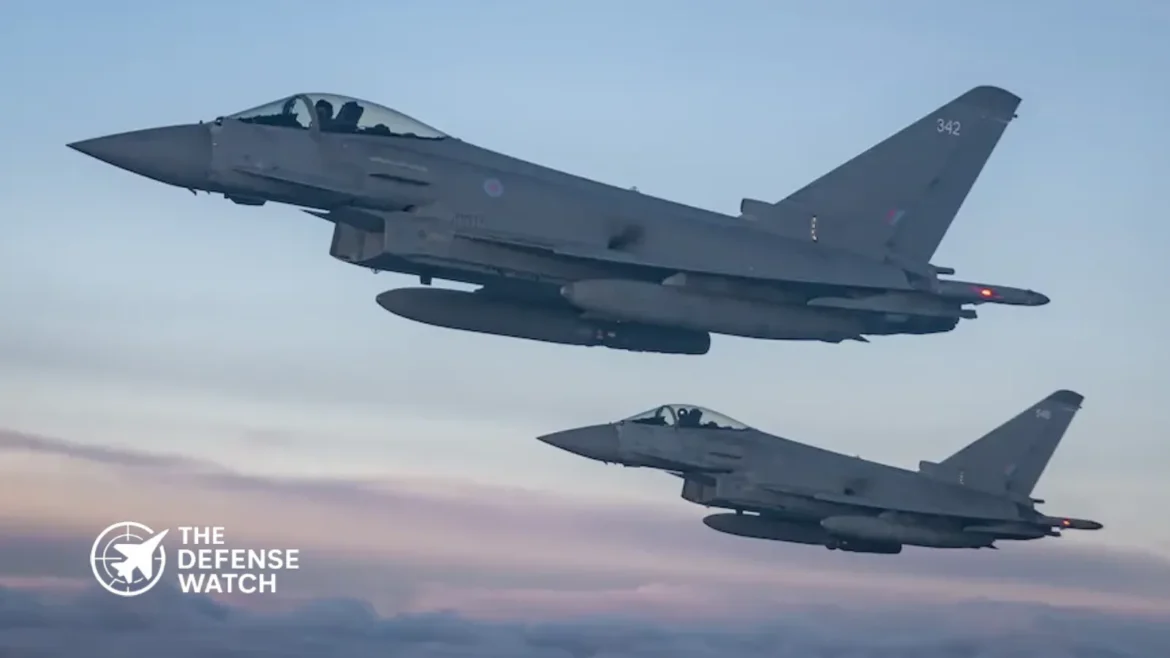
RAF Dogfight Exercise Over Britain Demonstrates Modern Air Combat Readiness
The RAF dogfight exercise over Britain has underscored the United Kingdom’s commitment to maintaining high-end air combat readiness in an increasingly contested security environment. The large-scale aerial engagement brought together multiple fighter aircraft in complex, high-tempo combat scenarios designed to replicate modern peer conflict.
The exercise featured coordinated engagements involving frontline fighter jets, with a particular focus on beyond-visual-range and within-visual-range combat. Such drills are critical as air forces adapt to evolving threats, including advanced enemy aircraft, integrated air defense systems, and electronic warfare environments.
Short, intense dogfighting scenarios were combined with broader mission sets, reflecting how modern air combat is no longer limited to isolated engagements but integrated into networked, multi-domain operations.
- The Royal Air Force conducted a large-scale dogfight exercise over the United Kingdom involving multiple fighter aircraft.
- The drill included complex air combat scenarios simulating high-intensity peer conflict environments.
- Allied aircraft participation highlighted NATO interoperability and joint operational capability.
- Advanced platforms such as Typhoon fighters played a central role in the exercise.
- The exercise reflects growing emphasis on air superiority amid evolving global threats.
High-Intensity Training Reflects Shifting Threat Environment
The scale and complexity of the RAF dogfight exercise over Britain point to a broader strategic shift. Western air forces are increasingly preparing for potential high-end conflict against near-peer adversaries, where air superiority is neither guaranteed nor uncontested.
Exercises of this nature simulate dense threat environments, including contested airspace, electronic jamming, and multi-axis attacks. These conditions mirror operational realities seen in recent conflicts and ongoing geopolitical tensions.
The Royal Air Force’s use of advanced fighter platforms enables pilots to train against both traditional and emerging threats. The Eurofighter Typhoon, for example, continues to receive upgrades in radar, weapons integration, and electronic warfare systems, ensuring its relevance in modern combat scenarios.
From an operational perspective, such exercises help refine tactics, improve pilot decision-making under pressure, and validate command and control structures.
NATO Interoperability and Allied Coordination
A key dimension of the RAF dogfight exercise over Britain was its emphasis on allied integration. Participation or coordination with NATO partners highlights the alliance’s continued focus on collective defense and interoperability.
Modern air operations depend heavily on seamless data sharing, coordinated targeting, and unified command structures. Exercises like this allow participating forces to test communication systems, joint tactics, and interoperability between different aircraft and national doctrines.
This is particularly important in Europe, where NATO air forces must be capable of rapidly integrating in response to emerging crises. The ability to operate as a cohesive unit enhances deterrence by demonstrating readiness and unity.
Operational Lessons and Capability Development
Beyond immediate training value, the RAF dogfight exercise over Britain contributes to long-term capability development. Data collected during these exercises is used to refine tactics, improve training programs, and inform future procurement decisions.
Air combat is becoming increasingly data-driven, with sensor fusion, real-time intelligence, and networked platforms shaping engagement outcomes. Exercises provide a controlled environment to test these systems under realistic conditions.
Additionally, lessons learned feed into broader defense planning, including force structure, readiness cycles, and integration of next-generation technologies such as artificial intelligence and autonomous systems.
Strategic Significance for UK Airpower
The timing of the RAF dogfight exercise over Britain aligns with a period of heightened global security concerns. From Eastern Europe to the Indo-Pacific, airpower remains a critical عنصر in deterrence and rapid response.
For the United Kingdom, maintaining a credible and capable air force is central to both national defense and its role within NATO. Large-scale exercises signal not only preparedness but also resolve, reinforcing the UK’s position as a key contributor to allied airpower.
Moreover, these drills serve as a visible demonstration of capability, sending a clear message to potential adversaries about the readiness and professionalism of Western air forces.
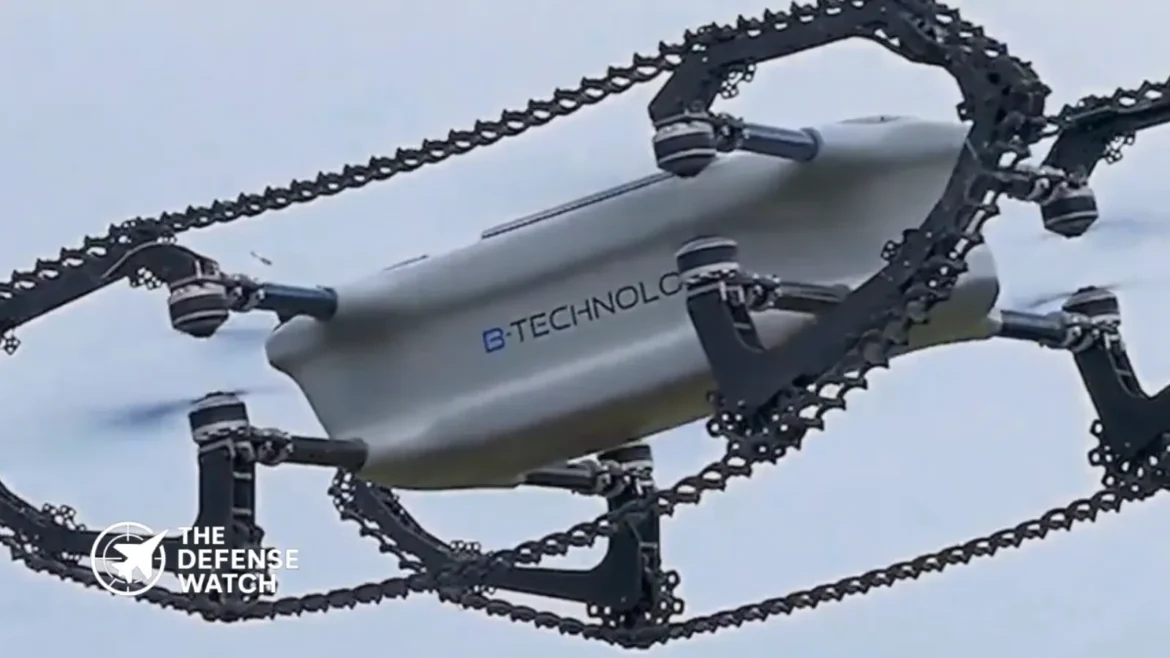
Poland’s Xerall ATD All-Terrain Drone Targets Multi-Domain Rescue Missions
The Xerall ATD all-terrain drone developed by Xerall represents a new approach to unmanned systems by combining air, land, and water mobility in a single platform designed for high-risk environments.
The system is engineered to operate across multiple domains without requiring platform changes, allowing it to fly, drive, and swim depending on mission requirements. It also features vertical takeoff and landing, enabling deployment in confined or infrastructure-limited areas.
- Poland-based Xerall developed the Xerall ATD, a multi-domain drone capable of air, land, and water operations.
- The system features vertical takeoff and landing and can transition between flying, driving, and swimming modes.
- Designed for extreme environments, the drone supports search and rescue missions in hazardous or inaccessible areas.
- The platform aims to reduce risk to human responders during disaster relief and emergency operations.
- The development reflects growing demand for multi-role unmanned systems across civilian and defense sectors.
This combination addresses a persistent gap in search and rescue operations, where terrain and environmental constraints often delay response times or limit access altogether.
Designed For High-Risk And Complex Environments
The Xerall ATD all-terrain drone is primarily aimed at search and rescue missions, particularly in areas that are difficult or dangerous for human responders. These include flood zones, mountainous terrain, collapsed urban structures, and remote wilderness areas.
Its amphibious capability allows it to transition seamlessly between water and land, a key advantage during flooding or maritime emergencies. Meanwhile, aerial mobility provides rapid situational awareness and access to otherwise unreachable locations.

Such versatility reduces reliance on multiple specialized systems, which can complicate logistics and increase operational costs during time-sensitive missions.
From an operational standpoint, the platform could support first responders by delivering supplies, conducting reconnaissance, or locating survivors without exposing personnel to immediate danger.
Growing Demand For Multi-Domain UAV Systems
The development of the Xerall ATD all-terrain drone aligns with broader trends in unmanned systems, where flexibility and multi-role capability are increasingly prioritized.
Defense and emergency management agencies are seeking platforms that can adapt to diverse mission sets while minimizing deployment complexity. Traditional UAVs, while effective in aerial roles, often lack the ability to operate once grounded or in aquatic environments.
By contrast, hybrid systems like the Xerall ATD aim to bridge that gap. Similar concepts have been explored globally, but practical, field-ready implementations remain limited.
Industry analysts note that multi-domain drones could play a critical role in future disaster response frameworks, particularly as climate-related emergencies increase in frequency and severity.
Operational Implications And Potential Use Cases
While the Xerall ATD all-terrain drone is positioned primarily for civilian applications, its underlying technology has clear dual-use potential.
Military forces could employ such systems for reconnaissance in contested or denied environments, especially in areas with mixed terrain such as coastal regions or riverine zones. The ability to operate across domains without manual intervention offers tactical flexibility and reduces exposure of personnel.
In addition, the platform could support logistics missions in austere environments, where conventional vehicles or aircraft face limitations.
However, adoption will depend on factors such as endurance, payload capacity, and system reliability under real-world conditions, areas that typically determine whether emerging UAV technologies transition from prototype to operational deployment.
Technology Integration And Future Outlook
The Xerall ATD all-terrain drone highlights ongoing innovation within the European unmanned systems sector, where smaller firms are increasingly contributing to niche capability development.
As governments and agencies prioritize resilience and rapid response, demand for adaptable systems is expected to grow. Platforms capable of multi-environment operation may become a standard component of future emergency response and defense toolkits.
At the same time, integration with existing command and control systems, as well as regulatory considerations, will shape how quickly such technologies are adopted at scale.
- BreakPoint Labs awarded $50 million firm-fixed-price contract for cybersecurity services.
- Contract supports the DoD High Performance Computing Modernization Program software factory initiative.
- Work includes cybersecurity expertise for advanced computing and software technologies.
- 158 bids were submitted, highlighting strong industry competition.
- Contract runs through April 5, 2031, with task orders determining funding and locations.
BreakPoint Labs $50M Cybersecurity Contract Strengthens DoD HPC Modernization
BreakPoint Labs cybersecurity contract marks a significant step in reinforcing the Department of Defense High Performance Computing Modernization Program, as the Pentagon continues to prioritize secure software development and advanced computing resilience.
The Herndon, Virginia-based firm has been awarded a $50 million firm-fixed-price contract to provide cybersecurity subject matter expertise for advanced computing and software technologies. The effort falls under a broader initiative known as the Software Factory for Modernization, Accelerated Innovation, Resilience, and Technological Advantage.
The contract was awarded by the U.S. Army Corps of Engineers Engineering Research and Development Center in Vicksburg, Mississippi. Officials confirmed that 158 bids were received, reflecting strong competition across the defense cyber sector.
Work will be assigned through individual task orders, with locations and funding determined incrementally. The contract is scheduled for completion by April 5, 2031.
Cybersecurity At The Core Of DoD Computing Strategy
The BreakPoint Labs cybersecurity contract underscores a growing shift within the Department of Defense toward securing its high performance computing infrastructure. HPC systems play a critical role in modeling, simulation, artificial intelligence, and weapons system design.
As adversaries invest heavily in cyber capabilities, the DoD has increasingly treated cybersecurity not as a support function, but as a core operational requirement. The integration of cybersecurity expertise into software factories reflects a move toward embedding security directly into development pipelines.
This approach aligns with broader Pentagon initiatives such as zero trust architecture and DevSecOps adoption. By placing cybersecurity specialists alongside developers and engineers, the DoD aims to reduce vulnerabilities early in the development cycle rather than addressing them after deployment.
Software Factory Model Gains Momentum
The Software Factory for Modernization initiative represents a structural shift in how the U.S. military develops and deploys software. Instead of relying on traditional acquisition timelines, software factories emphasize rapid iteration, continuous integration, and real-time updates.
The BreakPoint Labs cybersecurity contract directly supports this model by ensuring that accelerated development does not come at the cost of security. This is especially relevant as software increasingly underpins critical defense systems, from command and control networks to autonomous platforms.
The inclusion of cybersecurity subject matter expertise also suggests a recognition that modern threats target not just hardware, but the software ecosystems that enable military operations.
Competitive Field Reflects Growing Cyber Demand
The fact that 158 bids were submitted for the BreakPoint Labs cybersecurity contract highlights the expanding demand for cyber expertise within the defense sector. Companies are competing aggressively to support modernization efforts tied to artificial intelligence, cloud computing, and advanced analytics.
This level of competition also reflects the Pentagon’s emphasis on attracting non-traditional vendors and commercial innovation into defense programs. Cybersecurity, in particular, has become a key entry point for smaller firms with specialized expertise.
At the same time, the use of firm-fixed-price contracts suggests a focus on cost predictability and performance accountability, even in complex and evolving technical domains.
Strategic Implications For U.S. Military Readiness
From a strategic perspective, the BreakPoint Labs cybersecurity contract contributes to a broader effort to maintain technological advantage in an increasingly contested digital environment.
High performance computing systems are central to everything from hypersonic weapons development to battlefield simulations. Any compromise in these systems could have far-reaching consequences for operational readiness and decision-making.
By investing in cybersecurity at the infrastructure and software levels, the DoD is attempting to mitigate risks posed by sophisticated cyber adversaries, including state actors capable of targeting supply chains and development environments.
This contract also signals that cybersecurity will remain a long-term priority, with sustained funding and multi-year commitments extending through the end of the decade.