Executive Summary:
The U.S. Department of Defense has released its first batch of declassified files related to unidentified aerial phenomena as part of a government transparency initiative. The move reflects growing institutional efforts to formalize reporting, review, and disclosure of UAP encounters. The release is seen as an early step toward standardizing how unexplained aerial observations are documented within U.S. defense systems.
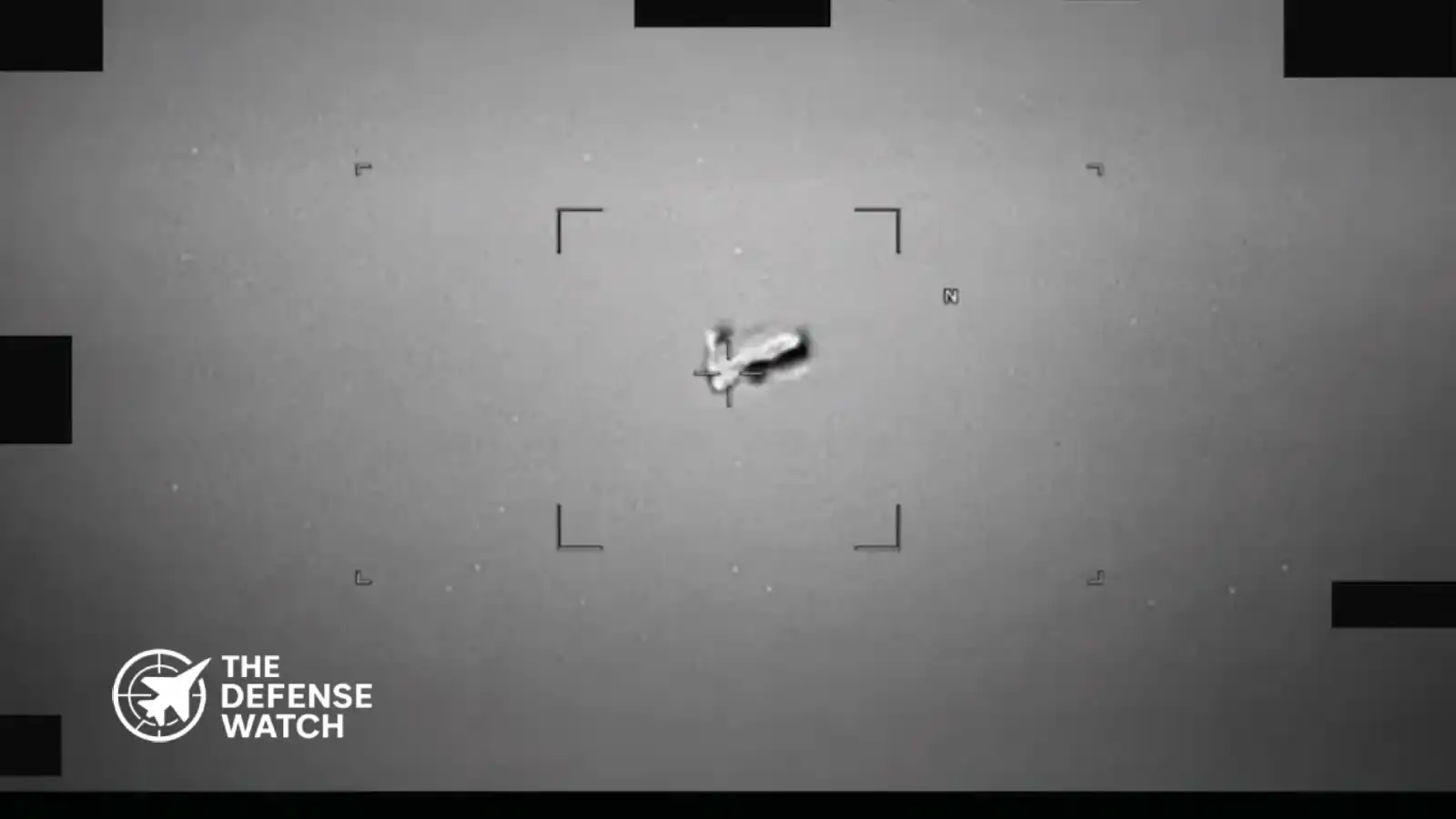
Pentagon UFO files release marks a new phase in how the United States government handles unidentified aerial phenomena reporting and transparency. The Department of Defense has published its first set of declassified documents under a broader disclosure effort aimed at improving public access to UAP related information.
The move reflects increasing institutional focus on aerial phenomena that cannot be immediately identified through standard intelligence or aerospace tracking systems. While the files themselves remain limited in scope, the release signals a shift toward structured documentation and controlled public disclosure within U.S. defense policy.
Pentagon UFO Files Release and Transparency Push
The Pentagon UFO files release comes as part of an ongoing initiative designed to increase transparency around unidentified aerial phenomena data collected by military and intelligence assets. These records include previously classified or restricted reports that were reviewed for declassification under government transparency guidelines.
According to the report, the initiative aligns with broader efforts inside the Department of Defense to standardize UAP reporting across military branches. This includes improving data collection protocols, reducing reporting inconsistencies, and ensuring that sightings or sensor detections are properly cataloged for analysis.
The Pentagon has previously acknowledged that UAP reports are taken seriously from a safety and national security perspective, particularly when incidents involve military training zones or sensitive airspace.
Background on UAP Reporting in the United States
The U.S. government formally restructured its approach to unidentified aerial phenomena after the establishment of dedicated reporting channels within defense and intelligence agencies. These systems were designed to replace informal reporting practices that often resulted in fragmented or incomplete data.
The Pentagon UFO files release builds on earlier public reports that documented hundreds of UAP incidents over recent years. Many of these cases involved sensor data collected from military aircraft, radar systems, and pilot observations.
While most incidents have not been attributed to confirmed foreign systems or advanced adversary platforms, a portion remains unexplained due to insufficient data resolution or lack of corroborating evidence.
What the Declassified Files Include
The newly released documents reportedly consist of early-stage declassified records tied to UAP encounters and internal assessments. These files are not presented as final conclusions but rather as raw or evaluated reports intended to support transparency efforts.
Key characteristics of the released material include:
- Structured incident summaries from military reporting systems
- Sensor-based observations from radar and aerial platforms
- Internal assessments regarding identification confidence levels
- Administrative documentation related to UAP reporting procedures
The Pentagon UFO files release does not indicate a shift in official conclusions regarding the nature of these phenomena. Instead, it focuses on making previously restricted documentation available for public and analytical review.
Strategic Importance of UAP Data Collection
From a defense and aerospace perspective, the systematic tracking of unidentified aerial phenomena is primarily a matter of airspace awareness and threat identification. The Pentagon UFO files release highlights ongoing efforts to improve situational awareness across all domains of U.S. airspace.
Defense analysts note that even unresolved UAP cases can provide value in refining sensor systems, improving radar tracking algorithms, and identifying potential gaps in air defense coverage.
This includes:
- Enhancing multi sensor fusion capabilities
- Improving pilot reporting accuracy
- Reducing false positives in air defense systems
- Strengthening coordination between military branches
The emphasis remains on data quality and operational clarity rather than speculation about origins.
Policy Context and Government Transparency Efforts
The Pentagon UFO files release aligns with broader U.S. government efforts to increase transparency in defense related data reporting. Over recent years, congressional interest in UAP documentation has contributed to the establishment of formal review processes and reporting requirements within the Department of Defense.
These measures are intended to ensure that unidentified aerial incidents are not overlooked due to classification barriers or inconsistent reporting practices.
The transparency initiative referenced in the Defence Industry Europe report reflects this institutional shift toward greater public disclosure while maintaining national security safeguards.
Analysis: What This Means for Defense Reporting
The release of declassified UAP files represents an incremental but meaningful development in defense transparency policy. Rather than revealing new technological breakthroughs or confirmed explanations, the Pentagon UFO files release primarily reinforces the institutionalization of UAP reporting frameworks.
Three key implications stand out:
First, UAP reporting is now embedded more firmly within formal defense intelligence workflows rather than treated as isolated or anecdotal events.
Second, data standardization efforts are likely to improve long term analysis of aerial anomalies by enabling cross referencing between military branches.
Third, controlled declassification suggests a balancing act between transparency expectations and operational security requirements.
While the files do not provide definitive answers about UAP origins, they contribute to a more structured baseline for future investigations.
Limitations of the Current Release
It is important to note that the Pentagon UFO files release represents only an initial phase of declassification. The volume of documents released remains limited, and many records continue to be withheld under national security exemptions.
Additionally, the released files are primarily descriptive in nature, offering little in the way of technical breakthroughs or confirmed identifications.
This reinforces the broader reality that UAP analysis remains an ongoing process rather than a concluded investigation.
Conclusion
The Pentagon UFO files release under a government transparency initiative marks a continued evolution in how the United States documents and discloses unidentified aerial phenomena data. While the released material does not provide definitive explanations, it reflects a structured effort to improve reporting consistency and public accessibility.
As defense systems become more advanced and sensor networks expand, the volume and quality of UAP data is expected to grow. Future disclosures will likely build on this foundation, gradually expanding public understanding of how such phenomena are recorded and assessed within U.S. defense frameworks.