Top 10 Most Powerful Army in the World 2025
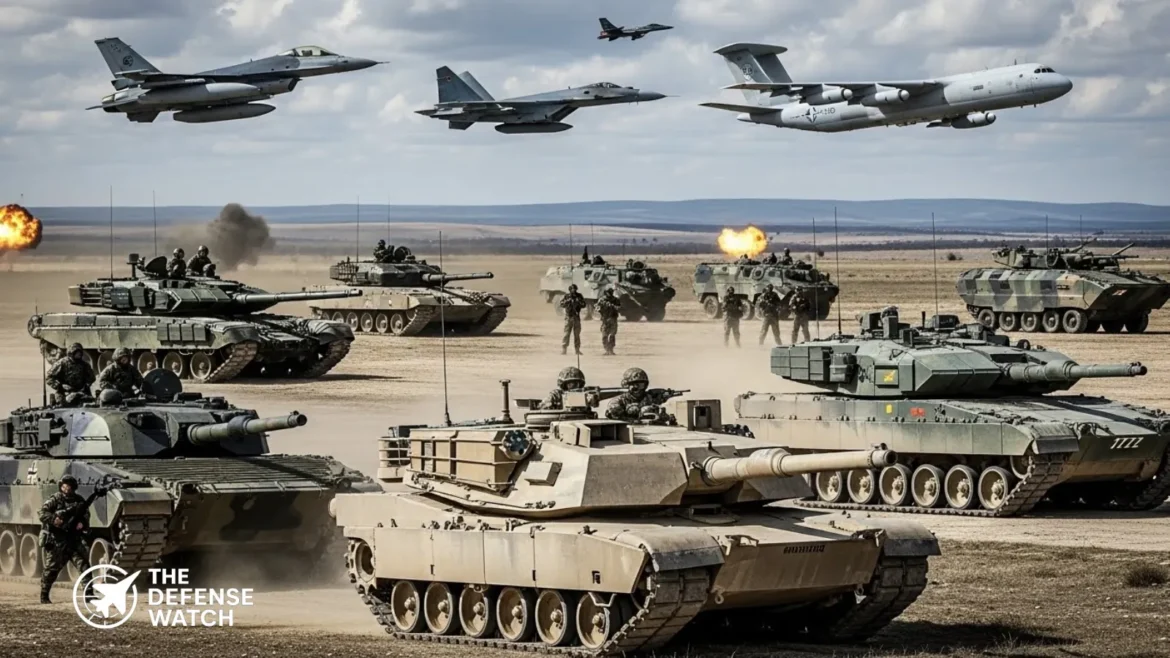
The Top 10 Most Powerful Army in the World reflects more than troop numbers or weapons counts. Military power today is shaped by defense budgets, combat experience, nuclear forces, logistics, alliances, and the ability to operate across land, sea, air, space, and cyberspace. As of today, global military rankings remain fluid, driven by conflicts in Ukraine and Gaza, rising tensions in the Indo Pacific, and expanding defense spending across NATO and Asia.
This explainer examines the most powerful army in the world using widely accepted defense metrics, including data from the International Institute for Strategic Studies, SIPRI, and open source defense reporting. Rankings focus on overall military power, not just ground forces.
How Military Power Is Measured
Before ranking the most powerful army in the world, it is important to understand the criteria used.
Key factors include:
- Defense spending and industrial base
- Size and readiness of active duty forces
- Airpower and naval strength
- Nuclear weapons and missile forces
- Combat experience and operational reach
- Logistics, command structure, and alliances
No single factor determines dominance. Modern warfare rewards balance and sustainment.
1. United States, The Most Powerful Army in the World
The United States remains the most powerful army in the world by a wide margin.
The US defense budget exceeds 880 billion dollars annually, larger than the next ten countries combined. The US military fields unmatched airpower, global naval reach, and advanced space and cyber forces.
Key strengths include:
- Over 1.3 million active duty personnel
- 11 nuclear powered aircraft carriers
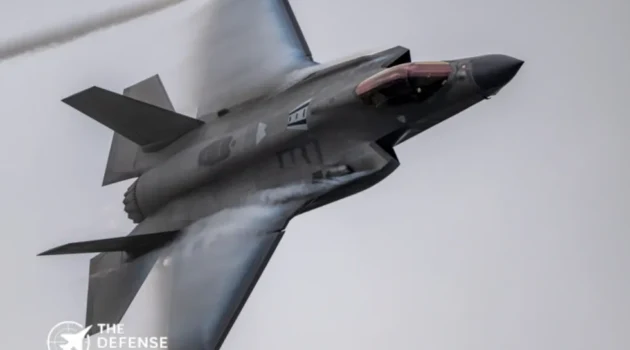
- Fifth generation fighters like the F 22 and F 35
- Global logistics and basing network
- The most advanced ISR and satellite systems
The US Army itself operates modern armored formations, long range fires, and missile defense units. Joint integration across services remains its decisive advantage.
2. Russia
Russia maintains the second most powerful army in the world despite heavy losses in Ukraine.
Moscow fields the largest nuclear arsenal and retains strong missile forces, including intercontinental ballistic missiles and hypersonic glide vehicles. Russia also has deep experience in electronic warfare and air defense.
Key characteristics:
- Large standing army and reserves
- Advanced air defense systems such as S 400
- Strong artillery and rocket forces
- Nuclear triad across land, sea, and air
However, prolonged combat operations have exposed weaknesses in logistics, training, and precision strike capacity.
3. China
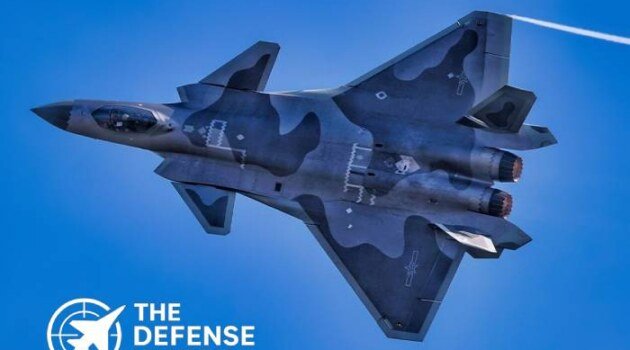
China operates the fastest growing military force globally and is closing the gap with the United States.
The People’s Liberation Army focuses on regional dominance, particularly around Taiwan and the South China Sea. China now fields the world’s largest navy by hull count.
Strengths include:
- Over 2 million active personnel
- Rapid shipbuilding and missile production
- Advanced anti ship and ballistic missiles
- Expanding space and cyber warfare units
China’s military power is increasingly built around denying access to US forces rather than global power projection.
4. India
India ranks among the top 10 most powerful army in the world due to its manpower, regional reach, and nuclear capability.
The Indian Armed Forces focus on threats from Pakistan and China, while also expanding naval power in the Indian Ocean.
Key elements:
- One of the world’s largest standing armies
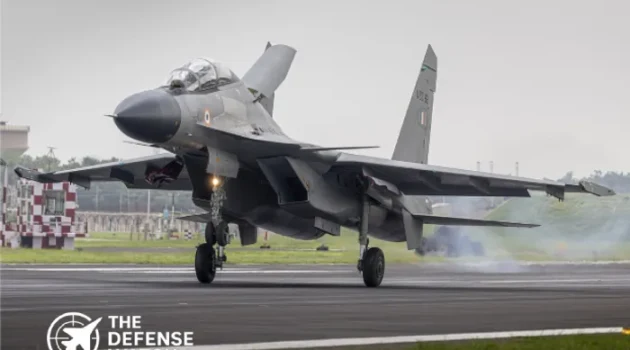
- Indigenous missile and fighter programs
- Nuclear armed ballistic missiles
- Growing defense manufacturing sector
Modernization remains uneven, but India’s strategic depth and demographics provide long term strength.
5. South Korea
South Korea maintains a highly trained and technologically advanced military. Mandatory service ensures a ready reserve, while domestic defense firms supply modern tanks, artillery, and missile systems.
Key points:
- Strong missile defense and electronics warfare
- Integrated operations with US forces
- Modern armored and mechanized units
South Korea’s readiness and alliance integration make it a key military power in Northeast Asia.
6. United Kingdom
The UK maintains a small but highly capable force with global reach.
Strengths:
- Nuclear armed submarines (Trident)
- Two aircraft carriers and advanced aircraft
- Elite special forces and expeditionary capabilities
London’s military relies on NATO integration and elite, highly trained units for global operations.
7. France
France combines an independent nuclear deterrent with global expeditionary capabilities.
Key features:
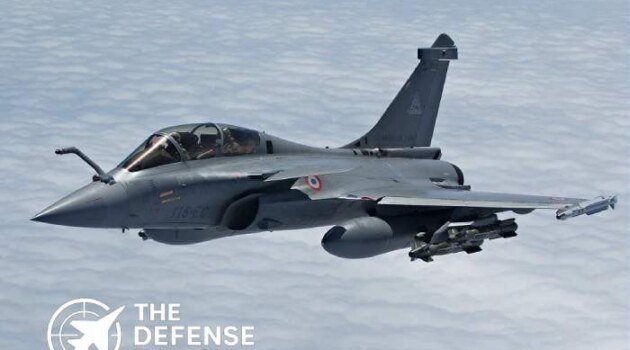
- Rafale fighter jets and nuclear-capable ballistic submarines
- Overseas bases supporting global operations
- Leadership in EU defense initiatives
France remains a major military power due to technology, doctrine, and expeditionary reach.
8. Japan
Japan emphasizes high-tech self-defense with advanced naval, air, and missile systems. Rising defense spending addresses regional threats from China and North Korea.
Highlights:
- Aegis equipped destroyers and submarines
- F-35 fighter fleet
- Missile defense, cyber, and space-based intelligence
- Strong US alliance
Japan focuses on technological superiority and readiness over large-scale offensive forces.
9. Turkey
Turkey combines large standing forces with growing indigenous defense capabilities, including drones and missiles.
Strengths:
- Bayraktar drones and domestically produced missiles
- Strategic geographic location controlling Europe, Black Sea, and Middle East access
- NATO integration and regional operational experience
Turkey’s industrial base and combat experience make it a key regional power.
10. Italy
Italy maintains a modern, NATO-integrated military capable of expeditionary operations.
Highlights:
- Aircraft carriers and advanced surface combatants
- Eurofighter Typhoon air force
- Contributions to NATO, EU, and UN missions
Italy focuses on balanced forces, alliance integration, and maritime power projection.
Analysis, How the Rankings Are Shifting
The updated top 10 most powerful army in the world list highlights a clear shift in how military power is defined. Traditional measures such as troop numbers and armored formations still matter, but they no longer dominate rankings on their own. Technology, alliance integration, industrial capacity, and the ability to sustain operations are now decisive factors.
Japan’s position reflects the growing weight of high end naval and air power in the Indo Pacific. While Japan does not maintain large offensive ground forces, its investments in missile defense, advanced fighters, submarines, and space based surveillance significantly raise the cost of aggression against it. Close operational integration with US forces effectively amplifies Japan’s military strength beyond what raw numbers suggest.
Turkey’s ranking underscores the rising importance of indigenous defense production and recent combat experience. Ankara’s use of domestically produced drones, precision munitions, and armored vehicles in real world operations has reshaped regional battlefields. Control of key geographic chokepoints and NATO membership further increase Turkey’s strategic value, even as political friction complicates alliance cohesion.
Italy’s inclusion reflects the continued relevance of balanced, alliance ready forces in modern warfare. Rather than focusing on mass or regional dominance, Italy contributes naval power, air assets, and command capabilities to NATO and multinational missions. Aircraft carriers, modern surface combatants, and integrated air power give Rome outsized influence in the Mediterranean security environment.
Overall, these rankings show that the most powerful army in the world is no longer defined solely by the capacity to fight a single large scale war. Power now depends on adaptability, industrial depth, interoperability with allies, and the ability to operate across multiple domains, including cyber and space. As defense budgets rise and military doctrines evolve, future rankings are likely to reward flexibility and sustainment over sheer size.
FAQs
What is the most powerful army in the world in 2025?The United States remains the most powerful army in the world due to unmatched budget, technology, and global reach.
Does nuclear capability define military power?Nuclear weapons are a strategic deterrent, but conventional strength, technology, and alliances determine operational effectiveness.
Why is China not ranked first?China lacks the global logistics, overseas bases, and alliance network that extend US military influence worldwide.
Can smaller countries be effective militarily?Yes, countries like Japan and Italy demonstrate that technology, doctrine, and alliances can outweigh size.
Will the rankings change soon?Yes. Rising defense budgets, new technologies, and ongoing conflicts may reshape global military power in the coming decade.

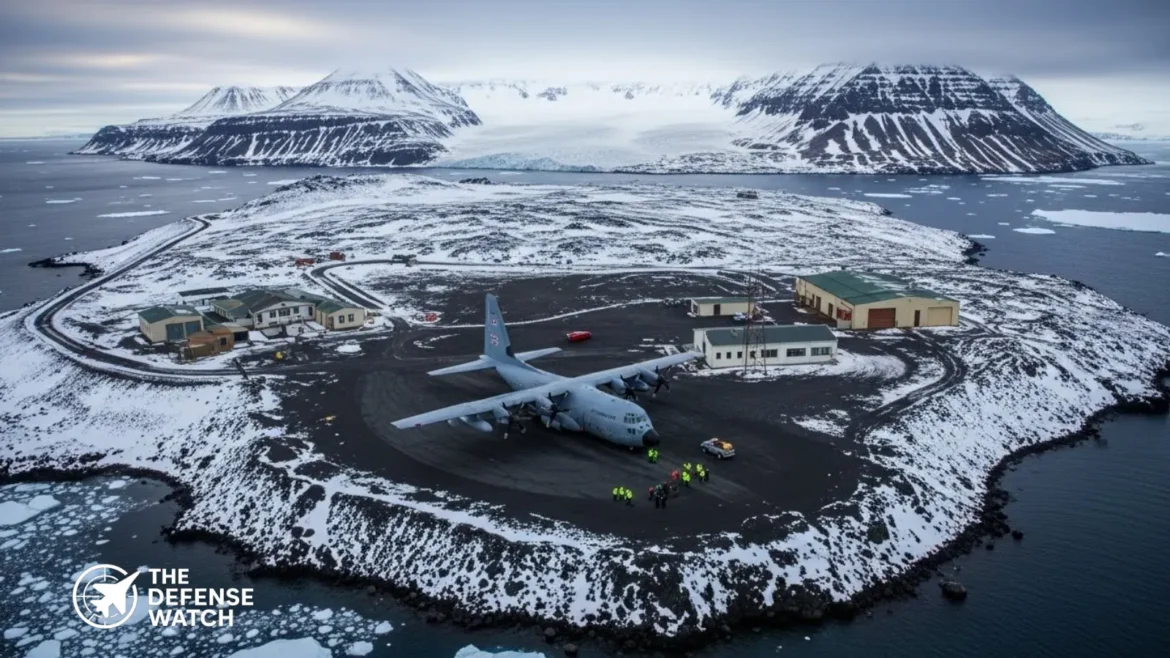
The Norwegian Ministry of Defense has put forward a draft proposal to expand the authority of its military police to the remote Arctic island of Jan Mayen, officials confirmed in December 2025. The move seeks to strengthen legal and security measures in a region seeing heightened attention from Norway and its allies amidst evolving strategic pressures.
Background
Jan Mayen, an uninhabited volcanic island in the Arctic Ocean, lies roughly 500 kilometers east of Greenland and falls under Norwegian sovereignty. The island is the site of a small rotating contingent of Norwegian defense personnel and functions as both a meteorological station and military outpost. It also hosts Jan Mayensfield, a modest airstrip used for occasional flights and logistical support.
In recent years, Arctic security has attracted greater focus from Norway and other states as changes in climate, accessibility, and global strategic competition draw attention to the High North. Norway’s Arctic defense efforts have included broader troop deployments, infrastructure investments, and policy actions intended to reinforce sovereignty and deter potential threats.
Details of the Proposal
Under the current plan, the Norwegian government aims to extend the existing Military Police Act to cover Jan Mayen. The proposal, now open for public and stakeholder consultation, would allow the establishment and enforcement of a designated “military area” on the island. ArcticToday
If adopted, the change would give the station commander on Jan Mayen formal military police authority. This includes the power to maintain security, discipline, and order, as well as to prevent or intervene in breaches of law under the Military Police Act. The station commander already holds military responsibilities on the island, but lacks the expanded policing authority envisioned in the new regulations.
According to the ministry’s draft document, the adjustment is justified by what Norwegian officials describe as a more uncertain security environment in the Arctic and the potential for increased activity by Norwegian and allied forces in the future.
Strategic Context
The High North has become a priority for Norway’s defense planning amid broader shifts in Arctic geopolitics. As ice coverage changes and access improves, previously isolated areas like Jan Mayen and the Svalbard archipelago have taken on increased strategic relevance for NATO members and other regional actors.
Norway’s proposed expansion of military police authority on Jan Mayen follows other Arctic defense initiatives. Earlier in 2025, Oslo unveiled an updated northern strategy that aligns defense, economic, and community priorities in the region.
The move also comes against a backdrop of heightened tensions with Russia over military activities in the Arctic. In March 2025, Moscow accused Norway of militarizing the Svalbard archipelago, a claim Norway denied, underlining the delicate balance Norway seeks to maintain in fulfilling alliance commitments while managing diplomatic sensitivities in the region.
Legal and Sovereignty Dimensions
Applying the Military Police Act to Jan Mayen would formalize the legal basis for military and security operations, offering clearer rules for conduct and enforcement in a strategic location. Such legal instruments are part of Norway’s broader effort to protect its sovereignty and manage its territorial responsibilities in the face of evolving regional dynamics.
While Jan Mayen remains uninhabited aside from rotating service members, its facilities and geographic position give it potential value for surveillance, logistics, and support of military or scientific missions. The proposed change would help ensure that any increase in activity is accompanied by clear security rules and authority structures.
What’s Next
The draft proposal is open for comment from stakeholders and the public, with submissions accepted through early 2026. Following the consultation period, the ministry will review feedback and determine whether to proceed with final legislation.
If adopted, the extension of military police authority would mark another step in Norway’s broader efforts to adapt its defense posture in the Arctic. Ongoing developments will likely include continued infrastructure upgrades, international cooperation on surveillance and response capabilities, and policy updates aligned with NATO objectives in the region.
US Approves Record Taiwan Arms Sale
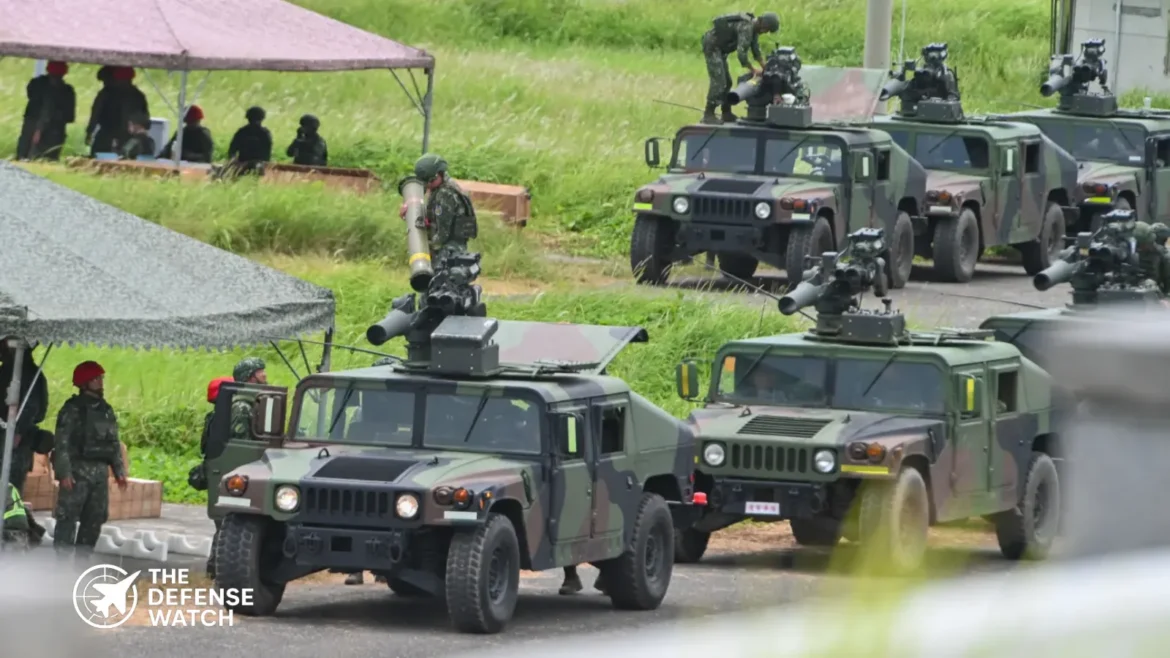
The United States has approved an 11.15 billion arms sale to Taiwan, marking the largest weapons package ever authorized for the self governed island. The approval was announced on Thursday in Washington and comes at a time of heightened military activity around Taiwan and growing strain in US China relations.
According to US officials, the Taiwan arms sale includes a mix of artillery systems, antitank missiles, and spare parts for helicopters currently operated by Taiwan’s armed forces. The package is intended to support Taiwan’s self defense capabilities and maintain operational readiness amid increasing regional security pressures.
Rising Military Activity Near Taiwan
The approval follows a period of intensified Chinese military operations near Taiwan. Just two days before the announcement, China’s newest aircraft carrier, Fujian, transited the Taiwan Strait for the first time since entering service. The passage through the sensitive waterway drew close attention from regional observers and defense analysts.
In the past 24 hours, Taiwan’s Ministry of National Defense reported that the People’s Liberation Army conducted 40 aircraft sorties near the island. More than half of those aircraft crossed the unofficial median line of the Taiwan Strait, a boundary that had long served as a tacit buffer between the two sides.
Beijing Responds to the Arms Package
China reacted strongly to the approval of the Taiwan arms sale. Foreign Ministry spokesperson Guo Jiakun said the deal seriously undermines the One China Principle and warned that the United States would ultimately harm itself by continuing military cooperation with Taiwan.
Beijing has consistently opposed US arms sales to Taiwan, arguing that such transactions interfere in China’s internal affairs. Chinese officials have repeatedly called on Washington to halt all military sales and contacts with the island.
Background on US Taiwan Defense Ties
The United States has been Taiwan’s primary source of military equipment for decades under the Taiwan Relations Act. The law obliges Washington to provide Taipei with defensive arms and services necessary to maintain a sufficient self defense capability.
Recent years have seen a steady increase in the scale and frequency of US approved arms packages. These sales have focused on asymmetric systems designed to counter potential amphibious or airborne operations, including missiles, artillery, and command and control upgrades.
The latest Taiwan arms sale reflects a broader US strategy to strengthen deterrence in the Indo Pacific region amid China’s expanding military capabilities.
Strategic Context and Policy Signals
Defense analysts note that the timing and size of the package send a clear policy signal. The approval comes as military communication channels between Washington and Beijing remain fragile, raising concerns about crisis management and miscalculation.
US officials have emphasized that the Taiwan arms sale is defensive in nature and consistent with long standing policy. They maintain that the goal is to preserve stability across the Taiwan Strait rather than alter the status quo.
At the same time, China’s growing confidence and increased operational tempo around Taiwan have reshaped the regional security environment. The convergence of large scale arms transfers and heightened military activity has added new complexity to US China relations.
What Comes Next
The arms sale will now move into the implementation phase, which typically involves contract negotiations, production timelines, and delivery schedules. Some systems may take several years to reach Taiwan due to manufacturing and training requirements.
Further diplomatic exchanges between Washington and Beijing are expected, as China has often responded to similar approvals with formal protests and potential countermeasures.
As cross strait tensions continue to rise, the record Taiwan arms sale underscores the central role of defense cooperation in shaping the future security landscape of East Asia.
Türkiye is considering the return of its Russian-made S-400 air defense systems as part of renewed efforts to rejoin the U.S.-led F-35 fighter jet program. The development, reported in late 2025, marks one of the clearest signals yet that Ankara may be willing to revisit a defense decision that reshaped its relationship with Washington and NATO allies.
The discussions are still at an exploratory stage and no formal decision has been announced. Turkish officials have framed the issue as part of broader talks with the United States on defense cooperation, sanctions relief, and future military procurement.
Background to the S-400 and F-35 Dispute
Türkiye was removed from the F-35 program in 2019 after it took delivery of the S-400 air defense systems from Russia. The United States argued that operating the S-400 alongside NATO aircraft posed intelligence and security risks, particularly for the stealth features of the F-35.
Following the S-400 acquisition, Washington imposed sanctions under the Countering America’s Adversaries Through Sanctions Act, targeting Türkiye’s defense procurement agency. Ankara has consistently stated that the S-400 purchase was driven by urgent air defense needs after failing to secure favorable terms for U.S. Patriot systems at the time.
The Turkey S-400 F-35 dispute has since become a central issue in U.S.-Turkish defense relations.
Signals of a Policy Shift
Recent remarks from Turkish officials suggest Ankara is reassessing options that could unblock cooperation with the United States. One option under discussion is the physical return or long-term storage of the S-400 systems outside Türkiye, potentially under third-party oversight.
While Ankara has not confirmed any final plan, officials have emphasized that Türkiye remains committed to NATO and wants to restore trust with allies. The possibility of returning the systems is being evaluated alongside other confidence-building measures.
For Washington, the status of the S-400 remains a key condition for any discussion about Türkiye’s return to the F-35 program or lifting existing sanctions.
Strategic Importance of the F-35 for Türkiye
Before its removal, Türkiye was a Level 3 partner in the F-35 program and planned to acquire at least 100 aircraft. Turkish companies were also involved in manufacturing hundreds of F-35 components, contributing to the global supply chain.
The loss of access to the fifth-generation fighter created a capability gap for the Turkish Air Force, which has since relied on upgraded F-16s and domestic projects such as the KAAN next-generation fighter. Despite progress on local programs, the F-35 remains a benchmark for air superiority within NATO.
Reentry into the program would significantly enhance Türkiye’s air power and interoperability with U.S. and allied forces.
U.S. Position and Policy Considerations
U.S. officials have reiterated that the presence of S-400 air defense systems in Türkiye is incompatible with the operation of the F-35. Any move to rejoin the program would require verifiable steps to remove the systems from Turkish control.
At the same time, Washington has shown interest in stabilizing relations with Ankara, particularly given regional security challenges in the Black Sea, Middle East, and Eastern Mediterranean. Congressional approval would still be required for any major shift in U.S. policy toward Türkiye.
The Turkey S-400 F-35 issue is therefore as much a political decision as a technical one.
Expert and Security Perspectives
Defense analysts note that returning the S-400 systems would carry political costs for Ankara, both domestically and in its relations with Moscow. However, they also point out that restoring access to Western defense technology could outweigh those costs over the long term.
Experts describe the current talks as a test of whether both sides are willing to compromise after years of strained relations. Any agreement would likely involve phased steps, inspections, and legal assurances to satisfy U.S. security concerns.
What Comes Next
No timeline has been announced for a decision, and negotiations could extend well into 2026. Even if Türkiye proceeds with returning the S-400 systems, rejoining the F-35 program would require lengthy reviews and political approval in Washington.
Still, the renewed dialogue suggests a shift toward pragmatic engagement. For NATO, resolving the Turkey S-400 F-35 dispute could strengthen alliance cohesion at a time of heightened global security pressures.
Trump Says US May Strike Iran Again If Necessary
US President Donald Trump said the United States could strike Iran again if Tehran continues its nuclear and missile programs without reaching an agreement with Washington, according to an announcement during a White House press event. Trump framed the threat as contingent on Iran’s actions and its willingness to accept terms set by the United States.
The comments underscore rising tensions between the United States and Iran more than five months after a major US military operation targeted Iranian nuclear facilities. Trump referenced previous US strikes on Iran’s nuclear infrastructure at Fordow, Natanz, and Isfahan, saying they were necessary to halt Tehran’s progress and would be repeated if Iran did not negotiate a settlement acceptable to Washington.
Recent Comments at the White House
Trump’s statement came during an unscheduled briefing with reporters at the White House. According to the president, Iran “may try” to continue its nuclear program, and if it does so outside of a diplomatic agreement, the US is prepared to destroy key components of its missile and nuclear infrastructure. He said the US military could “destroy their missiles very quickly,” though he did not provide specifics on timing or means.
Trump also argued that past US action had prevented a broader Middle East crisis, suggesting that a settlement would have been impossible without the earlier strikes on Iran’s nuclear sites.
Background: US-Iran Military Tensions in 2025
The US has already engaged directly in military action against Iranian nuclear targets in June 2025. American forces struck three major nuclear sites at the Fordow uranium enrichment plant, the Natanz facility, and the Isfahan nuclear complex in a large-scale operation, according to US government announcements.
The White House said the bombardment was intended to seriously degrade Iran’s nuclear capabilities. US President Trump claimed that these critical enrichment facilities had been “completely and totally obliterated,” and issued a warning that further attacks could follow if Tehran resisted peace negotiations.
However, international assessments and US intelligence reviews painted a more complex picture. Some reports suggested that the strikes may have set back Iran’s nuclear program by only months rather than permanently eliminating it. The International Atomic Energy Agency’s ability to assess damage was limited, and Iranian facilities buried deep underground may have sustained limited operational impairment.
International and Diplomatic Implications
Iran’s leadership has publicly denied any intent to build nuclear weapons and has criticized the strikes and subsequent threats as violations of international law. Supreme Leader Ayatollah Ali Khamenei called portions of the US narrative “enemy propaganda,” framing ongoing tensions as part of a broader ideological conflict rather than a purely military standoff.
Diplomatic efforts have been mixed. The United States and European powers have discussed potential negotiations, and Iran has engaged in talks with European nations over its nuclear program. Some reports indicate that Tehran may consider resuming discussions with European intermediaries even as tensions with Washington remain high.
Analysts warn that a strategy based heavily on military threats could further erode trust and complicate future diplomacy. The use of force against heavily protected and safeguarded nuclear sites was seen by some as a precedent that might undermine the global nonproliferation regime, especially if measured gains in slowing nuclear progress prove short-lived.
US Policy and Strategic Context
Trump’s statements reflect a broader US policy approach that blends military readiness with diplomatic leverage. The administration frames potential military action as part of a range of options to compel Iran into compliance on nuclear restrictions, missile limitations, and wider regional security concerns. However, critics argue that threats of further strikes risk escalation without guaranteeing Tehran’s agreement to significant concessions.
Within the US political system, debates persist over executive authority for military operations without explicit congressional authorization. Past strikes and current threats have drawn scrutiny from lawmakers questioning whether the president can unilaterally initiate actions that could draw the US deeper into conflict without legislative oversight.
Regional and Global Impact
The possibility of renewed US strikes on Iran carries implications well beyond bilateral relations. Neighboring states in the Middle East have expressed concern that escalations in US-Iran tensions could destabilize a region already grappling with multiple conflicts. Some regional governments have called for restraint and the resumption of diplomacy. Meanwhile, international organizations have urged all parties to deescalate and return to negotiated solutions.
Iran’s geopolitical partners, including Russia and China, have also weighed in, calling for respect for sovereignty and cautioning against actions that could trigger broader confrontation.
What’s Next
Trump’s warning signals that US policy toward Iran remains on a knife-edge. The United States may continue to pursue a strategy that links the threat of force to diplomatic engagement. The trajectory of this policy will depend on Iran’s military and diplomatic decisions as well as responses from global and regional actors.
Both Washington and Tehran face domestic pressure over their approaches, adding layers of complexity to the prospects for either renewed conflict or meaningful negotiation in coming months.
The U.S. House of Representatives on Wednesday passed the annual defense policy bill for fiscal year 2026, sending the measure to the Senate after a 312 to 112 vote. The legislation, known as the National Defense Authorization Act, authorizes about $900.6 billion for Pentagon programs, service member pay, weapons procurement, and broad national defense priorities. A key element in this year’s bill is a provision aimed at pressuring the Department of Defense to release unedited video from controversial U.S. boat strikes in the Caribbean.
Record Funding and Oversight Push
The defense policy bill, passed on December 10, sets discretionary defense spending levels for fiscal 2026 at roughly $900 billion. Among other core elements, the legislation authorizes a 3.8 percent pay raise for military personnel and directs funds for readiness, weapons procurement reform, and base infrastructure improvements.
In a notable change from past bills, lawmakers added a measure to compel release of full, unedited footage of U.S. military strikes against alleged drug smuggling boats near Venezuela. That provision would withhold 25 percent of the travel budget for Defense Secretary Pete Hegseth until the House and Senate Armed Services Committees receive specified video and related orders.
Context on Boat Strike Footage Demand
The demand for the unedited video traces to a controversial September 2, 2025 strike on a suspected drug-smuggling vessel. Initial Pentagon-released clips showed an airstrike on the boat, but questions emerged over a reported follow-up attack that struck survivors clinging to debris. Some lawmakers and legal experts have described the “double tap” incident as deeply troubling under international law and called for full transparency.
Pentagon officials have resisted broad public release of the full footage, citing security concerns. Lawmakers on both sides of the aisle have viewed classified versions, and interpretations vary widely. Some Republicans argue the follow-up strike was justified, while some Democrats have pressed for public disclosure.
The NDAA provision would stop short of public release but would mandate delivery of unedited video to armed services committees and compel the Pentagon to provide copies of orders that authorized the lethal strikes. Should the Pentagon fail to comply, Hegseth’s travel funds could remain partially withheld.
Other Major Bill Highlights
In addition to the transparency push, the bill includes measures to maintain U.S. troop levels in Europe and South Korea. The text would require that at least 76,000 troops and significant equipment remain stationed in Europe unless NATO allies are consulted and a formal determination is made. About $400 million per year in military aid for Ukraine is authorized over the next two years under the bill’s terms.
The policy bill also repeals long-standing authorizations for the use of military force from the early 1990s and early 2000s that had been used to justify U.S. actions in past conflicts. Parts of the bill align with the administration’s priorities on multiyear procurement contracts for critical munitions.
The House version trims about $1.6 billion in climate-related defense spending and rescinds funding for some diversity and inclusion programs at the Pentagon, reflecting budget priorities that differ from earlier drafts.
Lawmakers on Oversight and Transparency
Members of Congress emphasized the need for oversight of Pentagon operations. Rep. Mike Rogers, chair of the House Armed Services Committee, said the legislation supports a capable force and adapts to evolving threats. Other lawmakers, particularly on the Democratic side, cited concerns about legal and ethical standards surrounding use of force at sea and the Pentagon’s reluctance to share full documentation.
The boat strike video demand has emerged as one of the most debated parts of the bill. Senate leaders, including those on the Senate Armed Services Committee, have continued separate inquiries into the incident. Some senators have called for further briefings and legal reviews even as the broader oversight push moves forward.
Next Steps
With House approval complete, the bill now moves to the Senate for consideration. Senate committees may hold hearings or propose changes before the full chamber votes. Should the Senate pass the measure, it will go to the president for signature.
Lawmakers expect most parts of the bill to be accepted as a whole, though debates may continue over elements tied to Pentagon practices, troop levels abroad, and how transparency measures will be implemented. Passage of the annual defense policy bill is routine, but this year’s added transparency provisions underscore heightened congressional scrutiny of Pentagon operations.
Congress passed the fiscal year 2026 National Defense Authorization Act this week. The defense bill includes up to one billion dollars for Taiwan security cooperation and directs the Pentagon to start a joint drone program with Taiwanese officials. The House approved the measure in a 312 to 112 vote. The Senate is expected to clear it soon.
The main keyword, defense bill, anchors the conversation in Washington as lawmakers move to strengthen ties with Taipei at a time of rising concern over Chinese military pressure.
The bill instructs Defense Secretary Pete Hegseth to begin formal engagement with Taiwan on co-developing and co-producing drone and counter drone systems by March 1, 2026. This marks one of the most significant congressional pushes so far to expand combined capability development with Taipei.
Background
For the past several years, U.S. lawmakers have increased funding and authorities aimed at improving Taiwan’s ability to withstand a potential military campaign by the People’s Liberation Army. Congress has used both security assistance packages and policy directives to move Taipei toward more dispersed weapons, mobile air defenses, and resilient command and control.
Funding in the defense bill adds to these efforts. The one billion dollars authorized for Fiscal Year 2026 follows a pattern of rising support seen in recent cycles. While the bill does not appropriate funds, it sets the policy framework and signals congressional intent.
U.S. officials have warned that China continues to expand naval and air activity around the island. Senior defense leaders state that joint planning, faster arms delivery, and shared technology development are needed to close gaps in Taiwan’s current defense posture.
Details of the Legislation
Drone and Counter Drone Program
The requirement for a joint drone effort stands out. It directs the Pentagon to coordinate directly with Taiwan’s defense ministry on design, engineering, and production. This includes intelligence and surveillance drones and short range systems that can counter swarms or small unmanned aircraft.
Congress wants the Pentagon to report progress on these engagements and outline timelines, goals, and integration plans. Lawmakers argue that drones provide rapid fielding potential and give Taiwan better coverage of coastal areas, straits, and chokepoints.
Security Cooperation Funding
The defense bill outlines how the one billion dollars can be used. Assistance includes training, equipment, and advisory support. Congress also encourages the Pentagon to expand combined exercises and improve interoperability in logistics and communications.
Strategic Signals
The legislation appears aimed at both capability building and deterrence signaling. Washington wants to show long term political commitment to Taiwan’s defense. By focusing on shared production and joint development, the bill also ties Taiwan more deeply into U.S. supply chains.
Expert and Policy Perspective
Analysts note that the focus on drones matches the direction of recent conflicts. Low cost and expendable platforms can slow amphibious forces, protect coastal units, and support rapid strike operations. Experts also say counter drone tools are vital as China expands its own unmanned programs at scale.
Policy specialists highlight that co-production carries political weight. Joint manufacturing reduces delivery delays and gives Taiwan domestic capacity at a time when foreign arms sales face backlog pressure. It may also help Taipei move toward an asymmetric posture centered on mobility and resilience.
Some analysts caution that the defense bill still depends on appropriations and follow through. They note that Washington must balance support to Taiwan with competing global commitments.
What Comes Next
The Senate is expected to approve the defense bill soon, followed by the president’s signature. Once enacted, the Pentagon will begin planning the joint drone program and coordinate with Taipei to outline next steps. Funding decisions will move through the appropriations process.
U.S. officials say they expect more cooperation in coastal defense, intelligence sharing, and joint training over the next year. Congressional committees plan to track progress through regular reporting requirements.
Washington’s new strategy jolts NATO
The White House released the latest United States National Security Strategy (NSS), marking a stark break from previous U.S. foreign-policy doctrine. The document casts serious doubt on the reliability of long-time U.S. allies in Europe. It warns of potential “civilizational erasure” due to migration and suggests some NATO countries may drift away from traditional Western values. European capitals responded with alarm, underscoring the document’s sweeping implications.
A shift away from post–Cold War consensus
Since the end of the Cold War the U.S. has led a liberal, rules-based international order that leaned on alliances and collective defense. Under the 2025 NSS, the U.S. signals a pivot. The new strategy emphasizes reasserting U.S. dominance in the Western Hemisphere, reducing global commitments, and shifting the burden of defense to allies.
At the same time, European allies had recently agreed — at the 2025 NATO summit — to raise defense spending to 5 percent of GDP by 2035. The new NSS, however, appears to undercut this cooperation by emphasizing political-cultural differences and promoting nationalist parties in Europe rather than sustained defense collaboration.
Key elements of the strategy
Europe described as fragile and unreliable
The NSS warns that unchecked migration could lead to “civilizational erasure,” claiming some NATO members may become majority non-European in the coming decades.
It accuses the European Union and other transnational bodies of undermining sovereignty, suppressing free expression, and censoring speech.
The strategy voices support for “patriotic” or nationalist parties in Europe — a signal that political alignment now matters as much as military cooperation.Reprioritizing U.S. interests: Americas first, global retreat
Under what some describe as a “Trump Corollary” to the old Monroe Doctrine, the strategy calls for renewed focus on the Western Hemisphere. It highlights controlling migration, disrupting drug trafficking, and reasserting U.S. dominance in its own region.
The document also downgrades U.S. strategic interest in the Middle East, encouraging less interference in Gulf states and refraining from pushing political reforms abroad.Mixed signals on Ukraine and NATO commitments
While pledging to seek an end to the war in Ukraine, the NSS frames ongoing allied weapons transfers as part of a burden-sharing model. It appears to question the long-term viability of efforts like the Prioritized Ukraine Requirements List (PURL), which had relied on allied contributions through NATO partners.
At the same time, the U.S. seems less inclined to treat Russia as a core threat, which undercuts the historical premise of collective defense under NATO.Reaction: European capitals tread carefully
Leaders across Europe offered measured responses as they absorbed the new U.S. posture. The foreign minister of Germany said that questions about free expression or societal organization “do not belong” in security strategy for Germany.
Donald Tusk of Poland, a member of NATO and a country strategically located near regions of tension, emphasized that Europe remains the closest ally of the United States — not its problem.At the same time, critics within the U.S. have expressed concern. A member of the House Intelligence and Armed Services committees warned the shift could erode American global standing and weaken the network of alliances that long supported U.S. influence abroad.
Some analysts argue the strategy contradicts its own stated goal of strengthening collective defense. By downplaying Russia and prompting Europe to fill security gaps without robust U.S. backing, the document may leave Eastern-flank NATO states vulnerable.
Why this matters
The 2025 U.S. National Security Strategy marks a historic pivot in U.S. foreign policy. What once was a commitment to global leadership, shared security, and protection of democratic norms has shifted toward narrower national priorities, ideological alignment, and regional dominance.
For Europe, this shift raises doubt about the future of NATO, especially collective defense under Article 5. For global hotspots like Ukraine, instability may rise if U.S. commitment wanes while Russia or other powers seek advantage.
For the U.S., the strategy aims to conserve resources and refocus on core national interests. It also hopes to spur allies to increase defense spending and take ownership of regional security. But it carries the risk of undermining the international trust and predictability that undergird long-term alliances.
What’s next
Allies in NATO will likely reassess their defense policies, spending priorities, and political alignments during 2026. Eastern-flank nations — already wary because of conflict in Ukraine — may accelerate efforts to diversify partnerships beyond the U.S. Meanwhile Moscow may exploit transatlantic divisions for strategic gain.
In Washington, implementation of the NSS may lead to funding shifts, reduced overseas commitments, and renewed emphasis on domestic and hemispheric security challenges.
The unfolding months will show whether this dramatic policy reset becomes permanent or triggers pushback strong enough to temper it.
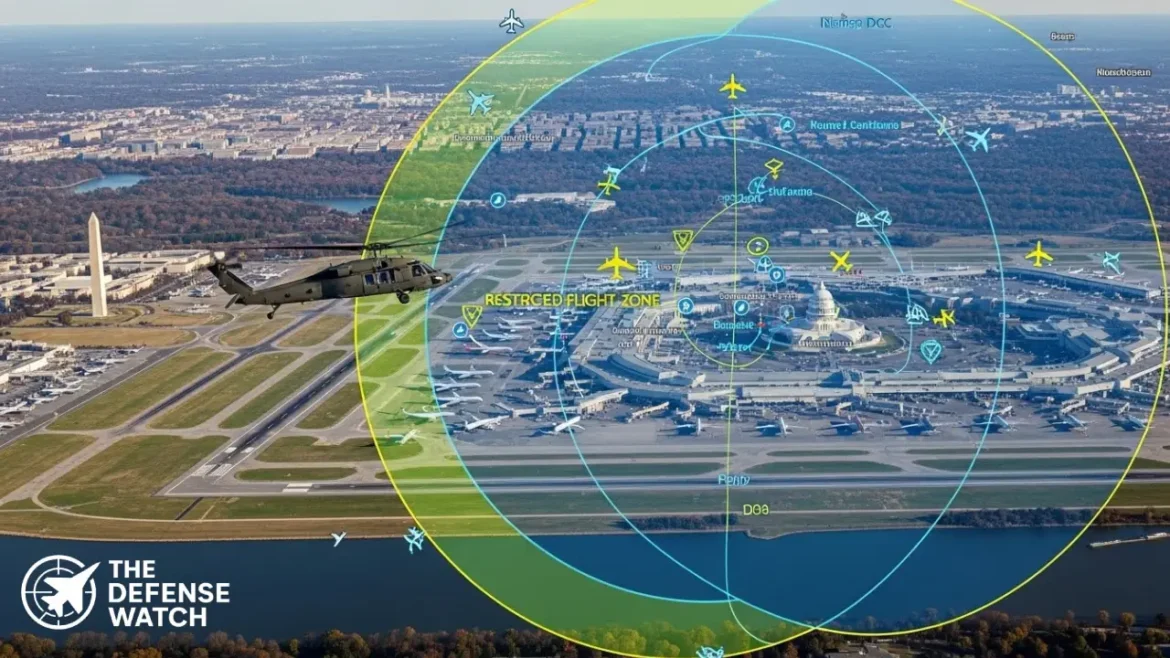
Congress is considering a major change to how the US military operates helicopters near Washington, D.C. A new provision in the annual defense policy would require military helicopters — especially those flying near Ronald Reagan Washington National Airport (DCA) — to broadcast safety alerts to help prevent collisions with commercial aircraft.
The move comes after a tragic mid-air collision on January 29, 2025, in which a US Army UH-60 Black Hawk helicopter lacking a key safety system collided with an American Airlines regional jet, killing all 67 people aboard both aircraft.
Why It Matters
Mixed traffic of helicopters and commercial planes around DCA has long posed safety risks. From October 2021 to December 2024, data shows more than 15,000 encounters in which helicopters and jets came dangerously close — including 85 incidents judged as “close calls” with vertical separation under 200 feet.
In many of these cases, commercial pilots received automated collision alerts from their onboard traffic systems, prompting evasive maneuvers or aborted landings.
After the January crash, the Federal Aviation Administration (FAA) imposed significant route restrictions. That included shutting down a key helicopter route used for decades and limiting helicopter operations when certain runways are in use.
Even so, the concern remains that some military helicopters still fly without transmitting position data, because of exceptions related to sensitive missions.
What the Legislation Proposes
The draft legislation would:
- Require military helicopters flying near DCA to broadcast position alerts — unless the Department of Defense determines a waiver is needed after a formal risk assessment.
- Mandate that the Pentagon report all past and future near-miss incidents involving military and commercial aircraft over the last decade.
- Force safety reviews at major airports and a safety-coordination audit by the U.S. Army Inspector General for military flight operations near civilian airspace.
In effect, the measure aims to close a gap that allowed military helicopters to operate near commercial flights without transmitting their location.
The legislation would not necessarily eliminate all exceptions. Waivers might be permitted in national-security scenarios or where officials deem there is no risk to commercial air traffic.
Context and Previous Actions
Following the crash in January, the National Transportation Safety Board (NTSB) issued urgent recommendations asking the FAA to permanently ban helicopter traffic over certain zones near DCA when some runways are in use. The board called the situation “an intolerable risk to aviation safety.”
In March the FAA announced a permanent closure of the specific helicopter route involved in the accident, and limited mixed traffic of helicopters and fixed-wing aircraft in high-risk areas.
By June, the FAA published updated charts reducing the size of helicopter zones near DCA and adding a new transition route south of the airport, designed to keep helicopters and airliners safer. The changes also formalized the use of automatic position-broadcasting (ADS-B Out) for all aircraft in the restricted zones, with few exceptions.
Still, some military helicopters continued flying with transponders disabled under the claim of sensitive missions. The Army’s head of aviation acknowledged that after the crash, helicopters were still “flying over the nation’s capital” without broadcasting position data because the missions were deemed sensitive.
That reality triggered strong criticism from some lawmakers. For example, Eleanor Holmes Norton, DC’s non-voting delegate to Congress, urged that helicopters near DCA be required to use ADS-B except in narrow security-related exceptions.
What Could Change
If Congress approves the new defense-policy provision, nearly all military helicopters flying near DCA — including training flights or VIP transport — would need to broadcast their positions to surrounding air traffic and controllers. That would make them visible to other aircraft and reduce the likelihood of mid-air collisions.
Defense officials would also have to provide more transparency about past near-misses and conduct safety audits. That information could inform broader changes in how military and civilian flights are coordinated nationwide around busy airports.
However, the bill leaves open the possibility of waivers for certain missions. Some national-security flights or sensitive operations might still bypass the broadcasting requirement, if the Pentagon deems them necessary.
What Comes Next
The new defense policy is now under consideration in Congress. If passed, it could mark a major shift in how the military integrates into civilian airspace around busy airports such as DCA.
Beyond the Capitol airspace, the change could lead to broader adoption of similar safety requirements in other cities where military and commercial air traffic overlap.
the U.S. Department of Defense (DoD)’s inspector general (IG) publicly released a report concluding that Pete Hegseth, U.S. Secretary of Defense, risked jeopardizing a strike mission against Houthi rebels in Yemen by sending sensitive operational information over the commercial messaging app Signal on his personal cell phone.
The report said Hegseth transmitted details — including the number of aircraft involved and precise strike-times for manned U.S. aircraft — roughly two to four hours before the strikes commenced, raising the risk that adversaries could intercept the information and compromise the operation.
Background: Why It Matters
The disclosure sparked widespread concern because strike details — especially timing and aircraft numbers — are typically treated as classified. In this case, the original information came from a classified email sent by the commander of U.S. Central Command (CENTCOM), marked “SECRET/NOFORN.”
Under DoD rules, operational communications must occur over approved secure channels; transmitting such information over unapproved, commercially available apps like Signal, especially on personal devices, violates protocol — even if the person sending them has declassification authority.
This incident drew renewed attention to broader concerns about the use of personal devices and nonstandard communication apps within the Pentagon — a matter of operational security, record-keeping compliance, and accountability.
What the Report Found — Details of the Lapse
Use of Signal Before the Strike
- On March 15, Hegseth used Signal to send a “Houthi PC Small Group” chat containing details about the upcoming strike — including launch times for F-18 Hornet jets, planned waves of drone and Tomahawk strikes, and approximate weapon release times.
- The chat participants included senior Trump-administration figures such as then–national security adviser Mike Waltz and Vice President JD Vance, and — by mistake — a journalist from The Atlantic, namely Jeffrey Goldberg, who later published the controversy.
- Hegseth reportedly created another Signal chat involving family and close contacts, where he shared similar strike-related information.
Classification vs. Security Protocols
- Although Hegseth, in his written response to the investigation, said that he judged the information he shared to be “not classified” or “safely declassified,” the IG noted that the original data derived from emails that were classified “SECRET/NOFORN.”
- The IG determined that, regardless of declassification authority, transmitting sensitive operational data via an unapproved messaging app on a personal device violated DoD policy.
Risks to Operational Security
- The report warns that sharing such details so close to execution — two to four hours before strike — could have allowed enemy forces to anticipate and counter U.S. movements, potentially endangering pilots, delaying or foiling the mission, or compromising classified tactics and procedures.
- The IG expressed concern about a broader pattern within the DoD: multiple instances of using personal devices or unapproved applications for official business — especially in circumstances such as remote work or when secure communications were considered “impractical.”
Reactions and Institutional Response
Some lawmakers issued sharp criticisms. For instance, Senator Jack Reed (D-RI) said Hegseth’s conduct violated military regulations and disregarded servicemembers’ safety.
Conversely, the Republican chairman of the Senate Armed Services Committee, Roger Wicker (R-MS), argued that Hegseth acted within his declassification authority — and suggested that the findings reveal a need for improved tools to enable real-time secure communication by senior national-security officials.
Hegseth’s legal adviser, Timothy Parlatore, echoed the defense, saying the texts contained “no classified material” and that Hegseth had the explicit authority to declassify as he saw fit.
The report also recommends better training across the DoD about handling sensitive information and stricter adherence to approved communication methods.
Policy & Strategy Implications
This incident underscores the tension between operational flexibility at senior policy levels and strict adherence to security protocols. While top leaders may possess declassification authority, doing so outside established classification and recordkeeping procedures — especially using personal devices and public apps — can undermine security and accountability.
It also raises broader questions about whether current DoD infrastructure sufficiently supports secure, real-time communication for high-level officials, particularly in fast-moving conflict zones or dynamic geopolitical environments.
What’s Next
The release of the IG report could renew calls in Congress for formal disciplinary action or stricter oversight mechanisms, especially if additional similar instances come to light.
Meanwhile, the DoD may reevaluate its communication policies, potentially limiting the use of personal devices or unapproved apps even for high-level declassification decisions, or expanding secure communication tools for senior officials.
Finally, adversaries may be incentivized to exploit future lapses if confident that real-time operational details could — again — be shared in insecure ways.