Iran Reportedly Restores Ballistic Missile Arsenal After Recent Depletion
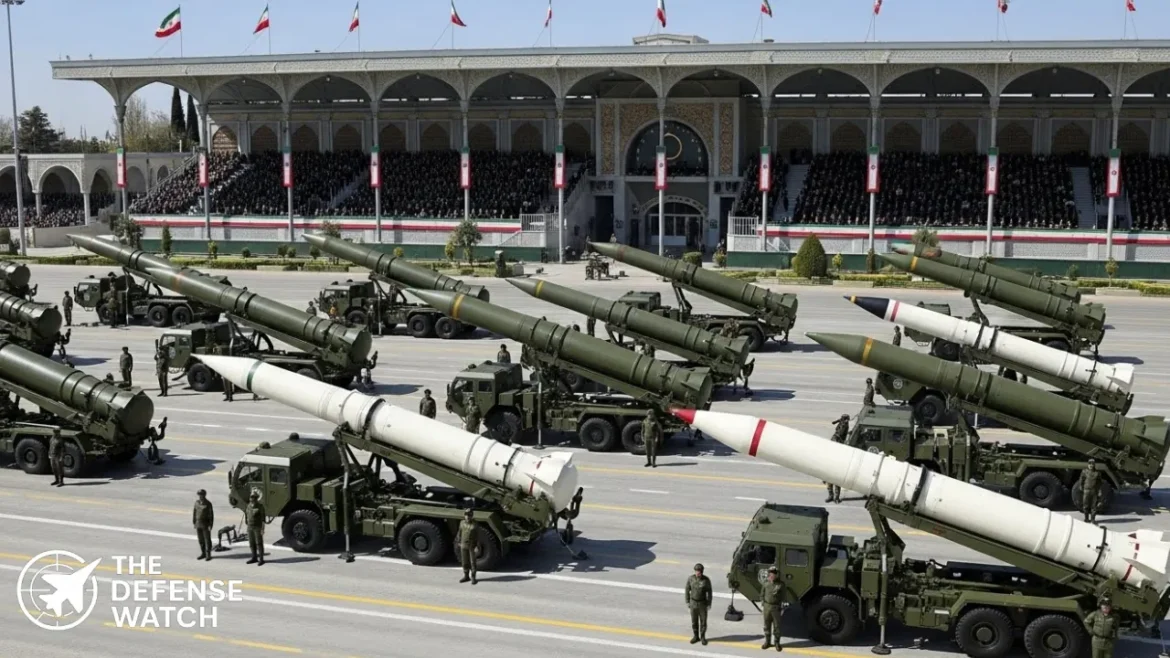
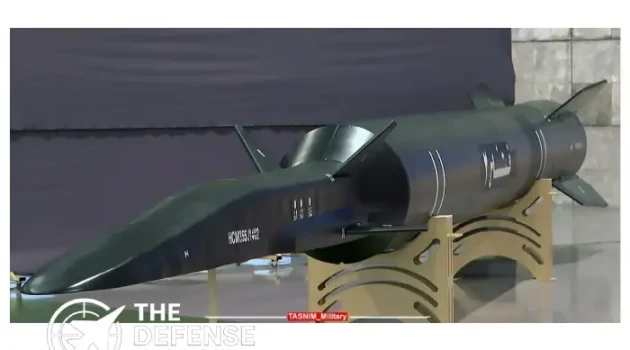
Iran has nearly replenished its ballistic missile arsenal, according to a report citing Western intelligence assessments published this week. The development follows months of heightened regional tensions and military activity, during which Tehran is believed to have expended a significant portion of its missile inventory in operations and deterrence posturing.
The report indicates that Iran’s missile production infrastructure has scaled up output to compensate for losses and restore stockpile levels. The findings come at a time when Israel, Gulf states, and U.S. defense planners continue to monitor Iranian missile capabilities as a central component of Tehran’s military influence across the region.
Background: Missile Use, Production, and Regional Posture
Iran’s ballistic missile program remains one of the most expansive in the Middle East. Over the past year, Tehran has conducted launches in response to regional security incidents, support operations for proxy factions, and domestic demonstrations of capability. Many of these activities drew international criticism and sanctions-related warnings.
Despite these pressures, Iran’s missile manufacturing sector — managed primarily through the Islamic Revolutionary Guard Corps (IRGC) — has reportedly maintained steady production capacity. The ballistic missile arsenal includes short-, medium-, and increasingly longer-range systems, some capable of reaching targets in the eastern Mediterranean and parts of Europe.
Intelligence Findings and Strategic Assessments
According to the material cited in the report, Iranian missile stockpiles that were previously diminished due to operational use have now been restored to near prior levels. Intelligence sources suggest that Iran prioritized replenishment to maintain deterrence credibility and ensure capability sustainability in the event of escalation.
Analysts note that ballistic missiles remain Iran’s primary strategic asset, particularly in the absence of an advanced air force. The report underscores that Iran’s supply chain for missile components — including guidance units, propulsion systems, and warheads — continues to operate despite sanctions.
Israel has consistently labeled Iran’s missile programs as a direct national security threat. Defense officials in Jerusalem are reported to be monitoring the replenishment data closely, particularly as Iranian-backed militias remain active across Syria, Iraq, Lebanon, and Yemen.
Regional and Policy Implications
Security observers argue that the restoration of Iran’s ballistic missile arsenal may alter the strategic calculations of neighboring states. The replenishment could affect missile defense readiness postures, procurement cycles, and joint operational planning among U.S. regional partners.
Western defense analysts also highlight the potential for accelerated missile development pathways, including improved accuracy, survivability, and range extension. Meanwhile, Iranian state messaging has emphasized self-reliance and defensive intent.
What Comes Next
The reported replenishment raises questions regarding future testing patterns, export to proxy actors, and whether Iran intends to expand its arsenal beyond pre-depletion thresholds. Defense officials across the region are expected to continue tracking missile deployment indicators and production signatures in the months ahead.
Growing Concerns Over a Potential Conflict
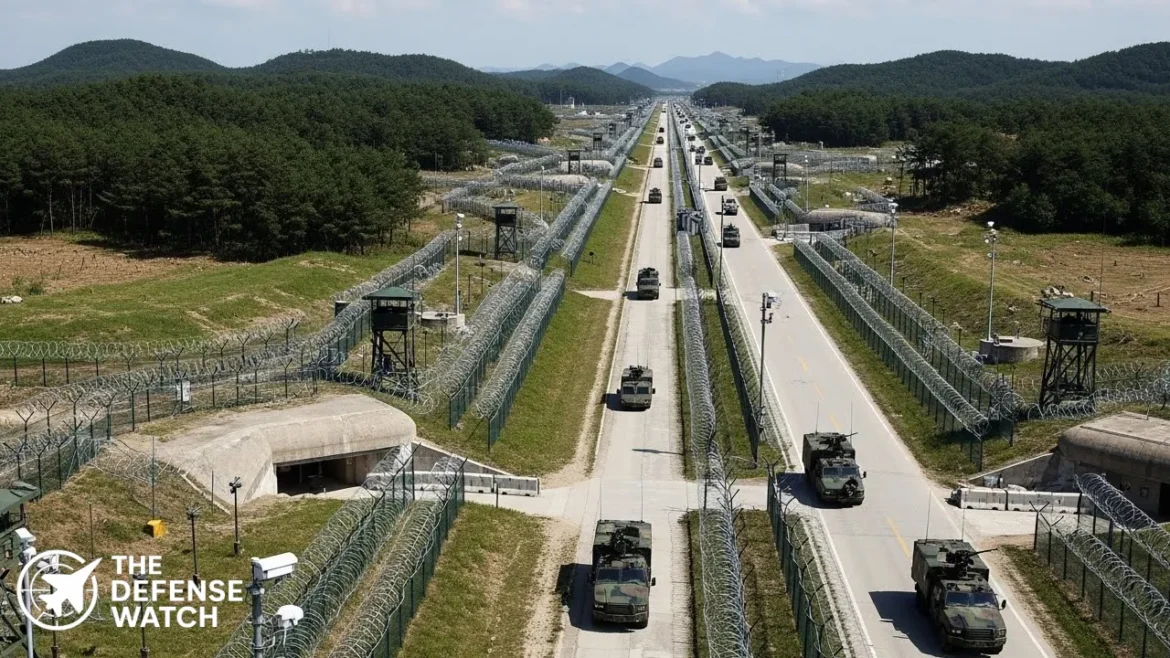
Strategic analysts, defense officials, and military observers are increasingly evaluating whether a war with North Korea could materialize soon, amid rising rhetoric, missile demonstrations, and deteriorating diplomatic channels across the Korean Peninsula. The question has gained renewed attention in 2025 as Pyongyang intensifies threats toward Seoul and Washington while accelerating weapons development and redefining its stance toward South Korea.
Shifts in North Korea’s Strategic Posture
North Korea’s leadership has recently signaled a more aggressive national doctrine, framing South Korea not as a counterpart for reunification but as a hostile foreign state. This shift has accompanied a heightened pace of missile tests, artillery drills near the maritime border, and claims of advancing tactical nuclear deployment. For policymakers, these actions have reset assumptions about deterrence stability and increased debate about the likelihood of a war with North Korea should an incident escalate unintentionally.
U.S. and South Korean Responses
The United States and South Korea have reacted with broader military cooperation, expanded exercises, and reinforced joint defense commitments. Washington has reiterated that extended deterrence remains intact, including nuclear-capable strategic support if required. Seoul has emphasized upgraded response doctrines and strengthened rules of engagement, particularly in border zones and sea boundaries where recent provocations have occurred.
Officials have underscored that while neither Washington nor Seoul seeks confrontation, readiness levels are being adjusted to deter sudden escalation. Analysts note that these moves are intended to prevent conflict rather than trigger it, though they also contribute to a more militarized atmosphere.
Missile Capabilities and Force Modernization
Pyongyang continues to prioritize missile development, including long-range ballistic systems, tactical nuclear assets, and potential solid-fuel capabilities that reduce launch detection time. These advancements complicate defense planning and increase uncertainty around reaction windows should hostilities erupt.
Regional defense experts caution that these developments make a war with North Korea more dangerous than in past decades due to the regime’s diversified strike options, including potential attacks on U.S. bases in Japan or Guam. Meanwhile, South Korea has accelerated indigenous defense modernization, including missile defense upgrades and counter-strike platforms.
Diplomatic Channels Remain Frozen
Negotiation frameworks remain stalled with no active diplomatic dialogue. The absence of communication mechanisms increases risks associated with miscalculations along the Demilitarized Zone or maritime boundary, where past incidents have triggered skirmishes. Without crisis hotlines or confidence-building measures, policymakers warn that even limited clashes could escalate rapidly.
Expert Assessments and Strategic Perspectives
Security researchers interviewed in recent assessments argue that a deliberate offensive by Pyongyang remains unlikely due to regime survival priorities. However, they warn that domestic pressures, leadership signaling, or perceived threats could prompt unpredictable behavior.
Think tank analysts highlight three primary drivers shaping the probability of a war with North Korea:
- Internal Regime Security Needs – leadership legitimacy and control
- Alliance Demonstrations – U.S.-South Korea military visibility
- External Actors – China’s stabilizing or permissive influence
Experts further note that ambiguity in command-and-control structures, combined with nuclear signaling, elevates risk even in absence of intent.
Regional Implications and Indo-Pacific Security
Neighboring states, including Japan and China, are closely monitoring developments. Tokyo has strengthened missile defense coordination and emergency preparedness, while Beijing has urged restraint, seeking to prevent conflict near its borders. A conflict on the peninsula would have far-reaching implications for trade routes, supply chains, regional alliances, and global economic stability.
What Comes Next
Defense officials and policy researchers agree that while immediate conflict is not inevitable, the strategic environment has become more volatile. The coming months will be shaped by:
- Continued military drills and counter-drills
- Monitoring of North Korean missile and nuclear activity
- Alliance posture statements and deterrence signaling
- Possible diplomatic outreach attempts through intermediaries
The overarching assessment remains that preventing a war with North Korea will depend on crisis management, credible deterrence, and renewed communication channels. Without these elements, risks associated with miscalculation and escalation will persist throughout 2025.
South Korea to Transfer Jang Bogo-Class Submarine to Poland by Late 2025
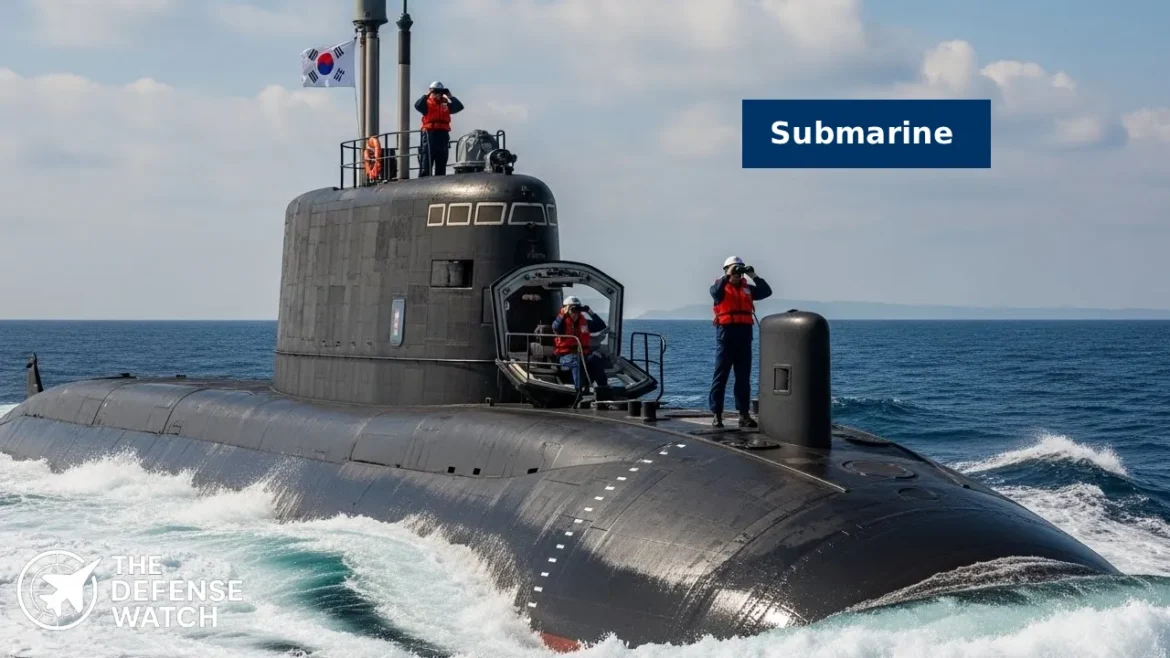
South Korea is preparing to transfer a Jang Bogo-class submarine to Poland by the end of 2025, according to emerging defense reports highlighting the expanding security cooperation between Seoul and Warsaw. The move represents a notable step in Poland’s naval modernization efforts and reinforces South Korea’s growing role as a supplier of defense platforms within Europe.
Background on the Transfer Plan
The initiative follows ongoing discussions between both governments linked to Poland’s broader acquisition of South Korean defense systems. In recent years, Warsaw has purchased a range of K-defense platforms, including K2 main battle tanks, K9 self-propelled howitzers, and FA-50 light combat aircraft. The submarine transfer aligns with this expanding portfolio, signaling diversification beyond land and air systems.
The Jang Bogo-class submarine, derived from the German Type 209/1200 design, has been a core component of the Republic of Korea Navy fleet since the 1990s. While South Korea advances to more modern platforms such as the Dosan Ahn Chang-ho–class submarines, the transfer will enable Poland to enhance its undersea operational capacity at minimal acquisition cost.

Details of the Arrangement
According to the available reporting, the submarine will be provided as a free transfer rather than a sales contract. This approach may facilitate Poland’s ability to reconstitute its submarine force after the decommissioning of legacy vessels, including the aging Kobben-class platforms. The delivery timeline places the handover before the close of 2025, pending refurbishment and readiness assessments.
The transfer is expected to be accompanied by technical support, training provisions, and logistical assistance, enabling Poland to integrate the vessel into its naval structure. The development occurs as Poland reassesses maritime security requirements in the Baltic Sea, where undersea surveillance, deterrence posture, and fleet renewal have become increasing priorities.
Strategic and Policy Implications
Defense analysts note that the arrangement reinforces South Korea’s emergence as an influential defense partner in Europe. Warsaw’s expanding procurement links with Seoul have been driven by rapid delivery schedules, scalable production capability, and the need to respond to evolving regional security dynamics.
For Poland, the submarine transfer may serve as an interim measure while pursuing longer-term acquisition strategies. The nation has explored multiple avenues for future submarine procurement, including potential participation in European collaborative programs or bilateral sourcing options.
The development also highlights shifting naval capability patterns among NATO members bordering the Baltic Sea. Enhanced undersea assets contribute to surveillance coverage, anti-access operations, and resilience against hybrid maritime activity.
What Comes Next
Further details regarding crew training cycles, modernization work, and operational deployment timelines are expected in the coming months. Once integrated, the Jang Bogo-class submarine would provide Poland with renewed undersea capability while informing its long-term fleet planning priorities.
The transfer underscores a continuing trend of strengthened defense ties between South Korea and European partners, with naval cooperation now joining land and air domain collaboration already in progress.

France and Germany Increase Pressure to Resolve Fighter Impasse
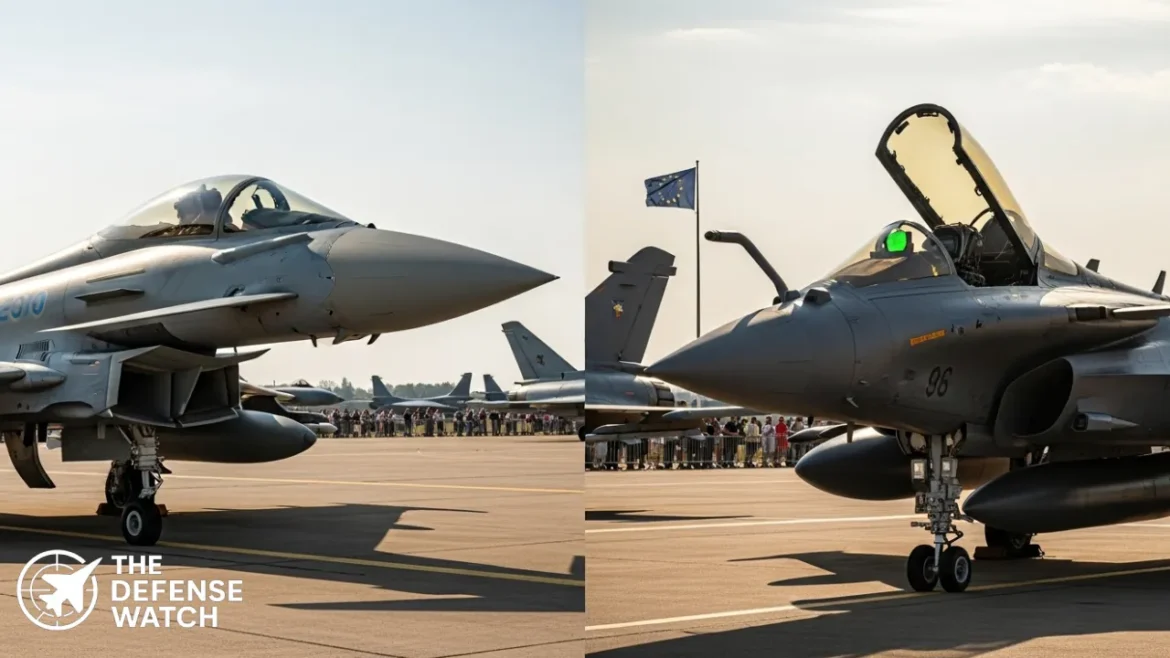
PARIS/BERLIN — France and Germany have stepped up diplomatic and industrial pressure on leading European defense companies to break a longstanding impasse over the development of a next-generation fighter jet, officials confirmed this week. The renewed push aims to advance the Future Combat Air System (FCAS) program, a flagship initiative intended to deliver Europe’s next major combat aircraft and supporting systems.
The governments of both countries are urging Airbus and Dassault Aviation to resolve disagreements that have stalled progress, particularly surrounding development responsibilities, intellectual property rights, and system integration authority. According to European officials, the latest discussions took place in late November, with both sides signaling the need to prevent further delays as geopolitical tensions rise.
Background: Europe’s Flagship Fighter Program
The Future Combat Air System, commonly referred to as FCAS, is a joint defense initiative launched by France and Germany and later joined by Spain. The program is designed to produce a next-generation fighter jet to replace current platforms such as the French Rafale and the Eurofighter Typhoon starting in the 2040s. The FCAS effort also includes advanced unmanned aircraft, networked sensor systems, and combat cloud technologies intended to provide multi-domain operational capability.
The fighter impasse has persisted despite repeated efforts to advance agreements between the participating defense firms. Dassault, the French aerospace prime, has been designated as the lead contractor for the manned fighter component, while Airbus has been positioned for major roles in other operational pillars. Negotiations have centered on design authority and software access, areas considered commercially sensitive and strategically significant.
Government Statements and Industry Dynamics
Officials in Paris and Berlin indicated that failure to resolve the fighter impasse could undermine Europe’s goal of achieving greater defense industrial autonomy. A senior French defense representative stated that both governments expect industry partners to finalize a path forward, emphasizing that continued stagnation is no longer acceptable.
German officials echoed this sentiment, highlighting the need to maintain timelines for technology demonstrations and system maturity milestones. The fighter impasse has already contributed to delays in the next development phase, and European defense planners warn that further slippage could widen capability gaps relative to U.S. and emerging competitors.
Industry sources familiar with the negotiations have said the remaining points of contention relate to control of key software architectures and the level of shared intellectual property between companies. Both Airbus and Dassault have publicly expressed support for the FCAS vision while acknowledging the complexity of negotiating collaborative structures for an advanced fighter platform.
Strategic and Policy Context
The fighter impasse comes at a time when European governments are increasing defense spending and strengthening cooperative defense frameworks. Russia’s continued security posture, instability in neighboring regions, and shifts in U.S. defense prioritization have reinforced calls for Europe to bolster its own military capabilities.
Defense analysts note that the success of FCAS is regarded as an important symbol of European industrial alignment. The project runs parallel to the United Kingdom-led Tempest/Global Combat Air Programme (GCAP), and both initiatives are seen as central to the future of Western aerial combat capability. The fighter impasse within FCAS has raised questions about whether overlapping European programs could fragment regional military aviation markets.
Policy experts in Brussels have emphasized that France and Germany must demonstrate unity in defense procurement strategy if Europe intends to maintain competitive technological capabilities. The fighter impasse, they argue, risks weakening the continent’s long-term industrial capacity and export positioning.
What Comes Next
Officials have suggested that a breakthrough may depend on renewed political directives and structured negotiation frameworks. While no definitive timeline has been announced, both governments have indicated they expect progress before the next scheduled phase reviews.
If the fighter impasse is resolved, FCAS could move into more advanced development stages, including prototype and demonstrator construction. Failure to reach agreement could trigger reassessments of national priorities or adjustments to program leadership roles.
For now, France and Germany continue to present a unified public stance, stressing the importance of the program for European defense resilience. The fighter impasse remains a central obstacle, but government pressure signals a determination to move the initiative forward.

Canada Reviews Gripen Fighter Jets as Alternative to U.S. F-35 Program
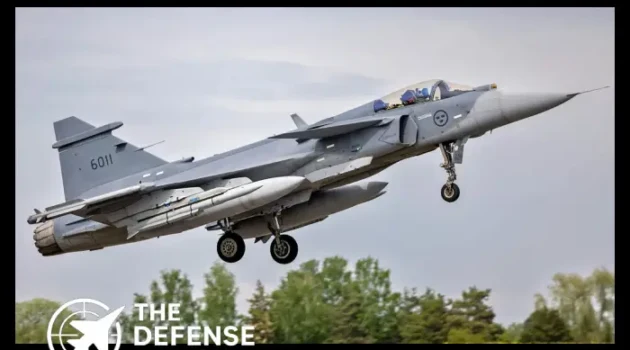
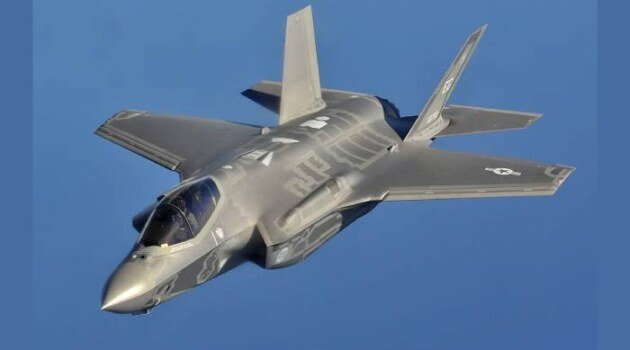
Canada is reassessing its long-term combat aircraft modernization path, with government sources indicating renewed interest in the Swedish-built Gripen fighter jets as an alternative to the U.S.-made F-35. The development surfaced this week following reporting from Newsweek, suggesting growing discussions within Ottawa regarding potential procurement diversification amid cost, operational suitability, and industrial partnership considerations.
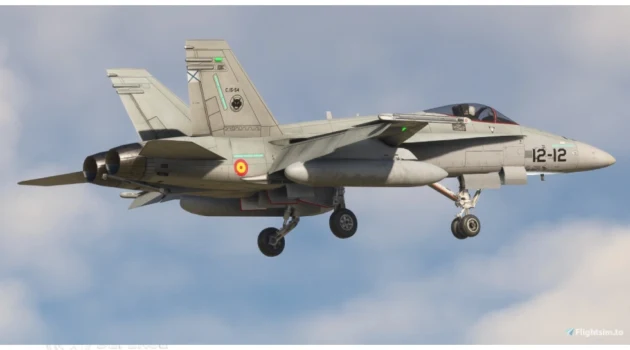
The review comes as Canada continues to modernize its air capabilities under national defense commitments, including participation in NORAD and NATO missions. While Ottawa previously committed to acquiring F-35 aircraft to replace aging CF-18 Hornets, the emergence of Sweden’s Gripen fighter jets as a serious option marks a notable shift in the procurement narrative.
Background: Canada’s Search for a Next-Generation Fighter
Canada’s effort to replace its legacy fleet has spanned more than a decade, with multiple governments debating cost, industrial benefits, and strategic alignment. The F-35 program, led by the United States, attracted Canadian participation through interoperability advantages and alliance standardization.
However, Gripen fighter jets have continued to feature in comparative evaluations due to lower lifecycle costs, simplified maintenance, and suitability for harsh climate operations—attributes of interest for Royal Canadian Air Force basing in Arctic regions.
Saab, the Swedish manufacturer, has positioned Gripen as a flexible and cost-efficient platform for nations seeking advanced capability without the financial scale of fifth-generation fighter procurement.
Details and Emerging Policy Signals
According to Newsweek’s reporting, unnamed officials referenced renewed evaluation discussions, suggesting the government is examining procurement structures and defense industry implications. No formal announcement has been made, and Canadian defense authorities have not issued confirmation or public comment on the extent of the review.
The Gripen fighter jets offer several features relevant to Canada’s operational landscape, including:
- Short runway requirements
- Ease of serviceability in remote regions
- Modular avionics architecture
- Potential domestic industrial participation
In contrast, the F-35 remains the standard platform within key Western defense alliances, offering stealth characteristics, integrated sensor fusion, and deep interoperability—factors particularly relevant to NATO joint operations.
Economic considerations also continue to influence deliberations. The cost of the F-35 program, including maintenance and sustainment pathways, has been a recurring topic in parliamentary discussions. Gripen fighter jets, by comparison, carry lower estimated lifecycle expenditures, making them a point of interest in national budget planning.
Expert and Policy Perspectives
Defense analysts note that a shift toward Gripen fighter jets would represent a geopolitical and strategic signal, potentially affecting U.S.–Canada defense alignment. Interoperability within NORAD, a core bilateral defense structure, remains a critical factor in aircraft selection.
Industry experts have also referenced potential domestic production offsets—a long-standing priority in Canadian defense procurement policy. Sweden has historically offered industrial cooperation packages as part of international Gripen proposals, a model attractive to nations seeking domestic aerospace development.
However, specialists emphasize that any transition away from the F-35 would require extensive evaluation, coordination across alliance frameworks, and renegotiation of existing procurement alignments.
What Comes Next
While no immediate policy shift has been announced, the emergence of Gripen fighter jets in Canada’s ongoing defense discussions suggests a period of continued evaluation. The government is expected to review cost analyses, capability assessments, and strategic partnership implications before issuing formal direction.
Future updates may align with upcoming defense budget cycles, NORAD modernization milestones, or parliamentary defense committee hearings. Observers expect increased attention on procurement transparency, industrial participation models, and operational suitability of aircraft platforms for Arctic sovereignty missions.
Russian Air Defences Neutralize Eight Drones Heading to Moscow
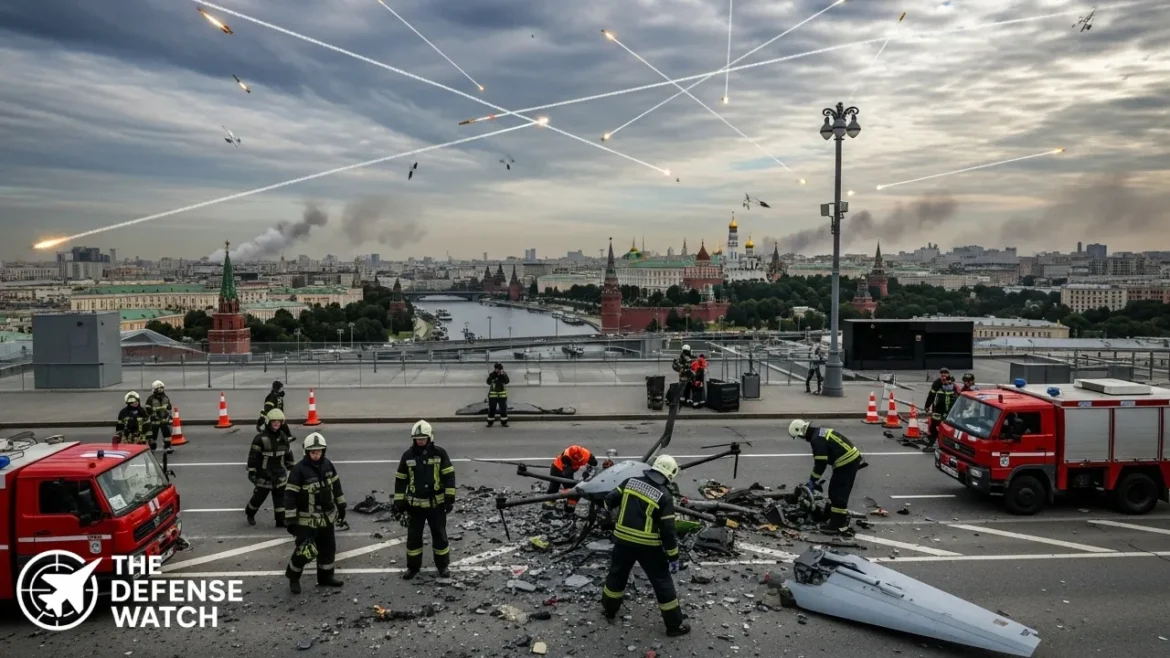
Russian air defense systems shot down eight drones en route to Moscow, the city’s mayor, Sergei Sobyanin, said Monday, following a major drone strike on nearby critical infrastructure the day before.
Background: The Shatura Power Station Strike
The drone intercepts come just one day after Ukrainian drones struck a power and heat station in the Moscow region. The targeted facility, the Shatura Power Station, is approximately 120 km east of central Moscow and provides electricity and heating to nearby towns. According to regional authorities, the strike triggered a fire and forced the activation of backup power and mobile heating systems for affected residents.
Details on the Drone Intercepts
- Mayor’s Statement: Moscow Mayor Sergei Sobyanin said in a public statement that eight incoming drones were successfully shot down by air defense units.
- Emergency Response: He added that emergency services are working at the sites where debris fell.
- Defense Ministry’s Report: Earlier, Russia’s Defense Ministry reported that ten Ukrainian drones had been intercepted across three regions — Moscow, Kaluga, and Bryansk.
- Airport Disruptions: In response to the threat, flight restrictions were imposed on Moscow’s three main airports. According to some reports, the curbs were lifted shortly afterward.
Context: Growing Drone Threats Over Moscow
This is not an isolated incident. In recent months, Moscow has reported multiple drone intercepts:
- In May 2025, Sobyanin said three drones were downed, prompting temporary suspensions at several airports.
- In March 2025, authorities claimed to have shot down four drones, with some debris reportedly damaging a residential building.
- In late September, a separate drone strike resulted in two civilian fatalities in the Moscow region.
These recurring incidents show an ongoing pattern: Moscow remains a target for long-range drone operations, and its air defenses are regularly called into action.
Strategic Implications
- Escalation Risk: The recent spike in drone activity close to Moscow raises the risk of more ambitious or destructive strikes by Ukraine—or by proxy actors—aiming to challenge Russian airspace security.
- Air Defence Strain: Repeated drone waves tax Moscow’s air defence networks and emergency response capacity. Each intercept involves not just missile systems but also the mobilization of rescue and investigation teams.
- Infrastructure Vulnerability: Targeting power and heat infrastructure, especially in sub-zero conditions, can have outsized effects on civilian populations and potentially disrupt both daily life and strategic logistics.
- Psychological Impact: Even if intercepted, drone incursions near the capital may erode perceptions of invulnerability and escalate domestic political and security debates within Russia.
- Diplomatic Significance: The timing — coming after a high-profile attack on energy infrastructure — may factor into broader geopolitics, particularly if drone strikes are leveraged in future ceasefire or peace negotiations.
What Comes Next
- Authorities will likely increase air defence readiness around Moscow and key infrastructure sites, especially power generation and heating facilities.
- Russia may publicly emphasize these intercepts to underscore its defensive capabilities and deter further drone incursions.
- Analysts will closely watch whether Ukraine (or other actors) continues pushing drone operations deeper into Russian territory, and whether these activities influence negotiations or retaliatory escalations.
Russia Debuts Tor-E2 at Dubai Airshow
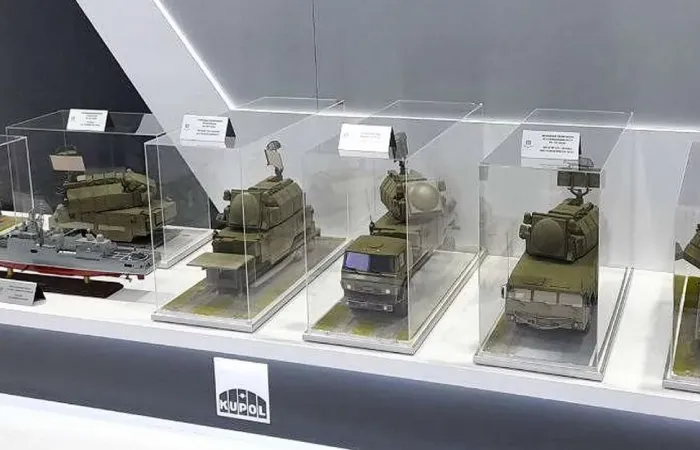
At the Dubai Airshow 2025, Russia officially displayed the Tor-E2 short-range air defense (SHORAD) system for the first time on the international export stage, showcasing its full combat configuration.
Presented by Rosoboronexport and Almaz-Antey, the Tor-E2 drew attention as a centerpiece of Russia’s 1,000-square-meter pavilion, where Moscow is exhibiting more than 850 defense systems. The system features a vertical-launch architecture that enables 360-degree coverage, a critical capability in countering fast, low-signature threats.
Why It Matters: Context Behind the Display
The Tor-E2’s presence in Dubai is more than a product reveal—it is a strategic signal. Russia’s global arms exports have taken a hit in recent years, particularly since the onset of the Ukraine war. Presenting a fully configured Tor-E2 marks Moscow’s intent to regain footing in the SHORAD market, especially in regions like the Middle East, where demand for layered air defense is growing.
Moreover, Russia’s expansive display of air defense hardware—including systems like the Pantsir-SMD-E—reflects its ambition to reassert relevance in the integrated air-defense export domain.
System Details: What Makes Tor-E2 Stand Out
360° Engagement & Vertical Launch
- The Tor-E2 uses a cold vertical-launch system, enabling it to engage targets in any direction without needing to rotate its launcher.
- This design reduces reaction time and supports rapid follow-up shots.
Missile Load & Performance
- Each combat vehicle carries 16 sealed transport-launch containers with 9M338 missiles ready to fire.
- Engagement range: up to 12 km, or up to 15 km with the 9M331D variant.
- Maximum intercept altitude: ~10 km.
- The system can track four target channels simultaneously, enabling quick prioritization.
- Its missiles — particularly the 9M338KE — offer enhanced range (~16 km), command guidance, and warheads optimized for low-RCS (radar cross-section) threats like UAVs and cruise munitions.
Mobility & Deployability
- Tor-E2 can deploy from “march to combat” in about 3 minutes, even from short halts.
- The system supports “link” mode: one vehicle remains silent and receives target data from another, firing only when needed—boosting survivability against anti-radiation missiles.
Operational Use & Integration
- Designed for maneuver brigades, as well as base and infrastructure defense.
- Compatible with layered defense architectures; can integrate with systems like Buk, S-350, and MANPADS or gun-based VSHORAD.
- Interoperability pitch: a Tor-E2 battery can plug into a wide range of command and control networks, including legacy and NATO-standard systems.
Strategic & Policy Perspective
Russia’s decision to showcase Tor-E2 at Dubai comes amid a broader export revival. While its defense exports declined sharply in recent years, the Kremlin is signaling a return to business-as-usual through high-visibility demonstrations.
- Export pitch: By bringing Tor-E2 to Dubai, Russia is trying to revive interest in its high-end SHORAD offerings among Gulf states and other non-aligned customers.
- Combat-proven narrative: Russia highlights that Tor family systems have seen real-world use in Syria and Ukraine, enhancing the credibility of its export variants.
- Interoperability strategy: Emphasizing integration with legacy C2 systems could appeal to countries with mixed inventories or less reliance on Western networks.
- Long-term positioning: Rosoboronexport seems to be turning the Dubai showcase into a business-development exercise, not just a product demonstration.
- Industrial messaging: The presence of Tor-E2 is part of a bigger pitch that includes technology transfer, modular production, and long-term cooperation—a message echoed across other systems on show.
What to Watch Next
- Export Commitments: Whether any contracts for Tor-E2 are signed during or after the airshow will be a key indicator of Russia’s export rebound.
- Regional Appetite for SHORAD: Gulf states and other interested buyers may see Tor-E2 as a cost-effective, modern SHORAD solution amid growing drone and cruise-missile threats.
- Integration Deals: Watch for announcements around integration of Tor-E2 into clients’ existing air defense systems or command architecture.
- Competition: How Tor-E2 competes against Western and Chinese SHORAD systems in terms of cost, capabilities, and long-term service offerings could shape the next generation of regional air-defense procurement.
U.S. Designates Venezuela’s Cartel de los Soles as Foreign Terrorist Organization
The U.S. State Department announced that it will formally designate Venezuela’s Cartel de los Soles (Cartel of the Suns) as a Foreign Terrorist Organization (FTO), effective November 24, 2025. This designation marks a significant escalation in Washington’s legal and military posture toward the Maduro regime and its alleged criminal enterprises.
Background: What Is the Cartel de los Soles?
The Cartel de los Soles is a loosely organized network within the Venezuelan state apparatus, allegedly composed of high-ranking military and government officials. The name “Suns” refers to the sun insignias worn on some Venezuelan military uniforms.
Previously, in July 2025, the U.S. Treasury’s Office of Foreign Assets Control (OFAC) sanctioned the cartel as a Specially Designated Global Terrorist (SDGT) entity, citing its role in supporting other terrorist-designated organizations like Venezuela’s Tren de Aragua and Mexico’s Sinaloa Cartel.
Designation Details & Legal Implications
U.S. Government Rationale
According to the State Department, the Cartel de los Soles is “headed by Nicolás Maduro and other high-ranking individuals of the illegitimate Maduro regime,” who have allegedly corrupted Venezuela’s military, intelligence, legislature, and judiciary.
Secretary of State Marco Rubio stated that, in concert with other FTOs — specifically Tren de Aragua and the Sinaloa Cartel — the Cartel de los Soles “is responsible for terrorist violence throughout our hemisphere as well as for trafficking drugs into the United States and Europe.”
Expanded Legal Tools
The shift from an SDGT to an FTO has important consequences:
- Material support becomes a federal crime: Once the FTO designation is effective, providing financial or logistical support to Cartel de los Soles will be criminalized under U.S. law.
- Sanctions & asset freezes: The U.S. Treasury can now more aggressively freeze assets, target financial facilitators, and coordinate internationally to isolate the group financially.
- Military options: As noted by U.S. Defense Secretary Pete Hegseth, the FTO label “brings a whole bunch of new options” for U.S. military and intelligence operations.
Military Context & Regional Build-Up
The terrorist designation comes amid a substantial U.S. military build-up in the Caribbean region. According to CBS News, the USS Gerald R. Ford aircraft carrier strike group has arrived, joining other assets deployed as part of what has been described as Operation Southern Spear.
Defense analysts interpret this as part of a broader U.S. campaign against narco-terrorism, leveraging the FTO designation to apply counterterrorism authorities—including Title 10 military powers—for direct action and interdiction.
Expert & Policy Perspectives
Legal and policy experts note that this designation is unprecedented: the Cartel de los Soles is not a typical vertically integrated criminal cartel, but rather a shadow governance structure within the Venezuelan state.
By branding it a terrorist organization, the U.S. aligns its approach with its long-standing counterterrorism framework, rather than purely criminal-law enforcement. This may justify more aggressive military and financial measures, while also complicating any diplomatic engagement with the current Venezuelan government.
However, analysts also warn that this escalates risk: Venezuela, already wary of U.S. intentions, may respond with greater military readiness. According to CiberCuba, Venezuelan authorities have signaled increased patrols and heightened alert in coastal zones.
Impact & What’s Next
Regional dynamics: U.S. partners in Latin America may face pressure to clamp down on transnational narco-terror networks.
Legal isolation: The FTO designation will likely freeze many of the cartel’s financial networks, complicating its international operations.
Military posture: The U.S. could intensify its military operations in the region, including maritime interdiction and potential direct-action missions.
Diplomatic fallout: The move further strains U.S.–Venezuela relations, making dialogue more difficult and raising the specter of deeper confrontation.
Israel Builds a New Shield Around Air Force Bases
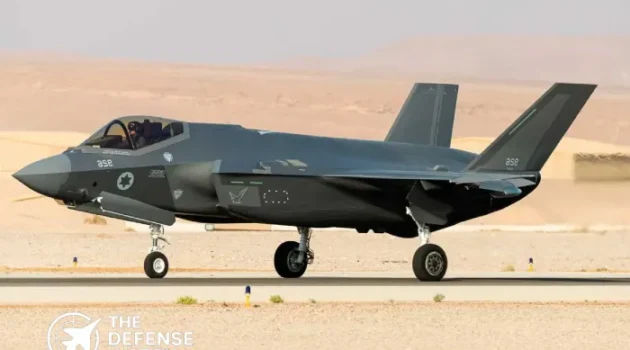
Israel is quietly bolstering the security of its airbases by establishing an elite, rapid-response unit under the Air Force’s Wing 7, aiming to prevent a repeat of the October 7 surprise attack. The unit’s mandate: defend IAF installations — including runways, fuel depots, command centers, and munition stores — from future infiltrations.
Context: Lessons from October 7
The October 7, 2023 attack exposed major security vulnerabilities across Israeli military installations. According to multiple probes, the IDF failed to repel large-scale incursions, and some IAF bases were identified as potential targets. In one investigation, the Israeli Air Force was found to have had only two aircraft and two helicopters ready for action during the attack.
Another inquiry revealed the Air Force had detected “unusual signals and movements” from Hamas-operated drones in the hours before the onslaught — but this intelligence reportedly remained within the Air Force and was not shared upward. The gaps in readiness and communication prompted a security reset.
What the New Force Is — and How It Works
Structure and Command
- The new unit will operate under Wing 7, the IAF’s special-operations hub, which already includes Shaldag (reconnaissance and commando) and Unit 669 (combat search and rescue).
- Unlike those strike-oriented forces, the new unit is focused inward: protecting Israeli airbases from internal and external threats.
Mobility and Response
- The unit is designed for rapid deployment by helicopter, enabling it to move quickly between bases.
- A modernized perimeter system will support its operations, featuring upgraded cameras, sensors, and physical barriers.
Training and Readiness
- Recruits will begin with the next draft cycle and follow a specialized training path. According to the IDF, they’ll receive Rifleman 07 qualification — a standard combat-level certification — along with advanced coursework in surveillance, weapons deployment, and defense-system operations.
- Until this force becomes fully operational, the IAF has stationed reserve security battalions at all bases. These battalions are also being trained to Rifleman 07 standards.
Why It Matters Strategically
IAF bases are critical to Israel’s ability to project power, maintain deterrence, and conduct high-tempo operations. If adversaries — such as Hamas, Hezbollah, or Iran-backed actors — were able to strike runways or munitions dumps, Israel’s capacity for rapid response could be severely degraded.
By creating a base-defense force under the same umbrella as Shaldag and Unit 669, the Air Force is merging elite skills with defensive vigilance. This model integrates offensive and protective capabilities within a special-operations framework.
Expert and Policy Implications
From a policy standpoint, the move suggests the IAF is no longer content to rely solely on static defenses and reserve forces. Rather, it is investing in a proactive, flexible force that can respond to base intrusions in real time.
For military analysts, this shift could mark a doctrinal evolution in how air forces protect their critical infrastructure. Rather than treating base defense as a secondary mission, Israel is elevating it to the level of its most elite units.
In geopolitical terms, the stepped-up defenses send a clear signal: Israel is determined to mitigate the risk of another disorganized breach like October 7, even as the war in Gaza and threats from Iran-aligned groups persist.
What Comes Next
- Operational readiness: The timeline for the new unit’s full deployment will depend on the current recruitment and training cycle.
- Technology integration: With advanced sensor and perimeter upgrades underway, the effectiveness of the unit will increasingly depend on how well these systems mesh with human operatives.
- Drills and exercises: The IAF will likely run simulated base-infiltration exercises (including helicopter insertions) to validate the rapid-response capability.
- Continuous evaluation: Given the severity of past failures, further internal and external reviews may monitor the performance and viability of this force.
Bottom Line
In response to the severe security lapses exposed by the October 7 attacks, the Israel Air Force is establishing a dedicated base-defense unit under its special-operations wing. With helicopter mobility, advanced perimeter systems, and specially trained personnel, the force is designed to close the gap in defending sensitive airbases — and ensure that no future intruder can strike with the same surprise.
Honda Hybrid eVTOL Targets 2026 Test Flight
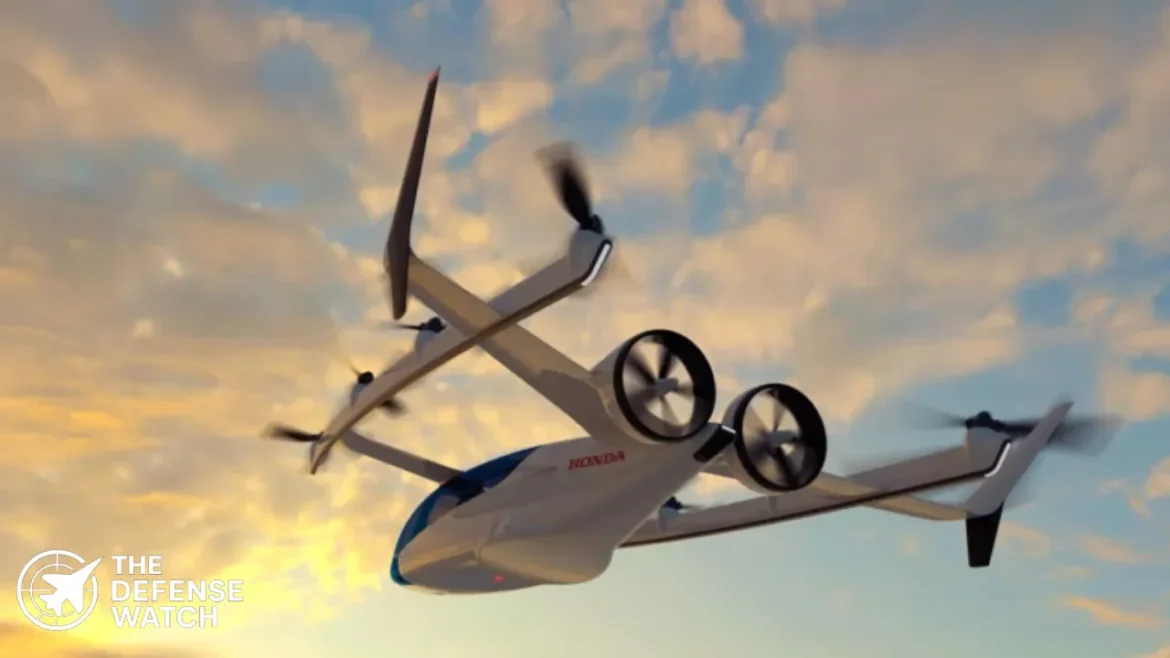
Honda has announced that its hybrid eVTOL aircraft prototype will conduct its first flight test in 2026, marking a major milestone in the company’s expansion into aviation and advanced air mobility. The company revealed the updated timeline during a technical briefing in Tokyo, reaffirming its long-term strategy to develop a next-generation electric vertical takeoff and landing aircraft designed for regional transport, not just short-range urban mobility.
The project positions Honda among a growing list of aerospace and automotive companies seeking to gain an early foothold in the global advanced air mobility (AAM) sector, which is projected to reach hundreds of billions of dollars in economic value by the mid-2030s.
Background: Honda’s Entry Into the Urban and Regional Air Mobility Market
Honda’s hybrid eVTOL program was first publicized in 2021 as part of its long-term research and development portfolio. While several eVTOL manufacturers—such as Joby Aviation, Archer Aviation, and Lilium—are pursuing fully electric platforms, Honda is taking a hybrid-electric approach, citing the need for extended range and more flexible operational capabilities.
The company claims its hybrid configuration will enable flights of over 400 kilometers, far exceeding the typical 20–60 km ranges of all-electric urban eVTOL designs. This positions Honda’s aircraft for regional mobility missions between cities, islands, or remote hubs—roles traditionally served by small turboprop aircraft.
Honda’s move into the sector also aligns with a broader industry trend of automakers entering aviation, leveraging their battery and electric powertrain expertise. Companies like Hyundai, Toyota, and XPeng have all shown significant investment in AAM technologies.
Development Details and Aircraft Specifications
Hybrid Powertrain Approach
Honda’s eVTOL is designed around a gas turbine generator paired with electric propulsion motors, allowing the aircraft to balance energy efficiency, reduced emissions, and long-range capability. The hybrid system also reduces reliance on charging infrastructure, which remains a major challenge for early eVTOL adoption.
Aircraft Configuration
The hybrid eVTOL features:
- Eight tilt-rotors for vertical lift and forward flight
- Fixed wings for greater aerodynamic efficiency
- A multi-seat cabin suitable for short regional hops
- Target cruise speed estimated between 250–300 km/h
The aircraft completed its conceptual phase in 2023 and is now entering full-scale design and component testing.
2026 Flight Test Plan
According to Honda’s latest timeline, the company will:
- Finalize full-scale prototype design by mid-2025
- Begin assembly in late 2025
- Conduct initial flight tests in 2026
Honda’s announcement aligns with the broader industry pace, as major eVTOL manufacturers are also targeting flight tests and early certification milestones between 2025 and 2027.
Industry Context and Competing Programs
Rival Platforms
The hybrid eVTOL market remains less crowded than fully electric designs, but Honda faces competition from:
- Lilium Jet (all-electric but targeting regional missions)
- Overair Butterfly (hybrid-electric design)
- Beta Technologies Alia (conventional takeoff hybrid-electric variant in development)
Hybrid concepts are gaining traction due to range limitations and battery density constraints in all-electric aircraft.
Certification Challenges
Honda expects certification to be a long-term effort extending beyond 2030. This reflects the regulatory reality:
- The FAA and EASA have only recently developed frameworks for eVTOL certification.
- Hybrid VTOL aircraft introduce new complexities involving both aviation turbine systems and electric propulsion.
Certification will likely follow the FAA’s powered-lift category, requiring both aircraft and pilot standards to be finalized before commercial service can begin.
Expert and Policy Perspective
AAM Infrastructure and Energy Considerations
Experts note that hybrid eVTOL aircraft may see earlier commercial adoption than fully electric platforms due to:
- Lower infrastructure requirements (no fast-charging networks)
- Higher operational reliability
- Longer ranges suitable for existing regional routes
From a policy standpoint, hybrid eVTOLs could support early AAM deployment in areas lacking robust energy grids—particularly island nations, rural communities, and large geographies such as the United States.
Defense and Dual-Use Potential
While Honda has not indicated military intentions, hybrid eVTOL technologies carry clear dual-use potential, including:
- Logistics missions
- Medical evacuation
- Humanitarian operations
- Remote area resupply
The U.S. Department of Defense is already evaluating similar platforms under initiatives led by the Air Force’s Agility Prime program.
Outlook: What Comes Next for Honda’s Hybrid eVTOL
Honda’s 2026 flight test will represent a crucial milestone in the company’s long-term vision for advanced air mobility. The hybrid eVTOL approach offers a compelling alternative to fully electric designs, especially in markets where range, flexibility, and reliability are paramount.
As Honda moves forward, key points to watch include:
- Completion of full-scale prototype assembly
- Selection of manufacturing partners and supply chain strategy
- Regulatory engagement with FAA and Japanese MLIT
- Infrastructure requirements for vertiports and regional hubs
Honda’s progress further highlights the accelerating competition between automakers and aerospace manufacturers in shaping the future of next-generation air transport.