Executive Summary:
The UK government has confirmed that the Royal Air Force’s Red Arrows will receive new aircraft through a £360 million British Jet Trainer System program, replacing the aging Hawk fleet. The investment forms part of the Defence Investment Plan and is intended to modernize both advanced pilot training and one of Britain’s most recognizable military aviation assets while sustaining future RAF fast jet capabilities.
UK Confirms Red Arrows Hawk Replacement Program
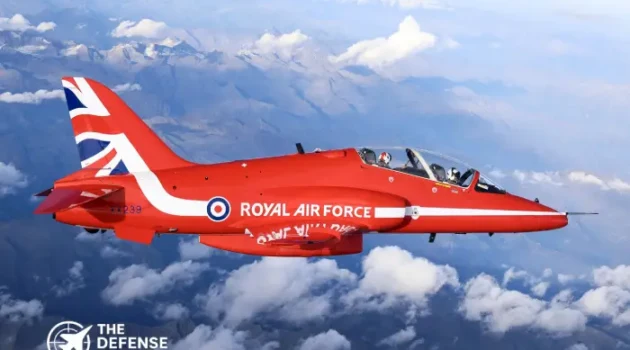
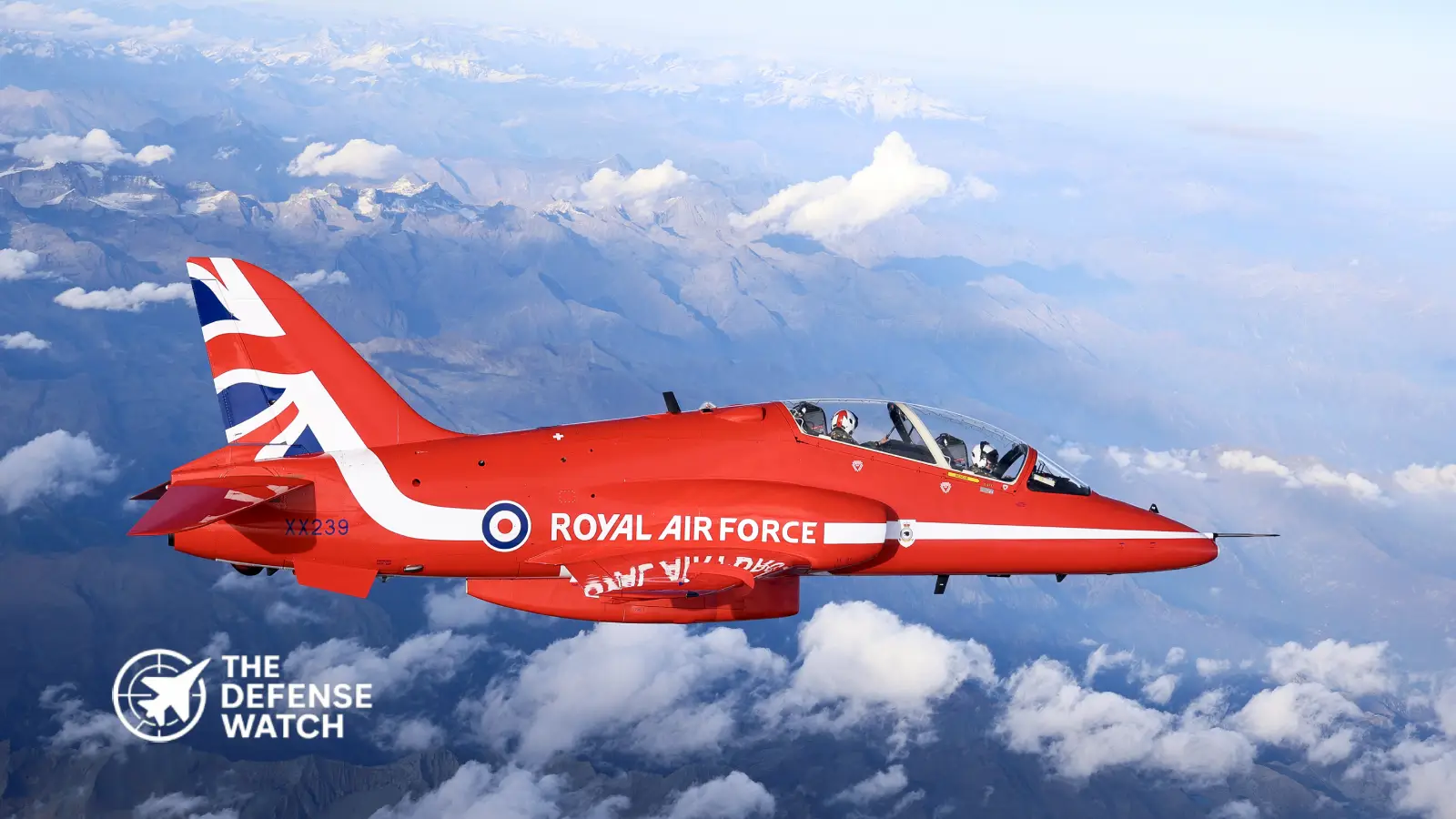
The Red Arrows Hawk replacement has officially moved beyond planning after the UK government confirmed funding for a new British Jet Trainer System. According to the Defence Investment Plan, the initiative includes new aircraft for the Royal Air Force Aerobatic Team, replacing the Hawk T1 fleet that has served the display team for decades.
The announcement allocates £360 million to recapitalize Britain’s military jet training enterprise, linking the Red Arrows replacement directly with the broader modernization of RAF fast jet pilot training. Rather than treating the aerobatic team as a standalone program, the Ministry of Defence is integrating the requirement into a wider overhaul of advanced training infrastructure.
Aging Hawk Fleet Has Reached Its Limits
The Hawk T1 entered RAF service during the 1970s and has become increasingly difficult to sustain.
In recent years, the aircraft’s age has forced the RAF to carefully manage fleet availability. During the 2026 display season, the Red Arrows reduced many public displays from the traditional nine aircraft to seven in order to preserve airframe life and available spare parts.
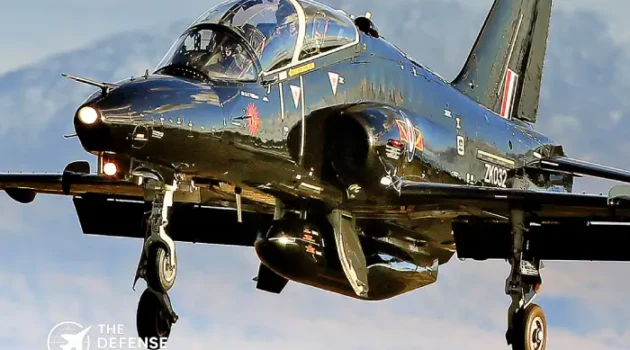
Meanwhile, the newer Hawk T2 fleet, which supports advanced pilot training, has also experienced availability challenges, reinforcing the need for a comprehensive replacement rather than incremental upgrades.
British Jet Trainer System At A Glance
Program Element Details Investment £360 million Purpose Replace Hawk aircraft and modernize RAF jet training Includes New Red Arrows aircraft Managed by UK Ministry of Defence Strategic Goal Modernize fast jet training and preserve display capability More Than A New Display Aircraft
Although the Red Arrows are the public face of the program, the investment addresses a broader operational requirement.
The RAF must train pilots for increasingly sophisticated combat aircraft, including the Eurofighter Typhoon and the future Global Combat Air Programme (GCAP). Modern lead in fighter training demands aircraft capable of simulating digital cockpits, advanced sensors, electronic warfare environments, and networked operations that were not envisioned when the Hawk entered service.
A modern trainer also reduces the transition gap between classroom instruction and frontline fighters, potentially lowering training costs while improving pilot readiness.
No Aircraft Type Has Been Selected
The government confirmed that new aircraft will be acquired but did not identify which platform will replace the Hawk.
Several advanced jet trainers have been discussed publicly by industry analysts and defense observers, including:
- Boeing Saab T-7A Red Hawk
- Leonardo M-346
- Korea Aerospace Industries T-50 Golden Eagle
Each platform offers modern avionics, digital training environments, and growth potential for future fighter pilot instruction. However, the Ministry of Defence has not announced a preferred bidder or contract award.
Strategic Importance Beyond Air Shows
Replacing the Hawk fleet has implications well beyond the Red Arrows.
Military aerobatic teams serve as strategic communication tools, showcasing national aerospace capability while supporting recruiting, diplomacy, and defense exports. For the United Kingdom, the Red Arrows regularly participate in international events that reinforce defense relationships with allies.
At the same time, advanced trainer aircraft form a critical link in combat air readiness. Delays in pilot training can ripple across operational fighter squadrons, affecting force generation and long term modernization efforts.
Integrating the Red Arrows replacement into a national jet training strategy allows the Ministry of Defence to combine operational requirements with public engagement while potentially reducing lifecycle costs through common logistics, maintenance, and training.
The investment also aligns with the UK’s wider emphasis on rebuilding defense industrial capacity following the Defence Investment Plan and supports preparations for future sixth generation combat aviation programs.
What Comes Next
The funding announcement confirms government commitment but does not mark the beginning of aircraft deliveries.
Several major milestones remain before the Hawk leaves service:
- Selection of the replacement aircraft
- Competitive procurement process
- Contract award
- Pilot and maintenance training
- Infrastructure upgrades
- Transition of the Red Arrows display team
- Full operational introduction before Hawk retirement
The timeline will need to align with the planned withdrawal of the remaining Hawk fleets while maintaining uninterrupted RAF pilot training and preserving the Red Arrows’ international display schedule.
Outlook
The confirmation of new aircraft for the Red Arrows represents one of the clearest signals yet that the UK is moving ahead with replacing the Hawk after decades of service.
While the chosen aircraft remains undecided, the £360 million British Jet Trainer System establishes a framework that connects advanced pilot training, defense modernization, and one of Britain’s most recognizable military aviation organizations. For the RAF, the program is less about replacing an airshow aircraft than ensuring the long term sustainability of fast jet training as future combat aviation becomes increasingly complex.