(adsbygoogle = window.adsbygoogle || []).push({});Executive Summary:
Leonardo and Baykar have completed the first live flight demonstrations of their K-SWARM program, integrating Italy’s M-346 aircraft with Türkiye’s KIZILELMA unmanned combat aircraft. The trials mark a significant step toward future crewed-uncrewed teaming concepts that could expand combat effectiveness while reducing risk to pilots in contested airspace.
Italian M-346 And Turkish KIZILELMA Complete K-SWARM Flight Demonstration
The K-SWARM program reached a major milestone after Italian and Turkish aerospace firms successfully conducted live crewed-uncrewed teaming flights involving the Leonardo M-346 and the Bayraktar KIZILELMA unmanned combat aircraft.
According to Leonardo and Baykar, the flight campaign was conducted in May 2026 at Baykar’s flight test facilities in Çorlu, Türkiye. The demonstrations moved technologies previously validated in simulation environments into real-world flight operations.
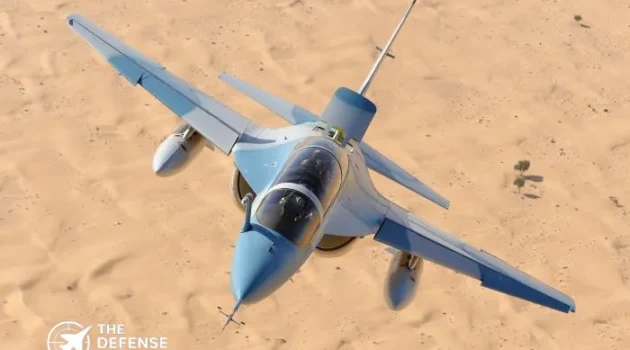
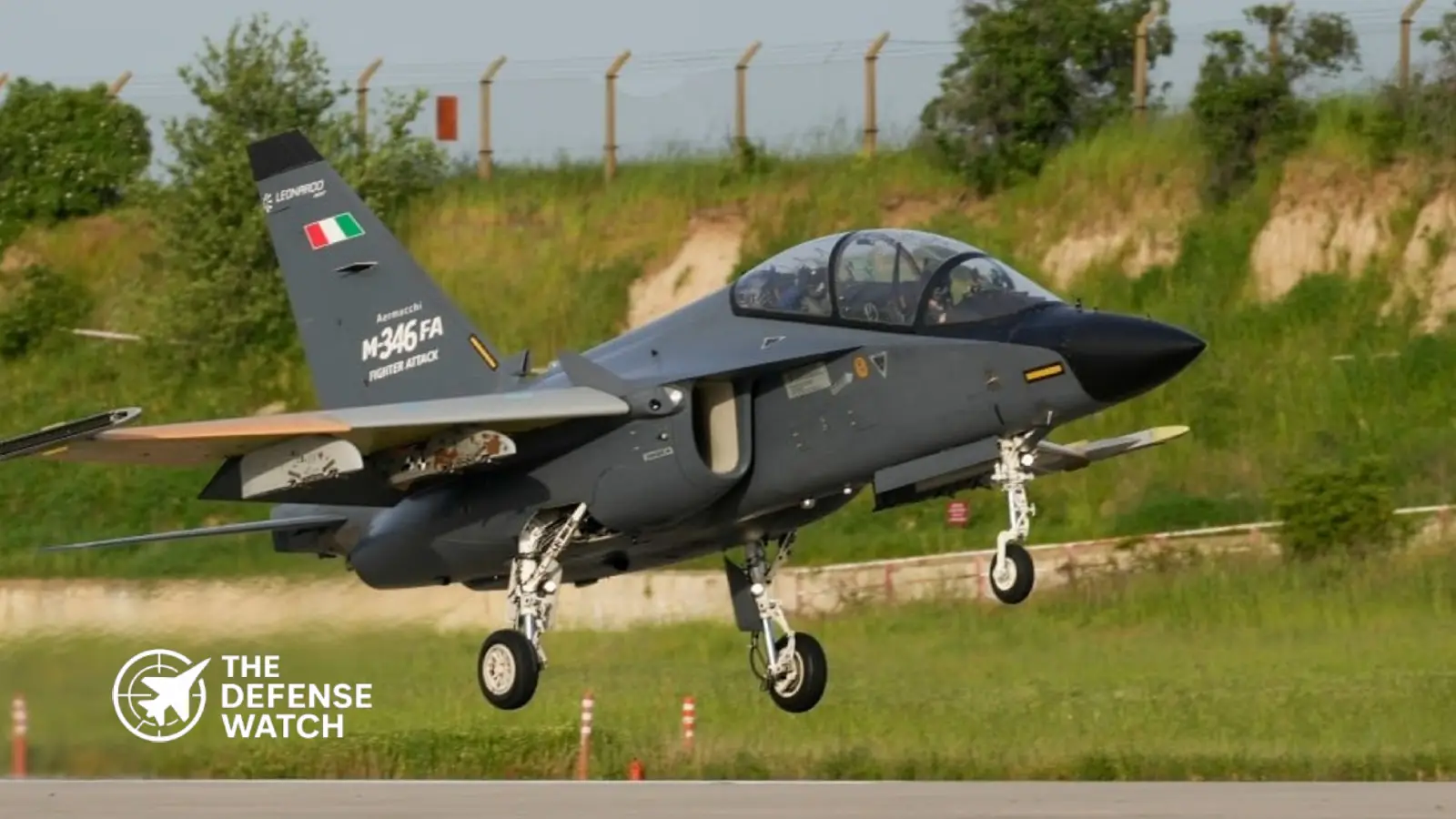
The trials involved a Leonardo-owned M-346 Fighter Attack aircraft, an Italian Air Force T-346A used as a chase aircraft, and a KIZILELMA unmanned combat aircraft operating in coordinated flight scenarios.
During the demonstrations, the KIZILELMA performed autonomous taxiing and takeoff before joining the M-346 in formation. The aircraft then executed coordinated missions designed to evaluate advanced software algorithms that enable collaborative operations between crewed and uncrewed platforms.
What The K-SWARM Program Is Designed To Achieve
K-SWARM is intended to develop interoperability between manned and unmanned combat aircraft through advanced autonomy, networking, and mission management technologies.
The program focuses on Crewed-Uncrewed Teaming (CUC-T), a concept increasingly viewed as a foundational element of next-generation air warfare. Under this approach, a pilot in a crewed aircraft can coordinate multiple autonomous aircraft that perform reconnaissance, electronic warfare, strike, or other support missions.
The live trials validated collaborative mission execution through next-generation algorithms designed to coordinate formations and support real-time decision making between aircraft. Leonardo stated that the testing confirmed the transition from digital engineering and simulation environments to operational flight conditions.
Why The Demonstration Matters
The significance of the K-SWARM demonstration extends beyond a single flight test.
Modern air forces face growing pressure from advanced air defense systems, electronic warfare threats, and the increasing use of autonomous systems on the battlefield. As a result, military planners are exploring ways to increase combat mass without proportionally increasing pilot risk or procurement costs.
(adsbygoogle = window.adsbygoogle || []).push({});The M-346 and KIZILELMA demonstration highlights how existing crewed aircraft may evolve into airborne command nodes capable of directing autonomous wingmen during complex missions. Such concepts are increasingly being pursued across NATO and allied nations as future combat air systems move toward distributed operations.
The successful transition from simulation to live testing is particularly important because it validates not only autonomous flight performance but also the communications, software architecture, and command relationships required for operational deployment.
Leonardo-Baykar Partnership Gains Momentum
The K-SWARM milestone comes as cooperation between Leonardo and Baykar continues to expand.
Earlier this month, Italy granted conditional approval for a joint Leonardo-Baykar drone venture intended to strengthen European unmanned aviation capabilities. The partnership seeks to address growing demand for advanced UAV systems across European and NATO-aligned markets.
For Leonardo, the program reinforces its position in future combat air technologies and advanced trainer aircraft development. For Baykar, it demonstrates the increasing maturity of the KIZILELMA platform, which is designed to operate alongside crewed aircraft in high-threat environments.
Broader Implications For Future Air Warfare
The K-SWARM live trials reflect a broader shift occurring across global air forces.
Military aviation is steadily moving toward mixed formations of crewed and autonomous aircraft. Rather than replacing pilots, these concepts are designed to extend the reach, survivability, and effectiveness of manned platforms.
The ability of an M-346 to coordinate with a fighter-class unmanned aircraft such as KIZILELMA demonstrates how future combat formations may operate as integrated networks rather than individual aircraft. This approach could enable air forces to deploy larger numbers of sensors, weapons, and electronic warfare assets while maintaining a smaller human footprint in contested environments.
As air forces prepare for increasingly complex operational environments, successful demonstrations like K-SWARM provide an early glimpse of how future combat air systems may combine human decision-making with autonomous capabilities to generate greater operational flexibility.