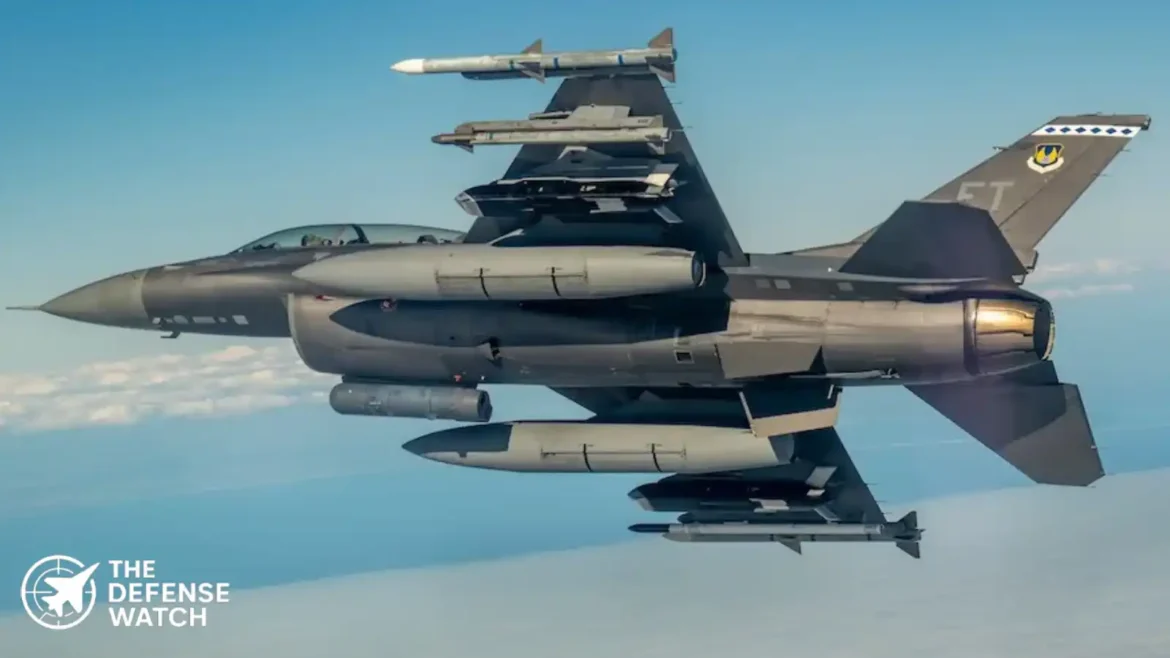
U.S. Air Force F-16 Integration Expands Strike Flexibility
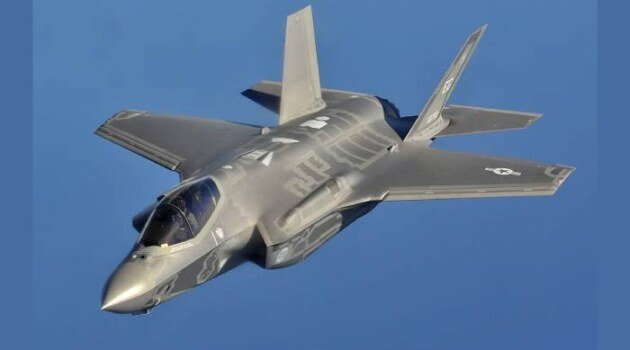
The U.S. Air Force F-16 has successfully undergone rapid integration work for a new munition, according to reporting from Defence Industry Europe. The effort underscores how the service continues to modernize proven fighter fleets through accelerated weapons testing rather than relying only on new aircraft procurement.
- U.S. Air Force test teams rapidly integrated a new munition onto the F-16 platform.
- Work focused on software, carriage, release, and compatibility testing.
- Faster integration improves combat flexibility during high demand operations.
- F-16 remains one of the most widely used U.S. and allied fighter aircraft.
- Upgrade shows legacy fighters can gain new capability without waiting for new airframes.
The Big Picture
The U.S. military faces simultaneous pressure to sustain readiness in Europe, the Middle East, and the Indo-Pacific. That environment has increased demand for adaptable aircraft that can carry multiple weapon types with minimal delay.
The F-16 remains central to that strategy. While fifth-generation fighters receive most public attention, large numbers of F-16s still perform air defense, close air support, suppression of enemy air defenses, and precision strike missions. Rapidly adding new munitions gives commanders more options at lower cost.
What’s Happening
The source report states that a U.S. Air Force test team completed fast-paced work to integrate a new munition with the F-16. Such programs usually involve several stages:
- Aircraft software updates
- Flight safety certification
- Carriage and separation testing
- Weapon guidance interface checks
- Live or simulated release trials
- Operational suitability reviews
These steps are essential because even capable weapons require platform-specific validation before frontline use.
The Air Force often conducts this work through developmental test units in partnership with industry and operational squadrons.
Why It Matters
Weapons integration speed can matter as much as aircraft performance. A fighter with an open, adaptable architecture can adopt new weapons faster than one requiring long redesign cycles.
That gives the F-16 three major advantages:
1. Lower-cost modernization
Adding weapons can extend service life without buying entirely new aircraft.2. Mission flexibility
Units can tailor loadouts for air defense, bunker strike, maritime attack, or battlefield interdiction.3. Allied interoperability
Many partner nations operate F-16 fleets. Once a weapon is integrated and approved, export users may eventually pursue similar upgrades.Strategic Implications
The F-16 still serves in U.S. Air National Guard units, active-duty formations, aggressor roles, and foreign military fleets. Any new munition integrated onto the aircraft potentially strengthens coalition airpower.
In Europe, upgraded F-16 fleets improve NATO depth and readiness. In the Middle East, they offer responsive strike capability with established logistics chains. In the Indo-Pacific, dispersed air operations favor aircraft with broad weapons compatibility and mature sustainment networks.
Rapid integration also signals that the Pentagon wants shorter acquisition cycles. That trend reflects lessons learned from recent conflicts where battlefield needs evolve faster than traditional procurement timelines.
Competitor View
China and Russia closely monitor U.S. efforts to improve legacy aircraft lethality. Both countries invest in layered air defenses, electronic warfare, and long-range missiles designed to complicate Western air operations.
A more flexible F-16 armed with modern stand-off or precision munitions complicates that planning. It means adversaries must account not only for stealth aircraft, but also for large fleets of upgraded fourth-generation fighters carrying effective weapons.
Regional rivals in other theaters may draw the same conclusion.
What To Watch Next
Several next steps will determine the program’s long-term value:
- Operational squadron fielding timelines
- Whether allied F-16 users adopt the same weapon
- Additional software block upgrades
- Integration with targeting pods and data links
- Production rates for the munition itself
If rollout occurs quickly, the F-16 could gain near-term combat relevance beyond previously planned timelines.
Capability Gap
The core weakness this kind of program addresses is inventory lag. Aircraft often remain in service longer than their original weapons architecture anticipated.
Rapid integration closes the gap between available aircraft and emerging weapons. It also helps offset limited numbers of newer fighters such as the F-35.
A realistic limitation remains survivability in heavily defended airspace. Even with advanced weapons, non-stealth aircraft still require tactics, escort support, electronic warfare, or stand-off employment.
The Bottom Line
Rapidly arming the F-16 with new munitions shows the U.S. Air Force can generate meaningful combat power now, not years from now.

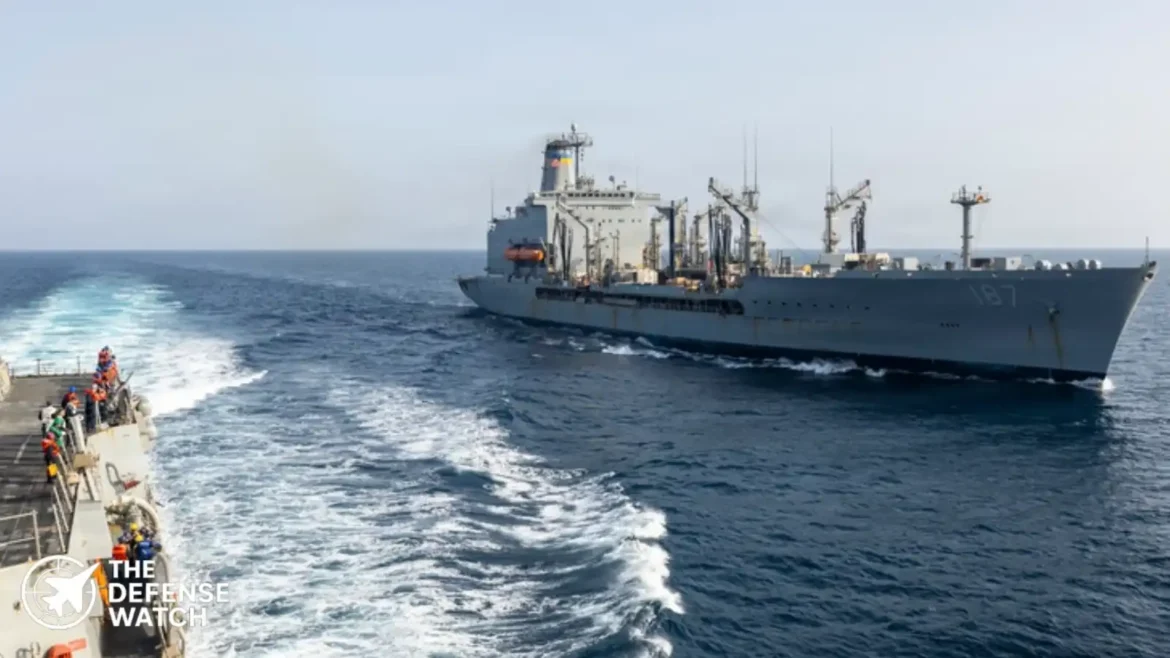
The U.S. Iran blockade effort has reportedly intensified after 23 ships turned back from key maritime routes.The development suggests a sharper enforcement phase focused on limiting Iranian access to strategic shipping corridors while increasing pressure on commercial traffic linked to sanctioned trade networks.
- The United States has reportedly intensified maritime pressure on Iran-linked shipping routes.
- Army Recognition reported that 23 commercial vessels turned back amid expanding enforcement activity.
- Key sea lanes near the Gulf region remain vital for global oil and container traffic.
- Increased naval presence signals broader deterrence and sanctions enforcement strategy.
- Any prolonged disruption could affect freight costs, insurance rates, and energy markets.
The reported movement of vessels reversing course is notable because merchant shipping companies rarely alter routes without clear commercial or security reasons. When multiple ships change course in a short period, it often signals heightened operational risk, tighter inspections, or concern over possible escalation.
The waterways surrounding Iran, including approaches to the Strait of Hormuz, remain among the most important maritime chokepoints in the world. A significant share of global oil exports and container traffic transits the region, making any shift in naval posture strategically important.
Why 23 Ships Turning Back Matters
The number itself matters less than the pattern. If commercial operators believe delays, boarding actions, sanctions checks, or confrontation risks are rising, many will choose alternative routes or wait offshore.
That creates three immediate effects:
- Higher shipping insurance premiums
- Longer transit times
- Greater freight volatility for energy and cargo markets
This is where the U.S. Iran blockade strategy can generate leverage without direct combat. Economic friction on maritime movement can pressure state revenues and complicate logistics while avoiding broader military escalation.
U.S. Naval Presence And Enforcement Strategy
Washington has repeatedly used carrier strike groups, destroyers, patrol aircraft, and maritime surveillance assets to monitor Gulf traffic and reassure regional partners. Expanding control over key sea lanes typically involves intelligence gathering, vessel tracking, and selective interdiction backed by visible naval force.
If sustained, this approach can shape commercial behavior quickly. Shipping firms are highly sensitive to uncertainty. Even a low probability of disruption can move traffic patterns.
That makes maritime control one of the most efficient tools available in regional pressure campaigns.
Risks Of Escalation
While the reported move may strengthen deterrence, it also carries risk. Iran has historically responded to pressure through asymmetric methods, including harassment of shipping, drone activity, proxy operations, or threats to close strategic waterways.
Any cycle of action and reaction could raise tensions across the Gulf and affect neighboring states that rely on stable maritime commerce.
From a defense perspective, the balance now is between maintaining credible pressure and avoiding incidents at sea.
Strategic Analysis
At least part of the message appears aimed beyond Tehran. Regional allies, energy markets, and commercial operators are all audiences.
For allies, it signals continued U.S. commitment.
For markets, it warns of possible volatility.
For Iran, it demonstrates reach and persistence.
That multi-layered signaling often matters as much as the ships at sea.
Outlook
If more vessels reroute in coming days, the U.S. Iran blockade campaign could begin affecting global tanker flows and cargo schedules. If traffic normalizes, the move may instead be remembered as a short, sharp coercive signal.
Either way, maritime pressure remains one of the fastest tools Washington can employ in the region.

Pentagon Presents Golden Dome Blueprint as Adversary Missile Arsenals Grow More Lethal
The Golden Dome missile defense initiative moved from concept to formal congressional testimony on April 15, 2026, as senior Pentagon officials detailed architecture, threat drivers, and operational timelines to the House Armed Services Committee. The hearing marked the most substantive public accounting of the program to date, confirming that U.S. defense leaders view the current homeland missile defense posture as dangerously insufficient against modernized adversary arsenals.
- The Pentagon presented the Golden Dome missile defense initiative to the House Armed Services Committee’s Strategic Forces Subcommittee on April 15, 2026.
- The system is designed to counter ballistic missiles, hypersonic weapons, advanced cruise missiles, and emerging nuclear threats in a layered defense architecture.
- Joint Task Force Gold has been activated under U.S. Northern Command to serve as the operational arm of the Golden Dome program.
- Program manager Vice Adm. Michael Guetlein stated the strategy prioritizes speed, affordability, and defense industry partnerships to rapidly field next-generation intercept capability.
- Assistant Secretary Marc Berkowitz warned Congress that current U.S. homeland defense capability is limited and its effectiveness is actively eroding against modern threat systems.
The Big Picture
For decades, U.S. homeland missile defense relied primarily on the Ground-Based Midcourse Defense system, designed to intercept a limited number of intercontinental ballistic missiles from rogue states such as North Korea. That calculus has fundamentally changed.
China has deployed a significantly expanded nuclear force alongside hypersonic glide vehicles and fractional orbital bombardment systems. Russia has fielded the Avangard hypersonic glide vehicle and the Kinzhal air-launched hypersonic missile. Both capabilities strain or outpace legacy intercept systems that were not engineered to counter maneuvering hypersonic threats traveling at speeds exceeding Mach 5.
Golden Dome represents Washington’s formal institutional response to this strategic shift — a program that acknowledges the gap between current capability and the threat environment and commits to closing it through a layered, integrated architecture.
What’s Happening
The U.S. Department of War outlined plans for the Golden Dome missile defense initiative during a hearing before the House Armed Services Committee’s Strategic Forces Subcommittee on April 15.
Marc Berkowitz, Assistant Secretary of War for Space Policy, said the initiative responds to an evolving threat environment marked by rapid advances in missile and aerial weapon capabilities.
Berkowitz delivered a direct and unambiguous assessment to lawmakers. “Golden Dome will protect our homeland, citizens, critical infrastructure and second-strike capability,” he said. “Today, our capability to defend the nation is limited, and its effectiveness is eroding against an increasingly advanced set of threats.”
Berkowitz said the system is designed to counter ballistic, hypersonic and advanced cruise missiles, as well as emerging aerial and nuclear threats, and added that the cost of the program is significant but necessary to safeguard national security.
Gen. Gregory M. Guillot, commander of U.S. Northern Command and NORAD, said his commands maintain continuous readiness to intercept potential threats, noting that forces routinely track and intercept long-range bombers and remain prepared to respond to missile attacks at all times.
Guillot also highlighted the activation of Joint Task Force Gold, intended to serve as the operational arm for future layered defense systems associated with the Golden Dome initiative.
Vice Adm. Michael A. Guetlein, the program manager for Golden Dome, said emerging threats are becoming more advanced in speed, scale and lethality. He emphasized that the program aims to integrate existing systems with next-generation technologies to improve response capabilities, and that the strategy is built on speed, affordability and partnerships.
Air Force Lt. Gen. Heath Collins, director of the Missile Defense Agency, and Army Lt. Gen. Sean A. Gainey, commander of U.S. Army Space and Missile Defense Command, also provided testimony during the hearing.
Why It Matters
The April 15 hearing was not a routine budget presentation. It was a structured admission by the Pentagon’s most senior missile defense officials that the existing architecture is outpaced by adversary investment.
The significance of Berkowitz’s testimony — that current U.S. homeland defense effectiveness “is eroding” — cannot be understated. Such language from a confirmed political appointee before a congressional committee signals both urgency and a deliberate effort to build bipartisan support for what will be a major, multi-decade funding commitment.
Guetlein’s emphasis on cost-per-intercept reduction is also operationally significant. One of the persistent criticisms of existing missile defense systems is the cost asymmetry — adversaries can field offensive missiles far more cheaply than defenders can field interceptors. A program that explicitly targets this imbalance reflects lessons absorbed from the Ukraine conflict, where Ukrainian air defense units burned through expensive interceptor stocks against waves of cheaper drones and cruise missiles.
The activation of Joint Task Force Gold adds an important institutional dimension. Standing up a dedicated command structure before the system achieves full operational capability signals that the Pentagon is treating Golden Dome as a persistent mission area, not a procurement program with a defined end date.
Strategic Implications
Golden Dome carries implications well beyond its technical specifications.
For nuclear deterrence, the program directly addresses second-strike survivability — a cornerstone of strategic stability. Berkowitz specifically cited protection of “second-strike capability” as a Golden Dome objective. This is a notable public commitment, acknowledging that adversary advances now threaten the credibility of U.S. nuclear retaliation. A credible second strike deters first strikes; eroding that credibility invites coercive behavior.
For conventional deterrence, a layered homeland defense reduces an adversary’s confidence that a large-scale missile barrage could achieve strategic objectives before a U.S. military response is fully mobilized. This matters most in scenarios involving potential conflict in the Indo-Pacific, where the distances and timelines favor adversary long-range strike systems.
The program’s explicit integration of existing platforms with next-generation technologies also points toward a networked sensor-shooter architecture. Space-based sensors, ground-based radars, sea-based interceptors, and directed-energy systems are all candidate components. A unified command and control layer — which Guetlein described as a central program element — is essential to managing engagement decisions across those disparate platforms in time-compressed intercept windows measured in minutes.
Competitor View
China’s People’s Liberation Army Rocket Force will almost certainly monitor Golden Dome’s development trajectory closely. Beijing has invested heavily in hypersonic glide vehicles and maneuvering re-entry vehicles specifically because they exploit gaps in legacy midcourse intercept systems. A credible U.S. layered defense that closes those gaps would require China to invest further in penetration aids, decoys, and saturation tactics — raising the cost and complexity of its coercive options.
Russia’s response is likely to be rhetorical and doctrinal rather than immediately material. Moscow has historically framed U.S. missile defense expansion as destabilizing to strategic balance, using it as justification for its own offensive modernization. Golden Dome will almost certainly feature prominently in future Russian arms control arguments.
Iran and North Korea present a different calculus. Both rely on ballistic missile arsenals that represent their most credible strategic leverage. A functional Golden Dome architecture that intercepts even a limited salvo from either state would significantly degrade their deterrent posture and complicate their coercive options against U.S. forces and allies.
What To Watch Next
Several near-term milestones will indicate how quickly Golden Dome moves from concept to hardware.
The first is the fiscal year 2027 budget request, which will reveal how much funding the administration is prepared to commit and which program elements receive priority investment. Trump’s previously proposed .5 trillion defense budget included Golden Dome funding, but detailed line-item appropriations will determine program velocity.
Second, the Missile Defense Agency’s development roadmap for next-generation intercept technologies — particularly boost-phase intercept and space-based sensors — will shape how rapidly the architecture can address hypersonic threats. Boost-phase intercept, which targets missiles shortly after launch before they can release maneuvering glide vehicles, remains technically challenging but has attracted renewed research investment.
Third, industry selection decisions will be closely watched. Lockheed Martin has publicly positioned itself for Golden Dome work. Northrop Grumman, RTX, Boeing, and L3Harris are all credible contributors across sensors, interceptors, and command-and-control domains.
Capability Gap
The core gap Golden Dome targets is structural: the United States currently fields no credible capability to defend the homeland against a large-scale hypersonic missile attack, a maneuvering glide vehicle salvo, or an advanced cruise missile strike below radar coverage.
The Ground-Based Midcourse Defense system fields 44 interceptors at Fort Greely, Alaska, and Vandenberg Space Force Base, California. That inventory is designed for small-scale ICBM threats, not the volume or diversity of attacks that Russia or China could credibly generate.
The Terminal High Altitude Area Defense system provides regional defense for deployed forces and allies but was not designed for continental homeland defense at scale. The same applies to Patriot, which operates at shorter ranges and lower altitudes.
Filling this gap requires both new interceptor capacity and improved sensor architecture to achieve reliable early tracking of hypersonic threats. Space-based persistent infrared sensors are a priority enabler — ground-based radars alone cannot provide adequate track quality on low-observable, maneuvering targets at hypersonic speeds.
Realistic constraints remain. Cost, schedule risk, and the technical immaturity of some candidate intercept modalities — particularly directed-energy and boost-phase systems — mean Golden Dome will require sustained political will and appropriations discipline over multiple administrations to achieve its stated objectives.
The Bottom Line
Golden Dome signals a generational shift in U.S. homeland defense strategy — but its credibility will ultimately be measured not by congressional testimony, but by interceptors fielded, sensors deployed, and adversary options denied.

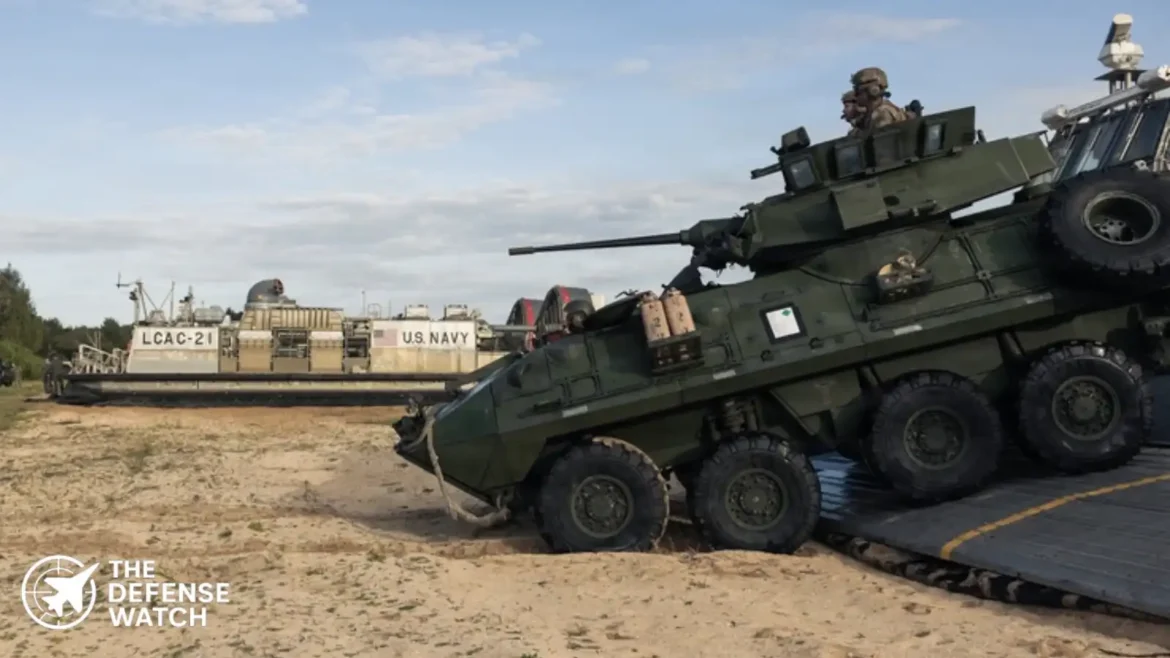
Spain Marine Amphibious Vehicle Program Advances
Spain marine amphibious vehicle modernization is moving ahead as Madrid seeks to strengthen the combat mobility of its naval infantry forces. Spain has taken steps toward a new amphibious vehicle program designed for the Spanish Marine Infantry, one of Europe’s longest-standing expeditionary naval forces.
The effort reflects a wider trend across NATO members to renew aging armored fleets and improve readiness for contested littoral operations. Amphibious forces must now operate in environments shaped by drones, precision weapons, and advanced surveillance, making survivability and speed more important than in previous decades.
¦ KEY FACTS AT A GLANCE- Spain has moved forward with plans for a new marine amphibious vehicle for its naval infantry forces.
- The program aims to replace older assault vehicles and improve ship-to-shore mobility.
- New platforms are expected to offer better protection, digital systems, and survivability.
- The move supports broader Spanish defense modernization and NATO readiness goals.
- Amphibious capability remains critical for crisis response, expeditionary missions, and Mediterranean operations.
Spain’s current amphibious vehicle inventory includes older systems that have served for years but face growing sustainment and capability limits. Replacing them is increasingly seen as necessary rather than optional.
Why Spain Needs A New Amphibious Vehicle
Modern amphibious vehicles are no longer simple transport platforms. They are expected to move troops from ship to shore, cross rough terrain, protect against mines and fragmentation, and connect digitally with commanders and nearby units.
That means Spain’s next marine amphibious vehicle will likely need several key traits:
- Improved ballistic and blast protection
- Strong water mobility and shore transition performance
- Modern communications and battle management systems
- Better reliability and lower maintenance burden
- Capacity for fully equipped infantry squads
This matters because amphibious assaults are among the most complex military operations. Vehicles must launch from ships offshore, survive exposure during landing, and then continue inland combat tasks without delay.
Strategic Importance In The Mediterranean
Spain occupies a critical geographic position between the Atlantic and Mediterranean, while also maintaining territories and interests that require rapid response capability. Amphibious forces provide options during crises ranging from evacuations to reinforcement missions.
For NATO planners, southern Europe has gained fresh relevance. Maritime chokepoints, instability in North Africa, migration pressures, and wider tensions across Europe have all increased the value of deployable marine forces.
A stronger Spanish amphibious fleet can support:
- NATO rapid reaction missions
- Maritime security operations
- Humanitarian assistance and disaster relief
- Protection of island or coastal territories
- Expeditionary deployments with allies
That gives Spain practical military utility beyond national defense alone.
Likely Contenders And Market Context
Although final selections were not detailed, the global market offers several proven amphibious armored systems. Western militaries have recently evaluated platforms such as the BAE Systems ACV, Iveco SuperAV family derivatives, and other tracked or wheeled marine assault vehicles.
Spain may prioritize interoperability with allies, lifecycle cost, domestic industrial participation, and ease of deployment aboard existing amphibious ships. Those factors often shape procurement decisions as much as raw performance.
This is especially relevant in Europe, where governments increasingly want defense spending to strengthen local industry and supply resilience.
Broader Defense Modernization Trend
The Spain marine amphibious vehicle program fits into a larger European rearmament cycle. Since 2022, many NATO states have accelerated purchases involving armor, artillery, air defense, and naval assets.
For Spain, balanced modernization means improving land, air, and sea forces together. Amphibious units are relatively small compared with army formations, but they deliver outsized strategic value because they can deploy quickly and operate from the sea.
That flexibility is difficult to replace once lost.
What Comes Next
The next steps will likely include requirement refinement, industry competition, testing, budgeting approvals, and phased delivery planning. Major defense vehicle programs often take years from initial movement to full operational service.
Still, the direction is clear. Spain wants a modern marine amphibious vehicle that can meet future threats rather than rely on legacy systems built for another era.
For NATO and regional observers, this is another signal that Europe’s maritime ground forces are entering a new modernization phase.
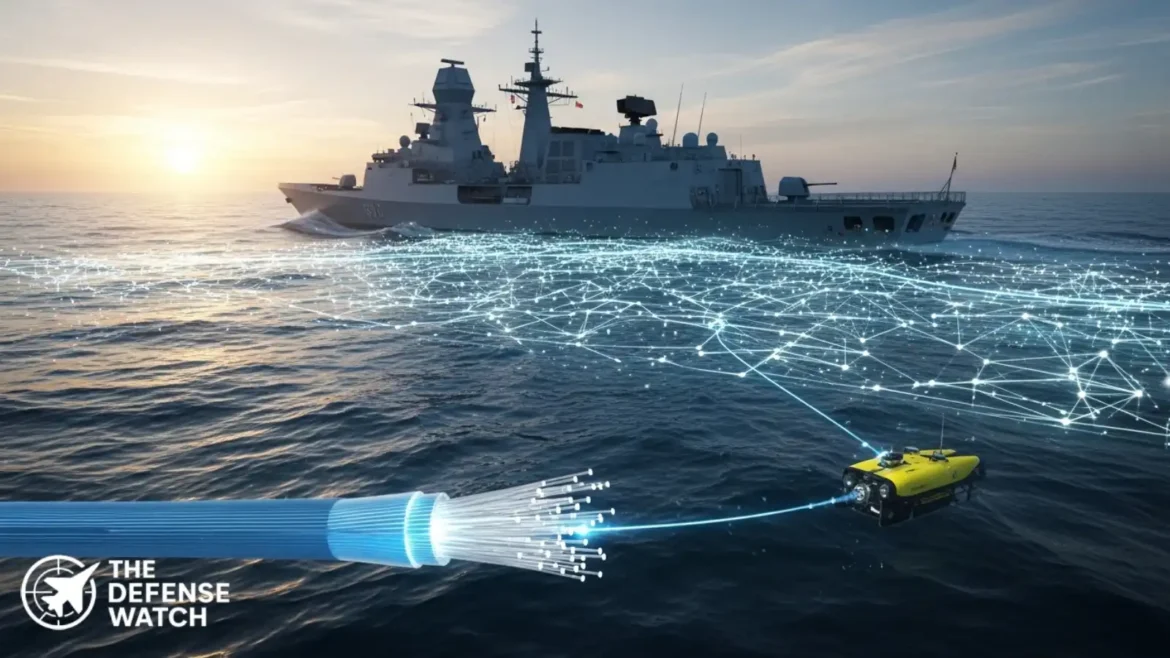
NATO Underwater Internet Concept Moves Into Operations
The NATO underwater internet concept is moving from research into real operational planning, marking a significant step in how allied navies may fight, monitor, and communicate beneath the sea.
NATO has launched the Allied Underwater Battlespace Mission Network (AUWB-MN), a program intended to create a secure mission network linking military systems operating above, on, and below the waterline. The project is being led by Saab through its MANGROVE consortium.
¦ KEY FACTS AT A GLANCE- NATO has advanced its underwater internet concept into operational development through a new Allied Underwater Battlespace Mission Network (AUWB-MN) program.
- Swedish defense firm Saab (through its Kockums business area) is leading the multinational MANGROVE consortium selected for the effort.
- The system is designed to connect crewed and uncrewed platforms above, on, and below the sea surface.
- Twelve NATO nations are backing the project, led by the United Kingdom.
- The move comes as allied nations face growing concern over cable sabotage, seabed espionage, and maritime disruption.
The initiative reflects a broader shift in alliance planning. Underwater operations were once focused mainly on submarines and anti-submarine warfare. Today, the seabed has become a strategic battlespace that includes data cables, energy pipelines, sensors, drones, and autonomous vehicles.
Why NATO Is Prioritizing Undersea Networks
More than traditional naval competition is driving this effort. Western officials have increasingly warned about the vulnerability of critical undersea infrastructure, especially fiber optic cables that carry global internet traffic and financial data.
Recent incidents in the Baltic Sea and North Atlantic have sharpened concern that hostile states or proxy actors could damage cables, disrupt communications, or gather intelligence without triggering open conflict.
That makes the NATO underwater internet concept strategically important. If allied forces can maintain resilient underwater communications and connect autonomous systems in real time, they gain faster detection, better coordination, and stronger deterrence.
This is no longer only about ships and submarines. It is about controlling information flows in contested waters.
What The New Network Is Designed To Do
According to Saab, the AUWB-MN project will create a reference architecture and testing environment for a future NATO standard. It aims to support secure and rapid information exchange between conventional naval assets and maritime uncrewed systems.
That could include:
- Underwater drones sharing sonar contacts
- Surface vessels relaying data to command centers
- Autonomous sensors tracking suspicious seabed activity
- Multi-nation forces operating on one common network
- Faster responses to sabotage or submarine threats
The long term value is interoperability. NATO forces often operate with different national systems. A common underwater data standard could reduce delays and improve joint missions.
Why This Matters Beyond Europe
Although many recent cable incidents have centered on Europe, the implications are global. Undersea infrastructure links continents, supports military communications, and underpins global commerce.
If NATO successfully fields an underwater network architecture, similar models could shape future Indo-Pacific security planning, Arctic surveillance, and coalition maritime operations.
The United States, as a leading NATO military power, has a clear stake in the project. American naval doctrine increasingly emphasizes unmanned systems, distributed sensing, and resilient communications. Those priorities align directly with AUWB-MN goals.
Analysis: A Quiet But Important Military Shift
This program may not attract attention like a new fighter jet or missile system, but it could prove just as consequential.
Modern warfare increasingly targets networks rather than platforms. A damaged cable, blinded sensor grid, or disrupted data link can weaken combat power before the first missile is fired.
By pushing the NATO underwater internet concept into operations, the alliance is recognizing that future maritime competition will be fought across the seabed as much as on the surface.
That suggests NATO sees underwater connectivity not as a technical niche, but as core military infrastructure.
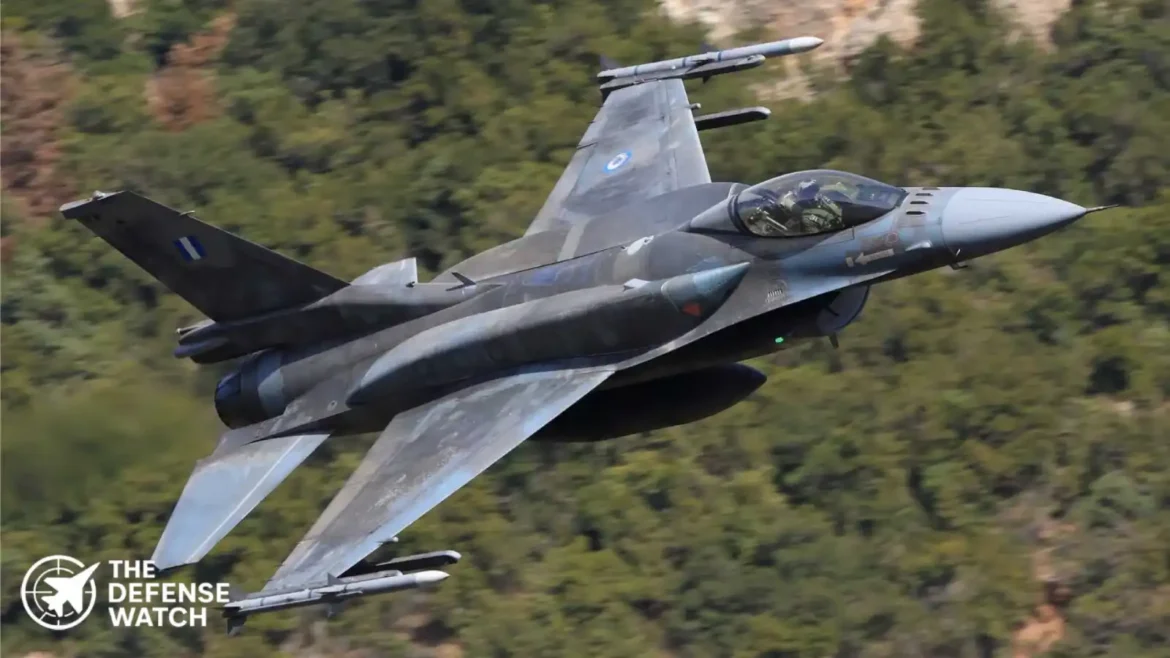
Greece F-16V Viper Marks Major Upgrade Milestone
Greece F-16V Viper modernization reached a key milestone after the country received its 50th upgraded fighter jet. The delivery highlights Athens’ steady push to modernize frontline combat aviation and improve readiness across the Aegean.
The aircraft is part of a broader program to convert older Greek F-16s into the advanced Block 70/72 standard, commonly known as the Viper. The program is centered on extending fleet life while delivering next generation sensors, survivability improvements, and stronger strike capability.
¦ KEY FACTS AT A GLANCE- Greece has received its 50th upgraded F-16V Viper fighter aircraft.
- The F-16V adds AESA radar, modern avionics, improved targeting, and networked warfare capability.
- The milestone strengthens Greek deterrence and rapid response capacity in the Aegean region.
- Greece plans to modernize 83 aircraft under the national upgrade program.
- The upgraded fleet will operate alongside Rafale fighters and future F-35 acquisitions.
The Big Picture
Greece has spent the last several years accelerating military modernization amid persistent regional tensions, especially with neighboring Turkey over maritime boundaries, airspace management, and Eastern Mediterranean energy zones.
Air power remains central to that strategy. Fast reaction aircraft routinely intercept airspace violations, monitor maritime activity, and provide deterrence. For Greece, a modern tactical air fleet offers a relatively quick and scalable means of maintaining balance in a contested region.
Athens has therefore pursued a layered force structure built around upgraded F-16s, newly acquired French Rafale fighters, and a stated interest in acquiring the F-35 in the future.
What’s Happening
The latest delivery brings Greece to 50 completed F-16V aircraft under an upgrade effort expected to cover 83 jets. The work is led by the Hellenic Aerospace Industry in cooperation with Lockheed Martin.
The F-16V standard includes several major enhancements:
- AN/APG-83 AESA radar
- Modern mission computer
- Large center pedestal display
- Advanced datalink capability
- Improved electronic warfare systems
- Better precision strike integration
- Extended service life potential
These upgrades transform legacy fighters into platforms able to operate in dense electronic environments and engage targets faster at longer ranges.
Why It Matters
The Greece F-16V Viper program delivers capability faster than purchasing an entirely new fleet. By upgrading existing aircraft, Greece retains trained crews, support infrastructure, and proven logistics chains while gaining many features associated with newer generation fighters.
That matters operationally. In the Aegean, response times are short, distances are tight, and pilots may need to identify, track, and if required engage aircraft quickly. AESA radar and improved data fusion help crews make decisions faster.
The Viper configuration also improves survivability. Better sensors and electronic warfare systems can help aircraft detect threats sooner and operate more effectively in contested airspace.
Strategic Implications
A fleet of more than 80 upgraded fighters would significantly strengthen Greek readiness. Combined with Rafale aircraft carrying long range air to air and strike weapons, Greece gains a more credible layered deterrent posture.
For NATO, the modernization also supports alliance southern flank readiness. Greece occupies a strategically important location linking the Balkans, Eastern Mediterranean, Black Sea approaches, and Middle East transit routes.
A more capable Greek fighter force can contribute to alliance policing, maritime surveillance, and crisis response missions if required.
Competitor View
Regional military planners will likely view the Greece F-16V Viper milestone as part of a broader balance of power shift in the Eastern Mediterranean.
Turkey continues to pursue its own air modernization path through indigenous projects, drone expansion, and efforts tied to F-16 fleet upgrades. As a result, both sides are placing increasing emphasis on sensors, networking, standoff weapons, and pilot readiness rather than raw aircraft numbers alone.
That trend suggests future competition will depend as much on integration and training as on platforms themselves.
What To Watch Next
Several developments now matter most:
- Delivery pace toward the full 83 aircraft target
- Integration with Rafale fighter operations
- Weapons package expansion
- Potential Greek F-35 procurement timeline
- Sustainment funding and pilot training rates
If completed on schedule, Greece would field one of the most capable F-16 fleets in Europe.
Capability Gap
The upgrade directly addresses aging avionics and sensor limitations found in older fourth generation aircraft. Without modernization, legacy jets face declining relevance against modern radars, electronic attack systems, and long range missiles.
However, the F-16V is still not a stealth aircraft. In heavily defended environments, mission planning, electronic support, and standoff weapons remain essential.
The Bottom Line
Greece’s 50th F-16V delivery shows Athens is rapidly turning legacy fighters into a modern combat force built for deterrence and fast response in the Aegean.
Norwegian F-35 Scramble Responds To Russian Arctic Surveillance Activity
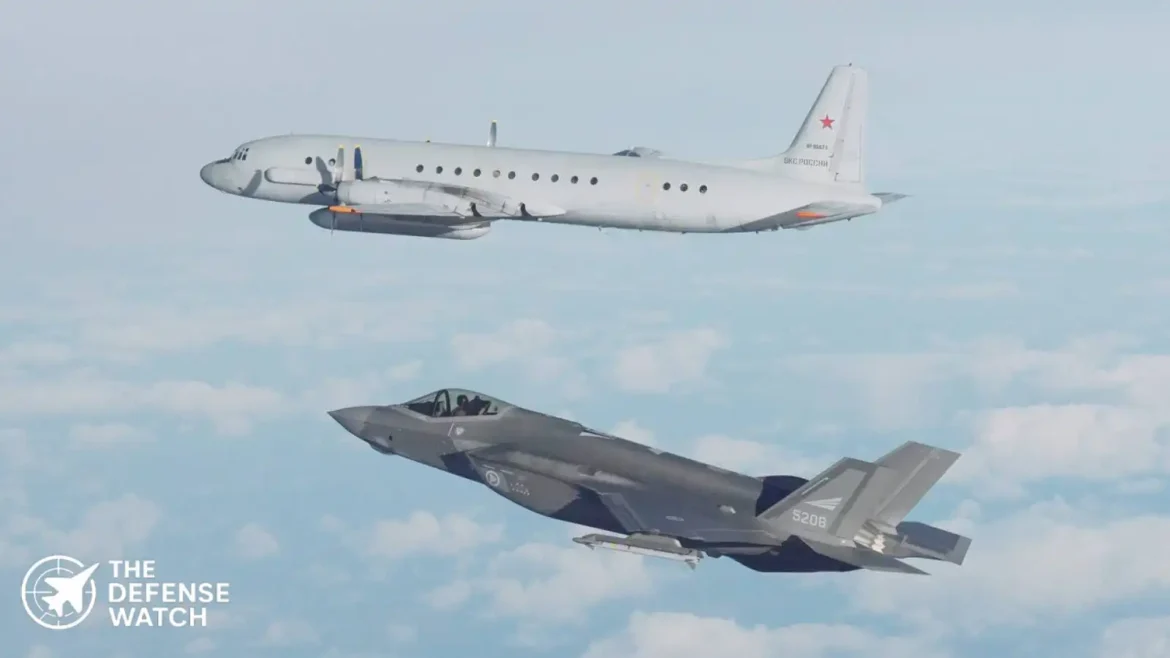
Norwegian F-35 jets were scrambled after Russian maritime patrol aircraft were detected operating near NATO areas of interest in the High North, according to reporting by Army Recognition citing Norwegian defense information. The intercept involved Russian Il-38 and Tu-142 aircraft, both long-range surveillance platforms used to monitor naval activity and submarine movements.
¦ KEY FACTS AT A GLANCE- Norway scrambled F-35 fighter jets to identify Russian aircraft near its airspace.
- Russian aircraft involved were reported as Il-38 and Tu-142 maritime patrol platforms.
- Activity occurred amid heightened NATO naval presence in the High North.
- Norway operates F-35A fighters as its primary quick reaction alert interceptor fleet.
- Incident highlights growing competition over Arctic sea lanes and military access.
The incident reflects a familiar but increasingly important pattern, Russia using long-range patrol aircraft to gather intelligence while NATO strengthens Arctic readiness.
The Big Picture
The High North has become one of NATO’s most strategically sensitive regions. Melting sea ice, growing maritime traffic, undersea cable vulnerability, and expanding military activity have pushed Arctic security higher on alliance planning agendas.
Norway occupies a front-line position in that environment. It borders Russia, controls access routes into the North Atlantic, and hosts key air and maritime infrastructure used by NATO forces. Any increase in Russian reconnaissance flights near Norwegian territory draws close attention because it may indicate wider monitoring of allied naval deployments.
Norwegian F-35 aircraft are central to that mission. Their sensors, range, and networked data-sharing abilities give Oslo stronger situational awareness across vast northern operating areas.
What’s Happening
Norwegian authorities launched a quick reaction alert mission after detecting Russian Il-38 and Tu-142 patrol aircraft approaching areas monitored by Norway’s air defense network.
The Il-38 is a maritime patrol and anti-submarine warfare aircraft derived from the Il-18 airliner. Russia uses it for surface surveillance, submarine hunting, and long-duration patrols.
The Tu-142 is a larger, longer-range platform developed from the Tu-95 bomber family. It is designed for anti-submarine warfare and ocean reconnaissance, making it especially relevant during periods of naval movement.
Norwegian F-35 fighters intercepted and visually identified the aircraft, a standard NATO air policing procedure intended to maintain awareness and sovereignty without escalation.
Why It Matters
Russian patrol flights often seek more than symbolic presence. They can collect electronic emissions, track fleet movements, map air defense responses, and observe alliance operating patterns.
That matters in the High North because NATO increasingly relies on northern sea lanes and Arctic staging areas. Allied submarines, carrier groups, maritime patrol aircraft, and reinforcement shipping routes all depend on secure access to the North Atlantic.
A Norwegian F-35 scramble therefore serves two purposes. It protects sovereign airspace, and it signals that NATO can rapidly detect and respond to intelligence-gathering activity.
Strategic Implications
Norway’s transition from F-16s to F-35As has significantly upgraded its deterrence posture. The aircraft combines stealth, advanced radar, passive sensors, and secure data links that are valuable in contested northern environments.
For NATO, Norway’s fleet acts as a forward sensing node. Information gathered by Norwegian F-35s can support wider alliance maritime and air operations.
Russia is also likely testing response times and operational patterns. Repeated patrols can reveal how quickly fighters launch, where they intercept, and which assets are active in theater. That makes routine intercept missions strategically relevant even when no violation of sovereign airspace occurs.
Competitor View
Moscow traditionally views NATO naval concentration in northern waters as a direct challenge to the security of the Kola Peninsula, home to major Russian naval and strategic submarine forces.
From that perspective, maritime patrol flights by Il-38 and Tu-142 aircraft help Russia monitor allied operations near critical bastions used by its Northern Fleet. NATO, however, views these patrols as intelligence collection activity requiring constant monitoring.
This dynamic helps explain why intercepts have become more frequent and more visible.
What To Watch Next
NATO will likely continue expanding Arctic exercises, maritime patrol rotations, and integrated air defense drills. Norway is expected to deepen F-35 integration with allied assets such as P-8 maritime patrol aircraft, naval task groups, and ground-based sensors.
Observers should also watch for:
- More Russian bomber and patrol flights in northern corridors
- Expanded NATO submarine and surface operations
- New Arctic basing investments
- Greater focus on undersea infrastructure security
Capability Gap
The Norwegian F-35 scramble addresses a longstanding Arctic challenge, covering vast distances with limited warning time.
Older aircraft could intercept effectively, but modern operations require more than speed. Commanders need fused sensor data, electronic awareness, and secure networking across sea, air, and land forces. The F-35 helps close that gap.
Limitations remain. Arctic weather, sparse infrastructure, and long logistics lines still complicate sustained operations for any military force.
The Bottom Line
Norway’s F-35 response shows that even routine interceptions in the Arctic now carry growing strategic weight for NATO and Russia.
Ukrainian F-16 Fighter Jet Transfer Signals Continued Fleet Growth
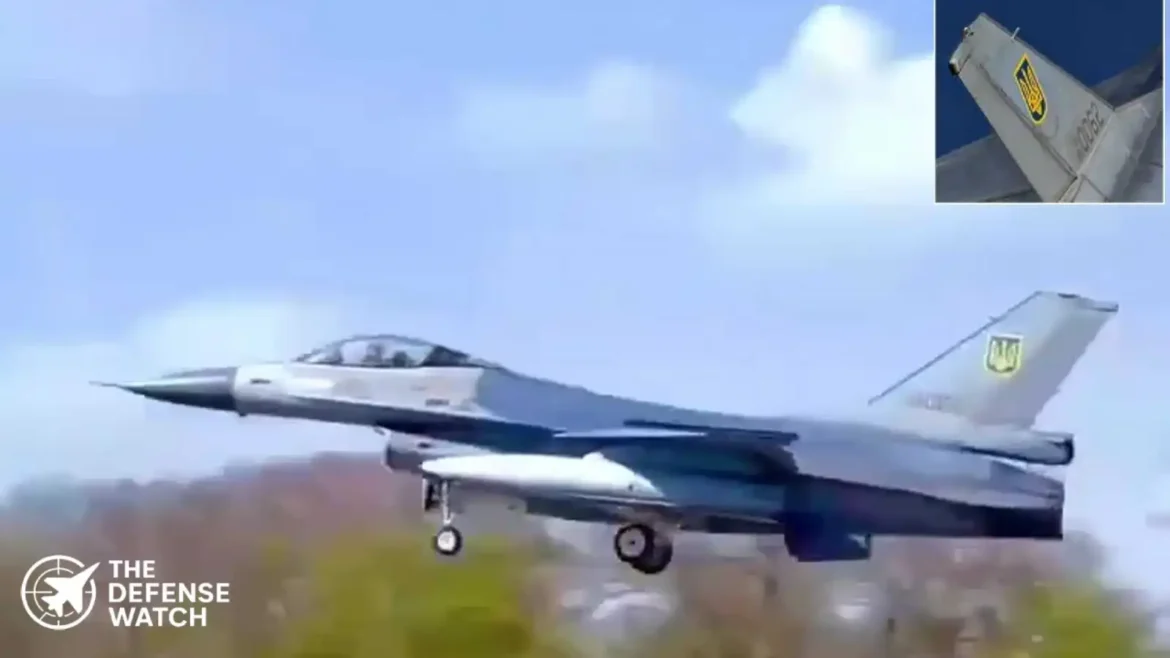
A Ukrainian F-16 fighter jet reportedly transferred by the Netherlands has been observed departing a Belgian airport, according to reporting by Army Recognition. While official authorities did not publicly identify the specific aircraft movement, the sighting points to continued progress in Kyiv’s effort to build a modern Western fighter fleet.
The transfer matters because each additional F-16 increases Ukraine’s ability to defend airspace, intercept cruise missiles, and conduct more accurate strike missions. Unlike Soviet-era aircraft still in Ukrainian service, the F-16 offers stronger radar performance, broader weapons integration, and easier access to NATO-standard maintenance and training pipelines.
¦ KEY FACTS AT A GLANCE- A Ukrainian F-16 fighter jet transferred by the Netherlands was reportedly spotted departing a Belgian airport.
- The aircraft is believed to be part of the multinational NATO-backed program supplying F-16s to Ukraine.
- Belgium has become a key logistics and training hub for European F-16 transition efforts.
- Additional aircraft deliveries would strengthen Ukraine’s air defense and precision strike capacity.
- The Netherlands remains one of Kyiv’s leading European combat aviation donors.
The Netherlands has been among the most committed European supporters of the fighter transfer initiative. Dutch officials previously pledged multiple retired F-16 aircraft after transitioning to the F-35 fleet. Those airframes are now being used for direct transfer, spare parts support, or training programs depending on condition and readiness.
Why Belgium Matters In The F-16 Pipeline
Belgium’s role is strategically important even when it is not the donor nation. Belgian air bases and aerospace infrastructure provide a practical transit point for aircraft refurbishment, pilot conversion activity, technical preparation, and onward movement.
This suggests the reported departure may be part of a larger coordinated logistics chain rather than a simple one-time handover. Western fighter transfers require inspections, software alignment, documentation, mission system checks, and coordination with training schedules.
For Ukraine, receiving aircraft is only one part of the equation. Sustainable combat power depends on:
- Pilot conversion training
- Ground crew certification
- Spare engines and parts
- Weapons stock integration
- Hardened basing and dispersal planning
- Secure command and control links
That means every visible aircraft movement can represent months of behind-the-scenes preparation.
What The Ukrainian F-16 Fighter Jet Adds To Combat Operations
The Ukrainian F-16 fighter jet program is designed to gradually replace aging Soviet aircraft such as the MiG-29 and Su-27 in selected roles. While no single fighter can change the war alone, the F-16 offers several practical advantages:
Air Defense Intercepts
The aircraft can respond faster to missile and drone threats when paired with modern sensors and guided missiles.
Precision Strike Missions
The F-16 can employ a wide range of Western-guided munitions, improving target accuracy.
Survivability
Modern electronic warfare systems and situational awareness tools can improve pilot survivability in contested airspace.
NATO Interoperability
Shared standards simplify future training, sustainment, and coalition support.
Strategic Limits Still Remain
Even with more deliveries, Ukraine’s F-16 fleet will operate under constraints. Russian long-range air defenses, electronic warfare systems, and missile threats continue to shape mission planning. Aircraft numbers also remain limited compared with prewar major air forces.
That means the best use of the Ukrainian F-16 fighter jet fleet may be selective, high-value missions rather than constant front-line exposure. Intercepts, defensive patrols, and stand-off strike roles are likely to remain priorities.
Netherlands Support Carries Political Weight
The Dutch decision to continue transfers also carries political significance. It signals that long-term military assistance to Ukraine remains active among key European NATO members. Fighter donations are more complex than artillery or vehicles because they involve years of training, sustainment, and security commitments.
Each successful aircraft delivery therefore demonstrates not just hardware support, but enduring coalition coordination.
Outlook
If additional sightings and confirmations follow, Ukraine’s F-16 inventory will continue to expand incrementally through 2026. That slow but steady approach may prove more valuable than rapid one-time deliveries, because trained crews, spare parts, and combat readiness can grow together.
For Kyiv, every added aircraft increases options. For Europe, every transfer reinforces the message that advanced support programs remain in motion.
USS Abraham Lincoln Anchors New US Pressure Campaign
The USS Abraham Lincoln blockade mission has become the centerpiece of a wider US maritime operation aimed at increasing pressure on Iran and controlling access to regional sea lanes. Multiple open source and media reports indicate the Nimitz-class aircraft carrier is operating in or near the Arabian Sea with escorts from Carrier Strike Group 9.
¦ KEY FACTS AT A GLANCE- USS Abraham Lincoln is reported to be leading US carrier operations tied to an Iran maritime blockade.
- More than a dozen US naval vessels and over 100 aircraft are reportedly supporting enforcement efforts.
- US destroyers, surveillance aircraft, and support ships are central to interception and sea control missions.
- Additional carrier and mine countermeasure forces are reportedly moving toward the region.
- The deployment raises pressure on Tehran while securing key shipping lanes near the Strait of Hormuz.
The deployment reflects a strategic shift from airpower alone toward sustained naval coercion. Carrier groups can remain on station for long periods, generate continuous air sorties, and project force without relying on host nation bases. That gives Washington a flexible tool during periods of regional instability.
Why USS Abraham Lincoln Matters
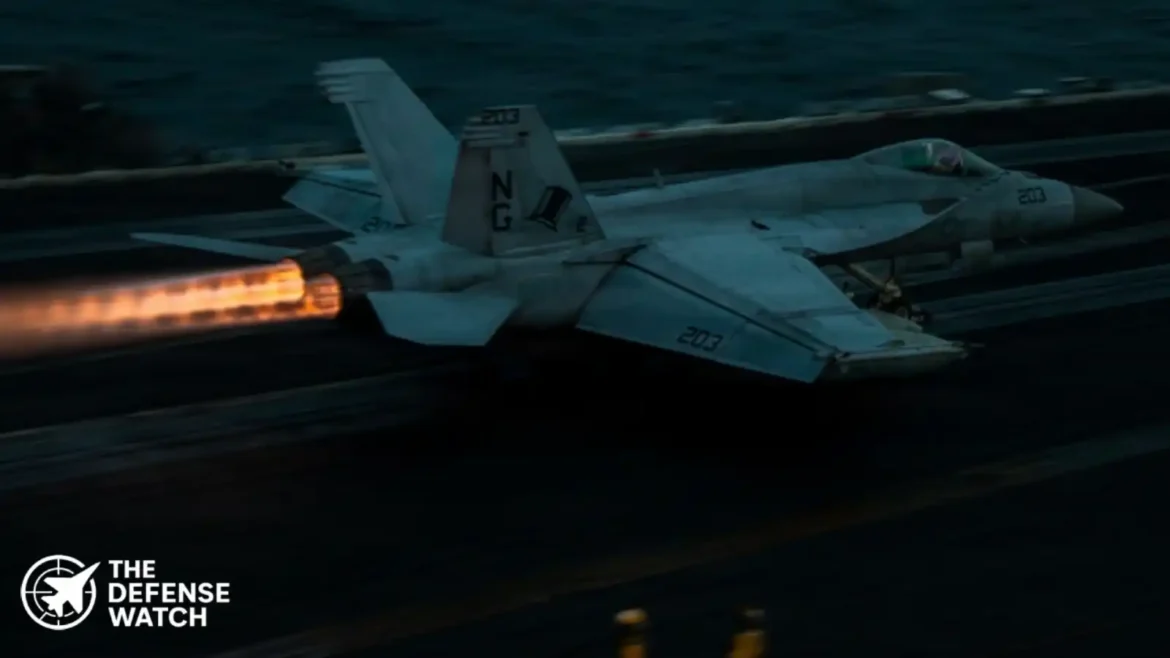
USS Abraham Lincoln is one of the US Navy’s most proven nuclear-powered carriers. It typically embarks a mix of strike fighters, electronic warfare aircraft, airborne early warning platforms, and helicopters. Previous reporting tied the ship to Carrier Air Wing 9, including F/A-18 Super Hornets, EA-18G Growlers, E-2D Hawkeyes, and rotary-wing detachments.
That matters because a carrier strike group can perform several missions at once:
- Air defense over fleet units
- Maritime surveillance across large sea areas
- Strike operations ashore
- Escort and deterrence patrols
- Rapid response to Iranian naval moves
In practical terms, USS Abraham Lincoln gives US commanders a floating air base that can reposition quickly.
Destroyers And Escorts Are Doing The Hard Work
While the carrier draws headlines, destroyers are often the workhorses of blockade enforcement. Recent reporting says Arleigh Burke-class destroyers are central to screening, boarding support, missile defense, and ship interception tasks.
These ships bring advanced radar, vertical launch missile cells, helicopters, and endurance. In a blockade environment, they are often the first ships to challenge approaching vessels, monitor suspicious traffic, and maintain constant patrol lines.
That suggests the operation is less about symbolic carrier presence and more about layered sea control.
Strait Of Hormuz Remains The Strategic Center
Any major US Iran naval operation inevitably points toward the Strait of Hormuz, one of the world’s most important maritime chokepoints. A large share of global energy shipments normally transits the waterway.
By massing naval power near the area, Washington gains leverage beyond the immediate Iran crisis. It reassures commercial shipping, signals resolve to regional partners, and preserves freedom of navigation options if tensions rise further.
This is why minesweepers, reconnaissance aircraft, and logistics ships matter as much as combat vessels. A carrier cannot sustain pressure alone. It needs a network.
Strategic Analysis: What Comes Next
The current posture suggests three likely US objectives:
- Economic pressure on Iran through maritime restrictions
- Deterrence against missile or swarm boat attacks
- Readiness for rapid escalation if diplomacy fails
For Tehran, direct confrontation at sea would carry high risk. Iran may instead rely on indirect pressure, drone threats, proxy activity, or legal and political messaging.
That means the naval contest could become a battle of endurance rather than a traditional fleet clash.
Broader Defense Implications
The USS Abraham Lincoln deployment also highlights how aircraft carriers remain relevant despite modern missile threats. Critics often question carrier survivability, yet Washington continues to use them first during crises because they combine mobility, airpower, command capability, and visible deterrence in one platform.
In that sense, the operation is also a message to rivals beyond the Middle East: the US still uses carrier strike groups as frontline instruments of state power.
US-Iran Talks Return To Focus As Lebanon Ceasefire Starts
US-Iran talks moved back into focus Friday after President Donald Trump suggested a fresh round of diplomacy with Tehran could begin soon, while a 10-day ceasefire between Lebanon and Israel entered into force. Reuters reported that the parallel developments raised hopes of broader de-escalation across the Middle East.
The new diplomatic signal comes after weeks of regional escalation, maritime disruption, and uncertainty over previous ceasefire arrangements. Any reopening of talks would likely center on Iran’s nuclear program, sanctions relief, regional proxy activity, and security guarantees.
¦ KEY FACTS AT A GLANCE- President Donald Trump indicated renewed US-Iran peace talks could begin soon.
- A 10-day ceasefire between Lebanon and Israel began on April 17.
- Markets reacted positively, with oil and gold prices easing on de-escalation hopes.
- Earlier negotiations had stalled over sanctions, nuclear issues, and regional fighting.
- Analysts say the Lebanon track may be critical to any wider Iran agreement.
For Washington, restarting negotiations now would also aim to stabilize energy markets and reduce the risk of a wider regional war.
Lebanon Ceasefire Could Shape Wider Negotiations
The Lebanon front has become closely tied to the broader Iran crisis. Reuters previously reported that ending hostilities in Lebanon was a major sticking point in earlier diplomacy involving the United States, Iran, and regional actors.
That matters because Hezbollah remains one of Iran’s most important regional partners. If the Lebanon ceasefire holds, negotiators may gain space to discuss larger security arrangements.
Military analysts often note that ceasefires create short windows for diplomacy, but only if violations remain limited. A collapse in southern Lebanon would likely harden positions in Tehran, Jerusalem, and Washington.
Markets Signal Cautious Optimism
Financial markets responded quickly to the diplomatic shift.
Reuters reported oil prices fell as traders priced in the possibility of reduced supply risk and a path toward reopening disrupted maritime flows. Gold also steadied as investors reduced some safe-haven demand.
That reaction shows how closely the Iran conflict is linked to global energy security. The Strait of Hormuz remains one of the world’s most critical maritime chokepoints, and any threat there can affect prices worldwide.
Strategic Outlook For Washington
For the United States, renewed US-Iran talks would offer several advantages:
- Lower risk of direct military escalation
- Reduced pressure on naval deployments
- Greater stability in oil markets
- Potential limits on Iran’s nuclear activity
- Space to manage parallel crises elsewhere
However, negotiations remain fragile. Past rounds have broken down over verification, sanctions sequencing, and regional military activity.
What Comes Next
If talks begin in coming days, early progress would likely focus on confidence-building steps rather than a full settlement. Those could include extending ceasefire terms, maritime access measures, prisoner exchanges, or technical nuclear monitoring.
Whether that develops into a durable agreement depends heavily on battlefield realities and domestic politics in all capitals involved.
For now, the launch of the Lebanon ceasefire and renewed US-Iran talks rhetoric mark the strongest opening for diplomacy in weeks.