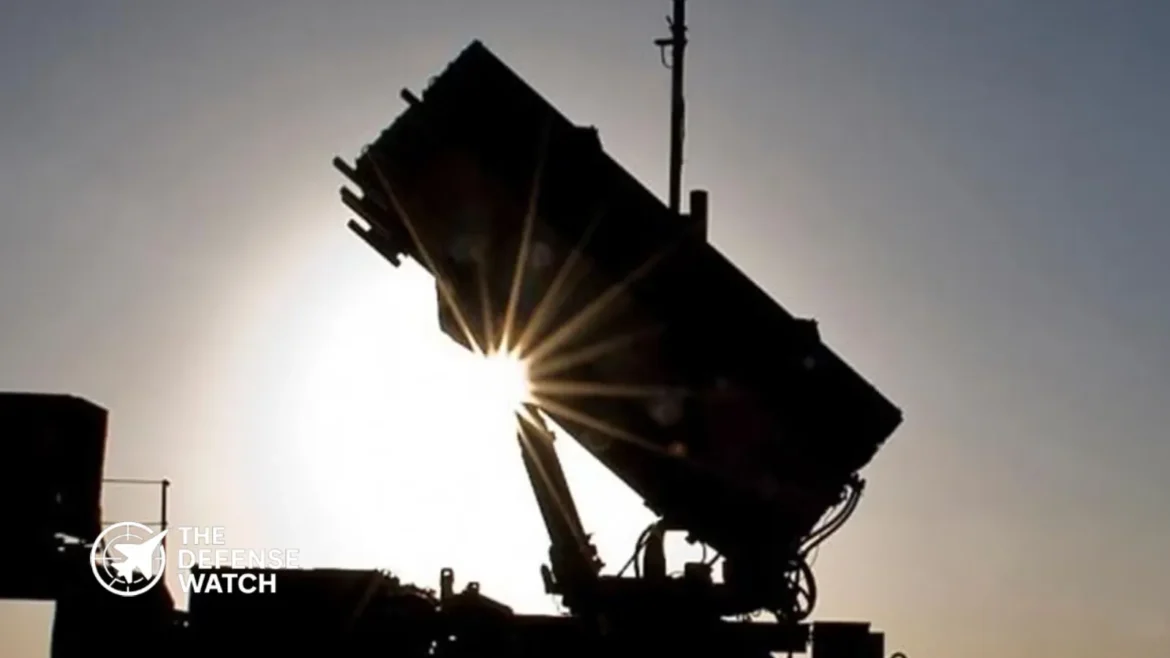
- ► Lockheed Martin Missiles and Fire Control in Grand Prairie, Texas, won a $33,800,000 cost-plus-incentive-fee award for PAC-3 test support.
- ► The work covers Lower Tier Air and Missile Defense Sensor PAC-3 ground and flight test support.
- ► Bids were solicited via the internet with a single offer received.
- ► Work locations and funding terms will be set with each order.
- ► Completion is expected by March 31, 2027.
The U.S. Army awarded Lockheed Martin Missiles and Fire Control a $33,800,000 cost‑plus‑incentive‑fee contract for Lower Tier Air and Missile Defense Sensor PAC‑3 system ground and flight test support, reinforcing ongoing efforts to sustain and improve the Army’s core missile defense capabilities.
The Army Contracting Command at Redstone Arsenal, Alabama, announced the award Feb. 18, 2026. The contract will fund engineering and test activities tied to the PAC‑3 missile family and associated sensor systems through March 31, 2027.
Lockheed Martin’s Missiles and Fire Control unit, based in Grand Prairie, Texas, will carry out ground and flight test support under a cost‑plus‑incentive‑fee arrangement. The sole bid was received after the solicitation was published online, a typical approach for specialized defense work of this type.
The PAC‑3 (Patriot Advanced Capability‑3) missile is a hit‑to‑kill interceptor used by the U.S. Army and allied forces for lower tier air and missile defense operations. PAC‑3 interceptors work with systems such as the Lower Tier Air and Missile Defense Sensor to detect, track and engage tactical ballistic threats, cruise missiles and aircraft at close ranges.
PAC‑3 variants include the Missile Segment Enhancement (MSE) interceptor, a more agile version with improved seeker and control surfaces. In September 2025 the Army awarded a separate production contract to Lockheed Martin for nearly 2,000 PAC‑3 MSE missiles and hardware, the largest production award in the program’s history.
The Lower Tier Air and Missile Defense Sensor is part of the broader Integrated Air and Missile Defense architecture, a network of radars, command systems and interceptors designed to respond to evolving threats. Sensor capability improvements can enhance PAC‑3 mission effectiveness by providing higher fidelity tracking data for fire control and engagement decisions.
The Army did not disclose specific funding allocations at the time of award. Funds and work sites will be identified as individual orders are issued over the contract term.
The award continues a series of recent Army contracts aimed at sustaining missile defense readiness. Earlier defense contracting announcements show Lockheed Martin remains a key partner in Army air and missile defense, with additional work spanning launcher support and other fire control systems.
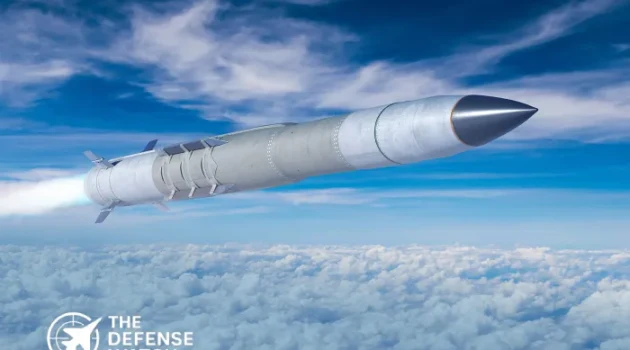

Lockheed Martin has secured a major Navy electronic warfare contract tied to the Surface Electronic Warfare Improvement Program Block Two, reinforcing its role in U.S. naval self defense modernization. The 249 million dollar award covers long term spares, repairs, engineering services, and depot stand up support for Electronic Support and Anti Ship Missile Defense integration across the fleet.
(adsbygoogle = window.adsbygoogle || []).push({});The contract was awarded on February 3, 2026, and announced through official U.S. Navy contracting channels. Naval Surface Warfare Center Crane in Indiana is the contracting activity.
Contract scope and value
The agreement is structured as a mix of cost plus fixed fee and firm fixed price elements under an indefinite delivery indefinite quantity framework. Lockheed Martin will provide lifecycle support for SEWIP Block Two systems, including spare parts, repair services, engineering assistance, and depot stand up activities.
The total ceiling value is 249 million dollars. Initial Fiscal Year 2025 Navy other procurement funds totaling 344,788 dollars were obligated at the time of award. None of those funds expire at the end of the current fiscal year, indicating multi year planning stability.
Work will be performed in Liverpool, New York, home to Lockheed Martin Rotary and Mission Systems electronic warfare operations. Contract performance is expected to continue through February 2031.
SEWIP Block Two and fleet protection
The Surface Electronic Warfare Improvement Program is the U.S. Navy’s primary effort to modernize shipboard electronic warfare capabilities. Block Two focuses on enhanced electronic support measures designed to detect, identify, and classify enemy emitters, with a specific emphasis on countering Anti Ship Missile threats.
SEWIP Block Two systems form a critical layer of the Navy’s soft kill defense architecture. By improving situational awareness and electronic surveillance, the system supports earlier threat detection and cueing for other defensive measures. According to U.S. Navy program documentation, SEWIP upgrades are intended to keep pace with increasingly complex and agile missile seekers.
Sole source justification
The Navy awarded the contract on a sole source basis under Title 10 U.S. Code Section 3204 subsection a paragraph one. This authority applies when only one responsible source can meet agency requirements and no other supplies or services will satisfy mission needs.
Lockheed Martin is the original designer and integrator of SEWIP Block Two electronic support capabilities. Navy officials cited system design knowledge, technical data ownership, and integration experience as key factors supporting the sole source decision. The contract was not competitively procured through the System for Award Management website.
Strategic importance for naval modernization
Electronic warfare has become a core element of U.S. naval survivability as peer and near peer adversaries field more capable Anti Ship Missile systems. Investments in programs like SEWIP Block Two reflect a broader Pentagon emphasis on electromagnetic spectrum dominance.
(adsbygoogle = window.adsbygoogle || []).push({});Defense budget documents and Congressional Research Service reporting consistently highlight ship self defense and electronic warfare as high priority modernization areas. The latest award ensures sustained support for deployed systems while enabling future upgrades as threat environments evolve.
Lockheed Martin role in naval electronic warfare
Lockheed Martin remains one of the Navy’s principal industry partners for electronic warfare and combat system integration. Through its Rotary and Mission Systems division, the company supports surface combatants, submarines, and joint force platforms with sensors, mission systems, and electronic protection technologies.
The Liverpool, New York facility has long served as a hub for maritime electronic warfare development and sustainment. This contract further solidifies that site’s role in supporting front line Navy operations.
What comes next
With funding now in place, Lockheed Martin and the Navy will continue depot stand up activities and long term sustainment planning. As SEWIP Block Two remains a baseline capability across multiple ship classes, ongoing engineering support will be essential to maintain readiness and adapt to emerging missile threats through the end of the decade.

Russia Warns It Will Respond Militarily if US Deploys Weapons in Greenland
Russia has said it will take military and technical countermeasures if the United States moves ahead with plans to place weapons in Greenland, officials told journalists.
Deputy Foreign Minister Sergey Ryabkov made the remarks during a press event at the Russian Embassy in Beijing on February 3, saying a U.S. deployment of weapon systems on the Arctic island would prompt a direct response from Moscow.
His comments were tied to Washingtons proposed Golden Dome missile defense concept, a multilayered architecture that U.S. officials have discussed in relation to Arctic basing and improved early warning coverage for continental defense.
Moscow Frames Greenland as Strategic
Russia views Greenland’s location near key polar missile flight paths as central to any strategic defense architecture. Ryabkov said if the United States chooses to install elements of the Golden Dome system on Greenland, Moscow would treat that as a serious shift requiring military and technical compensatory measures.
He made the remarks as the 2010 New START nuclear arms control treaty is set to expire, a pact that has for years limited the United States and Russia to equal ceilings on deployed strategic nuclear warheads and delivery systems. Moscow told Washington it was ready to continue observing the pact’s limits for another year, but had received no response.
Golden Dome and Arctic Tensions
The Golden Dome initiative is a proposed U.S. missile defense umbrella that the White House says would link advanced sensors and interceptors to defend against a broad set of ballistic and hypersonic threats. Discussions about the concept have included Greenland in part because of its position between North America and Eurasia, which could extend early warning and tracking capabilities.
Denmark, which retains sovereignty over Greenland and whose territory is part of NATO, has firmly reiterated that any defense arrangements must respect Greenland’s status and not compromise its self-government. NATO Secretary-General Mark Rutte has said the alliance is working on reinforcing Arctic security in a way that respects sovereignty and collective defense arrangements.
Diplomatic and Strategic Implications
Ryabkov’s warning adds to broader tensions between Moscow and Washington. The potential expansion of U.S. missile defense assets into the Arctic comes at a time of deepening mistrust over nuclear arms control and strategic stability. With New START set to lapse, both capitals face pressure to manage risk and keep channels open for dialogue.
Kremlin spokesperson Dmitry Peskov described the treaty’s expiration as a “dangerous moment” for global security, saying the absence of binding limits on nuclear forces between the two largest nuclear powers increases uncertainty and risk.
What Comes Next
The United States has not confirmed any specific weapons deployment to Greenland under the Golden Dome framework. U.S. officials have stressed that any cooperation with Denmark or NATO on Arctic defense would be discussed with allies and respect existing agreements. Analysts say any shift toward hardware deployments on Greenland could reshape Arctic security dynamics and further complicate U.S.-Russia relations.

UK Studies Aster 30 Integration for Mk 41 Launchers
The UK Ministry of Defence has launched a formal study into integrating the Aster 30 air defense missile with the Mk 41 vertical launch system, marking a potential shift in how future Royal Navy warships could be armed.
(adsbygoogle = window.adsbygoogle || []).push({});The MoD has tasked MBDA with examining the technical and operational steps needed to make the European Aster missile compatible with the widely used U.S.-built Mk 41 launcher. Both outlets cite official documentation confirming the scope of the study and its relevance to current and future Royal Navy platforms.
The move reflects growing interest within the UK in expanding missile options for ships already fitted with, or planned to carry, Mk 41 launchers.
Why Mk 41 Compatibility Matters
The Mk 41 vertical launch system is one of the most common naval missile launchers in service worldwide. It equips U.S. Navy surface combatants and is used by allied fleets across Europe and the Indo-Pacific.
The Royal Navy has already selected the Mk 41 for several programs. Type 26 frigates will feature Mk 41 cells forward of the bridge, while the Type 31 design also includes space and weight reservations for the system. At present, UK surface ships primarily rely on the Sylver launcher for Aster 15 and Aster 30 missiles.
Integrating Aster 30 into Mk 41 would allow British warships to operate a broader mix of weapons from a single launcher family. It could also simplify logistics and improve interoperability with allied navies that already operate Mk 41 equipped ships.
Scope of the MBDA Study
The MBDA-led effort is focused on feasibility rather than procurement. The study will assess:
- Physical and electrical compatibility between Aster 30 and Mk 41 cells
- Software and combat system integration requirements
- Safety certification and firing sequence adaptations
- Potential impacts on ship design and maintenance
Army Recognition notes that the study does not represent a decision to modify existing ships or acquire new missiles. Instead, it is intended to give the MoD a clear technical baseline for future choices.
UK Defence Journal reports that the work aligns with broader UK efforts to ensure future warships can adapt to changing threat environments without major structural changes.
Aster 30 and Royal Navy Air Defense
Aster 30 is a long range surface to air missile developed by MBDA and already in Royal Navy service. It forms the backbone of the Sea Viper air defense system deployed on Type 45 destroyers, where it is launched from Sylver A50 cells.
The missile is designed to counter aircraft, cruise missiles, and ballistic missile threats at extended ranges. Its performance has been demonstrated during operational deployments and test firings, including successful intercepts during NATO exercises.
While the Type 45 class will continue to rely on Sylver launchers, future frigates are expected to focus more on flexible payloads and modular weapon fits.
Interoperability and Allied Operations
One of the key drivers behind the Aster 30 Mk 41 integration study is allied interoperability. Mk 41 launchers support a wide range of U.S. and allied weapons, including Standard Missile variants, Tomahawk, and ASROC.
If Aster 30 were cleared for Mk 41, the Royal Navy could operate mixed missile inventories or align more closely with partner navies during joint operations. This could be particularly relevant for task group air defense and ballistic missile defense roles.
Defense analysts have long noted that launcher commonality can reduce risk during coalition deployments, especially when ships need to replenish or share support infrastructure.
No Immediate Fleet Changes
The MoD has not announced timelines, budgets, or specific platforms linked to the study. Both cited reports stress that the effort is exploratory and does not commit the UK to modifying current ships or replacing existing launchers.
Instead, the study appears aimed at keeping future options open as the Royal Navy plans beyond the current destroyer and frigate programs. Any decision to proceed would require additional funding approvals and detailed design work.
Strategic Context
The study comes amid wider efforts by NATO navies to strengthen layered air and missile defense at sea. The growing spread of advanced anti ship missiles and longer range air threats has placed renewed emphasis on flexible naval air defense architectures.
(adsbygoogle = window.adsbygoogle || []).push({});For the UK, balancing European missile development with U.S. system compatibility remains a recurring theme. The Aster 30 Mk 41 integration study highlights how London is seeking to bridge that gap without locking itself into a single solution.
What Comes Next
Once the MBDA study is complete, the MoD will be better positioned to judge whether Aster 30 integration with Mk 41 is technically viable and operationally worthwhile. Any follow on decision would likely be tied to future surface combatant upgrades or next generation ship designs.
For now, the effort signals cautious planning rather than immediate change, but it underscores the Royal Navy’s focus on adaptability and allied integration.

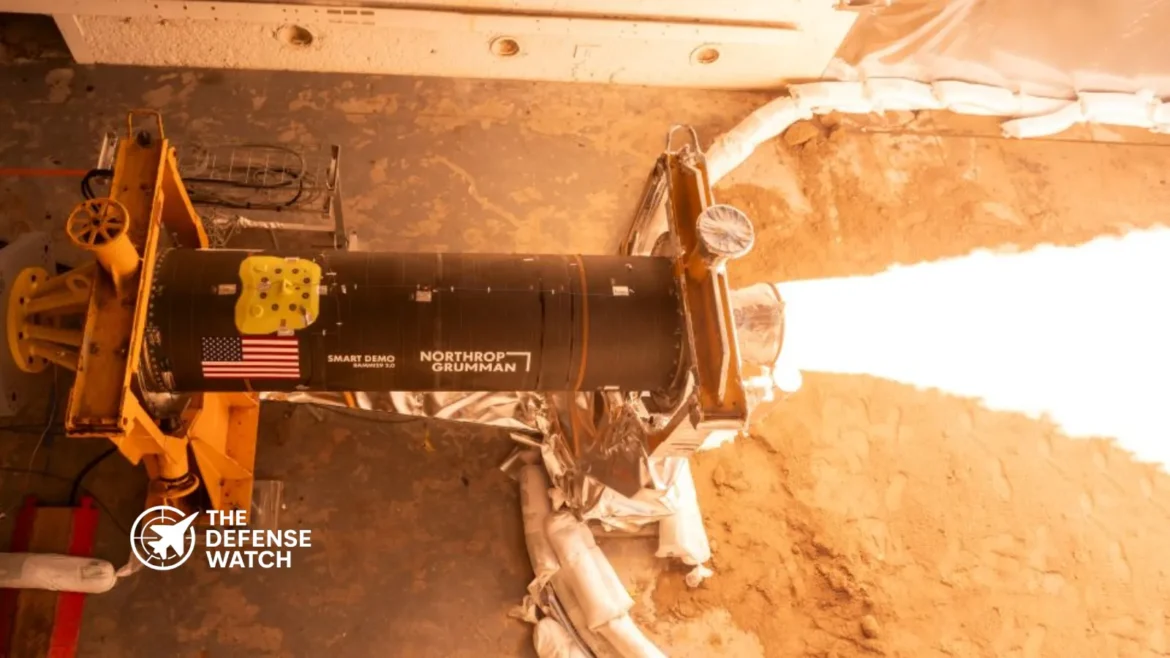
Northrop Grumman Validates Advanced Manufacturing Approach with BAMM!29 2.0 Static Fire
PROMONTORY, Utah — Northrop Grumman Corporation successfully conducted a static fire test of its second advanced solid rocket motor in two months, demonstrating the defense contractor’s accelerated development approach under the Solid Motor Annual Rocket Technology Demonstrator program.
The company tested the 29-inch diameter BAMM!29 2.0 (Bombardment Attack Missile Motor) on January 29, 2026, at its Promontory, Utah facility. This followed the successful December 2025 static fire of the SMASH!22 motor, both developed and manufactured in under 12 months.
The rapid succession of tests validates Northrop Grumman’s strategy to compress traditional multi-year development timelines through advanced manufacturing techniques, alternative materials, and streamlined supply chain integration.
SMART Demo Program Demonstrates Industry-Leading Development Speed
The SMART Demo initiative represents a company-funded effort to design, develop, build, and test new solid rocket motors with their associated advanced tooling on an annual basis. The program allows Northrop Grumman to accept higher technical risk while validating innovative technologies for potential incorporation into existing production programs.
According to Jim Kalberer, vice president of Northrop Grumman’s propulsion systems business unit, the BAMM!29 motor could support applications in strike weapons and hypersonic missions. The 29-inch diameter configuration integrates next-generation carbon fiber casing with advanced additively manufactured tooling and components.
The company’s development approach compresses what traditionally requires three years of work into approximately eight months from initial design to critical design review. This acceleration addresses supply chain bottlenecks that have affected defense industrial base capacity in recent years.
Advanced Manufacturing Technologies Drive Cost and Schedule Reduction
The BAMM!29 2.0 motor incorporates several technological innovations designed to reduce production costs and lead times. The test motor featured additive manufacturing for primary nozzle structures and long-lead tooling components, demonstrating the viability of 3D-printed metal components in high-stress propulsion applications.
Northrop Grumman also integrated a cost-effective propellant formulation with broad temperature tolerance, enabling operation across various launch platforms and mission profiles. The motor design incorporates materials from alternative suppliers to alleviate supply chain constraints affecting traditional solid rocket motor production.
The company employed robotic manufacturing processes during motor construction to increase reliability while reducing both production time and cost. These automated systems handle precision tasks such as applying liner materials inside motor casings, replacing manual operations that previously required extensive skilled labor hours.
December SMASH!22 Test Established Development Baseline
The SMASH!22 motor tested in December 2025 established the development baseline for the 2025 SMART Demo program. The 22-inch diameter motor, designated as Solid Motor Adaptable, Scalable, Half Time/Cost, fired for approximately 30 seconds during its static test at the Promontory facility.
That motor utilized a steel case produced with new welding and manufacturing methods, along with complex additively manufactured components. The configuration matches the size profile of motors used in interceptor missiles and sounding rockets, though Northrop Grumman has not designated it for any specific product application.
The company has already identified opportunities to insert technologies validated through earlier SMART Demo tests into existing production programs. A low-cost propellant formulation demonstrated in a previous program year is being evaluated for incorporation into current product lines.
Program Supports Missile Defense and Space Launch Requirements
The technologies demonstrated through SMART Demo could support large-scale production requirements for systems including the Golden Dome for America missile defense initiative. The program’s focus on qualifying alternative suppliers and materials manufactured through efficient processes aims to strengthen the solid rocket motor industrial base.
Northrop Grumman has invested over $1 billion in the past seven years to significantly increase solid rocket motor production capacity. The company has delivered 1.3 million motors to date and maintains nearly 100,000 employees across more than 30 million square feet of manufacturing space.
The SMART Demo program provides a flight-relevant scale platform for testing new technologies and processes before committing them to operational production programs. By annually demonstrating advanced technologies and process improvements aligned with industry demands, Northrop Grumman aims to rapidly mature new materials and manufacturing approaches.
Industry Context and Implications
The successful completion of two major solid rocket motor tests in under 60 days represents a significant acceleration from traditional defense industry development timelines. Conventional solid rocket motor programs typically require 36 months or more from initial design to static fire testing.
This compressed schedule demonstrates the potential for defense contractors to address urgent capability requirements more rapidly through focused internal research and development programs. The approach allows for higher technical risk acceptance than traditional acquisition programs while generating data applicable to existing production lines.
The program’s emphasis on additive manufacturing, robotic assembly, and supply chain diversification addresses several challenges currently affecting defense industrial base capacity. Component lead times for specialized materials have increased significantly in recent years, creating schedule risks for production programs.
Northrop Grumman’s strategy of annually executing SMART Demo tests provides a consistent platform for technology maturation and qualification. The company can demonstrate new capabilities to potential customers while simultaneously building a knowledge base for future product development efforts.
For the third consecutive year, the SMART Demo program has successfully designed, developed, and demonstrated new solid rocket motor capabilities. The program’s track record suggests the company has established repeatable processes for rapid propulsion system development.
The technologies validated through these tests may find applications beyond missile defense systems. Hypersonic weapons, tactical strike missiles, and space launch vehicles all require solid rocket motors with characteristics similar to those demonstrated in the SMART Demo program.

Lockheed Martin Exceeds Wall Street Expectations with 2026 Financial Outlook
Lockheed Martin Corporation announced its 2026 financial guidance on Thursday, January 29, projecting revenue between $77.5 billion and $80 billion, surpassing analyst expectations amid heightened global defense demand. The Maryland-based defense contractor reported fourth-quarter 2025 sales of $20.32 billion, representing a significant increase from $18.62 billion in the same period the previous year.
(adsbygoogle = window.adsbygoogle || []).push({});The company’s 2026 earnings per share guidance of $29.35 to $30.25 also exceeded Wall Street estimates of $29.28, according to data compiled by LSEG. Lockheed Martin’s stock rose 6.7 percent following the announcement, adding approximately $9.26 billion to the company’s market valuation.
“This notable start to 2026 reinforces our confidence in Lockheed Martin’s continued operational and financial growth in the year ahead,” the company stated in its earnings release. The forecast anticipates approximately 5 percent sales growth and 25 percent segment operating profit growth year-over-year.
Record Backlog Positions Company for Sustained Growth
Lockheed Martin reported a record backlog of $194 billion at the end of 2025, reflecting unprecedented demand for its defense systems. The company delivered $75 billion in sales during 2025, a 6 percent increase from the previous year, with net earnings reaching $5 billion.
Free cash flow for 2025 totaled $6.9 billion, exceeding previous expectations. For 2026, the company projects free cash flow between $6.5 billion and $6.8 billion, maintaining strong cash generation capabilities to support shareholder returns and capital investments.

The defense contractor paid $3.13 billion in dividends during 2025, up from $3.06 billion the previous year. Unlike competitor Northrop Grumman, which announced it would pause stock buybacks beyond January, Lockheed Martin continues its commitment to returning value to shareholders.
Geopolitical Tensions Drive Fighter Jet and Missile Demand
Rising geopolitical uncertainty continues to fuel demand for Lockheed Martin’s premier weapon systems. Ongoing conflicts in the Middle East and the protracted Russia-Ukraine war have created sustained requirements for advanced fighter aircraft and air defense systems.
(adsbygoogle = window.adsbygoogle || []).push({});According to CEO Jim Taiclet, Lockheed Martin’s F-35 and F-22 fighter jets, RQ-170 stealth drones, and Sikorsky Black Hawk helicopters were deployed in recent U.S. military operations, including the capture of the Venezuelan president by American forces. The operational employment of these platforms demonstrates their continued relevance to national security missions.
The company’s Missiles and Fire Control division posted the strongest quarterly growth, with sales increasing 17.8 percent year-over-year during the fourth quarter. This segment manufactures the Patriot Advanced Capability-3 (PAC-3) Missile Segment Enhancement interceptor, which has seen exceptional demand from both U.S. forces and international partners.
Historic Patriot Missile Production Agreement Supports Forecast
Earlier in January 2026, Lockheed Martin finalized a landmark seven-year framework agreement with the Department of Defense to dramatically expand PAC-3 interceptor production. The deal calls for increasing annual production capacity from approximately 600 units to 2,000 units by the end of 2030.
This production ramp represents more than a tripling of current manufacturing rates and reflects the massive global demand for advanced air and missile defense capabilities. Seventeen partner nations currently operate the Patriot system, with additional countries expressing interest in acquiring the technology.
The PAC-3 Missile Segment Enhancement is a hit-to-kill interceptor designed to destroy incoming tactical ballistic missiles, cruise missiles, hypersonic weapons, and aircraft through direct impact rather than blast fragmentation. Its proven combat performance in recent conflicts has solidified its position as a critical capability for allied militaries.
According to missile defense expert Tom Karako of the Center for Strategic and International Studies, the production increase to 2,000 units annually is not excessive relative to demand. “The demand signal is massive among multiple US services, the other 17 nations globally that operate Patriot, and a handful more who want to,” Karako noted.
Production Expansion Strengthens Defense Industrial Base
The PAC-3 production agreement represents a significant shift in Pentagon acquisition strategy. The framework deal provides long-term demand certainty, enabling industry investment while incorporating provisions for inflation adjustments and cost-sharing mechanisms.
Lockheed Martin delivered more than 24,000 Missiles and Fire Control products to the United States and allied nations in 2025, demonstrating the scale of current demand. The company increased PAC-3 production by more than 60 percent over the past two years, delivering 620 interceptors in 2025 alone.
(adsbygoogle = window.adsbygoogle || []).push({});CEO Taiclet indicated that the production expansion would be accomplished using existing floor space while adding workers, advanced tooling, and automation. The agreement includes collaborative financing approaches designed to preserve cash neutrality while enabling necessary capital investments.
F-35 Program Maintains Strong Sales Momentum
The F-35 Lightning II joint strike fighter program continues to represent a substantial portion of Lockheed Martin’s revenue base. As the world’s most advanced multirole stealth fighter, the F-35 serves as the cornerstone of air combat capabilities for the United States and numerous allied nations.
International demand for the F-35 remains robust, with partner nations continuing to place orders as they modernize their air forces. The aircraft’s advanced sensor fusion, stealth characteristics, and networked warfare capabilities make it essential for maintaining air superiority against peer and near-peer adversaries.
Lockheed Martin operates through four primary business segments: Aeronautics, Missiles and Fire Control, Rotary and Mission Systems, and Space. The Aeronautics segment, which produces the F-35, F-22, and other combat aircraft, represents a significant driver of company performance.
Industry Context and Competitive Landscape
Lockheed Martin’s strong forecast comes as defense contractors broadly anticipate continued growth driven by elevated geopolitical tensions and increased allied defense spending. Competitors RTX Corporation and Northrop Grumman have similarly reaffirmed their commitment to dividends, though investment strategies vary across the sector.
The company’s guidance excludes potential impacts from government shutdowns or other uncertain factors. As the largest defense contractor by revenue, Lockheed Martin derives approximately 80 percent of its income from U.S. government contracts, with the remainder from international sales and foreign military sales programs.
The defense industrial base faces ongoing challenges in scaling production to meet unprecedented demand while managing supply chain constraints and workforce availability. Lockheed Martin’s ability to expand PAC-3 production represents a test case for broader Pentagon acquisition reform efforts aimed at accelerating defense manufacturing.
Looking Ahead: Strategic Priorities for 2026
Lockheed Martin emphasized operational performance and alignment with customer national defense priorities as key focus areas for 2026. The company aims to deliver reliable capabilities that strengthen deterrence and provide combat advantage to U.S. and allied militaries.
With sales growth projected at approximately 5 percent and free cash flow expected between $6.5 billion and $6.8 billion, Lockheed Martin appears well-positioned to execute its strategic objectives while maintaining shareholder returns. The record backlog provides visibility into future revenue streams and supports continued investment in advanced technologies.
(adsbygoogle = window.adsbygoogle || []).push({});The company faces headwinds from classified program losses that affected 2025 results, including a $950 million loss in the Aeronautics segment. Management indicated these losses materially impacted quarterly and annual operating profit comparisons but expressed confidence in improved performance going forward.
As global security challenges persist and allied defense budgets expand, Lockheed Martin’s portfolio of advanced weapon systems positions the company for sustained demand. The successful execution of production ramp plans for the PAC-3 missile and continued F-35 deliveries will be critical to achieving the optimistic 2026 forecast.
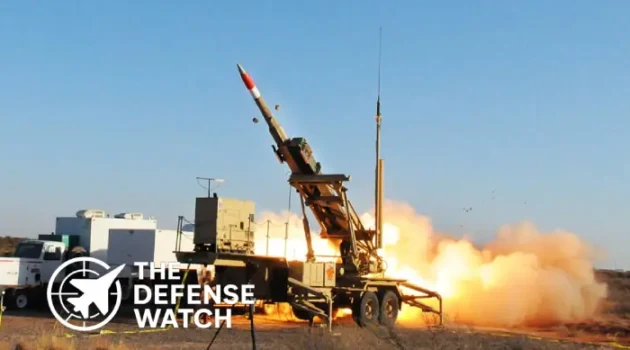

Framework Deal to Quadruple THAAD Interceptors
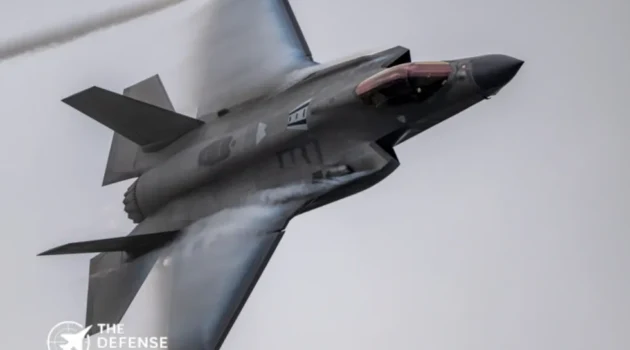
Lockheed Martin and the U.S. Department of War have agreed to scale up production of Terminal High Altitude Area Defense, or THAAD, missile interceptors. The agreement will raise annual output from about 96 to 400 interceptors over the next seven years, part of efforts to strengthen U.S. missile defense supply chains and industrial capacity.
(adsbygoogle = window.adsbygoogle || []).push({});The announcement came in a Jan. 29 release by Lockheed Martin, noting the deal builds on a similar framework reached earlier this month on Patriot PAC-3® Missile Segment Enhancement production.
Boosting U.S. Missile Defense Output
Under the framework agreement, the current THAAD interceptor production capacity will more than quadruple. That change reflects congressional funding cycles expected to finalize contract awards in the final fiscal year 2026 appropriations process.
Lockheed Martin will collaborate with the U.S. government on securing multiyear funding and aligning production goals with defense requirements.
Facility Expansion and Workforce Investment
To support the ramp-up, Lockheed Martin plans to break ground on a new Munitions Acceleration Center in Camden, Arkansas. The facility is designed to train workers and incorporate advanced manufacturing, robotics, and digital tools for building THAAD, PAC-3, and other interceptor systems.
The company also plans broader investments over the next three years to upgrade and expand more than 20 facilities across multiple U.S. states, including Alabama, Florida, Massachusetts, and Texas. These efforts aim to modernize tooling, production lines, and plant layouts to meet rising defense production demands.
U.S. Industrial Base and Jobs
Lockheed Martin noted its efforts are creating tens of thousands of jobs in manufacturing, engineering, and skilled trades, reflecting broader growth in the U.S. defense industrial base tied to increased interceptor production.

Image Credit: lockheedmartin The company said that since 2016 it has increased deliveries of critical munitions by more than 220 percent and plans to push output even higher by 2030 to meet demand.
(adsbygoogle = window.adsbygoogle || []).push({});Context: Evolving Missile Defense Needs
THAAD is a high-altitude missile defense system designed to intercept ballistic missiles inside and outside the atmosphere. It works alongside other systems such as Patriot PAC-3 to provide layered air and missile defense for the U.S. and allied forces. Recent demand for air defense systems has grown amid ongoing global conflicts and rising long-range missile threats.
This framework agreement for THAAD production follows a similar arrangement announced earlier in January aimed at increasing annual PAC-3 MSE output to roughly 2,000 missiles over the next seven years.
What Comes Next
A key step will be congressional appropriation of funds required to turn the framework accord into binding production contracts. Once funding is secured, Lockheed Martin will begin detailed planning for production expansion and facility operations tied to the agreement.


U.S. Navy Expands Radio Frequency Decoy Defenses
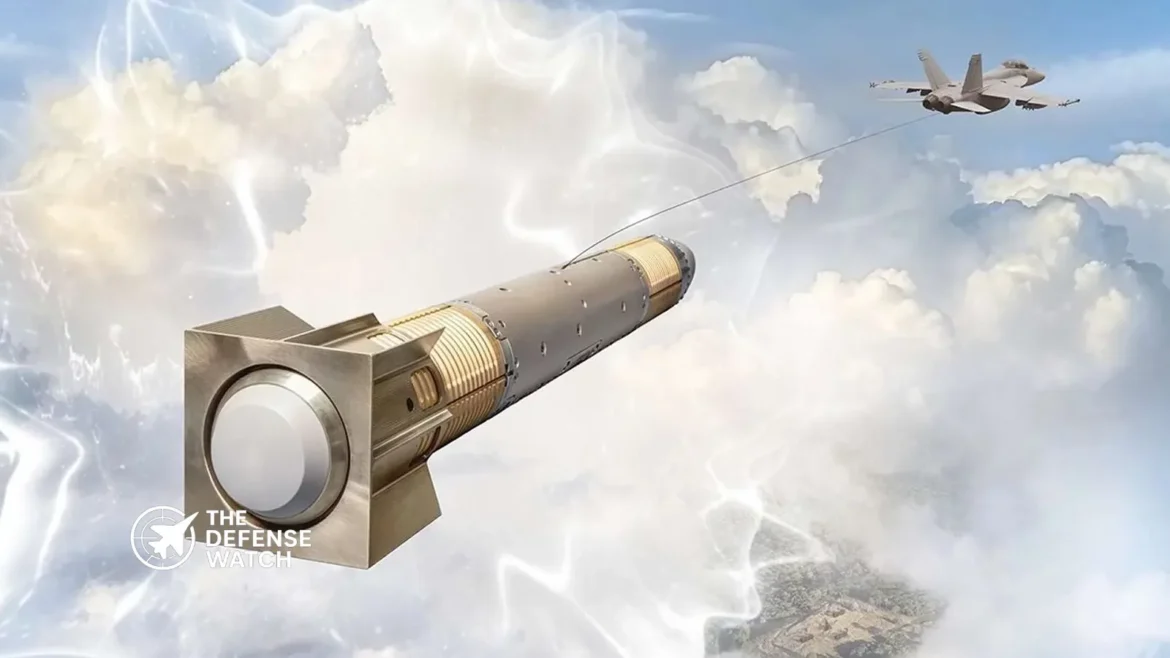
The U.S. Navy has allocated 73.8 million dollars for radio frequency decoys designed to protect fighter aircraft from advanced missile threats, marking a significant step in modernizing airborne self protection systems. The funding supports the continued procurement and sustainment of expendable electronic warfare decoys used to confuse and defeat radar guided air to air and surface to air missiles.
According to reporting by Army Recognition and U.S. defense contracting disclosures, the investment focuses on enhancing survivability for frontline Navy and Marine Corps tactical aircraft operating in contested airspace. These systems form a critical layer of electronic warfare protection as near peer adversaries deploy more capable sensors and missile seekers.
Contract Details and Program Scope
The funding covers production, logistics support, and system sustainment for radio frequency decoys already fielded across multiple U.S. Navy aviation platforms. These decoys emit signals that mimic or distort the radar signature of the host aircraft, drawing incoming missiles away from the target.
Such systems are commonly integrated with onboard electronic warfare suites, allowing pilots to deploy them automatically or manually when a threat is detected. The Navy has emphasized the importance of layered defenses that combine radar warning receivers, jamming, expendable decoys, and tactical maneuvering.
Authoritative defense sources note that radio frequency decoys are particularly effective against modern missiles that use active radar seekers, which are increasingly common in advanced integrated air defense systems.
Growing Threat from Advanced Missiles
The investment reflects the evolving threat environment faced by U.S. naval aviation. Potential adversaries continue to field longer range and more resistant radar guided missiles designed to counter traditional jamming techniques.
Military analysts cited by Aviation Week and Janes have highlighted that expendable decoys provide a cost effective countermeasure against high end missile systems, forcing adversaries to expend expensive interceptors while improving aircraft survivability.
Role in Navy and Marine Corps Aviation
Radio frequency decoys are used across a range of Navy and Marine Corps platforms, including carrier based strike fighters and expeditionary aircraft. Their modular design allows integration without major airframe modifications, supporting rapid deployment across fleets.
The Navy has previously stated that electronic warfare remains a cornerstone of its air superiority strategy, particularly in scenarios involving dense air defense networks and contested maritime regions.
This funding aligns with broader Department of Defense efforts to prioritize survivability, mission assurance, and freedom of maneuver in high threat environments.
Strategic and Budget Context
The 73.8 million dollar allocation fits within a larger pattern of U.S. defense spending focused on electronic warfare, cyber defense, and counter missile technologies. Budget documents and congressional testimony have consistently emphasized the need to stay ahead of rapidly advancing threat systems.
By continuing investment in proven radio frequency decoy technologies, the Navy signals its intent to maintain operational readiness while preparing for future conflicts that demand robust electronic protection.

Raytheon awarded $19.3M Rolling Airframe Missile support contract
Raytheon has secured a $19.3 million U.S. Navy contract modification to provide ongoing design agent and engineering support for the Rolling Airframe Missile, a key short range naval air defense weapon used by the United States and allied fleets.
The award was issued to Raytheon Co. in Tucson, Arizona, under a cost plus fixed fee modification to an existing contract. The work supports the Rolling Airframe Missile program and extends through March 2028. Naval Sea Systems Command in Washington, D.C. is the contracting authority.
According to U.S. Department of Defense contract disclosures, the effort combines funding from the U.S. Navy and multiple Foreign Military Sales partners, reflecting the system’s broad international footprint and continued operational relevance.
Contract details and funding breakdown
The $19,299,600 modification exercises options for continued technical and engineering services tied to the Rolling Airframe Missile, commonly known as RAM. These services typically include configuration management, system updates, reliability improvements, and lifecycle sustainment engineering.
Funding is split across the U.S. Navy and five allied nations:
- U.S. Navy, 69 percent
- Japan, 25 percent
- Qatar, 3 percent
- South Korea, 2 percent
- Canada, 1 percent
The contract draws from a mix of Navy weapons procurement, research and development, and other procurement accounts across fiscal years 2025 and 2026. A portion of the funds will expire at the end of the current fiscal year, in line with standard U.S. defense budget rules.
All work will be performed in Tucson, Arizona, where Raytheon maintains major missile development and integration facilities.
Rolling Airframe Missile remains a frontline naval defense system
The Rolling Airframe Missile is a lightweight, quick reaction weapon designed to defeat anti ship cruise missiles, aircraft, and helicopters at close range. It is widely deployed aboard U.S. Navy surface combatants, including destroyers, cruisers, and amphibious ships, as well as on allied naval platforms.
RAM is known for its autonomous guidance, passive radio frequency homing, and infrared tracking, allowing it to engage threats with minimal shipboard input. This makes it especially valuable in high saturation attack scenarios where reaction time is limited.
The system is jointly developed and produced by Raytheon and Germany’s MBDA Deutschland, and has been fielded by more than a dozen navies worldwide.
Allied demand drives continued investment
The inclusion of Japan, South Korea, Qatar, and Canada in the funding profile highlights sustained allied demand for RAM support and upgrades. Japan, which accounts for a quarter of the contract value, operates RAM on several classes of destroyers and has steadily expanded its missile defense investments in response to regional threats.
South Korea and Qatar both field RAM to protect high value surface combatants, while Canada uses the system as part of its naval point defense architecture.
Foreign Military Sales participation ensures system commonality across fleets, supports shared logistics and training, and helps lower long term sustainment costs for all users.
Part of a broader U.S. Navy missile defense effort
The contract aligns with the U.S. Navy’s ongoing focus on layered ship self defense. While larger systems such as the Standard Missile and Evolved Sea Sparrow Missile provide area and medium range protection, RAM fills the final defensive layer against incoming threats that penetrate outer defenses.
As potential adversaries field faster, more maneuverable, and more numerous anti ship weapons, the Navy continues to invest in proven close in missile systems that can be upgraded incrementally rather than replaced outright.
Design agent and engineering support contracts like this one are critical to keeping legacy systems effective against evolving threats without major platform changes.
Raytheon role in naval missile modernization
Raytheon remains one of the U.S. defense industry’s leading missile developers, with a portfolio that includes RAM, Standard Missile variants, Tomahawk, and Patriot. The Tucson site plays a central role in missile design, testing, and sustainment across multiple Navy and allied programs.
This award reinforces Raytheon’s long term position as the primary technical authority for the Rolling Airframe Missile and signals continued confidence from both the U.S. Navy and international partners.

Delays in the Golden Dome missile defense program are raising concerns on Capitol Hill as lawmakers await the White House’s detailed architecture briefing. Rep Jeff Crank, a Republican from Colorado and a leading advocate for the project, described the wait for key program documents as frustrating and said the gap in delivery could jeopardize schedule goals.
Lawmaker: White House Delay Risks Momentum
Rep Jeff Crank said he has seen classified briefings on the Golden Dome architecture but is still waiting for formal documentation Congress can use for oversight and budget action. The White House had been expected to provide that material by the end of 2025, and the absence of a comprehensive plan has left members and staff without a clear basis for legislative review.
Crank helped launch the informal House Golden Dome Caucus with Rep Dale Strong of Alabama to educate lawmakers and staff on the program and build connections with defense leaders in industry and the Pentagon. The caucus backers stress keeping the program on schedule is critical to delivering a prototype by 2028, a target linked to White House timelines.
Comparisons to SDI and Political Context
In public remarks and interviews, Crank referenced the 1980s Strategic Defense Initiative and the risks of losing momentum without clear milestones. He said a defined timeline and shared understanding are essential for proving technical feasibility and maintaining support.
The Golden Dome initiative was established by executive order in January 2025 and has rapidly drawn industry interest, with thousands of companies joining a Missile Defense Agency contract vehicle that could support development work totaling tens of billions of dollars.
Oversight, Budget and Policy Challenges
The lack of detailed architecture has complicated congressional oversight and budget planning. In related congressional actions, the Defense Department has been asked to explain how it plans to spend billions already approved for the effort, with appropriators seeking detailed cost, schedule and performance data within set deadlines.
Lawmakers have also raised questions about policy around domestic drone flight and counter-drone defense measures, which form part of the layered capability the Golden Dome strategy aims to include. These discussions touch on authority boundaries among federal agencies and could affect how the system’s components operate on U.S soil.
Industry Engagement and Broader Defense Plan
Despite the delays in formal guidance, the program continues to mobilize industry. A broad Missile Defense Agency contract vehicle effort has attracted thousands of vendors, indicating strong defense industrial base interest in potential Golden Dome work.
The broader national defense policy landscape also includes substantial increases in strategic defense and missile defense spending, underscoring how Golden Dome fits into wider U.S priorities for layered homeland defense and deterrence.
Road Ahead for Golden Dome
Supporters maintain that progress is possible even with delays in formal White House documentation, and some lawmakers have signaled openness to exploring scaled-back options if necessary to meet key milestones. That conversation may shape how Congress funds and oversees development in the months ahead.