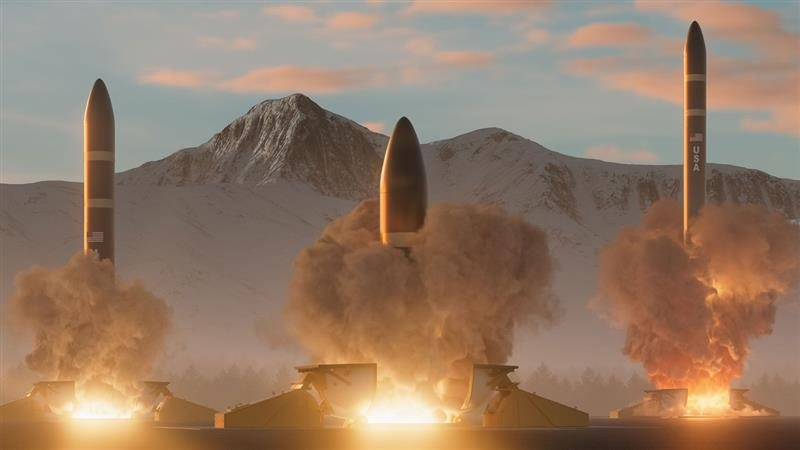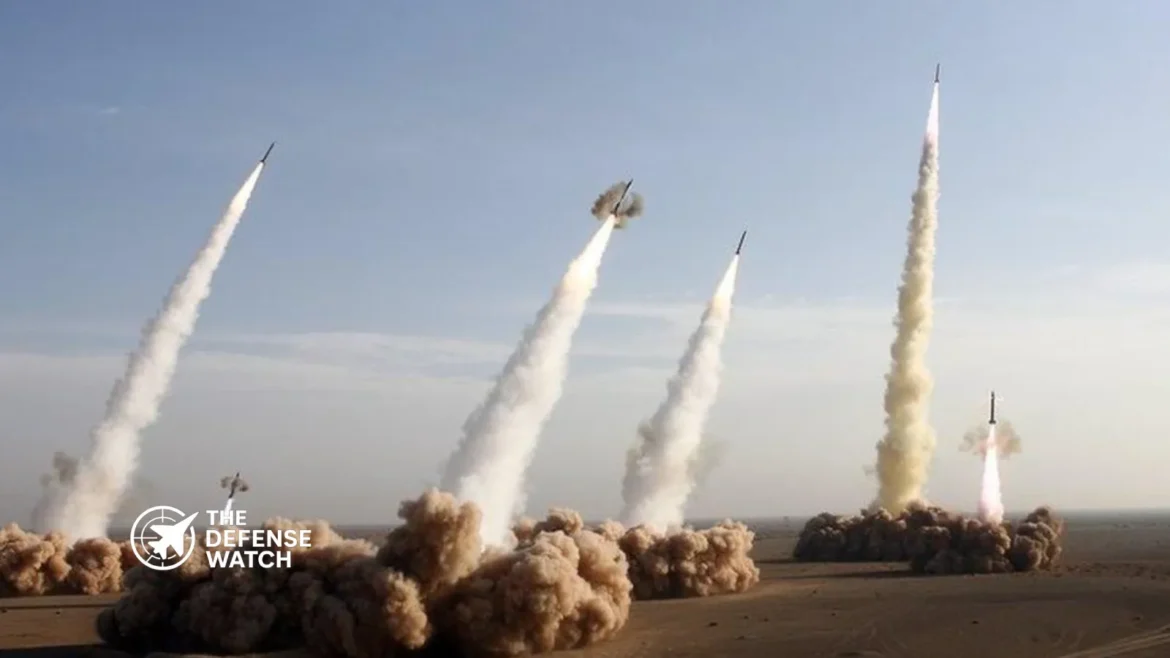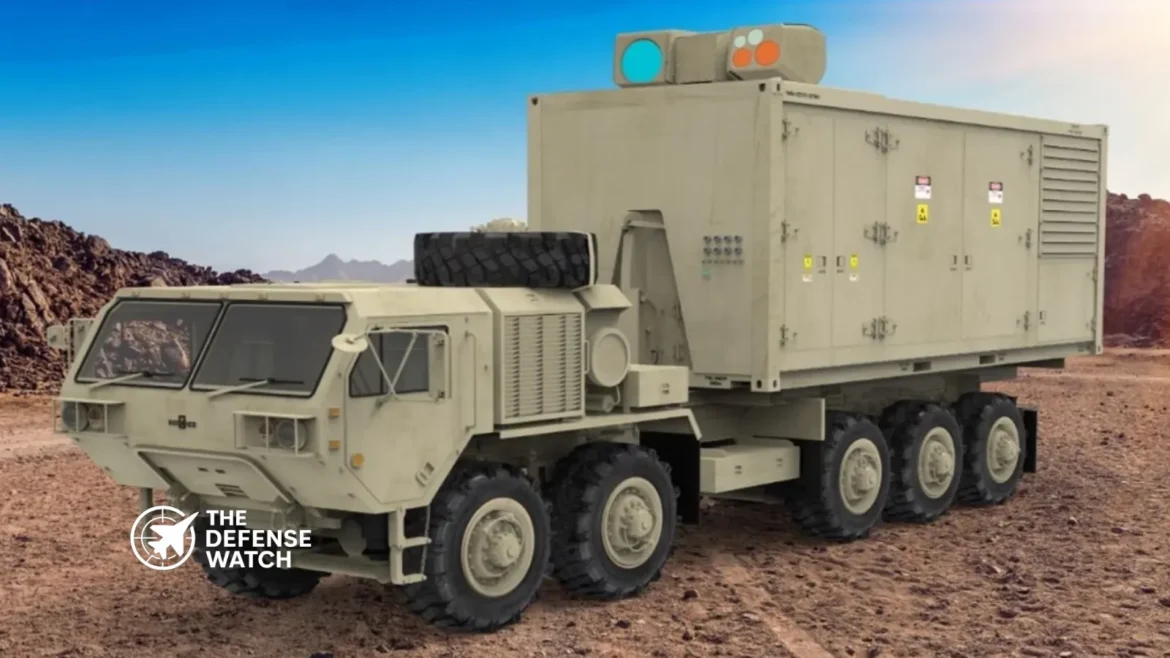
- U.S. Army redirects its laser air defense effort to a Navy-led program.
- Directed energy systems will support the Navy’s Golden Dome architecture.
- Move reflects Pentagon push for integrated, layered missile defense.
- Focus shifts toward countering drones and low-altitude threats.
- Consolidation aims to accelerate deployment and reduce duplication.
U.S. Army Laser Defense Program Shift Signals New Phase In Integrated Air Defense
The U.S. Army laser defense program has been redirected to support the U.S. Navy’s Golden Dome initiative, marking a significant step toward a unified, layered air and missile defense architecture.
This decision reflects a broader Pentagon effort to streamline directed energy development and integrate capabilities across services, according to reporting from Army Recognition and official defense sources.
The Big Picture
The U.S. military is accelerating efforts to field layered air and missile defense systems capable of countering increasingly complex threats, including drones, cruise missiles, and loitering munitions.
Directed energy weapons, particularly high-energy lasers, are central to this strategy. They offer a low cost per shot, deep magazines, and rapid engagement speeds compared to traditional interceptors.
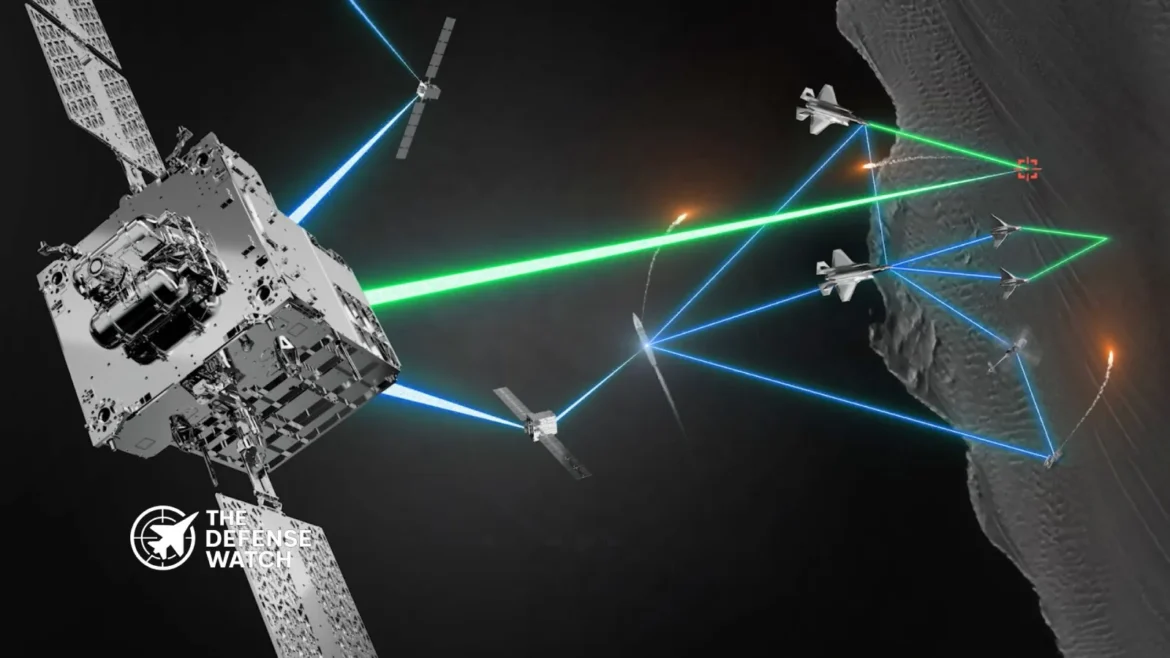
The Golden Dome concept represents a multi-layered defensive architecture designed to integrate sensors, interceptors, and emerging technologies across domains. Aligning Army and Navy laser efforts under this framework suggests a shift from service-specific programs toward joint operational capability.
What’s Happening
The U.S. Army has redirected its laser-based air defense efforts to align with a U.S. Navy program tied to the Golden Dome initiative.
The move effectively transfers responsibility for certain directed energy developments from the Army to the Navy, with the goal of integrating these capabilities into a broader naval-led air and missile defense system.
The decision comes as the Pentagon seeks to avoid duplication across services and accelerate the deployment of operational laser systems.
The focus remains on countering low-altitude aerial threats such as drones and loitering munitions, which have proven highly disruptive in recent conflicts.
Why It Matters
This shift highlights a growing recognition that future air defense systems must operate as integrated networks rather than isolated platforms.
Laser weapons are particularly well suited for countering drone swarms and low-cost threats that can overwhelm traditional missile defenses. By consolidating development under a unified architecture, the Pentagon aims to improve interoperability and reduce logistical complexity.
The move also reflects budget realities. Directed energy programs have historically faced funding challenges and technical hurdles. Combining efforts may improve efficiency and accelerate progress toward operational deployment.
Strategic Implications
The integration of the U.S. Army laser defense program into the Navy’s Golden Dome initiative strengthens the U.S. military’s ability to build a layered defense against evolving threats.
A unified system enhances situational awareness and enables faster decision-making across domains, from land to sea.
This approach also supports distributed operations, a key concept in modern U.S. military doctrine, where forces operate across wide geographic areas while remaining connected through integrated networks.
Over time, this could improve deterrence by demonstrating the ability to counter massed, low-cost attacks that adversaries increasingly rely on.
Competitor View
China and Russia are closely watching U.S. progress in directed energy and integrated air defense.
China has invested heavily in counter-drone systems and laser technologies, viewing them as critical for both homeland defense and expeditionary operations.
Russia, drawing lessons from conflicts involving drone saturation, is likely to interpret this move as part of a broader U.S. effort to neutralize asymmetric aerial threats.
Both countries may accelerate their own directed energy programs in response, particularly in areas related to power generation, beam control, and operational deployment.
What To Watch Next
Key developments to monitor include:
- Integration milestones within the Golden Dome architecture
- Field testing of laser systems in operational environments
- Procurement decisions and funding allocations
- Deployment timelines for initial operational capability
The pace of integration will be a critical indicator of whether the consolidation delivers the intended benefits.
Capability Gap
The U.S. Army laser defense program aims to address a clear operational gap: the need for cost-effective defenses against large numbers of low-cost aerial threats.
Traditional missile systems are expensive and limited in magazine depth, making them less effective against drone swarms.
However, laser systems still face limitations, including power generation, atmospheric interference, and range constraints. These factors could affect performance in contested or adverse environments.
Despite these challenges, integrating laser systems into a broader defensive network increases their overall effectiveness.
The Bottom Line
The redirection of the U.S. Army laser defense program to the Navy’s Golden Dome initiative signals a decisive shift toward integrated, multi-domain air defense built around emerging directed energy capabilities.

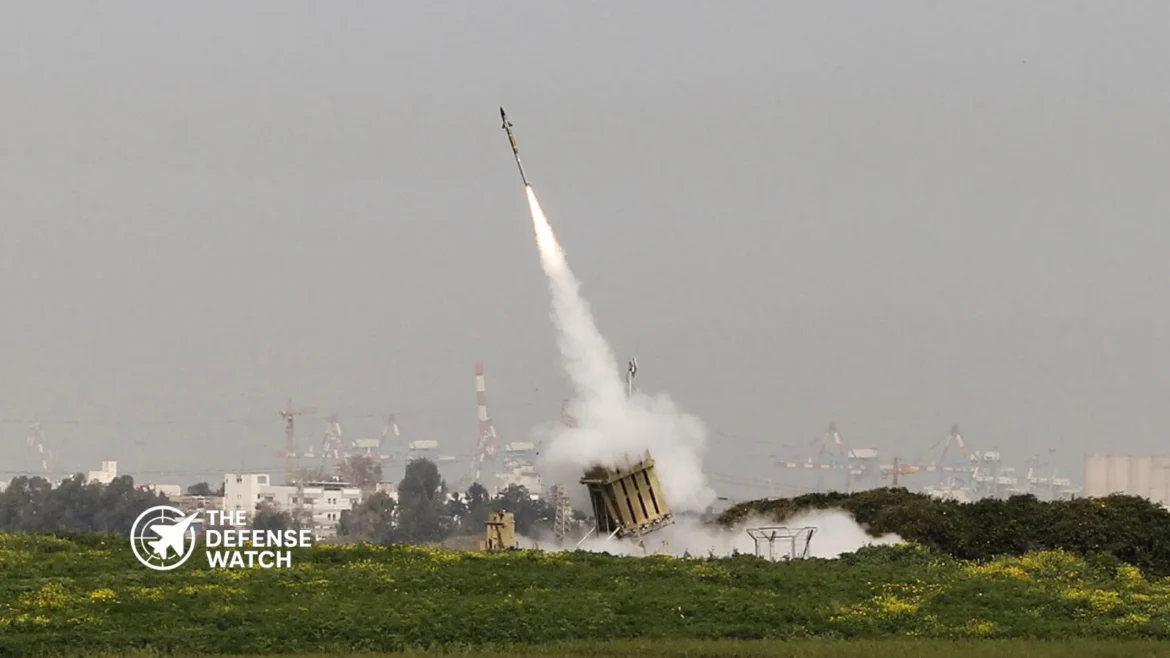
- Volkswagen is in talks to produce components for the Iron Dome system at a German facility.
- The plan involves repurposing an underutilized auto plant to support missile defense production.
- The move reflects Europe’s effort to expand domestic defense manufacturing capacity.
- Discussions are ongoing, with no finalized contract or production timeline confirmed.
- The initiative highlights growing civil military industrial integration across NATO economies.
Volkswagen Iron Dome Production Talks Signal Industrial Shift
Volkswagen Iron Dome production discussions highlight a potential shift in Europe’s defense industrial base, as the German automaker explores manufacturing missile defense components at a struggling domestic plant.
According to reporting by Defense News, the talks involve repurposing existing automotive manufacturing capacity to support production linked to Israel’s Iron Dome air defense system, widely used for intercepting short range rockets and artillery threats.
The initiative reflects both economic and strategic pressures facing Europe, as governments seek to expand defense output while stabilizing key industrial sectors.
The Big Picture
European governments are accelerating efforts to strengthen defense production capacity amid rising security concerns following the Russia Ukraine War.
Germany in particular has committed to rebuilding its defense industrial base after decades of underinvestment. Berlin’s €100 billion special defense fund and NATO obligations have driven demand for faster procurement and localized manufacturing.
At the same time, Europe’s automotive sector faces declining demand, high energy costs, and increasing competition from electric vehicle producers, especially from China. This overlap has created a strategic opportunity to redirect industrial capacity toward defense production.
Volkswagen’s potential entry into missile defense manufacturing sits at the intersection of these trends.
What’s Happening
Volkswagen is reportedly in early stage discussions to produce components for the Iron Dome, originally developed by Rafael Advanced Defense Systems in partnership with Israel Aerospace Industries.
The plan would involve converting a German auto plant that is currently underutilized due to slowing vehicle demand. While specific locations and components have not been officially confirmed, the concept centers on leveraging Volkswagen’s advanced manufacturing capabilities for precision defense production.
No formal agreement has been signed, and discussions remain exploratory.
Why It Matters
Iron Dome has become one of the most combat proven short range air defense systems in the world. It has demonstrated high interception rates against rockets and drones, particularly in operational use by Israel.
European countries are increasingly interested in layered air and missile defense systems, especially as drone and rocket threats proliferate in modern conflict environments.
By participating in Iron Dome production, Germany could:
- Shorten supply chains for critical defense systems
- Reduce reliance on external suppliers
- Accelerate deployment timelines for European customers
For Volkswagen, the move offers a pathway to diversify revenue and stabilize production capacity during a challenging period for the automotive sector.
Strategic Implications
The integration of civilian industrial giants like Volkswagen into defense production signals a broader transformation across NATO economies.
This shift enhances surge capacity, allowing countries to scale production rapidly during crises. It also strengthens resilience against supply chain disruptions, which have proven critical in recent conflicts.
Germany’s potential role in Iron Dome manufacturing could position it as a key node in Europe’s air defense ecosystem, complementing existing systems such as Patriot and future initiatives like the European Sky Shield.
At a structural level, this reflects a return to dual use industrial strategies, where civilian manufacturing supports military readiness.
Competitor View
Russia is likely to interpret expanded European missile defense production as a direct challenge to its ability to project conventional power near NATO borders.
China may view the development as part of a broader Western effort to integrate industrial and defense capabilities, particularly in response to long term strategic competition.
Iran, which has invested heavily in missile and drone capabilities, could see wider Iron Dome adoption as reducing the effectiveness of its proxy warfare model in the Middle East and potentially beyond.
These reactions align with existing geopolitical dynamics rather than representing new escalatory steps.
What To Watch Next
Key developments to monitor include:
- Formal confirmation of any Volkswagen defense manufacturing agreements
- Identification of the specific German facility involved
- Clarification on which Iron Dome components would be produced
- Potential expansion of similar partnerships across Europe
Observers should also watch whether other automotive manufacturers follow a similar path into defense production.
Capability Gap
Europe faces a growing gap in short range air defense coverage, particularly against drones, rockets, and loitering munitions.
Iron Dome addresses this gap effectively, but scaling deployment requires increased production capacity. Current manufacturing remains concentrated outside Europe, limiting rapid availability.
However, integrating automotive production lines into defense manufacturing presents challenges:
- Certification and quality standards differ significantly
- Workforce retraining is required
- Supply chains must adapt to defense grade materials
These constraints mean any transition will take time before reaching full operational impact.
The Bottom Line
Volkswagen Iron Dome production talks reflect a deeper shift as Europe mobilizes its industrial base to meet rising air defense demands.

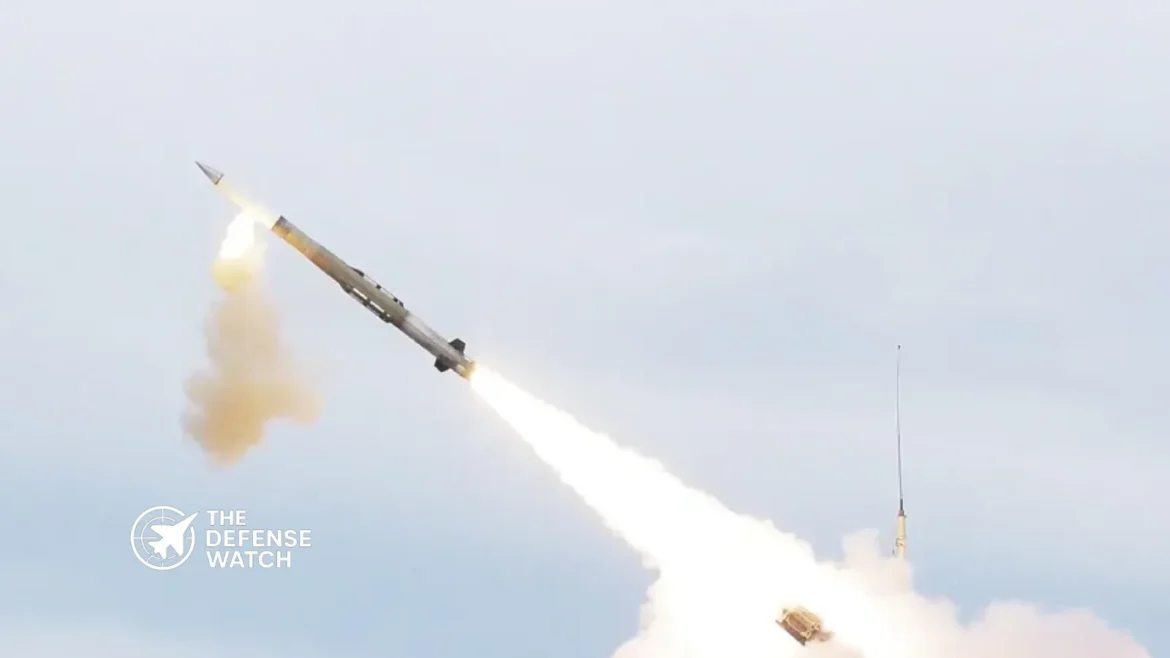
- The PAC-3 interceptor demonstrated extremely high effectiveness during recent missile defense testing.
- The missile uses hit-to-kill technology designed to destroy ballistic and advanced maneuvering threats.
- Testing reflects growing demand for layered missile defense against emerging hypersonic weapons.
- The Patriot PAC-3 system remains a key component of U.S. and allied air and missile defense architecture.
- Modernization of missile defense systems is accelerating amid rising global missile threats.
PAC-3 Interceptor Shows Strong Performance Against Emerging Missile Threats
The PAC-3 interceptor has demonstrated extremely high effectiveness against ballistic and hypersonic missile threats during recent testing, reinforcing the growing importance of advanced missile defense systems in modern military operations.
The interceptor is a central component of the Patriot air and missile defense system, widely deployed by the United States and numerous allied nations. Its latest testing highlights the system’s capability to defeat increasingly complex missile threats that are reshaping global defense planning.
The Big Picture
Missile defense has become a critical pillar of U.S. and allied military modernization strategies. Nations such as China, Russia, Iran, and North Korea continue to expand their arsenals of ballistic and advanced maneuvering missile systems, including hypersonic weapons designed to evade traditional defenses.
These developments have increased the urgency for layered missile defense architectures capable of detecting, tracking, and intercepting high-speed threats across multiple phases of flight.
The PAC-3 interceptor sits at the center of this architecture. Integrated within the Patriot system, it provides terminal phase missile defense against short and medium range ballistic missiles, cruise missiles, and advanced aerial threats.
Recent testing results underscore the system’s continued relevance as militaries seek to counter evolving missile technologies.
What’s Happening
Recent missile defense testing demonstrated the PAC-3 interceptor successfully engaging advanced target threats designed to replicate modern ballistic and hypersonic missile profiles.
The interceptor uses hit-to-kill technology, which destroys incoming threats through direct kinetic impact rather than relying on explosive warheads. This approach increases interception accuracy and reduces the risk of debris or secondary damage.
The PAC-3 missile is part of the Patriot Advanced Capability program developed by Lockheed Martin and integrated within the Patriot air and missile defense system, originally developed by Raytheon.
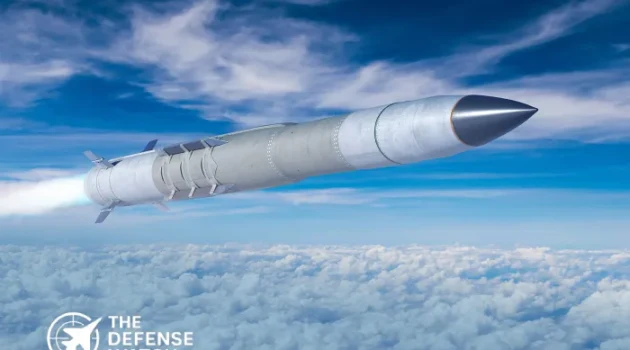
Modern variants such as the PAC-3 Missile Segment Enhancement (MSE) feature improved propulsion, enhanced maneuverability, and extended engagement ranges. These upgrades allow the interceptor to engage faster and more agile threats compared to earlier Patriot interceptors.
Testing typically takes place at U.S. missile ranges such as the White Sands Missile Range, where advanced target vehicles simulate real-world missile attack profiles.
Why It Matters
The demonstrated effectiveness of the PAC-3 interceptor is significant because missile threats are evolving faster than many existing defense systems.
Ballistic missiles continue to proliferate globally, while hypersonic weapons introduce additional challenges due to their high speed and maneuverability. Hypersonic glide vehicles can change trajectory during flight, complicating traditional interception methods.
The PAC-3 interceptor provides a critical terminal defense layer within a broader integrated missile defense network. Systems such as the Patriot battery often protect high-value assets including air bases, command centers, and critical infrastructure.
Operational experience has reinforced the system’s importance. Patriot systems equipped with PAC-3 interceptors have been deployed in Europe, the Middle East, and the Indo-Pacific to defend allied forces and infrastructure.
Strategic Implications
Effective missile defense enhances deterrence by reducing the potential impact of adversary missile strikes. The performance of the PAC-3 interceptor supports broader U.S. and allied strategies aimed at strengthening integrated air and missile defense.
Countries across Europe, the Middle East, and Asia continue to invest heavily in Patriot systems and PAC-3 interceptors as missile threats expand regionally.
Several NATO members are increasing procurement as part of Europe’s evolving air and missile defense architecture. Similarly, partners in the Indo-Pacific view Patriot systems as a key defense against regional missile capabilities.
By demonstrating strong effectiveness during testing, the PAC-3 program helps reinforce confidence among allied militaries that rely on the system for frontline missile defense.
Competitor View
Strategic competitors closely monitor developments in U.S. missile defense technologies.
China and Russia have invested heavily in maneuverable hypersonic systems partly designed to complicate existing missile defense networks. Systems such as Russia’s Avangard hypersonic glide vehicle and China’s DF-17 hypersonic missile reflect this trend.
These weapons aim to exploit gaps in traditional air defense by flying at extremely high speeds and maneuvering during flight.
Testing results showing strong performance from interceptors like PAC-3 signal that missile defense technologies are continuing to evolve in response.
Capability Gap
The PAC-3 interceptor addresses a key operational challenge in modern warfare, defending against short and medium range ballistic missiles during the final phase of flight.
While the system provides highly effective terminal defense, it represents only one layer within a broader missile defense architecture.
Long range ballistic missiles and advanced hypersonic weapons may require additional systems such as high altitude interceptors, space based sensors, and early warning networks.
For this reason, U.S. missile defense strategy relies on a layered structure combining Patriot, THAAD, Aegis Ballistic Missile Defense, and emerging hypersonic defense programs.
What To Watch Next
Several developments will shape the future of the PAC-3 interceptor program.
Production of PAC-3 MSE interceptors continues to expand to meet growing global demand. The United States and allied nations are also investing in improved radar systems, enhanced command and control networks, and integrated air defense frameworks.
Future upgrades could further increase interception ranges, engagement speeds, and system integration across multi domain defense networks.
As missile threats continue to evolve, testing and modernization efforts will remain essential to maintaining the effectiveness of the Patriot system.
The Bottom Line
The PAC-3 interceptor remains a cornerstone of modern missile defense, providing proven capability against ballistic and emerging hypersonic missile threats.
- Raytheon has completed expansion of its missile integration facility in Huntsville, Alabama.
- The $115 million project added about 26,000 square feet of production and integration space.
- The facility supports U.S. missile defense programs including the Standard Missile family and Glide Phase Interceptor.
- The expansion increases production capacity by more than 50 percent and adds roughly 185 jobs.
- The project strengthens U.S. missile defense manufacturing amid rising demand for advanced interceptors.
Raytheon Alabama Missile Integration Facility Expansion
The Raytheon Alabama missile integration facility expansion marks a significant step in strengthening the United States’ missile production capacity as demand for advanced air and missile defense systems continues to grow.
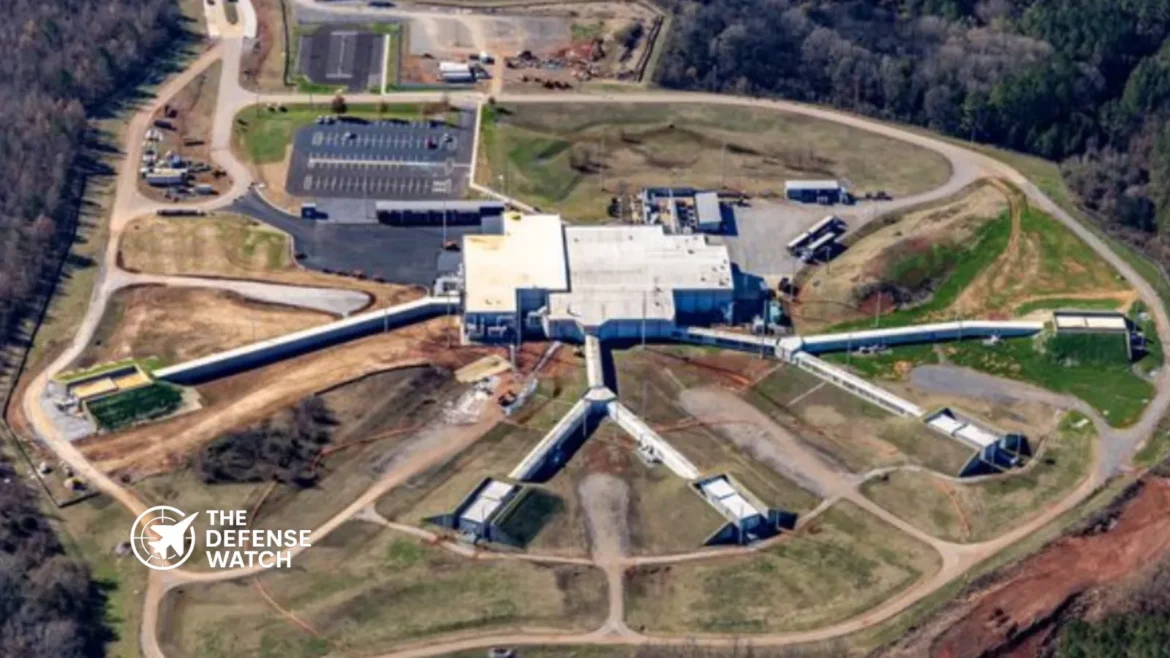
Raytheon, a business unit of RTX, completed the expansion of its Redstone Missile Integration Facility in Huntsville, Alabama, adding roughly 26,000 square feet of new production space and increasing the site’s integration capacity by more than 50 percent. The $115 million investment aims to accelerate delivery of critical missile defense systems for the U.S. military and allied partners.
The Huntsville facility serves as a final integration hub for several major U.S. missile programs operated by the U.S. Navy, the Missile Defense Agency, and other defense customers.
The Big Picture
U.S. defense planners have increasingly emphasized expanding the industrial base that supports missile production. Rising demand for interceptors and air defense systems has exposed capacity constraints across the U.S. defense manufacturing sector.
Recent conflicts and emerging threats, particularly hypersonic weapons and advanced cruise missiles, have pushed the Pentagon to accelerate missile procurement programs. These trends have forced defense contractors to expand production infrastructure to meet both U.S. and allied demand.
The Raytheon Alabama missile integration facility expansion reflects a broader effort by the U.S. Department of Defense to scale up missile defense manufacturing. Huntsville has become one of the most important hubs in this ecosystem, often called the center of U.S. missile defense development.
Multiple government agencies and contractors operate major programs in the region, including the Missile Defense Agency, NASA’s Marshall Space Flight Center, and several large defense contractors.
What’s Happening
Raytheon originally opened the Redstone Missile Integration Facility in 2012. The site integrates multiple missile systems before delivery to military customers.
The newly completed expansion increases production floor space by more than half and adds approximately 185 new jobs, bringing Raytheon’s workforce in Alabama to more than 2,200 employees.
The facility integrates multiple variants of the Standard Missile family, including:
- Standard Missile 3
- Standard Missile 6
These interceptors form a core component of U.S. naval missile defense architecture. They support missions ranging from ballistic missile interception to advanced air defense.
The facility will also support development and integration work for the Glide Phase Interceptor program, a next generation system designed to defeat hypersonic glide vehicles.
The Glide Phase Interceptor is expected to become one of the most important future missile defense capabilities for the United States and its allies.
Why It Matters
Expanding missile integration capacity directly addresses one of the Pentagon’s biggest challenges, scaling production of complex missile systems.
Missile defense programs require sophisticated integration work that combines guidance systems, propulsion units, warheads, and sensor packages into operational interceptors. Integration facilities like the one in Huntsville represent the final step before systems are delivered to military units.
Increasing this capacity allows Raytheon to shorten production timelines and deliver more systems to operational forces.
This matters at a time when the United States is replenishing interceptor inventories while simultaneously developing new systems designed to counter emerging threats.
The expansion also strengthens supply chain resilience. The defense industrial base has struggled in recent years with production bottlenecks and limited manufacturing capacity for advanced weapons.
By expanding integration infrastructure, Raytheon is positioning itself to support larger procurement orders expected from the U.S. Navy and Missile Defense Agency.
Strategic Implications
Missile defense remains a central element of U.S. deterrence strategy.
Standard Missile interceptors deployed aboard Aegis destroyers and cruisers provide a layered defense against ballistic missiles, cruise missiles, and aircraft. Increasing the rate at which these interceptors can be produced improves fleet readiness.
The addition of Glide Phase Interceptor production capability also signals a shift toward counter hypersonic defense.
Hypersonic glide vehicles travel at extreme speeds while maneuvering unpredictably during flight. Traditional missile defense systems struggle to intercept these weapons during the boost or terminal phases.
The Glide Phase Interceptor aims to engage these threats during their glide phase, a critical but technically challenging window.
By expanding the Huntsville facility, Raytheon is aligning its production capacity with this next generation mission set.
Competitor View
Strategic competitors such as China and Russia closely monitor U.S. missile defense infrastructure developments.
Both countries are rapidly expanding their own missile arsenals, including hypersonic weapons and advanced ballistic missile systems.
In response, U.S. missile defense modernization aims to maintain credible deterrence by improving interception capabilities and increasing available interceptor inventories.
Expanded manufacturing capacity signals to competitors that the United States intends to sustain large scale missile defense deployments while developing new technologies to counter emerging threats.
What To Watch Next
Several developments will determine how the expanded facility shapes future missile defense capabilities.
First, the Glide Phase Interceptor program remains in early development. Testing and design validation over the next several years will determine production timelines.
Second, procurement decisions by the U.S. Navy and Missile Defense Agency will influence how quickly interceptor production ramps up.
Third, allied demand for missile defense systems is increasing. Many U.S. partners rely on American produced interceptors for integrated air and missile defense architectures.
As a result, the Huntsville facility may play an increasingly important role in supporting both U.S. and allied missile defense networks.
Capability Gap
The Raytheon Alabama missile integration facility expansion addresses a clear operational gap.
The U.S. military requires larger inventories of missile interceptors to counter expanding missile threats from peer and regional adversaries.
However, missile production has historically been constrained by limited industrial capacity and complex manufacturing requirements.
Expanding integration infrastructure helps close this gap by enabling faster assembly, testing, and delivery of advanced missile systems.
That said, scaling missile production still depends on broader supply chain performance, including propulsion systems, guidance electronics, and specialized materials.
Integration capacity alone cannot fully eliminate production bottlenecks across the defense industrial base.
The Bottom Line
Raytheon’s expanded Huntsville facility strengthens the U.S. missile defense industrial base and supports the next generation of interceptor programs.

- Thales launched the SkyDefender air and missile defence dome as a modular integrated air defense architecture.
- The system combines sensors, interceptors, and command networks using artificial intelligence enabled decision support.
- SkyDefender targets modern threats such as drones, cruise missiles, and complex saturation attacks.
- The architecture is designed to integrate existing national air defense systems and future interceptors.
- The concept reflects growing demand for layered and networked air defense systems worldwide.
SkyDefender Air And Missile Defence Dome
The SkyDefender air and missile defence dome unveiled by Thales Group represents a new approach to integrated air defense, combining sensors, command networks, and interceptors into a unified architecture designed to counter modern aerial threats. The company presented the system as a flexible framework capable of linking multiple defensive layers into a coordinated defensive shield.
The concept reflects a growing shift in air defense strategy. Military planners increasingly focus on integrated networks rather than standalone missile batteries. Systems like SkyDefender aim to manage diverse threats ranging from small drones to cruise missiles within a single command environment.
The Big Picture
Air defense has entered a period of rapid change. The war in Ukraine, the spread of long range precision weapons, and the proliferation of low cost drones have exposed weaknesses in traditional air defense structures.
Most legacy systems were designed primarily to counter aircraft or ballistic missiles. Today’s threat environment includes swarms of drones, loitering munitions, cruise missiles, and mixed attack packages designed to overwhelm defenses.
Western militaries have responded by pursuing layered and networked air defense models. These architectures connect radar sensors, command centers, electronic warfare assets, and missile launchers across multiple ranges.
The SkyDefender air and missile defence dome reflects this trend. Instead of a single weapon system, it acts as an integration framework designed to manage different defensive assets within one operational picture.
What Is Happening
According to information released alongside the announcement, the SkyDefender architecture integrates surveillance sensors, command and control software, and multiple interceptor systems into a single defensive network.
The architecture uses artificial intelligence assisted decision tools to analyze incoming threats and recommend responses to operators. This capability allows commanders to prioritize targets and coordinate multiple defensive layers.
The system is designed to operate as a modular structure. Nations can integrate their existing radars, missile batteries, and electronic warfare systems into the SkyDefender command environment rather than purchasing entirely new hardware.
Thales positioned the system as suitable for protecting critical infrastructure, military bases, or national airspace against complex attack scenarios.
Why It Matters
The emergence of systems like the SkyDefender air and missile defence dome reflects a broader transformation in air defense doctrine.
Modern conflicts increasingly involve multi vector attacks. Adversaries may launch drones, cruise missiles, and electronic warfare effects simultaneously. A single radar or interceptor system cannot manage that complexity alone.
Integrated architectures address this challenge by creating a unified air picture across all sensors and weapons. Command software then assigns interceptors based on range, probability of kill, and cost effectiveness.
Artificial intelligence plays a growing role in this process. Automated tools help operators filter large volumes of data and respond to threats within seconds.
Without such tools, defending against saturation attacks could overwhelm even advanced air defense networks.
Strategic Implications
Integrated systems such as SkyDefender support a broader shift toward distributed air defense across NATO and partner nations.
Many European states currently operate a mix of national systems acquired over decades. Integrating these assets into a common architecture could improve collective defense without requiring full replacement of existing platforms.
The concept also aligns with initiatives aimed at strengthening regional air defense cooperation. Multi nation projects increasingly focus on connecting sensors and interceptors across borders to build layered defensive coverage.
For military planners, the key advantage lies in flexibility. A software driven architecture allows operators to plug new sensors, interceptors, or directed energy systems into the network as technology evolves.
This approach reduces long term modernization costs while maintaining operational adaptability.
Competitor View
Russia and China have invested heavily in integrated air defense systems that combine long range radars, missile batteries, and command networks.
Moscow in particular emphasizes layered defensive structures capable of protecting strategic regions from precision strikes.
Western developments such as SkyDefender reflect an effort to maintain parity in network centric air defense capabilities.
From the perspective of potential adversaries, integrated defensive architectures increase the difficulty of conducting successful air campaigns. Attackers must overcome multiple defensive layers coordinated through a shared command network.
However, the effectiveness of these systems still depends on sensor coverage, interceptor inventory, and operator training.
What To Watch Next
The next phase for the SkyDefender concept will involve demonstrations and integration efforts with existing defense assets.
Key milestones to monitor include:
Operational testing with partner air defense systems
Integration with NATO command and control networks
Deployment of AI assisted decision support tools in operational environments
Adoption will likely depend on how easily the architecture integrates with existing national systems.
Capability Gap
The SkyDefender air and missile defence dome targets a specific operational weakness in many air defense networks.
Traditional systems often operate as isolated units with limited data sharing. This fragmentation slows response times and reduces the efficiency of interceptors during large scale attacks.
By connecting sensors and weapons into a unified command environment, SkyDefender aims to reduce this gap.
However, integration challenges remain. Different nations use diverse radar standards, communication protocols, and missile systems. Achieving full interoperability across these platforms requires extensive testing and standardization.
The Bottom Line
The SkyDefender air and missile defence dome represents a shift toward AI enabled, network driven air defense architectures designed to counter the growing complexity of modern aerial threats.

- Australia has provided AIM-120 AMRAAM missiles to strengthen the United Arab Emirates air defense against Iranian drones and aerial threats.
- The AIM-120 AMRAAM is an advanced active radar-guided air-to-air missile widely used by Western fighter aircraft and integrated air defense systems.
- The move reflects growing international concern about Iran’s expanding drone and missile capabilities across the Middle East.
- UAE operates modern Western fighter fleets including F-16 and Mirage 2000 aircraft capable of employing AMRAAM missiles.
- The transfer strengthens regional air defense networks aimed at countering unmanned aerial threats.
Australia Supplies AIM-120 AMRAAM Missiles To Strengthen UAE Air Defense
The transfer of AIM-120 AMRAAM missiles from Australia to the United Arab Emirates marks a new step in strengthening UAE air defense against Iranian drones and other aerial threats. The move reflects growing concern among regional and Western partners about the increasing use of unmanned systems in Middle Eastern conflicts.
(adsbygoogle = window.adsbygoogle || []).push({});Australia’s decision highlights expanding defense cooperation between Western partners and Gulf states seeking to improve their ability to intercept drones, cruise missiles, and hostile aircraft.
The Big Picture
Drone warfare has become a defining feature of modern conflict across the Middle East. Iran and its regional partners have invested heavily in low cost unmanned aerial systems capable of conducting reconnaissance and long range strike missions.
These drones have already appeared in multiple conflicts and security incidents involving Gulf infrastructure, shipping lanes, and military facilities. Countries in the region are therefore expanding layered air defense systems capable of detecting and destroying small, fast moving targets.
Missiles such as the AIM-120 AMRAAM play a critical role in this evolving defensive architecture. Originally developed for air to air combat, the missile has also been adapted for ground based air defense systems such as NASAMS.
By supplying additional missiles to the UAE, Australia contributes to a broader effort by Western aligned nations to strengthen regional deterrence against drone and missile threats.
What’s Happening
Australia has reportedly supplied AIM-120 Advanced Medium Range Air-to-Air Missiles (AMRAAM) to support the UAE air defense system as regional tensions involving Iran continue to rise.
The missile is one of the most widely deployed air-to-air weapons in Western inventories. Developed by the United States and produced by Raytheon, it uses active radar guidance to engage targets beyond visual range.
AMRAAM missiles can intercept:
- fighter aircraft
- cruise missiles
- unmanned aerial vehicles
- other aerial threats
The UAE operates several advanced fighter aircraft capable of employing the missile, including its fleet of F-16 Block 60 fighters and Mirage 2000 aircraft.
The additional missiles strengthen the UAE’s ability to counter drone swarms and other aerial attacks that may originate from regional adversaries.
Why It Matters
The supply of AIM-120 AMRAAM missiles highlights how air defense priorities are shifting as drones become more common on the battlefield.
Traditional air defense networks focused heavily on high performance aircraft and ballistic missiles. However, modern threats increasingly involve smaller systems such as loitering munitions and one way attack drones.
(adsbygoogle = window.adsbygoogle || []).push({});These platforms often fly at low altitude and can appear in large numbers, making interception more difficult.
Missiles like the AMRAAM offer several advantages in this environment:
- high speed interception
- advanced radar guidance
- compatibility with multiple launch platforms
- proven combat reliability
For countries such as the UAE, expanding missile inventories is essential to maintain sustained air defense operations during prolonged security crises.
Strategic Implications
The transfer of missiles reflects a wider international effort to strengthen Gulf security against Iran’s expanding drone and missile arsenal.
Iran has developed a diverse portfolio of unmanned systems ranging from reconnaissance drones to long range strike platforms capable of carrying explosive payloads. These systems have been exported or shared with regional partners and proxy groups.
Improving the UAE air defense system helps close potential vulnerabilities in protecting critical infrastructure such as:
- energy facilities
- military bases
- ports and shipping routes
- major urban centers
Enhanced air defense coverage also contributes to broader regional deterrence by raising the cost of any attempted drone or missile attacks.
Competitor View
From Tehran’s perspective, the reinforcement of Gulf air defense systems fits into a broader pattern of Western aligned states strengthening military cooperation against Iranian capabilities.
Iran has repeatedly emphasized the strategic value of its drone and missile forces as asymmetric tools that can challenge technologically superior adversaries.
Expanded missile inventories among Gulf states may therefore encourage Iran to further invest in:
- larger drone swarms
- stealthier unmanned systems
- longer range strike capabilities
- electronic warfare measures
This dynamic reflects the continuing competition between offensive drone capabilities and defensive interception technologies.
Capability Gap
The deployment of additional AIM-120 AMRAAM missiles addresses a key operational challenge facing many modern air defense systems: the ability to counter large numbers of low cost aerial threats.
Drone attacks often rely on saturation tactics designed to overwhelm defensive systems. Each interception consumes a missile, meaning defenders must maintain significant stockpiles to sustain operations.
(adsbygoogle = window.adsbygoogle || []).push({});While AMRAAM provides a reliable interception capability, it remains a relatively expensive weapon compared with many drones. This cost imbalance has driven many countries to explore complementary defenses such as:
- directed energy systems
- short range interceptors
- electronic warfare tools
Despite these limitations, AMRAAM remains one of the most trusted missile systems available for high probability aerial interception.
What To Watch Next
Several developments may shape how this capability evolves in the coming years.
First, Gulf states are likely to continue expanding integrated air defense networks linking fighter aircraft, ground based missile systems, and early warning radars.
Second, drone detection and counter drone technologies will receive increasing investment as unmanned threats grow more sophisticated.
Finally, deeper defense cooperation between Western countries and Gulf partners may result in additional missile transfers, training programs, and joint exercises focused on air defense readiness.
The Bottom Line
Australia’s delivery of AIM-120 AMRAAM missiles strengthens the UAE air defense system and underscores the growing importance of counter drone capabilities in Middle Eastern security.
 ¦ KEY FACTS AT A GLANCE
- Pentagon officials told Congress the first week of the U.S. war against Iran cost roughly $6 billion.
- Around $4 billion of the total was spent on munitions and missile defense interceptors.
- U.S. and allied strikes have hit approximately 4,000 Iranian targets including missile launchers and air defenses.
- U.S. Central Command says Iranian ballistic missile launches have dropped by about 90 percent since the first day of the campaign.
- The Pentagon is expected to request additional funding to replenish depleted stockpiles and sustain operations.
US War Against Iran Cost $6 Billion In First Week
The US war against Iran cost roughly $6 billion in its first week, according to Pentagon officials who briefed members of Congress on the financial impact of the opening phase of the military campaign.
Most of that spending was tied to high-end weapons. Approximately $4 billion went toward munitions and missile defense interceptors, systems used to strike Iranian military targets and defend U.S. forces and regional allies from retaliatory missile attacks.
The figures underscore the intensity of the air and missile campaign launched as part of the broader U.S. military operation targeting Iran’s strategic military infrastructure.
The Big Picture
The cost of the opening week reflects the scale of the largest U.S. combat operation in the Middle East in years.
The campaign began after coordinated U.S. and Israeli strikes targeted Iranian military sites in late February 2026. The operation quickly evolved into a high-tempo air and missile campaign involving advanced aircraft, naval strike groups, and long-range precision weapons.
Early operations focused on degrading Iran’s core military capabilities. These included missile launch sites, naval assets in the Persian Gulf, and integrated air defense systems protecting key military infrastructure.
Large-scale operations of this kind typically carry a heavy upfront financial burden. The opening phase of modern air campaigns often consumes large inventories of precision-guided weapons, which are among the most expensive items in the U.S. arsenal.
What’s Happening
Pentagon officials disclosed the financial figures during discussions with lawmakers reviewing the operational costs of the ongoing conflict.
According to New York Times:
- The first week of combat operations cost about $6 billion.
- Approximately $4 billion went to munitions and interceptor missiles used in both offensive strikes and missile defense.
- U.S. and allied forces have struck around 4,000 Iranian military targets during the campaign.
Targets reportedly included:
- Ballistic missile launchers
- Naval vessels
- Air defense systems
- Military infrastructure across Iran
Adm. Brad Cooper, commander of U.S. Central Command, said Iranian ballistic missile launches have dropped roughly 90 percent since the first day of the campaign, while drone attacks have declined by about 83 percent.
Despite those reductions, U.S. officials caution that Iran still retains roughly half of its missile capabilities, meaning the threat remains significant.
Why It Matters
The US war against Iran cost figures reveal how expensive modern high-intensity warfare has become, especially when advanced precision weapons and missile defense systems dominate operations.
Several factors drive the high cost:
- Precision munitions
Weapons such as cruise missiles and guided bombs cost hundreds of thousands to several million dollars each. - Missile defense interceptors
Systems designed to shoot down incoming missiles often cost several million dollars per shot. - High operational tempo
Large numbers of daily sorties and naval launches rapidly consume stockpiles.
Defending against Iranian missile and drone attacks has proven particularly expensive. Interceptors designed to stop ballistic missiles and drones often cost far more than the weapons they destroy.
This dynamic has become a central challenge in modern warfare, especially against adversaries that rely on large volumes of relatively inexpensive missiles or drones.
Strategic Implications
The financial burn rate of the campaign highlights broader strategic pressures facing the U.S. defense establishment.
Sustained operations at this pace could require significant supplemental funding from Congress. Pentagon officials have already indicated that additional funding will likely be needed to replenish depleted weapons inventories.
This issue extends beyond the Middle East.
The United States must maintain sufficient stockpiles for other potential conflicts, including in the Indo-Pacific and Europe. Large wartime expenditures in one theater can strain global readiness if replacement production cannot keep pace.
Defense planners have increasingly warned that the U.S. industrial base may struggle to replenish advanced weapons quickly during prolonged conflicts.
Competitor View
Strategic competitors will closely monitor both the operational and economic aspects of the campaign.
Russia and China have long argued that U.S. military power relies heavily on expensive high-tech weapons systems that could become financially unsustainable during prolonged conflicts.
Iran may also draw lessons from the cost imbalance between its relatively inexpensive drones and missiles and the far more expensive systems required to intercept them.
This dynamic has shaped many recent conflicts, where large volumes of low-cost weapons force technologically advanced militaries to expend costly interceptors.
What To Watch Next
Several developments will shape the next phase of the conflict.
Supplemental funding request
The Pentagon is expected to seek additional funds from Congress to cover the ongoing campaign and replenish weapons inventories.Operational tempo changes
Air campaigns often slow after the initial surge of strikes, which could reduce the daily burn rate of munitions.Industrial production increases
Defense contractors may be asked to accelerate production of key systems, including interceptor missiles and precision weapons.Regional escalation risks
Iran’s remaining missile arsenal and regional proxy forces could continue to generate operational costs for U.S. forces.Capability Gap
The campaign highlights a persistent capability gap in modern warfare.
Advanced militaries rely on extremely expensive interceptor systems to defeat missiles and drones that can cost only a fraction as much to produce.
This imbalance has become a central challenge for air and missile defense systems worldwide.
U.S. defense planners are increasingly exploring lower-cost solutions such as directed-energy weapons, electronic warfare systems, and cheaper interceptor designs to reduce the economic burden of sustained missile defense operations.
The Bottom Line
The US war against Iran cost $6 billion in its first week, demonstrating both the military intensity and financial scale of modern high-technology warfare.
■ KEY FACTS AT A GLANCE- ► Seven governments and the United States jointly condemn Iran missile and drone attacks across multiple Middle East states.
- ► Strikes reportedly targeted sovereign territory in Bahrain, Iraq including the Kurdistan Region, Jordan, Kuwait, Oman, Qatar, Saudi Arabia, and the UAE.
- ► Governments cite violations of sovereignty and risks to civilians and civilian infrastructure.
- ► Air and missile defense cooperation credited with limiting casualties and physical damage.
- ► Signatories reaffirm right to self defense and commitment to regional security.
Iran Missile And Drone Attacks Condemned By US And Regional Allies
Iran missile and drone attacks across the Middle East drew a coordinated diplomatic response Monday, as the United States of America and six Arab states issued a joint statement condemning what they described as indiscriminate strikes against sovereign territory.
The statement was released by the State of Kuwait, the Kingdom of Saudi Arabia, the Kingdom of Bahrain, the State of Qatar, the Hashemite Kingdom of Jordan, the United Arab Emirates, and Washington.
The governments said missiles and drones launched by the Islamic Republic of Iran struck or targeted Bahrain, Iraq including the Kurdistan Region, Jordan, Kuwait, Oman, Qatar, Saudi Arabia, and the UAE. They described the attacks as unjustified and warned that such actions threaten regional stability.
The joint statement emphasized the right to self defense and praised coordinated air and missile defense efforts that officials say prevented wider casualties and infrastructure damage.
Coordinated Diplomatic And Military Messaging
The Iran missile and drone attacks mark one of the broadest multi state condemnations in recent years. By issuing a single joint statement, Washington and Gulf partners signaled alignment not only on the legal framing of sovereignty violations but also on practical defense cooperation.
Officials described the strikes as reckless and said they endangered civilians and non combatant states. While casualty figures were not detailed in the statement, the emphasis on civilian infrastructure suggests attempted or actual impacts on energy, transport, or population centers.

The coordinated response reflects a pattern that has emerged since earlier regional missile crises. Gulf Cooperation Council members have steadily expanded integrated air defense discussions with the United States. According to past reporting by the US Department of Defense and Congressional Research Service, Gulf states operate layered systems that include Patriot and other surface to air interceptors, alongside early warning radars and US provided command and control support.
The reference to effective cooperation in air and missile defense indicates that intercept operations likely occurred across multiple jurisdictions. In previous incidents, US Central Command has confirmed cross border tracking and data sharing among partner nations.
Strategic Implications For Regional Missile Defense
From a military standpoint, the Iran missile and drone attacks underscore the continued relevance of integrated air and missile defense across the Gulf.
Iran maintains a large inventory of ballistic missiles, cruise missiles, and armed unmanned aerial systems, as documented in assessments by the US Defense Intelligence Agency. The use of mixed salvos, combining drones and missiles, is designed to complicate detection and interception.
The joint statement suggests that defensive systems performed as intended in limiting casualties. That outcome reinforces arguments in Washington and Gulf capitals for deeper interoperability, shared radar coverage, and potentially expanded procurement of advanced interceptors.
For regional planners, the key issue is sustainability. Interceptor stocks are finite and expensive. A prolonged exchange would test logistics chains and readiness levels. This reality may accelerate ongoing discussions about burden sharing and regional production partnerships.
Legal Framing And Sovereignty Concerns
The language in the joint statement focuses heavily on sovereignty. By characterizing the strikes as violations of sovereign territory, the signatories frame the Iran missile and drone attacks as breaches of international law, not just bilateral disputes.
This framing has implications for future diplomatic engagement at the United Nations and other multilateral forums. It also reinforces the legal basis for collective self defense under Article 51 of the UN Charter.
Notably, the statement avoids detailing specific counter measures. That restraint keeps escalation options open while maintaining a unified political front.
What Comes Next
The immediate question is whether the Iran missile and drone attacks represent a one time escalation or the start of a sustained campaign.
If attacks continue, expect further integration of air defense networks and potentially visible US force posture adjustments in the Gulf. Past crises have seen rapid deployment of additional fighter aircraft, air defense units, and naval assets to reassure partners and deter follow on strikes.
At the same time, diplomatic channels remain active. Regional governments have historically balanced deterrence with back channel engagement to prevent wider war.
For now, the joint statement signals unity. It also sends a clear message that future attacks will meet coordinated political and military responses.
■ KEY FACTS AT A GLANCE- ► Lockheed Martin unveiled its “Integrated Shield” concept to connect U.S. air and missile defense systems across domains.
- ► The approach links sensors, shooters, and command networks for faster threat detection and interception.
- ► Designed to counter ballistic, cruise, and hypersonic threats facing the U.S. homeland and forward forces.
- ► Builds on existing systems including Aegis, THAAD, Patriot, and space-based sensors.
- ► Supports Pentagon efforts to create a layered, joint, and networked missile defense architecture.
Lockheed Martin Building The Nation’s Integrated Shield
Lockheed Martin’s Integrated Shield concept aims to unify U.S. missile defense capabilities into a single, connected architecture capable of countering modern threats.
In a recent feature published by Lockheed Martin, the company detailed how it plans to integrate sensors, interceptors, command systems, and data networks across land, sea, air, and space domains. The goal is to create a more responsive and resilient shield against increasingly complex missile threats.
The Integrated Shield strategy reflects a broader Pentagon push toward joint, all domain operations, where data flows seamlessly between services and platforms.
Connecting Sensors To Shooters
At the core of the Integrated Shield approach is integration. Rather than relying on isolated defense systems, the concept links radar systems, satellites, command centers, and interceptors into one coordinated network.
Lockheed Martin is a prime contractor behind several cornerstone systems in U.S. missile defense, including the Aegis Combat System, the Terminal High Altitude Area Defense, and the Patriot air defense system. Each plays a distinct role in layered defense, from exo atmospheric interception to terminal phase engagements.

Image : Lockheed Martin Under the Integrated Shield framework, these systems would share targeting data in near real time. A radar tracking a ballistic missile in one region could cue an interceptor in another. A satellite sensor detecting a hypersonic glide vehicle could pass data directly to a ground based or sea based shooter.
This type of networked defense aligns with the U.S. Department of Defense Joint All Domain Command and Control effort, known as Joint All-Domain Command and Control.
Addressing Evolving Threats
The Integrated Shield concept comes as adversaries expand their missile arsenals. Russia and China continue testing hypersonic glide vehicles and maneuverable reentry vehicles. North Korea advances its intercontinental ballistic missile program. Iran fields increasingly capable regional missile systems.
According to the U.S. Missile Defense Agency, the threat environment now includes ballistic, cruise, and hypersonic missiles operating across multiple trajectories and speeds. Traditional point defense systems alone are no longer sufficient.
Integrated Shield seeks to address that challenge through layered defense. Space based sensors detect launches early. Long range interceptors engage in midcourse. Terminal systems provide final layer protection for critical assets and population centers.
This layered architecture reduces reliance on any single system and improves redundancy if one layer fails.
Homeland And Forward Defense
While much of the discussion centers on homeland protection, the Integrated Shield concept also supports forward deployed U.S. forces and allied networks.

Image : Lockheed Martin The Missile Defense Agency continues to modernize homeland defense through upgrades to Ground based Midcourse Defense and next generation interceptors. Meanwhile, Aegis equipped ships and land based Aegis Ashore installations extend coverage to Europe and the Indo Pacific.
Lockheed Martin’s approach ties these elements together rather than treating them as separate silos. That integration is critical for coalition operations, where interoperability between U.S. and allied systems can determine response time during a crisis.
Industrial And Strategic Implications
From an industrial perspective, Integrated Shield positions Lockheed Martin as a central systems integrator in the evolving missile defense market. As the Pentagon increases funding for integrated battle management systems and sensor networks, companies able to bridge legacy platforms with new digital architectures stand to gain.
But integration also brings technical and policy challenges. Data security, cyber resilience, and cross service interoperability remain ongoing concerns. The Department of Defense has repeatedly stressed the need for open architecture standards to prevent vendor lock and ensure flexibility.
Integrated Shield appears designed to align with that open architecture approach, though long term success will depend on sustained government funding and multi service coordination.
Strategic Significance
The Integrated Shield strategy underscores a shift in U.S. defense planning. Missile defense is no longer viewed as a collection of separate programs. It is becoming a unified enterprise spanning space, cyber, air, land, and maritime domains.
For policymakers, the key question is whether integration can keep pace with rapidly evolving threats. Hypersonic weapons compress decision timelines. Saturation attacks complicate targeting. Electronic warfare threatens sensor reliability.
A networked, layered defense increases resilience, but it also increases system complexity.
Lockheed Martin’s Integrated Shield proposal reflects that reality. It acknowledges that future missile defense will depend as much on software, data fusion, and connectivity as on interceptors and radars.
As the Pentagon refines its missile defense strategy and Congress debates funding priorities, Integrated Shield will likely shape industry discussions around how to build a credible, layered deterrent for the coming decade.
■ KEY FACTS AT A GLANCE- ► United Kingdom joins European initiative focused on low cost air defence weapons.
- ► Effort aims to counter mass drone attacks and cheaper cruise missile threats.
- ► Focus on scalable, affordable interceptors rather than high cost missile systems.
- ► Supports NATO wide efforts to strengthen layered air and missile defense.
- ► Reflects lessons from Ukraine conflict on cost imbalance in modern air warfare.
UK Low Cost Air Defence Weapons Initiative Gains Momentum
The UK low cost air defence weapons initiative is moving forward as London joins a wider European effort to develop affordable interceptors against drones and missile threats.
(adsbygoogle = window.adsbygoogle || []).push({});The United Kingdom has aligned itself with a European push to accelerate development of lower cost air defense systems designed to counter mass drone swarms and saturation attacks. The move reflects growing concern across NATO about the rising use of inexpensive unmanned systems in modern conflicts.
European governments are increasingly focused on closing what defense planners describe as a cost imbalance. In recent conflicts, including the war in Ukraine, relatively cheap drones and loitering munitions have forced defenders to rely on high cost surface to air missiles to intercept them. That exchange ratio is not sustainable over time.
The UK decision signals recognition that future air defense architecture must include scalable and affordable options.
Lessons From Ukraine Drive Policy Shift
The conflict in Ukraine has reshaped air and missile defense thinking across Europe. Both Russia and Ukraine have used large numbers of drones and cruise missiles in repeated strikes against infrastructure and military targets.
Intercepting a low cost drone with a multi million dollar missile presents an obvious economic challenge. Senior NATO officials have repeatedly warned that allies need more cost effective intercept solutions to handle persistent drone campaigns.
(adsbygoogle = window.adsbygoogle || []).push({});The UK low cost air defence weapons effort is directly tied to these lessons. Rather than relying solely on advanced systems such as long range missile batteries, the focus is on adding cheaper interceptors and complementary technologies that can engage slower, smaller aerial threats.
This does not replace high end systems. Instead, it reinforces a layered defense model.
Strengthening NATO’s Layered Air Defense
NATO’s integrated air and missile defense concept depends on multiple layers. High altitude ballistic missile defense, medium range systems, and short range air defense must work together.
The European initiative aims to strengthen the lower and middle tiers of that structure. These layers are critical for countering drones, loitering munitions, and certain cruise missiles.
The UK low cost air defence weapons participation suggests closer coordination with European partners on procurement and industrial development. Shared development could reduce unit costs, increase production capacity, and improve interoperability across allied forces.
(adsbygoogle = window.adsbygoogle || []).push({});Interoperability remains central. NATO air defense systems rely on shared data links and integrated command and control networks. Any new system must plug into existing architecture.
Industrial And Strategic Implications
For the United Kingdom, joining this push carries both military and industrial significance.
The UK defense sector has deep experience in missile development and air defense technologies. Expanding into affordable intercept solutions offers opportunities for domestic industry while supporting broader alliance needs.
It also aligns with ongoing UK modernization plans. London has committed to strengthening homeland defense and supporting NATO’s eastern flank. Affordable air defense capabilities could be deployed to protect bases, critical infrastructure, and expeditionary forces.
(adsbygoogle = window.adsbygoogle || []).push({});From a strategic standpoint, this move reflects a wider European reassessment of air defense priorities. For years, many European states reduced short range air defense inventories after the Cold War. The return of high intensity conflict in Europe has reversed that trend.
Addressing The Cost Imbalance
At its core, the UK low cost air defence weapons initiative seeks to solve a simple problem. Modern warfare has made it easier and cheaper to launch aerial attacks than to stop them.
Commercially derived drones can be adapted for military use at relatively low cost. State actors can also produce cruise missiles at scale. Defenders must respond without exhausting high value missile stocks.
Affordable interceptors, rapid production lines, and complementary systems such as electronic warfare and directed energy weapons are now central to air defense planning.
(adsbygoogle = window.adsbygoogle || []).push({});The UK’s decision to join this European effort signals that London sees the issue as long term rather than temporary.
Broader European Security Context
The initiative comes amid heightened security concerns across Europe. NATO members have increased defense spending and accelerated procurement programs since 2022.
European Union efforts such as joint procurement frameworks and collaborative defense projects have aimed to streamline acquisitions and reduce duplication. Although the UK is no longer an EU member, it continues to cooperate closely with European partners on defense.
Participation in a shared low cost air defense initiative strengthens that cooperation. It also reinforces NATO’s collective deterrence posture.
Outlook
Details on specific systems, funding levels, or timelines remain limited in public reporting. However, the policy direction is clear.
(adsbygoogle = window.adsbygoogle || []).push({});The UK low cost air defence weapons effort reflects a shift toward sustainable air defense models built around layered, affordable, and scalable capabilities.
If successfully implemented, it could help address one of the most pressing operational challenges facing NATO forces today: defending against large numbers of relatively cheap aerial threats without depleting strategic missile inventories.