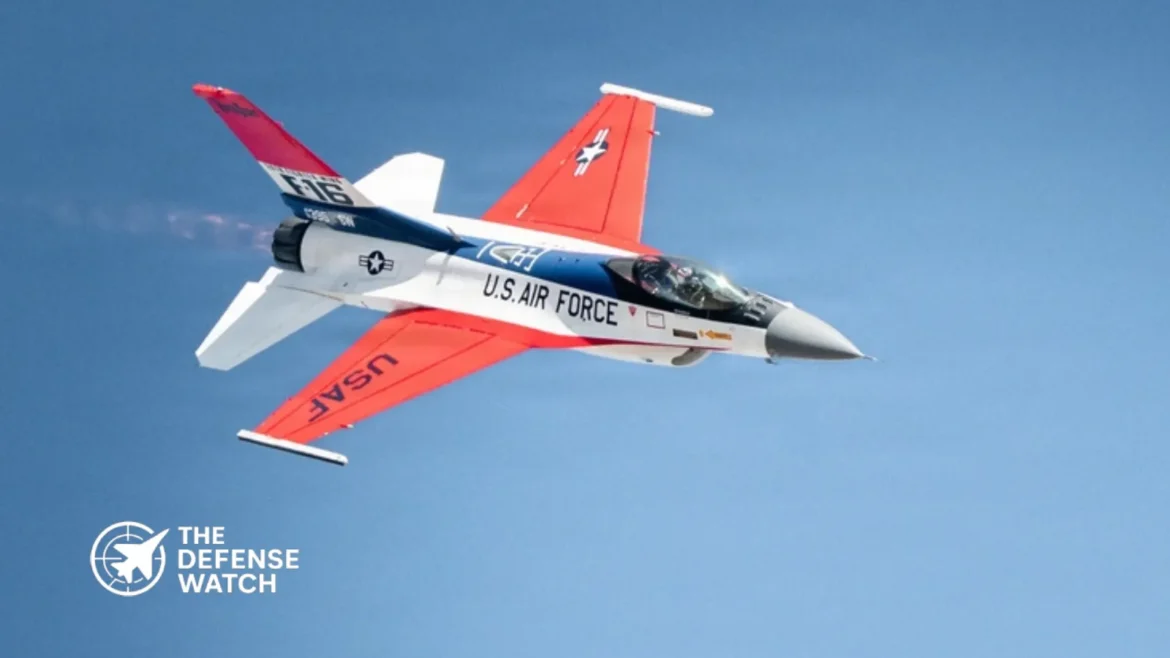
- ► Contract awarded to Top Aces Corp. for $33,193,783 firm fixed price.
- ► Provides F-16 instructor pilot training for Argentina under Foreign Military Sales.
- ► Training will be conducted in Argentina to build independent operational capability.
- ► Work is scheduled for completion by June 30, 2029.
- ► Contract managed by the 338th Contracting Squadron at Joint Base San Antonio Randolph.
Top Aces Awarded F-16 Instructor Pilot Training Contract For Argentina
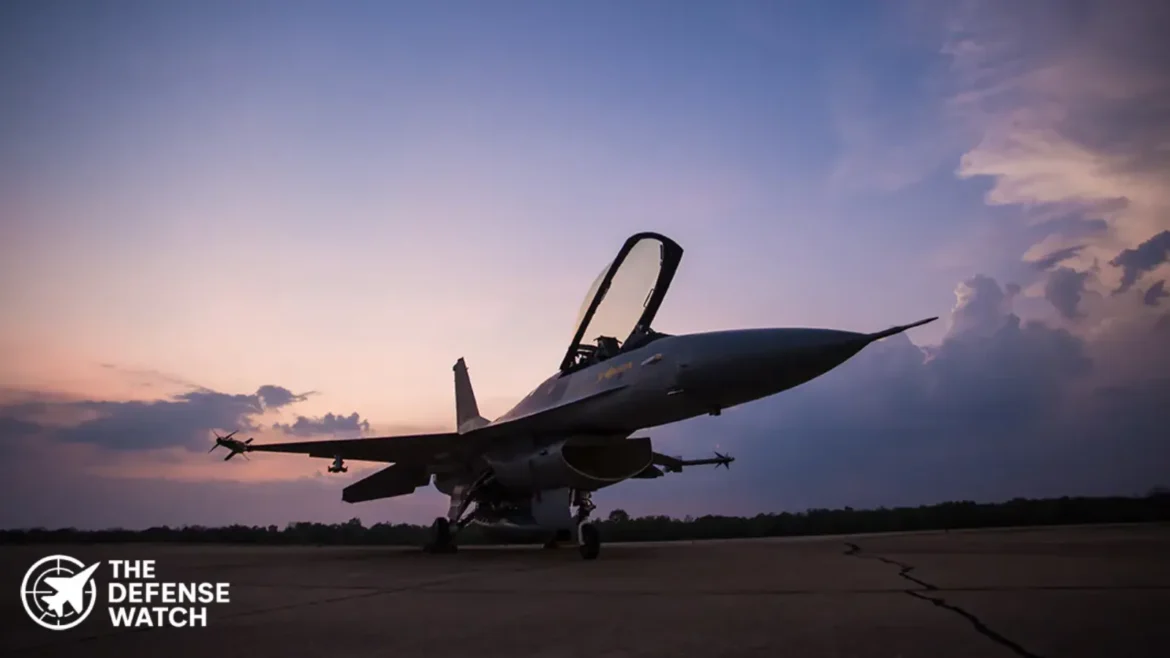
The F-16 instructor pilot training contract awarded to Top Aces Corp. marks a significant step in Argentina’s effort to field and sustain an operational F-16 fleet under the U.S. Foreign Military Sales framework.
The U.S. Air Force announced a $33,193,783 firm fixed price award to the Mesa, Arizona based contractor to provide advanced F-16 instructor pilot training. The effort is designed to enable Argentine pilots to achieve independent operational capability outside the continental United States.
The contract includes $22,754,462 in fiscal 2026 Foreign Military Sales funds obligated at the time of award. Work will take place in Argentina and is expected to conclude by June 30, 2029. The award was issued as a directed source acquisition.
The 338th Contracting Squadron at Joint Base San Antonio Randolph is the contracting authority.
Building Argentina’s F-16 Capacity
The F-16 instructor pilot training program forms a critical component of Argentina’s broader F-16 transition. Instructor pilot qualification is central to long term force sustainability. Without a domestic cadre of qualified instructors, new operators remain dependent on external training pipelines.
-
By conducting training in Argentina, the program reduces the need for extended deployments to U.S. based training units. It also supports faster absorption of aircraft, tactics, and maintenance practices into national service.
Under standard Foreign Military Sales procedures administered by the U.S. Department of Defense and the Defense Security Cooperation Agency, training is often structured to ensure partners can operate independently once aircraft deliveries and initial training phases conclude.
In this case, the F-16 instructor pilot training contract directly supports that objective.
Why Top Aces
Top Aces has built a reputation as a commercial adversary air and training provider, operating advanced fighter aircraft including F-16 variants for aggressor and readiness missions. The company already supports U.S. Air Force training requirements under separate contracts.
Leveraging a commercial provider for F-16 instructor pilot training allows the Air Force to draw on an experienced pilot pool without placing additional strain on active duty training squadrons. It also reflects a broader Pentagon trend of outsourcing certain training functions to specialized contractors.
For Argentina, the arrangement accelerates capability development while remaining aligned with U.S. oversight standards under Foreign Military Sales.
Strategic Context
Argentina’s move to field F-16 aircraft represents a modernization shift for its air force. Transitioning to a Western fourth generation platform introduces new requirements in training, logistics, and sustainment.
Instructor pilot development is often the most complex part of that transition. Qualified instructors must master advanced tactics, weapons employment, mission planning systems, and safety procedures. Once certified, they become force multipliers within their home units.
The multi year structure of this F-16 instructor pilot training contract suggests a phased approach. Early cohorts are likely to train alongside experienced contractor instructors before gradually assuming instructional duties themselves.
From a U.S. perspective, Foreign Military Sales training packages also strengthen interoperability. Pilots trained under U.S. aligned standards are better positioned to participate in multinational exercises and regional security cooperation initiatives.
Oversight And Funding
The contract was issued under number FA300226C0003 and managed by the 338th Contracting Squadron. The firm fixed price structure provides cost certainty over the performance period.
Foreign Military Sales cases are funded by the partner nation, in this case Argentina, with the U.S. government managing execution and oversight. Funds obligated at award ensure initial training phases can proceed without delay.
As global demand for F-16 sustainment and training grows, the role of commercial providers is expanding. This award underscores how F-16 instructor pilot training is increasingly viewed as a specialized service market, not solely a government function.
With completion set for mid 2029, the contract positions Argentina to establish a self sustaining F-16 training ecosystem within the decade.

- ► BAE Systems awarded $98,871,411 IDIQ contract for F-16 commodities sustainment.
- ► Contract supports sustaining engineering for avionics intermediate shop automatic test equipment.
- ► Work performed in San Diego, California, through Feb. 28, 2037.
- ► Covers Foreign Military Sales customers across Europe, Middle East, and Asia.
- ► Sole-source award managed by Air Force Sustainment Center at Hill AFB, Utah.
USAF Awards $98.8M F-16 Sustainment Contract To BAE Systems
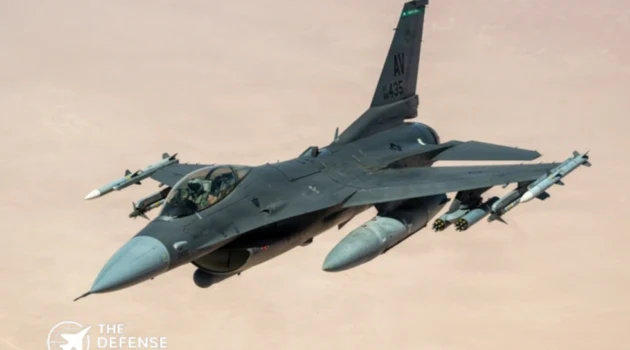
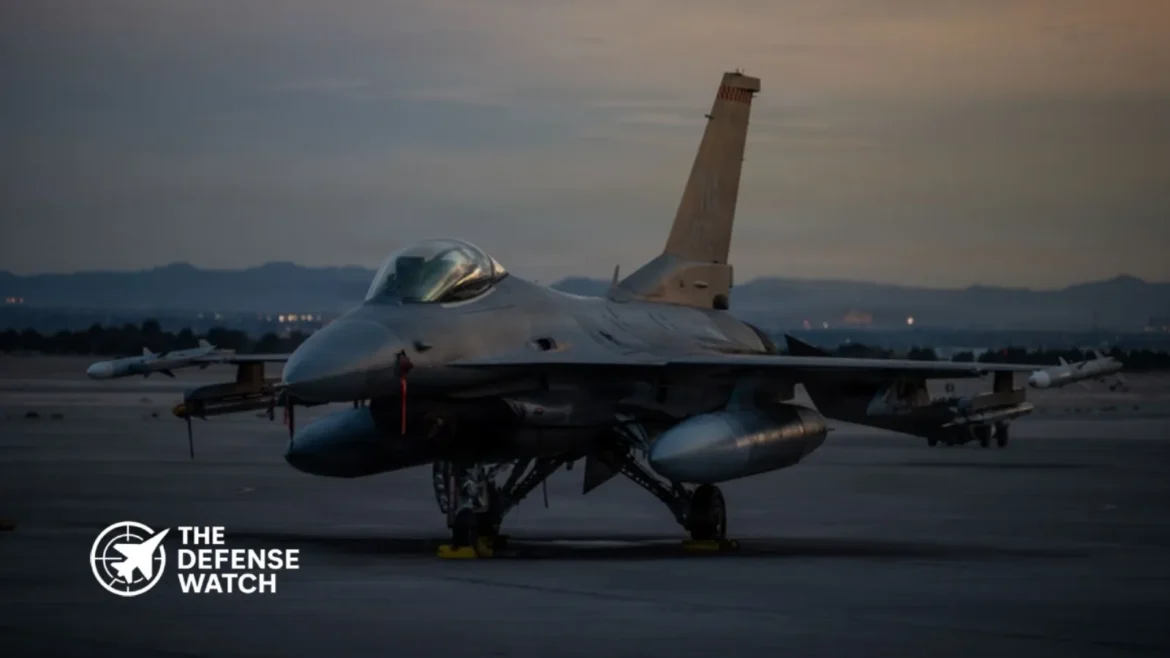
The US Air Force has awarded a $98.8 million F-16 sustainment contract to BAE Systems to support avionics testing and commodities sustainment for the global Fighting Falcon fleet.
The ceiling indefinite-delivery, indefinite-quantity contract, valued at $98,871,411, provides sustaining engineering services to maintain operational capability of fielded avionics intermediate shop automatic test equipment. The award was issued on Feb. 20, 2026.
Work will be performed in San Diego, California, and is scheduled to run through Feb. 28, 2037.
The contract was awarded on a sole-source basis. No funds were obligated at the time of award.
Supporting Global F-16 Operators
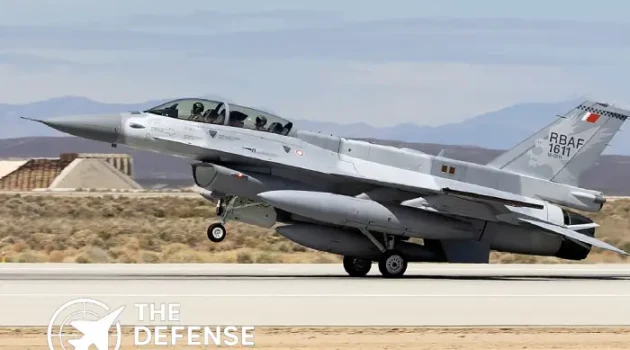
The F-16 sustainment contract includes support for US Air Force aircraft as well as a broad group of Foreign Military Sales partners. Participating countries include Jordan, Taiwan, Belgium, Denmark, Egypt, Iraq, Bahrain, Portugal, Thailand, Poland, Greece, Oman, Romania, Singapore, Türkiye, Korea, Chile, Morocco, the Netherlands, Norway, and Pakistan.
The F-16 remains one of the most widely operated multirole fighters in the world. According to the US Air Force, more than two dozen nations operate variants of the aircraft. Sustaining avionics test equipment is critical to maintaining readiness rates across such a diverse and aging fleet.
Intermediate shop automatic test equipment plays a central role in diagnosing, repairing, and verifying avionics components. Without reliable test infrastructure, even minor subsystem failures can lead to extended aircraft downtime.
Long-Term Sustainment Strategy
The award underscores the Air Force’s long-term sustainment strategy for legacy fighter platforms. While newer aircraft such as the F-35 Lightning II continue to enter service, the F-16 Fighting Falcon remains a backbone platform for both US and allied air forces.
Many partner nations are investing in F-16 service life extension programs, radar upgrades, and electronic warfare improvements. Sustaining the underlying avionics support ecosystem ensures those modernization efforts remain viable.
From an operational standpoint, avionics test equipment sustainment is less visible than aircraft upgrades or weapons procurement. However, it directly affects sortie generation, mission availability, and lifecycle cost control. Long-duration IDIQ contracts such as this provide predictable engineering support while allowing flexibility in task orders over time.
Contracting Authority
The Air Force Sustainment Center Supply Chain Management Division at Hill Air Force Base, Utah, serves as the contracting activity under contract FA8251-26-D-B002.
By extending support through 2037, the Air Force signals continued reliance on the F-16 platform across multiple theaters. For partner nations, the contract provides assurance that US-backed sustainment infrastructure will remain in place for more than a decade.
In a security environment defined by high operational tempo and expanding allied cooperation, steady sustainment funding is as critical as new aircraft procurement. This F-16 sustainment contract reinforces that reality.
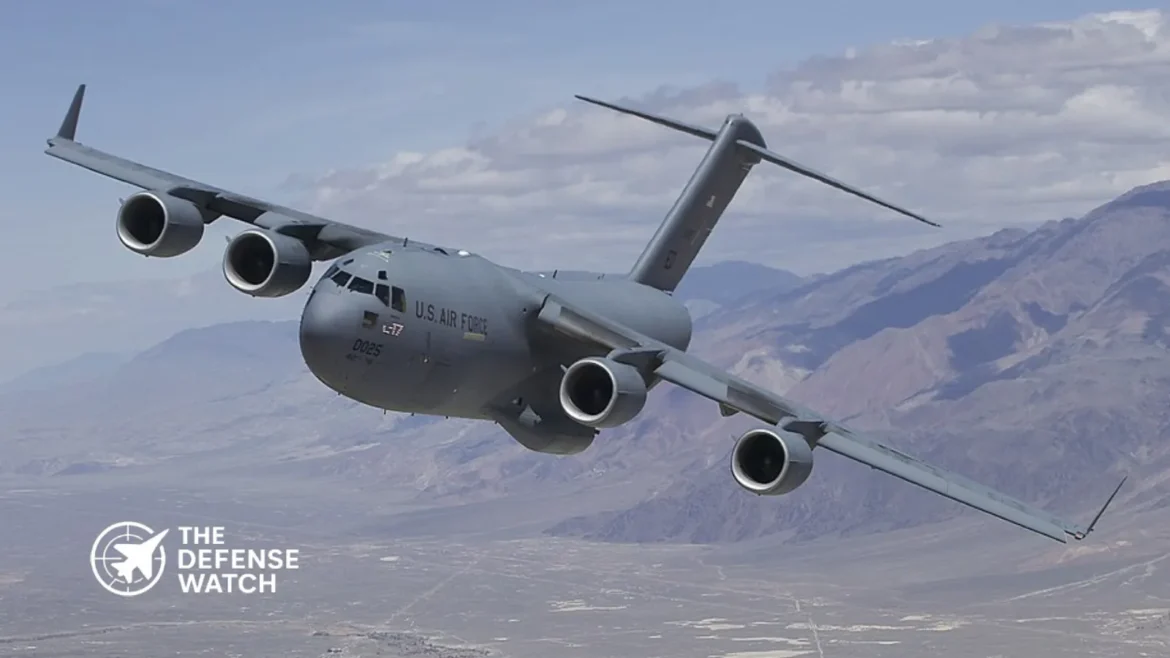
- ► The Boeing Company was awarded a $13,150,150 firm fixed price contract for C-17 infrared countermeasures upgrades.
- ► The contract upgrades Block 10 aircraft to Block 30 configuration on eight Royal Australian Air Force and five Royal Canadian Air Force C-17s.
- ► Scope includes procurement of Group A kits, Group A and B installation, and supplier technical support.
- ► Work will be performed in San Antonio, Texas, with completion expected by July 2030.
- ► The award was issued as a sole source acquisition under the Foreign Military Sales program.
- ► The Air Force Life Cycle Management Center at Warner Robins, Georgia, is the contracting activity.
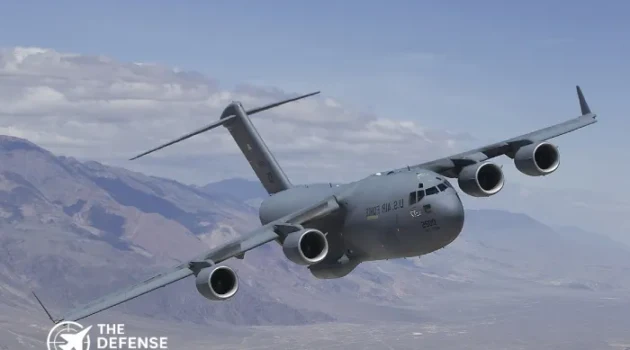
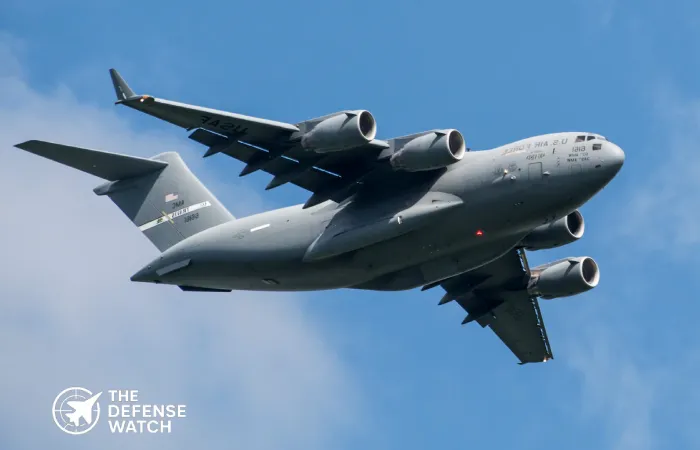
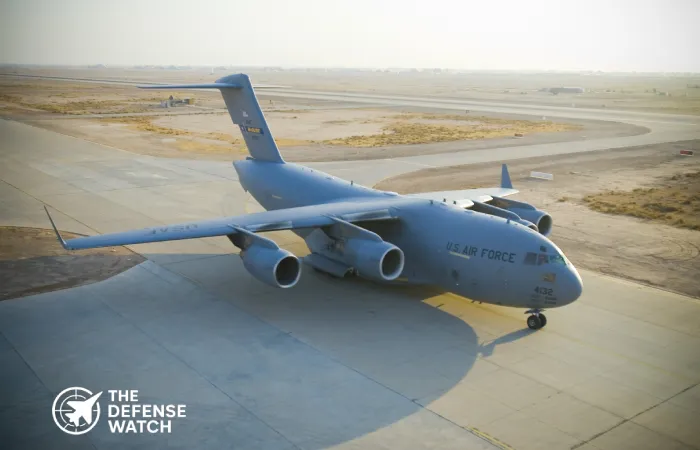
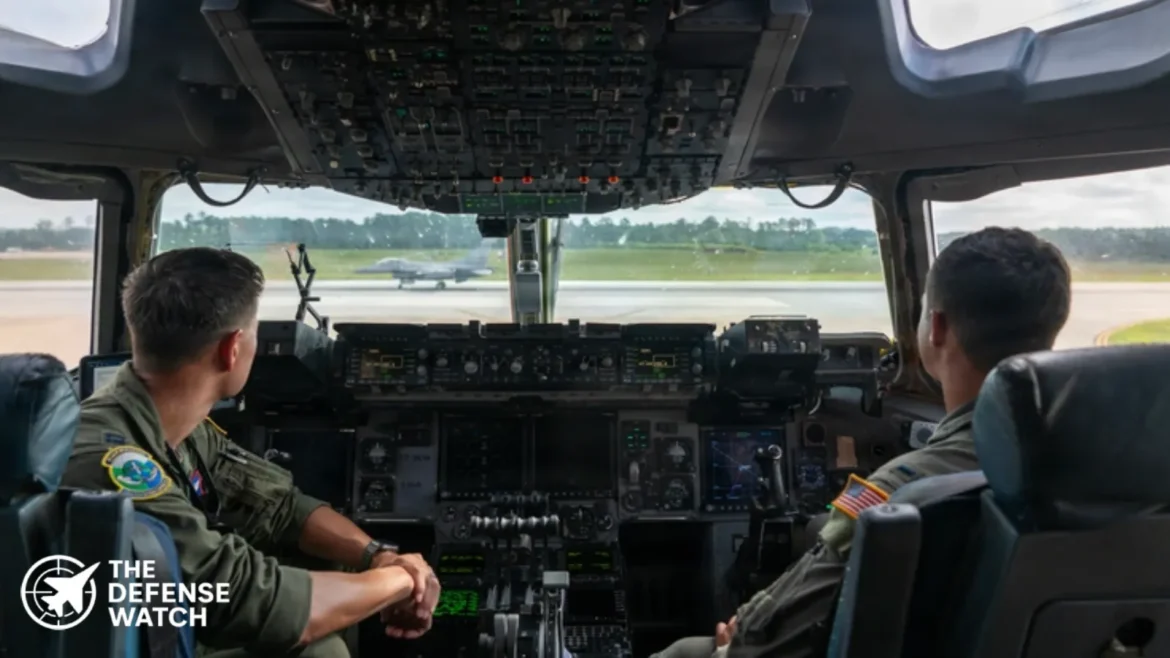
C-17 Infrared Countermeasures Upgrade Expands Allied Airlift Survivability
The C-17 infrared countermeasures upgrade awarded to The Boeing Company signals a steady shift in how U.S. allies are protecting their strategic airlift fleets against evolving missile threats.
(adsbygoogle = window.adsbygoogle || []).push({});Under a $13.15 million firm fixed price contract, Boeing will upgrade Block 10 aircraft to Block 30 configuration for eight Royal Australian Air Force C-17s and five Royal Canadian Air Force aircraft. The work will be performed in San Antonio, Texas, with completion expected by July 2030. The contract is executed through the U.S. Foreign Military Sales framework and managed by the Air Force Life Cycle Management Center at Warner Robins, Georgia.
At face value, this is a modest sustainment contract. In operational terms, it reflects a broader recalibration of survivability standards for strategic transport aircraft operating in contested environments.
Why Infrared Countermeasures Matter More Now
Strategic airlifters like the Boeing C-17 Globemaster III were originally designed for rapid global mobility, including operations into semi prepared or austere airfields. Historically, survivability enhancements focused on radar warning receivers, electronic countermeasures, and flare dispensing systems to defeat legacy infrared guided missiles.
The threat landscape has changed.
Man portable air defense systems, or MANPADS, have proliferated widely. Modern variants field improved seekers, resistance to decoys, and greater range. State and non state actors now operate advanced infrared guided systems that can threaten large aircraft during takeoff, landing, or low altitude operations.
Upgrading from Block 10 to Block 30 configuration enhances aircraft defensive suites, including improved infrared countermeasure integration. While detailed technical specifications are not public, Block 30 modifications generally reflect updated survivability hardware and system architecture aligned with U.S. Air Force fleet standards.

For Australia and Canada, this matters because both air forces routinely deploy their C-17s into operational theaters where threat levels cannot be dismissed as permissive.
Operational Impact for Australia and Canada
Australia operates eight C-17 aircraft and relies on them for regional rapid response across the Indo Pacific. The aircraft support humanitarian assistance, military deployments, and joint operations with the United States and regional partners.
(adsbygoogle = window.adsbygoogle || []).push({});In a potential high intensity contingency in the Western Pacific, large transport aircraft would be tasked with moving troops, heavy equipment, and supplies across vast distances. Forward airfields could be within reach of advanced missile systems. Enhanced infrared countermeasures increase the probability that these aircraft can operate in higher risk airspace with reduced vulnerability.
Canada’s fleet of five C-17s supports Arctic sovereignty missions, NATO deployments in Europe, and international crisis response. With NATO increasingly focused on deterrence along its eastern flank, Canadian airlift assets may be required to operate closer to areas where advanced air defense systems are present.
In both cases, survivability upgrades extend operational flexibility. They allow commanders to accept missions in environments that might otherwise require additional escort or standoff measures.
Interoperability Within the U.S. Security Architecture
The fact that this upgrade flows through Foreign Military Sales is significant.
Foreign Military Sales is not simply a contracting mechanism. It ensures configuration alignment between U.S. platforms and allied fleets. By moving Australian and Canadian aircraft to Block 30 standards, the U.S. Air Force maintains a higher degree of interoperability across combined operations.
This reduces logistical friction. It simplifies software updates, spare parts provisioning, and technical support. It also ensures allied fleets remain compatible with evolving U.S. threat libraries and defensive system upgrades.
(adsbygoogle = window.adsbygoogle || []).push({});The Air Force Life Cycle Management Center’s role underscores that this is not an isolated modification. It is part of a managed sustainment and modernization pathway that keeps allied C-17 fleets aligned with U.S. baselines.
In coalition operations, configuration divergence can create risk. Standardization mitigates that risk.
Industrial and Budget Dimensions
The contract value, $13.15 million, is relatively modest in defense procurement terms. That suggests this effort focuses primarily on retrofit kits, installation, and technical support rather than major structural redesign.
Work in San Antonio aligns with Boeing’s long standing sustainment footprint for the C-17 fleet. Although production of new C-17 aircraft ended in 2015, sustainment remains an active industrial base function. Upgrades such as this one help maintain skilled labor and technical expertise tied to the platform.
For Australia and Canada, incremental modernization is more cost effective than fleet replacement. Neither country is pursuing a near term successor to the C-17. Instead, both appear committed to sustaining the platform well into the 2030s and beyond.
This contract signals that survivability upgrades are now a routine line item in lifecycle management, not an optional add on.
Comparison to Global Airlift Competitors
The C-17 competes in the heavy airlift category primarily with the Airbus A400M Atlas, although the A400M occupies a slightly lighter payload class.
European operators of the A400M have similarly invested in defensive aids subsystems to counter infrared and radar guided threats. As European air forces reassess operating concepts under high threat conditions, survivability upgrades have become standard across modern transport fleets.
(adsbygoogle = window.adsbygoogle || []).push({});The U.S. Air Force continues to operate more than 220 C-17s, and its own upgrades often cascade to allied users through FMS channels. In effect, allies benefit from U.S. funded development and testing, reducing technical and financial risk.
In contrast, nations operating smaller tactical transports without advanced defensive suites may face greater vulnerability in contested environments. The modernization gap between strategic airlifters with integrated infrared countermeasures and those without is widening.
Regional Security Context
For Australia, the Indo Pacific security environment is deteriorating. Military planners must account for the presence of long range precision fires, advanced air defense systems, and gray zone coercion. Strategic mobility underpins any credible response plan.
For Canada, renewed attention to Arctic defense and NATO commitments in Europe increases the likelihood of operating near sophisticated integrated air defense networks. Even if C-17 aircraft are not penetrating defended airspace, threat envelopes can extend far beyond front lines.
In both theaters, survivability upgrades support deterrence. They signal that allied airlift will not be easily neutralized in early phases of a crisis.
Strategic Assessment
The C-17 infrared countermeasures upgrade does not shift the global military balance on its own. However, it contributes to a broader pattern.
First, it reinforces the survivability of allied strategic lift, a core enabler of power projection. Without secure airlift, reinforcement timelines slow, and deterrence credibility erodes.
(adsbygoogle = window.adsbygoogle || []).push({});Second, it strengthens alliance cohesion. By maintaining configuration alignment through Foreign Military Sales, the United States ensures that key partners remain technically integrated within its operational architecture. That reduces fragmentation inside NATO and the Indo Pacific security network.
Third, it reflects a procurement signal. Even support aircraft are being hardened against advanced missile threats. This suggests defense planners expect future operations to unfold in contested airspace, not permissive environments.
Who benefits? Australia and Canada gain improved survivability and operational flexibility. Boeing sustains its support ecosystem for a legacy but still critical platform. The U.S. benefits from more capable, interoperable partners.
Who is threatened? Any adversary relying on infrared guided surface to air missiles to disrupt allied airlift operations faces a more resilient target set. While this does not negate advanced air defenses, it raises the cost and uncertainty of attempting to interdict strategic mobility.
What happens next? Similar survivability enhancements are likely to continue across allied fleets, particularly as threat assessments evolve. Expect incremental upgrades tied to software, threat libraries, and countermeasure effectiveness as missile technology advances.
In an era where logistics determines staying power, protecting the aircraft that move armies may be as important as acquiring new combat platforms.
 ■ KEY FACTS AT A GLANCE
- ► $73,528,916 firm fixed price Merkava Power Pack contract awarded to Rolls-Royce Solutions America.
- ► Supports Israel under Fiscal Year 2026 Foreign Military Sales funding.
- ► Includes full and lite power pack kits, metal containers, and engineering technical services.
- ► Work to be performed in Graniteville, South Carolina, through December 31, 2032.
- ► Total cumulative program face value reaches $462,947,478.
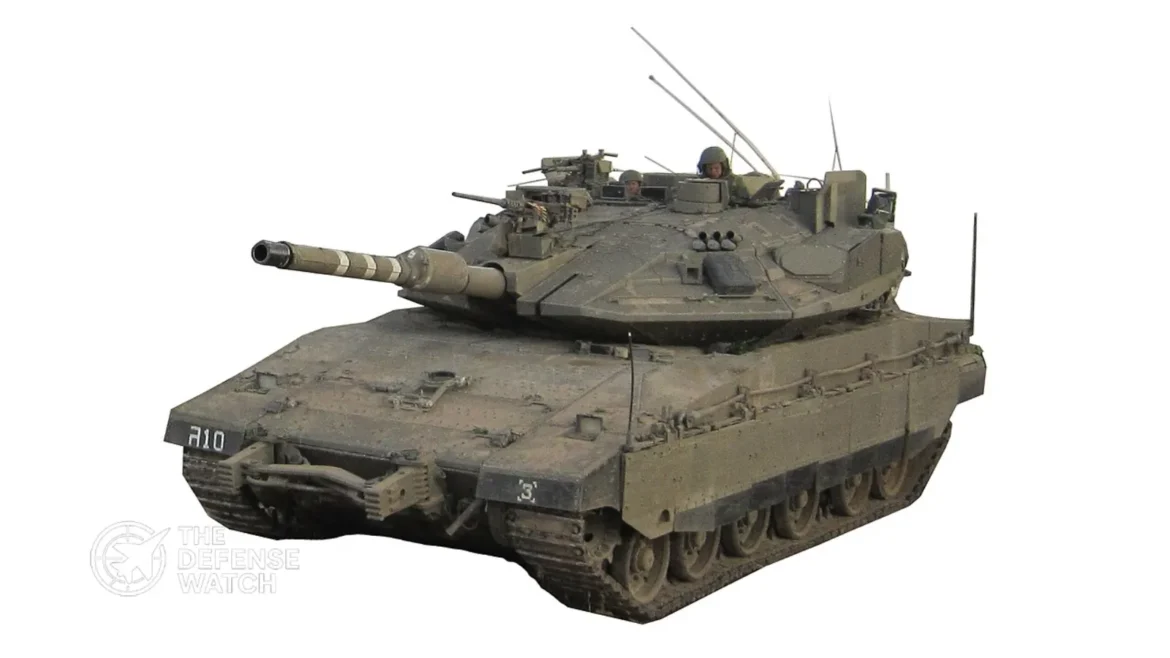
US Awards $73.5M Merkava Power Pack Contract To Rolls-Royce Solutions America For Israel
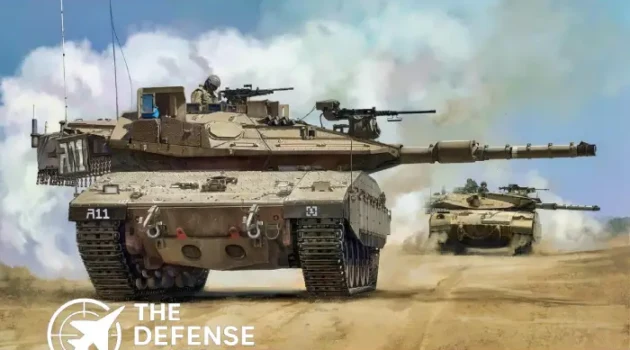
The US Department of Defense has awarded a $73,528,916 Merkava Power Pack contract to Rolls-Royce Solutions America Inc., Novi, Michigan, for Israel under the Foreign Military Sales program.
According to the official contract announcement, the firm fixed price award covers the procurement of Merkava Power Pack Less Transmission full and lite kits, metal containers, and contractor engineering technical services. The total cumulative face value of the broader program stands at $462,947,478.
The contract was issued by Army Contracting Command, Detroit Arsenal, Michigan.
Contract Scope And Funding Details
The $73.5 million award supports Israel’s Merkava armored vehicle fleet through the provision of power pack components and associated technical services. Work will be performed in Graniteville, South Carolina, with an estimated completion date of December 31, 2032.
Fiscal Year 2026 Foreign Military Sales funds for Israel in the full amount of $73,528,916 were obligated at the time of award, meaning the contract is fully funded from the outset.
The contracting activity is identified as Army Contracting Command, Detroit Arsenal, under contract number W912CH-26-C-0019.
Supporting Israel’s Merkava Fleet
The Merkava Power Pack contract directly supports sustainment and operational readiness of Israel’s domestically produced Merkava main battle tanks. The Merkava series, developed by Israel, is designed for survivability, mobility, and rapid battlefield repair.
The power pack forms a critical subsystem within armored platforms, integrating engine and related components necessary for propulsion and battlefield maneuverability. Sustaining these systems is central to maintaining armored force readiness.
Through the Foreign Military Sales framework, the United States facilitates procurement of US-origin defense equipment and services for allied nations. Israel remains one of the largest and most consistent FMS partners.
Industrial Base And Long-Term Sustainment
The award highlights the continued role of US industry in supporting allied armored vehicle fleets. Production and services under the contract will take place in Graniteville, South Carolina, reinforcing the US defense industrial base while fulfilling allied requirements.
The broader cumulative ceiling value of $462.9 million indicates this is part of a larger, multi-year sustainment effort tied to Israel’s armored vehicle programs.
The Merkava Power Pack contract structure as firm fixed price provides cost certainty to the government, while the long period of performance through 2032 reflects the long-term sustainment nature of the effort.
US-Israel Defense Cooperation
The award underscores the depth of US-Israel defense cooperation, particularly in ground combat systems sustainment. Under the Foreign Military Sales system, the US government acts as the intermediary, managing procurement, contracting, and delivery.
Israel’s armored forces rely heavily on the Merkava platform as a core component of its ground maneuver capability. Sustainment contracts such as this ensure continued operational availability and lifecycle support.
While the Department of Defense did not provide additional technical details regarding quantities of kits or specific variants supported, the contract documentation confirms engineering technical services are included, suggesting ongoing technical assistance and integration support.
Why This Contract Matters
The Merkava Power Pack contract reflects the ongoing focus on sustainment rather than new platform acquisition. For armored forces, propulsion systems are among the most maintenance intensive components. Ensuring steady supply of kits and engineering services reduces downtime and supports operational readiness.
For US industry, the award reinforces the role of American companies in providing long term lifecycle support to allied armored fleets. For Israel, it ensures continued access to critical propulsion subsystems under a structured, government managed procurement process.
As geopolitical tensions remain high across the Middle East, armored mobility and readiness remain core to ground force deterrence and operational planning.
E 2D Advanced Hawkeye contract strengthens fleet radar readiness
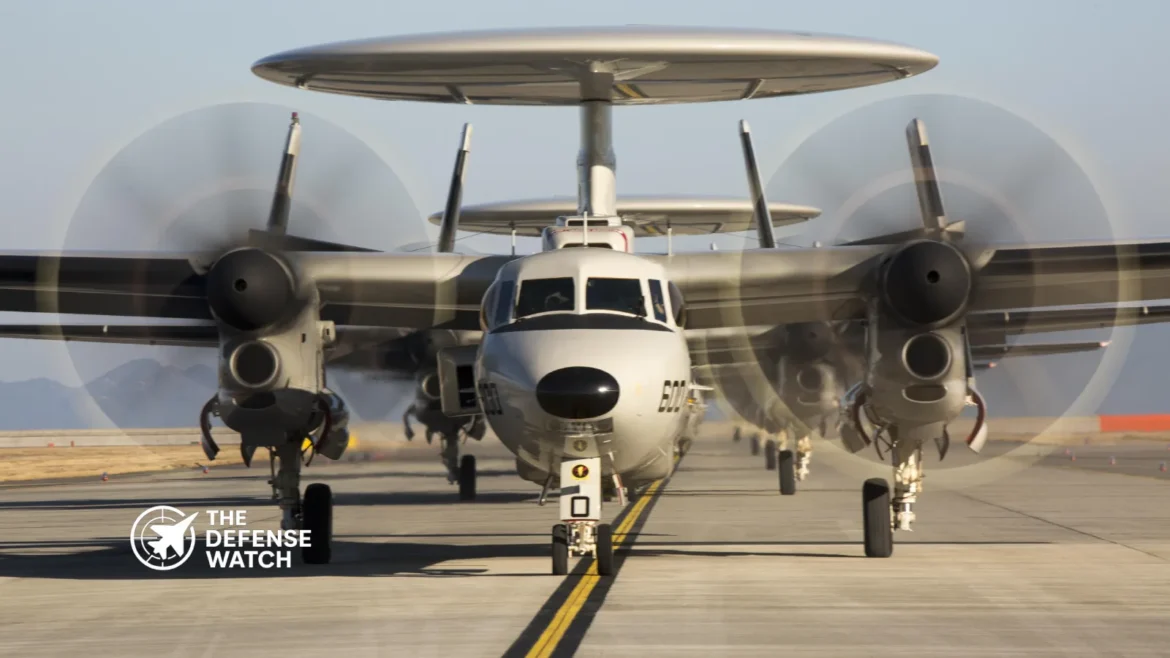
The E 2D Advanced Hawkeye contract awarded to Northrop Grumman Systems Corp marks a significant sustainment investment for the US Navy airborne early warning fleet and its Japanese partner. The Navy has issued a ceiling priced delivery order valued at up to 198 million dollars for the procurement of 608 power amplifier module spares used on the E 2D Advanced Hawkeye aircraft.
(adsbygoogle = window.adsbygoogle || []).push({});The award was announced by the Department of Defense and executed by Naval Supply Systems Command Weapon Systems Support in Philadelphia. Work will be performed at Northrop Grumman facilities in Melbourne Florida and is scheduled for completion by February 2029.
Contract details and scope of work
Under delivery order N00383 26 F S50R, issued against an existing basic ordering agreement, Northrop Grumman will manufacture and deliver power amplifier modules critical to the E 2D radar and mission system architecture. These modules support the aircrafts advanced electronically scanned array radar, which provides long range air and maritime surveillance for carrier strike groups.
The delivery order does not include an option period. Funding at the time of award totals approximately 97 million dollars, split between Navy working capital funds and Foreign Military Sales funds. According to the announcement, 64.3 million dollars in Navy funds and 32.7 million dollars in FMS funding from Japan were obligated immediately and will not expire at the end of the current fiscal year.
Support for Japan through Foreign Military Sales
A portion of the E 2D Advanced Hawkeye contract supports Japan under the US Foreign Military Sales program. The Japan Air Self Defense Force operates the E 2D as part of its airborne early warning and control mission, replacing older E 2C platforms and expanding interoperability with US forces in the Indo Pacific.
By aligning US Navy and Japanese requirements in a single sustainment action, the Navy aims to streamline logistics and maintain common configuration standards across allied fleets. This approach reflects broader Pentagon efforts to improve readiness while supporting key regional allies through established FMS mechanisms.
Non competitive award rationale
The Navy solicited one firm for this requirement under the authority of Title 10 US Code 3204 a 1, which permits non competitive awards when only one responsible source can meet agency requirements. Northrop Grumman is the original equipment manufacturer for the E 2D mission systems, including the radar and associated electronic components.
Officials stated that one offer was received. This is consistent with past E 2D sustainment actions, which typically rely on the prime contractor due to proprietary designs and integration requirements.
Importance of power amplifier modules
Power amplifier modules are a key element of the E 2D Advanced Hawkeye radar system. They enable high power transmission and precise beam control, supporting the aircrafts ability to detect and track airborne and surface threats at extended ranges.
(adsbygoogle = window.adsbygoogle || []).push({});Maintaining an adequate supply of spares is essential for operational availability, especially as the E 2D fleet continues high tempo deployments aboard US Navy aircraft carriers and at land based sites. The contract supports long term sustainment as the platform remains a cornerstone of naval integrated air and missile defense.
Program background and broader context
The E 2D Advanced Hawkeye is operated by the US Navy and Japan and is widely regarded as one of the most capable airborne early warning platforms in service. It features a digital cockpit, advanced communications, and the AN APY 9 radar, allowing it to act as a battle management node across air, sea, and joint forces.
Northrop Grumman continues to serve as the prime contractor for the platform, supporting production, upgrades, and sustainment. Recent Navy budget documents have emphasized readiness and sustainment funding for high demand aviation assets, including the E 2D, as part of broader force posture and modernization efforts.
This latest E 2D Advanced Hawkeye contract aligns with those priorities, ensuring radar performance and mission availability through the end of the decade.
US Awards F/A-18 Support Contract for Kuwait
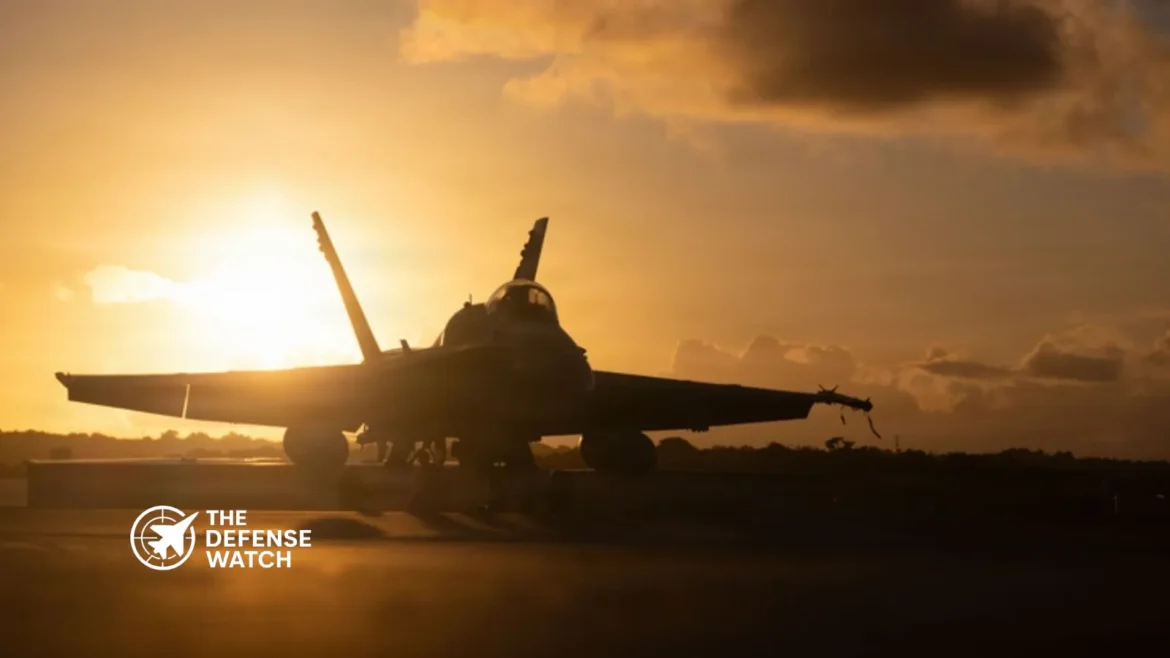
The United States has awarded a $165.9 million F/A-18 support contract to Kay and Associates Inc. to sustain Kuwait Air Force fighter operations, reinforcing long standing defense cooperation between Washington and Kuwait under the Foreign Military Sales framework.
(adsbygoogle = window.adsbygoogle || []).push({});The contract modification, announced by the US Department of Defense on Jan. 29, 2026, expands ongoing maintenance and operational support for Kuwait’s F/A-18 fleet. The work will support aircraft readiness, missile maintenance, and logistics infrastructure through early 2027.
Contract Details and Scope
The award is a modification, designated P00015, to an existing cost plus fixed fee, cost reimbursable contract originally issued under contract number N0042122C0013. Kay and Associates Inc., headquartered in Buffalo Grove, Illinois, will continue providing comprehensive aviation support services across multiple maintenance levels.
The scope includes organizational level and intermediate level maintenance for F/A-18 aircraft operated by the Kuwait Air Force. It also covers missile maintenance, repair, and storage facilities supporting the fleet. These services are critical for sustaining sortie generation, mission readiness, and long term platform availability.
Work will be conducted at undisclosed locations within Kuwait due to operational security considerations. The effort is scheduled to conclude in January 2027, aligning with Kuwait’s ongoing fighter sustainment plans.
Funding and Contracting Authority
At the time of award, $86.6 million in Foreign Military Sales customer funds will be obligated. According to the Pentagon, none of the obligated funds will expire at the end of the current fiscal year, ensuring uninterrupted execution of the support mission.
The Naval Air Warfare Center Aircraft Division at Patuxent River, Maryland, is the contracting activity. NAWCAD serves as the US Navy’s lead organization for naval aviation lifecycle management and regularly administers sustainment contracts for allied air forces operating US built aircraft.
Strategic Importance for Kuwait
Kuwait operates a fleet of legacy F/A-18 Hornet fighter aircraft that form a core element of its tactical airpower. While the country is in the process of modernizing its combat aviation with newer platforms, the F/A-18 remains a key asset for air defense, maritime strike, and coalition operations.
Sustaining the fleet requires specialized technical expertise, access to certified maintenance processes, and secure missile handling infrastructure. Contracts such as this ensure that Kuwait can maintain operational availability while meeting US and NATO aligned safety and performance standards.
The agreement also supports interoperability with US and allied forces operating in the region, particularly during joint exercises and contingency operations.
Broader Context of US Kuwait Defense Cooperation
The F/A-18 support contract fits within a broader pattern of US defense engagement with Kuwait, which hosts US forces and serves as a key logistics hub for American operations in the Middle East.
Through Foreign Military Sales agreements, the US provides Kuwait with aircraft, weapons, training, and sustainment services. These arrangements are designed to strengthen partner capacity while maintaining oversight of sensitive technologies.
(adsbygoogle = window.adsbygoogle || []).push({});Kay and Associates Inc. is a long time provider of aviation maintenance and logistics services for US and allied air forces. The company supports multiple international F/A-18 operators and has an established presence in overseas sustainment programs.
Industry and Operational Impact
From an industry perspective, the contract underscores the continued demand for sustainment and lifecycle support services, even as air forces transition to newer aircraft types. Maintenance and logistics contracts often represent a significant portion of long term platform costs and provide stable revenue streams for defense service providers.
Operationally, the award ensures continuity of maintenance expertise and infrastructure, reducing the risk of capability gaps during fleet modernization phases.
US Awards $235M F-16 Maintenance Contract to Sabena for Ukraine
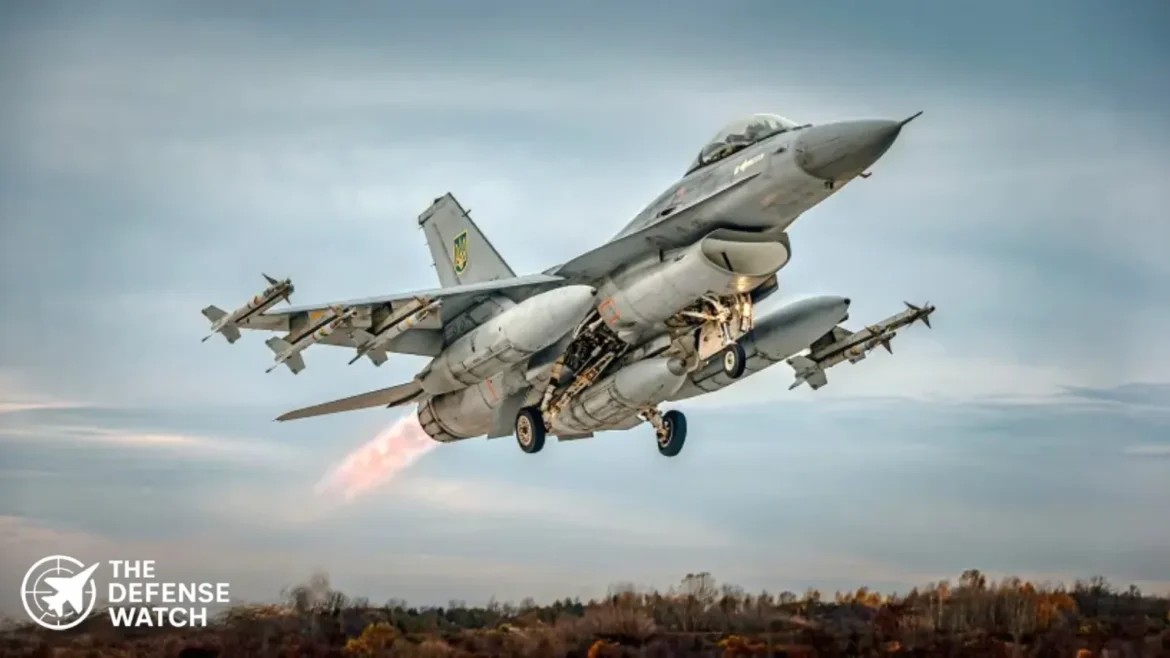
The United States has awarded a $235.4 million contract to Belgium’s Sabena Aerospace Engineering to provide depot-level and intermediate maintenance for F-16 fighter jets operated by Ukraine, according to a Pentagon announcement.
The ceiling, time-and-materials and firm-fixed-price deal funds aircraft and engine maintenance plus material management under the Foreign Military Sales (FMS) framework, with work set to run through January 28, 2029.
Contract Details and Scope
The award was issued on a sole-source basis, meaning Sabena was selected without a competitive bidding process. At signing, nearly $70 million in FMS funds were obligated to start support activities.
Under the terms, Sabena will carry out both intermediate and depot-level aircraft servicing, complex repairs, engine overhauls and supply chain management for parts and materials. All work will be performed at the company’s facilities in Woluwe-Saint-Lambert, Belgium, through late January 2029.
The contracting authority is the Air Force Lifecycle Management Center at Hill Air Force Base in Utah.
Strategic Context
Ukraine began flying Western-built F-16s in August 2024. These jets mark a significant step in Kyiv’s efforts to modernize its air force and enhance air defense and strike capabilities. Maintaining high sortie rates in a combat environment requires deep industrial support beyond routine field maintenance, a need the Sabena contract is designed to meet.
F-16s donated by European partners are arriving as part of a broader coalition effort. Belgium, Denmark, the Netherlands and Norway have pledged jets to Ukraine. These transfers substantially expand Kyiv’s inventory of advanced fighters.
Why This Contract Matters
Depot-level maintenance involves detailed inspections, structural repairs, engine overhauls and reassembly tasks that go far beyond standard squadron-level servicing. Without such support, sustaining long-term operations of a combat fleet would be difficult. Sabena’s facilities in Belgium already support various military platforms and have decades of experience in complex aircraft servicing.
This contract reflects the US government’s focus on ensuring that Ukraine’s modern aircraft remain mission capable as they are integrated into frontline operations. It also shows how FMS frameworks are being used to channel Pentagon funding to allied industrial partners to support the Ukrainian war effort.
Broader Sustainment Landscape
Earlier US and allied initiatives included F-16 training and sustainment packages and related logistical support approved under FMS programs. These combined efforts aim to help Ukraine build out the full lifecycle infrastructure needed for Western combat aircraft.
What Comes Next
Work at Sabena is expected to continue into 2029, offering Ukraine a critical node for keeping its F-16s airborne. As the fleet grows with additional NATO-donated jets, sustainment contracts and logistical planning will remain central to Ukraine’s air combat effectiveness.
Boeing Secures Major F-15K Upgrade Contract
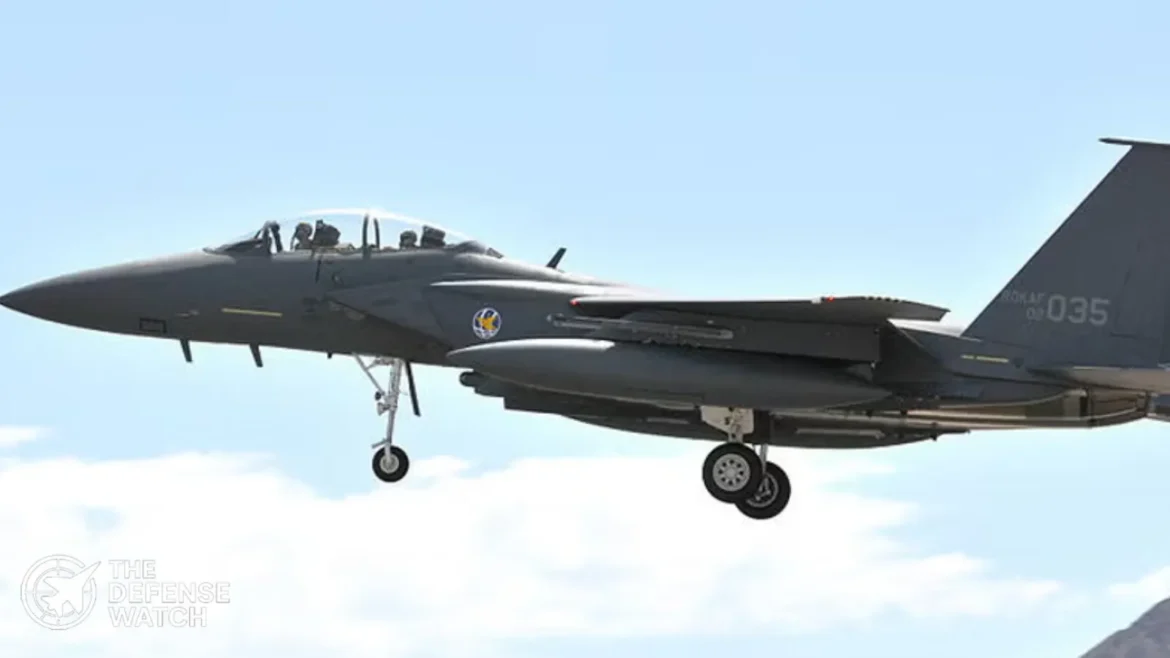
The Boeing F-15K upgrade contract has been awarded to Boeing in a deal valued at up to $2.81 billion to modernize the Republic of Korea Air Force F-15K fleet under the U.S. Foreign Military Sales framework.
(adsbygoogle = window.adsbygoogle || []).push({});The U.S. Department of Defense announced that The Boeing Co., based in St. Louis, Missouri, received a not-to-exceed $2,805,961,005 hybrid cost-plus-fixed-fee and fixed-price incentive undefinitized contract. The agreement supports a comprehensive upgrade program for South Korea F-15K Slam Eagle aircraft, operated by the Republic of Korea Air Force.
Contract Scope and Program Overview
Under the Boeing F-15K upgrade contract, the company will design and develop an integrated suite of aircraft systems to support modification of the F-15K fleet. The effort is being executed on behalf of the Republic of Korea Air Force and South Korea Defense Acquisition Program Administration.
The contract structure combines cost-plus-fixed-fee and fixed-price incentive elements and remains undefinitized at the time of award. This approach allows work to proceed while final contract terms are completed, a common practice for large, long-term military modernization programs involving complex systems integration.
Work will be performed primarily in St. Louis, Missouri, Boeing’s primary fighter aircraft production and sustainment hub. The program is scheduled to continue through Dec. 31, 2037, indicating a multi-decade modernization and support effort.
Foreign Military Sales and Funding Details
The F-15K upgrade effort is being executed as a Foreign Military Sales case between the United States and the Republic of Korea. At the time of contract award, $540 million in foreign military sale funds were obligated to initiate the program.
Foreign Military Sales contracts are managed by the U.S. government on behalf of allied nations, ensuring standardized contracting, configuration control, and long-term sustainment alignment with U.S. Air Force systems.
The Air Force Life Cycle Management Center at Wright-Patterson Air Force Base, Ohio, is serving as the contracting activity for the program. The contract identifier is FA8634-26-C-B002.
Sole Source Award and Industrial Context
The Boeing F-15K upgrade contract was awarded as a sole source acquisition. Boeing is the original manufacturer of the F-15 platform and remains the only entity with full design authority and system integration responsibility for the aircraft.
Sole source awards are typical for major fighter aircraft upgrade programs, particularly when proprietary mission systems, avionics architecture, and flight control software are involved.
(adsbygoogle = window.adsbygoogle || []).push({});Boeing continues to serve as the prime contractor for F-15 variants worldwide, including the F-15EX Eagle II for the U.S. Air Force and multiple international upgrade programs.
Strategic Importance for South Korea
The Republic of Korea Air Force operates the F-15K as one of its primary long-range strike and air superiority platforms. Modernization of the fleet supports South Korea’s broader efforts to maintain air combat capability amid evolving regional security challenges.
While specific system details were not disclosed in the contract announcement, integrated aircraft system upgrades typically focus on avionics, mission computing, sensors, electronic warfare, and interoperability with allied forces.
The long execution timeline suggests a phased approach to fleet upgrades, testing, and fielding, ensuring continued operational availability of the aircraft during modification.
Boeing Defense Portfolio and Long-Term Sustainment
The award further reinforces Boeing’s role as a key supplier in allied fighter sustainment and modernization programs. The St. Louis facility supports production, upgrades, and sustainment for multiple fighter aircraft lines, including F-15 and F-A-18 platforms.
By extending work through 2037, the Boeing F-15K upgrade contract provides long-term stability for the industrial base supporting fighter aircraft engineering, integration, and lifecycle management.
CAE F-16 Block 70 contract expands Taiwan Air Force training capability
CAE USA Inc. has been awarded a $69.9 million definitization modification to support the F-16 Block 70 Training Simulators program for the Taiwan Air Force, reinforcing U.S. backed efforts to modernize Taiwan’s air combat training infrastructure.
(adsbygoogle = window.adsbygoogle || []).push({});The award, issued by the U.S. Air Force Life Cycle Management Center at Wright Patterson Air Force Base, Ohio, increases the total cumulative value of the contract to nearly $128 million under the Foreign Military Sales framework.
Contract details and scope
The modification, identified as PZ0012, finalizes Phase II of contract FA8621-23-C-0023, previously awarded to CAE USA Inc., headquartered in Arlington, Texas. The action increases the total contract value from $58.1 million to $127.99 million.
Work under the contract will be performed in Arlington, Texas, with completion expected by Aug. 29, 2028. The effort focuses on delivering advanced F-16 Block 70 training simulators tailored to the operational requirements of the Taiwan Air Force.
At the time of award, $59.4 million in Fiscal 2026 Foreign Military Sales funding was obligated.
Supporting Taiwan’s F-16 Block 70 fleet
The CAE F-16 Block 70 contract directly supports Taiwan’s ongoing acquisition and modernization of its F-16 fleet, which includes new build F-16C Block 70 aircraft approved through U.S. Foreign Military Sales channels.
Training simulators play a critical role in preparing pilots for advanced avionics, radar systems, mission computers, and networked combat operations associated with the Block 70 configuration. High fidelity simulators allow aircrews to train for complex mission sets while reducing operational costs and aircraft wear.
CAE is a long standing supplier of military training systems to the U.S. Department of Defense and allied air forces, with a portfolio that includes full mission simulators, mission rehearsal systems, and integrated training solutions.
Role of the U.S. Air Force and FMS framework
The Air Force Life Cycle Management Center is serving as the contracting authority, reflecting the U.S. government’s role in managing Foreign Military Sales programs for allied nations.
Under the FMS structure, the U.S. Department of Defense oversees contracting, program management, and delivery to ensure interoperability, standardization, and compliance with U.S. security requirements. Taiwan’s F-16 Block 70 training program is one of several FMS cases aimed at strengthening air defense readiness in the Indo Pacific region.
The definitization modification signals the transition from earlier contractual phases to a fully defined cost, schedule, and scope, providing long term program stability for both the U.S. government and Taiwan.
Strategic importance of simulator based training
Advanced simulator based training has become a core component of modern air force readiness. For aircraft such as the F-16 Block 70, simulators enable pilots to train for high threat scenarios that cannot be safely or affordably replicated during live flight operations.
(adsbygoogle = window.adsbygoogle || []).push({});These systems support joint training concepts, emergency procedures, sensor fusion operations, and combat mission rehearsal. They also allow air forces to maintain pilot proficiency amid limited flight hours or operational constraints.
For Taiwan, expanding simulator capacity is particularly important given airspace congestion and high operational tempo.
CAE’s position in defense training systems
CAE USA is a key U.S. subsidiary of CAE Inc., a global leader in military and civil aviation training. The company supports numerous U.S. and allied programs, including fighter, mobility, rotary wing, and unmanned systems training.
The F-16 Block 70 contract further strengthens CAE’s footprint in Asia focused defense training, while reinforcing its role as a trusted supplier within the U.S. FMS ecosystem.
Program timeline and outlook
With work extending through 2028, the program aligns with Taiwan’s broader timeline for inducting new F-16 Block 70 aircraft into operational service. Simulator delivery and integration are expected to progress in parallel with aircraft deliveries, ensuring pilots transition smoothly to the new configuration.
The award reflects continued U.S. government support for allied airpower modernization through long term, structured defense contracts.
The US Air Force has awarded Sabena Aerospace Engineering a $235.4 million F-16 FMS support contract to sustain Ukraine’s growing F-16 fleet, marking another major step in long term Western backing for Ukrainian airpower. The contract covers intermediate and depot level aircraft and engine maintenance, along with material management support, under the Foreign Military Sales framework.
The award underscores the shift from short term aid to structured, multi year sustainment as Ukraine integrates Western combat aircraft into active service.
Contract Details and Scope
According to the US Department of Defense contract announcement, Sabena Aerospace Engineering, based in Woluwe-Saint-Lambert, Belgium, received a ceiling value contract worth up to $235,449,716. The award combines time and materials and firm fixed price elements, providing flexibility for varying maintenance and support demands over the contract period.
The effort supports the F-16 System Program Office and is specifically tied to Foreign Military Sales support for Ukraine. Work will be performed at Sabena’s facilities in Belgium, with contract performance scheduled through Jan. 28, 2029.
At the time of award, $69,725,380 in FMS funds were obligated. The Air Force Lifecycle Management Center at Hill Air Force Base, Utah, is the contracting authority under contract number FA823226CB005.
The contract was awarded as a sole source acquisition, reflecting Sabena’s existing qualifications, infrastructure, and experience with the F-16 platform.
Role of Sabena Aerospace Engineering
Sabena Aerospace Engineering is a well established European maintenance, repair, and overhaul provider with decades of experience supporting military aircraft fleets. The company has long been involved in F-16 sustainment programs for European air forces and NATO partners, covering structural maintenance, avionics support, and engine related work.
Under this contract, Sabena will provide intermediate and depot level maintenance for both aircraft and engines. This includes scheduled inspections, structural repairs, component overhauls, and supply chain and material management functions needed to keep aircraft mission ready.
By relying on a European based provider, the US Air Force can shorten logistics chains and reduce turnaround times for aircraft supporting Ukraine, while operating within NATO aligned maintenance ecosystems.
Importance for Ukraine’s F-16 Program
The Sabena Aerospace contract is a key enabler for Ukraine’s transition to Western multirole fighters. While aircraft deliveries and pilot training often receive the most attention, long term sustainment is critical to operational effectiveness.
F-16s require robust depot level support to maintain airframe life, radar and avionics reliability, and engine performance. Without consistent access to certified maintenance facilities and spare parts management, sortie rates and mission readiness can degrade quickly.
By securing a multi year FMS support contract, the US Air Force is helping ensure that Ukraine’s F-16 fleet remains viable beyond initial operational capability. This approach aligns with broader US and allied efforts to integrate Ukraine into Western defense support structures rather than relying on ad hoc wartime solutions.
FMS Framework and Oversight
The Foreign Military Sales system allows partner nations to acquire defense articles and services through the US government, ensuring standardization, oversight, and compliance with US policy. In this case, the FMS structure provides transparency and accountability for funds supporting Ukraine, while leveraging existing US Air Force program offices and contracting mechanisms.
The involvement of the F-16 System Program Office ensures that maintenance activities follow established technical orders, safety standards, and configuration control processes used across global F-16 fleets. This reduces risk and supports interoperability with NATO air forces.
Broader Context of US and Allied Support
The Sabena Aerospace award fits within a broader pattern of US and allied investments in sustainment and logistics for Ukraine. As Kyiv fields more Western supplied systems, including combat aircraft, air defense, and armored vehicles, sustainment contracts are becoming as strategically important as initial equipment transfers.
European based maintenance hubs are increasingly central to this strategy, allowing advanced support to be delivered without moving sensitive systems into the United States or into contested airspace. Belgium’s location and NATO integration make it a practical choice for F-16 sustainment activities.
What Comes Next
With funding already obligated and contract performance underway, Sabena Aerospace is expected to begin or expand maintenance activities supporting Ukrainian F-16s in the near term. As additional aircraft are transferred and operational tempo increases, demand for depot level support is likely to grow over the life of the contract.
The award signals continued US confidence in the FMS model as a long term mechanism for sustaining Ukraine’s air combat capabilities, while reinforcing the role of trusted European industry partners in that effort.