China JL-1 Air-Launched Ballistic Missile
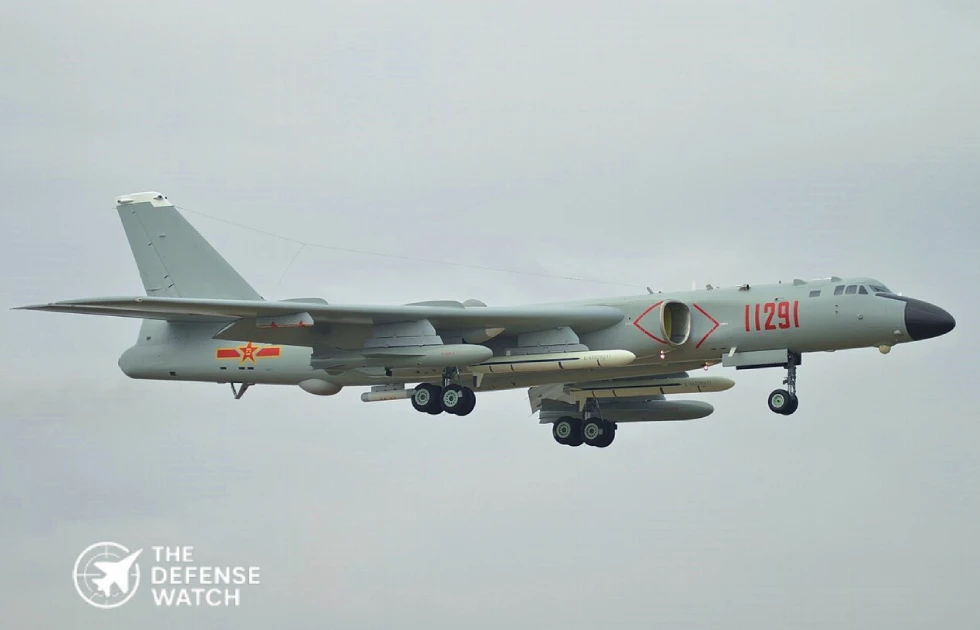
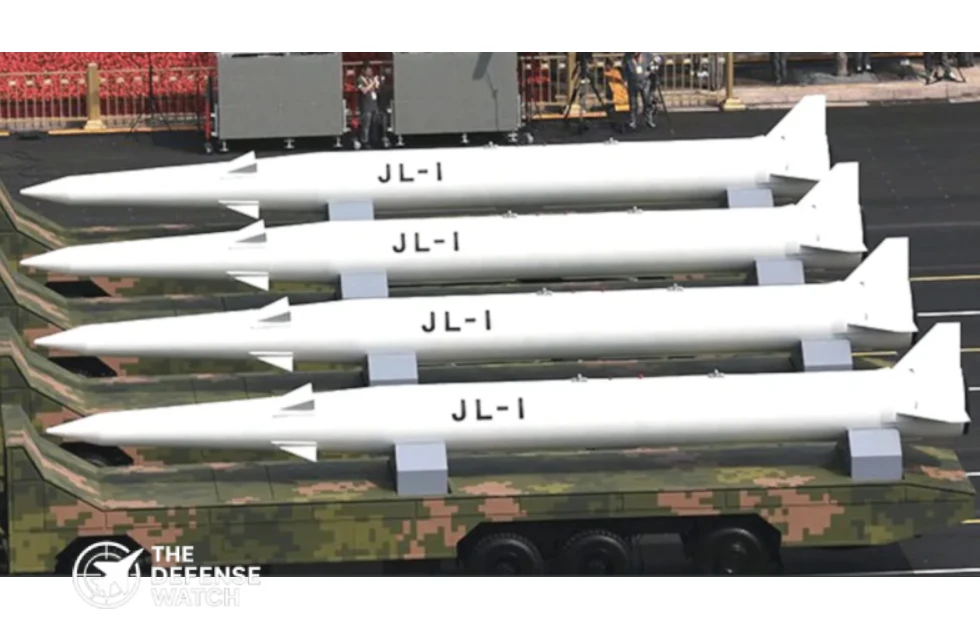
The JL-1 (Chinese: 惊雷-1, Jing Lei-1 or “Thunderclap-1”) is a nuclear-capable air-launched ballistic missile (ALBM) developed by China for the People’s Liberation Army Air Force. Unveiled publicly during the 2025 China Victory Day Parade, it forms the airborne leg of China’s nuclear triad alongside land-based intercontinental ballistic missiles and submarine-launched systems. Designed as a standoff weapon, the JL-1 is carried by the Xi’an H-6N strategic bomber and enables long-range precision or strategic strikes while keeping the launch aircraft outside many air-defense envelopes.
Manufacturer
The missile is a product of China’s state defense industry, with development linked to entities associated with the China Aerospace Science and Industry Corporation (CASIC) and related research institutes. It is widely assessed as an air-launched derivative of the DF-21 medium-range ballistic missile family (previously tracked in open sources as KF-21 or NATO CH-AS-X-13). Public details on the exact production facility remain limited, consistent with the classification of strategic systems.
Speed and Range
Chinese state media have reported a range of approximately 8,000 km, a figure that appears to incorporate the launch altitude, speed, and potential aerial-refueling contribution of the H-6N platform. Independent assessments generally place the missile’s intrinsic range in the 3,000 km class, with actual combat reach dependent on release conditions, trajectory, and payload. The weapon is described as capable of hypersonic speeds with terminal maneuverability, potentially employing a maneuverable reentry vehicle (MARV) or hypersonic glide vehicle configuration to complicate interception.
Cost/Price
Unit cost and production figures for the JL-1 have not been publicly released by Chinese authorities. As a strategic nuclear-capable system, pricing is not disclosed in open sources.
The JL-1 enhances China’s ability to conduct airborne nuclear or conventional long-range strikes, particularly in the Indo-Pacific region, while adding a mobile, recallable element to its strategic deterrent posture. Operational details continue to be refined through testing and integration with the H-6N fleet.