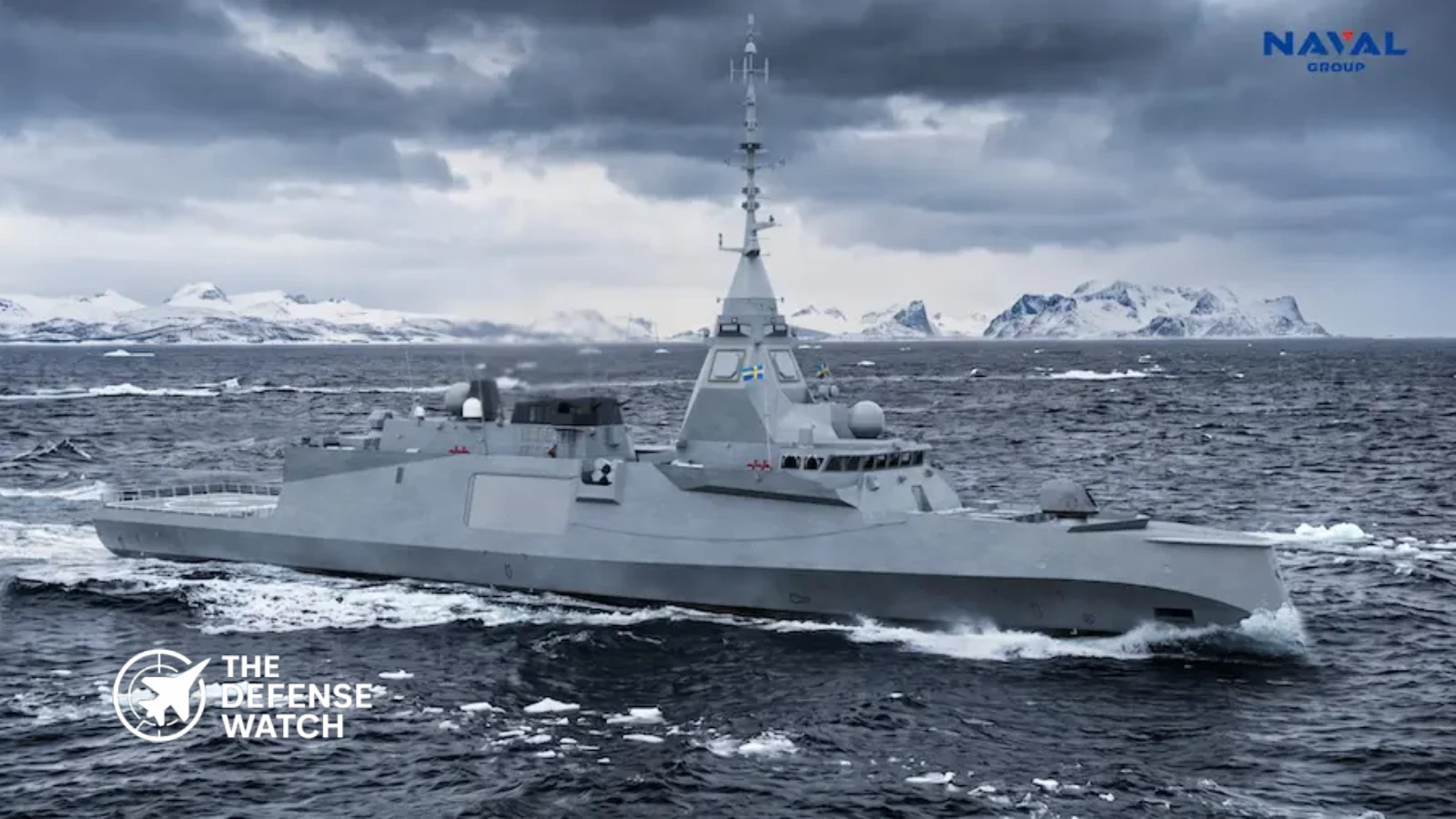
Sweden Signs €4.3 Billion FDI Frigate Contract
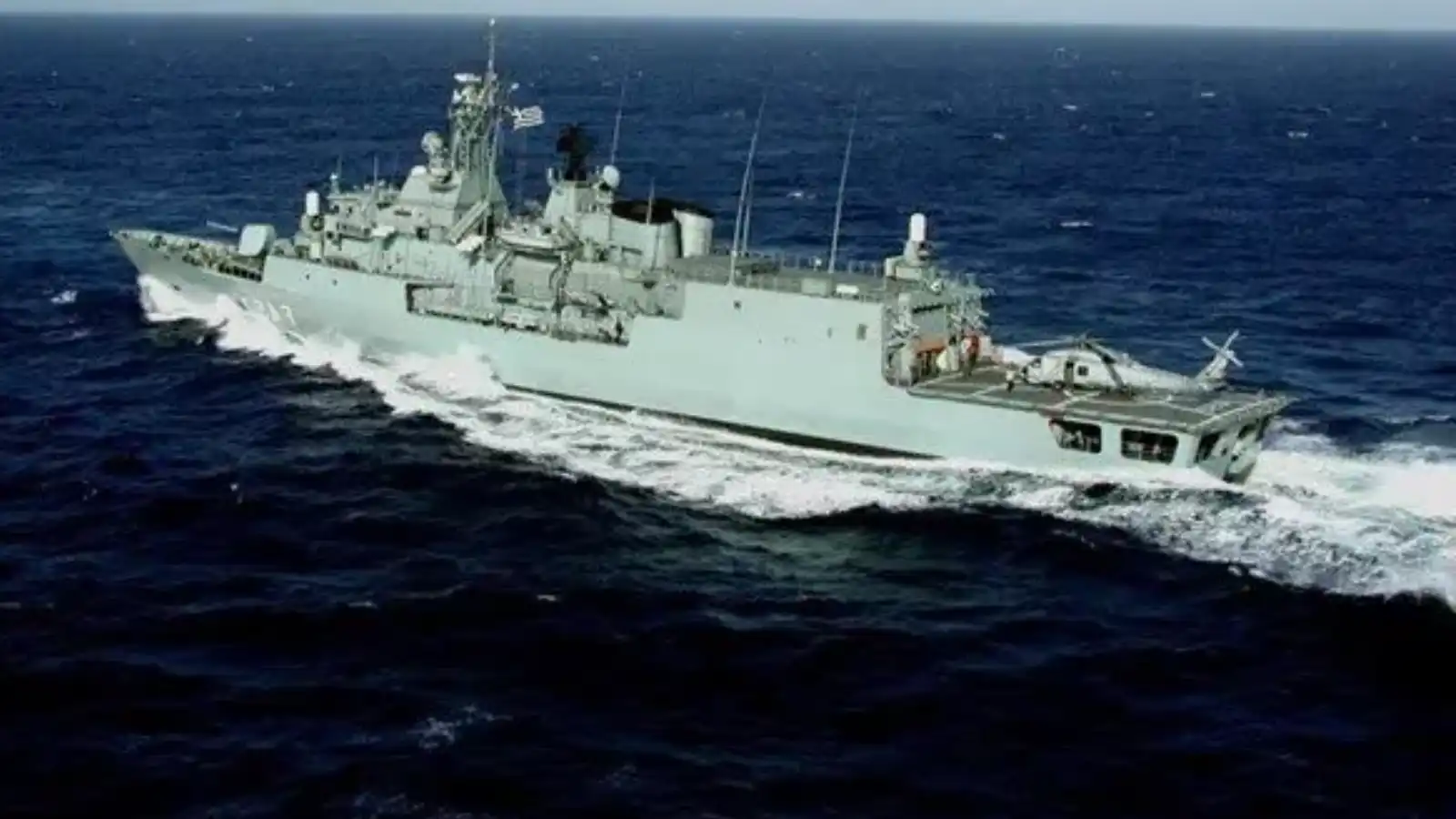
Sweden has signed a €4.3 billion contract with Naval Group for four FDI frigates, launching a major expansion of the Royal Swedish Navy’s surface combatant fleet. The Swedish Defence Materiel Administration, FMV, signed the agreement with Naval Group on August 31, with the ships to enter Swedish service as the Luleå class.
- Sweden Signs €4.3 Billion FDI Frigate Contract
- Takeaways
- Luleå-Class Delivery Schedule
- A Swedish FDI With Swedish Weapons and Sensors
- Why Air Defense Is Central to the Program
- Anti-Submarine Warfare Adds a Second Major Mission
- Sweden’s NATO Membership Is Changing Fleet Requirements
- A European Industrial Partnership
- What the FDI Purchase Means for NATO Maritime Defense
- The FDI’s Established Design Reduces Some Procurement Risk
- What Comes Next
Takeaways
Sweden has signed a €4.3 billion contract with Naval Group for four FDI-based air defense frigates that will enter service as the Luleå class.
The contract follows Sweden’s decision in May to pursue the French-designed FDI, or Frégate de Défense et d’Intervention, for its next generation of larger surface combatants. The first frigate is planned for delivery in 2030, with the remaining three scheduled between 2032 and 2034.
The procurement is particularly significant because Sweden’s new frigates are being configured around air defense and anti-submarine warfare, two capabilities that will become increasingly important as Stockholm expands its role within NATO.
Luleå-Class Delivery Schedule
The Swedish government and FMV have established the following delivery sequence:
| Ship | Swedish designation | Planned delivery |
|---|---|---|
| 1 | HMS Luleå | 2030 |
| 2 | HMS Norrköping | 2032 |
| 3 | HMS Trelleborg | 2033 |
| 4 | HMS Halmstad | 2034 |
FMV says the approximately SEK 47 billion contract also covers training systems, spare parts and associated materiel. Naval Group will act as the main system integrator, with the ships delivered in a configuration intended to enter Swedish service.
The schedule also reflects Sweden’s preference for an established design rather than developing a completely new frigate from the ground up. FMV previously described the FDI as a design already in series production and in service with the French and Greek navies, factors that support a relatively predictable procurement path.
A Swedish FDI With Swedish Weapons and Sensors
The Luleå-class ships will not simply replicate the French FDI configuration.
Sweden plans to integrate several domestically developed systems into the platform. FMV identifies ASTER 30 and CAMM-ER as the principal air defense missile systems, while Swedish equipment will include the RBS15 anti-ship missile, Torped 47, Giraffe 1X radar, 57 mm and 40 mm naval guns, and Trackfire.
This combination gives the frigates a mixed European and Swedish combat-system architecture.
The integration task is important. A modern frigate’s effectiveness depends not only on individual weapons but also on the ability of sensors, combat-management systems, launchers and communications networks to operate as one system. Naval Group’s role as prime system integrator is therefore central to delivering a ship that can be introduced into Sweden’s existing naval architecture.
The configuration also points to a division of labor between the Luleå class and Sweden’s smaller Visby-class corvettes. The Visby fleet remains an important component of Sweden’s coastal and littoral warfare capability, while the larger frigates will provide greater endurance, air defense and command capacity for operations farther from Swedish waters.
Why Air Defense Is Central to the Program
Sweden’s government describes the new frigates primarily as air defense frigates and says the four ships will triple Sweden’s current air defense capability at sea. The government also identifies qualified air defense as an important contribution to both Swedish national security and NATO capability.
That emphasis changes the operational value of the program.
A frigate equipped for area or extended air defense can protect more than its own hull. Depending on the tactical situation, such a ship can contribute to the protection of other naval units, merchant shipping and critical maritime infrastructure while providing an air defense node for a wider force.
For Sweden, this matters particularly in the Baltic Sea environment, where maritime routes, ports, islands and coastal infrastructure are closely connected to NATO’s broader northern defense architecture.
The Luleå class is therefore more than a replacement program. It adds a larger air defense platform to a Swedish fleet historically built around smaller surface combatants, submarines and coastal operations.
Anti-Submarine Warfare Adds a Second Major Mission
Air defense is only one part of the new frigates’ mission set.
FMV identifies anti-submarine warfare as another core capability for the Luleå class. Sweden’s geography and long experience with undersea operations make this a particularly relevant requirement for its navy.
The Baltic Sea presents a complex underwater environment, while Sweden’s strategic position also connects Baltic operations with the North Atlantic and the High North.
The ability to conduct anti-submarine warfare from larger surface combatants can complement Sweden’s submarine fleet and other NATO maritime forces. It also gives allied commanders another platform capable of contributing sensors, weapons, communications and command functions during maritime security operations.
The government says the frigates will also provide the ability to establish sea control, protect shipping and keep maritime routes open.
Sweden’s NATO Membership Is Changing Fleet Requirements
Sweden joined NATO in 2024, fundamentally changing the strategic context for its naval modernization.
Before NATO membership, Swedish naval planning was strongly shaped by territorial defense and the country’s position outside formal military alliances. The post-accession requirement is broader. Swedish naval units must remain capable of defending national territory while also operating effectively alongside allied forces.
The FDI procurement reflects that shift.
The Swedish government says the new frigates are intended to strengthen Sweden’s ability to operate with allies in international operations. Their larger size, air defense capabilities and multi-mission design provide capabilities that are better suited to sustained multinational naval operations than smaller coastal combatants.
This is particularly relevant to NATO’s northern flank. Sweden sits between the Baltic Sea and the wider Scandinavian defense area, making its naval forces relevant to the movement and protection of allied forces and commercial shipping.
A European Industrial Partnership
The contract also expands defense-industrial cooperation between Sweden and France.
In February, Naval Group signed a strategic partnership agreement with Swedish shipyard Oresund Drydocks aimed at developing a local frigate maintenance facility. Naval Group said the planned support arrangement would accompany any Swedish FDI deliveries and provide through-life support in Sweden.
The final procurement therefore has an industrial component beyond ship construction.
Naval Group has also said its partnership with Swedish industry will involve technology and technical expertise transfers to local companies. This approach can help Sweden maintain greater control over sustainment and maintenance as the fleet grows, although the long-term effectiveness of that arrangement will depend on how the industrial support structure develops during the ships’ service lives.
What the FDI Purchase Means for NATO Maritime Defense
The strategic value of the Swedish FDI order extends beyond the Royal Swedish Navy.
The Baltic Sea is becoming increasingly important to NATO maritime security, particularly for protecting sea lines of communication and critical infrastructure. Sweden’s geographic position gives its navy potential access to both Baltic and North Atlantic operating areas.
The Luleå-class frigates can add a larger surface combatant with modern air defense and anti-submarine capabilities to that wider force.
For NATO planners, the important change is not simply the addition of four ships. It is the addition of four relatively large multi-mission platforms capable of contributing to integrated air defense, anti-submarine warfare, maritime security and sea-control missions.
That makes the program relevant to allied naval force generation, particularly as European members seek to increase their ability to provide maritime capabilities without relying exclusively on U.S. naval assets.
The FDI’s Established Design Reduces Some Procurement Risk
One of the clearest advantages of the Swedish decision is the selection of a design already moving through production.
The FDI is already being built for France and Greece, and FMV previously highlighted the design’s existing production status as a reason for selecting it.
That does not eliminate technical risk.
Sweden is integrating a significant number of national systems, including Swedish weapons, radar and naval guns. Those additions require engineering work, software integration, testing and acceptance before the ships can reach their intended operational capability.
The challenge will be to preserve the benefits of an existing production design while incorporating Sweden-specific requirements without creating delays or excessive integration complexity.
What Comes Next
The August 31 contract allows production and Swedish personnel training to begin, according to the Swedish government. The first ship is planned for delivery in 2030.
The program will now move from procurement into execution, with ship construction, combat-system integration, crew training and support infrastructure developing in parallel.
The four frigates will ultimately become the centerpiece of Sweden’s larger surface combatant modernization effort. Their value will depend not only on the ships themselves, but also on how effectively Sweden integrates them with Visby-class corvettes, submarines, coastal forces and NATO maritime networks.
For the Royal Swedish Navy, the program represents a substantial move toward larger, more capable surface combatants. For NATO, it adds four new European frigates designed to combine air defense, anti-submarine warfare and maritime security missions in one platform.
As the first Luleå-class frigate approaches delivery in 2030, the program will provide a key measure of Sweden’s ability to translate its post-NATO defense ambitions into deployable maritime capability.