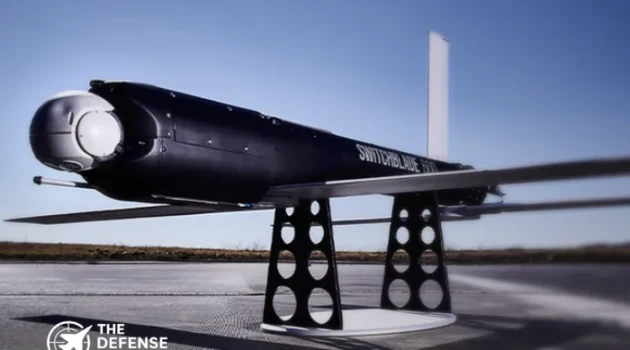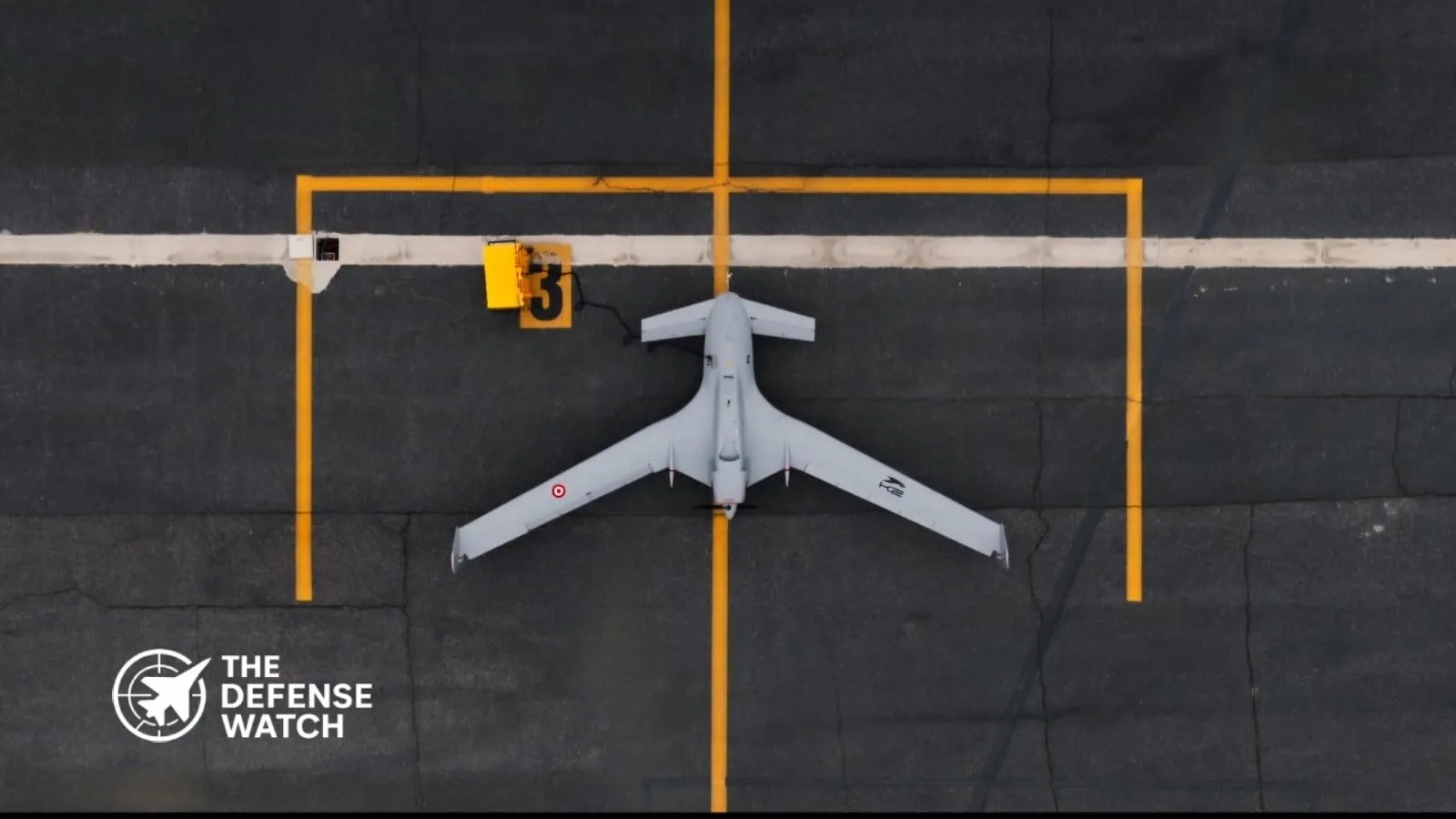
- Baykar has unveiled the AI powered K2 kamikaze drone designed for long range precision strike missions.
- The drone reportedly features autonomous navigation, AI based targeting, and swarm operation capability.
- The system is designed to strike targets more than 2,000 kilometers away while carrying a heavy warhead.
- K2 can operate from short or unprepared runways, expanding launch flexibility for dispersed operations.
- The platform reflects Turkey’s continued push into AI enabled unmanned strike warfare.
Baykar K2 Kamikaze Drone Expands Turkey’s AI Enabled Strike Arsenal
The AI powered K2 kamikaze drone has been introduced by Turkish defense company Baykar as part of the country’s growing portfolio of autonomous strike systems. The new platform is designed to conduct long range precision attacks using artificial intelligence assisted navigation, target recognition, and autonomous mission capabilities.
Baykar revealed the system as part of its expanding unmanned warfare ecosystem, which already includes combat drones such as the Bayraktar TB2 and the heavier AKINCI unmanned combat aerial vehicle.
The K2 represents a shift toward larger, longer range loitering munitions capable of conducting deep strike missions against high value targets.
The Big Picture
Autonomous loitering munitions have become a defining feature of modern warfare. Conflicts in Ukraine, the Middle East, and the Caucasus have demonstrated the growing role of expendable strike drones capable of penetrating defenses and striking critical infrastructure.
Nations are now developing larger and more sophisticated systems that combine the persistence of UAVs with the destructive effect of cruise missiles.
Turkey has emerged as one of the leading exporters and developers of unmanned systems in the past decade. Baykar alone generated roughly $1.8 billion in exports in recent years and has delivered UAV systems to dozens of countries, strengthening Turkey’s position in the global drone market.
The introduction of the AI powered K2 kamikaze drone reflects Ankara’s continued investment in autonomous strike technologies designed for both domestic defense and international export markets.
What’s Happening
Baykar has unveiled the K2 kamikaze drone, a large loitering munition designed to conduct autonomous long range strike missions.
According to reported specifications, the drone is capable of striking targets at distances exceeding 2,000 kilometers while carrying a warhead of roughly 200 kilograms. The platform has a maximum takeoff weight around 800 kilograms and can operate for extended periods before engaging its target.
The drone incorporates artificial intelligence based systems that allow it to:
• Navigate using visual terrain recognition
• Identify and track targets autonomously
• Coordinate with other drones during swarm missionsThe system is designed to take off from short or unprepared runways, allowing forces to launch missions from dispersed locations rather than fixed air bases.
Baykar says the AI architecture allows the drone to maintain mission capability even in contested electronic warfare environments where GPS signals may be degraded.
Why It Matters
The AI powered K2 kamikaze drone represents a notable step in the evolution of loitering munition technology.
Early loitering munitions typically carried small warheads and operated within relatively short ranges. Systems like the K2 combine extended range, heavier payloads, and AI assisted targeting, moving the concept closer to a reusable autonomous strike aircraft.
This capability offers several operational advantages:
First, the long range allows forces to strike strategic targets deep behind enemy lines without deploying manned aircraft.
Second, autonomous navigation and AI target recognition reduce reliance on constant operator control.
Third, swarm coordination allows multiple drones to overwhelm air defense systems through saturation tactics.
These features align with broader trends in military modernization, where autonomous systems increasingly support precision strike missions.
Strategic Implications
Turkey’s continued expansion into AI enabled drone warfare has clear implications for regional and global security dynamics.
The country has already demonstrated the battlefield impact of UAV systems through deployments in Syria, Libya, and Nagorno Karabakh.
Adding longer range autonomous strike drones could expand Turkey’s ability to conduct deep precision strikes while limiting risk to pilots and high value aircraft.
For NATO, Turkey’s drone industry provides an additional source of advanced unmanned systems within the alliance. At the same time, Ankara’s export policy means these technologies may appear in multiple regional security environments.
The K2 also signals a broader shift toward autonomous strike networks where UAVs, loitering munitions, and AI enabled sensors operate together.
Competitor View
Other major powers are pursuing similar capabilities.
Iran has fielded long range loitering munitions such as the Shahed 136, which have been widely used in the Ukraine conflict.
Israel pioneered the concept with systems such as the Harop loitering munition, designed to attack radar systems and air defense networks.
China and Russia are also investing heavily in autonomous swarm drones and AI assisted strike platforms.
The emergence of systems like the AI powered K2 kamikaze drone suggests that long range loitering munitions will remain a key focus area in the evolving unmanned warfare landscape.
What To Watch Next
Several developments will determine the operational impact of the K2 system.
First, flight testing and operational trials will reveal the platform’s true performance in contested electronic warfare environments.
Second, integration with existing Turkish UAV platforms and command networks could enable coordinated drone operations.
Third, export interest will likely emerge quickly given Baykar’s established international customer base.
Countries already operating Baykar drones may view the K2 as a complementary deep strike capability.
Capability Gap
The K2 system appears designed to address a key operational challenge faced by many militaries: conducting long range precision strikes without relying on expensive cruise missiles or risking manned aircraft.
Loitering munitions fill the gap between traditional UAV surveillance platforms and high cost missile systems.
However, systems like the K2 also face limitations. Large drones remain vulnerable to layered air defense networks that combine radar, missiles, and electronic warfare systems.
Operational effectiveness will therefore depend on tactics such as swarm deployment, electronic warfare integration, and coordinated strikes.
The Bottom Line
The AI powered K2 kamikaze drone highlights Turkey’s growing ambition to lead the next generation of autonomous long range strike systems.