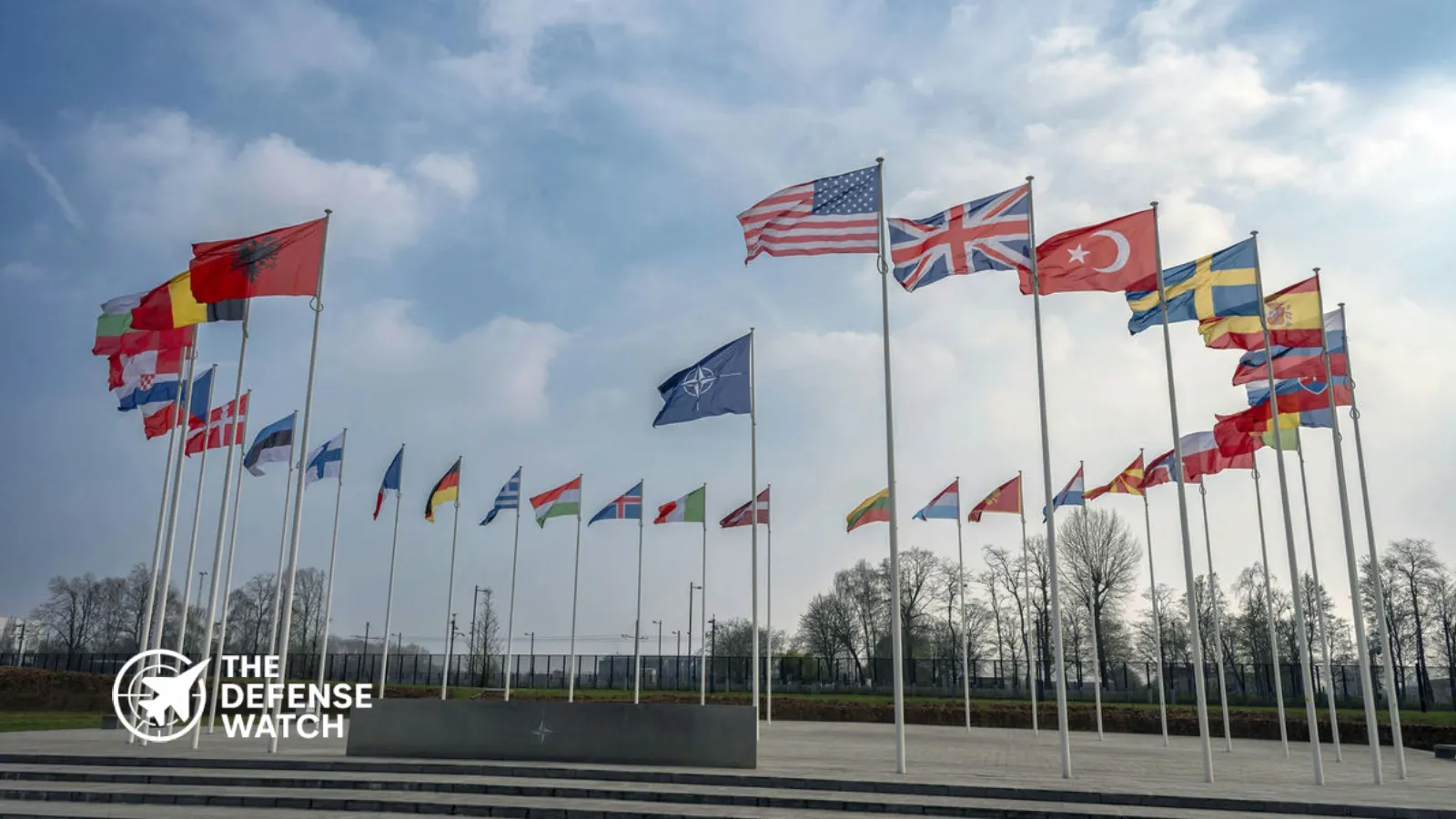
European allies now control all three NATO Joint Force Commands under a major restructure of the alliance’s military leadership. The shift, agreed by NATO members on February 6 and publicly outlined on February 10, reflects a rebalancing of responsibility within NATO’s command structure while preserving core US leadership roles.
What Changed In NATO’s Command Structure
NATO has agreed to redistribute senior officer responsibilities across its operational command structure, moving leadership of the main Joint Force Commands from the United States to European allies.
Under the new arrangement:
- The United Kingdom will assume command of Joint Force Command Norfolk, previously led by the United States.
- Italy will take over Joint Force Command Naples from US leadership.
- Germany and Poland will share command of Joint Force Command Brunssum on a rotational basis.
All three commands are four-star operational headquarters responsible for planning and directing NATO forces in crisis and conflict. The change means Europeans now lead the alliance’s principal operational commands.
US Role After The Shift
While European allies take these senior posts, the United States continues to hold critical NATO leadership positions. U.S. officers remain in charge of the theater component Commands, including Allied Air Command, Allied Land Command and Allied Maritime Command. The U.S. also retains the role of Supreme Allied Commander Europe (SACEUR), the top military position in the alliance.
NATO officials describe the change as part of broader planning for future rotation cycles rather than an abrupt departure from long-standing U.S. influence within alliance military command.
Strategic Context
The redistribution is framed as a response to calls from within the alliance for a fairer share of responsibilities among member states. European nations have increased defense investments following Russia’s invasion of Ukraine and evolving security pressures on NATO’s eastern and northern flanks.
Shifting command leadership to European officers aligns with these trends, while preserving deep U.S. involvement in NATO’s strategic and operational planning.
Reactions And Implications
Alliance officials say the changes are designed to strengthen collective defense by tapping into expanded European military capacity and commitment. There is no indication that the adjustments diminish the United States’ central role in alliance command and control.
Some commentators note the move could help spread the burden of operational leadership among more NATO members. Others emphasize the enduring need for close US-Europe cooperation in deterrence and interoperability across the alliance’s global operations.
What This Means For NATO Operations
The command shifts affect how NATO plans and executes joint military responses across multiple theaters. With European commanders at the helm of the Joint Force Commands, NATO aims to sustain readiness and operational planning capability. At the same time, U.S. leadership of land, air and maritime component commands ensures continuity in major operational domains.
The combined approach reflects NATO’s long-term strategy: build allied capacity across Europe while maintaining integrated capabilities under alliance control.
Future Outlook
Implementation of the new structure will occur over several years, aligned with scheduled rotations and personnel changes. NATO leaders stress that the evolution of the command framework will proceed within existing alliance planning cycles and with ongoing consultation among member states.
As Europe faces persistent security challenges on its eastern and northern borders, the prominence of European leadership within NATO’s military hierarchy may increase allied responsiveness and cohesion.