Executive Summary:
Canada is preparing to transfer 10 surplus CC-130H Hercules aircraft to Coulson Aviation, which plans to use the aircraft to expand its aerial firefighting fleet. The transaction follows Canada’s replacement of the legacy CC-130H search and rescue fleet with newer CC 295 aircraft and is subject to final arrangements and required regulatory approvals.
Coulson Aviation Set To Expand C-130 Hercules Firefighting Fleet
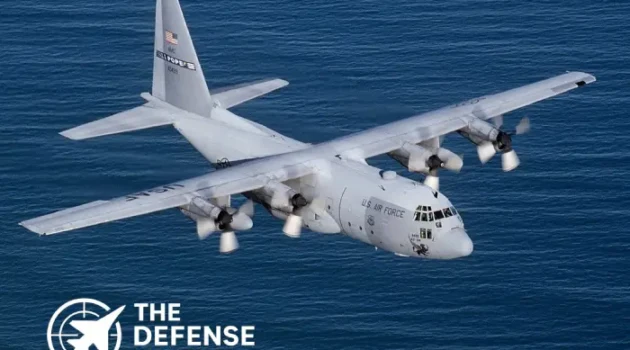
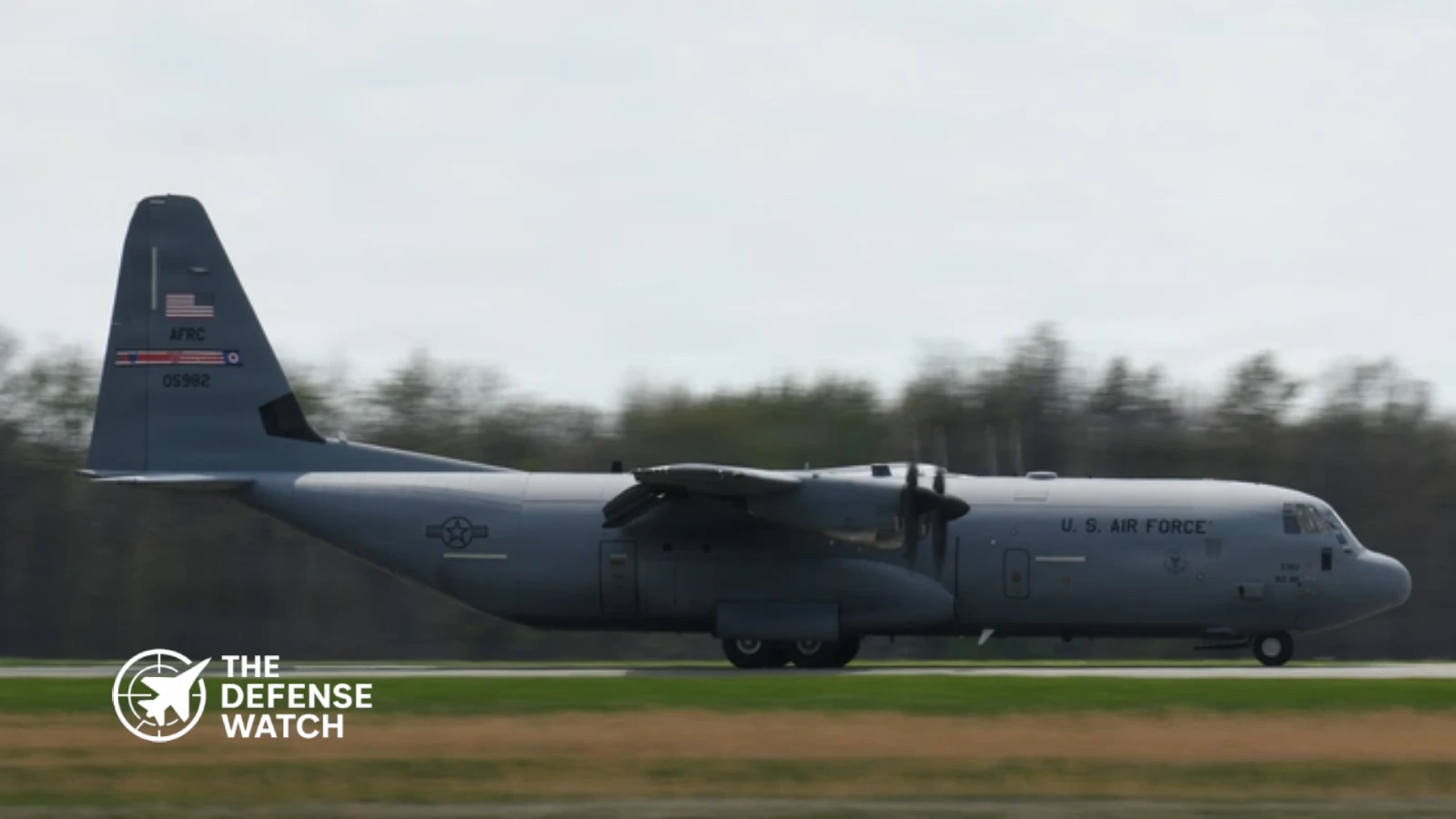
C-130 Hercules firefighting operations are set for a significant expansion after Canada agreed to sell 10 surplus CC-130H aircraft to Coulson Aviation, according to reporting by FlightGlobal. The aircraft were formerly operated by the Royal Canadian Air Force and are being made available after Canada transitioned its fixed wing search and rescue capability to the Airbus CC-295 Kingfisher.
The transaction is particularly significant because Coulson already operates a dedicated fleet of Hercules aircraft configured for aerial firefighting. The company uses its C-130 fleet with the proprietary RADS firefighting system, giving the former military transports a new role as large airtankers.
Why Canada Is Releasing The Aircraft
The Canadian aircraft became surplus as part of the country’s long running Fixed Wing Search and Rescue Aircraft Replacement program.
Canada acquired 16 CC-295 aircraft to replace the search and rescue functions previously performed by CC-115 Buffalo and CC-130H Hercules aircraft. The program was designed to provide sensor equipped aircraft with long term support for search and rescue missions throughout Canada’s large area of responsibility.
The RCAF continues to operate other Hercules variants. Its current fleet includes the CC-130J Hercules for transport missions, while the CC-130H has historically supported search and rescue and related duties.
The disposal of the older aircraft therefore represents a capability transition rather than a reduction in Canada’s primary tactical airlift fleet.
Canada is also continuing to invest heavily in its CC-130J fleet. In May 2026, the government announced two contract amendments with Lockheed Martin worth $462.5 million and an estimated $684.3 million respectively for continued support and upgrades to Canada’s 17 CC-130J aircraft.
Canadian C-130H Background
The CC-130H is a four engine turboprop transport aircraft derived from the Lockheed C-130 Hercules family.
The RCAF lists the aircraft at a maximum gross weight of 87,320 kilograms, a maximum speed of 556 kilometers per hour and a range of more than 7,200 kilometers without additional tanks. Its ability to operate from relatively short and unpaved runways was particularly valuable for Canadian search and rescue operations across remote regions.
Capability Canadian CC-130H Maximum gross weight 87,320 kg Maximum speed 556 km/h Range without tanks 7,222 km Primary former role Search and rescue Secondary capability Transport Powerplant Four turboprop engines These characteristics also explain why the platform is attractive for aerial firefighting.
Coulson Has Already Built A C-130 Firefighting Model
Coulson Aviation is not entering the C-130 airtanker market for the first time. The company has spent years converting military surplus Hercules aircraft into dedicated firefighting platforms.
Its current fleet page identifies the C-130 Hercules as one of its principal aerial firefighting aircraft. Coulson says its Hercules tankers are equipped with a 4,000 gallon RADS XX L system designed to deliver large quantities of retardant during wildfire suppression missions.
The company’s experience also includes former U.S. Navy EC-130Q aircraft and C-130H aircraft obtained from foreign military operators.
In April 2025, Coulson announced that it had acquired four former Royal New Zealand Air Force C-130H aircraft. The acquisition increased its planned C-130H firefighting fleet to 10 aircraft at that time. Coulson said those aircraft would undergo conversion and modernization before entering aerial firefighting service.
The Canadian acquisition therefore builds on an established conversion program rather than requiring the company to create a new firefighting aircraft concept.
RADS Technology Is Central To The Conversion
The main technical change is the conversion of a military transport into an aerial tanker.
Coulson’s RADS system is designed to carry and release water or fire retardant through a controlled delivery system. The company identifies its RADS XX L system as a 4,000 gallon firefighting system for its C-130 aircraft.
The underlying C-130 airframe is well suited to this mission because it was originally designed to carry substantial payloads and operate from austere airfields.
That combination matters during wildfire response. Large tankers must frequently operate from bases that are closer to fire zones but have less infrastructure than major airports.
Coulson’s use of a common firefighting system across multiple C-130 aircraft also has potential logistical advantages. A more standardized fleet can simplify crew training, maintenance procedures, spare parts planning and deployment between regions.
The C-130 Offers A Different Capability From Scooper Aircraft
The Hercules occupies a different part of the aerial firefighting market from amphibious aircraft such as the Canadair CL 415.
A water bomber can scoop water from suitable lakes and other bodies of water, potentially reducing the time required to return to a base. A C-130 airtanker instead normally loads retardant or water at an established air tanker base and delivers a large payload directly over the fire.
The advantage is flexibility.
The C-130 can operate from conventional airfields and austere locations, while its large internal payload allows it to establish long retardant lines during a single pass. Coulson specifically highlights the aircraft’s range, short field performance and ability to deliver large quantities of retardant as reasons for its continued use in firefighting.
Why The Acquisition Matters For North American Fire Response
The planned transfer comes as governments increasingly rely on a mix of military, government and commercial aircraft to respond to large wildfires.
In the United States, C-130 aircraft operated by Air National Guard units can also be equipped with the Modular Airborne Fire Fighting System. Lockheed Martin states that MAFFS II can deliver approximately 3,000 gallons of retardant using a roll on, roll off configuration.
Coulson’s dedicated tanker configuration takes a different approach, with aircraft permanently or semi permanently configured around aerial firefighting operations.
This distinction is important for fleet availability. Military aircraft equipped with modular firefighting systems retain their primary military missions and can be tasked for wildfire response when required. A commercial tanker fleet, by contrast, can be structured primarily around firefighting contracts and seasonal deployments.
The Canadian sale therefore has implications beyond aircraft disposal. It effectively transfers a proven military airframe into a specialized emergency response fleet.
Regulatory Approval Remains An Important Step
The aircraft cannot simply move directly from military service into commercial firefighting operations.
Former military aircraft require appropriate inspections, maintenance, configuration changes and civil certification before they can operate under commercial aviation rules.
The reported transaction remains conditional on final contractual arrangements and Transport Canada approvals. That means the number of aircraft ultimately entering commercial service, their timelines and their eventual registration status will depend on completion of those processes.
This is particularly important for older C-130H aircraft. The airframes have substantial structural histories, and conversion to firefighting service introduces a different operating profile involving repeated low altitude operations and heavy retardant loads.
Coulson already has experience addressing those requirements through its existing Hercules tanker program. The company says its C-130 fleet undergoes modernization and conversion work before entering firefighting service.
A New Life For Surplus Military Aircraft
The transfer also illustrates how military aircraft can retain operational value after leaving national service.
Canada’s C-130H fleet played an important role in search and rescue, transport and disaster response for decades. The RCAF’s own historical material describes the Hercules as a long serving platform used across Canada and internationally for missions ranging from transportation to humanitarian assistance.
Instead of being dismantled or stored indefinitely, the aircraft can now potentially support another form of emergency response.
For Coulson, the acquisition provides additional airframes that are closely related to aircraft the company already operates. For Canada, it offers a route to monetize surplus defense equipment while keeping the aircraft within the broader Canadian aerospace ecosystem.
The deal also reflects the continuing value of the C-130 family more than seven decades after the prototype’s first flight.
The Larger Defense And Aerospace Significance
The transaction is not a military procurement program, but it is relevant to defense aviation because it demonstrates the growing overlap between military airlift infrastructure and civilian emergency response.
Military transport aircraft are designed around demanding requirements for payload, range, ruggedness and operations from less developed airfields. Those same attributes can make them useful for disaster response, humanitarian missions and aerial firefighting after their military careers end.
The Canadian case also shows the importance of fleet replacement planning. The RCAF can retire an older C-130H search and rescue capability because its replacement architecture has been established, while its newer CC-130J fleet continues to provide military transport capacity.
For Coulson, the next challenge is converting the aircraft into safe, certified and economically sustainable airtankers.
If completed, the acquisition would give the company another substantial pool of Hercules airframes for a firefighting market in which large airtanker availability remains an important operational consideration.
The immediate focus will therefore be on the aircraft themselves, their inspection and conversion, and the regulatory approvals required before they can return to service in their new role.
Key Facts
Item Details Buyer Coulson Aviation Seller Government of Canada Aircraft 10 surplus CC-130H Hercules Former operator Royal Canadian Air Force Planned role Aerial firefighting Primary conversion Large airtanker configuration Existing Coulson system RADS XX L Reported RADS XX L capacity Up to 4,000 U.S. gallons Regulatory requirement Transport Canada approvals Canadian replacement CC 295 Kingfisher Related Canadian fleet CC-130J Hercules The planned sale represents a significant transition for 10 former Canadian military aircraft. Rather than ending their service lives after leaving the RCAF, the Hercules airframes are positioned to become specialized firefighting assets operated by a company with extensive experience converting and deploying C-130s as large airtankers.