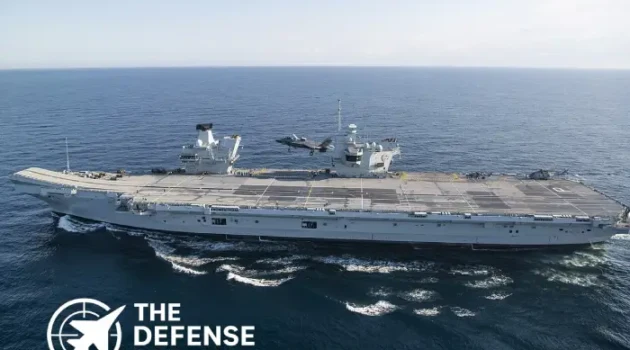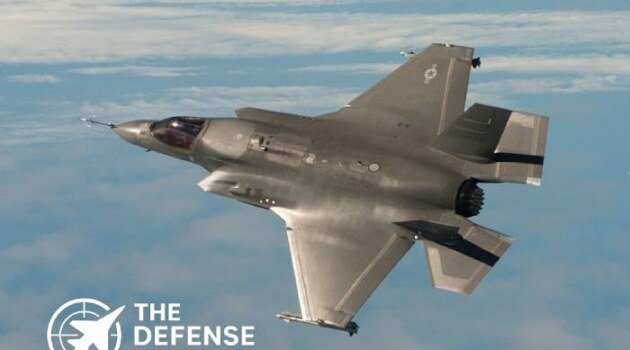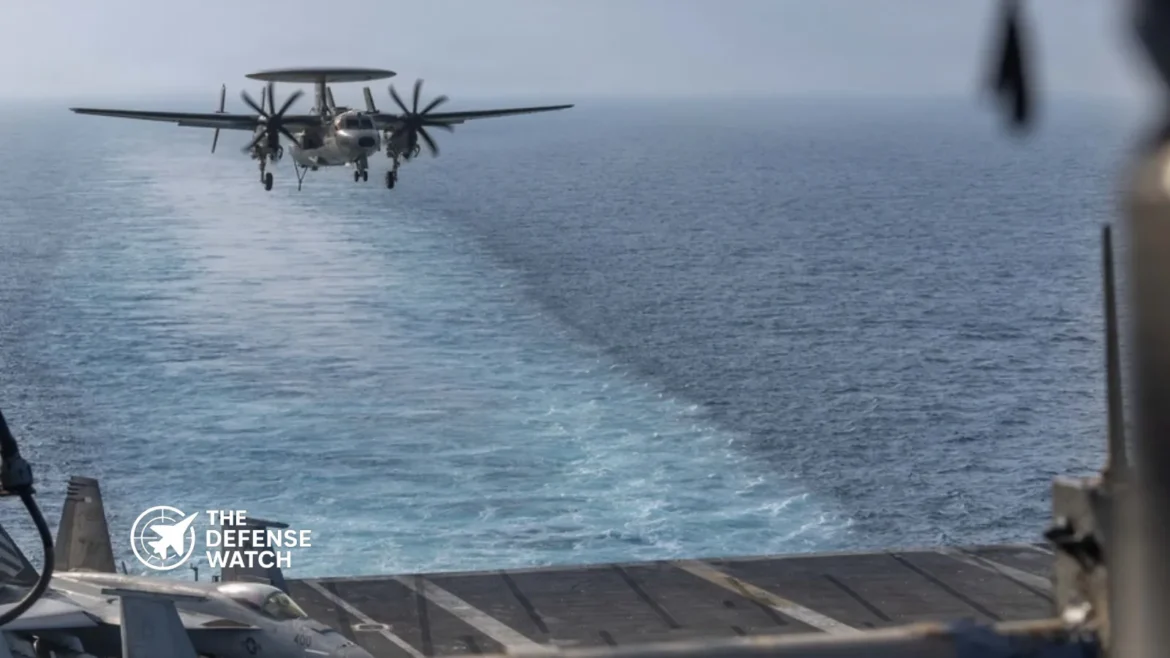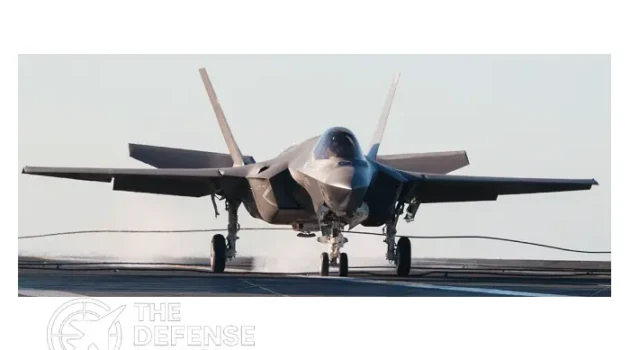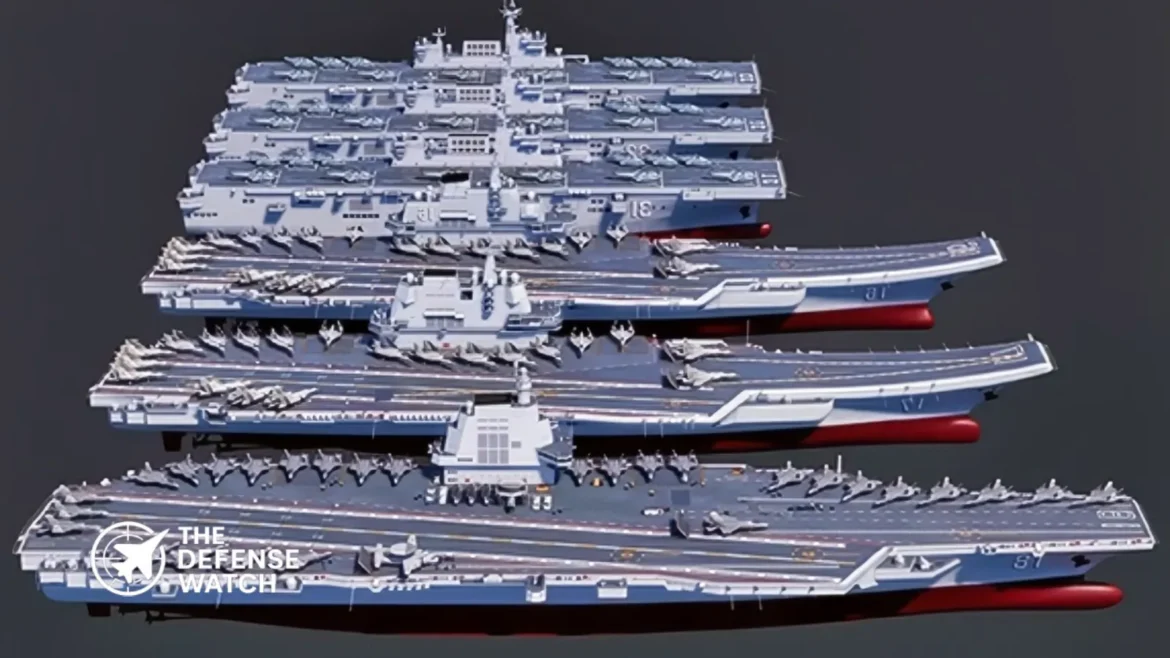
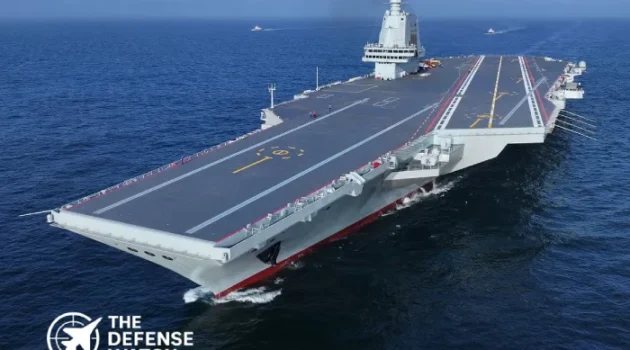
- ► China’s newest aircraft carrier is the Fujian, also known as the Type 003 carrier.
- ► Unlike earlier carriers, Fujian uses an electromagnetic aircraft launch system instead of a ski jump ramp.
- ► Analysts question whether its conventional power plant can sustain high sortie rates during intensive operations.
- ► Deck layout and aircraft handling efficiency are also under scrutiny.
- ► The carrier is central to China’s long term blue water naval strategy.
China’s New Aircraft Carrier Design Flaw Raises Operational Concerns
China’s new aircraft carrier design flaw is drawing growing attention among naval analysts, as the PLA Navy pushes forward with its most advanced flattop to date. The vessel in question, widely known as the Fujian, represents a major technological leap for China’s carrier program. Yet structural and operational questions continue to surface, potentially limiting the ship’s long term effectiveness.
(adsbygoogle = window.adsbygoogle || []).push({});The discussion centers on how design decisions, particularly involving the carrier’s launch system and deck configuration, may affect sortie generation rates, aircraft handling efficiency, and overall survivability in high intensity conflict scenarios.
From Ski Jump to Catapult: A Major Transition
China’s earlier carriers, Liaoning and Shandong, used ski jump ramps for launching aircraft. While simpler, that configuration limits takeoff weight, reducing fuel and weapons loads for carrier borne fighters.
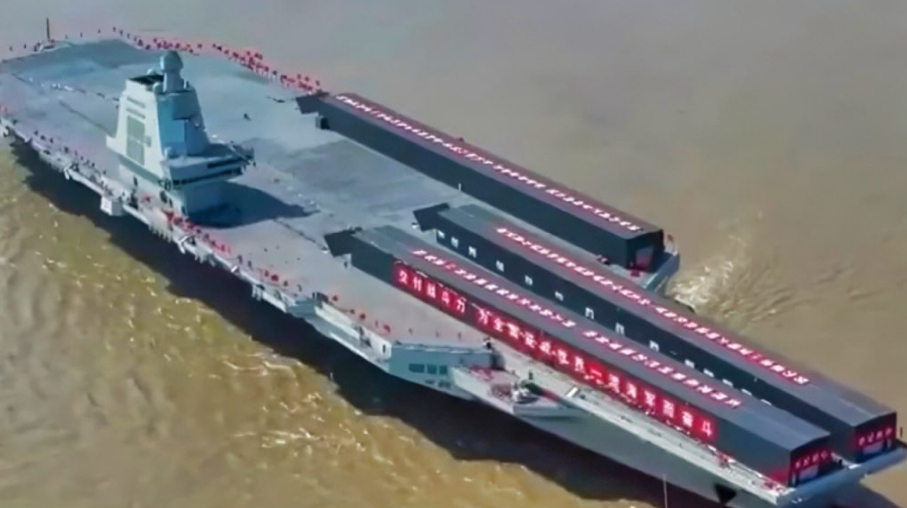
With Fujian, Beijing moved to an electromagnetic aircraft launch system, similar in concept to the EMALS technology deployed on the U.S. Navy’s USS Gerald R. Ford. This transition was intended to boost launch efficiency, support heavier aircraft, and enable fixed wing airborne early warning platforms.
However, integrating such a system into a conventionally powered hull introduces complexity. Unlike U.S. nuclear powered carriers, Fujian must rely on conventional propulsion to generate sufficient electrical power. That dynamic may constrain sustained high tempo flight operations.
The Core Design Concern
At the center of the China’s new aircraft carrier design flaw debate is how power generation, deck layout, and structural design interact.
Reports suggest that electrical output margins may be tighter than optimal for prolonged catapult intensive operations. In practical terms, this could limit the rate at which aircraft are launched during surge scenarios. In a peer level conflict, sortie rate often determines combat effectiveness more than platform count alone.
Another concern relates to deck space and aircraft handling. Modern carriers depend on carefully optimized deck choreography. Small inefficiencies compound rapidly during combat. If deck movement patterns are constrained by layout compromises, operational tempo suffers.
While Beijing has not acknowledged any issues publicly, the absence of extensive at sea operational history leaves open questions about long term reliability under sustained stress.
Implications for PLA Navy Strategy
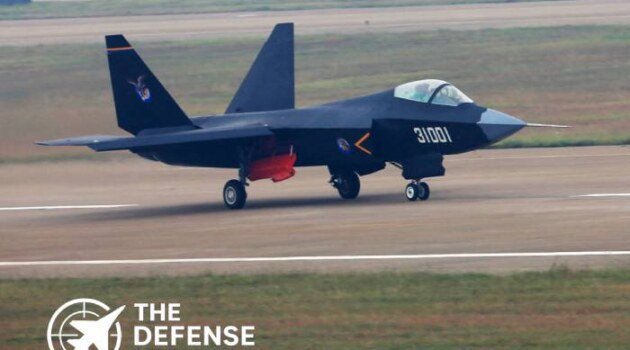
The People’s Liberation Army Navy views aircraft carriers as central to extending maritime influence beyond the first island chain. Fujian is expected to operate the carrier variant of the Shenyang J-15, and potentially a next generation stealth aircraft derived from the Shenyang FC-31.
If launch rates or electrical reliability limit sustained air operations, the carrier’s deterrent value could be reduced. Power projection missions depend on endurance, not just initial capability.
That said, early generation design friction is not unusual. The U.S. Navy faced well documented integration challenges during the early deployment of USS Gerald R. Ford. Over time, engineering refinements improved performance.
(adsbygoogle = window.adsbygoogle || []).push({});China may follow a similar trajectory, using Fujian as a stepping stone toward a future nuclear powered carrier class.
Analysis: A Transitional Platform or Structural Constraint?
There are two ways to interpret the China’s new aircraft carrier design flaw issue.
First, it may reflect a transitional stage in China’s naval modernization. Shifting from ski jump carriers to advanced catapult systems in a single generational leap is ambitious. Technical friction is expected. If so, the lessons learned could inform the design of China’s next carrier, potentially rumored to be nuclear powered.
Second, if the flaw stems from deeper structural compromises in hull design or power architecture, correcting it may require significant redesign in future vessels. That would delay China’s timeline for achieving carrier parity with the United States.
It is also important to consider doctrine. China’s carriers may initially operate under protective layers of land based anti ship missile systems and long range aviation, rather than independently projecting power globally. In that scenario, slightly lower sortie rates may be operationally acceptable in the near term.
Still, long term ambitions clearly point toward blue water capability. For that, reliability and sustained operational tempo are non negotiable.
(adsbygoogle = window.adsbygoogle || []).push({});The Broader Naval Balance
The evolution of China’s carrier fleet has strategic implications for the Indo Pacific balance of power. The United States currently operates eleven nuclear powered aircraft carriers. China operates two ski jump carriers and is preparing Fujian for full operational deployment.
Even if Fujian faces limitations, its existence marks a significant shift in regional naval capability. It enhances Beijing’s ability to conduct joint operations, support amphibious forces, and project air power farther from mainland bases.
The question is not whether China can field carriers. It already has. The question is how effective those carriers will be in contested, high intensity scenarios.
If the design flaw proves manageable, Fujian could become the foundation for a more capable future fleet. If not, it may highlight the difficulty of compressing decades of carrier development into a single technological jump.
Conclusion
China’s new aircraft carrier design flaw underscores the complexity of modern naval aviation. The Fujian represents a bold technological advance for the PLA Navy, but ambition alone does not guarantee operational success.
As sea trials continue and air wing integration progresses, clearer data will emerge about sustained launch rates, electrical resilience, and combat readiness. Until then, analysts will continue to scrutinize how design decisions made today shape China’s maritime power tomorrow.
(adsbygoogle = window.adsbygoogle || []).push({});FAQs
What is the name of China’s newest aircraft carrier?China’s newest carrier is the Fujian, also known as the Type 003 aircraft carrier.
What is the main design concern with Fujian?Analysts question whether its power generation and deck configuration can sustain high sortie rates using electromagnetic catapults.
How does Fujian differ from earlier Chinese carriers?Unlike Liaoning and Shandong, Fujian uses an electromagnetic catapult system instead of a ski jump ramp.
Does this flaw make the carrier ineffective?Not necessarily. It may limit sustained operations, but long term improvements could address current constraints.
Will China build nuclear powered carriers next?Many analysts expect China to eventually field nuclear powered carriers to improve endurance and power generation capacity.

- ► Filming activity reported at Rosyth dockyard involving a Royal Navy aircraft carrier.
- ► HMS Prince of Wales currently undergoing maintenance and preparation cycles.
- ► Rosyth remains a central hub for UK carrier sustainment and industrial support.
- ► The UK’s Queen Elizabeth class carriers are key to NATO maritime power projection.
- ► Activity underscores long term investment in British naval modernization.
Royal Navy Aircraft Carrier Filming At Rosyth Draws Attention To UK Naval Power
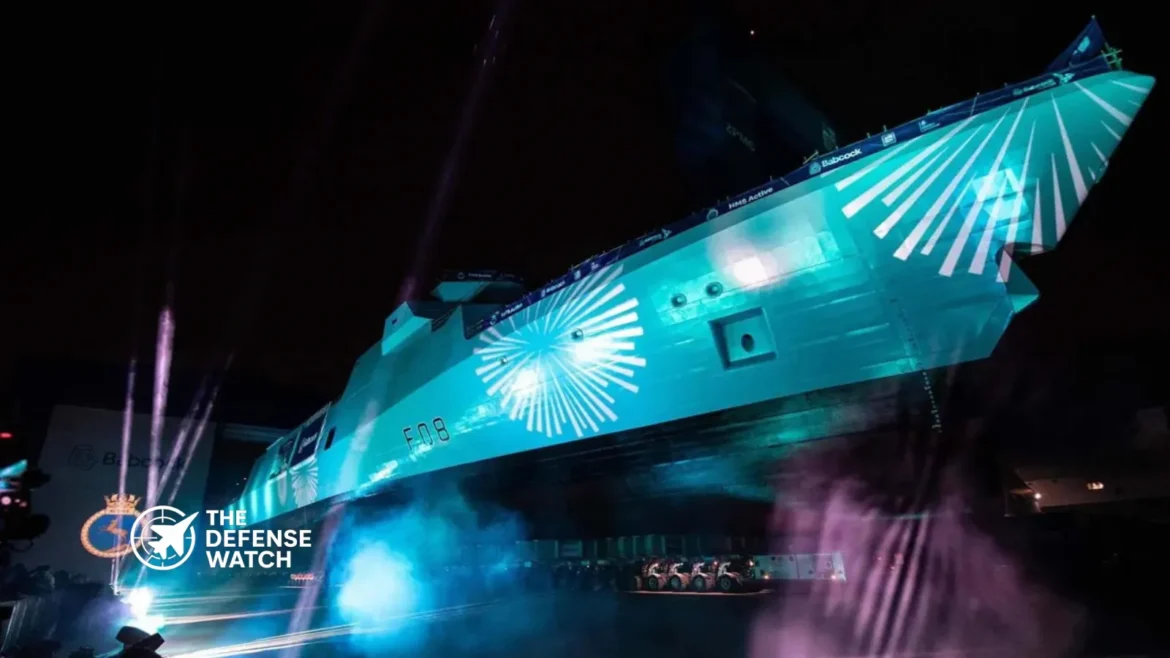
Royal Navy aircraft carrier activity at Rosyth has drawn renewed attention to the United Kingdom’s maritime capabilities, following reports of filming taking place at the dockyard.
(adsbygoogle = window.adsbygoogle || []).push({});According to Royal Navy, cameras were spotted at the Rosyth facility in Scotland, where one of the Royal Navy’s flagship carriers is currently alongside. The activity appears linked to media or documentary production rather than operational changes, but it has nonetheless placed focus on Britain’s carrier fleet.
Rosyth dockyard, operated by Babcock International, plays a central role in the maintenance and sustainment of the Royal Navy’s largest surface combatants. The site was instrumental in assembling sections of the Queen Elizabeth class aircraft carriers and remains critical for through life support.
HMS Prince Of Wales At Rosyth
The vessel at Rosyth is understood to be HMS Prince of Wales, one of two Queen Elizabeth class aircraft carriers in service with the Royal Navy.
HMS Prince of Wales has undergone periods of maintenance and technical updates since entering service. These cycles are standard for complex warships, particularly aircraft carriers that integrate aviation systems, propulsion, combat management, and logistics at scale.
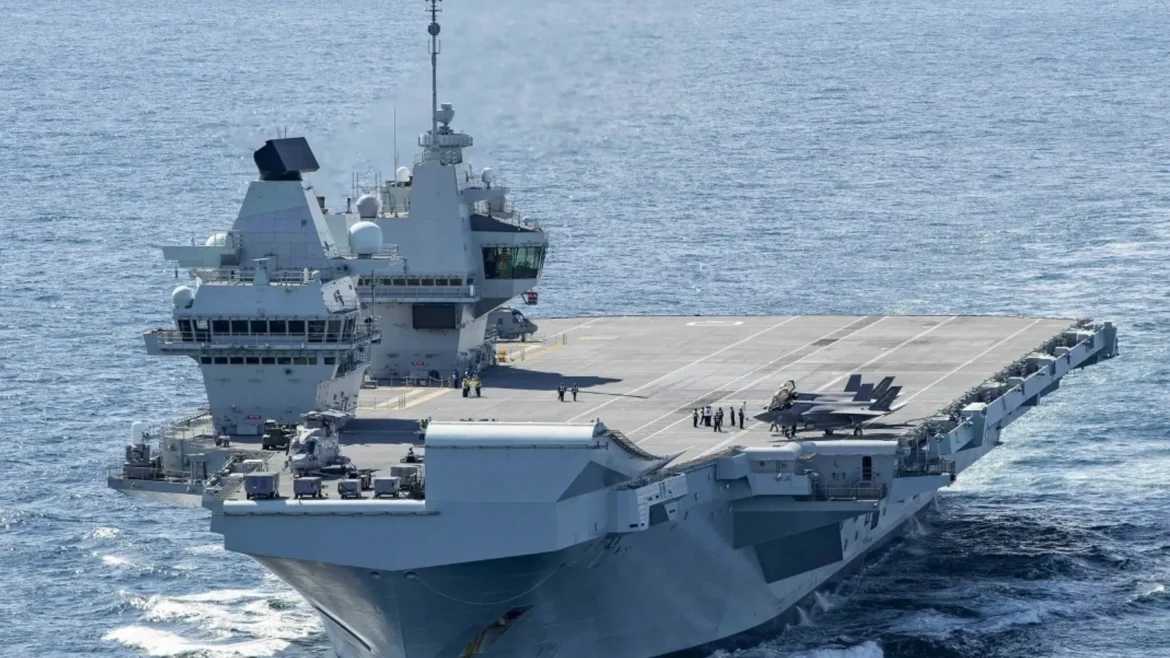
The Queen Elizabeth class, which also includes HMS Queen Elizabeth, represents the largest warships ever built for the Royal Navy. Each carrier displaces around 65,000 tonnes and is designed primarily to operate the F-35B Lightning II stealth fighter.
Why Rosyth Matters
Rosyth is more than a maintenance facility. It is a symbol of the UK’s carrier strike regeneration after a decade long gap in fixed wing carrier aviation.
(adsbygoogle = window.adsbygoogle || []).push({});The UK retired its Invincible class carriers in the early 2010s, creating a period during which Britain lacked a conventional carrier strike capability. The introduction of the Queen Elizabeth class restored that capacity and aligned the UK more closely with U.S. and NATO carrier operations.
The Rosyth facility anchors the industrial backbone behind this effort. Carrier sustainment requires a continuous pipeline of skilled labor, dock capacity, and supply chain integration. Without that infrastructure, carrier availability would degrade quickly.
In that context, even routine filming at Rosyth highlights something larger. It reflects the political and strategic importance attached to the UK’s carrier force.
Carrier Strike In A NATO Framework
The Royal Navy aircraft carrier force operates as the centerpiece of the UK Carrier Strike Group. This formation typically includes Type 45 destroyers, Type 23 frigates, support vessels from the Royal Fleet Auxiliary, and allied warships.
(adsbygoogle = window.adsbygoogle || []).push({});During its 2021 deployment to the Indo Pacific, HMS Queen Elizabeth led a multinational task group that included U.S. and Dutch vessels. The deployment signaled the UK’s intent to maintain a global maritime presence.
Today, carrier operations are increasingly tied to NATO planning, particularly in the North Atlantic and European theaters. As tensions persist with Russia and instability continues in other regions, carrier strike groups provide flexible response options.
From a U.S. perspective, British carrier capability complements U.S. Navy force posture. Interoperability with the F 35B, shared data links, and joint training enhance coalition effectiveness.
Media Spotlight And Strategic Messaging
Filming activity at Rosyth may appear routine, but defense communications matter. Public visibility reinforces domestic support for large capital ships that require significant budget allocations.
Aircraft carriers are expensive to build and sustain. Their value lies not only in combat power but also in deterrence and diplomacy. Port visits, exercises, and media coverage all contribute to that role.
By showcasing a Royal Navy aircraft carrier in dock, media projects can help illustrate the scale and complexity of the program. For taxpayers and policymakers, visibility supports accountability and transparency.
(adsbygoogle = window.adsbygoogle || []).push({});At the same time, the operational reality remains unchanged. There has been no indication of new deployments or mission shifts tied to the filming itself.
Industrial And Strategic Implications
The Queen Elizabeth class carriers represent one of the largest defense investments in modern British history. Their lifecycle will extend decades, requiring sustained funding and modernization.
Rosyth’s ongoing role ensures that the UK retains sovereign industrial capacity for major naval platforms. That factor is significant as European nations reassess defense industrial resilience.
(adsbygoogle = window.adsbygoogle || []).push({});For Washington, London’s ability to field a credible carrier strike group strengthens transatlantic burden sharing. The U.S. Navy remains the dominant carrier force globally, but allied contributions matter in contested environments.
As global maritime competition intensifies, platforms like HMS Prince of Wales serve both operational and symbolic functions.
The recent Royal Navy aircraft carrier activity at Rosyth, though centered on filming, underscores the enduring importance of Britain’s carrier program. It also highlights the industrial foundation that sustains it.
 ■ KEY FACTS AT A GLANCE
- ► US Navy awards approximately 10 million contract for 123 E 2D Hawkeye intercom systems.
- ► Upgrade supports carrier based airborne early warning and battle management missions.
- ► Enhances crew coordination and communications resilience inside the E 2D cockpit.
- ► Part of broader Navy effort to sustain and modernize the Advanced Hawkeye fleet.
- ► Reinforces carrier air defense posture amid evolving aerial and missile threats.
US Navy Orders 123 E 2D Hawkeye Intercom Systems To Reinforce Carrier Air Defense
The US Navy E 2D Hawkeye intercom systems upgrade marks a focused investment in the survivability and effectiveness of the carrier air wing’s airborne command and control aircraft.
(adsbygoogle = window.adsbygoogle || []).push({});According to reporting by Army Recognition, the US Navy has awarded a contract valued at roughly 10 million dollars for the procurement of 123 intercommunication systems for the E-2D Advanced Hawkeye fleet. The E 2D serves as the Navy’s primary airborne early warning and battle management platform, operating from nuclear powered aircraft carriers across the globe.
While the contract amount may appear modest compared to major airframe or radar upgrades, the operational role of these systems is significant. In high tempo carrier strike group operations, secure and reliable internal communications are essential for mission execution.
Why The Intercom Upgrade Matters
The E 2D Advanced Hawkeye acts as the airborne nerve center of the carrier strike group. It detects and tracks aircraft, cruise missiles, and surface contacts at extended ranges using its AN APY 9 radar and advanced mission systems. It also manages air defense assets and coordinates with fighter aircraft, including the F-35C Lightning II and F/A-18E/F Super Hornet.
In this environment, cockpit and cabin communication clarity is not a secondary issue. It directly affects mission success. The four to five crew members onboard the E 2D must process large volumes of sensor data while coordinating with surface ships, fighters, and joint forces.
Modern intercom systems provide improved audio clarity, reduced interference, and stronger resilience against electromagnetic disruption. As carrier groups face more advanced electronic warfare threats, hardened internal communication systems reduce vulnerabilities.
(adsbygoogle = window.adsbygoogle || []).push({});This contract therefore supports the integrity of the entire air defense network centered around the Hawkeye.
Supporting Carrier Air Wing Readiness
The US Navy E 2D Hawkeye intercom systems purchase also reflects a broader sustainment strategy. The Navy continues to expand and modernize its Advanced Hawkeye fleet, which replaced older E 2C variants over the past decade.
The E 2D’s enhanced radar and mission systems enable Cooperative Engagement Capability operations, allowing sensor data sharing across ships and aircraft. According to the U.S. Navy, the platform is central to integrated air and missile defense and distributed maritime operations.
Upgrading avionics subsystems such as intercom units ensures that legacy components do not become single points of failure. In carrier aviation, reliability rates are closely tied to sortie generation and deployment cycles. Even relatively small subsystems can ground aircraft if not modernized in time.
The contract for 123 units suggests fleet wide distribution, potentially covering both operational squadrons and training aircraft.
Strategic Context: Carrier Defense In A High Threat Era
Carrier strike groups are operating in increasingly contested environments. Peer competitors have invested heavily in long range anti ship cruise missiles, ballistic missiles, and electronic warfare systems designed to disrupt command and control.
In this context, the E 2D is not just a surveillance aircraft. It is the airborne command node that links sensors, shooters, and commanders. Its ability to maintain uninterrupted communications inside the aircraft and across networks is critical.
The US Navy E 2D Hawkeye intercom systems upgrade therefore supports layered defense against complex threats. Improved internal coordination enhances reaction times during saturation attacks or high density airspace operations.
From a doctrinal perspective, the Navy’s Distributed Maritime Operations concept depends on resilient communication architectures. While much attention focuses on satellite links and tactical data networks, internal aircraft systems remain foundational.
Industrial And Contracting Implications
Although Army Recognition reported the award, the Navy routinely issues such avionics contracts through established defense suppliers specializing in aerospace communication systems.
(adsbygoogle = window.adsbygoogle || []).push({});Smaller targeted contracts often receive less public attention than major aircraft procurement deals. However, they represent steady investment in readiness and life cycle management.
Given the E 2D’s projected service life into the 2040s, incremental upgrades will continue to play a key role in keeping the fleet relevant. Sustainment spending ensures that high end assets remain mission capable without requiring costly structural overhauls.
Operational Outlook
The E 2D Advanced Hawkeye currently deploys aboard Nimitz class and Ford class aircraft carriers. As the Navy integrates next generation systems, including advanced networks and unmanned platforms, the Hawkeye’s battle management role is expected to expand.
(adsbygoogle = window.adsbygoogle || []).push({});Ensuring robust onboard communications is a practical but essential step in that evolution.
The US Navy E 2D Hawkeye intercom systems order may not reshape the fleet overnight. But it strengthens the backbone of carrier air defense at a time when operational margins are tightening.
■ KEY FACTS AT A GLANCE- ► Indonesia has approved a $450 million deal to acquire the aircraft carrier Giuseppe Garibaldi from Italy.
- ► The Italian Navy decommissioned the carrier in October 2023 after nearly 40 years of service.
- ► The 14,000 ton ship features a ski jump deck designed for short takeoff aircraft.
- ► It can operate up to 16 AV 8B Harrier II attack aircraft or 18 helicopters.
- ► The move signals a significant step in Indonesia naval modernization efforts.
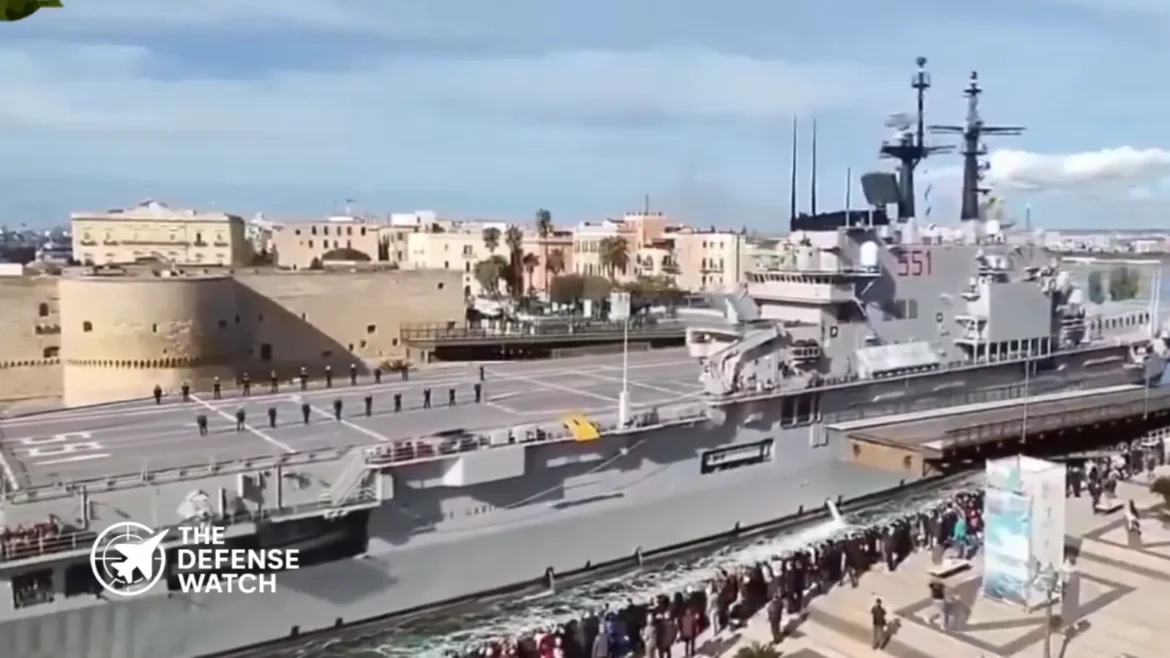
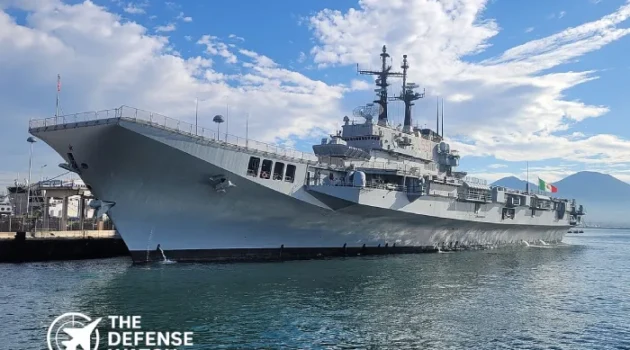
Indonesia Approves Purchase Of Aircraft Carrier Giuseppe Garibaldi
Indonesia has approved the purchase of the aircraft carrier Giuseppe Garibaldi in a $450 million agreement with Italy, marking a major step in Jakarta efforts to expand its maritime and naval aviation capabilities.
The vessel, formerly operated by the Italian Navy, was formally decommissioned in October 2023 after nearly four decades of service. The decision to transfer the ship reflects growing defense ties between Rome and Jakarta and Indonesia broader push to modernize its armed forces.
According to official Italian defense statements at the time of decommissioning, Giuseppe Garibaldi served as the flagship of the fleet and participated in multiple NATO and international missions throughout its operational life.
Ship Specifications And Capabilities
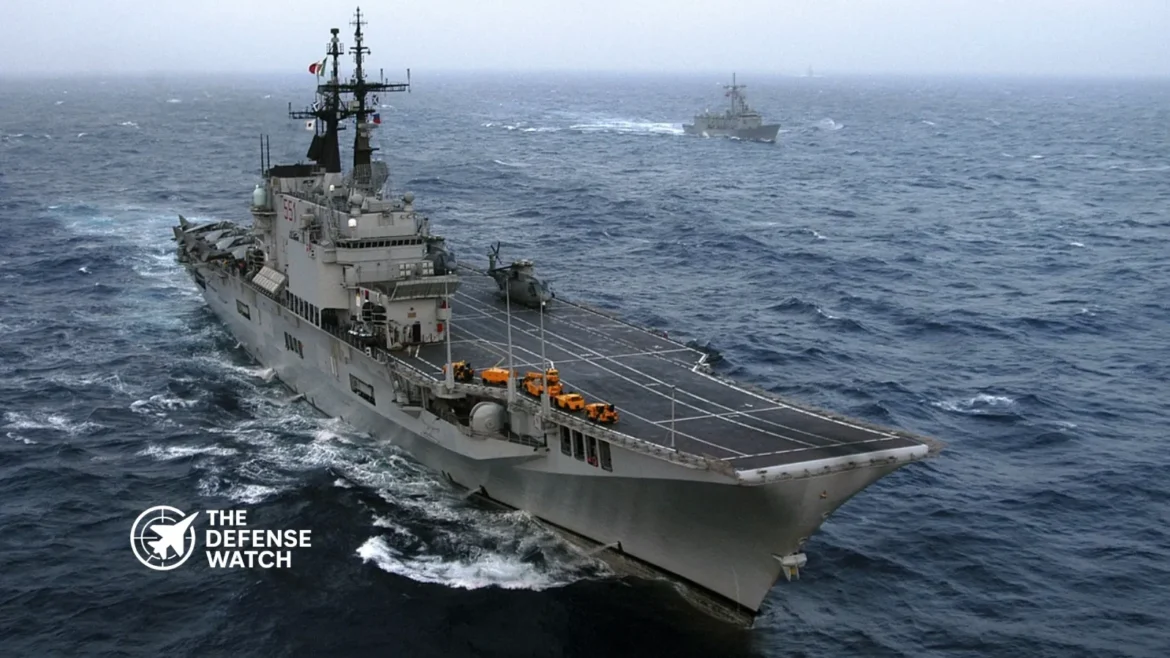
The aircraft carrier Giuseppe Garibaldi displaces approximately 14,000 tons and features a ski jump flight deck optimized for short takeoff aircraft. The configuration enables the ship to operate up to 16 AV 8B Harrier II attack jets or as many as 18 helicopters, depending on mission requirements.
Originally commissioned in 1985, the carrier was designed during the Cold War to provide Italy with a flexible sea based air capability. Over the years, it supported operations in the Balkans, Afghanistan, and the Mediterranean.
Its aviation facilities, combined with onboard command and control systems, allow it to function as both a strike platform and a flagship for maritime task groups.
Strategic Implications For Indonesia
The Indonesia aircraft carrier purchase represents a notable shift in the country maritime posture. Indonesia, the world largest archipelagic state, has long prioritized sea lane security and territorial defense across its vast maritime domain.
While the Indonesian Navy currently operates amphibious and helicopter capable vessels, the addition of a fixed wing capable aircraft carrier would expand options for air cover, disaster response, and regional presence operations.
Defense analysts note that operating a ski jump carrier requires not only pilot training and aircraft acquisition but also significant logistical and maintenance infrastructure. Jakarta future plans regarding embarked aircraft have not been formally disclosed.
Italian Navy Transition
The decommissioning of Giuseppe Garibaldi followed the induction of newer assets into Italian service, including the aircraft carrier Cavour and the amphibious assault ship Trieste. These platforms are designed to operate advanced aircraft, including the F 35B short takeoff and vertical landing variant.
The transfer of Giuseppe Garibaldi allows Italy to streamline its fleet while providing Indonesia with a ready made capital ship.
Regional Context
Indonesia has steadily increased defense spending in recent years, approving multiple procurement programs across air, land, and sea domains. The Indonesia aircraft carrier purchase adds a high visibility platform to that effort.
Given Southeast Asia strategic maritime routes and growing regional naval capabilities, the acquisition is likely to draw close attention from neighboring states.
At this stage, no delivery timeline or refit details have been publicly confirmed.
Italy’s Former Aircraft Carrier Giuseppe Garibaldi Could Join Indonesian Navy By October 2026
The Giuseppe Garibaldi aircraft carrier could join the Indonesian Navy by October 2026, according to reporting by Army Recognition, citing discussions surrounding a potential transfer of the retired Italian flagship to Jakarta.
(adsbygoogle = window.adsbygoogle || []).push({});If completed, the move would mark a significant milestone for Indonesia’s naval modernization plans and expand its capacity for maritime aviation operations across Southeast Asia.
Background On Giuseppe Garibaldi
The Italian aircraft carrier Giuseppe Garibaldi served as the flagship of the Italian Navy for decades. Commissioned in 1985, the vessel was Italy’s first aircraft carrier built after World War II.
Displacing around 14,000 tons at full load, the ship was designed as a light aircraft carrier capable of operating short takeoff and vertical landing aircraft, including the AV-8B Harrier II. It also supported helicopters for anti-submarine warfare, maritime patrol, and amphibious operations.
The carrier has participated in multiple NATO and coalition missions, including deployments in the Mediterranean and support operations linked to conflicts in the Balkans and Libya.
(adsbygoogle = window.adsbygoogle || []).push({});Italy formally decommissioned Giuseppe Garibaldi in 2024 after nearly four decades of service, following its replacement by the larger Italian aircraft carrier Cavour, which now serves as Italy’s primary carrier platform and has been upgraded to operate F-35B aircraft.
Indonesia’s Naval Modernization Push
The potential acquisition of the Giuseppe Garibaldi aircraft carrier aligns with Indonesia’s broader efforts to strengthen maritime defense capabilities.
The Indonesian Navy, known as TNI-AL, has been pursuing fleet upgrades across surface combatants, submarines, and amphibious assets. Jakarta has emphasized maritime domain awareness and sea control, reflecting Indonesia’s status as the world’s largest archipelagic state.
Indonesia sits astride critical sea lanes, including routes linking the Indian and Pacific Oceans. Modernizing naval forces has been a strategic priority in light of regional security dynamics and increased naval activity in the broader Indo-Pacific.
(adsbygoogle = window.adsbygoogle || []).push({});While Indonesia does not currently operate a fixed-wing aircraft carrier, it fields amphibious assault ships and helicopter-capable vessels that support maritime security and humanitarian missions.
Potential Operational Role
If transferred, the Giuseppe Garibaldi aircraft carrier could provide Indonesia with a platform for helicopter operations, maritime patrol support, disaster relief missions, and potentially short takeoff and vertical landing aircraft, depending on configuration and budget decisions.
Defense analysts note that integrating a light carrier would require infrastructure, training pipelines, and sustainment planning. Aircraft procurement and crew training would be central to operational viability.
Indonesia has not publicly confirmed final terms of any agreement. Financial arrangements, refit requirements, and aviation components remain key considerations.
Strategic Implications
A transfer would represent one of the most significant naval platform acquisitions in Southeast Asia in recent years.
(adsbygoogle = window.adsbygoogle || []).push({});For Italy, the move would conclude the operational lifecycle of Giuseppe Garibaldi while potentially strengthening defense ties with Indonesia. Rome has increasingly engaged Indo-Pacific partners through defense exports and industrial cooperation.
For Indonesia, the acquisition would signal an evolution in maritime posture. Even as a light carrier, Giuseppe Garibaldi would offer expanded aviation reach compared to existing Indonesian surface combatants.
However, officials have not detailed a finalized timeline or contract structure. As of early 2026, discussions appear ongoing.
Broader Regional Context
Southeast Asia has seen steady naval modernization across multiple states. Countries in the region are investing in submarines, frigates, and maritime patrol capabilities.
(adsbygoogle = window.adsbygoogle || []).push({});Indonesia’s long-term defense planning emphasizes minimum essential force requirements, with phased modernization across services. Naval investments are central to securing territorial waters, exclusive economic zones, and key maritime chokepoints.
Should the Giuseppe Garibaldi aircraft carrier enter Indonesian service by October 2026, it would represent a notable development in regional naval balance, particularly in terms of aviation-enabled maritime operations.
UK Carrier Drone Plan Advances Without Catapults
The UK carrier drone plan has moved forward under a revised approach that drops the need for catapults and arrestor systems, the UK Ministry of Defence confirmed in a written statement on February 11, 2026.
In responses to parliamentary questions, Defence Minister Luke Pollard said the previously separate Royal Navy programmes Project VIXEN and Project ARK ROYAL have been folded into a new initiative, Project VANQUISH, under the broader Maritime Aviation Transformation Strategy (MATX).
Shift To STOL Carrier Drones
Project VANQUISH is designed to develop and demonstrate a jet-powered, short-takeoff and landing (STOL) autonomous fixed-wing drone that can operate from the Royal Navy’s Queen Elizabeth class aircraft carriers without catapults or arrestor gear. This approach leverages the carriers’ existing ski-jump design.
The UK confirmed the shift away from assisted launch and recovery equipment (ALRE) in the House of Commons. According to Pollard, the project will generate evidence to support future uncrewed fixed-wing aircraft operations aboard carriers with minimal structural modifications.
That strategy aligns with recent UK Ministry of Defence documentation seeking industry input on a fixed-wing STOL Autonomous Collaborative Platform (ACP) capable of ISR, strike, and other missions, while complementing the Royal Navy’s F-35B Lightning aircraft in a hybrid air wing.
From VIXEN To VANQUISH
The move marks a change from earlier plans such as Project VIXEN and Project ARK ROYAL. Those efforts had explored broader carrier modifications including catapult-assisted takeoff and arrested recovery concepts for larger uncrewed aircraft. Those programmes have now been discontinued.
Under the new plan, the focus is on a hybrid air wing that mixes crewed and uncrewed aircraft. The Royal Navy’s current carriers use a ski-jump ramp and short takeoff vertical landing (STOVL) design for F-35B jets, a setup that limits the types of fixed-wing unmanned assets that can be operated without additional launch systems.
Operational Context
The Queen Elizabeth class carriers, HMS Queen Elizabeth and HMS Prince of Wales, do not have catapult-assisted launch or arrested recovery systems. That constraint has shaped UK carrier aviation planning for years. The ships were commissioned with a ski-jump ramp to support STOVL operations for F-35Bs.
UK planners had considered retrofitting catapults and arrestor gear to expand the carriers’ capabilities. Those options are now being de-emphasized in favor of drones that operate within the existing STOL envelope.
Earlier industrial proposals, including fixed-wing unmanned combat aerial vehicles designed for catapult launch, were featured at international air shows and in defence reporting. Those concepts highlighted the potential capability growth that catapults could provide but also underscored the integration challenges.
AVAILABILITY AND NEXT STEPS
Officials have issued a Request for Information (RFI) to industry as part of Project VANQUISH to inform future requirements and potential demonstrations. The RFI seeks unmanned STOL platforms capable of autonomous operations from carrier decks without the need for traditional launch and recovery infrastructure.
Responses to the RFI are due by late 2025, with contract and demonstration phases expected to run into late 2027. This early-stage effort will inform broader decisions under the UK Defence Investment Plan.
Strategic Importance
Developing carrier-based drones that operate without significant modification to existing carriers reflects a push across several navies to integrate unmanned systems into air wings. Unmanned platforms can extend surveillance, strike, and support capabilities while reducing risk to human pilots.
For the Royal Navy, the strategy under MATX aims to balance current operational needs with future capability growth, leveraging autonomous systems to supplement manned aircraft in a contested environment.
U.S. Central Command Chief Visits USS Abraham Lincoln
The U.S. Central Command chief visited USS Abraham Lincoln during its ongoing deployment in the Arabian Sea, underscoring the carrier strike group’s role in U.S. military operations across the Middle East.
(adsbygoogle = window.adsbygoogle || []).push({});According to U.S. Navy and Central Command reporting, the visit took place while the Nimitz class aircraft carrier was transiting the Arabian Sea in support of regional maritime security and air operations. The engagement included meetings with ship leadership, air wing commanders, and enlisted sailors supporting the mission.
USS Abraham Lincoln is operating under U.S. Fifth Fleet and Central Command tasking, a key element of Washington’s forward deployed naval presence in a region marked by ongoing security challenges, freedom of navigation concerns, and air and maritime operations tied to deterrence and crisis response.
Leadership Engagement Aboard a Deployed Carrier
During the visit, the CENTCOM commander received operational briefings on current carrier air wing sorties, maritime security patrols, and sustainment efforts supporting extended deployment operations. Navy officials said the discussions focused on readiness, force protection, and the carrier’s integration with joint and coalition partners operating in the region.
Senior leaders also met with sailors from across the ship’s departments, including flight deck crews, engineering teams, and command staff. Such visits are standard practice during major deployments and are intended to reinforce command priorities, assess conditions firsthand, and maintain direct engagement with deployed forces.
The U.S. Navy has emphasized that aircraft carriers remain central to U.S. power projection in the Middle East, providing flexible options ranging from strike operations to intelligence, surveillance, and reconnaissance support.
USS Abraham Lincoln and Carrier Strike Group Operations
USS Abraham Lincoln is one of the U.S. Navy’s nuclear powered Nimitz class aircraft carriers and embarks a full carrier air wing composed of strike fighters, electronic attack aircraft, airborne early warning platforms, helicopters, and support aircraft.
(adsbygoogle = window.adsbygoogle || []).push({});Operating in the Arabian Sea allows the carrier strike group to support missions across the U.S. Central Command area of responsibility while maintaining access to key maritime routes linking the Red Sea, Gulf of Oman, and Indian Ocean.
Carrier strike groups typically operate with guided missile cruisers and destroyers equipped with the Aegis combat system, providing layered air and missile defense. These escorts also contribute to maritime security operations and regional deterrence.
Strategic Context in the Arabian Sea
The Arabian Sea remains a strategically important operating area due to its proximity to major shipping lanes and ongoing regional tensions. U.S. naval deployments in the area are intended to reassure partners, deter state and non state threats, and ensure the free flow of commerce.
Central Command has stated that carrier deployments provide commanders with scalable options that do not rely on host nation basing, a factor that continues to shape U.S. force posture decisions in the Middle East.
The visit by the CENTCOM chief signals continued senior level attention to naval operations, even as the U.S. military balances global commitments across Europe and the Indo Pacific.
Carrier Air Power and Joint Operations
Carrier air wings embarked aboard USS Abraham Lincoln are capable of conducting a wide range of missions, including precision strike, close air support, maritime interdiction, and airborne command and control.
Officials note that carrier based aviation remains closely integrated with U.S. Air Force, allied, and partner nation forces operating in the region. Joint and combined operations are a routine part of Central Command missions, particularly for intelligence sharing and coordinated air tasking.
(adsbygoogle = window.adsbygoogle || []).push({});The presence of a carrier strike group also provides rapid response capability during emerging crises, allowing U.S. leaders to adjust force posture without requiring new deployments from the continental United States.
Sailor Welfare and Readiness
In addition to operational briefings, leadership visits often address sailor welfare, maintenance status, and sustainment challenges associated with long deployments. Navy leadership has acknowledged the strain placed on crews during extended operations, particularly in high tempo regions like the Middle East.
USS Abraham Lincoln’s deployment reflects ongoing efforts by the U.S. Navy to maintain readiness while managing maintenance cycles and personnel demands across the carrier fleet.
USS Gerald R. Ford SOUTHCOM Deployment Reinforces US Naval Presence
The USS Gerald R. Ford SOUTHCOM deployment places the world’s largest aircraft carrier at the center of ongoing US military efforts to disrupt transnational criminal networks and reinforce regional stability. According to US Southern Command and US Navy statements, the carrier strike group remains deployed in the SOUTHCOM area of responsibility as part of Operation Southern Spear, a mission aligned with presidential direction to protect the US homeland and strengthen hemispheric security.
(adsbygoogle = window.adsbygoogle || []).push({});The deployment highlights how high end naval platforms are increasingly used not only for deterrence against peer competitors, but also for sustained security operations in regions facing complex, non traditional threats. US officials have emphasized that maritime presence, surveillance, and rapid response capabilities remain critical tools in countering illicit trafficking and organized crime networks operating across air and sea routes.
Operation Southern Spear and US Strategic Objectives
Operation Southern Spear is a US military effort designed to support interagency and partner nation actions against transnational criminal organizations. These networks are involved in drug trafficking, human smuggling, and illicit maritime activity that directly affects regional stability and US national security.
Under SOUTHCOM leadership, US military forces operate alongside partner nations to improve maritime domain awareness, intelligence sharing, and operational coordination. The USS Gerald R. Ford SOUTHCOM deployment adds a visible and flexible naval component to these efforts, reinforcing the US ability to respond quickly across a vast operational area.
US defense officials have stated that operations in the region are conducted in close coordination with civilian law enforcement agencies and regional partners. The goal is to disrupt criminal logistics networks while respecting national sovereignty and international law.
Role of USS Gerald R. Ford in the SOUTHCOM Area
Commissioned in 2017, USS Gerald R. Ford, CVN 78, represents a new generation of US aircraft carriers. Its deployment to SOUTHCOM demonstrates the Navy’s ability to employ advanced platforms beyond traditional high threat theaters.
The carrier’s air wing provides persistent intelligence, surveillance, and reconnaissance coverage, which is critical for tracking illicit maritime and aerial movements. Fixed wing aircraft and helicopters operating from the carrier can support maritime patrols, logistics, and rapid response missions across the Caribbean Sea, Gulf of Mexico, and surrounding regions.
The USS Gerald R. Ford SOUTHCOM deployment also serves as a command and control hub, enabling coordination between US Navy, US Marine Corps, and joint task force elements operating in the region.
Joint and Combined Force Integration
Operation Southern Spear involves a broad range of US military components, including US Navy, US Marine Corps, and Marine Forces South. Naval Forces US Fourth Fleet oversees maritime operations, while deployed Marine units such as the 22nd Marine Expeditionary Unit provide expeditionary capabilities.
This integrated force structure allows US commanders to tailor responses to specific mission requirements, from maritime interdiction support to humanitarian assistance readiness. The presence of a carrier strike group enhances this flexibility by bringing aviation, logistics, and command capabilities together in a single platform.
(adsbygoogle = window.adsbygoogle || []).push({});US Southern Command has repeatedly stressed that joint and combined operations are essential for addressing transnational threats that do not respect borders or traditional military boundaries.
Why SOUTHCOM Matters to US Security
The SOUTHCOM area of responsibility includes Central America, South America, and the Caribbean. While often viewed as a lower intensity theater compared to Europe or the Indo Pacific, US defense leaders consider the region strategically important due to its proximity to the US homeland.
Transnational criminal organizations exploit maritime routes and weak governance in some areas to move narcotics and other illicit goods northward. These activities undermine regional stability and directly impact US domestic security.
The USS Gerald R. Ford SOUTHCOM deployment underscores a broader US strategy of persistent engagement. Rather than episodic operations, the US military aims to maintain consistent presence and cooperation with partner nations to address root causes of instability.
Strategic Signaling and Deterrence
Although Operation Southern Spear is focused on countering criminal networks, the deployment of the US Navy’s most advanced aircraft carrier also carries strategic signaling value. Presence operations demonstrate US commitment to regional partners and reassure allies of continued US engagement in the Western Hemisphere.
Defense analysts note that visible naval deployments can deter both criminal and state actors from exploiting perceived security gaps. At the same time, US officials have been careful to frame the mission in SOUTHCOM as cooperative and defensive in nature, emphasizing partnership rather than confrontation.
The USS Gerald R. Ford SOUTHCOM deployment reflects a balance between deterrence, security cooperation, and operational support for civilian authorities.
Technology and Capabilities on Display
USS Gerald R. Ford incorporates significant technological advancements compared to earlier carriers. These include an advanced nuclear propulsion system, increased electrical generation capacity, and modernized aircraft launch and recovery systems.
While the carrier’s full combat potential is designed for high end conflict, many of its capabilities are directly applicable to security operations. Advanced sensors, communications systems, and aviation assets support wide area surveillance and rapid information sharing with joint and interagency partners.
The deployment also provides real world operational experience for the Ford class, allowing the Navy to refine procedures and readiness while supporting an active mission set.
Broader Implications for US Naval Strategy
The use of a supercarrier in SOUTHCOM reflects evolving US naval strategy. Rather than reserving carriers solely for major conflict scenarios, the Navy increasingly employs them for sustained presence and flexible response missions.
(adsbygoogle = window.adsbygoogle || []).push({});This approach aligns with recent US defense guidance that emphasizes global force posture, persistent engagement, and the ability to operate across the full spectrum of competition and conflict.
For regional partners, the USS Gerald R. Ford SOUTHCOM deployment offers opportunities for engagement, training, and interoperability. For the US Navy, it demonstrates adaptability and reinforces the carrier’s role as a central element of American sea power.
What Comes Next
US Southern Command has not released detailed timelines for the carrier’s deployment, citing operational security. However, officials have indicated that Operation Southern Spear will continue as part of ongoing efforts to counter transnational threats and strengthen regional partnerships.
As the mission progresses, the USS Gerald R. Ford SOUTHCOM deployment is likely to remain a focal point for US naval operations in the region, supporting both immediate security objectives and long term strategic goals.
Marine Corps F 35C Conducts Carrier Operations in the Western Pacific
A Marine Corps F 35C Lightning II assigned to Marine Fighter Attack Squadron VMFA 314 completed an arrested landing aboard the aircraft carrier USS Abraham Lincoln as the carrier strike group conducted routine operations in the US 7th Fleet area of operations. The event underscores ongoing Navy Marine Corps integration and the continued deployment of fifth generation carrier aviation in the Indo Pacific region.
(adsbygoogle = window.adsbygoogle || []).push({});USS Abraham Lincoln, a Nimitz class aircraft carrier, is currently underway with its assigned strike group as part of regular patrols conducted by US forces forward deployed to the Western Pacific. These operations are a standard component of US naval presence and are intended to support regional stability, freedom of navigation, and alliance commitments.
According to the US Navy and US Marine Corps, carrier qualifications and deck landing operations remain a core requirement for maintaining combat readiness and interoperability across naval aviation forces.
VMFA 314 and the F 35C Lightning II at Sea
VMFA 314, known as the Black Knights, is one of the Marine Corps frontline squadrons operating the F 35C variant of the Joint Strike Fighter. Unlike the F 35B used by Marine expeditionary units, the F 35C is designed specifically for catapult assisted takeoff and arrested recovery operations from aircraft carriers.
The F 35C features a larger wing area, reinforced landing gear, and a tailhook system optimized for carrier use. These design elements allow the aircraft to operate alongside Navy F A 18E F Super Hornets and E 2D Advanced Hawkeyes aboard US Navy carriers.
The Marine Corps has emphasized that deploying F 35C squadrons aboard Navy carriers increases sortie capacity, enhances sensor coverage, and expands the range of precision strike and intelligence missions available to carrier strike group commanders.
USS Abraham Lincoln Carrier Strike Group Operations
The Abraham Lincoln Carrier Strike Group operates under US 7th Fleet, which is responsible for naval forces across the Western Pacific and Indian Ocean. This area includes key maritime routes, allied territories, and regions of ongoing strategic competition.
Units assigned to 7th Fleet routinely conduct air and maritime operations designed to deter aggression, reassure allies, and maintain a credible forward presence. These missions often include flight operations, integrated air wing training, and coordination with partner nation forces.
US Navy officials state that such deployments are not tied to specific incidents but are part of long standing operational patterns aimed at sustaining readiness and regional security.
Fifth Generation Aviation and Carrier Integration
The presence of Marine Corps F 35C aircraft aboard USS Abraham Lincoln reflects broader efforts to integrate fifth generation capabilities across US naval forces. The F 35C provides advanced sensor fusion, low observable characteristics, and secure data sharing that support both air superiority and strike missions.
In carrier strike group operations, the F 35C can function as a forward sensor node, extending the situational awareness of the air wing and supporting other platforms through networked targeting data. This capability is increasingly central to US naval aviation concepts, particularly in contested maritime environments.
The US Department of Defense has highlighted carrier based fifth generation aircraft as a key element of future maritime operations, especially in the Indo Pacific theater.
(adsbygoogle = window.adsbygoogle || []).push({});Indo Pacific Presence and Strategic Context
The Indo Pacific remains a priority region for US defense planning, with an emphasis on maintaining open sea lanes and supporting allied and partner nations. Regular carrier deployments and aviation operations are a visible component of this strategy.
US 7th Fleet conducts continuous patrols and exercises with regional partners including Japan, South Korea, Australia, and others. These activities aim to strengthen interoperability, improve crisis response, and reinforce existing defense agreements.
While the operations aboard USS Abraham Lincoln are described as routine, they reflect the sustained tempo of naval activity required to maintain forward presence in a complex security environment.
USS John F Kennedy Begins Sea Trials
The future USS John F Kennedy (CVN-79) began its first builder sea trials on January 28, departing Huntington Ingalls Industries’ Newport News Shipbuilding in Virginia and moving into open water testing ahead of delivery to the US Navy, according to multiple reports.
(adsbygoogle = window.adsbygoogle || []).push({});Sea trials mark the first time the vessel will operate at sea under its own power, with key systems and components examined in real conditions before further acceptance trials.
What Sea Trials Cover
Builder sea trials are conducted by the shipbuilder, Huntington Ingalls Industries (HII), with oversight from the Navy. They focus on evaluating the carrier’s propulsion, navigation, electrical systems, and other major ship functions at sea. These trials follow extensive dockside testing and initial propulsion checks performed in the James River.
Carrier Background and Construction
The USS John F Kennedy is the second ship of the Gerald R Ford class, following the lead ship USS Gerald R Ford (CVN-78). Construction began with keel laying in 2015 at Newport News Shipbuilding. The ship was launched in 2019 and has since undergone outfitting and system integration.
Ford-class carriers incorporate newer technologies compared with the older Nimitz class, including the Electromagnetic Aircraft Launch System (EMALS), redesigned flight deck, improved weapons handling, and increased electrical power generation. These changes aim to support a higher sortie rate and future technologies.
(adsbygoogle = window.adsbygoogle || []).push({});Delivery Timeline and Program Shifts
Delivery of CVN-79 is now projected for March 2027, according to US Navy budget documentation. The date was pushed from an earlier target in 2025 to allow completion and certification of key systems, including the Advanced Arresting Gear (AAG) and Advanced Weapons Elevators (AWE).
The Navy revised its delivery strategy in 2020 from a two-phase approach to a single-phase model, increasing the scope of work completed before delivery and affecting the overall schedule.
Fleet Impact
Delays to CVN-79’s delivery have implications for carrier force levels. With the scheduled retirement of USS Nimitz (CVN-68) in 2026, the active supercarrier count will temporarily fall. The gap underscores the challenge of aligning complex nuclear carrier construction with fleet requirements, though all carriers must continue meeting strategic commitments.
(adsbygoogle = window.adsbygoogle || []).push({});What Comes Next
After builder sea trials, the Kennedy will enter additional testing and acceptance trials, including Navy-led assessments at sea. Following successful completion, the carrier will move toward commissioning and full operational capability. These steps typically involve integrated system tests, weapons checks, and flight operations with embarked squadrons.