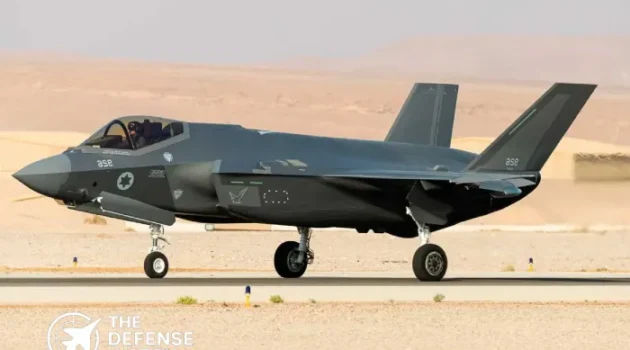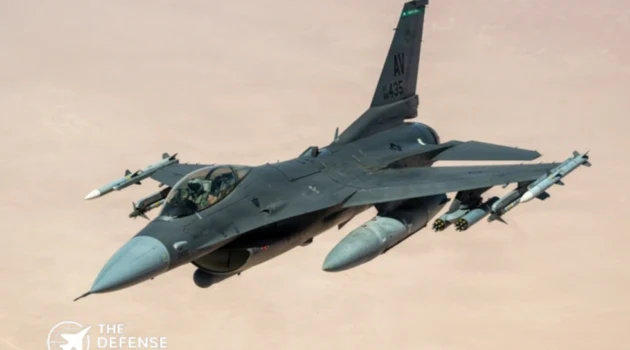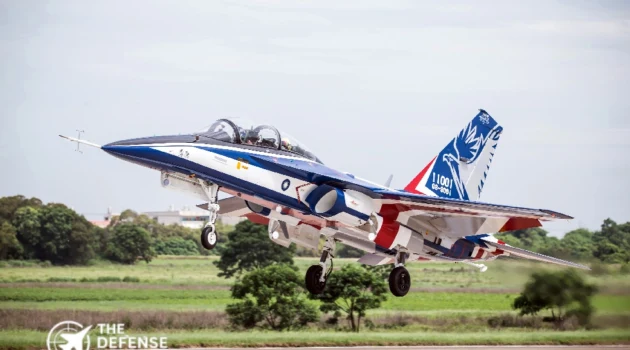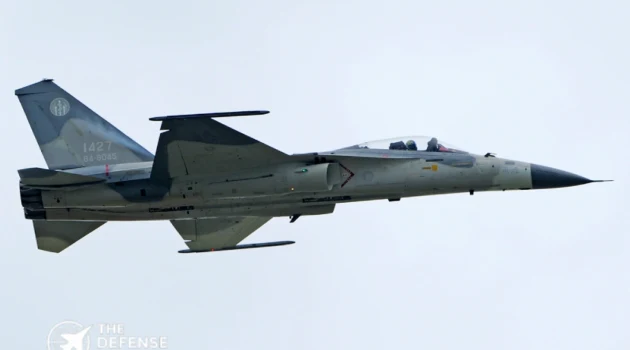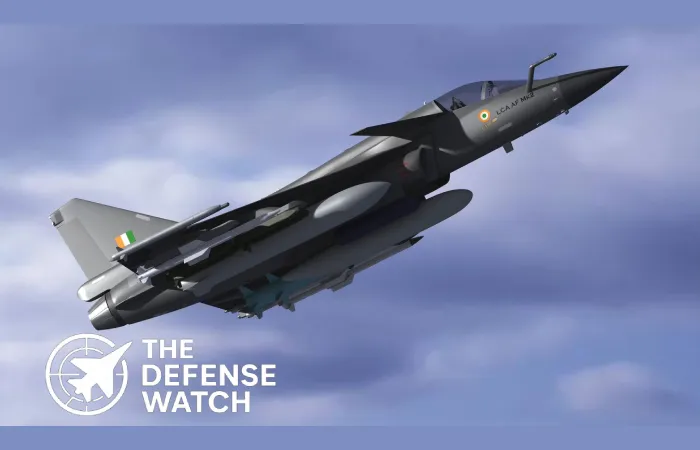
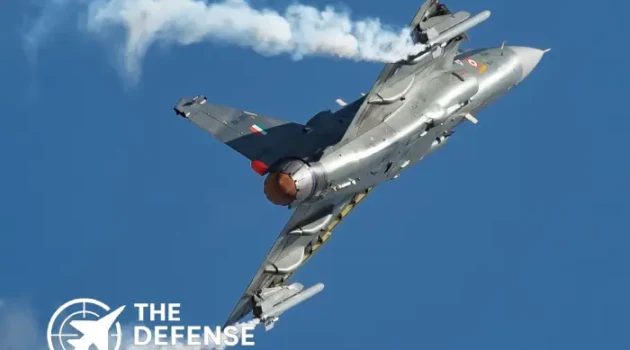
On November 21, 2025, an Indian Air Force (IAF) HAL Tejas light combat aircraft crashed during a demonstration flight at the Dubai Air Show, according to multiple media reports. The incident occurred around 2:10 PM local time at Al Maktoum International Airport, drawing onlookers as a plume of thick black smoke rose from the crash site.
The IAF confirmed the crash, stating that the pilot sustained fatal injuries. A court of inquiry has been constituted to determine the cause of the accident.
Background: The Tejas Fleet and Program
The LCA Tejas, developed by Hindustan Aeronautics Limited (HAL) in partnership with the Aeronautical Development Agency (ADA), is a lightweight, single-engine multirole fighter.
- It is central to India’s “Make in India” defense strategy, intended to reduce reliance on foreign fighters.
- Previous Tejas variants, like the Mk-1A, include upgrades such as AESA radar, advanced electronic warfare suites, and aerial refueling capability.
- In September 2025, India reportedly placed fresh orders with HAL for 97 Tejas jets, with deliveries expected to begin in 2027.
Preceding Controversy: Oil Leak Claims Debunked
Just days prior, social media circulated videos claiming a Tejas Mk-1 was leaking oil during the airshow.
- India’s Press Information Bureau (PIB) countered these claims, clarifying that the footage showed routine drainage of condensed water from the aircraft’s Environmental Control System (ECS) and On-Board Oxygen Generating System (OBOGS), especially common in humid environments.
- The Ministry of Defence described the leak narrative as “misleading” and “propaganda-driven.”
Analysis: Implications for Defense and Global Aerospace
1. Impact on India’s Aerospace Credibility
The Tejas crash during a high-profile international show is a major blow to India’s effort to market the aircraft to global customers. The incident could fuel reluctance among potential buyers, undermining export ambitions.
2. Safety and Reliability Spotlight
While the PIB dismissed earlier leak allegations as routine, the crash now raises serious questions about flight safety—especially for aerobatic maneuvers. If investigation finds design or maintenance flaws, it could trigger further scrutiny over HAL’s quality control and the Tejas’ reliability.
3. Export Strategy Risks
The Tejas is an important part of India’s defense export push. A public crash at an international trade show could erode confidence among foreign partners and delay or cancel pending deals.
4. Risk Management for International Airshows
Air show demonstration flights are inherently risky, and this accident underscores how live demonstrations expose manufacturers and air forces to reputational hazards. West-aligned defense buyers often compare such mishaps against Western platforms with proven track records.
5. Regional Security Implications
India continues to invest in the Tejas amid strategic competition with rivals like China and Pakistan. A crash raises concerns about sustainability of indigenous platforms and may pressure India to accelerate modernization or rely more on imported jets.
Conclusion: What Comes Next
India’s Tejas crash at the Dubai Air Show marks a tragic and potentially pivotal moment for its indigenous fighter program. The court of inquiry now underway will be closely watched by both domestic and international stakeholders. Depending on the outcome, this could prompt a reassessment of Tejas’s export viability, lead to engineering or training reforms, or influence India’s broader aerospace strategy.
Looking ahead, if the probe reveals systemic issues, India may need to bolster its quality assurance, pilot training, and safety protocols to reassure both its air force and prospective customers. On the other hand, a clear technical explanation and transparent findings could help mitigate reputational damage and preserve the Tejas program’s momentum.

Understanding Aircraft in Modern Aviation
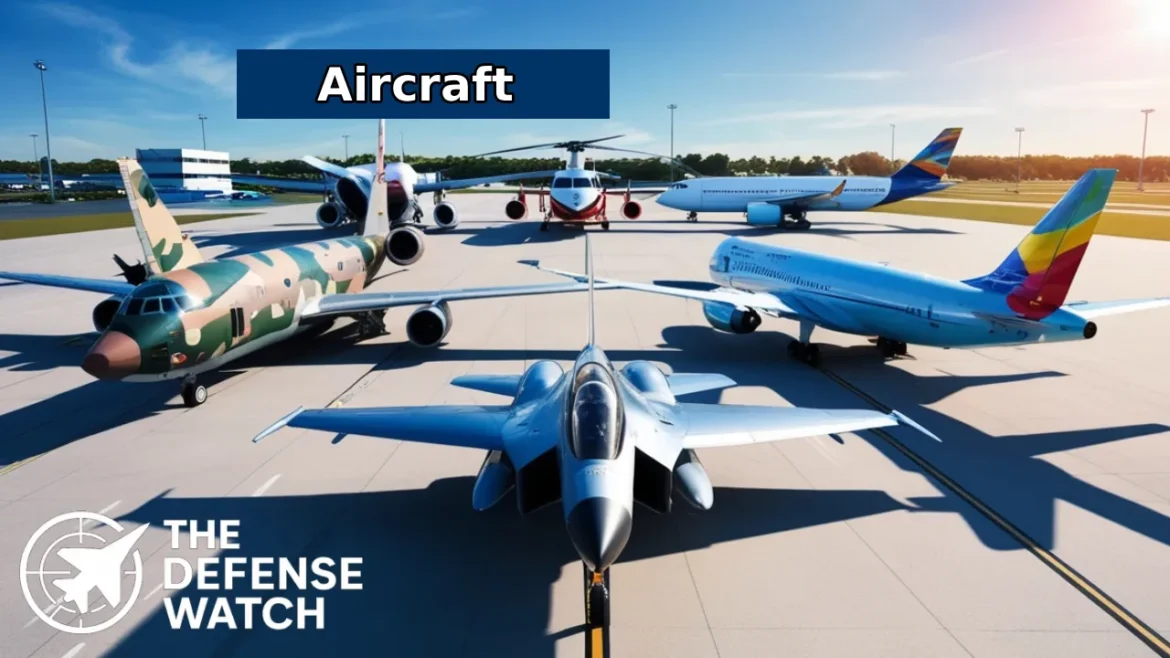
An aircraft is one of humanity’s most transformative engineering achievements—an innovation that reshaped warfare, commerce, travel, and global mobility. From commercial airliners connecting continents to military aircraft securing national airspace, the aircraft remains central to how nations project power, move people, and respond to crises.
In 2025, aircraft are more advanced than ever, combining aerodynamic efficiency, digital avionics, artificial intelligence, stealth shaping, and long-range sensors. They serve as vital tools in humanitarian missions, commercial logistics, border defense, and strategic deterrence. Understanding what an aircraft is—and how different types operate—is essential to grasping the broader picture of global airpower and modern aerospace technology.
What Is an Aircraft?
An aircraft is any machine capable of sustained flight within Earth’s atmosphere. Unlike spacecraft, aircraft rely on aerodynamic lift created by wings, rotor blades, or the displacement of air. They operate using engines, flight-control systems, and aerodynamic surfaces allowing pilots—or autonomous systems—to maneuver safely through the sky.
Core Components of an Aircraft
Every aircraft, regardless of mission, features several key elements:
- Fuselage: Main body containing cockpit, systems, and payload
- Wings or Rotors: Generate aerodynamic lift
- Propulsion: Jet engines, turboprops, pistons, or electric motors
- Landing Gear: For ground operations
- Flight Controls: Allow altitude, speed, and directional changes
Aircraft range from light recreational flyers to sophisticated military platforms capable of stealth penetration or intelligence gathering.
Major Types of Aircraft
1. Fixed-Wing Aircraft
Fixed-wing aircraft use forward motion and aerodynamic lift to stay airborne. These include everything from small trainers to large airliners and advanced fighter jets.
Examples:
Airbus A320, Boeing 787, F-35 Lightning II, C-130 Hercules.
Advantages:
- High speed
- Long range
- Efficient fuel consumption
- Ideal for commercial transport and long-distance operations
2. Rotary-Wing Aircraft (Helicopters)
Rotary-wing aircraft generate lift through spinning rotor blades, enabling vertical takeoff, hovering, and tight maneuvering.
Examples:
UH-60 Black Hawk, AH-64 Apache, CH-47 Chinook.
Advantages:
- Operate without runways
- Superior mobility in complex terrain
- Ideal for rescue, assault, medevac, and close air support
3. Unmanned Aircraft Systems (Drones/UAVs)
UAVs operate remotely or autonomously, becoming crucial assets for surveillance, intelligence, and precision strike missions.
Examples:
MQ-9 Reaper, Bayraktar TB2, small quadcopter drones.
Advantages:
- Long endurance
- Lower operational risk
- Cost-effective for surveillance and combat
4. Tiltrotor & Hybrid Aircraft
Tiltrotors combine helicopter takeoff capabilities with airplane speed and range.
Example:
V-22 Osprey.
5. Gliders & Ultralights
Lightweight aircraft used in sport aviation, training, and specialized missions.
Military Aircraft and Their Strategic Roles
Military aircraft represent some of the most advanced machines ever built. They provide nations with capabilities ranging from aerial dominance to humanitarian relief.
Key Military Aircraft Categories
Fighter Aircraft
Designed for air-to-air combat and air superiority.
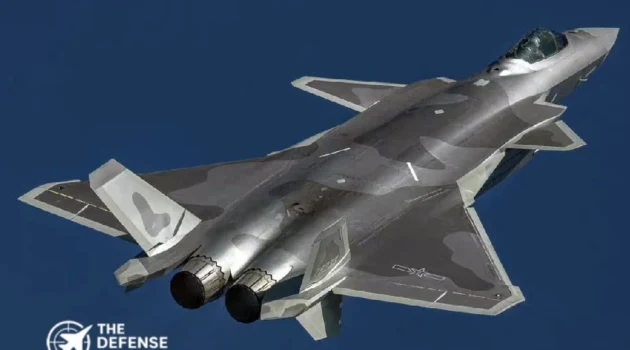
Examples: F-22 Raptor, Rafale, J-20.
Bombers
Deliver large payloads over long distances.
Examples: B-52H Stratofortress, B-2 Spirit.
Transport Aircraft
Carry troops, equipment, and humanitarian cargo.
Examples: C-17 Globemaster III.
Maritime Patrol Aircraft
Support naval operations and anti-submarine warfare.
Examples: P-8A Poseidon.
AEW&C and ISR Aircraft
Provide early warning and intelligence collection.
Examples: E-3 AWACS, E-7 Wedgetail.
Combat & Utility Helicopters
Support ground forces, rescue missions, and special operations.
Why Aircraft Are Essential in Modern Warfare
Aircraft remain critical to defense planning because they:
- Secure air superiority, a prerequisite for modern operations
- Deliver precision strikes against high-value targets
- Support troop movement and logistics
- Provide ISR (Intelligence, Surveillance, Reconnaissance)
- Enhance deterrence and rapid reaction capability
As threats evolve, aircraft are increasingly integrated into joint-force networks with satellites, radars, and unmanned systems.
Fixed-Wing vs Rotary-Wing Aircraft: Key Differences
Fixed-Wing
- Fast (Mach 0.8–2+)
- Long-range capability
- Best for transport, strike, and surveillance
Rotary-Wing
- Vertical takeoff and hover
- Operate in complex environments
- Best for assault, medevac, and close support
Each serves a distinct mission set, and modern militaries require both for balanced airpower.
Evolution of Aircraft Technology: From Early Flight to 2026
Early Innovations (1900s–1930s)
The Wright Brothers’ 1903 flight marked the first controlled powered flight. Aircraft rapidly evolved during World War I for reconnaissance and combat.
World War II and the Jet Age
Wartime demand accelerated aircraft development, leading to early jet fighters and long-range bombers.
Cold War Era (1950s–1990s)
Supersonic aircraft, nuclear-capable bombers, and early stealth technology emerged during this period.
21st Century: Stealth, Digital Avionics, and Network Warfare
Platforms like the F-35 integrated multi-role capability with sensor fusion, data links, and low-observable design.
2025 and Beyond: AI-Driven and Autonomous Systems
The next generation of aircraft will introduce:
- AI copilots
- Loyal wingman drones
- Directed-energy weapons
- Hypersonic propulsion
- Adaptive cycle engines
Aircraft remain essential components of national security—and the future promises even more disruptive innovations.
Global Aircraft Trends
The aviation sector is experiencing rapid transformation driven by geopolitical tensions, commercial demand, and emerging technologies.
Commercial Aviation Recovery and Growth
Global air travel has returned to pre-pandemic levels, prompting major airlines to renew fleets for efficiency and sustainability.
Rising Defense Procurement
Europe, Asia, and the Middle East are increasing military aircraft orders due to a shifting global security environment.
UAV Expansion
Drones dominate reconnaissance and precision-strike missions across modern conflict zones.
Sustainability and Electric Aircraft Development
Civilian programs are exploring hybrid and electric propulsion to reduce emissions.
FAQs
An aircraft is any machine capable of sustained flight in the atmosphere using wings, rotors, or aerodynamic lift.
Fixed-wing, rotary-wing, drones, tiltrotor, and gliders.
Military aircraft include combat systems, sensors, weapons, and armor for defense operations.
High-performance fighter jets and specialized reconnaissance aircraft typically reach the highest speeds.
Not fully. UAVs will augment manned aircraft, especially for high-risk missions.
Fixed-Wing Aircraft – Airplanes that generate lift via stationary wings (e.g., commercial jets, fighter jets).
Rotary-Wing Aircraft – Helicopters that use spinning rotor blades to lift and maneuver.
Unmanned Aerial Vehicles (UAVs/Drones) – Remotely piloted or autonomous aircraft for surveillance or strike missions.
Tiltrotor/Hybrid Aircraft – Combine vertical takeoff of helicopters with the speed and range of fixed-wing planes (e.g., V-22 Osprey).
An aircraft is a broad term for any machine capable of sustained flight, including airplanes, helicopters, drones, gliders, and tiltrotors.
An airplane (or aeroplane) is a specific type of fixed-wing aircraft that relies on forward motion and wings to generate lift. All airplanes are aircraft, but not all aircraft are airplanes.


What Is a Fighter Jet?
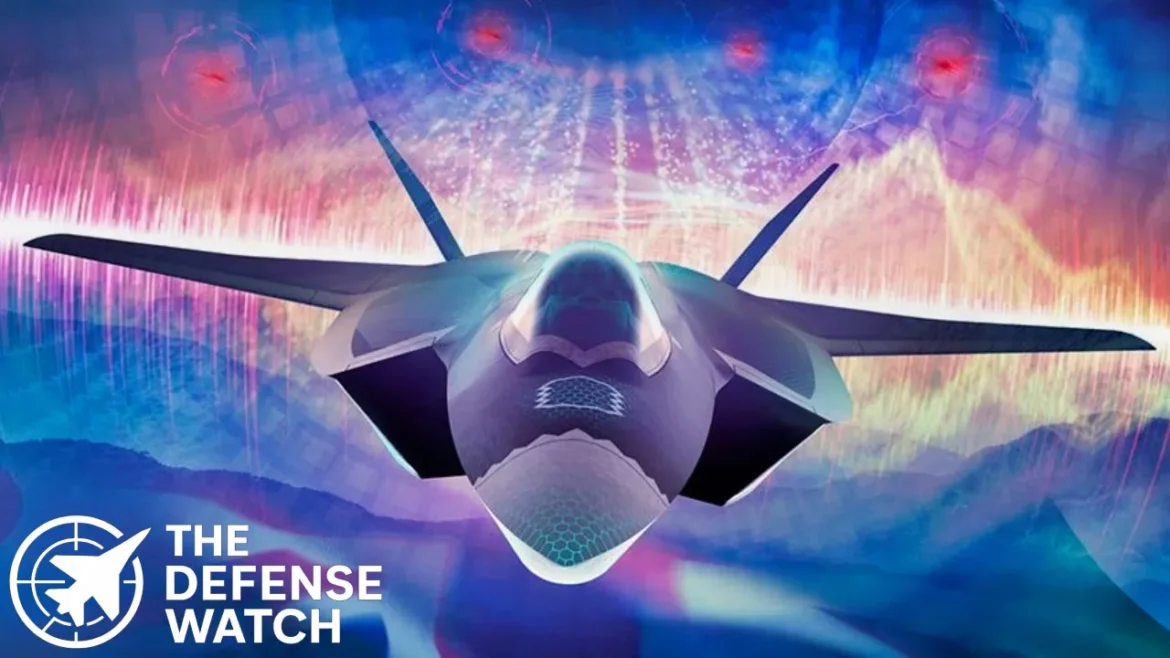
A fighter jet is a high-performance military aircraft designed primarily for air-to-air combat, interception, and securing air superiority. In modern warfare, these aircraft serve as the backbone of national air forces, providing rapid response, deterrence, and offensive capability. Fighter jets remain essential because control of the skies often determines the outcome of conflicts, shaping everything beneath—from ground operations to naval movements.
Today’s fighter jets combine speed, stealth, avionics, and precision weapons to engage both airborne and ground threats. From the F-35 and F-22 to the Rafale, J-20, and Gripen, they reflect a nation’s technological capability and defense priorities.
What Defines a Fighter Jet?
1. Designed for Air Superiority
The primary mission of any fighter jet is to defeat enemy aircraft. Air-to-air missiles, high-G maneuverability, advanced radar, and electronic warfare systems make this possible.
2. High-Speed, High-Altitude Capability
Modern fighters routinely operate at speeds above Mach 1 and at altitudes exceeding 50,000 ft. This provides tactical advantage and battlefield dominance.
3. Advanced Sensors and Avionics
Fighter jets carry powerful radars, infrared sensors, data-links, and cockpit displays that fuse information, giving pilots a real-time view of the battlefield.
4. Multi-Role Flexibility
Most current-generation fighters are multirole, able to conduct:
- Air-to-air combat
- Precision strikes
- Close air support
- Reconnaissance
- Maritime operations
This flexibility reduces the need for separate aircraft types.
Why Fighter Jets Matter in Modern Warfare
1. Securing Air Superiority
Nations must protect their airspace. Fighter jets intercept and neutralize hostile aircraft before they reach critical areas. Without air superiority, ground forces and naval fleets remain vulnerable.
2. Deterrence and Strategic Signaling
A capable fighter fleet serves as a deterrent, signaling to adversaries that any aggression will face a rapid and effective military response.
3. Precision Strike Capability
Modern fighters can engage ground targets using guided bombs, cruise missiles, and stand-off weapons. This allows nations to strike with accuracy while minimizing collateral damage.
4. Rapid Reaction and Global Reach
Fighter jets can deploy within minutes, project power across long distances, and reinforce allies as part of international coalitions.
5. Technology Leadership
Advances in stealth, sensors, hypersonic weapons, and AI-driven warfare are closely tied to fighter jet development. Nations leading in airpower often lead in overall military innovation.
Generations of Fighter Jets: A Quick Overview
Early Jets (1st–2nd Generation)
- Subsonic or early supersonic
- Basic radar
- Primitive missiles and gun combat
3rd–4th Generation
- High maneuverability
- Advanced air-to-air missiles
- Multi-role capabilities
4.5 Generation
- AESA radars
- Electronic warfare suites
- Network-centric operations
5th Generation
- Stealth shaping
- Sensor fusion
- Supercruise
- Example: F-22, F-35, J-20
6th Generation (In Development)
- AI copilots
- Directed energy weapons
- Loyal wingman drones
- Adaptive engines
How Fighter Jets Work: Key Systems
1. Propulsion
Most fighters use afterburning turbofan engines, enabling supersonic flight. New engines focus on lower fuel burn and higher thrust.
2. Stealth Technology
Shaping, radar-absorbent materials, and internal weapon bays reduce detection by enemy radar.
3. Weapons
Typical armament includes:
- Short- and long-range air-to-air missiles
- Precision-guided bombs
- Anti-ship missiles
- Internal cannons
4. Avionics
Fighters carry advanced avionics such as:
- AESA radar
- Infrared search and track (IRST)
- Helmet-mounted displays
- Electronic countermeasures
Global Competition: Why Nations Invest in Fighter Jets
Airpower is a symbol of national strength. Countries like the U.S., China, India, France, and Russia invest heavily in fighter programs to maintain strategic advantage.
Rising tensions—from the Indo-Pacific to Eastern Europe—have renewed global demand. Joint fighter programs like the F-35, GCAP, and AUKUS aviation initiatives show how fighter jets have become diplomatic tools as well as military assets.
Strategic Analysis: The Future of Fighter Jets
Air combat is evolving. Pilots now rely on AI, drones, and long-range missiles more than close-range dogfighting. Future fighters will emphasize stealth, electronic warfare, hypersonic weapons, and loyal wingman drones.
Despite emerging technologies, fighter jets will remain central to military strategy because speed, reach, and air dominance are irreplaceable.
FAQs
What is a fighter jet?A fighter jet is a high-performance military aircraft designed for air combat, interception, and securing airspace.
Why are fighter jets important?They provide air superiority, deterrence, rapid response capability, and precision strike options.
What makes modern fighter jets different from older ones?Stealth, advanced sensors, network-centric warfare, and multirole capability distinguish modern fighters.
Which countries operate the most advanced fighter jets?The United States, China, Russia, France, the UK, and several NATO/Asian partners field advanced fleets.
Will drones replace fighter jets?Drones will complement—not replace—manned fighters. Future jets will operate alongside autonomous wingmen.
-
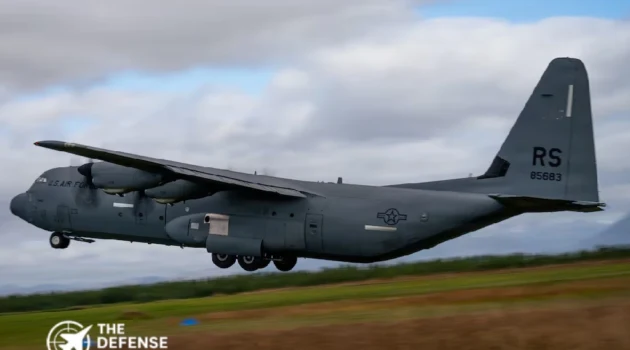
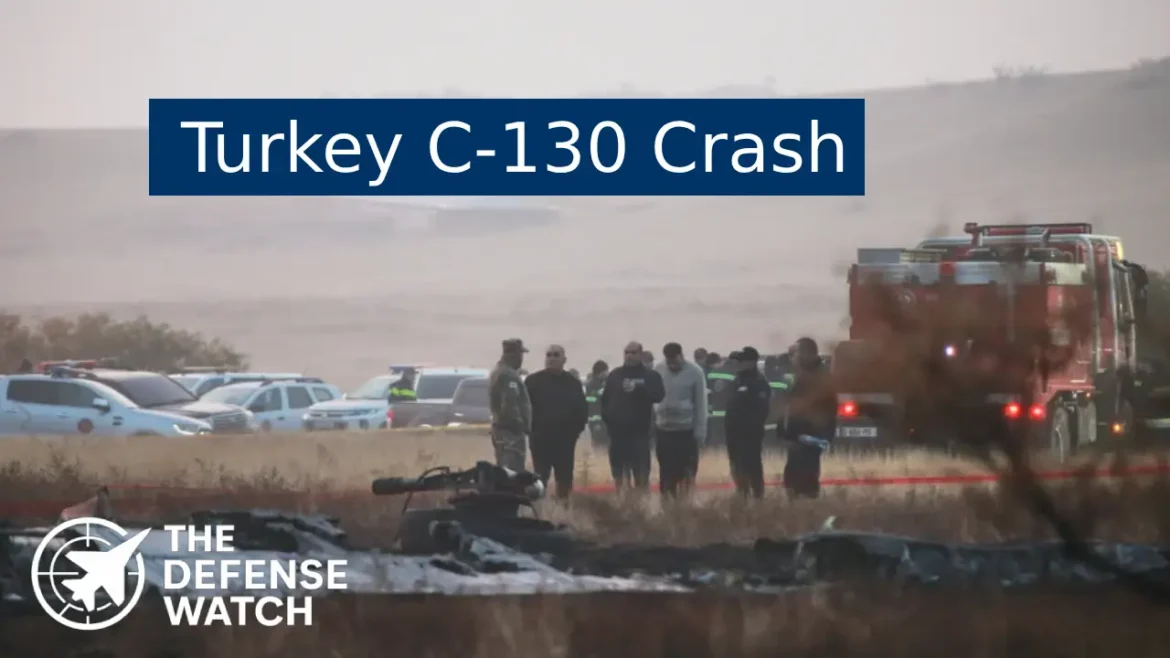
A military transport aircraft belonging to the Turkish Armed Forces crashed in the eastern Georgian municipality of Sighnaghi, near the Azerbaijan border, killing all 20 personnel on board. In response, Turkey’s Defense Ministry has grounded its entire fleet of Lockheed C‑130 Hercules transport aircraft pending technical inspections and investigation into the accident.
Background
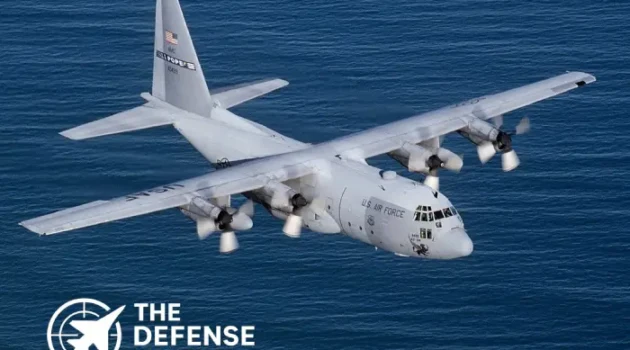
The C-130 Hercules is a four-engine turboprop transport aircraft widely used by militaries globally for cargo, personnel and logistic support missions. Turkey’s C-130s are central to its air transport capability, supporting both routine and allied operations. The crash marks the deadliest aviation incident involving Turkey’s armed forces since 2020.
Crash Details
According to the Turkish Defense Ministry, the aircraft departed from the Azerbaijani city of Ganja and crashed in Georgian airspace shortly after crossing the border, with no distress call issued. Initial reports and footage show the aircraft spiralling out of control and then impacting the ground, with debris strewn across a plain near Sighnaghi.
Turkey confirmed that the 20 people aboard were military personnel. The flight data and cockpit voice recorders (black box) have been recovered and are under analysis.
Following the crash, the Defense Ministry announced that all Turkish C-130 aircraft will undergo comprehensive inspections and maintenance checks before returning to service.
Technological and Operational Context
The aircraft involved was identified as a C-130 model, used for troop and logistical transport. Reports indicate the specific tail number was 68-1609, a unit delivered in 1968, which had entered Turkish service in 2010 after previous use by another air force. Ageing aircraft like this raise issues around maintenance, structural fatigue, upgrades and mission scheduling. The wear and lifecycle of such platforms are critical in ensuring safety across operations.
Strategic and Policy Implications
For Turkey, the grounding of the C-130 fleet has immediate implications for logistical readiness, strategic airlift capability and participation in allied missions. The delay or suspension of transport operations could impact troop movements, humanitarian support and rapid response tasks.
From a policy perspective, the incident may accelerate Turkey’s considerations for modernizing its transport fleet, potentially shifting to newer airframes or expanding existing contracts for upgrades. Military transport aircraft often remain less visible than combat jets, yet their readiness underpins broader force projection and alliance responsibilities—especially within the North Atlantic Treaty Organization framework.
Expert View
Aviation-safety analyst commented that in-flight structural failure or mid‐air breakup remains a leading hypothesis when no distress call is made and debris is widely scattered. Age‐related fatigue, maintenance gaps or unexpected load stresses could all contribute. Early video reported indicated a rapid descent and separation of parts. Investigators will focus on flight-data, maintenance records, weather conditions and any external factors such as bird strike or collision with terrain.
What’s Next
Investigators from Turkish and Georgian authorities will proceed with forensic examination of the wreckage, black boxes, and flight path data. The grounding of the C-130 fleet will remain in effect until each aircraft passes detailed structural and systems inspections. The Turkish Defence Ministry’s findings could influence procurement decisions, maintenance protocols and future airlift planning.
Closing
The crash of the C-130 transport aircraft has tragically cost 20 lives and exposed vulnerabilities in air-mobility operations of a key NATO member. As inspections proceed and investigations deepen, the Turkish military faces urgent decisions on fleet readiness and modernization. The outcome may shape not just domestic transport aviation policy, but Turkey’s broader strategic posture and alliance commitments.
Lockheed C-130 Hercules – Full Specifications
- Maximum Speed: 417 mph (670 km/h)
- Range: 2,800 mi (4,500 km)
- Payload Capacity: 45,000 lb (20,400 kg)
- Crew: 3–5
Europe’s GCAP 6th-Generation Fighter Faces Cost and Integration Challenges
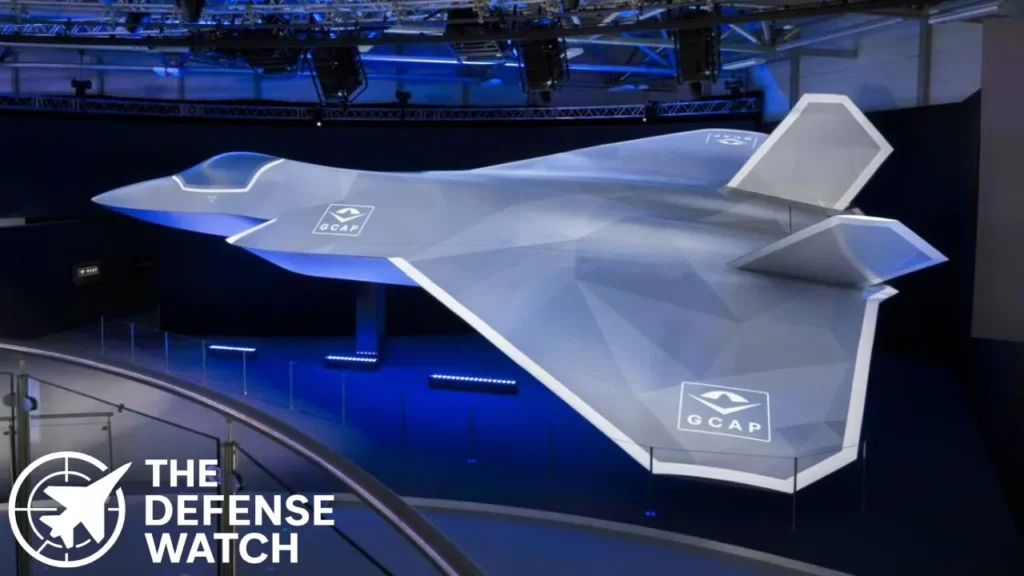
WARSAW, POLAND – The Global Combat Air Program (GCAP), a joint initiative between the United Kingdom, Japan, and Italy to develop a next-generation 6th-generation stealth fighter, is facing mounting concerns over affordability and integration of supporting unmanned systems. The program, which has been described as one of the most ambitious multinational fighter projects in recent history, is navigating complex technical and budgetary challenges as partner nations pursue unique requirements.
Background: Multinational Collaboration and Complexity
The GCAP program is designed to produce a common stealth fighter platform for multiple partner nations while allowing each country to develop its own “loyal wingman” drones, also known as Collaborative Combat Aircraft (CCAs). Japan’s Mitsubishi Heavy Industries (MHI) has unveiled concepts such as the ARMDC-20X missile-like drone and a high-performance tactical unmanned aerial vehicle, both intended to operate alongside manned GCAP fighters.
GCAP Sixth-Generation Stealth Fighter – Full Specifications
- Primary Effect / Kill Mechanism: Kinetic strike, air dominance, electronic warfare
- Operational Range / Engagement Envelope: ~1,500–2,000 km
- Autonomy / Guidance Level: Human-in-loop with AI decision support
- Power / Propulsion Type: Adaptive-cycle twin-engine turbine
The program’s multinational structure adds layers of complexity. While the core fighter design aims for consistency across the UK, Italy, and Japan, each nation’s unique drone systems must integrate seamlessly with the aircraft. This creates interoperability challenges that experts warn could significantly strain the program’s budget.
Integration and Budget Concerns
At a recent International Fighter Conference in Rome, Eurofighter CEO Jorge Tamarit-Degenhardt emphasized the risks of integrating multiple, disparate drone designs. “Can we develop CCA integration in different configurations in different countries? We cannot do everything at the same time. We don’t have infinite resources,” he said.

GCAP 6th Generation Fighter. RAF Group Captain Bill Sanders, the UK Ministry of Defense official overseeing the GCAP program, echoed concerns about cost-efficiency. Writing in the Journal of the Joint Airpower Competence Centre, Sanders highlighted the importance of balancing advanced capabilities with cost-effectiveness. He emphasized that the program must justify expenses while providing adaptable and multi-use capabilities across conflict scenarios.
Germany’s Potential Participation
Adding further complexity, Germany is reportedly considering withdrawing from the French-led SCAF program to join GCAP, either as a buyer or as a developer of CCAs. While German involvement could bring additional industrial expertise, it would also necessitate late-stage adjustments to the program, further complicating budget and schedule forecasts.
Weapons and Cost Management
Analysts note that maintaining affordability will require careful management of the GCAP’s weapons bay to accommodate both high-end and lower-cost munitions. Ensuring a favorable cost-per-kill ratio is seen as critical to maintaining the fighter’s relevance in extended conflicts, particularly as nations look for multi-role aircraft that deliver both strategic and tactical flexibility.
Looking Ahead
While GCAP remains a flagship European and Japanese effort to develop cutting-edge air combat capabilities, its long-term success will depend on navigating multinational integration, cost control, and the deployment of compatible drone systems. With key treaties and agreements still pending and partner nations balancing industrial and political priorities, the program’s trajectory will remain under close scrutiny.
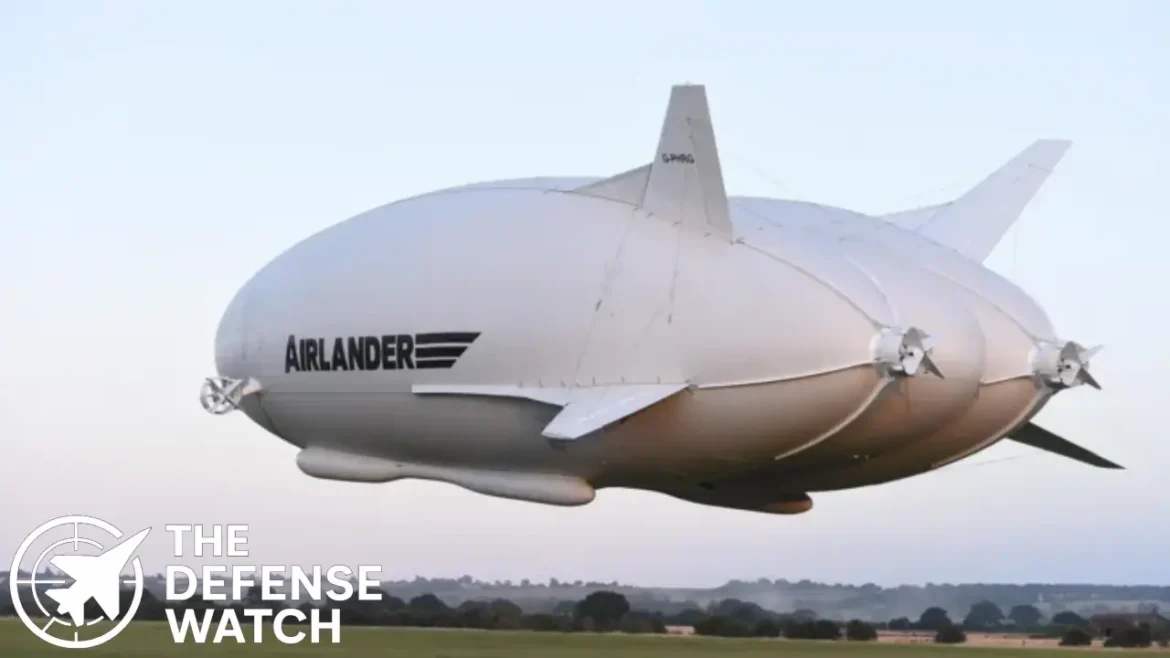
British aerospace firm Hybrid Air Vehicles (HAV) has announced its first military reservations for the Airlander 10, a hybrid aircraft combining the capabilities of an airship and a fixed-wing plane. The Bedford-based company confirmed that an “innovative defense contractor” has reserved three Airlander 10s for military customization — a major milestone as the platform moves closer to production.
While initially designed for civil certification, HAV emphasized that Airlander’s modular design and multi-role adaptability make it ideal for military use, especially in Intelligence, Surveillance, and Reconnaissance (ISR) missions.
“This is an exciting moment for us,” said George Land, Executive Director of Sales at HAV. “We’re pleased to be working with an undisclosed customer to provide three aircraft for further customization. Airlander’s versatility, high payload, and endurance offer clear advantages for modern defense needs.”
A New Kind of Military Platform
The Airlander 10 represents a new category of aircraft — part airship, part airplane — designed for long-endurance missions with low operational costs. It uses four combustion engines for lift and maneuvering, and can remain airborne for up to five days without refueling. Its three-tonne payload capacity allows it to carry high-performance radar systems, communications arrays, or even small drones.
Key Military Capabilities:
- Persistent ISR: Capable of carrying advanced radar and sensor suites for extended surveillance operations.
- Drone Operations: Can deploy, recover, and manage unmanned systems in the air.
- Multi-Terrain Operations: Operates from any flat surface, including water, without the need for runways.
- Logistics Support: Can transport personnel and equipment to remote or austere environments.
- Anti-Submarine Warfare Support: Provides long-duration monitoring for maritime patrol operations.
HAV said Airlander 10’s endurance and cost efficiency make it a unique solution for modern hybrid warfare, where persistent surveillance and flexible logistics are increasingly critical.
Manufacturing and Expansion Plans
Construction of HAV’s new production facility in Doncaster, England, began in December 2024. The site is expected to begin assembly and flight testing by 2026, with full-scale production following soon after. The Airlander 10 is projected to measure around 320 feet (98 meters) in length, making it the world’s longest aircraft.
The company’s civilian ventures are also growing. Spanish operator Air Nostrum Group, which previously reserved 10 Airlanders for regional passenger service, has doubled its order to 20 units for delivery by 2027. The expansion signals growing confidence in Airlander’s commercial and defense viability.
Strategic Significance for Military Operations
The growing military interest in hybrid aircraft aligns with broader trends in defense modernization. Traditional ISR and logistics aircraft — such as the P-8 Poseidon or C-130 Hercules — are effective but costly to operate and limited in endurance.
By contrast, the Airlander 10 offers a longer on-station time and lower operational footprint. Its ability to loiter for days over conflict zones or maritime areas could make it an affordable alternative for persistent surveillance and battlefield awareness.
For U.S. and NATO militaries, platforms like Airlander could supplement or even partially replace satellite-based ISR assets for certain missions, especially in contested environments where low-altitude persistence is key. Its minimal ground infrastructure requirements also make it ideal for forward-deployed or expeditionary operations.
Analysis: The Return of the Airship in Modern Warfare
The military’s renewed interest in lighter-than-air technology signals a shift toward endurance-based intelligence platforms. While airships were largely phased out after World War II, advances in composite materials, propulsion, and autonomous control systems are driving a resurgence.
In the U.S., similar efforts — such as Lockheed Martin’s LMH-1 hybrid airship and DARPA’s Project ISIS — have explored the potential of persistent aerial platforms for communications and surveillance. The Airlander 10 could serve as a European counterpart, potentially collaborating with allied defense programs focused on low-cost, high-endurance assets.
Moreover, Airlander’s low carbon footprint compared to traditional aircraft supports growing military goals for sustainable aviation technologies, particularly within NATO and European defense frameworks.
Conclusion: A New Frontier for Military Aviation
With its first military reservations confirmed, Hybrid Air Vehicles is positioning the Airlander 10 as a game-changing platform in the evolving landscape of aerial defense and surveillance. The aircraft’s endurance, versatility, and low operational costs offer defense organizations a new tool to adapt to emerging global threats — from maritime security to border monitoring and disaster response.
As HAV prepares for production in 2026, industry analysts expect further military orders to follow — potentially from U.S. allies seeking persistent, cost-effective ISR capabilities.
If successful, the Airlander 10 could mark the return of the airship — not as a relic of the past, but as a critical asset in the future of modern warfare.
A noted Chinese defence analyst has publicly criticised recent assessments claiming that the Indian Air Force (IAF) now surpasses the People’s Liberation Army Air Force (PLAAF) in overall capability. The comments come after the World Directory of Modern Military Aircraft (WDMMA) ranking placed India third globally—with a TruVal Rating (TVR) of 69.4, ahead of China at 63.8. In Beijing, the reaction has been dismissive of the ranking and sceptical of the underlying methodology.
Background
According to the WDMMA ranking, the IAF—which operates approximately 1,716 aircraft—scored higher than the PLAAF in the TVR, despite China’s larger overall inventory. The TVR metric takes into account not just fleet size but also aircraft mix, logistics, modernization, training and domestic aerospace-industry capability. Chinese media outlets, including state-affiliated commentary, have challenged the validity of the ranking and suggested that “paper rankings” do not equate to actual combat capability.Details of the Reaction
In an article titled “Why China Is Rattled at India’s Rise in Global Air Power Rankings”, defence-industry commentator Ravi Shankar noted that Beijing’s annoyance reflects the erosion of the PLAAF’s self-image as Asia’s air-power benchmark. Chinese official commentary described the ranking as “meaningless” and cautioned that such comparisons may lead to “dangerous miscalculations”. The crux of the critique is that while the IAF may present strength in balance and modernization, this does not necessarily translate into direct superiority in a scenario involving the PLAAF’s larger fleet, advanced platforms and integrated systems.One Chinese analyst stated that: “Militaries should be assessed on real combat performance rather than paper strength.” This aligns with broader Chinese commentary that emphasizes operational experience, tested systems and integrated networked warfare over statistical indices.
Meanwhile, the WDMMA data underpinning the claim highlights that although China possesses a larger total number of military aircraft (5,357) compared with India’s 2,488 across services, the IAF’s strength in component balance boosted its TVR. Specifically, India’s mix — roughly 31.6 % fighters, 29 % helicopters and 21.8 % trainers — was cited as evidence of a more balanced air-force structure. In contrast, China’s proportion of fighters was higher, but its fleet reportedly showed less balance in special-mission, training and transport assets.
Expert/Policy Perspective
From a strategic perspective, the Chinese reaction underscores concerns in Beijing that an elevated Indian air-power ranking may shift regional perceptions and influence coalition building in the Indo-Pacific. As one policy observer noted, placing India ahead of China in air-force rankings “suggests a recalibration in Asia’s balance of air power”.Another viewpoint emphasises that such rankings, while useful for external audiences, must be treated with caution. According to the WDMMA itself, unmanned aerial vehicles (UAVs) are currently not fully accounted for in its methodology — a potential limitation especially given China’s significant UAV development. Therefore, analysts in Beijing argue that the PLAAF’s broader integration with unmanned assets, long-range strike systems and networked command and control may not be fully reflected in the TVR.
In New Delhi, Indian officials have welcomed recognition of the IAF’s progress but emphasised the need to continue modernization, increase squadron strength and develop indigenous platforms. Analysts in India stress that surpassing China in rankings does not remove the need for further capability expansion and readiness.
Impact and What’s Next
The Chinese defence analyst’s commentary signals that even as New Delhi celebrates its rising air-power ranking, Beijing is carefully managing narrative and perception. The conversation is not simply about numeric ranking but about strategic signalling: a publicly elevated ranking for the IAF may influence procurement decisions, alliance flows and regional deterrence postures.For India, the challenge remains to convert improved rankings into tangible operational readiness — maintaining squadron numbers, accelerating induction of new fighters, and expanding logistics and sustainment infrastructure. For China, the message is clear: Beijing will continue emphasising operational depth, integrated systems and combat-proven capabilities rather than relying solely on rankings.
In the broader regional context, this development may drive both countries to accelerate modernization, sharpen training, and invest more heavily in next-generation air-power assets and allied interoperability. Observers will watch closely whether the IAF can maintain momentum and whether the PLAAF responds with visible shifts to modernisation, force posture or public assessments of capability.
Over the history of aerial warfare, certain fighter jets have transcended their technical specs to become lasting symbols of national power, technological progress, and combat prowess. These aircraft are not just machines—they are legends. In this article for TheDefenseWatch.com, we count down the top 10 most famous fighter jets of all time, highlighting what made each one iconic, and situating them in the broader sweep of airpower history.
What Makes a Fighter Jet “Famous”?
Before diving into the list, it’s worth reflecting on criteria. A fighter earns “famous” status through a mix of combat performance, export success, technical innovation, longevity, cultural resonance, and symbolic value. Some jets were game-changers in their era, others defined generations, and a few still fly in modern skies as reminders of their era.
Top 10 Most Famous Fighter Jets (in no particular order)
1. Supermarine Spitfire
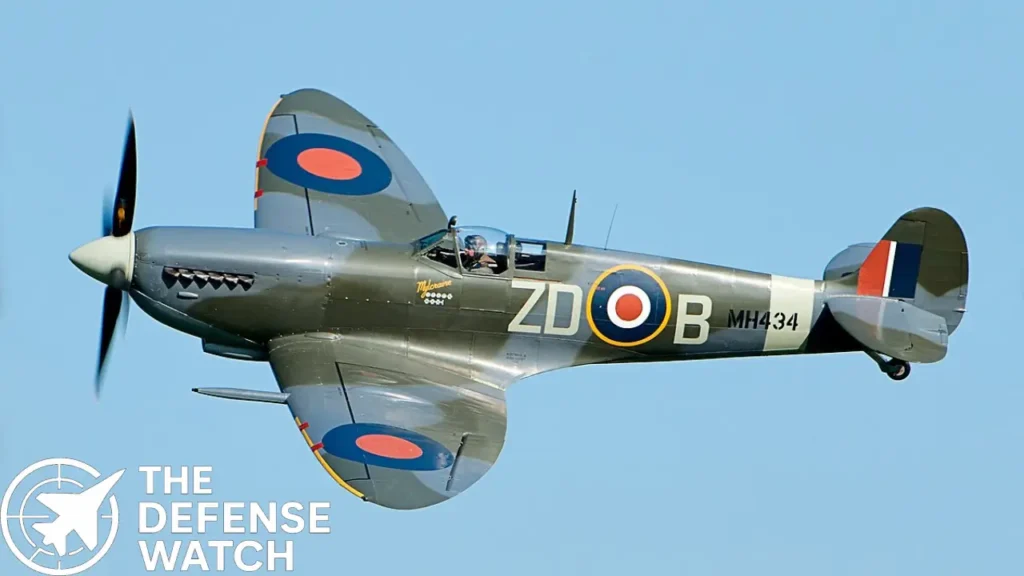
The Spitfire remains an icon of WWII and British resilience. Its elegant elliptical wings, nimble performance, and continual upgrades made it a mainstay of RAF defense, especially during the Battle of Britain. Its name continues to evoke heritage, valor, and aerial mastery.
(FlyAJetFighter lists it among the most famous historic fighters.)2. Messerschmitt Me 262
Though it flew late in WWII, the Me 262 is remembered as the first operational jet fighter. Its brief combat presence and revolutionary design left an outsized legacy on postwar jet development, influencing generations of jet engineers.
3. North American F-86 Sabre
The F-86 became a symbol of early jet-era combat, especially during the Korean War. Its dogfights against MiG-15s over “MiG Alley” showcased the dawn of jet-versus-jet warfare. Exported widely and revered for its handling, it remains a classic name in aviation history.
4. McDonnell Douglas F-4 Phantom II
The Phantom is one of the most produced and operationally diverse fighters in history. It served in air-to-air, air-to-ground, and reconnaissance roles across many air forces. With high speed and heavy payload capacity, it was central in Vietnam, the Cold War, and regionally in the Middle East.
5. Mikoyan-Gurevich MiG-21 (“Fishbed”)
Arguably one of the most widely produced supersonic fighter jets ever, with over 11,000 units built, the MiG-21 flew with dozens of nations over decades. Its simplicity, cost-effectiveness, and sheer ubiquity cemented its fame.
6. McDonnell Douglas F-15 Eagle
Designed to guarantee air superiority, the F-15 has earned a legendary reputation. It first flew in 1972 and continues to serve decades later. It is often credited with an undefeated record in air-to-air engagements.
7. Lockheed Martin F-22 Raptor
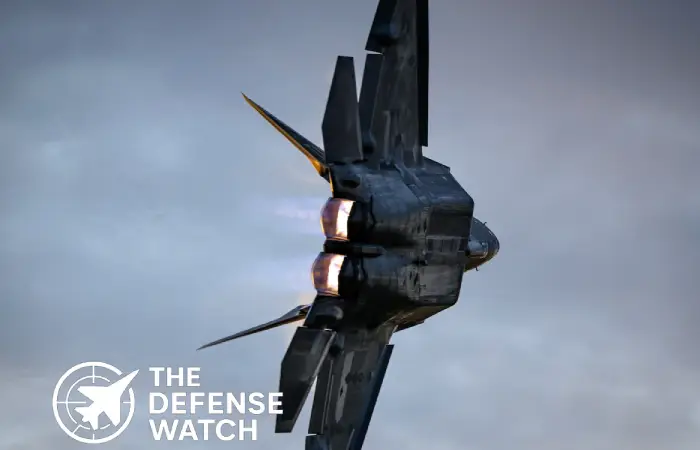
Among modern fighters, the F-22 stands out for its stealth, supercruise capability, and unmatched air dominance doctrine. Though produced in limited numbers, its advanced features and ceiling of performance make it an aviation icon.

8. Lockheed Martin F-35 Lightning II
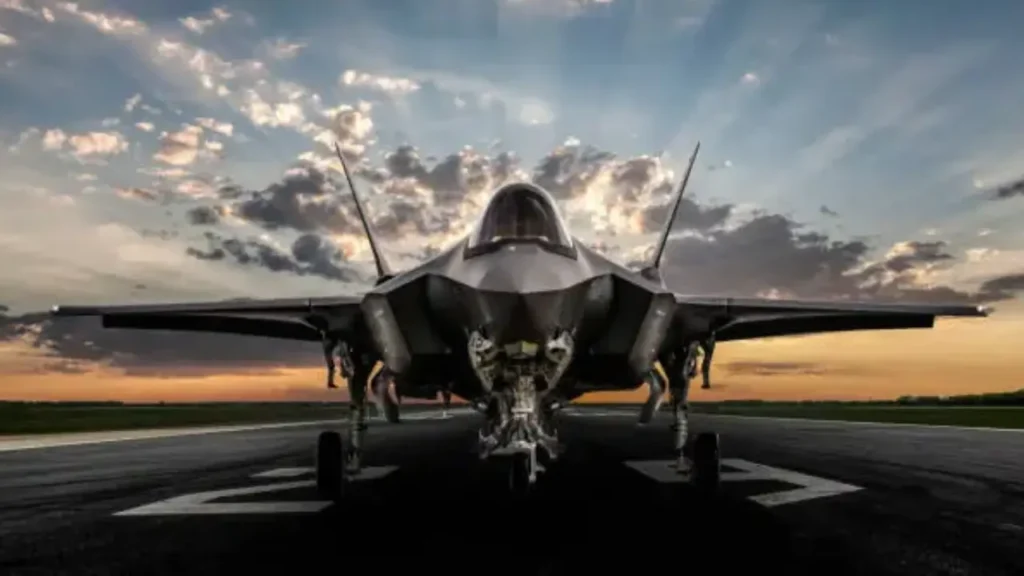
The F-35 is arguably the most visible modern multirole stealth fighter. Deployed across NATO and allied air forces, its sensor fusion, networked warfare capabilities, and export scale make it central to 21st-century airpower strategy.
9. Sukhoi Su-27 / Su-30 Family
The Su-27 and its derivatives (like Su-30) represent Russian air-superiority doctrine. Their agility, power, and export footprint (especially the Su-30 variants) have made them enduring symbols of post-Cold War Eastern aerospace capability.
10. Grumman F-14 Tomcat
The F-14 is famous partly thanks to media (notably Top Gun) but also due to its swing-wing design, high-speed intercept role, and long service with the U.S. Navy (and later Iran). It remains a cultural and technical icon in naval aviation.
Honorable Mentions
Other fighters could easily be on extended versions of this list: the F-16 Fighting Falcon (versatility and export success), Dassault Mirage series, Eurofighter Typhoon, and MiG-29/35 (fulcrum family).
Historical Context & Evolution of Fighter Strategy
Jet Age Revolution
The transition from propeller fighters (like Spitfire) to jet-powered combat (Me 262, F-86) marked a paradigm shift. Speed, altitude, thrust-to-weight ratio, and radar-guided missiles became decisive.
Cold War & Multirole Adaptation
Aircraft like the F-4 and MiG-21 reflected versatility under tight budgets. They were expected to perform in suppression, interception, and close air support roles.
Enter Stealth & Sensor Fusion
From the 1990s onward, jets like the F-22 and F-35 introduced low observability, integrated sensors, networked warfare, and data fusion as central features.
Analysis & Contemporary Resonance
Several trends emerge from this list:
- Longevity matters. Aircraft that stay in service—either by upgrades or export—amass prestige by longevity (e.g. F-15, MiG-21).
- Export and alliances amplify fame. Jets that fly in many air forces (MiG-21, F-35, Su-30) leave broader footprints.
- Technological leaps define eras. Me 262 launched the jet age. F-22 set stealth benchmarks. F-35 is now spearheading networked multirole doctrine.
In 2025 and beyond, newer designs—sixth-generation platforms and optionally crewed systems—may earn similar fame. But the aircraft above will continue to be taught, showcased, and honored as foundational pillars of airpower.
FAQs
Why not include the F-16 on this list?The F-16 is highly deserving—in many extended-lists it features prominently thanks to its export and combat record. But for a “top 10,” we selected those whose fame spans across eras, innovation, and symbolic impact.
Did any of these jets see combat victories?Yes — the F-15, F-4, MiG-21, and many others amassed combat records. The F-15 is particularly noted for its strong air-to-air success rate.
Are any of these still in active frontline service?Yes. The F-35, Su-30 family, upgraded F-15 variants, and a few legacy platforms (often in export roles) remain active today.
Will new fighters overshadow these legends?Possibly, over time. But fame accumulates over decades. Even as next-generation jets arrive, these historic icons will remain reference points in aviation lore.
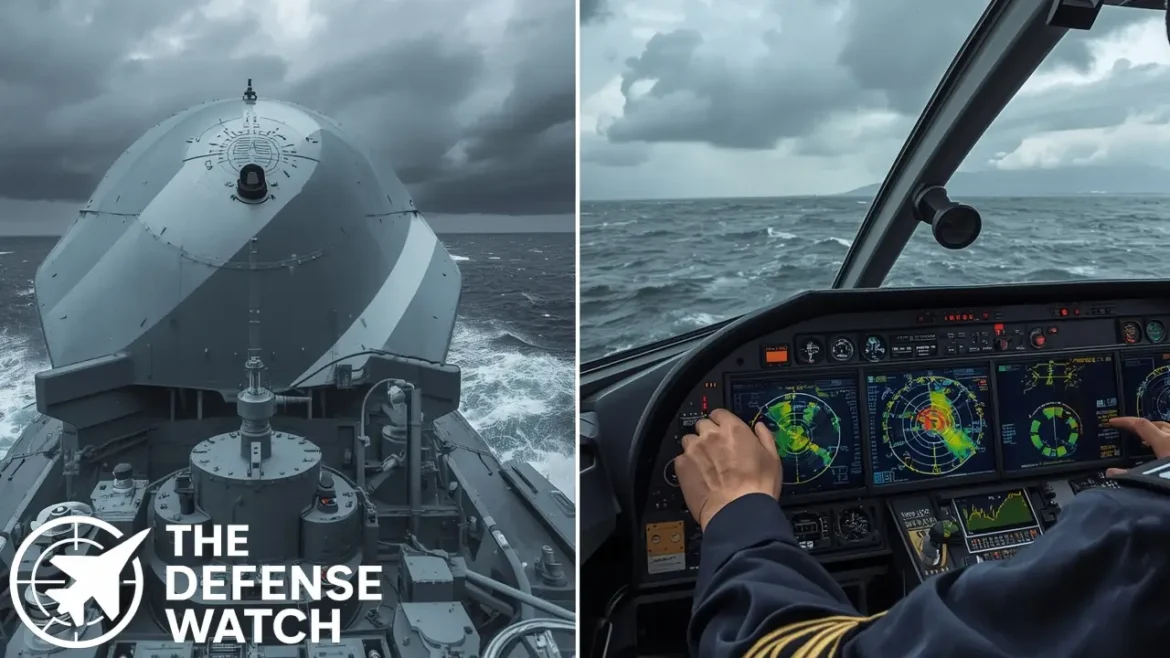
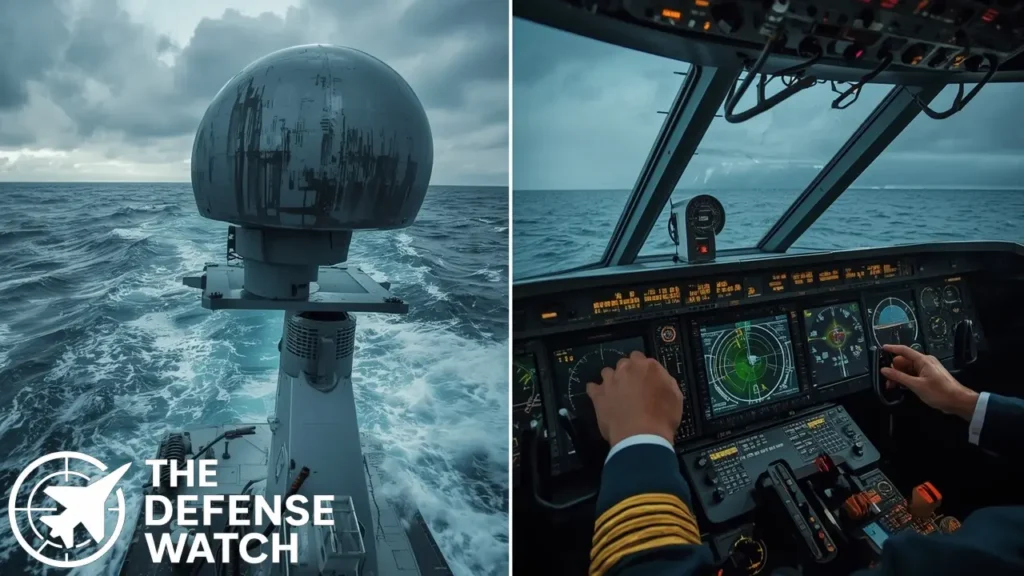
Weather Radar and Military Operations
Weather radar is often associated with civilian meteorology, but in defense and aerospace, it is just as critical. Armed forces worldwide—from the U.S. to NATO allies—rely on weather radar to plan operations, ensure safe navigation, and maintain strategic superiority in complex environments.
In military aviation, accurate radar-based forecasting is essential for mission safety. Fighter jets, transport aircraft, and unmanned aerial systems (UAS) depend on real-time weather data to avoid turbulence, thunderstorms, and hazardous flying conditions. Without precise weather radar inputs, sorties may be delayed or compromised.
Weather Radar at Sea: The Naval Perspective
For naval forces, weather radar is indispensable. Aircraft carriers, destroyers, and submarines operate in environments where storms and sea states can impact mobility and combat effectiveness. Advanced naval weather radar helps ships chart safe courses, detect incoming storms, and coordinate air-sea operations.
The U.S. Navy and allied navies use shipborne Doppler radars not only to track weather patterns but also to synchronize missile launches and carrier flight operations. The accuracy of a single radar sweep can determine whether an amphibious landing proceeds as planned or is postponed due to rough seas.
Dual-Use Technology: Civilian to Military Transition
Many military weather radars are built upon civilian technologies, particularly Doppler radar. While Doppler radar is widely used in storm detection and forecasting, militaries have adapted it for detecting low-flying aircraft, artillery rounds, and drones. This “dual-use” crossover highlights how civilian research often finds direct application in defense.
For example, Doppler radar can track wind shear—dangerous to both civilian airliners and military aircraft alike. In combat, the same technology helps artillery units adjust for wind conditions when firing long-range precision munitions.
Strategic Value in Modern Warfare
Weather data is not just about comfort or safety—it is about survival and operational success. Accurate weather radar inputs influence missile launches, drone flights, and satellite communications. A drone mission over the Middle East or a missile test in the Pacific must account for atmospheric conditions such as crosswinds, precipitation, and electromagnetic interference caused by storms.
Modern militaries also integrate weather radar with artificial intelligence (AI) to create predictive models. These systems allow commanders to simulate battlefield conditions days in advance, shaping both tactical and strategic decisions.
Analysis: Why It Matters Now
As climate patterns grow more unpredictable, weather radar is becoming even more central to defense planning. From Arctic operations to Pacific deployments, forces are encountering harsher, less predictable weather. Investing in advanced radar systems—whether land-based, airborne, or satellite-integrated—is increasingly seen not as optional, but as mission-critical.
In short, weather radar is more than a forecasting tool—it is a strategic enabler. For defense planners, ignoring the weather is no longer an option.
Source: National Weather Service on Weather Radar Technology
FAQs
What is weather radar in the military?Weather radar in the military is used to detect storms, wind patterns, and atmospheric conditions that impact operations, missions, and navigation.
How does weather radar support air forces?It ensures safer flight paths, allows mission planning around weather threats, and provides data for drone and missile operations.
Is military weather radar different from civilian systems?Yes. While based on similar principles, military weather radars are often ruggedized, integrated with command systems, and adapted for detecting artillery and drones.
Why is Doppler radar important for defense?It provides real-time tracking of wind and precipitation, essential for artillery accuracy, aviation safety, and storm avoidance.
Does weather radar impact naval operations?Absolutely. Naval vessels depend on radar for storm avoidance, safe navigation, and synchronizing air-sea missions.
Deliveries Set for a New High
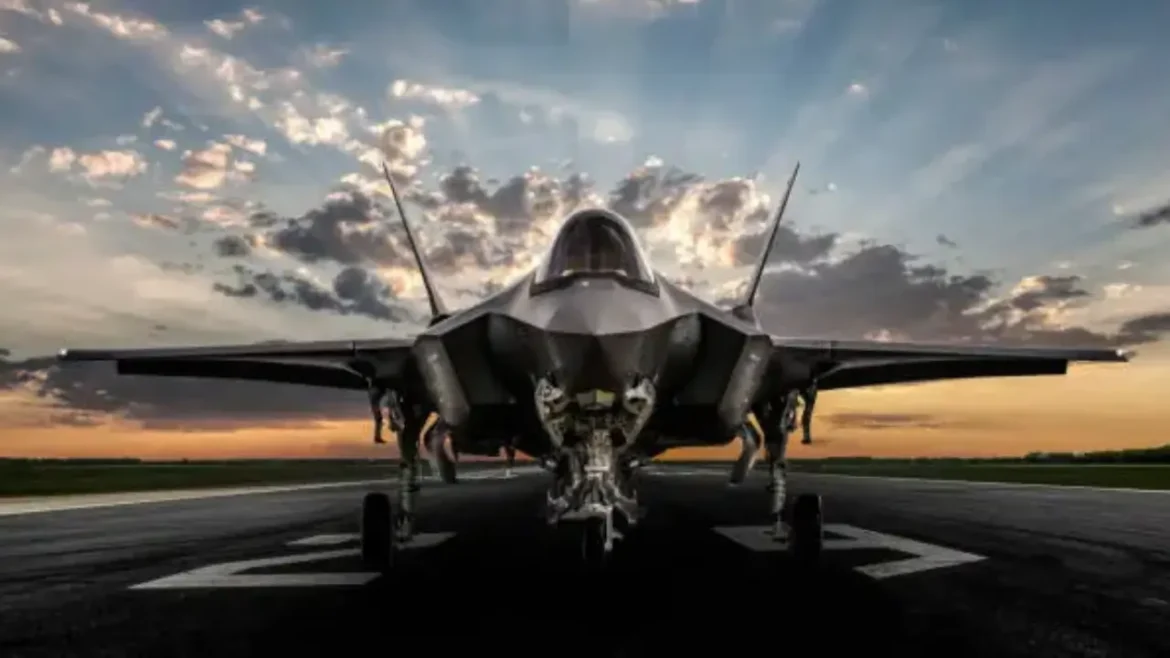
Lockheed Martin is preparing for what could be its busiest production year yet for the F-35 Lightning II. Company officials say between 170 and 190 jets may roll off the line in 2025, a figure that would surpass previous delivery records and underline both domestic and international demand for the fifth-generation fighter.
The surge comes at a time when the F-35 fleet continues to expand across the U.S. Air Force, Navy, and Marine Corps, as well as more than a dozen allied operators. But the milestone in production masks ongoing difficulties with the aircraft’s most important modernization efforts.
TR-3: A Bottleneck Upgrade
Central to current challenges is the Technology Refresh-3 (TR-3) upgrade. This package introduces more powerful processors, enhanced memory, and an improved pilot interface—foundations needed to support the future Block 4 configuration.
Although Lockheed has stated that TR-3 development is “nearly complete,” the program has slipped behind schedule. U.S. defense officials have even withheld a portion of payments per aircraft until the upgrade is fully validated. Until TR-3 reaches operational maturity, many new F-35s are being delivered but placed in a holding pattern, awaiting retrofit before they can reach their intended combat capability.
Block 4 and Engine Improvements Facing Delays
Beyond TR-3 lies the ambitious Block 4 upgrade, which will add new weapons integration, electronic warfare improvements, and next-generation sensors. The cost of Block 4 development has now climbed above $16 billion, raising questions about budgeting and timelines.
At the same time, propulsion modernization is slipping. The Pentagon’s plan to upgrade the Pratt & Whitney F135 engine, known as the Engine Core Upgrade, is running about a year late. That delay has a knock-on effect for the aircraft’s power and cooling system, which is already stressed by the demands of future electronic systems and directed energy weapons.
New Capabilities Coming in 2025
Despite these hurdles, some tangible enhancements are on the horizon. F-35s produced from Lot 17 onward are slated to carry the new AN/APG-85 radar, an advanced electronically scanned array designed for sharper tracking and improved ground mapping.
On the training side, the Joint Simulation Environment (JSE) continues to mature. This high-fidelity digital ecosystem allows F-35 pilots to rehearse complex combat scenarios that cannot be replicated in live training—an increasingly vital tool as the aircraft evolves into a node within broader joint and coalition networks.
Cost Pressures and International Concerns
The average flyaway cost of the F-35A remains near $82 million, with the short-takeoff B model and carrier-capable C model priced higher. But with additional technology being integrated, Lockheed has warned that aircraft in Lots 18 and 19 could once again cross the $100 million threshold.
International customers have taken notice. Canada, for example, has revised its F-35 program cost upward from $19 billion to almost $28 billion, with deliveries sliding into the latter half of the decade. Meanwhile, Spain recently stepped back from plans to join the program, opting instead to consider European alternatives—decisions that illustrate how rising costs can influence strategic choices.
U.S. Procurement Outlook
The U.S. services remain the backbone of the program, yet their procurement path is shifting. The Air Force has indicated it will not return to full-rate F-35 purchases until TR-3 issues are resolved. Budget documents for fiscal 2026 already show a steep reduction in orders, cutting the Air Force buy from 48 aircraft to just 24. The Navy and Marine Corps face similar adjustments.
This cautious approach underscores the Pentagon’s desire to ensure capability maturity before committing to larger numbers, even as production lines prepare for record throughput.
Analysis: Production Success, Capability Gaps
The F-35 program in 2025 is marked by a paradox: on one hand, it is producing more aircraft than ever before, demonstrating resilience in global demand and industrial output. On the other, it continues to wrestle with the timely delivery of critical upgrades that define its long-term relevance against near-peer adversaries.
For operators, the near-term question is less about how many jets they receive, and more about whether those jets can achieve the combat capabilities envisioned. As the fighter heads toward its fourth decade of service, the program’s success will hinge on aligning production milestones with technological readiness.
FAQs
How many F-35s are expected in 2025?Between 170 and 190 aircraft, marking a potential program record.
What is the TR-3 upgrade?It is a hardware and software refresh providing the computing foundation for future F-35 capabilities, including Block 4.
Why is Block 4 important?Block 4 introduces expanded weapons integration, improved electronic warfare, and upgraded sensors critical for high-end conflict.
How much does an F-35 cost in 2025?Around $82M for the F-35A, while B and C models exceed $100M. Future lots may see further increases.
Why is the U.S. slowing procurement?he Pentagon wants TR-3 issues resolved and capability validated before resuming full-rate production buys.
Older Posts