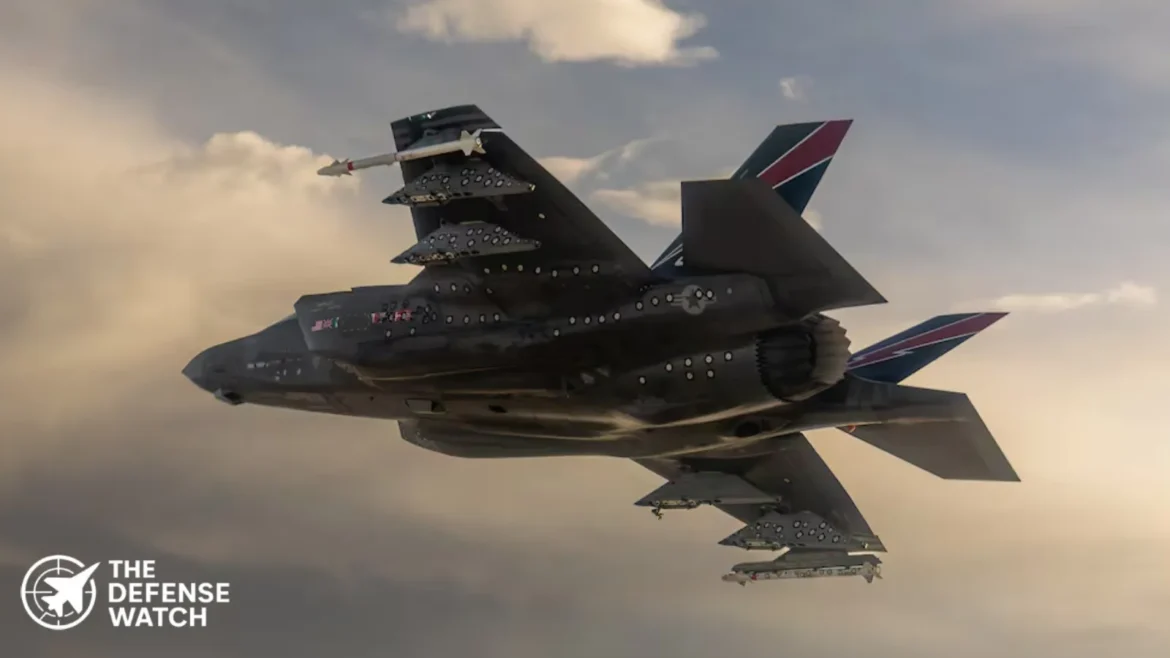
F-35 Readiness Audit Raises Contract Oversight Concerns
The F-35 readiness audit released in December found the US Department of Defense paid Lockheed Martin $1.7 billion under a 2024 sustainment contract, despite the fighter jet fleet failing to meet basic readiness standards.
According to the Department of Defense Office of Inspector General, the F-35 Joint Program Office did not consistently hold Lockheed Martin accountable for weak sustainment performance. Payments continued through July 1, 2025, with no economic adjustments, even as fleet wide aircraft availability averaged about 50 percent.
The audit reviewed the June 2024 air vehicle sustainment contract, which covers maintenance and support for the global F-35 fleet operated by the US military and partner nations.
Readiness Rates Fell Below Service Requirements
The inspector general reported
that Full Mission Capable, Mission Capable, and Air Vehicle Availability rates did not meet minimum thresholds set by the US military services.
Average air vehicle availability during fiscal year 2024 stood at roughly 50 percent. This meant that F-35 aircraft were unavailable to fly about half the time.
Despite these results, the Pentagon paid more than $1 billion during the period reviewed. The audit found that readiness metrics were not clearly written into the contract and were not used to adjust payments.
Contract Lacked Enforceable Performance Measures
Investigators concluded that the F-35 Joint Program Office monitored contractor performance but failed to link payments to measurable outcomes.
The audit found gaps in several areas, including the absence of aircraft readiness requirements, weak enforcement of material inspection rules, and incomplete government property reporting.
The office also found that contracting officer representatives were not used effectively to oversee performance at F-35 operating bases.
Oversight Reforms Recommended
The inspector general issued seven recommendations to the Under Secretary of Defense for Acquisition and Sustainment and the F-35 program executive officer.
These included adding incentive based readiness metrics to sustainment contracts, improving oversight roles at F-35 sites, and reviewing staffing levels for contract monitoring.
Defense officials generally agreed with the recommendations. Six were marked as resolved but remain open pending proof of action. One recommendation remains unresolved, with formal comments requested within 40 days.
Cost and Scale of the F-35 Program
The F-35 Joint Strike Fighter is the Pentagon’s largest acquisition program, with projected lifetime costs exceeding $2 trillion for procurement, operations, and sustainment.
The aircraft is designed for an 8,000 hour service life. Recent testing of the F-35A variant suggests it could reach up to 24,000 flight hours under certain conditions.

U.S. Awards Lockheed Martin $328.5M Taiwan Military Sale Contract
The Pentagon has awarded Lockheed Martin a $328.5 million foreign military sale contract to supply Taiwan with enhanced sensor pods in support of an urgent operational need for the Taiwan Air Force, the Department of Defense announced.
Under the deal, Lockheed Martin will procure and deliver 55 Legion Infrared Search and Track Enhanced Sensor pods, related processors, containers, and support equipment. Work on the contract will be carried out in Orlando, Florida, with completion expected by June 2031.
Of the total contract value, $157.3 million in foreign military sales funds were obligated at the time of award, according to the Pentagon statement.
U.S. Arms Sales Support Taiwan Defense
Washington, while maintaining formal diplomatic ties with Beijing, continues unofficial security cooperation with Taipei under longstanding U.S. law that obligates supply of defense articles to Taiwan. The island remains the largest U.S. foreign military sales partner in the Indo-Pacific.
The latest Lockheed Martin contract follows the administration’s announcement of an approximately $11.1 billion arms sales package for Taiwan in mid-December, which includes artillery systems, rocket launchers, missiles, drones, and other equipment aimed at modernizing Taiwan’s forces and sustaining credible defense capabilities.
Taipei has remained on heightened alert after recent large-scale military drills conducted by the People’s Republic of China around the island, with Taiwanese authorities monitoring naval and air activity closely.
What the Sensor Pods Do
The Legion Infrared Search and Track Enhanced Sensor pods are designed to improve airborne situational awareness by detecting heat signatures across wide fields of view. These pods augment existing radar and electronic systems on Taiwan’s fighter aircraft, supporting early warning and tracking in contested airspace.
Work on the new contract is expected to span several years, with system delivery and integration continuing through 2031.
Geopolitical Context
U.S. arms sales to Taiwan remain a flashpoint in relations with China, which views such transfers as interference in its internal affairs. Recent large-scale sales have drawn firm opposition from Beijing and led to diplomatic pushback.
Lockheed Martin UAE THAAD Sustainment Contract
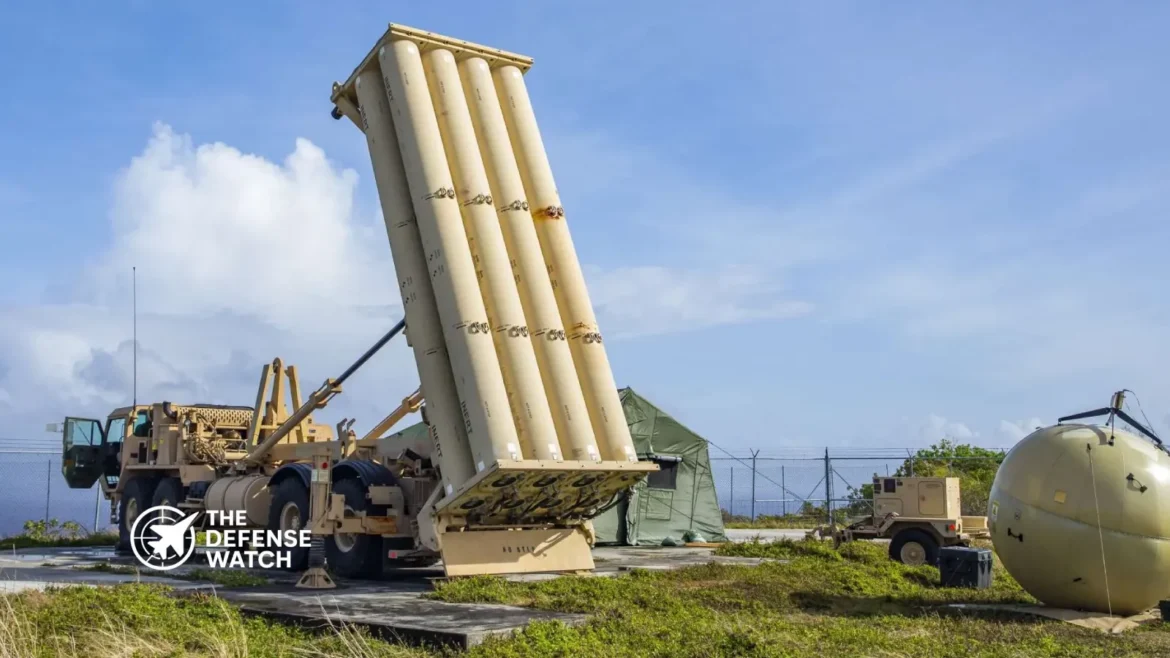
Lockheed Martin has secured a 142.6 million contract to provide sustainment support for the UAE THAAD missile defense system, reinforcing the long term readiness of the country’s ballistic missile defense architecture.
The contract, awarded by the U.S. Department of Defense, covers logistics, maintenance, and technical services to ensure continued operational availability of the UAE THAAD missile defense system. The work supports one of the most advanced missile defense networks deployed in the Middle East.
According to Army Recognition and U.S. defense officials, the agreement focuses on sustainment activities rather than new system deliveries, highlighting the UAE’s emphasis on maintaining high readiness levels for existing strategic assets.
Sustaining a Key Regional Missile Defense Asset
The Terminal High Altitude Area Defense system is designed to intercept short and intermediate range ballistic missiles during the terminal phase of flight. The UAE became the first international customer for THAAD, integrating it into a layered air and missile defense structure alongside Patriot systems.
Under the new contract, Lockheed Martin will deliver system sustainment, engineering support, and supply chain services. These efforts are intended to preserve system reliability and ensure interoperability with U.S. forces operating in the region.
Strategic Importance for the UAE and the U.S.
The UAE THAAD missile defense deployment plays a central role in regional deterrence amid persistent missile and drone threats. Continued sustainment support strengthens collective defense cooperation between Washington and Abu Dhabi.
Lockheed Martin stated that the program reflects ongoing U.S. commitment to supporting allied missile defense capabilities through long term partnerships and lifecycle support.

Finland F-35A Delivery Begins
Finland F-35A delivery has officially begun with the handover of the first F-35A fighter jet to the Finnish Air Force. The aircraft was delivered from Lockheed Martin’s production line in the United States, marking a major milestone in Finland’s long-term air combat modernization program.
(adsbygoogle = window.adsbygoogle || []).push({});The delivery follows Finland’s 2021 decision to select the F-35A as the replacement for its aging F-18 Hornet fleet. The program represents the largest defense procurement in Finnish history and a central pillar of the country’s future air defense posture.
Strengthening Finnish Air Power
The Finnish Air Force plans to acquire a total of 64 F-35A aircraft under the HX Fighter Program. The fleet will gradually replace F-18 Hornets, which are scheduled to retire by the early 2030s.
According to the Finnish Ministry of Defense, the F-35A was selected for its ability to operate in contested airspace, its advanced sensors, and its ability to integrate with allied forces. The aircraft’s stealth design and data-sharing capabilities are expected to significantly enhance Finland’s situational awareness and deterrence capability.
NATO Interoperability and Regional Security
Finland’s F-35A delivery also strengthens interoperability with NATO allies. Several NATO members, including the United States, Norway, Denmark, and the Netherlands, already operate or are transitioning to the F-35 platform.
Defense officials have highlighted that shared aircraft types simplify joint training, logistics, and operational planning. This is particularly relevant for Finland following its accession to NATO, as the country focuses on collective defense in Northern Europe.
Training and Operational Timeline
Initial aircraft will be used primarily for pilot training and system familiarization. Finnish pilots and maintainers have already been training in the United States as part of the program.
Operational deployment in Finland is expected later in the decade as additional aircraft are delivered and supporting infrastructure is completed. The Finnish Air Force has stated that the F-35A will be tailored to operate from dispersed bases, a core element of Finland’s air defense doctrine.
Program Cost and Industrial Participation
The F-35A acquisition is valued at approximately 8.4 billion euros, covering aircraft, weapons, training, and sustainment. Finnish industry is also involved in the program, with local companies participating in component manufacturing and long-term maintenance support.
Officials have emphasized that domestic industrial participation will help ensure fleet availability throughout the aircraft’s service life.

The U.S. Department of Defense has increased the Lockheed Martin C-130J contract ceiling by 10 billion, raising its total value to approximately 25 billion, the Pentagon confirmed on Monday.
The contract covers production, development, and engineering support for the C-130J Super Hercules military transport aircraft. No additional funds were obligated as part of the modification.
Key Details
- Program: C-130J Super Hercules
- Contract increase: 10 billion
- New ceiling: About 25 billion
- Managing office: Air Force Life Cycle Management Center
- Primary work location: Marietta, Georgia
- Contract period: Through July 2035
Why It Matters
The C-130J is a core tactical airlift aircraft for the U.S. Air Force and allied militaries. It supports cargo transport, troop movement, medical evacuation, and humanitarian missions, including operations from short and unprepared runways.
The higher contract ceiling allows the Pentagon to place future aircraft and support orders without renegotiating the base agreement, ensuring production continuity and long-term fleet sustainment.
Foreign Military Sales
The contract also supports Foreign Military Sales customers, including Australia, Egypt, France, Germany, Norway, New Zealand, and the Philippines. These sales strengthen interoperability with U.S. forces and maintain shared logistics standards.
What Comes Next
Future funding will be announced through separate procurement actions tied to U.S. defense budgets and allied orders. Additional C-130J deliveries and sustainment work are expected over the next decade.
What is the “Improv AI” Concept
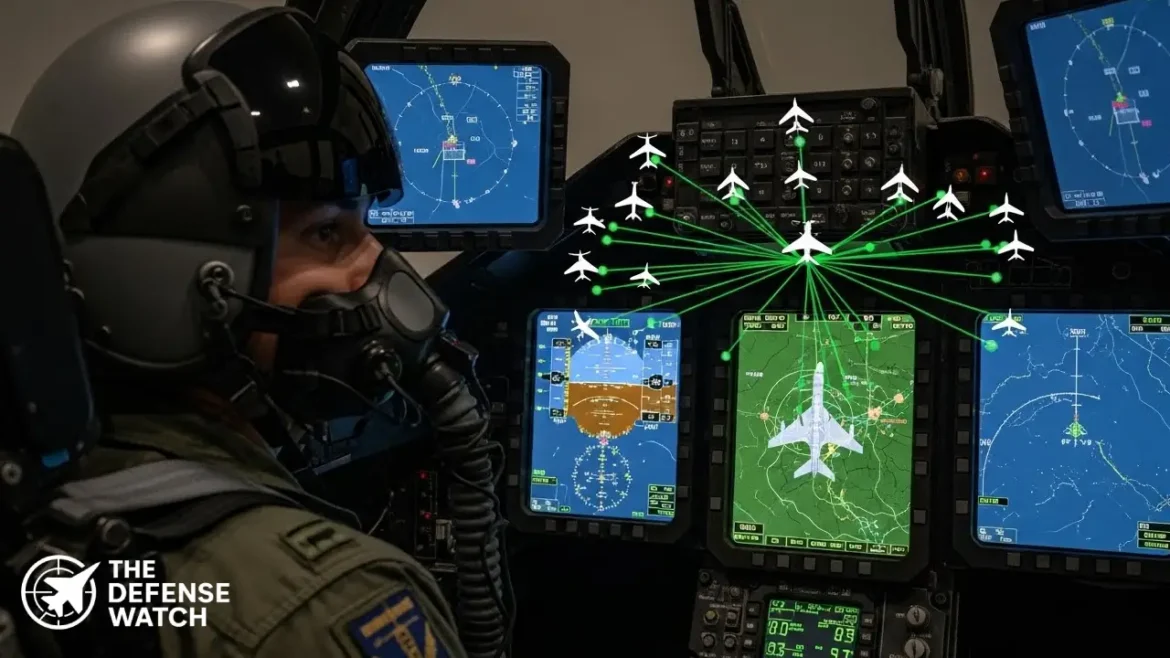
The term “Improv AI” — as used in recent public chatter — captures Lockheed Martin’s evolving push to embed adaptive, real‑time artificial intelligence (AI) into battle‑management and command‑and‑control (C2) systems. At its core is the idea of AI that can “improvise on the fly” — reacting to unexpected developments mid‑fight, filling in gaps human operators may miss, and dynamically managing sensors, shooters, and data flows across domains.
That push dovetails with the broader U.S. Department of Defense (DoD) strategic initiative Combined Joint All-Domain Command and Control (CJADC2), which seeks to network sensors and shooters across air, land, sea, space, and cyber domains into an interconnected mesh — enabling rapid detection, decision, and response at machine speed.
In this context, “Improv AI” is less a single product than a growing portfolio of capabilities: airborne autonomy, AI‑driven data fusion and translation, open‑architecture C2/databuses, and live human‑machine teaming.
What Lockheed Has Demonstrated So Far
Live AI‑piloted Jets in Air‑to‑Air and Crewed‑Uncrewed Missions
- In June 2024, Lockheed Skunk Works, partnering with the University of Iowa Operator Performance Laboratory (OPL), flew full-scale L‑29 Delfin jets in air‑to‑air intercept scenarios under AI control. The AI handled heading, speed, and altitude commands against virtual adversaries — going through eight scenarios including offensive, defensive, off-aspect, and missile-support / missile-defeat tests. The AI exhibited “intentional and decisive” behaviour.
- Later in 2024, in a crewed‑uncrewed teaming (manned/unmanned) demonstration, a human “battle manager” flying in an L‑39 Albatros used a touchscreen pilot‑vehicle interface (PVI) to direct two AI‑controlled L‑29 jets. The pair successfully executed a simulated offensive counter‑air mission, “defeating” two mock enemy aircraft.
- According to Lockheed, these tests mark the start of a broader autonomy roadmap: future flights may include more complex formations, more unmanned systems, and tighter integration with existing or legacy aircraft platforms.
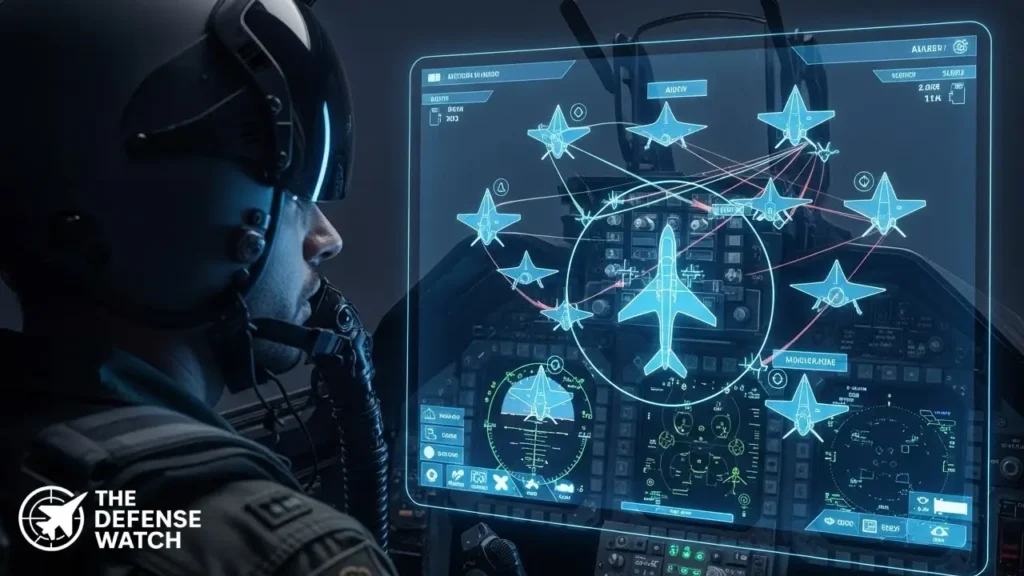
These demonstrations show that autonomous flight — even in kinetic air‑to‑air scenarios — is transitioning from simulation to real‑world flight tests. The “human‑in‑the‑loop” model remains central: AI flies, but humans supervise, assign targets, and provide final decision authority.
CJADC2 Interoperability Factory: AI‑Enabled System‑of‑Systems Integration
In March 2025, Lockheed announced its self‑funded CJADC2 Interoperability Factory — a modular, open‑architecture software stack designed to bridge disparate military platforms and data standards (e.g., sensors, shooters, satellites, legacy systems) into a cohesive, cross-domain network.
- Translates between a multitude of “machine languages” used by different weapon systems — even if they use incompatible or proprietary messaging standards.
- Uses model‑based systems engineering and AI/ML-based “smart translators” to automate and speed up onboarding of new systems — reducing manual integration burden and shortening fielding timelines.
- Supports cross‑domain data exchange — connecting platforms such as land‑based missile launchers, naval systems, aircraft, satellites — enabling “any sensor to any shooter” data flow.
According to Lockheed, initial internal demonstrations have already successfully linked the Open Mission Systems-Universal Command and Control Interface (OMS-UCI) with legacy Link 16–style communications (TADIL-J), as a proof of concept. Future iterations aim to incorporate additional standards (e.g., IBS, MADL) and support even broader platform sets.
Why This “On‑the‑Fly AI Battle Management” Matters
Shrinking the Kill Chain, Accelerating Decision Speed
In modern, high-end conflict — especially against peer adversaries — reaction time, speed of decision-making, and agility in commanding diverse assets become critical. “Improv AI” helps accelerate what used to be manual, time‑intensive decision and communication loops: sensor data ingestion → classification → target identification → shooter assignment → engagement decision.
By automating aspects of this cycle, AI-enabled battle management can:
- Fuse high-volume multi-domain sensor inputs (air, space, land, sea, cyber) in near-real time.
- Allocate shooters (aircraft, missiles, drones) dynamically, even under communications stress or partial connectivity.
- Respond to unexpected events — such as decoys, jamming, electronic warfare — faster than human-only systems might allow.

In effect, that could compress kill‑chains from minutes to seconds, giving a decisive tempo advantage — something especially relevant under the umbrella of Joint All-Domain Command and Control (JADC2) doctrine.
Interoperability: Legacy + Future Assets, Allies + Partners
Not all platforms in use today — or even coming online in the next decade — were built with common data standards or C2 interoperability in mind. The Interoperability Factory addresses precisely that problem: enabling legacy systems, modern fighters, ground weapons, satellites, and future unmanned platforms to “speak” to each other.
This helps not just U.S. services, but allied and partner militaries. Under CJADC2’s “Combined” framework, coalition forces — with differing equipment, standards, and legacy systems — could theoretically share sensor and targeting data in real time. That interoperability could prove decisive in high-end multi-domain operations where multinational coordination is key.
Limitations, Challenges and What Remains Unclear
While promising, the path to fully operational “improv‑AI battle management” faces several constraints and risks:
- Human Oversight Required: Even in the most advanced demos, humans remain “on the loop.” AI commands, maneuvers, or target assignments — but final decisions and engagement authorizations still rest with human operators.
- Integration and Interoperability Complexity: Building translators between dozens of heterogenous systems — sensors, weapons, communications standards — is not trivial. The Interoperability Factory aims to solve that, but wide-scale fielding across U.S. and allied platforms will require rigorous testing, verification, and standardization.
- Adversary Countermeasures: In contested environments, adversaries may deploy jamming, deception, cyber‑attacks, and other counter‑AI or counter‑C2 measures. The resilience of AI‑enabled systems under such stress remains to be tested — especially at scale and under real-world warfighting conditions.
- Ethical, Legal and Command‑Control Considerations: The shift of decision‑making speed and partial autonomy raises questions about responsibility, escalation control, and risk of unintended engagements. While programs so far emphasize “humans in the loop,” real‑world pressures may challenge that model.
Implications & What Comes Next
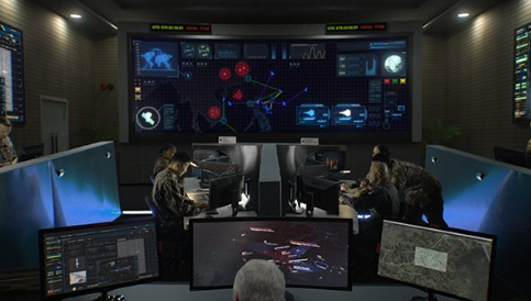
The progress made by Lockheed Martin signals that “adaptive AI battle management” is moving from speculative future concept to tangible capability — but it still remains a layered and gradual evolution. Key implications and next steps:
- From Tests to Integration: Expect more complex flight tests with larger numbers of AI‑controlled platforms — drones, UAVs, mixed manned/unmanned formations — increasing realism and expanding envelope.
- Accelerated Adoption Under CJADC2: The Interoperability Factory could speed up fielding of integrated, AI-enabled C2 networks across services and allies, making JADC2 less vision and more operational doctrine.
- Doctrinal Shift — Decision Velocity Over Platform Excellence: As multi-domain operations accelerate, success may depend less on individual platform performance and more on network speed, data fusion, and decision agility. This could reshape procurement and force-structure priorities.
- Operational & Legal Frameworks Needed: As automation increases, DoD and allied militaries will need doctrine, rules of engagement, and command frameworks to govern how, when, and under what circumstances AI-driven systems can act — especially in contested or coalition environments.
FAQs
It means that while AI may pilot, navigate or manage aspects of a mission (flight control, data fusion, targeting recommendations), a human operator retains ultimate control and decision authority — particularly for lethal engagements or mission‑critical decisions.
That’s exactly the aim of the CJADC2 Interoperability Factory: to provide a software-based “translator” layer that enables old and new systems — even if they use different communications or data protocols — to exchange information seamlessly.
Not at this stage. The demonstrations underscore AI as a force multiplier and decision support tool — not as a wholesale replacement for human judgment or command oversight.
Risks include adversary electronic/cyber countermeasures, system vulnerabilities, integration failures, mis‑identification or targeting errors, and ethical/legal challenges around autonomous or semi-autonomous engagements.
While flight tests and internal demonstrations are underway now (2024–2025), broad deployment — especially in coalition, multi-domain contexts — likely depends on further testing, standardization, and doctrinal adoption. 2020s–early 2030s seems a realistic window, depending on policy, funding, and adoption pace.
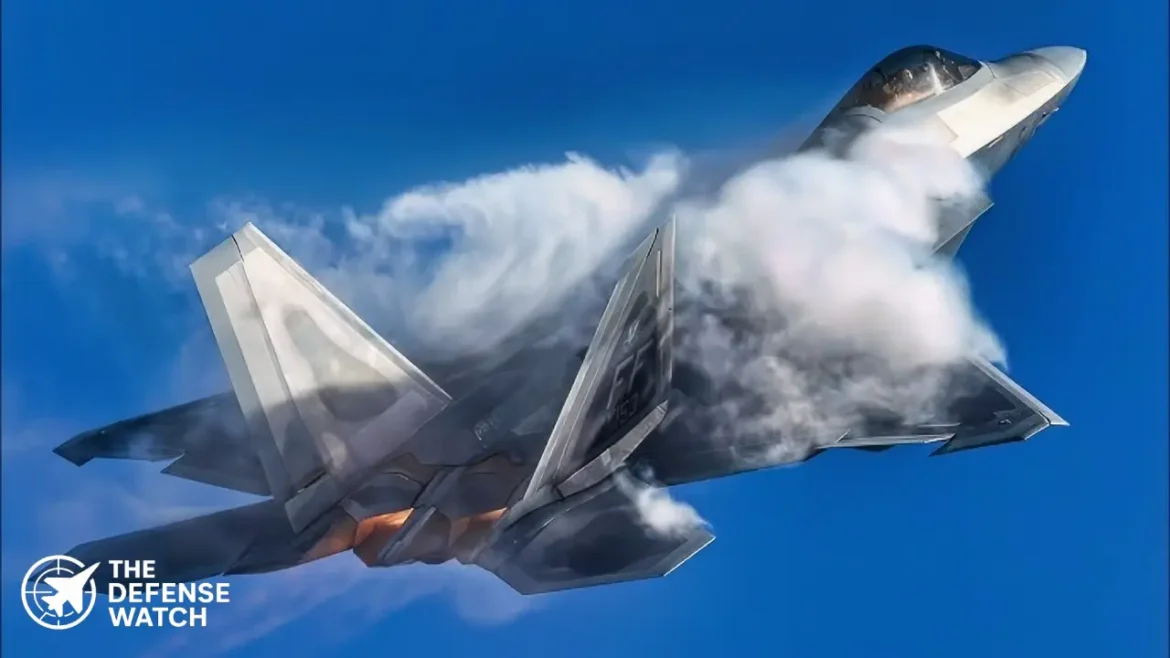
The U.S. Air Force, in collaboration with defense-contractor Lockheed Martin, is reportedly moving forward with ambitious upgrade proposals for its stealth fighter fleet — the “Super” F-22 Raptor and the “Ferrari” F-35 Lightning II. These plans aim to modernize existing airframes with next-generation technologies originally developed for the Next Generation Air Dominance (NGAD) program.
With new sixth-generation jets delayed, the upgrades are intended to provide a ready and capable stealth force in the near term — effectively extending the operational life and combat relevance of existing aircraft.
Background: Why Upgrades Are Gaining Traction
The NGAD program was meant to deliver a leap ahead in air-dominance through a brand-new sixth-generation fighter. However, development timelines remain uncertain and competitive pressures — particularly from rapidly evolving adversary programs — have accelerated calls for interim solutions.
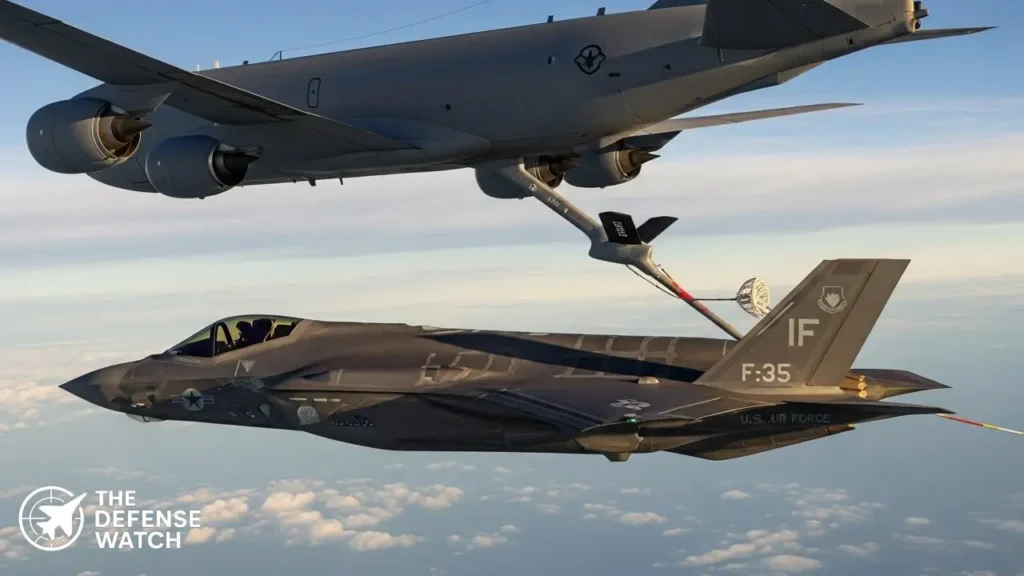
Rather than waiting for a fully new aircraft to reach maturity, U.S. defense planners and industry leaders are now advocating for an alternative: retrofit and modernize existing stealth fighters to absorb as many next-gen features as possible, sooner. This approach promises a potentially faster, more cost-efficient way to maintain air superiority while bridging the gap.
What the “Super F-22” and “Ferrari F-35” Would Deliver
Super F-22
The “Super” F-22 plan goes beyond incremental enhancements. It envisions a substantial structural refresh of existing Raptor airframes — including new stealth materials, redesigned engine inlets, powerful onboard processors, and advanced electronic-warfare (EW) systems derived from NGAD development.
Under the proposal, the upgraded F-22 could support heavier weapons loads, more power-hungry sensors, and expanded mission profiles. Elements under consideration reportedly include stealth coatings refinements, range-extending fuel tanks, improved infrared defense systems, and drone (loyal wingman) control capabilities.
Ferrari F-35
On the F-35 side, Lockheed Martin is pitching a “fifth-generation-plus” variant — colloquially dubbed “Ferrari” — that would blend much of NGAD-era tech with the widely fielded F-35 chassis.
According to company executives, this upgraded F-35 could deliver roughly 80% of a sixth-generation fighter’s capability at close to half the projected cost per unit. Specific upgrades under discussion include enhanced infrared search-and-track sensors, updated stealth materials, new air-frame geometry, advanced data links, and expanded weapons compatibility. There is also talk of improved integration with autonomous or drone “wingmen.”
Given the existing global fleet — numbering in the thousands — such upgrades could rapidly scale to meet strategic requirements.
What It Means for the U.S. Air Force and Strategic Posture
A modernized fleet of Super F-22s and Ferrari F-35s would give the U.S. Air Force a substantial near-term boost. It would raise the number of combat-ready stealth fighters, enhance mission versatility (air superiority, long-range strike, EW, drone integration), and extend the life of proven platforms — all without the long delays and risk of developing an entirely new jet from scratch.
This bridging strategy becomes especially critical as the U.S. navigates a period of shifting global power balances — where peer competitors are also advancing stealth and drone-enabled capabilities rapidly.
Upgrading existing aircraft could also reassure U.S. allies — especially those relying on American airpower — that Washington remains capable of delivering high-end air superiority even as its procurement and development cycles evolve.
Challenges, Trade-offs, and Questions
- Scale and Timing: It remains unclear how many F-22s will actually receive the Super upgrade — and how quickly. The retrofit process could take years, and legacy maintenance/backlog issues for the F-22 fleet remain a hurdle.
- Cost vs. Benefit: While Lockheed claims costs will be lower than a new sixth-gen jet, the extent of structural modifications — especially to older airframes — may drive up expenses and complicate logistics.
- Capability Ceiling: Even with “fifth-gen-plus” upgrades, there may still be a performance gap compared to a true sixth-generation platform, especially in areas like next-gen propulsion, stealth, and unmanned teaming.
- Strategic Risk: Relying on upgraded legacy airframes may leave the U.S. vulnerable if adversaries leapfrog ahead with more advanced designs — or counter-stealth and drone integration.
What’s Next — And What to Watch
- How many F-22 and F-35 jets will be selected for upgrade, and on what schedule.
- Whether the upgrades will include drone/control-network integration and new weapons systems (e.g., hypersonic missiles).
- How the upgrades influence the broader rollout and procurement plans for six-generation jets under NGAD (or successor initiatives).
- Responses from rival powers — and potential shifts in global airpower dynamics.
Conclusion
As the doorstep of sixth-generation air dominance continues to recede, the U.S. is charting a pragmatic path: bolstering the capabilities of current stealth aircraft rather than relying solely on future, uncertain platforms. The proposed “Super” F-22 and “Ferrari” F-35 — powered by cutting-edge NGAD-derived technologies — represent a strategic bet on bridging periods of uncertainty without sacrificing combat effectiveness. If realized, this modernization could preserve U.S. air superiority in a rapidly evolving global security landscape — at least through the late 2020s and early 2030s.
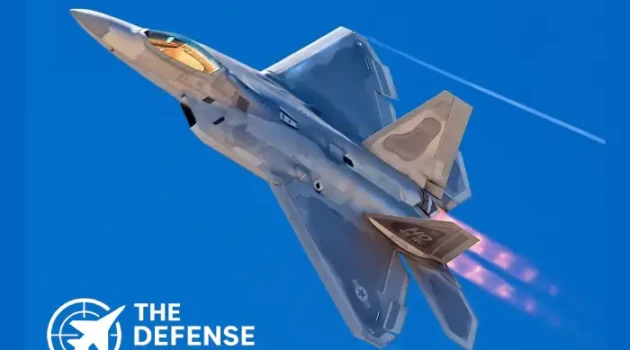

Lockheed Martin has formally unveiled its Golden Dome Missile Defense System, a next-generation homeland protection network designed to counter the accelerating threat of hypersonic weapons, long-range missiles, and autonomous drones. The debut, accompanied by a prototype demonstration video that quickly gained traction on X, marks a significant milestone in U.S. missile defense modernization efforts.
The Golden Dome Missile Defense System, positioned by Lockheed Martin as an integrated, multi-domain shield, aims to provide persistent surveillance, rapid threat evaluation, and precision intercept capabilities — all enabled by advanced artificial intelligence. The company described the system as “ready for immediate field experimentation,” signaling growing urgency in strengthening domestic air and missile defenses.
Background: Rising Threats Drive Need for New Shield
The unveiling comes amid mounting concern in Washington over the proliferation of hypersonic glide vehicles, long-range cruise missiles, and low-cost drone swarms. U.S. defense officials have repeatedly warned that current missile defense infrastructure, designed primarily around ballistic threats, may be insufficient against modern, maneuverable systems introduced by Russia, China, Iran, and North Korea.
As adversarial capabilities expand, the Pentagon has accelerated investment in AI-enabled detection, distributed sensor networks, and multi-layered interceptors capable of engaging targets across different altitudes and mission profiles. The Golden Dome Missile Defense System is Lockheed Martin’s latest entry into this emerging field.
AI Integration and Rapid Response at Core of Golden Dome
Lockheed Martin’s demonstration video — viewed thousands of times within hours — highlights several key elements of the Golden Dome Missile Defense System:
1. Multi-Domain Sensor Fusion
The system fuses data from space-based early warning constellations, ground-based radars, airborne sensors, and naval assets, creating a unified threat picture for operators.
2. AI-Driven Decision Support
According to Lockheed Martin engineers, embedded AI algorithms analyze threat trajectories, classify targets, and recommend optimal intercept solutions. The company states that AI reduces reaction time dramatically, an essential factor when countering hypersonic vehicles traveling more than Mach 5.
3. Interceptor Agility and Multi-Layer Engagement
The Golden Dome appears designed to integrate existing U.S. interceptors with new, agile kill vehicles capable of engaging fast-manoeuvring aerial threats at multiple ranges.
4. Distributed Architecture for National Coverage
Lockheed Martin suggests the system can be deployed as a nationwide grid or scaled to protect regional assets such as nuclear command-and-control centers, critical infrastructure, ports, and military bases.
A spokesperson for Lockheed Martin said the company is prepared to “support immediate government evaluation and testing” and emphasized that Golden Dome “uses existing industrial capacity” to accelerate deployment timelines.
Golden Dome Missile Defense System – Full Specifications
- Maximum Range: 160+ km
- Maximum Altitude: 25–30 km
- Radar Detection Range: 300+ km
- Missile Speed: Mach 4+
Defense Policy and Expert Reaction
Defense analysts note that the Golden Dome Missile Defense System aligns with broader U.S. missile defense trends, particularly the shift toward multi-layered architectures that integrate space assets, artificial intelligence, and rapid-launch interceptors. The Pentagon’s 2024 Missile Defense Review emphasized the need for “persistent domain awareness” and “AI-enabled battle management,” both reflected in the Golden Dome’s design.
Dr. Robert Hayes, a missile defense specialist at the Atlantic Strategic Studies Center, said the system’s debut “signals industry recognition that the next phase of homeland defense must be faster, more automated, and more flexible than previous generations.”
He added that the system’s AI decision framework “may ultimately reduce human-in-the-loop delays” — a controversial but increasingly common development in modern defense systems.
What Comes Next?
U.S. defense planners now face decisions over budget priorities as the Pentagon weighs investments in hypersonic interceptors, space-based sensors, and AI-driven command systems. The Golden Dome’s introduction may influence upcoming congressional deliberations on homeland missile defense modernization.
Lockheed Martin has not yet disclosed full technical specifications, cost projections, or deployment timelines. However, the strong engagement generated by the system’s unveiling video suggests high public interest and early industry momentum.
As adversarial long-range strike capabilities continue evolving, systems like the Golden Dome Missile Defense System are positioned to become central components of the U.S. homeland defense architecture. The Pentagon is expected to comment further when initial testing schedules are formalized.

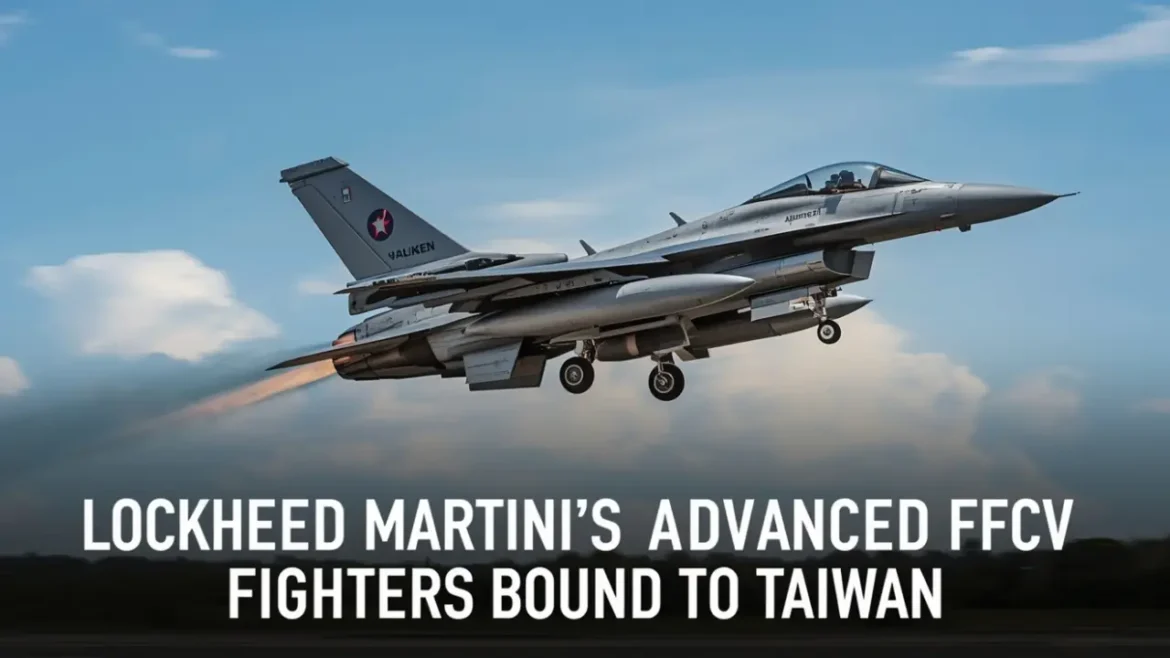
Lockheed Martin Speeds Up F-16 Deliveries to Taiwan
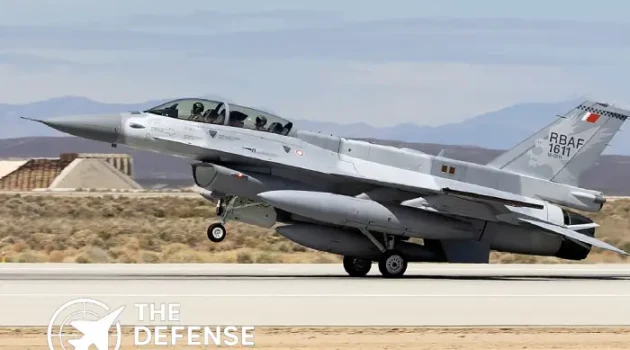
Lockheed Martin is accelerating the production and delivery of F-16V fighter jets to Taiwan, following delays caused by supply chain disruptions and parts shortages, according to a Reuters report on November 4, 2025. The move comes as Washington and Taipei intensify cooperation to enhance Taiwan’s air defense capabilities amid escalating tensions in the Taiwan Strait.
The U.S. defense contractor confirmed it is “working closely with the U.S. government” to meet revised delivery timelines for the advanced F-16 Block 70 aircraft. The jets, equipped with modern radar, avionics, and weapons systems, are intended to replace Taiwan’s aging fleet and improve its deterrence against potential Chinese military aggression.
Background: Taiwan’s Largest Fighter Jet Purchase in Decades
Taiwan signed a deal in 2019 to purchase 66 F-16V Block 70/72 aircraft from the United States for approximately $8 billion, marking the island’s largest fighter acquisition in three decades. The new variant features the APG-83 AESA radar, advanced mission computers, improved electronic warfare suites, and compatibility with U.S. precision-guided munitions.
Lockheed Martin manufactures the F-16V at its Greenville, South Carolina facility — the only active F-16 production line worldwide. However, pandemic-era disruptions and global supply shortages, particularly in microelectronics and avionics components, delayed output across several international orders, including those for Bahrain, Slovakia, Bulgaria, and Taiwan.
F-16V Viper Fighter Jet – Full Specifications
- Generation: 4.5
- Maximum Speed: Mach 2.0
- No. of Engines: 1
- Radar Range: 160+ km
U.S. Support and Strategic Implications
The U.S. Department of Defense has reportedly coordinated with Lockheed Martin to streamline production bottlenecks and allocate key resources to prioritize Taiwan’s deliveries. This decision aligns with Washington’s broader Indo-Pacific defense strategy, which emphasizes strengthening the military readiness of regional partners in the face of expanding Chinese power projection.
A Pentagon spokesperson noted that “timely delivery of defense systems to Taiwan remains a top priority for maintaining stability and deterrence in the region.”
The F-16V’s integration into Taiwan’s Air Force will significantly enhance its operational flexibility. The aircraft’s data link systems allow interoperability with U.S. and allied forces, while its beyond-visual-range (BVR) missile capability extends Taiwan’s air combat reach over the Strait.
The F-16V: A Strategic Bridge Between Legacy and Stealth
The F-16V, often regarded as a 4.5-generation fighter, bridges the gap between older legacy jets and fifth-generation stealth fighters like the F-35. Though less stealthy, the F-16V’s advanced radar and targeting systems enable it to detect and engage threats earlier, making it a cost-effective and versatile asset for small and medium-sized air forces.
Compared to China’s J-10C and J-16 fighters, the F-16V offers improved radar performance and sensor fusion, though it remains outmatched by China’s J-20 stealth fighter in stealth and range. Nevertheless, analysts argue that in Taiwan’s defensive context—focused on denial rather than air superiority—the F-16V remains highly effective.
Analysis: Strengthening Taiwan’s Deterrence and U.S. Industrial Posture
Lockheed Martin’s decision to accelerate F-16V deliveries carries implications beyond Taiwan’s defense posture. It reflects Washington’s determination to maintain supply chain resilience in critical defense production and to demonstrate reliability to allies amid global competition.
This development also underscores the revitalization of the F-16 production line, which continues to generate export orders despite the global shift toward stealth platforms. For the U.S. defense industry, it highlights the balancing act between meeting international commitments and managing domestic priorities such as F-35 production and next-generation fighter programs.
For Taiwan, early receipt of the jets will bolster its readiness as Chinese air incursions near its air defense identification zone (ADIZ) become more frequent. The enhanced air fleet will improve both survivability and response speed in crisis scenarios.
Conclusion: A Critical Step in Indo-Pacific Defense Readiness
Lockheed Martin’s accelerated F-16V delivery schedule marks a pivotal moment in U.S.-Taiwan defense cooperation. Beyond addressing logistical setbacks, it sends a clear signal of Washington’s resolve to support Taipei’s defense modernization amid growing regional challenges.
As production ramps up through 2026, the delivery of these aircraft will likely strengthen Taiwan’s air deterrence and deepen U.S. industrial engagement in Indo-Pacific security. The move also reaffirms the enduring relevance of the F-16 platform in a rapidly evolving global air combat landscape.
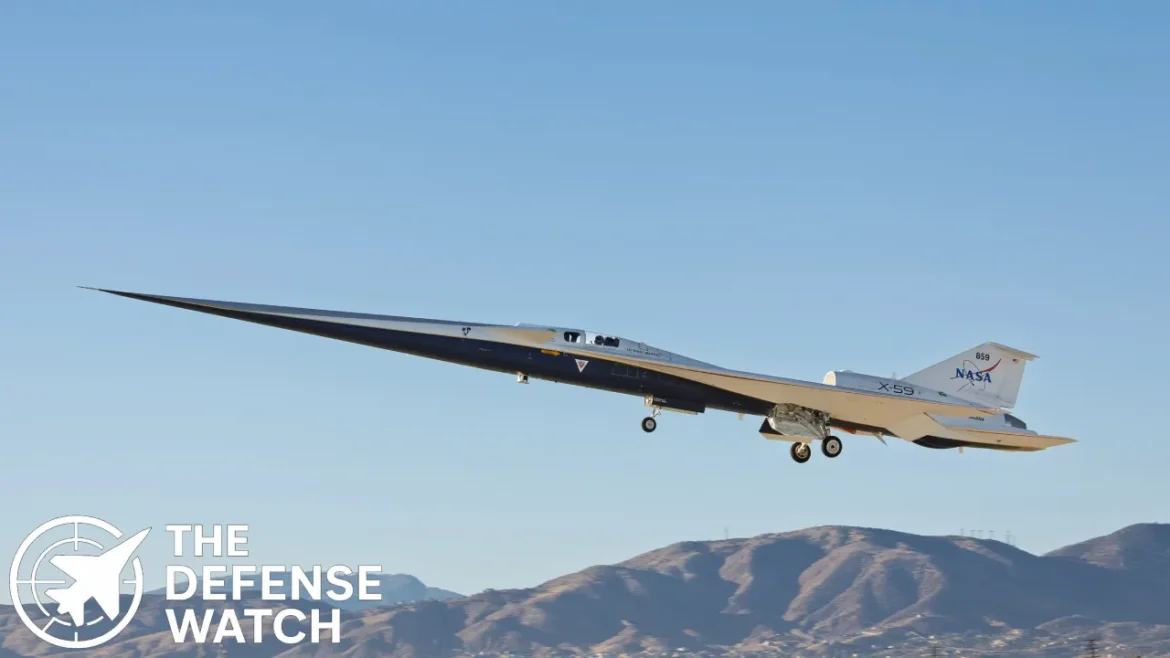
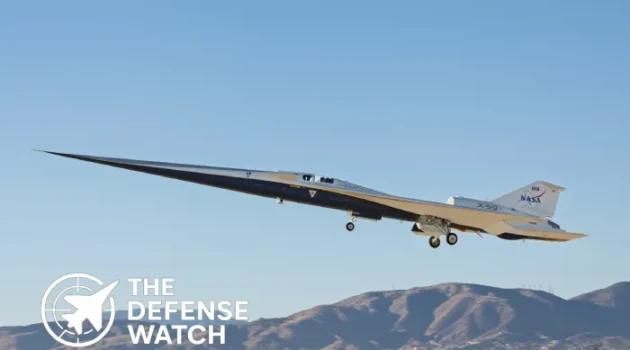
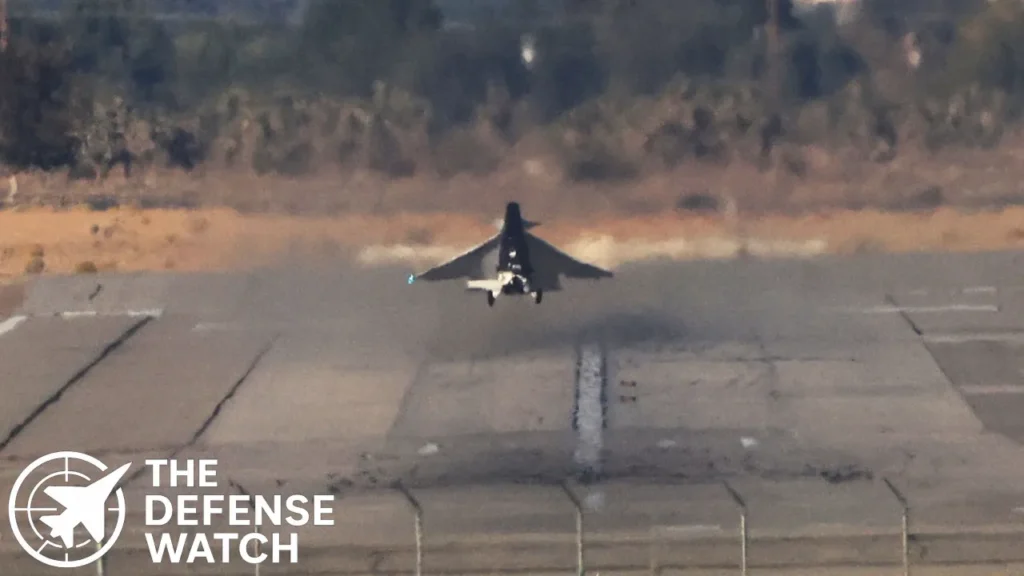
On 28 October 2025, X‑59 — an experimental supersonic aircraft developed by NASA in partnership with Lockheed Martin (Lockheed Martin) — accomplished its first test flight, lifting off from the Skunk Works facility at U.S. Air Force Plant 42 in Palmdale, California, and landing safely near the Armstrong Flight Research Center at Edwards Air Force Base. The aircraft, built to demonstrate a quieter form of supersonic travel, moved into the airborne phase of its test Program.
Background: Quiet Supersonic Flight and the X-59 Programme
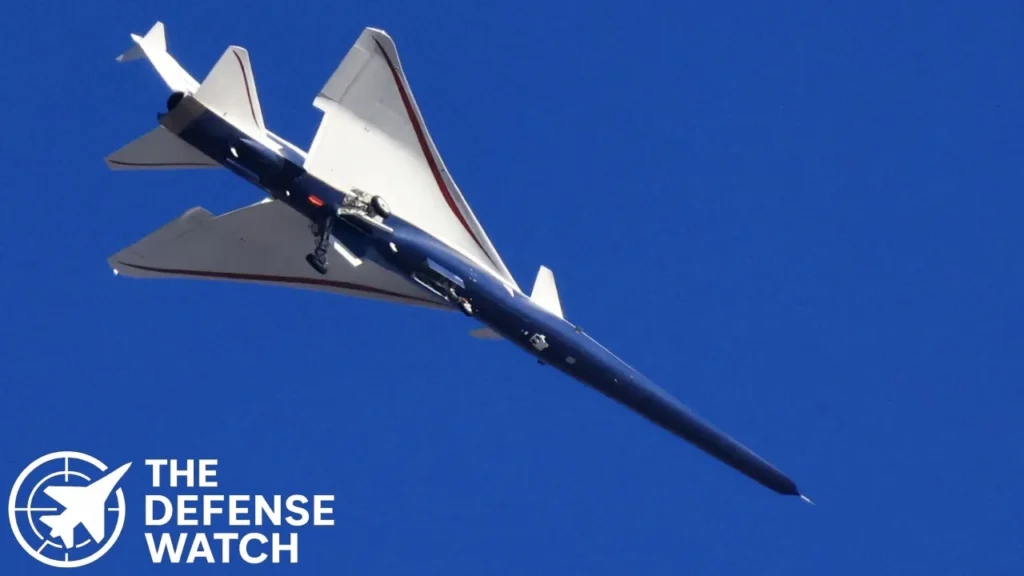
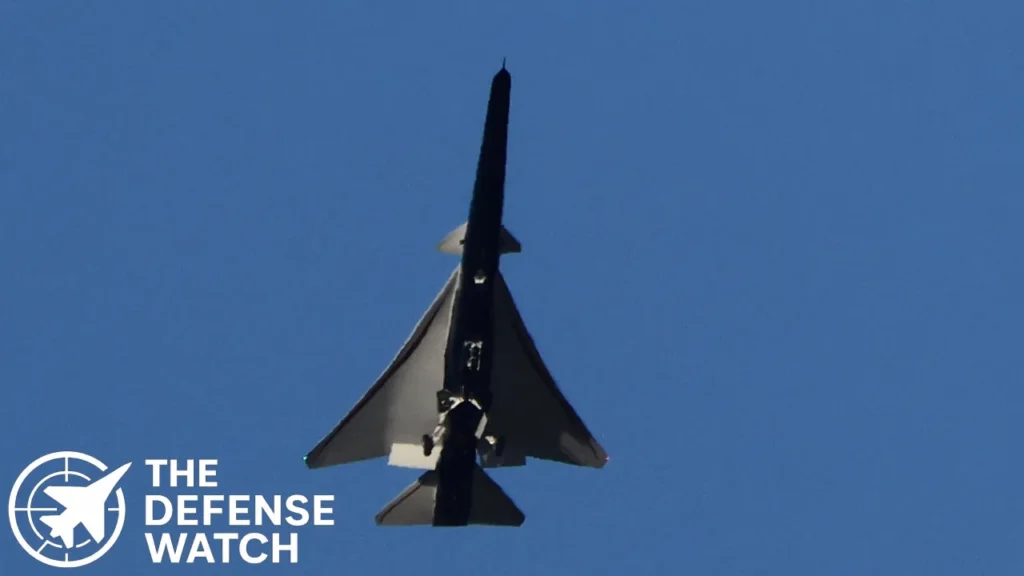
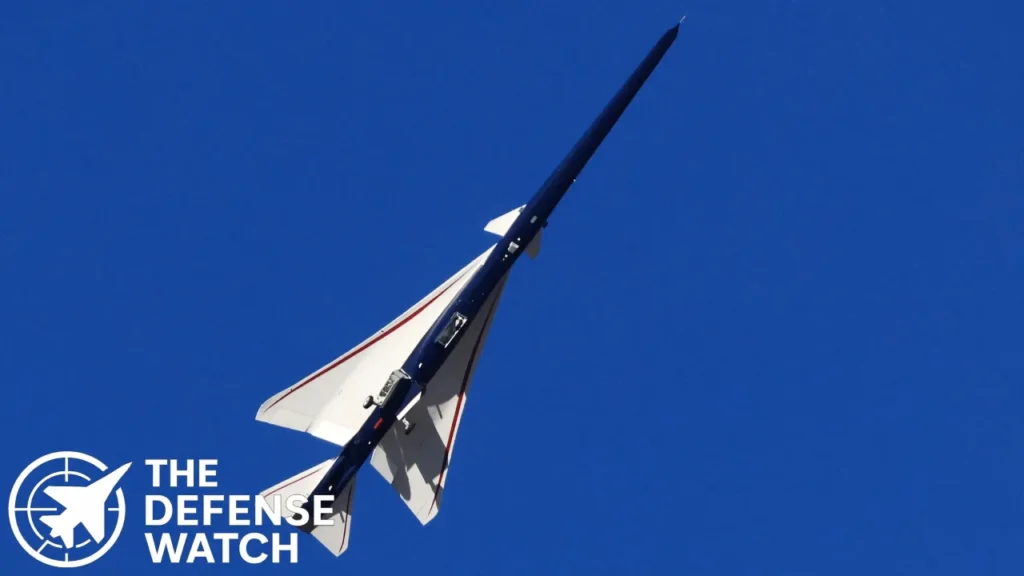
Supersonic flight over land has long been restricted because of the disruptive sonic booms generated when aircraft break the sound barrier. The X-59 is the centerpiece of NASA’s Quiet Supersonic Technology (QueSST) mission, which was formally announced in 2024 with the objective of proving that an aircraft can fly faster than sound while producing a low-decibel “thump” instead of the traditional boom. Built by Lockheed Martin’s Skunk Works in Palmdale, the aircraft incorporates a distinctive elongated nose, canard surfaces and a specially configured intake and engine installation in order to reshape the shock-waves and reduce noise impact. Planned performance metrics include cruising at around Mach 1.4 (approximately 1,490 km/h) at an altitude of around 55,000 ft.
Details of the First Flight
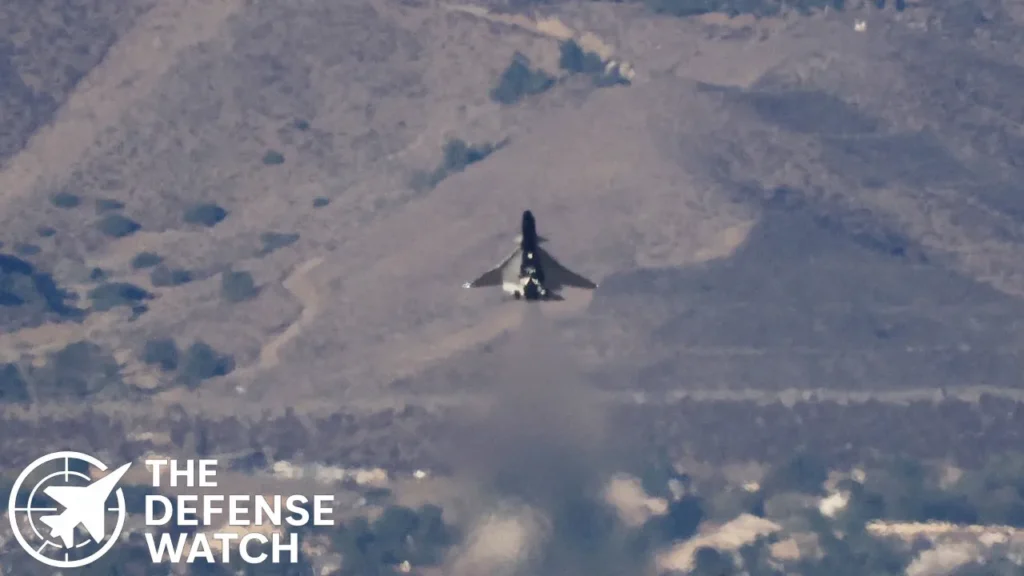
The maiden sortie of the X-59 began from Plant 42 in Palmdale, California, and proceeded toward a landing near NASA’s Armstrong Flight Research Center at Edwards Air Force Base. According to press releases, Lockheed Martin noted the aircraft “performed exactly as planned, verifying initial flying qualities and air-data performance.” The flight was a conservative envelope check: sub-sonic speed, moderate altitude — designed to validate system integration, handling qualities and readiness for more advanced tests. During the sortie it reportedly reached about 230 mph (370 km/h) at roughly 12,000 ft altitude, with the focus on safe climb, controllability and landing rather than high-speed performance. NASA’s lead test pilot, Nils Larson, was at the controls for the flight. Lockheed Martin’s Skunk Works vice-president and general manager, OJ Sanchez, said the milestone “is a testament to the innovation and expertise of our joint team.”
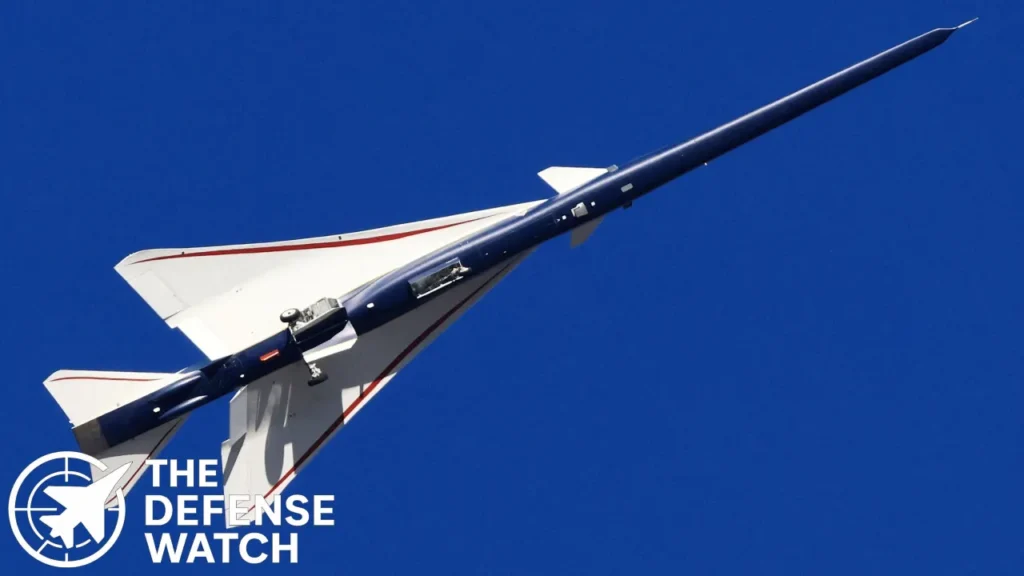
The aircraft is approximately 100 feet long (just under 30 m) and built as a one-off demonstrator to test low-boom supersonic technology. The X-59’s work will include later flights at higher altitudes, supersonic speed, and over-flight of communities and measurement sensors to gather data on sound signatures and public acceptability.
- Maximum Speed: Mach 1.4 (1,490 km/h)
- Range: ~1,000 miles (1,600 km)
- Payload Capacity: N/A (Experimental aircraft)
- Crew: 1
Technical and Program Significance
The X-59 Program addresses one of the major barriers to supersonic commercial flight: noise over populated areas. By reshaping shock-waves via fuselage design and overall aerodynamics, NASA and Lockheed Martin aim to demonstrate that an aircraft can operate at supersonic speeds over land without causing standard sonic-boom levels. The novel design includes features such as a long slender nose, canards, and a top-mounted intake that help manage airflow and reduce the ground-perceived sound. At full performance the aircraft is projected to cruise at around Mach 1.4 at 55,000 ft — more than double typical commercial airliner altitudes and nearly twice their speed.

The aircraft moves the test programme from ground taxi and simulation tests into full-flight mode. Ground testing included engine runs, taxi tests and simulated flight systems, which concluded ahead of the maiden flight. With the first flight completed, the next phases will explore higher altitudes, speed increments, and noise measurement in real-world conditions. This demonstration is intended to provide the data needed by regulators such as the Federal Aviation Administration (FAA) to consider new certification criteria for supersonic commercial flight over land.
Expert / Policy Perspective
From a technical-policy vantage point, the X-59 flight operation carries implications for both aerospace innovation and regulatory frameworks. Quiet supersonic travel has potential commercial, logistical and strategic significance: faster point-to-point travel, possible military applications, and a repositioning of supersonic capability into civil aerospace markets. By producing empirical data on noise levels, shock-wave behavior and aircraft performance, the Program seeks to inform policy changes that currently limit supersonic flight above land. As one specialist noted, “the data gathered from the X-59 flights will help the FAA and international regulators evaluate potential changes to existing rules that currently prohibit civilian supersonic flight over land.”
For the aerospace industry and defence-aerospace sectors, the achievement reinforces the role of experimental “X-plane” programmes as enablers of disruptive technology—whether for commercial aviation, military transport, rapid response or next-generation aircraft concepts. The partnership between NASA and Lockheed Martin Skunk Works underscores the collaboration between government research agencies and industry in bringing advanced aeronautics from concept to flight.
What’s Next / Impact
With the first flight successfully under its belt, the X-59 enters its primary flight-test campaign. Upcoming phases will raise altitude and speed, eventually targeting supersonic flight and over-flight of communities with sensor arrays to quantify the “sonic thump” signature. The data will feed into regulatory review, potential certification pathways and influence future commercial aircraft design. Moreover, if the Program meets its objectives, it could pave the way for a new generation of supersonic commercial aircraft capable of faster travel over land without the prohibitive noise impact that stalled previous efforts.
In terms of impact, the X-59 shows that supersonic transport may be closer to revival than previously assumed, opening possibilities for defence, cargo and passenger applications that leverage speed while being compatible with populated regions. For global aviation and aerospace strategy, this could shift competitive dynamics among aerospace manufacturers, regulatory bodies and national aeronautical agencies.