Aegis BMD: America’s Naval Missile Shield
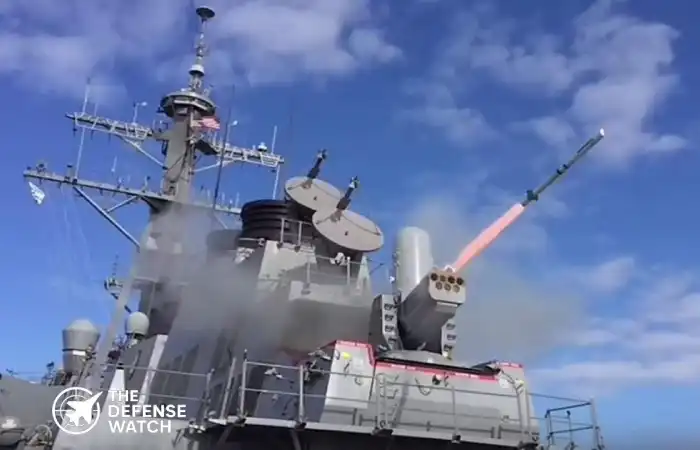
The Aegis Ballistic Missile Defense System is one of the United States’ most advanced naval air and missile defense networks. Developed primarily for the U.S. Navy, the system is designed to detect, track, and intercept ballistic missiles, cruise missiles, aircraft, and emerging aerial threats at sea and on land.
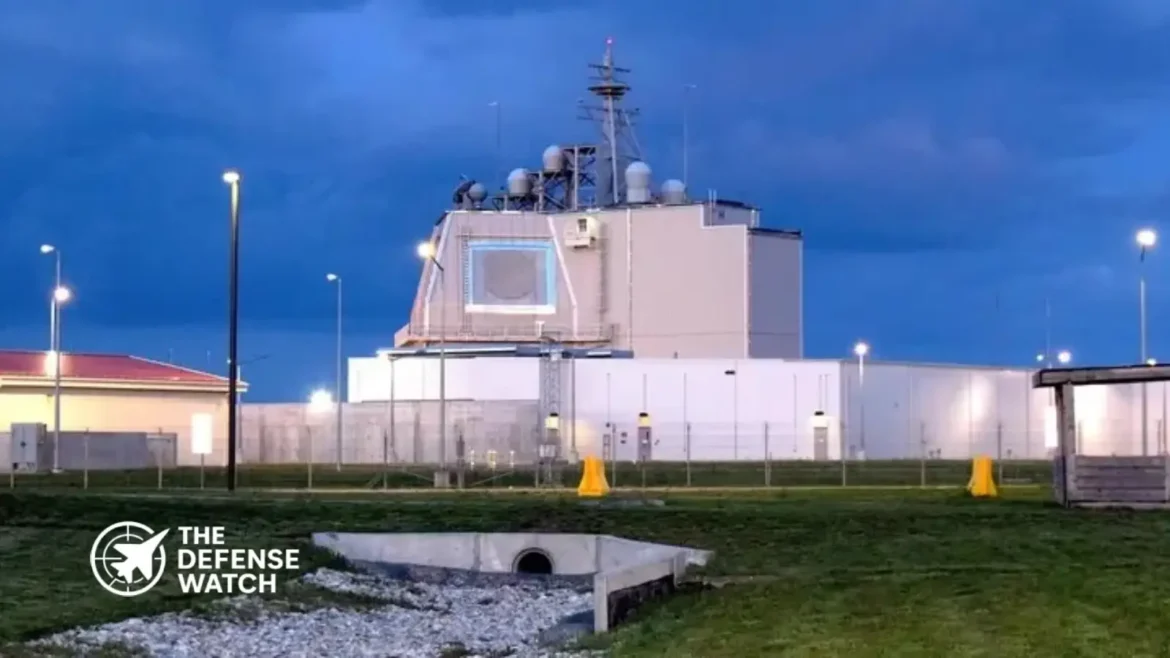
Manufactured by Lockheed Martin, with interceptor missile support from Raytheon Technologies, the Aegis BMD system combines powerful radar sensors, command-and-control software, and Standard Missile interceptors into a layered defense architecture. Originally deployed aboard guided missile destroyers and cruisers, the system is now also used in land-based Aegis Ashore installations.
Advanced Radar and Interceptor Capability
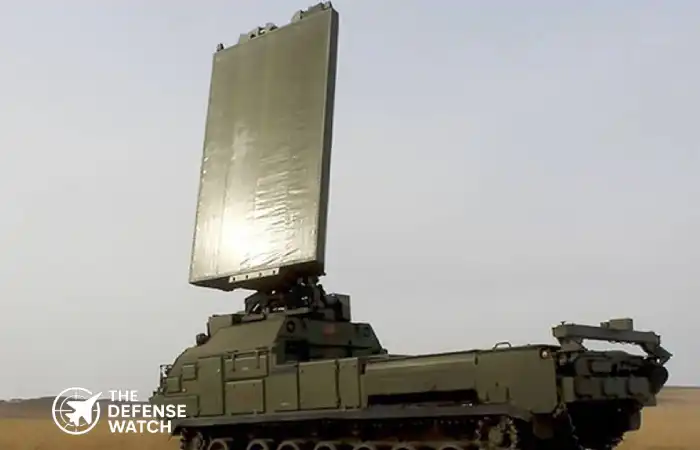
At the core of the system is the AN/SPY-1 AESA radar, capable of simultaneously tracking hundreds of targets across long distances. The system works alongside SM-3 and SM-6 interceptor missiles, which can engage short, medium, and intermediate-range ballistic missiles during different phases of flight.
The SM-3 interceptor can travel at speeds exceeding Mach 10 and engage threats outside the atmosphere, while the SM-6 provides terminal defense against maneuvering aerial targets and hypersonic threats. Depending on missile configuration, engagement ranges can exceed 2,500 km for ballistic missile tracking operations.
Aegis BMD has been deployed extensively by the U.S. Navy and allied nations including Japan, South Korea, and Spain. The system has also supported NATO missile defense operations in Europe.
Cost and Operational Role
An individual Aegis-equipped destroyer can cost more than USD 1.8 billion, while interceptor missiles range from roughly USD 10 million to USD 30 million each depending on variant. Despite high procurement costs, the system remains a central component of U.S. and allied missile defense strategy due to its multi-layered protection capability and network-centric warfare integration.