AC-130J Gunship Deployment Signals New Counter-Trafficking Focus
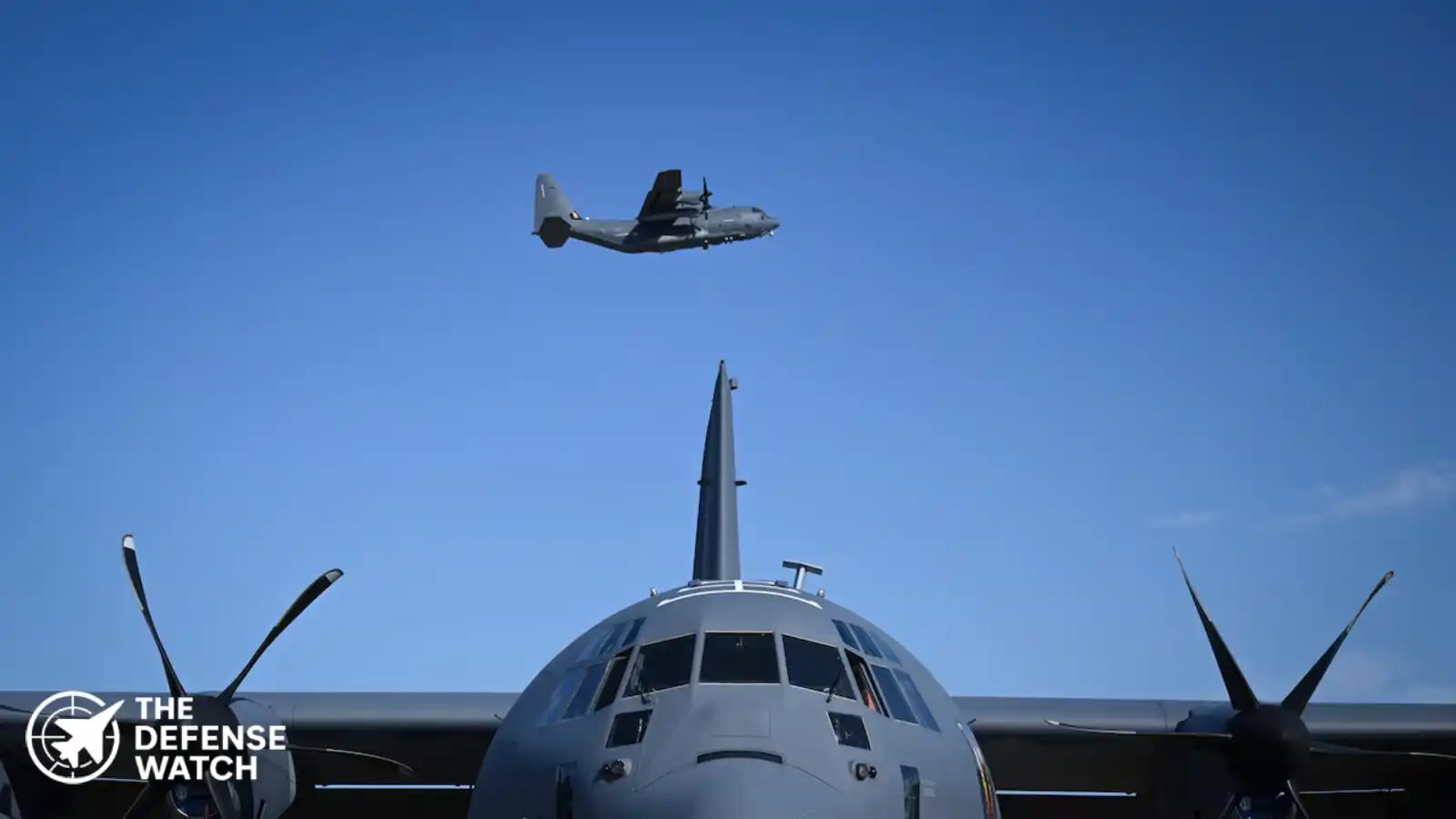
The AC-130J gunship has reportedly deployed to Central America carrying Hellfire missiles and precision bombs, a loadout that points to a more targeted U.S. approach against trafficking networks operating across land and maritime routes. The aircraft was positioned in El Salvador as part of a wider counter-trafficking mission.
- A U.S. Air Force AC-130J Ghostrider has reportedly deployed to El Salvador for counter-trafficking operations.
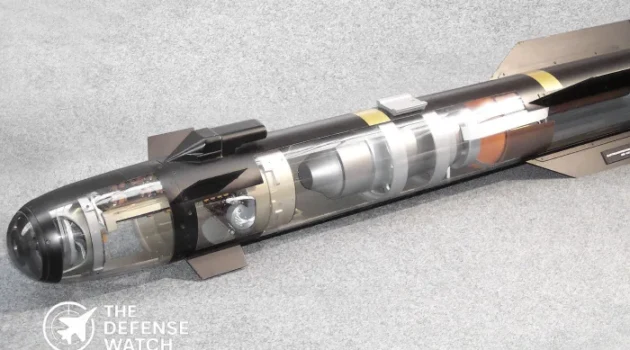
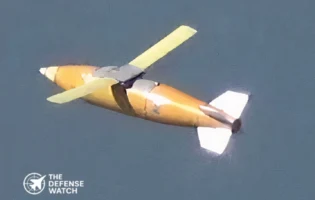
- The aircraft was described carrying AGM-114 Hellfire missiles and GBU-39/B Small Diameter Bombs.
- The AC-130J combines long loiter time, onboard sensors, and precision strike capability.
- Such deployments can support maritime surveillance, jungle interdiction, and rapid response missions.
- The move highlights growing U.S. use of military aviation in regional security operations.
The AC-130J Ghostrider is one of the most capable aircraft in the U.S. Air Force Special Operations Command fleet. Built on the C-130J airframe, it combines surveillance systems, precision-guided weapons, and persistent airborne presence. Official U.S. Air Force fact sheets list its core missions as close air support, air interdiction, and armed reconnaissance.
Why The Weapon Loadout Matters
The reported mix of AGM-114 Hellfire missiles and GBU-39/B Small Diameter Bombs is significant.
Hellfire missiles are suited for moving vehicles, small boats, and time-sensitive targets. The GBU-39/B offers greater stand-off range with low collateral damage, useful for fixed compounds, storage sites, or isolated infrastructure.
That combination suggests planners want flexibility. Trafficking organizations often shift routes quickly, disperse assets, and use remote terrain. A platform that can detect, track, and strike different target types in one sortie offers clear operational value.
This is where the AC-130J stands apart from fighters or drones. Fighters are fast but limited in loiter time. Many drones can remain overhead longer, but usually carry lighter payloads. The AC-130J merges endurance, sensors, and heavier precision firepower in a single aircraft.
Why Central America Is Important
Central America remains a critical transit corridor for narcotics, weapons smuggling, and organized criminal logistics moving north toward Mexico and the United States. Coastal waters, jungle zones, and lightly governed border regions create difficult surveillance conditions.
An aircraft like the AC-130J gunship can monitor maritime approaches, support partner forces, and rapidly respond when intelligence identifies a target. Its sensor suite enables day and night operations, while aerial refueling can extend mission endurance.
Strategic Meaning Beyond Trafficking
There is also a signaling element. Deploying a high-end special operations aircraft for a law-enforcement linked mission shows Washington is willing to apply military-grade ISR and strike assets where it sees organized crime as a national security threat.
That does not automatically mean frequent weapons use. In many deployments, the aircraft’s greatest value may be surveillance, command-and-control support, and deterrence. The visible presence of such a platform can pressure networks to relocate, slow movement, or expose themselves.
AC-130J Capability Snapshot
The U.S. Air Force states the AC-130J carries a 30mm cannon, 105mm howitzer, and precision-guided munitions. It also uses electro-optical and infrared sensors, advanced communications, and fire-control systems. Inventory figures previously listed 37 active aircraft by FY24.
Outlook
If the reported deployment continues, the AC-130J gunship could become a recurring feature of U.S. regional security operations, especially where traffickers rely on speed, concealment, and dispersed routes. It is an expensive tool, but for missions requiring persistence and precision, few aircraft offer the same blend of capabilities.