
Lockheed Martin Counter UAS Investment Signals Growing Urgency
Lockheed Martin counter UAS efforts received a major boost after the company announced a $25 million investment in Fortem Technologies, a U.S. airspace security firm known for autonomous drone interception systems. The April 22 move aims to scale production and speed deployment of integrated anti-drone defenses as militaries confront a surge in cheap, expendable unmanned aircraft.
- Lockheed Martin invested $25 million in Fortem Technologies on April 22, 2026.
- Funding supports Fortem production growth and integration into Lockheed Martin Sanctum counter-UAS architecture.
- Move reflects urgent demand for affordable defenses against small drones and swarm attacks.
- Fortem says the investment could at least double manufacturing capacity in Lindon, Utah.
- Counter-UAS is becoming a core modernization priority for U.S. and allied forces.
The Big Picture
Counter-drone warfare has moved from a niche mission set to a frontline requirement. Conflicts in Ukraine, the Middle East, and Red Sea maritime corridors have shown that commercially derived drones can threaten armor, air bases, logistics hubs, and critical infrastructure at relatively low cost.
That shift has exposed a major imbalance. A low-cost quadcopter can force defenders to use expensive missiles, guns, or electronic warfare assets. Defense planners now want layered systems that detect, track, classify, and defeat drones at lower cost per engagement.
Lockheed Martin’s investment suggests major prime contractors now see counter-UAS not as an accessory market, but as a central growth sector.
What’s Happening
Lockheed Martin said the $25 million funding is the initial tranche of Fortem’s Series B fundraising round. The companies said the investment builds on an existing partnership and supports broader operational deployment of jointly developed counter-UAS systems.
Fortem’s systems include:
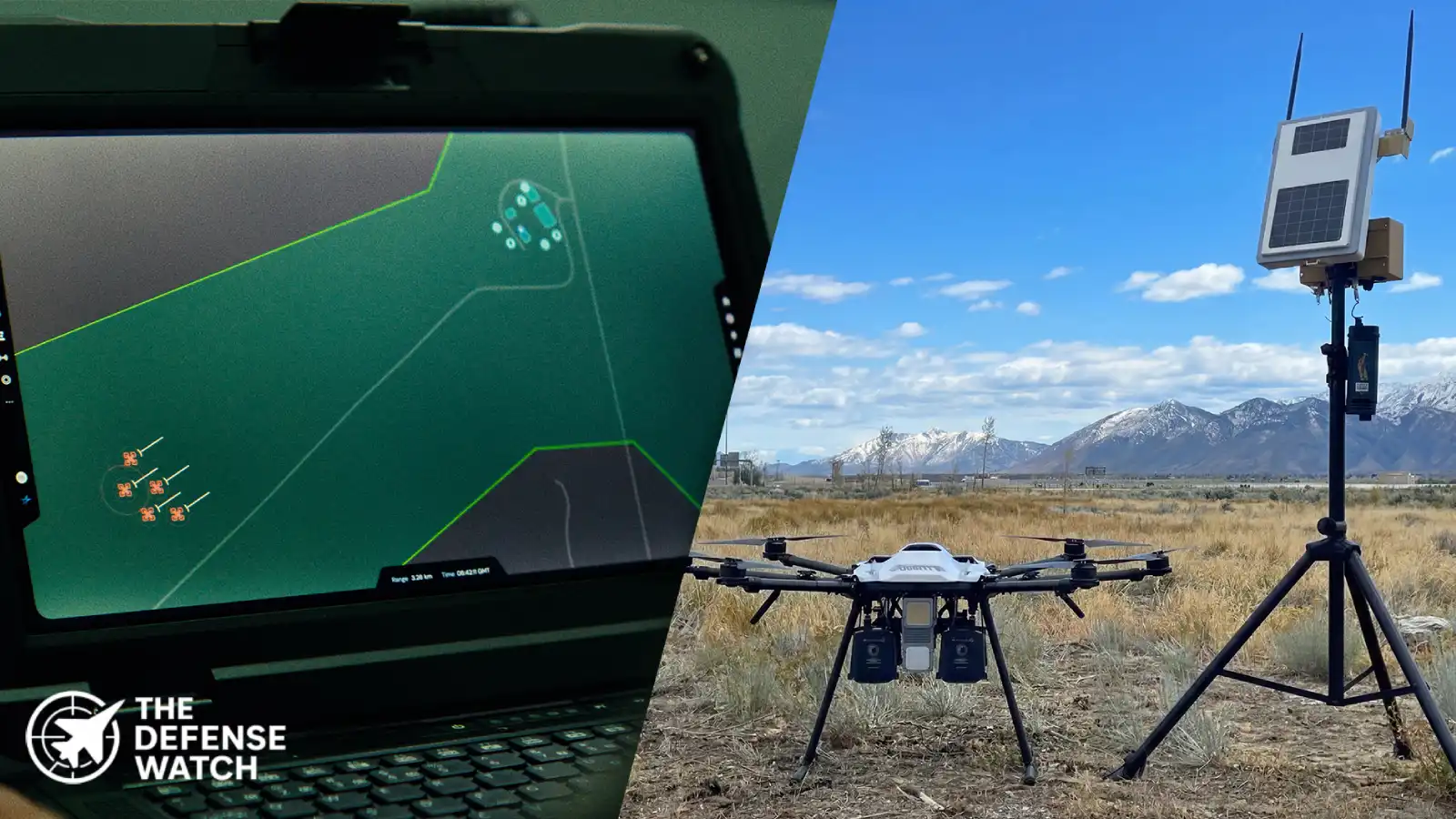
- TrueView radar sensors for drone detection and tracking
- SkyDome command and control software
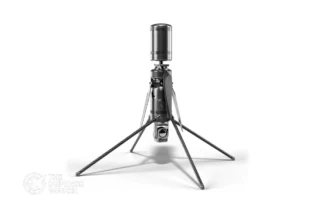
- DroneHunter interceptors, autonomous drones designed to capture hostile UAVs
These capabilities are being integrated into Lockheed Martin’s Sanctum counter-UAS ecosystem, which is designed as an open architecture defensive network.
Why It Matters
The key issue is cost and scale.
Traditional air defense missiles can destroy drones, but repeated use against mass, low-cost targets is financially unsustainable. Lockheed Martin said Fortem’s software-centric approach can reduce engagement cost by more than 80 percent compared with traditional kinetic interceptors.
If validated in wider field use, that matters for:
- Air base defense
- Port and ship protection
- Border security
- Critical infrastructure security
- Expeditionary force protection
This is where the market is moving: affordable persistence rather than premium interceptors alone.
Strategic Implications
The investment also reflects industrial base strategy. Instead of developing every subsystem internally, primes increasingly buy stakes in specialized firms with mature technology.
That model can shorten procurement timelines and preserve access to innovative suppliers. For the Pentagon and allied buyers, it may also reduce dependency on slower legacy acquisition cycles.
The decision to expand manufacturing in Utah matters as well. U.S. defense planners have repeatedly warned that production depth is as important as headline technology, especially during prolonged conflicts.
Competitor View
China, Russia, Iran, and other U.S. rivals have all invested heavily in low-cost unmanned systems, loitering munitions, and attritable drone fleets.
They are likely to read this move as confirmation that Western militaries are accelerating defenses against drone saturation tactics. That does not remove the threat, but it can raise the cost of relying on mass UAV attacks.
At the same time, adversaries will likely continue adapting through autonomy, reduced radar signatures, and mixed attacks combining drones with missiles or electronic warfare.
What To Watch Next
Several indicators will show whether this investment changes the market:
- New U.S. military or homeland security contracts
- Allied export sales of Sanctum-integrated systems
- Demonstrated performance against drone swarms
- Faster Fortem production output
- Additional Lockheed Martin venture investments in autonomy or sensors
If those milestones appear in 2026 or 2027, the deal may prove more significant than its $25 million size suggests.
Capability Gap
The gap being addressed is simple: many forces still lack scalable defenses against numerous small drones arriving simultaneously.
Even advanced militaries often depend on systems designed for aircraft or missiles, not dozens of cheap quadcopters. Fortem and Lockheed Martin are trying to close that gap through automation, networked sensing, and reusable intercept options.
A realistic limitation remains electronic warfare complexity, cluttered urban environments, and the need for legal authorities when intercepting drones near civilian infrastructure.
The Bottom Line
Lockheed Martin’s Fortem investment shows that affordable counter-drone capacity, not just advanced missiles, is becoming a decisive priority for modern defense forces.