Northrop Grumman Advances LITENING For F-16 Modernization
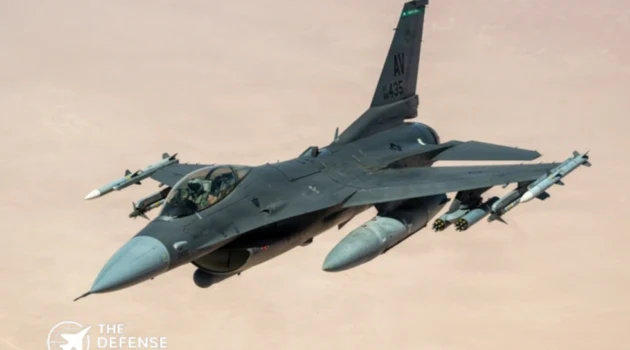
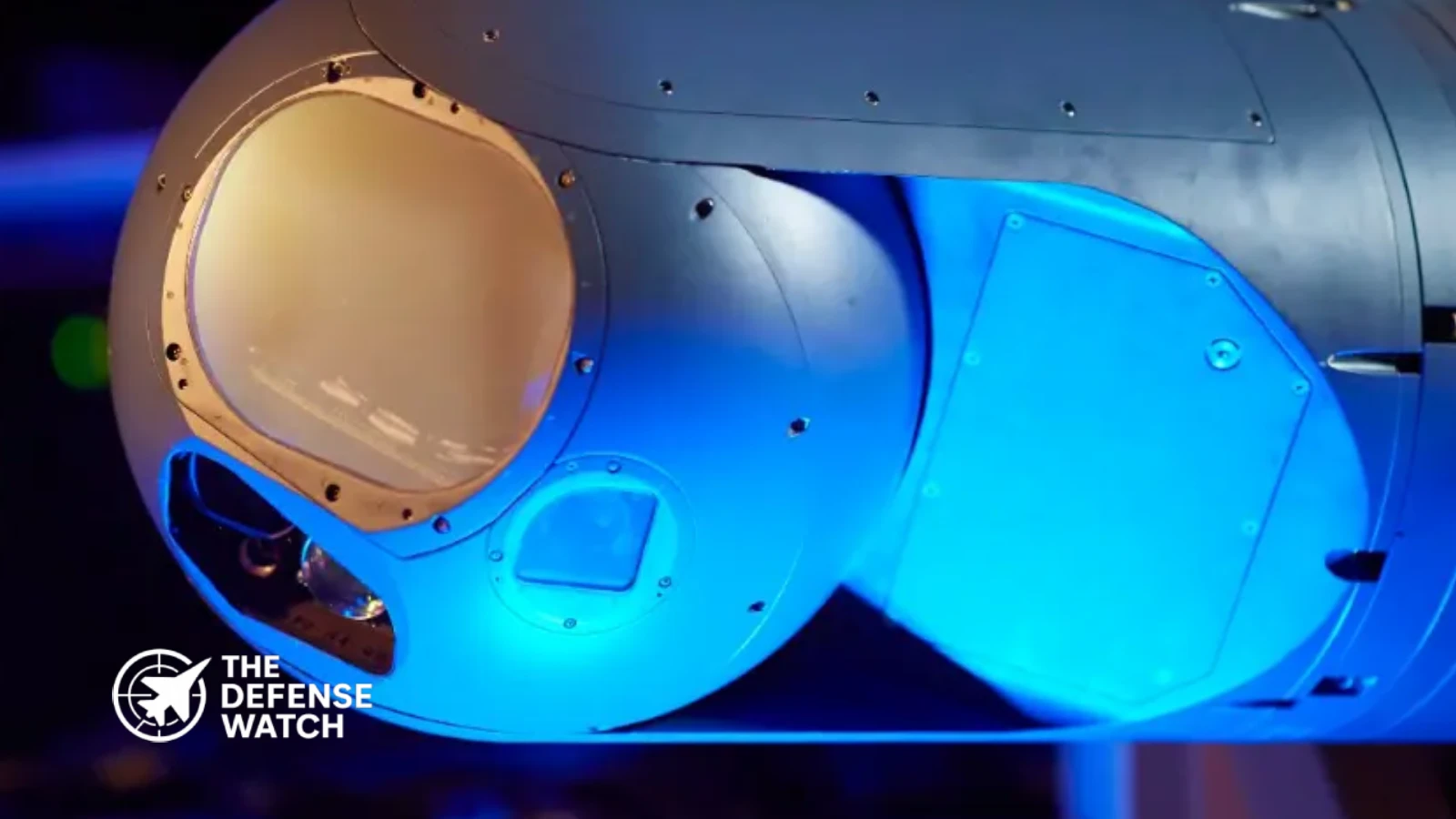
Northrop Grumman is advancing the LITENING targeting pod as a way to give F-16s and other fourth generation fighters stronger sensing, targeting and networking capabilities, according to company information and recent program updates. The latest LITENING Large Aperture configuration combines upgraded electro optical and infrared sensors, image processing and digital data links in a modular podded system.
Takeaways
Northrop Grumman is using the LITENING targeting pod to extend the sensing and networking capabilities of fourth generation fighters.
1. LITENING Targets the F-16 Modernization Gap
Northrop Grumman is advancing the LITENING family as a modular sensor and targeting system for fourth generation aircraft, including the F-16.
2. Large Aperture Adds Six High Definition Sensors
The LITENING Large Aperture configuration uses six high definition sensors and is designed to provide about a 50 percent increase in range compared with earlier configurations.
3. Networking Is Central To The Upgrade
Plug and play data links allow LITENING to exchange information with aircraft and ground forces, supporting a more connected battlefield.
4. The Pod Can Be Upgraded Independently
Northrop Grumman’s modular approach allows capability improvements to the pod without requiring a complete redesign of the aircraft.
5. Fourth Generation Aircraft Remain Important
The approach is significant because large F-16 fleets remain in service with the United States and allied air forces, making incremental modernization an important part of maintaining combat relevance.
The company has positioned the system as part of a broader effort to modernize proven aircraft rather than replace them. That approach is increasingly relevant as air forces seek to extend the useful life of fourth generation fighters while introducing fifth generation aircraft and other networked systems.
What LITENING Adds To The F-16
LITENING is an external electro optical and infrared targeting system designed to detect, acquire, identify and track targets. U.S. Air Force documentation describes the system as supporting precision targeting, surveillance and non traditional intelligence, surveillance and reconnaissance missions.
The system has evolved considerably since earlier versions entered operational service. Current Northrop Grumman material describes LITENING as a multi sensor system with digital color video, infrared sensing, laser imaging, advanced image processing and data link capabilities.
For the F-16, the significance is not simply improved imagery. The larger objective is to provide pilots with more useful information at longer ranges and connect that information to the wider force.
That distinction matters in modern air operations, where the ability to find and identify a target is only one part of the engagement process. Information must also move between aircraft, weapons, command elements and other sensors quickly enough to support a decision.
LITENING Large Aperture Pushes Sensor Performance Further
Northrop Grumman describes LITENING Large Aperture as its most advanced LITENING targeting pod. The system uses six high definition sensors, enhanced image processing and advanced data links, with the company stating that the configuration provides a 50 percent increase in range.
The Large Aperture architecture also expands the sensor coverage available to the pod. Northrop Grumman identifies color daylight, mid wave infrared, short wave infrared and long wave infrared sensing among the capabilities supported by the three aperture configuration.
This combination can improve the information available to a pilot before weapon employment. Higher quality imagery and stronger processing can help distinguish targets, assess the environment and maintain tracks under conditions where visual identification is difficult.
The practical benefit is particularly relevant to long range precision engagement. A targeting pod does not make an F-16 a stealth aircraft, but improved passive sensing can help the aircraft collect and act on information without relying exclusively on its own radar.
Networking Is A Major Part Of The Capability
One of the most important aspects of the current LITENING architecture is its data connectivity.
Northrop Grumman says LITENING uses Plug and Play III data link architecture that can support two way communications and networking applications. The company’s documentation also identifies NET-T and other data link options intended to connect the pod with aircraft and land forces.
This moves the system beyond the traditional role of a targeting sensor. The pod can function as part of a wider information architecture in which sensor data contributes to a broader operational picture.
The concept is consistent with the U.S. military’s continuing emphasis on networked operations. A fourth generation fighter does not need to independently carry every sensor required for a mission if it can receive useful information from other platforms and share its own observations with the force.
Northrop Grumman has previously demonstrated technologies intended to connect fourth and fifth generation aircraft through gateways and existing tactical data links. The company has also developed communications systems for the F-35, including the Multifunction Advanced Data Link used for fifth generation aircraft networking.
Why Fifth Generation Like Sensing Does Not Mean A Fifth Generation Fighter
The description of LITENING as providing fifth generation like sensing should be understood in terms of individual mission capabilities, not aircraft classification.
Fifth generation fighters such as the F-35 combine low observability, advanced sensors, onboard processing, communications and sensor fusion as an integrated aircraft architecture. Northrop Grumman itself identifies the F-35’s sensor suite, communications system and other mission systems as part of a broader integrated design.
A podded targeting system cannot reproduce all of those characteristics on an F-16. It does, however, allow selected capabilities associated with modern networked combat operations to be added to an existing platform.
That distinction is important for defense planners. Upgrading an aircraft’s sensors and connectivity can extend its usefulness, but it does not eliminate limitations associated with airframe design, radar signature, propulsion, weapons carriage or onboard architecture.
Modular Upgrades Reduce Pressure On Existing Fleets
The modular nature of LITENING is one of its most important characteristics for operators.
Northrop Grumman says the system is designed for upgrades over time, allowing users to adopt new capabilities as mission requirements change. The company also says LITENING pods can be upgraded to newer configurations rather than requiring operators to replace the entire system.
This approach can be particularly useful for air forces operating mixed fleets. Instead of waiting for a new fighter procurement program to deliver a capability, an operator can modernize selected aircraft and sensors within the existing fleet.
The U.S. Air Force has already operated LITENING across multiple aircraft types. Its fact sheet lists the A-10, B-52H, F-15E and multiple F-16 blocks among U.S. aircraft associated with LITENING AT.
The system has also been used by international operators. Northrop Grumman has previously identified Denmark, Australia, Finland, Italy, the Netherlands, Portugal, Spain and Israel among LITENING users.
F-16 Modernization Is Becoming A Broader Technology Effort
LITENING is only one element of the larger F-16 modernization picture.
Northrop Grumman is also developing the AN/ALQ-257 Integrated Viper Electronic Warfare Suite, or IVEWS, which is intended to provide advanced electronic warfare capabilities for the F-16. The company describes IVEWS as providing capabilities comparable to those found on fifth generation aircraft, including radar warning and electronic attack functions.
Recent reporting indicates that both IVEWS and LITENING Large Aperture have been progressing through testing and evaluation. Air & Space Forces Magazine reported in July 2026 that LITENING Large Aperture had entered operational test flight activity after earlier flight testing.
Together, these programs illustrate a broader modernization strategy. Sensors, electronic warfare, communications and mission computing can be upgraded as separate components while preserving the underlying aircraft.
For the F-16, this is particularly relevant because the aircraft remains one of the most widely operated fourth generation fighters in the world.
What The Upgrade Means For Combat Operations
The operational value of LITENING Large Aperture is likely to be strongest in missions where target identification, passive sensing and precision engagement are central requirements.
The pod can support air to ground targeting, intelligence collection and surveillance while also contributing information to a networked force. Northrop Grumman says LITENING supports precision targeting, air superiority, close air support and surveillance missions.
Its passive electro optical and infrared sensors also provide an alternative to relying solely on active radar emissions for target detection and identification. Northrop Grumman describes its airborne EO/IR systems as passive sensors capable of operating across visible and infrared spectral bands without emitting detectable energy.
That capability can matter in environments where aircraft must manage their electromagnetic signature carefully.
At the same time, the effectiveness of any targeting pod depends on factors beyond the sensor itself. Weather, atmospheric conditions, target contrast, range, aircraft geometry, electronic warfare activity and the availability of supporting networks all affect operational performance.
A Cost Conscious Path To Extending Fighter Capability
The larger strategic issue is fleet modernization.
Fourth generation aircraft are not disappearing from military inventories simply because fifth generation fighters are entering service. Many countries will continue operating F-16s and other legacy fighters for years, creating a requirement for upgrades that can keep those aircraft useful alongside newer platforms.
LITENING provides one example of that approach. Rather than attempting to transform the F-16 into an F-35, the system adds specific sensing, targeting and networking functions that can improve the aircraft’s contribution to a modern force.
Northrop Grumman’s broader modernization strategy similarly focuses on combining digital engineering, sensors, electronic warfare, networking and other technologies to extend the capabilities of established fleets.
For U.S. and allied air forces, that can provide an important bridge between legacy aircraft and newer fifth generation fleets. The result is not a replacement for fifth generation fighters, but a more capable fourth generation aircraft that can operate as part of the same increasingly networked combat environment.
LITENING Capability At A Glance
Capability LITENING Large Aperture Primary role Electro optical and infrared targeting and surveillance Sensor architecture Six high definition sensors Range improvement About 50 percent increase, according to Northrop Grumman Imaging Digital color, infrared and multi spectral sensing Processing Advanced image processing and computing Data connectivity Plug and Play III architecture and advanced data links Target functions Detection, acquisition, identification and tracking Aircraft relevance F-16 and other LITENING compatible aircraft Upgrade approach Modular architecture designed for future upgrades Source: Northrop Grumman and U.S. Air Force program information.
The Bottom Line
Northrop Grumman’s LITENING program shows how established fighter fleets can gain selected fifth generation style sensing and networking functions without undergoing complete aircraft replacement.
For the F-16, the LITENING Large Aperture upgrade combines improved sensors, processing and data connectivity in a podded architecture. Its importance is therefore less about changing the identity of the F-16 and more about improving what the aircraft can see, understand and share in a networked battlespace.
As fourth generation fighters remain central to U.S. and allied inventories, upgrades such as LITENING Large Aperture will remain an important part of the transition toward increasingly connected air operations.