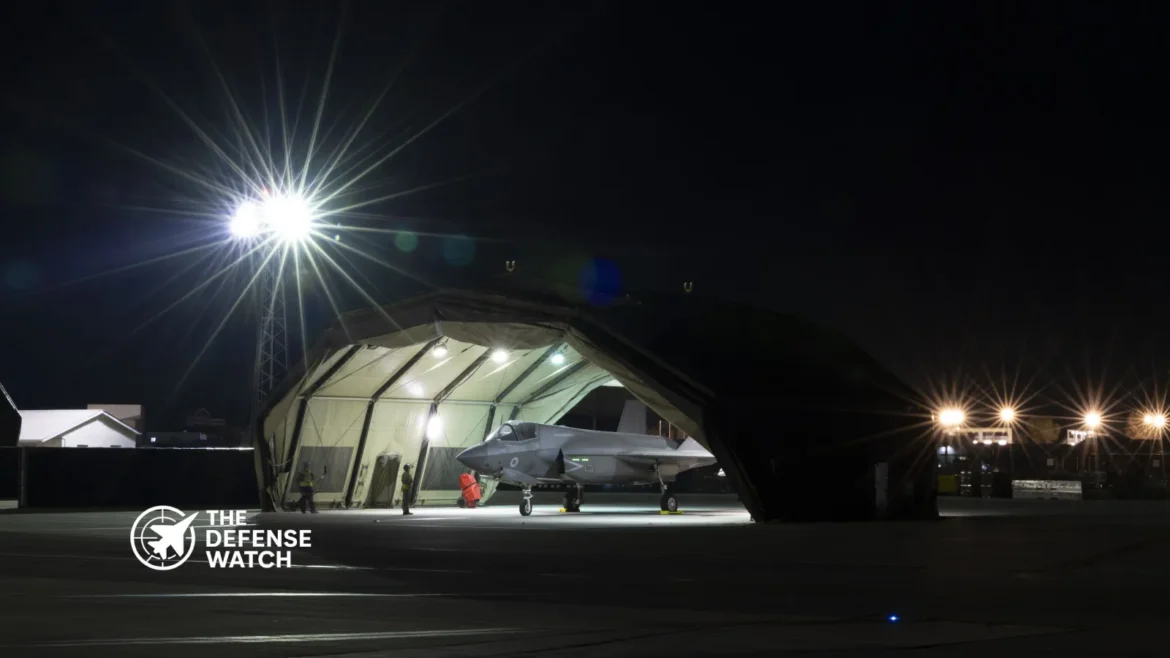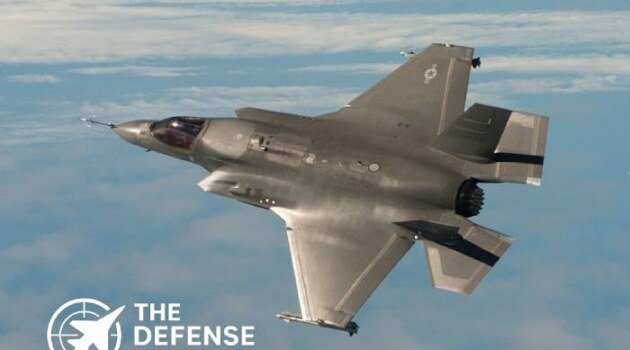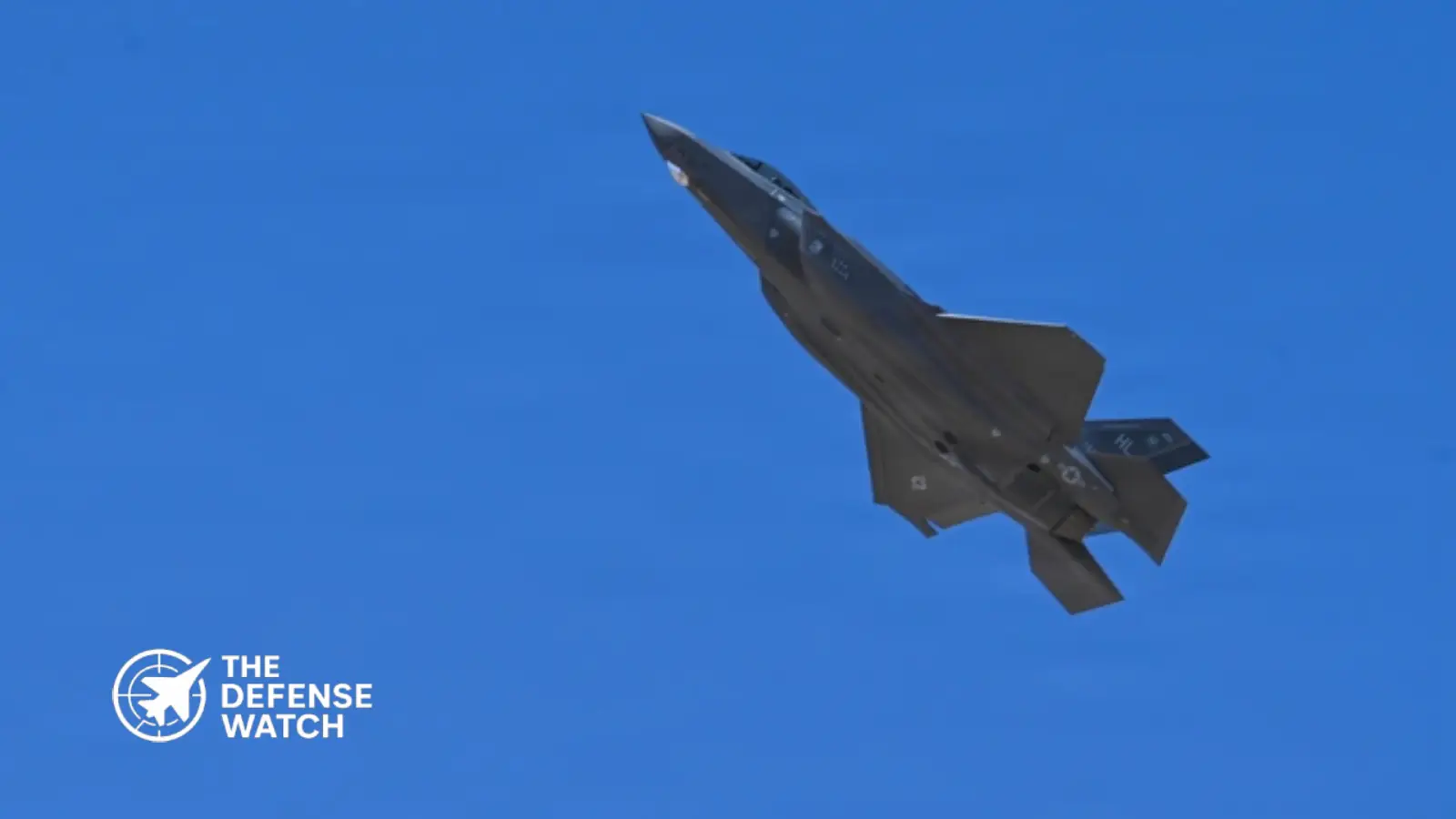
UK F-35 Fighter Purchase Expands Britain’s Fifth-Generation Airpower
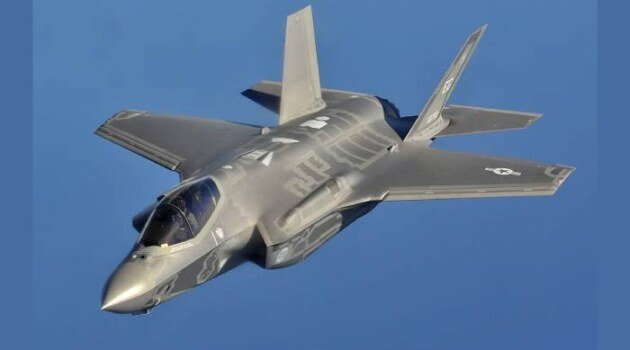
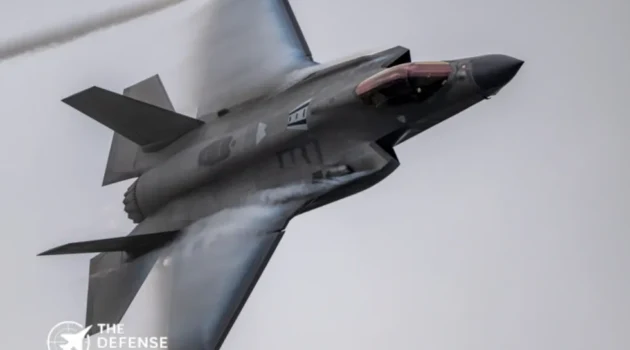
The UK is expanding its F-35 fighter force through a £2.2 billion investment that will add new aircraft and introduce the first F-35A variant into British service. The commitment forms part of the government’s Defence Investment Plan, which links combat-air modernization with NATO obligations and the UK’s defense industrial strategy.
Takeaways
Britain is expanding its F-35 force as part of a wider airpower and nuclear modernization program, with the first UK F-35A aircraft adding a new NATO mission to the existing F-35B fleet.
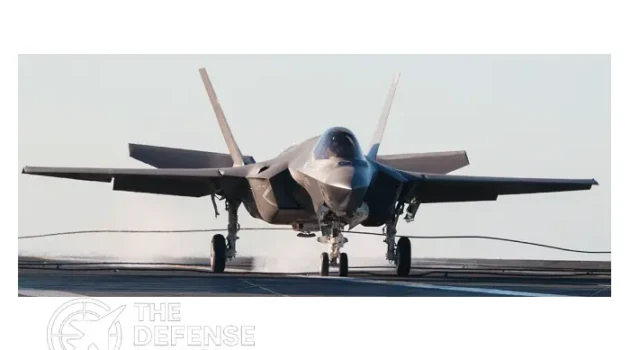
The British government previously confirmed its intention to purchase 12 F-35A fighters and assign them to NATO’s Dual Capable Aircraft nuclear mission. The new aircraft will complement the Royal Air Force’s existing F-35B fleet, which provides both land-based combat capability and the ability to operate from the Royal Navy’s Queen Elizabeth class aircraft carriers.
The distinction between the two variants is strategically important.
The F-35B uses short takeoff and vertical landing technology and is central to Britain’s carrier strike capability. The F-35A uses conventional takeoff and landing and offers greater internal fuel and weapons capacity than the F-35B, while also providing the configuration Britain selected for its NATO nuclear role.
£2.2 Billion F-35 Commitment
The Defence Investment Plan allocates £2.2 billion to purchasing additional F-35 aircraft. The figure should not be interpreted as a simple unit price for the 12 F-35As.
The British government has specifically noted that individual aircraft figures can exclude cross-cutting expenditure such as support and munitions. The £2.2 billion commitment therefore represents a broader procurement allocation within the UK’s combat-air investment program.
UK F-35 investment Details Program allocation £2.2 billion New F-35A commitment 12 aircraft Existing UK variant F-35B F-35A mission Conventional and NATO nuclear roles Primary UK F-35 operating base RAF Marham UK global F-35 workshare About 15% by value UK F-35-related employment About 20,000 jobs The government has said the F-35A purchase forms part of a wider £64 billion investment in the UK’s nuclear deterrent over the next four years. That package includes the Dreadnought submarine program, a new sovereign warhead effort and other nuclear capabilities.
F-35A Adds a New NATO Role for the RAF
The most consequential difference between Britain’s existing F-35B force and the incoming F-35As is not simply the aircraft’s configuration. It is the mission assigned to the new fleet.
Britain plans to use the F-35A as a dual-capable aircraft within NATO’s nuclear mission. The aircraft will therefore provide the UK with a contribution to the Alliance’s nuclear deterrence structure in addition to Britain’s independent strategic nuclear deterrent.
The move gives the Royal Air Force a role in NATO’s nuclear air mission that it has not maintained since the retirement of Britain’s sovereign air-launched nuclear capability after the Cold War.
NATO’s nuclear posture combines the strategic nuclear forces of the United States, United Kingdom and France with US nuclear weapons deployed in Europe and the supporting aircraft, infrastructure and forces provided by other allies.
Britain’s F-35A commitment therefore has implications beyond the size of the RAF fighter inventory. It strengthens the conventional and nuclear components of the UK’s contribution to NATO.
Why Britain Is Retaining the F-35B
The purchase of F-35As does not represent a replacement for Britain’s F-35B fleet.
The F-35B remains central to the UK’s carrier strike concept because its short takeoff and vertical landing capability allows it to operate from the Royal Navy’s two Queen Elizabeth class aircraft carriers.
That gives Britain two distinct F-35 operating models.
The F-35B provides a carrier-based combat-air capability, while the F-35A will provide a land-based fighter force optimized for conventional operations and NATO’s dual-capable aircraft mission.
This combination also gives Britain greater flexibility in allocating F-35 aircraft to different operational requirements. Carrier aviation, NATO air operations and the nuclear mission can be supported through different force elements rather than relying on a single aircraft variant for every task.
UK F-35 Workshare Remains a Major Industrial Benefit
The F-35 program is also significant because Britain’s participation extends well beyond purchasing completed aircraft.
The UK government says more than 100 British companies contribute to the F-35 program and that approximately 15% of the global F-35 supply chain by value is based in Britain. The program supports about 20,000 jobs across the country.
British companies involved in the program include BAE Systems, Rolls-Royce, Leonardo UK, MBDA, Martin-Baker, QinetiQ, GE Aerospace, Honeywell and other suppliers.
This industrial position is important because the UK is not simply buying a finite number of aircraft. British companies participate in production for the wider international F-35 fleet.
The economic effect is therefore linked to global production volumes rather than only the number of aircraft operated by the RAF.
The 2025 Strategic Defence Review said approximately 15% of the value of each F-35 is produced in the UK. That makes the F-35 one of the country’s most significant international defense-industrial programs.
F-35 Expansion Fits Into a Larger Combat-Air Strategy
The UK is not treating the F-35 as a standalone modernization program.
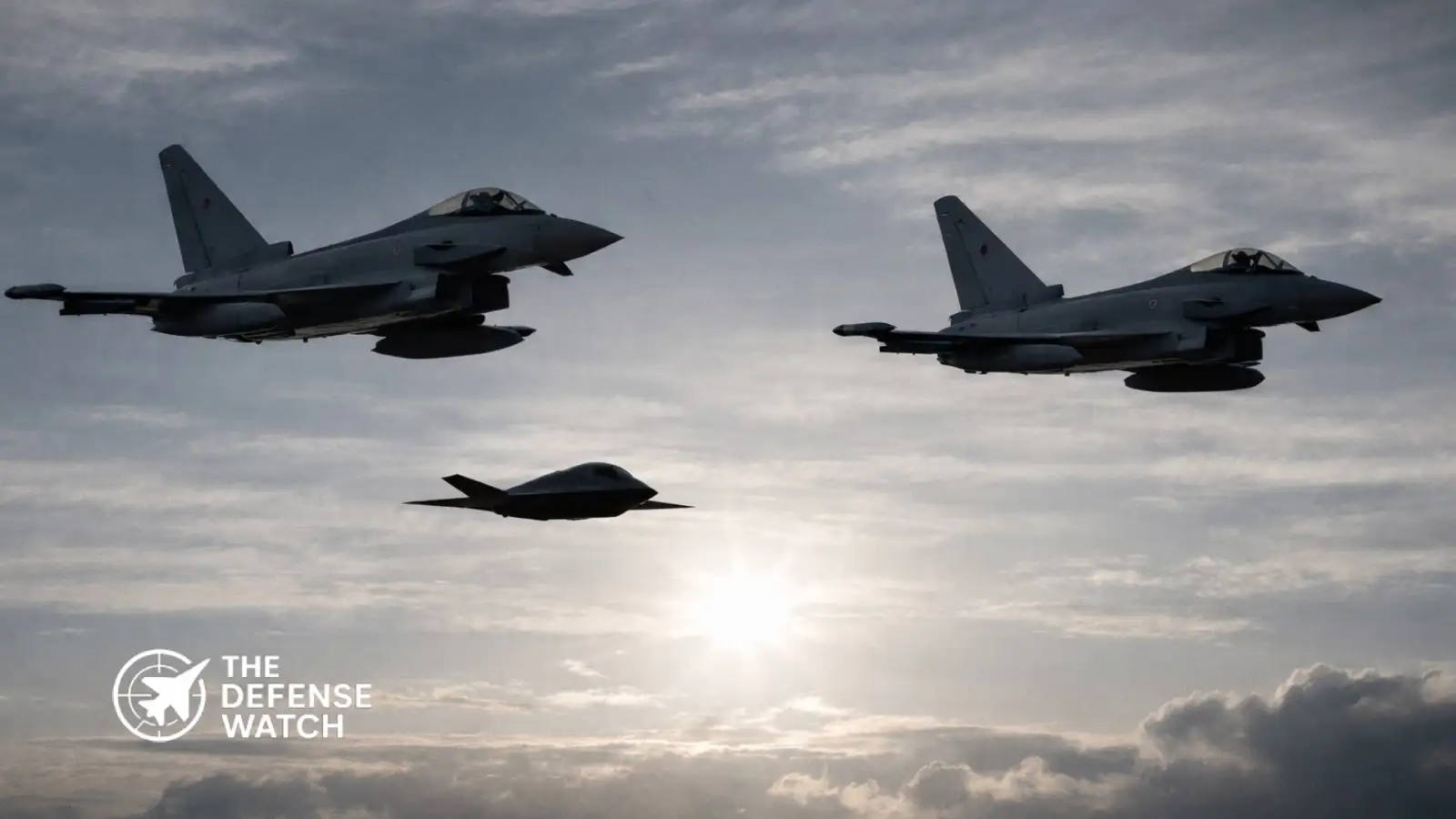
The Defence Investment Plan places the aircraft alongside upgrades to the Eurofighter Typhoon, the Global Combat Air Programme and new autonomous combat-air systems.
The government has committed £8.6 billion over four years to GCAP, the UK, Italian and Japanese program intended to deliver a sixth-generation combat aircraft from 2035.
The same plan commits £300 million to begin development of a new autonomous combat aircraft. Britain has also allocated nearly £240 million to develop a Hybrid Carrier Air Wing, including jet-powered uncrewed aircraft intended to operate alongside F-35B fighters.
This creates a layered future combat-air structure:
- F-35B for carrier-based fifth-generation operations
- F-35A for land-based operations and NATO’s nuclear mission
- Typhoon for fourth-generation-plus air combat and modernization
- Autonomous combat aircraft for future crewed-uncrewed operations
- GCAP for the UK’s planned sixth-generation combat-air capability
The significance is that the UK is building an air force based on several complementary aircraft classes rather than expecting one platform to cover every mission.
The Operational Challenge Will Be Sustainment
Increasing the number of F-35s is only one part of the modernization problem.
The UK will also need sufficient pilots, maintainers, spare parts, weapons, training capacity, infrastructure and software support to generate combat power from the additional aircraft.
This is particularly relevant because the F-35 is a global program with a shared logistics and sustainment architecture. Britain benefits from the scale of that international fleet, but it also depends on multinational supply chains and the broader F-35 support system.
The additional aircraft therefore have to be considered in terms of availability rather than simply fleet size.
For the RAF, the practical measure of the investment will be how many F-35s can be generated for combat operations at the same time, how quickly the force can surge, and how effectively the aircraft can be supported during sustained operations.
What the F-35A Means for UK and US Defense Cooperation
The F-35 expansion also reinforces the longstanding US-UK defense relationship.
Britain’s F-35 program was built around international cooperation, with British industry participating in the global supply chain and the US providing the aircraft, mission systems and broader program infrastructure.
The relationship is particularly important as Britain moves toward a future force combining US-origin fifth-generation aircraft with the UK, Italy and Japan’s GCAP sixth-generation program.
That means the Royal Air Force will operate US-designed fifth-generation fighters while simultaneously developing a separate next-generation combat-air ecosystem with European and Indo-Pacific partners.
The arrangement gives Britain access to an established fifth-generation combat system while maintaining a role in developing future sovereign combat-air technologies.
F-35 Purchase Supports a Broader UK Defense Reset
The F-35 expansion comes as Britain increases defense spending and attempts to rebuild military readiness.
The Defence Investment Plan provides almost £300 billion in defense funding over four years and adds £15 billion of new investment. The government says the plan is intended to move the armed forces toward greater warfighting readiness while supporting British defense industry and advanced manufacturing.
For combat aviation, that means investing simultaneously in current-generation readiness, fifth-generation capability and future autonomous and sixth-generation systems.
The F-35A purchase is therefore best understood as one part of a broader transition.
Britain is maintaining the F-35B for carrier operations, expanding its land-based F-35 capability with the F-35A, modernizing Typhoon, developing autonomous combat aircraft and continuing GCAP.
That approach provides the RAF with a bridge between today’s combat-air requirements and the sixth-generation force Britain expects to field from the mid-2030s.
What Happens Next
The £2.2 billion F-35 allocation is subject to the UK’s procurement and contracting processes. The Defence Investment Plan itself describes its figures as indicative and notes that programs remain subject to approvals, affordability and contracting decisions.
The immediate milestone is the procurement of the 12 F-35A aircraft announced by the British government.
Their eventual arrival will create a second F-35 variant within the RAF and establish Britain’s planned contribution to NATO’s Dual Capable Aircraft mission.
Over the longer term, the effectiveness of the investment will depend on how the F-35A fleet is integrated with Britain’s F-35Bs, Typhoons, autonomous aircraft, long-range weapons and the future GCAP system.
For the United Kingdom, the objective is not simply to own more fifth-generation fighters. It is to build a combat-air force capable of operating across NATO missions today while transitioning toward a more distributed, autonomous and networked force in the 2030s.
Bottom Line
Britain’s £2.2 billion F-35 investment marks a significant expansion of its fifth-generation combat-air capability and introduces the F-35A into Royal Air Force service.
The 12 F-35As will add a land-based aircraft optimized for Britain’s NATO nuclear mission, while the existing F-35B fleet remains central to carrier strike operations.
The industrial dimension is equally important. With roughly 15% of the global F-35 supply chain by value based in Britain and about 20,000 UK jobs connected to the program, the procurement reinforces both military capability and the country’s position in the global F-35 production network.
The investment also fits into a wider British combat-air strategy involving Typhoon modernization, autonomous aircraft and GCAP. The result will be a mixed force designed to connect today’s fifth-generation capability with Britain’s planned sixth-generation combat-air architecture.
Executive Summary:
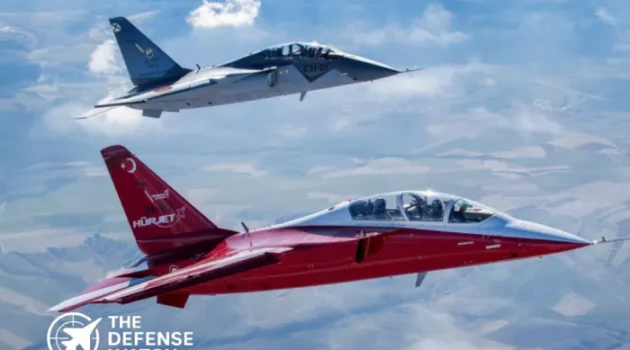
Turkish Aerospace is positioning its Hürjet advanced jet trainer as a potential contender for the United Kingdom’s future pilot training requirement as the Royal Air Force prepares for the eventual retirement of its Hawk fleet. The proposal reflects growing international competition in the military trainer aircraft market and highlights Turkey’s ambition to expand its aerospace exports into Europe.
Turkish Aerospace Hürjet Targets Future UK Advanced Trainer Requirement
Turkish Aerospace’s Hürjet advanced jet trainer is being promoted as a potential solution for the United Kingdom’s future military pilot training needs, as Britain begins considering long term options to replace the Royal Air Force’s aging BAE Systems Hawk T2 fleet.
Speaking during the Royal International Air Tattoo (RIAT) 2026, Turkish Aerospace executives said the company sees the UK as one of several international opportunities for Hürjet as countries modernize pilot training systems and seek aircraft capable of preparing crews for fifth and future sixth generation fighters. The comments were first reported by FlightGlobal.
While the UK Ministry of Defence has not launched a formal competition, industry officials believe discussions surrounding the RAF’s future training capability are becoming increasingly important as Hawk aircraft approach retirement later in the decade.
Hürjet Designed For Modern Fighter Training
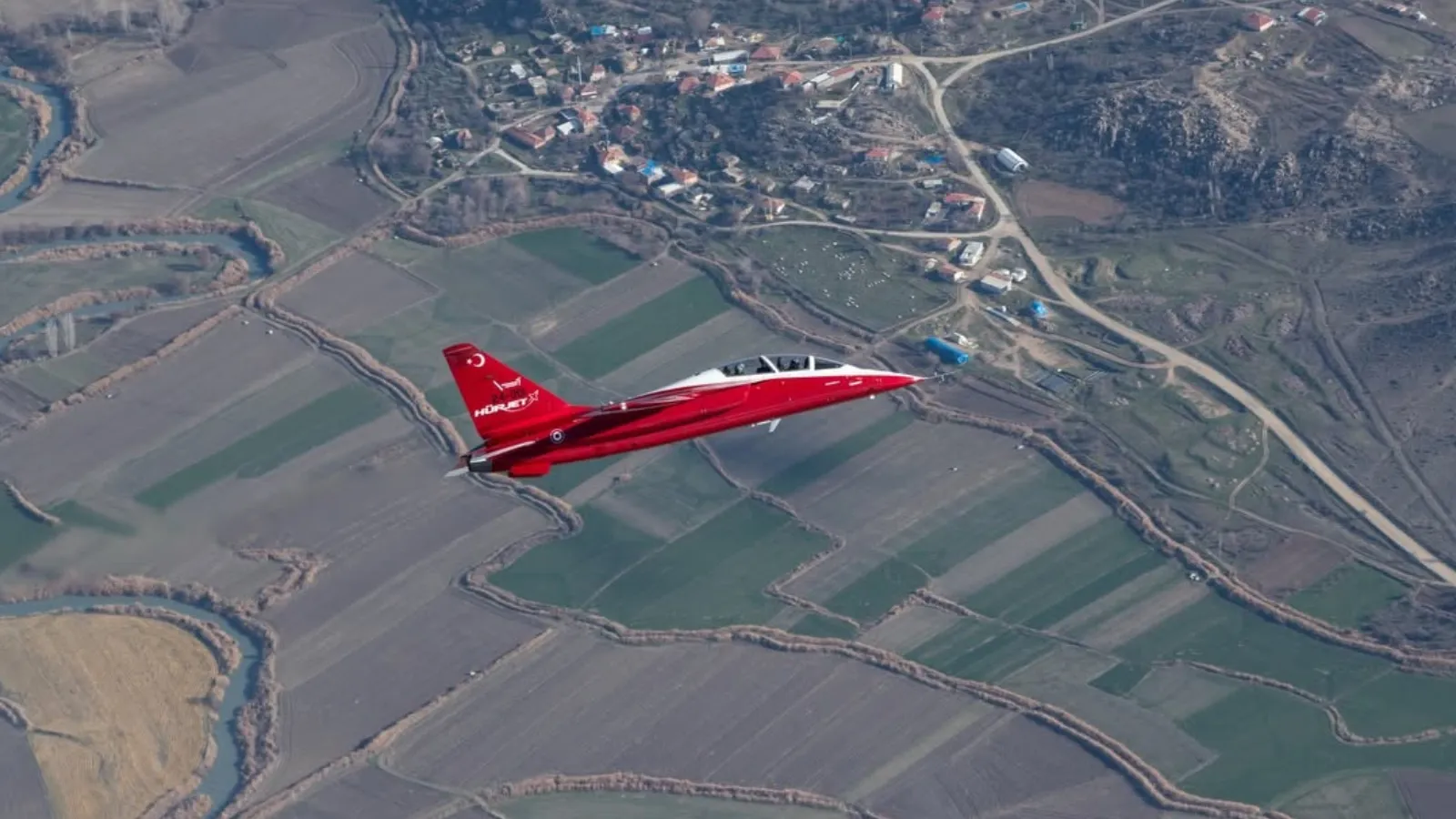
The Hürjet is Turkey’s first domestically developed supersonic advanced jet trainer. Developed by Turkish Aerospace, the aircraft is intended to replace the Turkish Air Force’s aging T-38 fleet while also serving as a light combat aircraft for export customers.
The aircraft completed its maiden flight in April 2023 and continues an expanding flight test campaign. Turkish Aerospace expects the platform to become a cornerstone of Turkey’s military aviation modernization efforts.
Key capabilities include:
Specification Hürjet Role Advanced Jet Trainer / Light Attack Aircraft Maximum Speed Around Mach 1.4 Crew Two Engine One F404-class turbofan Training Focus Lead-In Fighter Training (LIFT) Weapons Capability Precision-guided munitions, air-to-air missiles, training stores Manufacturer Turkish Aerospace The aircraft has been designed to prepare pilots transitioning to advanced combat aircraft by replicating modern avionics, digital cockpit systems, and high performance flight characteristics.
UK Faces Long Term Hawk Replacement Challenge
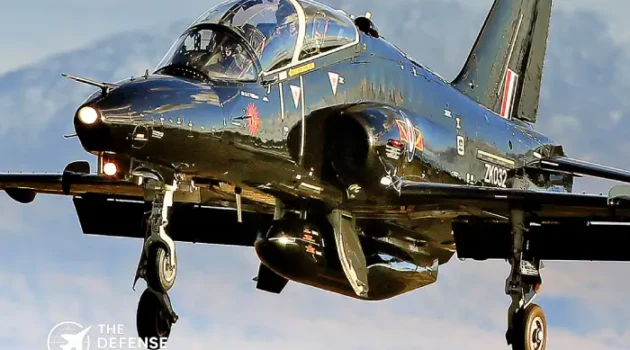
The Royal Air Force currently operates the Hawk T2 as its Advanced Fast Jet Trainer, providing the final stage of pilot instruction before transition to operational fighters such as the F-35B Lightning II and Eurofighter Typhoon.
However, the Hawk design dates back decades, and the RAF is expected to require a replacement during the 2030s.
Although the Ministry of Defence has not publicly identified a preferred successor, defense manufacturers increasingly view Britain as an important future competition. Turkish Aerospace believes Hürjet could satisfy the UK’s evolving requirements while also supporting broader industrial cooperation.
Executives have suggested any British program would likely require significant local industrial participation, reflecting London’s emphasis on domestic aerospace capability and sovereign manufacturing.
Competition Would Be Intense
Should the UK launch a formal acquisition program, Hürjet would likely compete against several established Western trainer aircraft.
Potential competitors include:
- BAE Systems Hawk successor concepts
- Leonardo M-346 Master
- Korea Aerospace Industries FA-50 and trainer variants
- Boeing and Saab training solutions
- Other emerging advanced trainer platforms
Each aircraft offers different advantages in pilot training, lifecycle cost, industrial participation, and compatibility with NATO air forces.
Because Britain maintains one of Europe’s most sophisticated pilot training systems, any future competition is expected to place heavy emphasis on digital simulation, synthetic training environments, open mission systems, and integration with future combat aircraft programs.
Turkish Aerospace Expands Global Export Campaign
The UK interest forms part of Turkish Aerospace’s wider export strategy.
The company has actively promoted Hürjet across Europe, the Middle East, Asia, and Latin America as demand grows for affordable advanced trainers capable of supporting pilots destined for fifth generation fighters.
Turkey’s domestic defense industry has expanded significantly over the past decade, producing indigenous aircraft, helicopters, unmanned aerial systems, and precision weapons. Hürjet represents one of Ankara’s most ambitious aerospace export programs alongside the KAAN next generation fighter and the ANKA family of unmanned aircraft.
Success in a market such as the United Kingdom would represent a significant milestone for Turkey’s aerospace sector because it would demonstrate confidence from one of NATO’s most experienced air forces.
Strategic Analysis: Why The UK Trainer Competition Matters
The UK’s eventual trainer replacement program extends beyond simply replacing an aging aircraft.
Modern pilot training increasingly combines live flying with high fidelity simulation, artificial intelligence assisted instruction, and networked mission rehearsal. Aircraft are expected to replicate the sensor management, electronic warfare environments, and cockpit workload associated with frontline combat platforms.
This shift means future trainers must function as part of an integrated training ecosystem rather than operate solely as standalone aircraft.
For Turkish Aerospace, Hürjet’s appeal will depend not only on flight performance but also on its ability to integrate with NATO training standards, British military certification requirements, logistics systems, and synthetic training networks.
Industrial policy is likely to play an equally important role. The UK has consistently favored programs that sustain domestic aerospace jobs and support long term sovereign capability. Any successful bidder would probably need to demonstrate meaningful collaboration with British industry, technology transfer where appropriate, and long term maintenance support inside the United Kingdom.
From a broader NATO perspective, increased competition in the advanced trainer market could benefit allied air forces by driving innovation, reducing operating costs, and expanding choices for nations replacing legacy training fleets. As sixth generation combat aircraft and collaborative combat aircraft become more sophisticated, advanced trainers will also need to evolve to prepare pilots for increasingly complex operational environments.
Outlook
Turkish Aerospace’s proposal remains at an early stage, and no UK procurement decision has been announced. Nevertheless, the company’s public interest underscores the growing international competition surrounding future military pilot training systems.
As Britain evaluates long term requirements beyond the Hawk, manufacturers from Europe, Asia, and North America are expected to position their platforms for what could become one of the most closely watched trainer aircraft competitions of the next decade.

Executive Summary:
BAE Systems, Boeing, and Saab have signed a teaming agreement to jointly offer the T-7 Advanced Pilot Training System to the United Kingdom. The proposal includes a UK based final assembly and support capability, positioning the partnership for any future Royal Air Force trainer aircraft competition while strengthening Britain’s aerospace industrial base.
BAE Systems, Boeing, And Saab Position T-7 Red Hawk For UK Pilot Training
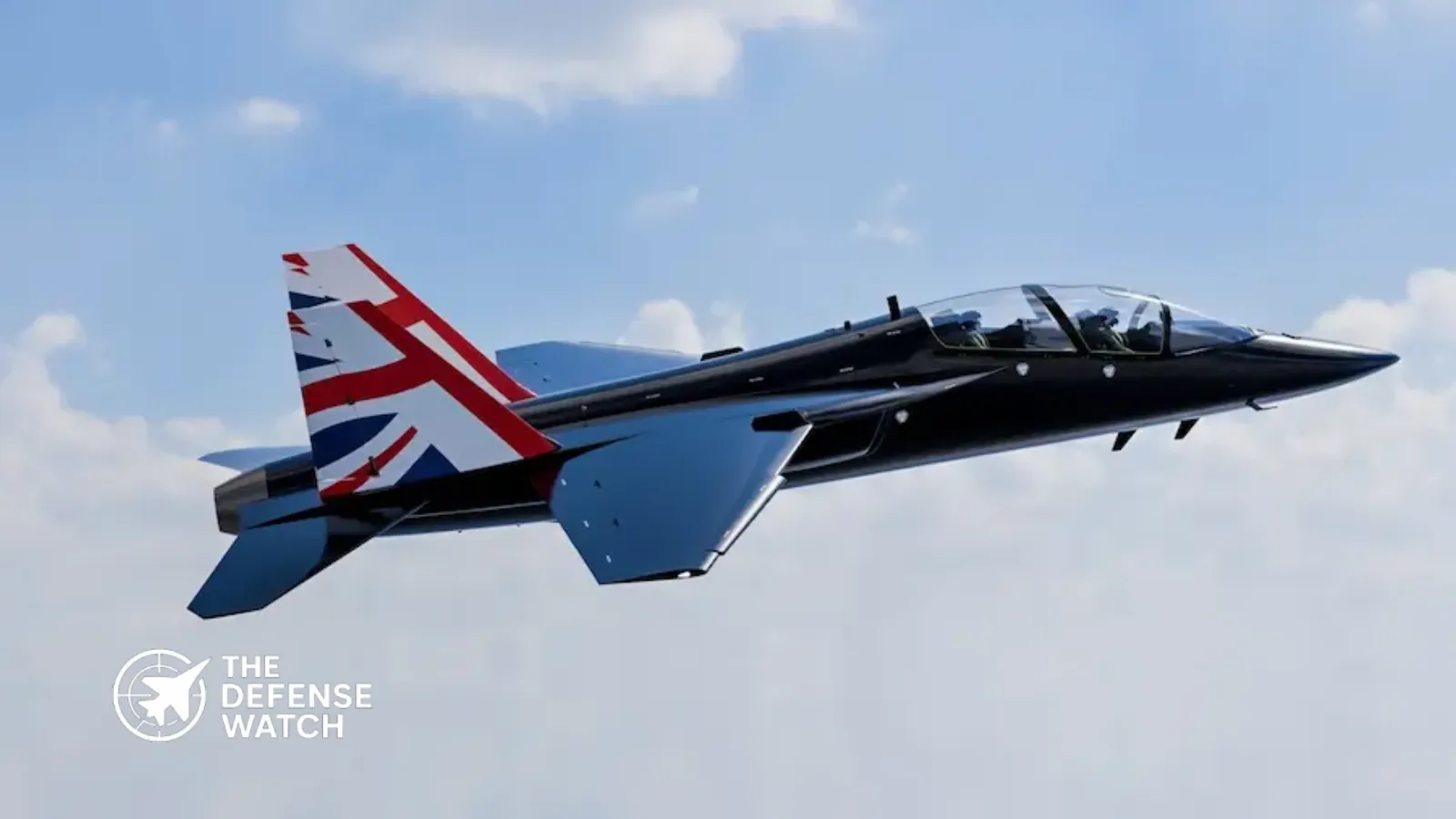
BAE Systems, Boeing, and Saab have signed a strategic teaming agreement to jointly offer the T-7 Advanced Pilot Training System to the United Kingdom, marking a significant step toward a potential future replacement for the Royal Air Force’s fast jet training aircraft.
Announced by the three companies, the agreement establishes an industrial partnership that combines Boeing’s aircraft design expertise, Saab’s manufacturing experience, and BAE Systems’ extensive presence within the UK’s defense and aerospace sector. A key element of the proposal is a plan for final assembly of the T-7 aircraft in the United Kingdom, should the aircraft be selected by the British government.
The announcement comes as several NATO nations continue modernizing pilot training systems to support the introduction of fifth generation and future combat aircraft.
Partnership Focuses On Domestic Industrial Capability
The companies said the agreement goes beyond simply offering an aircraft platform. Their proposal includes building long term sovereign industrial capabilities within the United Kingdom.
Under the proposed arrangement, BAE Systems would leverage its established UK manufacturing footprint and support infrastructure, while Boeing would provide overall aircraft integration expertise. Saab, already Boeing’s principal industrial partner on the T-7 program, would contribute advanced manufacturing processes developed during production of the aircraft.
The proposed UK industrial package includes:
Capability Proposed Contribution Final aircraft assembly Conducted in the United Kingdom Long term maintenance UK based sustainment capability Engineering support Domestic engineering expertise Supply chain Expanded opportunities for British industry Skills development Aerospace workforce growth and technology transfer According to the companies, local assembly would support national industrial resilience while reducing long term sustainment complexity.
What Is The T-7 Advanced Pilot Training System?
The T-7 Advanced Pilot Training System was developed by Boeing and Saab for the U.S. Air Force under the T,X program to replace the aging T,38 Talon fleet.
Unlike many legacy trainer aircraft, the T-7 was designed using advanced digital engineering techniques, significantly reducing development timelines while enabling faster production updates.
Key characteristics include:
Specification T-7 Red Hawk Role Advanced jet trainer Crew Two Engine Single General Electric F404 turbofan Flight controls Digital fly by wire Training system Integrated live, virtual, constructive environment Designed for Fifth generation fighter pilot training The aircraft forms part of a broader training ecosystem that includes simulators, mission planning software, instructor stations, and digital learning tools intended to replicate operational combat environments.
Supporting Future RAF Pilot Requirements
Although the UK government has not announced a formal competition to replace existing advanced jet trainers, military aviation planners across Europe are increasingly evaluating how pilot training must evolve alongside aircraft such as the F,35 Lightning II and future sixth generation combat aircraft.
The T-7’s digital architecture was specifically developed to prepare pilots for highly networked combat operations involving advanced sensors, electronic warfare, data fusion, and collaborative mission planning.
Rather than focusing solely on basic flying skills, modern training systems increasingly emphasize:
- Multi domain operations
- Sensor management
- Electronic warfare environments
- Tactical data links
- Human machine teaming
- Mission rehearsal using synthetic environments
These capabilities are becoming increasingly important as NATO air forces prepare for future high intensity operations.
Why Local Final Assembly Matters
One of the most notable aspects of the agreement is the proposal to establish final aircraft assembly within the United Kingdom.
For London, domestic production offers several strategic advantages beyond aircraft procurement.
These include:
- Greater control over fleet availability
- Improved long term sustainment
- Protection of highly skilled aerospace jobs
- Increased resilience during supply chain disruptions
- Expanded export and industrial opportunities
The proposal also aligns with the UK’s broader defense industrial strategy, which increasingly emphasizes sovereign manufacturing capacity for critical military programs.
For Boeing and Saab, incorporating BAE Systems provides an experienced UK industrial partner with decades of involvement in Royal Air Force aircraft programs, including Typhoon, Hawk, Tempest, and F,35 support activities.
Strategic Analysis: Why This Partnership Matters
The teaming agreement reflects a broader trend across NATO defense procurement. Rather than competing solely on aircraft performance, manufacturers increasingly compete through industrial participation packages that promise domestic investment, technology transfer, and workforce development.
For the United Kingdom, future pilot training will be closely linked to the Global Combat Air Programme (GCAP), which aims to deliver a sixth generation combat aircraft during the 2030s. Training systems introduced during this decade will need sufficient digital flexibility to evolve alongside those future capabilities.
The T-7’s software driven architecture may provide advantages in this environment because mission systems, synthetic training environments, and aircraft software can be updated more rapidly than legacy trainer platforms. That flexibility could reduce lifecycle costs while allowing training syllabi to adapt as operational requirements change.
From a broader defense industrial perspective, the partnership also demonstrates how major Western aerospace companies are increasingly building multinational production models. Similar approaches have appeared across fighter aircraft, missile systems, and naval programs, where governments seek both military capability and domestic economic benefits from major acquisitions.
For the United States, expanded international adoption of the T-7 could strengthen common pilot training standards among allied air forces while increasing production scale for the aircraft. Shared training systems can improve interoperability during coalition operations by exposing pilots to similar digital mission environments before they transition to operational fighter aircraft.
Although no UK procurement decision has been announced, the agreement positions the three companies early for any future requirement while reinforcing Britain’s role as a major participant in allied aerospace manufacturing.
Looking Ahead
The newly signed teaming agreement establishes the industrial framework for a future UK T-7 proposal but does not represent a procurement contract. Any acquisition decision will ultimately depend on future Royal Air Force requirements and UK Ministry of Defence procurement plans.
If pursued, the proposed local final assembly capability would represent one of the most significant industrial elements of the offering, combining advanced pilot training technology with domestic aerospace production and long term sustainment support.
Executive Summary:
The Royal Air Force has officially launched the Stormfighter Collaborative Combat Aircraft (CCA) program, a major step toward integrating autonomous combat aircraft with crewed fighters. The initiative is intended to accelerate the UK’s transition to what officials describe as Europe’s first sixth generation air force, combining Typhoon, F 35, future GCAP fighters, and AI enabled uncrewed aircraft into a single combat ecosystem.
RAF Launches Stormfighter Collaborative Combat Aircraft Program
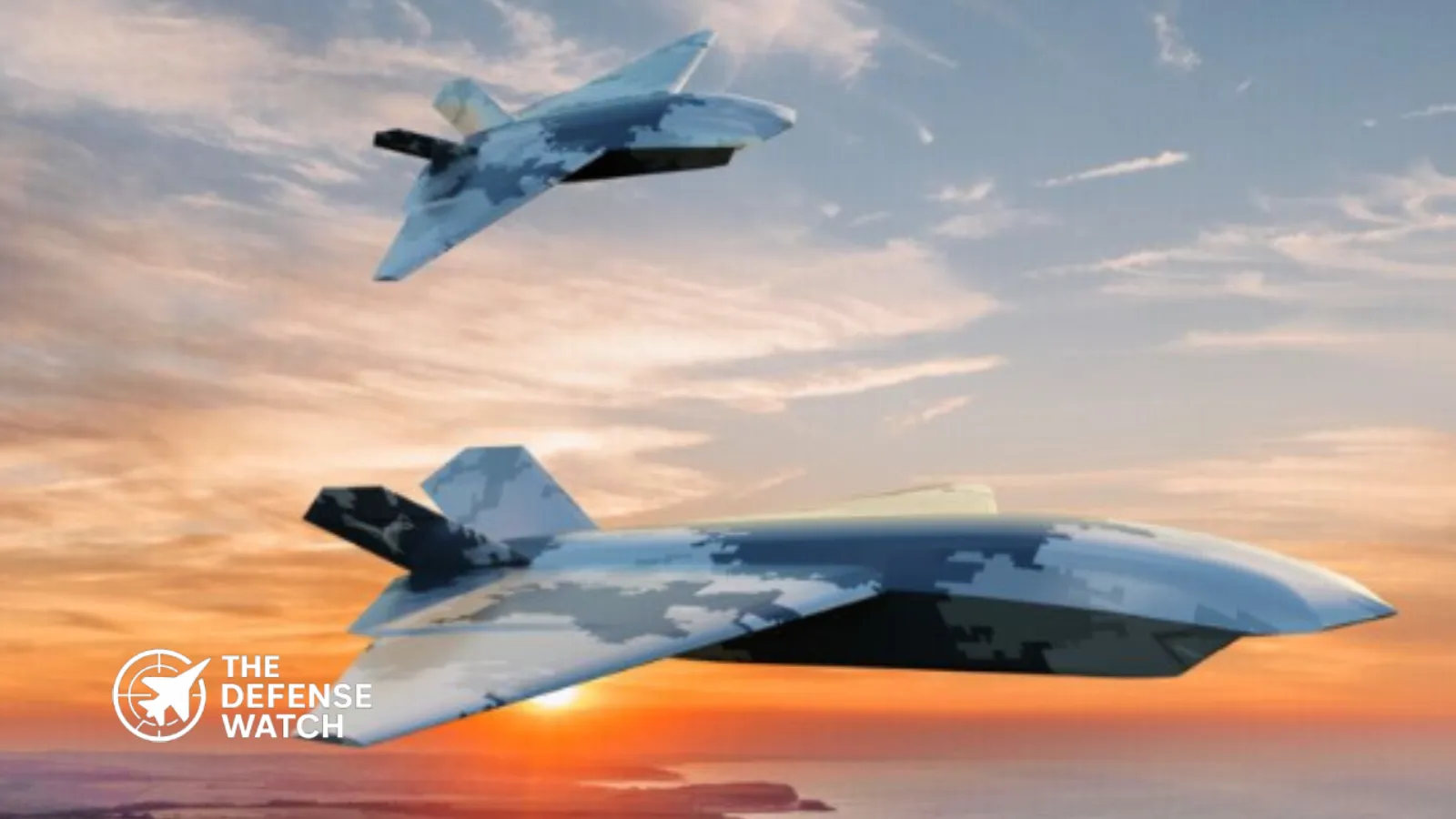
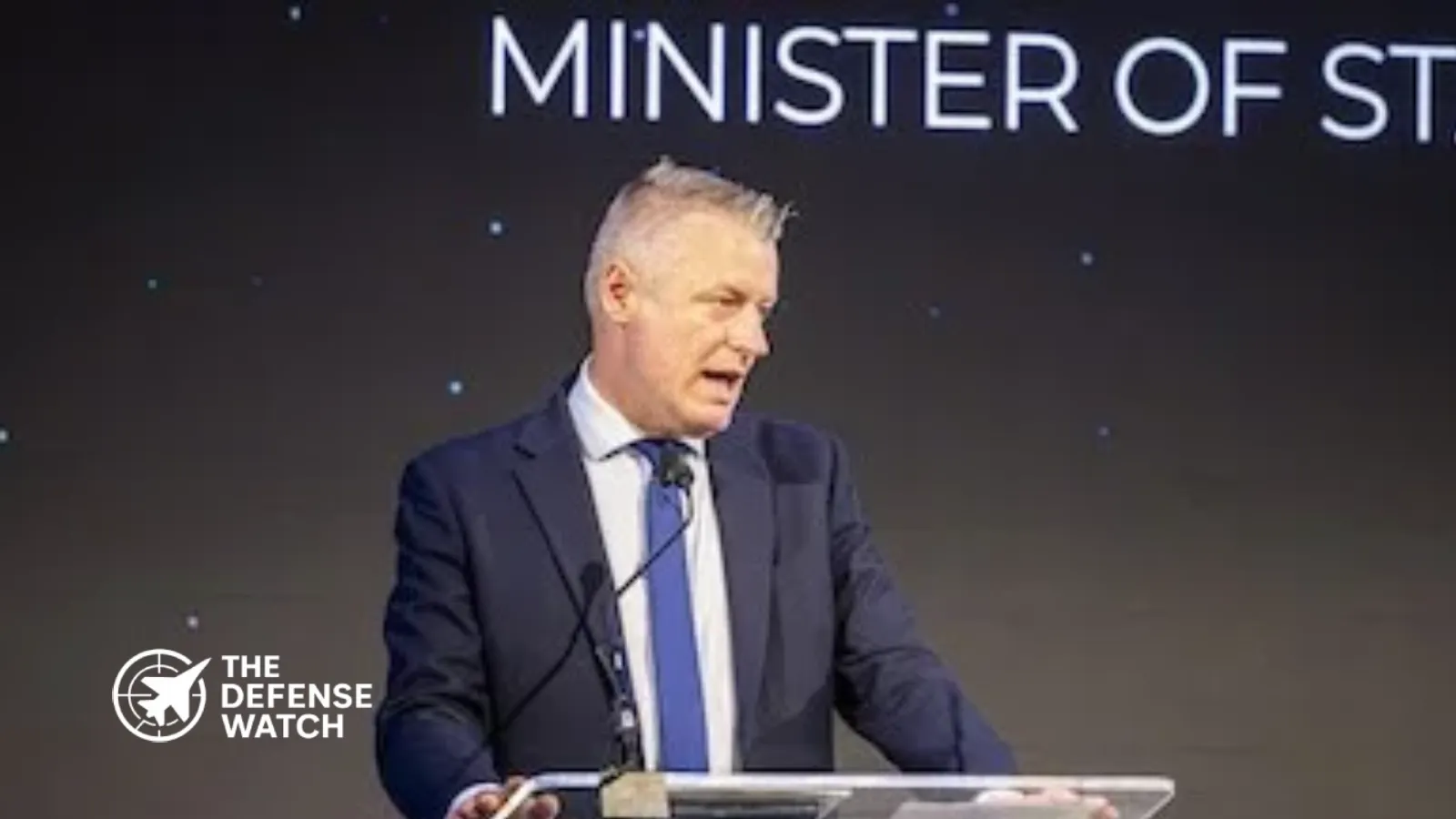
The RAF Stormfighter collaborative combat aircraft initiative was formally unveiled during the Global Air and Space Chiefs’ Conference in London as part of the UK’s broader Defense Investment Plan. UK Minister for Defence Readiness and Industry Luke Pollard announced that Stormfighter will become the Royal Air Force’s dedicated Collaborative Combat Aircraft program, designed to operate alongside existing and future fighter fleets.
Rather than replacing crewed aircraft, Stormfighter will function as an autonomous force multiplier capable of extending sensor coverage, carrying additional weapons, conducting electronic warfare, and performing high risk missions that would otherwise expose pilots to danger.
According to the UK government, the initiative forms part of a broader £27.8 billion investment intended to modernize the Royal Air Force over the next four years while supporting Britain’s ambition to become Europe’s first sixth generation air force.
Stormfighter Will Support Typhoon, F 35, And Future Tempest Fighters
British officials describe Stormfighter as an autonomous combat aircraft that can serve both offensive and defensive missions.
Potential operational roles include:
Capability Operational Purpose Escort missions Protect crewed fighters in contested airspace Electronic warfare Jam or deceive enemy radar systems Intelligence, surveillance and reconnaissance Extend battlefield awareness Weapons carrier Increase available missile capacity Decoy operations Draw enemy air defenses away from crewed aircraft Autonomous strike support Conduct high risk attacks with limited human exposure Government officials characterized Stormfighter as both a “guardian angel” and an “attack dog” for Typhoon, F 35, and future Tempest aircraft, highlighting its expected role in manned and unmanned teaming.
Accelerating Collaborative Combat Aircraft Before GCAP Enters Service
RAF Chief Air Marshal Sir Richard Harv Smyth has indicated that the service intends to field an operational CCA capability before the end of the decade rather than waiting for the Global Combat Air Programme fighter to enter service in the mid 2030s.
The RAF hopes to demonstrate autonomous aircraft flying alongside Eurofighter Typhoons during NATO exercises as early as 2027 before moving toward an operational capability several years later. Officials also expect multiple software and hardware upgrades throughout the program’s lifecycle.
This accelerated timeline reflects growing recognition that software defined autonomy and rapid upgrades may evolve faster than traditional fighter development programs.
Stormfighter Supports The UK’s Sixth Generation Airpower Strategy
Stormfighter represents more than a single aircraft program. It forms one element of a broader combat system centered on the UK’s participation in the Global Combat Air Programme (GCAP) with Japan and Italy.
The future force structure is expected to include:
- GCAP Tempest sixth generation fighter
- Eurofighter Typhoon
- F 35 Lightning fleet
- Stormfighter collaborative combat aircraft
- AI enabled autonomous systems
- Advanced networking and edge computing
- Space enabled command and control
The UK recently awarded a £4.6 billion GCAP development contract while reaffirming plans to introduce the next generation fighter around 2035. Stormfighter is expected to bridge today’s combat aircraft with that future force architecture.
Why Stormfighter Matters For NATO And U.S. Defense Strategy
Stormfighter mirrors a broader shift taking place across Western air forces toward collaborative combat aircraft.
The U.S. Air Force is pursuing its own CCA initiative through platforms such as the YFQ 42A and YFQ 44A, emphasizing autonomous aircraft that operate alongside crewed fighters while separating mission autonomy software from air vehicle development.
Although developed independently, both British and American programs reflect similar operational priorities:
- Increasing combat mass without proportionally expanding fighter fleets.
- Reducing pilot exposure in highly contested environments.
- Rapidly updating mission software instead of waiting for aircraft redesigns.
- Using artificial intelligence to distribute sensing, electronic warfare, and strike missions across multiple platforms.
For NATO, this convergence could improve interoperability by allowing allied air forces to employ compatible concepts of operations for human and machine teaming, even if their aircraft differ technically.
From an industrial perspective, Stormfighter also strengthens the UK’s sovereign aerospace sector by investing in domestic autonomous technologies while supporting the broader GCAP ecosystem involving Britain, Italy, and Japan.
Technical Challenges Still Lie Ahead
Despite the ambitious timeline, significant engineering hurdles remain before Stormfighter reaches operational service.
Among the key challenges are:
- Secure AI decision making in contested electronic warfare environments.
- Reliable human machine teaming during high intensity combat.
- Cyber resilience for autonomous mission systems.
- Integration across Typhoon, F 35, and future GCAP aircraft.
- High bandwidth, low latency communications that remain functional despite enemy jamming.
Successfully solving these issues will determine whether collaborative combat aircraft become trusted wingmen or remain limited support platforms.
Strategic Outlook
The launch of Stormfighter signals that the Royal Air Force intends to accelerate the transition toward autonomous combat aviation rather than waiting for sixth generation fighters alone.
Instead of viewing future airpower as a single advanced aircraft, the RAF is embracing a combat system that combines crewed fighters, autonomous aircraft, artificial intelligence, and networked battle management. If the program meets its planned milestones, Stormfighter could become one of Europe’s earliest operational collaborative combat aircraft and establish the UK as a leading developer of sixth generation air combat concepts.
Executive Summary:
The 2026 Global Air and Space Chiefs Conference has opened in London, bringing together senior military leaders from allied and partner nations to discuss the future of air and space power. The conference focuses on strengthening international cooperation, integrated air and missile defense, nuclear deterrence, and space operations as security challenges continue to evolve across Europe, the Indo-Pacific, and other strategic regions.
Global Air And Space Chiefs Conference Opens In London
The Global Air and Space Chiefs Conference began in London on July 15, bringing together chiefs of air forces, senior defense officials, space commanders, industry leaders, and academics from more than 50 countries. Hosted by the Royal Air Force under the leadership of Chief of the Air Staff Air Chief Marshal Sir Harv Smyth, the annual event serves as one of the world’s leading forums for discussing the future of military air and space power.
This year’s conference is organized around the theme “Dominating the Skies and Beyond: Agile, Integrated and Ready,” emphasizing coalition readiness and the need for closer integration across air, space, cyber, and missile defense capabilities.
Air, Space And Missile Defense Dominate The Agenda
According to the conference program, discussions focus on three major capability areas:
- Space operations
- Nuclear deterrence
- Integrated Air and Missile Defense (IAMD)
Senior military leaders are expected to examine how allied nations can better synchronize operations across multiple domains while responding to increasingly contested security environments. Topics also include emerging technologies, autonomous systems, industrial resilience, and multinational capability development.
The conference includes keynote addresses from:
Speaker Organization Air Chief Marshal Sir Harv Smyth Royal Air Force General Kenneth S. Wilsbach U.S. Air Force General Chance Saltzman U.S. Space Force UK government ministers UK Ministry of Defence The participation of both the U.S. Air Force and U.S. Space Force highlights the growing importance of combined air and space operations within NATO and allied security planning.
UK Highlights Modernization Priorities
The conference comes shortly after the United Kingdom released its updated Defence Investment Plan, which outlines increased investment in combat air capability, autonomous systems, industrial capacity, and long-term modernization.
Speaking during the event, UK Minister for Defence Readiness and Industry Luke Pollard emphasized that air power has continuously evolved through innovation and adaptation, arguing that maintaining technological superiority requires sustained investment in future capabilities and stronger cooperation with allies.
The timing reinforces Britain’s effort to position the Royal Air Force as a central contributor to NATO’s future air and space posture while supporting multinational programs such as the Global Combat Air Programme (GCAP).
Why The Conference Matters
Unlike procurement announcements or bilateral defense agreements, the Global Air and Space Chiefs Conference serves as a strategic forum where military leaders exchange operational lessons, identify capability gaps, and shape future cooperation.
Its significance has increased considerably since Russia’s invasion of Ukraine and amid growing competition in the Indo-Pacific. Modern military operations increasingly depend on integrated networks connecting aircraft, satellites, intelligence systems, missile defense assets, and cyber capabilities rather than individual platforms operating independently.
For NATO members, integrated air and missile defense has become a top operational priority as cruise missiles, ballistic missiles, hypersonic weapons, and long-range drones continue to proliferate. The conference provides an opportunity to coordinate approaches before those concepts transition into procurement programs and operational planning.
Space Continues To Become A Core Military Domain
One notable trend reflected in this year’s agenda is the equal emphasis placed on space alongside traditional air power.
Modern military operations rely heavily on satellites for:
- Intelligence collection
- Precision navigation
- Secure communications
- Missile warning
- Targeting support
- Battle damage assessment
As adversaries develop anti-satellite weapons, electronic warfare systems, and cyber capabilities targeting space infrastructure, allied militaries are increasingly integrating space planning into operational decision making.
The participation of senior U.S. Space Force leadership illustrates how space has become an operational domain that must be planned alongside air, land, maritime, and cyber operations.
Operational Implications For Allied Air Forces
The conference also reflects broader changes underway across allied air forces.
Several modernization priorities continue to converge:
- Greater use of autonomous aircraft and collaborative combat drones
- Integrated command and control across NATO networks
- Improved interoperability between allied air forces
- Stronger industrial resilience for sustained operations
- Closer coordination between air and space commands
Rather than focusing solely on next-generation aircraft, many discussions now emphasize how future combat systems will operate as part of connected networks linking crewed fighters, autonomous aircraft, sensors, satellites, and missile defense systems.
For the United States and its allies, this approach supports the broader objective of maintaining operational superiority against increasingly sophisticated peer competitors while strengthening coalition interoperability.
Strategic Outlook
The 2026 Global Air and Space Chiefs Conference demonstrates how allied militaries are expanding cooperation beyond traditional air operations into fully integrated, multi-domain defense planning.
As NATO members accelerate modernization programs and increase defense investment, forums such as this help align operational concepts before they become formal capability requirements or multinational acquisition programs.
While no major procurement decisions are expected from the conference itself, the discussions are likely to influence future doctrine, force design, and collaborative technology development across allied air and space forces in the years ahead.
(adsbygoogle = window.adsbygoogle || []).push({});Executive Summary:
The United Kingdom has confirmed that an autonomous fighter jet demonstrator is expected to fly by at least 2030 as part of a new national Collaborative Combat Air program. The initiative forms part of the UK’s latest Defense Investment Plan and aims to field AI-enabled aircraft capable of operating alongside crewed Royal Air Force fighters in future high-threat environments.
UK Confirms Autonomous Fighter Jet Demonstrator Will Fly By 2030
The UK autonomous fighter jet program has reached an important milestone after the British government confirmed that a demonstrator aircraft is scheduled to fly by at least 2030.
The announcement was included in the UK’s newly released Defense Investment Plan, which outlines long-term investments in autonomous systems, artificial intelligence, electronic warfare, and next-generation air combat capabilities. According to the Ministry of Defence, the aircraft will be developed under a new national Collaborative Combat Air (CCA) program designed to complement, rather than replace, crewed combat aircraft.
The effort represents one of the UK’s largest investments in autonomous military aviation and supports the Royal Air Force’s transition toward mixed fleets of manned and unmanned combat aircraft.
Collaborative Combat Air Program Expands RAF Capabilities
The Collaborative Combat Air initiative envisions autonomous aircraft operating as force multipliers alongside crewed fighters.
According to the Ministry of Defence, these aircraft could perform missions including:
Planned Capability Operational Role Intelligence, surveillance and reconnaissance Extend sensor coverage ahead of crewed aircraft Electronic warfare Jam or disrupt hostile radar and communications Precision strike support Carry additional weapons or attack designated targets Decoy operations Draw enemy fire and complicate adversary targeting Air combat support Increase combat mass without placing additional pilots at risk Government documents indicate the demonstrator will become part of the RAF’s broader Future Combat Air System, which integrates crewed fighters, autonomous aircraft, advanced weapons, AI-enabled command networks, and secure data sharing.
Part Of Britain’s Broader Defense Investment Strategy
The autonomous fighter demonstrator is one element of a wider modernization package announced in the UK’s Defense Investment Plan.
(adsbygoogle = window.adsbygoogle || []).push({});The plan commits more than £5 billion toward autonomous military systems across all three services while also investing heavily in artificial intelligence and digital command systems. Key initiatives include:
- A national Collaborative Combat Air program for the Royal Air Force
- Project NYX autonomous armed aircraft supporting Apache helicopters
- Project Corvus surveillance drones replacing Watchkeeper
- Storm Shroud electronic warfare drones entering RAF service
- New autonomous naval and ground systems across the British Armed Forces
The government says these programs will strengthen sovereign industrial capability while accelerating adoption of autonomous technologies across the military.
Building On Earlier UK Autonomous Flight Demonstrations
The latest announcement follows several years of experimentation with crewed and uncrewed teaming.
In 2024, QinetiQ successfully demonstrated a crewed aircraft controlling an autonomous jet drone during a Ministry of Defence trial involving the Defence Science and Technology Laboratory (Dstl), the Royal Navy, and the Air and Space Warfare Centre.
During that demonstration, a modified Banshee Jet 80 received mission commands directly from a crewed aircraft before autonomously completing assigned tasks, validating key technologies required for future collaborative combat aircraft.
Those experiments provided an important technological foundation for today’s national Collaborative Combat Air program.
Strategic Significance For Future Air Warfare
The UK’s investment reflects a broader shift occurring across NATO and allied air forces.
Rather than relying solely on increasingly expensive crewed fighters, militaries are developing autonomous aircraft capable of carrying sensors, electronic warfare payloads, additional weapons, or decoy systems.
These platforms are expected to provide several operational advantages:
- Increase available combat aircraft without expanding pilot training pipelines.
- Reduce operational risk during high-threat missions.
- Allow crewed fighters to remain farther from advanced air defense systems.
- Improve mission flexibility through distributed operations.
- Increase sortie generation during sustained conflict.
This approach closely mirrors evolving concepts being pursued by several allied nations, where autonomous aircraft act as “loyal wingmen” supporting manned fighters during contested operations.
atOptions = { ‘key’ : ‘e7d18db8b7513fb2a224cf4c3f18bbf0’, ‘format’ : ‘iframe’, ‘height’ : 90, ‘width’ : 728, ‘params’ : {} };Relationship With The Global Combat Air Programme
Although the autonomous demonstrator is a separate development effort, it complements Britain’s participation in the Global Combat Air Programme (GCAP) with Japan and Italy.
GCAP aims to field a sixth-generation crewed fighter around 2035. Government planning documents indicate future autonomous collaborative aircraft will operate as part of the same broader combat ecosystem rather than as independent weapons platforms.
Integrating autonomous aircraft with next-generation fighters could significantly expand combat capacity while allowing expensive crewed platforms to focus on command, sensing, and decision-making.
Technical Challenges Remain
While the timeline establishes a clear objective, substantial technical work remains before operational service.
Major engineering challenges include:
- Secure AI-assisted mission autonomy.
- Resilient communications in contested electromagnetic environments.
- Trusted human oversight for weapons employment.
- Cybersecurity against sophisticated electronic attack.
- Integration with existing RAF command-and-control networks.
Successfully addressing these issues will determine whether autonomous collaborative aircraft can reliably operate alongside crewed fighters during complex combat missions.
Why It Matters
For the United Kingdom, the autonomous fighter demonstrator represents more than a technology project.
It signals a long-term transition toward AI-enabled air operations where autonomous aircraft expand combat mass, improve survivability, and reduce operational risk.
For the United States and other NATO allies, the program also reinforces a broader trend. Modern air forces are increasingly investing in collaborative autonomous aircraft that complement advanced fighters instead of replacing them outright. If successful, Britain’s demonstrator could become an important component of future coalition air operations and strengthen interoperability across allied air forces as autonomous combat systems become a standard feature of next-generation warfare.
(adsbygoogle = window.adsbygoogle || []).push({});Executive Summary:
The United Kingdom has outlined a multi billion pound modernization program for its Eurofighter Typhoon fleet, reinforcing the aircraft’s role as the Royal Air Force’s primary combat platform into the 2040s. The investment focuses on advanced radar technology, expanded weapons integration, digital mission systems, and long term sustainment as Britain prepares for future high intensity operations while transitioning toward the Global Combat Air Programme (GCAP).
UK Details Billions In Typhoon Fighter Upgrades
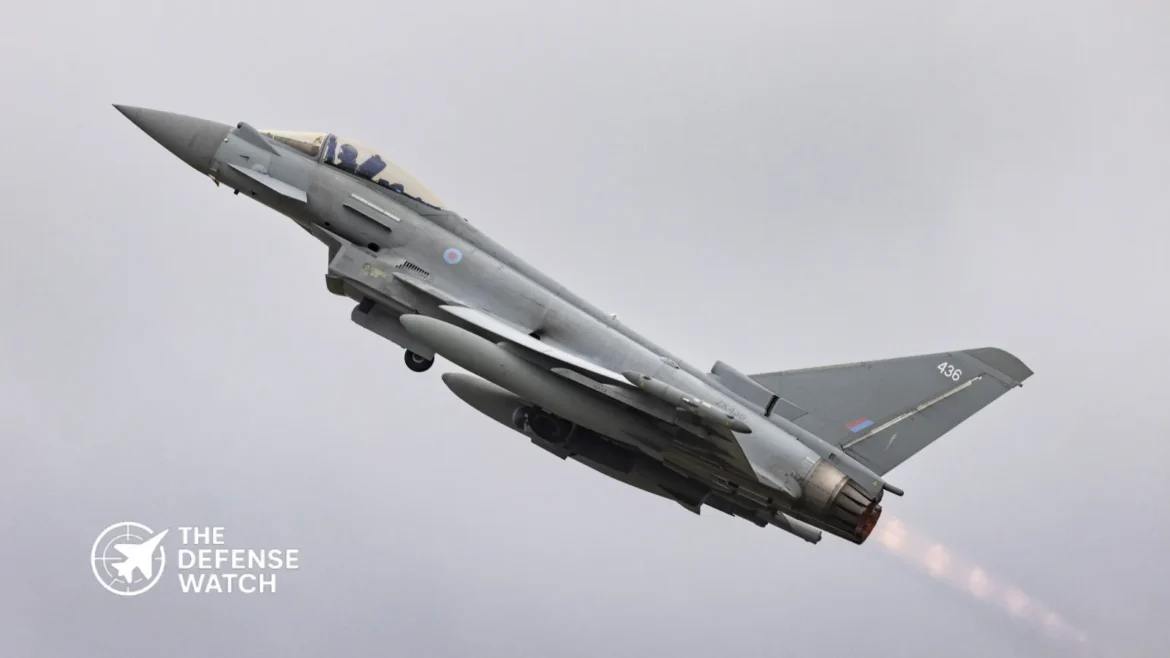
The UK Typhoon fighter upgrades will see the Royal Air Force receive significant capability improvements through a series of modernization projects intended to keep the Eurofighter Typhoon operational for decades. The plans were outlined by the UK Ministry of Defence as part of wider defense investment aimed at maintaining combat readiness amid an increasingly challenging European security environment.
Rather than replacing the Typhoon in the near term, Britain intends to evolve the platform through incremental upgrades while simultaneously developing the sixth generation Global Combat Air Programme with Italy and Japan.
Multi Billion Pound Investment Targets Combat Capability
According to information released by the UK government, the modernization effort includes billions of pounds in planned spending covering aircraft upgrades, weapons integration, avionics modernization, logistics support, and industrial sustainment.
The investment supports both operational readiness and Britain’s domestic aerospace industry, with major work expected to involve BAE Systems, Leonardo UK, Rolls Royce, MBDA UK, and numerous suppliers throughout the national defense industrial base.
Officials emphasized that maintaining Typhoon capability remains essential while GCAP development continues over the coming decade.
atOptions = { ‘key’ : ‘3d48d603f906e3fe9f205be3c4433835’, ‘format’ : ‘iframe’, ‘height’ : 250, ‘width’ : 300, ‘params’ : {} };Key Upgrades Planned For The Typhoon Fleet
The modernization roadmap includes improvements across multiple mission systems designed to enhance survivability and effectiveness against increasingly capable air defense networks.
ECRS Mk2 Radar
One of the most significant enhancements is the introduction of the European Common Radar System Mark 2 (ECRS Mk2) active electronically scanned array radar.
The radar is expected to provide:
Capability Operational Benefit Electronic attack functions Ability to disrupt hostile radar systems Longer detection range Earlier target identification Improved target tracking Enhanced engagement against multiple threats Advanced air to air performance Better effectiveness against modern fighters High resolution mapping Improved strike mission support Unlike conventional fighter radars, the ECRS Mk2 has been designed with electronic warfare capabilities integrated directly into the sensor architecture.
Expanded Weapons Integration
The Typhoon modernization effort also supports continued integration of advanced precision weapons, including:
- Meteor beyond visual range air to air missile
- SPEAR 3 precision strike weapon
- Brimstone precision missile
- Storm Shadow cruise missile
- Paveway IV guided bomb
These weapons provide the aircraft with greater flexibility across air superiority, suppression of enemy air defenses, and deep strike missions.
Digital Mission Systems
The Royal Air Force is also investing in:
- Mission computer improvements
- Software upgrades
- Secure communications
- Enhanced cockpit displays
- Digital mission planning
- Improved electronic warfare capabilities
These upgrades enable faster software updates and improve interoperability with NATO forces.
Supporting NATO Air Power
The modernization comes as European NATO members continue increasing defense investment following Russia’s invasion of Ukraine and broader concerns regarding long term regional security.
The Royal Air Force regularly deploys Typhoon aircraft for:
- NATO Air Policing missions
- Baltic security operations
- Quick Reaction Alert duties
- Expeditionary deployments
- Coalition strike operations
Keeping the aircraft technologically relevant allows Britain to continue contributing advanced air combat capability to NATO without creating capability gaps before sixth generation aircraft become available.
Bridge To The Global Combat Air Programme
While the Typhoon remains Britain’s primary frontline fighter, it also serves as a technology bridge toward the Global Combat Air Programme (GCAP).
(adsbygoogle = window.adsbygoogle || []).push({});GCAP aims to field a sixth generation combat aircraft around 2035 through collaboration between the United Kingdom, Italy, and Japan.
Many technologies being introduced into Typhoon, including digital mission systems, advanced sensors, and network centric warfare capabilities, are expected to inform future GCAP development.
Maintaining an advanced Typhoon fleet also helps preserve critical engineering expertise within Britain’s aerospace industry during the transition.
Why The Investment Matters
From a strategic perspective, Britain’s decision reflects broader trends affecting Western air forces.
Modern fighter aircraft increasingly depend on software, sensors, electronic warfare, and networking rather than aerodynamic performance alone. Upgrading these systems can significantly improve combat effectiveness without requiring an entirely new aircraft.
For NATO, this approach offers several advantages:
- Faster capability improvements than developing new aircraft
- Lower acquisition costs compared with fleet replacement
- Continued interoperability among allied air forces
- Preservation of industrial production capacity
- Reduced operational risk during the transition to sixth generation platforms
For the United States, the UK’s Typhoon modernization complements allied investments in platforms such as the F-35 and future Next Generation Air Dominance initiatives. A more capable RAF fighter force strengthens NATO’s collective air combat capacity, particularly in the European theater, where integrated air and missile defense challenges continue to evolve.
The addition of the ECRS Mk2 radar is especially significant because it moves the Typhoon beyond traditional fighter roles by integrating electronic attack functions that can degrade enemy sensors while simultaneously supporting long range air combat. This capability aligns with modern concepts of multi domain operations, where electronic warfare is increasingly as important as kinetic effects.
Furthermore, continued investment ensures that the Typhoon remains relevant during the decade before GCAP enters service. Without sustained modernization, Britain could face declining operational capability precisely as peer competitors continue introducing advanced fighters, long range missiles, and integrated air defense systems.
Looking Ahead
The UK government has made clear that Typhoon will remain a cornerstone of Royal Air Force combat aviation into the 2040s. As modernization projects mature, upgraded aircraft are expected to deliver improved survivability, expanded mission flexibility, and greater integration with allied forces.
The investment also reinforces Britain’s commitment to sustaining a sovereign aerospace industry while preparing for the transition to sixth generation combat aviation through the Global Combat Air Programme.
Executive Summary:
The United Kingdom has confirmed that its next procurement of F 35 fighter aircraft will include the Royal Air Force’s first F 35A conventional takeoff and landing variants. The decision forms part of the 2026 Defence Investment Plan, which combines new combat aircraft procurement with broader investments in Typhoon upgrades, autonomous combat aircraft, and NATO focused air power modernization.
UK Defence Investment Plan Confirms First RAF F 35A Fighters
The UK Defence Investment Plan formally confirms that the Royal Air Force will receive its first F 35A Lightning II aircraft as part of the next batch of F 35 procurements, marking a significant evolution in British combat aviation. The announcement was made within the government’s 2026 Defence Investment Plan, which outlines approximately £298 billion in defence spending over the next four years.
Rather than presenting the acquisition as an isolated aircraft purchase, the Ministry of Defence positions the new F 35 order within a broader modernization strategy aimed at strengthening NATO deterrence, expanding British air combat capability, and supporting domestic defence industry participation.
According to the plan, the first F 35A aircraft are expected to enter RAF service during the early 2030s.
F 35A Expands Britain’s Role Within NATO
Unlike the F 35B currently operated jointly by the Royal Air Force and Royal Navy, the F 35A is a conventional runway based fighter offering greater range, higher payload capacity, and lower operating costs.
Perhaps more strategically important, the aircraft enables Britain to participate in NATO’s Dual Capable Aircraft (DCA) mission, allowing certified allied aircraft to support the Alliance’s nuclear deterrence mission during a crisis. The RAF has not maintained an air delivered nuclear role since the retirement of its sovereign tactical nuclear weapons after the Cold War.
The Defence Investment Plan directly links the F 35A acquisition with wider investments in the UK’s Defence Nuclear Enterprise, which will receive more than £20 billion in additional funding over the next four years compared with the previous spending cycle.
Aircraft Modernization Extends Beyond The F 35
The F 35 procurement represents only one component of a broader transformation of British combat aviation.
The investment plan also includes:
Program Investment Purpose Typhoon modernization More than £1.1 billion Sustain and upgrade Eurofighter fleet into the 2040s Collaborative Combat Aircraft £300 million Develop autonomous wingmen supporting manned fighters Global Combat Air Programme (GCAP) £8.6 billion Develop sixth generation combat aircraft with Italy and Japan Additional F 35 procurement Not disclosed Expand fifth generation combat capability Government planners envision these capabilities operating as an integrated force combining fourth generation Typhoons, fifth generation F 35 variants, autonomous aircraft, and the future GCAP sixth generation platform.
Why The F 35A Matters More Than Simply Buying More Fighters
The decision to introduce the F 35A reflects a shift in how Britain intends to employ air power over the next decade.
The RAF currently operates the short takeoff and vertical landing F 35B, which is optimized for operations from the Royal Navy’s Queen Elizabeth class aircraft carriers. While this variant provides exceptional expeditionary flexibility, the conventional F 35A offers several operational advantages for land based missions.
These include:
- Longer combat radius
- Larger internal fuel capacity
- Increased weapons payload
- Lower operating and maintenance costs
- Greater compatibility with most European F 35 operators
These characteristics make the F 35A particularly well suited for sustained NATO air operations across Europe while allowing carrier capable F 35Bs to remain focused on maritime expeditionary missions.
This emerging division of labor could improve overall fleet readiness while reducing pressure on Britain’s existing Lightning Force.
Industrial Benefits Remain Central To Procurement Strategy
The Defence Investment Plan also emphasizes the industrial impact of continued F 35 procurement.
The United Kingdom remains the largest international industrial partner in the multinational F 35 program, with British companies manufacturing critical airframe structures, avionics, electronic warfare systems, and propulsion components.
Government officials describe additional aircraft purchases as supporting thousands of highly skilled aerospace jobs while reinforcing Britain’s long term position within one of the world’s largest combat aircraft production programs.
This industrial dimension aligns with the government’s broader “Backing British” strategy, which links defence procurement with domestic manufacturing, technology development, and workforce investment.
Strategic Analysis
The introduction of the F 35A represents more than a fleet expansion. It reflects a gradual rebalancing of British air power as NATO shifts toward higher readiness in response to Europe’s changing security environment.
From an operational standpoint, adding conventional F 35As provides greater flexibility across the RAF. Carrier capable F 35Bs remain essential for maritime strike operations, while the F 35A offers a more economical platform for land based missions, pilot training, and NATO integration.
Equally significant is the aircraft’s role within Britain’s evolving deterrence posture. By preparing to join NATO’s Dual Capable Aircraft mission, London strengthens alliance burden sharing while complementing its existing submarine based nuclear deterrent rather than replacing it.
The investment plan also illustrates that Britain is pursuing a layered modernization strategy instead of relying on a single aircraft program. Continued Typhoon upgrades preserve current combat capability, additional F 35s enhance fifth generation readiness, autonomous Collaborative Combat Aircraft introduce new force multiplying concepts, and GCAP is intended to deliver sixth generation capabilities in the 2035 timeframe.
For U.S. and NATO planners, Britain’s approach reinforces interoperability across allied air forces while ensuring that future combat operations can integrate stealth aircraft, autonomous systems, advanced sensors, and networked targeting into a single operational framework.
KEY FACTS AT A GLANCE- RAF F-35B stealth fighter jets shot down two hostile drones during a mission over Jordan.
- The aircraft used ASRAAM air-to-air missiles and operated alongside RAF Typhoon fighters and a Voyager tanker.
- The engagement marks the first confirmed operational combat kill for the United Kingdom’s F-35 fleet.
- The mission was launched from RAF Akrotiri in Cyprus amid rising Iranian drone activity across the region.
- The incident highlights the growing role of fifth-generation fighters in counter-drone air defense missions.
RAF F-35B Shoots Down Hostile Drones In First Combat Kill
RAF F-35B stealth fighters have achieved their first operational combat kills after intercepting and destroying two hostile drones during a mission over Jordan. The milestone engagement marks the first time the United Kingdom’s F-35 fleet has successfully destroyed aerial targets during combat operations.
(adsbygoogle = window.adsbygoogle || []).push({});The aircraft were operating as part of a defensive patrol supported by RAF Typhoon fighters and a Voyager air-to-air refueling tanker. During the mission, the F-35 pilot detected the unmanned aerial systems on radar and engaged them using AIM-132 ASRAAM air-to-air missiles.
British officials confirmed the mission took place amid heightened regional tensions and an increase in drone activity targeting Western and allied interests in the Middle East.
The Big Picture
Drone warfare has rapidly reshaped modern air defense priorities. Low-cost unmanned aerial systems are now widely used by state and non-state actors to strike military bases, infrastructure, and logistics hubs.
In recent years, Iranian-designed one-way attack drones, including Shahed-type systems, have emerged as a persistent threat across the Middle East and Eastern Europe. Their relatively low cost and ability to fly long distances make them difficult targets for traditional air defense networks.
Western air forces increasingly rely on a layered approach to counter these threats. Ground-based missile systems, electronic warfare units, and fighter aircraft all play roles in detecting and intercepting hostile drones.
The RAF F-35B combat kill demonstrates how fifth-generation fighter aircraft are becoming part of that defensive architecture.
What’s Happening
The engagement occurred during a defensive patrol over Jordanian airspace as part of regional security operations. The F-35B aircraft had deployed to RAF Akrotiri in Cyprus earlier in the year to support British and coalition missions in the Middle East.
While on patrol, the stealth fighter detected two hostile drones approaching the area. The pilot coordinated with accompanying Typhoon aircraft to verify the targets before engaging.
Correct identification was critical because the airspace was crowded with aircraft from multiple allied nations conducting simultaneous operations.
After confirming the targets as hostile unmanned aerial systems, the pilot launched ASRAAM missiles that successfully destroyed both drones.
The interception followed a separate drone incident in which a small unmanned aircraft struck RAF Akrotiri, raising concerns about the vulnerability of regional bases to low-cost aerial threats.
Why It Matters
The RAF F-35B combat kill represents a significant operational milestone for the United Kingdom’s fifth-generation fighter program.
Although the F-35 platform has been used in combat by several operators, including the United States and Israel, this marks the first time the UK’s stealth fighter fleet has destroyed an aerial target during operations.
The engagement also highlights the versatility of the F-35B. Originally designed to penetrate contested airspace and conduct precision strikes, the aircraft is increasingly used for air defense and counter-drone missions.
Its advanced sensor suite allows pilots to detect small targets at long distances while maintaining situational awareness across complex battle environments.
In crowded operational theaters such as the Middle East, this capability becomes critical for preventing friendly-fire incidents while responding quickly to emerging threats.
Strategic Implications
The successful interception reflects the evolving role of stealth fighters in integrated air defense.
Traditional fighter aircraft often rely on ground-based radar networks for targeting information. The F-35, however, acts as a sensor node within a broader combat network.
Its onboard radar, electronic surveillance systems, and data fusion capabilities allow it to track multiple targets and share information with other aircraft, ships, and ground forces.
In practice, this turns the aircraft into a command-and-control asset as well as a strike platform.
(adsbygoogle = window.adsbygoogle || []).push({});For NATO and coalition operations, that capability strengthens the ability to defend forward bases and allied territory against increasingly sophisticated drone threats.
The mission also underscores the importance of RAF Akrotiri as a strategic hub for British military operations in the Middle East.
Competitor View
Adversaries closely monitor operational performance of Western stealth aircraft.
Iran and Russia have invested heavily in drone technology as a cost-effective way to challenge Western air superiority. Shahed-type systems, for example, are designed to overwhelm defenses through numbers rather than speed or survivability.
The RAF F-35B interception demonstrates that advanced fighters can effectively counter these platforms when supported by networked sensors and allied aircraft.
However, it also highlights the economic asymmetry of drone warfare. Air-to-air missiles used by fighter jets often cost significantly more than the drones they destroy.
This dynamic continues to drive research into lower-cost counter-drone technologies such as directed energy weapons, electronic warfare systems, and rapid-fire gun defenses.
What To Watch Next
The RAF continues to expand operational experience with the F-35B as the aircraft becomes a central element of Britain’s air power strategy.
Future deployments will likely focus on integrating the stealth fighter with naval carrier strike groups and allied air defense networks.
The United Kingdom also plans to grow its F-35 fleet over the coming decade, supporting both Royal Air Force and Royal Navy operations.
Operational data from real-world missions such as this interception will shape future tactics for counter-drone warfare and airspace management.
Capability Gap
The incident highlights a growing challenge for modern militaries: defending against large numbers of inexpensive drones.
While advanced fighters can intercept individual targets effectively, relying on high-value aircraft and expensive missiles for routine counter-drone operations may not be sustainable in large-scale conflicts.
To address this gap, Western militaries are investing in layered defenses that combine fighters, ground-based air defense systems, electronic warfare tools, and emerging directed energy weapons.
(adsbygoogle = window.adsbygoogle || []).push({});The goal is to create a cost-effective system capable of defeating both high-end missiles and swarms of inexpensive unmanned aircraft.
The Bottom Line
The RAF F-35B’s first combat kill demonstrates how fifth-generation fighters are becoming critical assets in modern counter-drone air defense operations.