Eurofighter IPA6 Reaches 1,000 Flight Hours
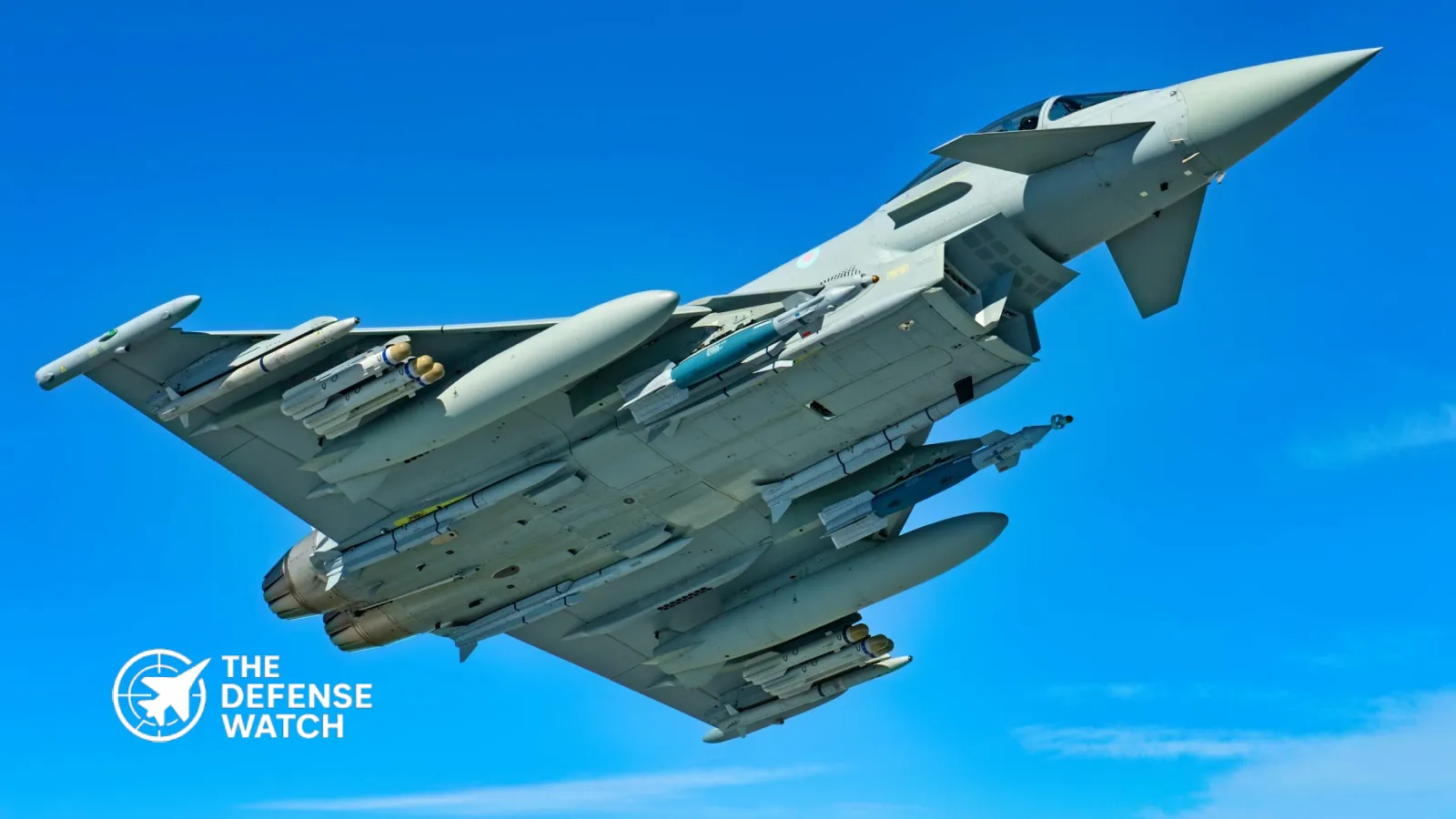
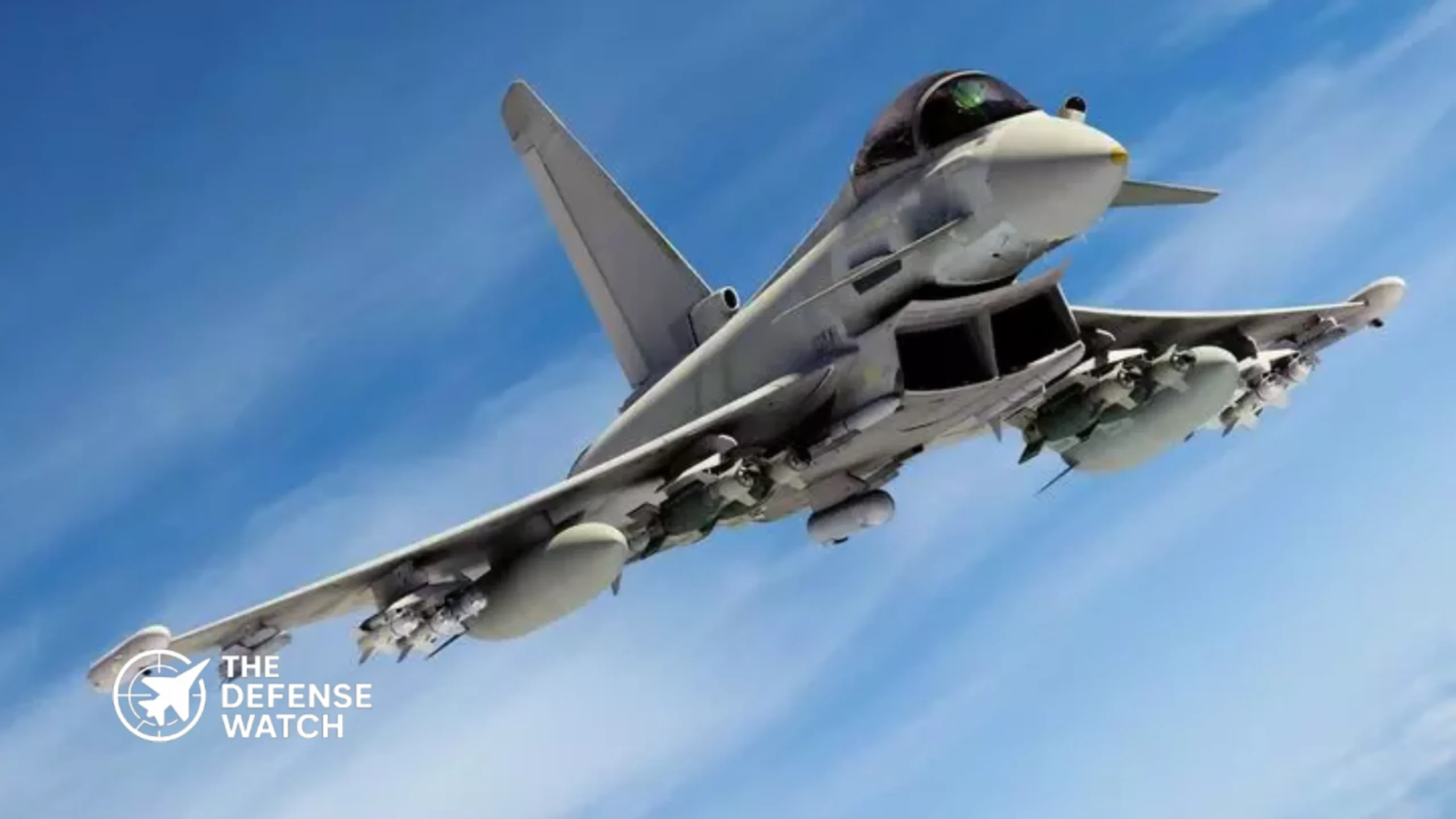
Eurofighter’s IPA6 instrumented test aircraft has passed 1,000 flight hours, marking an important milestone in the continuing development of the Eurofighter Typhoon and its weapons, avionics and mission systems. The milestone was highlighted by Eurofighter as part of its wider flight-test and capability development activity.
Takeaways
IPA6 has become a key flight-test asset for the continued development of the Eurofighter Typhoon.
1. 1,000 Flight-Hour Milestone
Eurofighter’s IPA6 instrumented production aircraft has surpassed 1,000 flying hours during development and qualification work for Typhoon capabilities.
2. Airborne Test Laboratory
IPA6 carries specialized flight-test instrumentation that records aircraft responses, pilot inputs and system behavior during development sorties.
3. Brimstone 2 Integration
IPA6 became the first Typhoon to jettison and subsequently fire the Brimstone 2 missile during the weapon’s integration campaign.
4. Supports Multiple Upgrades
The aircraft has contributed to Typhoon avionics upgrades, helmet-mounted system trials and air-to-air refueling testing, among other development activities.
5. Data Drives Future Fleet Capability
The flight-test data collected by IPA6 helps engineers validate new configurations and establish the evidence needed before capabilities are introduced to operational aircraft.
IPA6 is one of the program’s Instrumented Production Aircraft. These aircraft are based on production-standard Typhoons but are equipped with additional instrumentation that allows engineers to collect detailed flight and systems data during development testing.
The significance of the 1,000 hours is therefore different from a conventional operational flying milestone. IPA6 spends substantial time being configured for individual test campaigns, making each flight part of a controlled engineering process rather than routine training or operational flying.
What Makes IPA6 Different From a Standard Typhoon?
Instrumented Production Aircraft are effectively airborne test laboratories. Their instrumentation records aircraft behavior and system performance throughout a sortie, while telemetry allows engineers on the ground to monitor selected parameters in real time.
This data becomes particularly important when engineers are testing systems close to their operational limits. A flight-control change, weapons separation event or aerial refueling activity can involve interactions between multiple aircraft systems that cannot be fully reproduced through computer modeling alone.
Eurofighter says the test process combines modeling, ground work and flight testing. When a capability reaches the flight stage, instrumentation provides measured evidence of what actually happens in the aircraft rather than relying solely on predicted performance.
IPA6 at a Glance
Item Detail Aircraft Eurofighter Typhoon IPA6 Role Instrumented Production Aircraft Milestone More than 1,000 flight hours Primary function Development and qualification testing Major activities Weapons, avionics, flight controls and refueling Notable weapon work Brimstone 2 integration and firing Test data Aircraft instrumentation, telemetry and video First flight November 1, 2007 Configuration Originally Tranche 1 Block 5, modified before first flight Eurofighter’s own historical data records IPA6’s first flight on November 1, 2007. The aircraft was originally built as a single-seat Tranche 1 Block 5 airframe and was modified to a Block 8 standard before its first flight, with Tranche 2 avionics equipment incorporated for development work.
IPA6 Played a Major Role in Brimstone 2 Integration
One of the most significant weapons programs associated with IPA6 was the integration of MBDA’s Brimstone 2 missile onto the Typhoon.
IPA6 became the first Typhoon to jettison and later fire Brimstone 2 during the development campaign. Engineers collected information from the aircraft, missile telemetry and airborne video to compare actual missile behavior with predicted performance.
The testing was not limited to determining whether the missile could safely leave the aircraft. Engineers also needed to evaluate aircraft and weapon interactions, mission-system behavior, flight-control responses and the conditions under which the weapon could be safely employed.
That distinction is important for modern combat aircraft. Integrating a weapon involves more than attaching it to a pylon. The aircraft must accommodate the weapon aerodynamically, communicate with its systems, manage release conditions and provide the pilot with the required controls and information.
The UK Ministry of Defence previously identified Brimstone 2 integration as part of the Typhoon’s Phase 3 Capability Enhancements. The program also covered improvements involving other weapons and aircraft systems.
The RAF subsequently conducted the first operational firing of Brimstone 2 from a Typhoon FGR4 in February 2019 during operations in Syria.
Avionics Testing Is Central to Typhoon’s Evolution
IPA6 has also supported a broad range of avionics development. According to Eurofighter and BAE Systems, the aircraft has been involved in much of the Typhoon’s avionics upgrade work, along with trials of the Striker II helmet-mounted system and air-to-air refueling testing.
For a fighter aircraft with a long service life, avionics development is particularly important because software, sensors, communications systems and mission computers can evolve substantially without replacing the entire airframe.
Eurofighter’s current development path includes improvements to radar, electronic warfare, communications, mission systems and weapons integration. The program’s P3Ec work, for example, is intended to improve interoperability, connectivity, sensor performance, survivability and situational awareness.
The broader modernization effort also includes the Captor-E active electronically scanned array radar family and further development of the aircraft’s electronic warfare capabilities.
Flight Testing Establishes the Evidence for Operational Use
The 1,000-hour milestone matters because flight testing is the bridge between engineering design and operational capability.
A new weapon or avionics function can perform correctly in simulations and laboratory tests but still require extensive airborne validation. Aircraft vibration, aerodynamic loads, electromagnetic interactions, temperature, fuel-state changes and flight-control responses can affect how a system behaves in actual flight.
IPA6 allows engineers to measure these interactions directly.
For weapons integration, testing can involve dummy stores before live firings. Engineers gradually expand the tested flight envelope as confidence increases, assessing factors such as speed, altitude and aircraft loading before moving toward more demanding conditions.
This approach reduces technical uncertainty before a capability is cleared for operational aircraft. It also creates a documented evidence base for safety and qualification decisions.
The Milestone Comes During a Broader Typhoon Modernization Cycle
The importance of IPA6 is greater when viewed against the current direction of the Eurofighter program.
The Typhoon is no longer being developed simply as an air-superiority fighter. Its evolution has increasingly focused on a broad swing-role mission set combining air-to-air combat, precision strike, electronic warfare, networking and advanced sensing.
Eurofighter’s published program roadmap includes further enhancements to the aircraft’s sensors, connectivity, mission systems and weapons. The planned Aerodynamic Modification Kit is intended to support more flexible weapon configurations and accelerate integration of additional external stores.
The program also envisions a longer-term evolution of the aircraft’s avionics architecture, cockpit, networking and ability to operate alongside future combat systems and uncrewed platforms.
That means flight-test infrastructure such as IPA6 remains important even as newer Typhoon production standards enter service.
Why the IPA6 Milestone Matters to the U.S. and NATO
For the United States and its NATO allies, the significance of the milestone extends beyond the Eurofighter program itself.
European air forces are increasingly expected to maintain capable fourth-generation and fourth-generation-plus aircraft alongside newer fifth-generation platforms. The ability to continue upgrading existing fighters can help sustain combat capacity while newer systems enter service.
The Eurofighter program has also become increasingly important to NATO airpower. Airbus reported that Eurofighter fleets from the UK, Germany, Spain and Italy supported NATO air-policing activity over Romania, Bulgaria and the Baltic region during 2025.
The program has now surpassed one million cumulative Typhoon flight hours, according to Eurofighter, demonstrating the scale of the operational and development ecosystem supporting the aircraft.
The continued use of dedicated test aircraft helps ensure that new weapons and systems can be evaluated without relying solely on frontline aircraft for developmental work.
For NATO, that has a practical value. Faster and better-supported integration of weapons, sensors and communications can help allied aircraft remain interoperable as the threat environment and operational requirements change.
IPA6 Provides a Development Path for the Next Typhoon Upgrades
IPA6’s 1,000 flight hours should therefore be viewed less as a standalone record and more as evidence of the infrastructure required to keep Typhoon evolving.
The aircraft has supported weapons releases, live missile firings, avionics development, helmet-mounted systems, refueling trials and flight-control work. Each campaign contributes technical data that can be used to refine designs and establish safe operating limits.
That process becomes increasingly important as Typhoon receives more advanced sensors, weapons and networking functions.
The Eurofighter program is also pursuing upgrades intended to keep the aircraft relevant into the coming decades. The program describes future developments involving new avionics architecture, a digital cockpit, improved helmet-mounted displays and high-speed data networking as part of its longer-term evolution.
The role of IPA6 is consequently straightforward but important: collect the flight data needed to turn those engineering developments into capabilities that can eventually be fielded on operational aircraft.
What Comes Next for the Eurofighter Typhoon?
Eurofighter’s development roadmap points toward continued integration of weapons, sensors and electronic warfare capabilities rather than a fixed configuration.
The program is also progressing work on the Aerodynamic Modification Kit, which is intended to support new weapon configurations and future weapon integration while improving aspects of the aircraft’s aerodynamic performance.
For operators, the value of this approach is the ability to update a mature combat aircraft without treating each new capability as a completely separate platform development effort.
IPA6’s milestone illustrates the engineering work behind that process. Its 1,000 flight hours represent a large body of test data supporting the continued evolution of a fighter aircraft that remains in production, modernization and operational service across multiple European and international air forces.