Germany to Acquire Eight MQ-9B SeaGuardian Drones
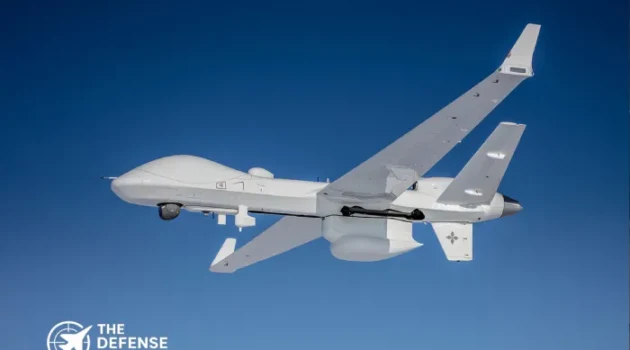
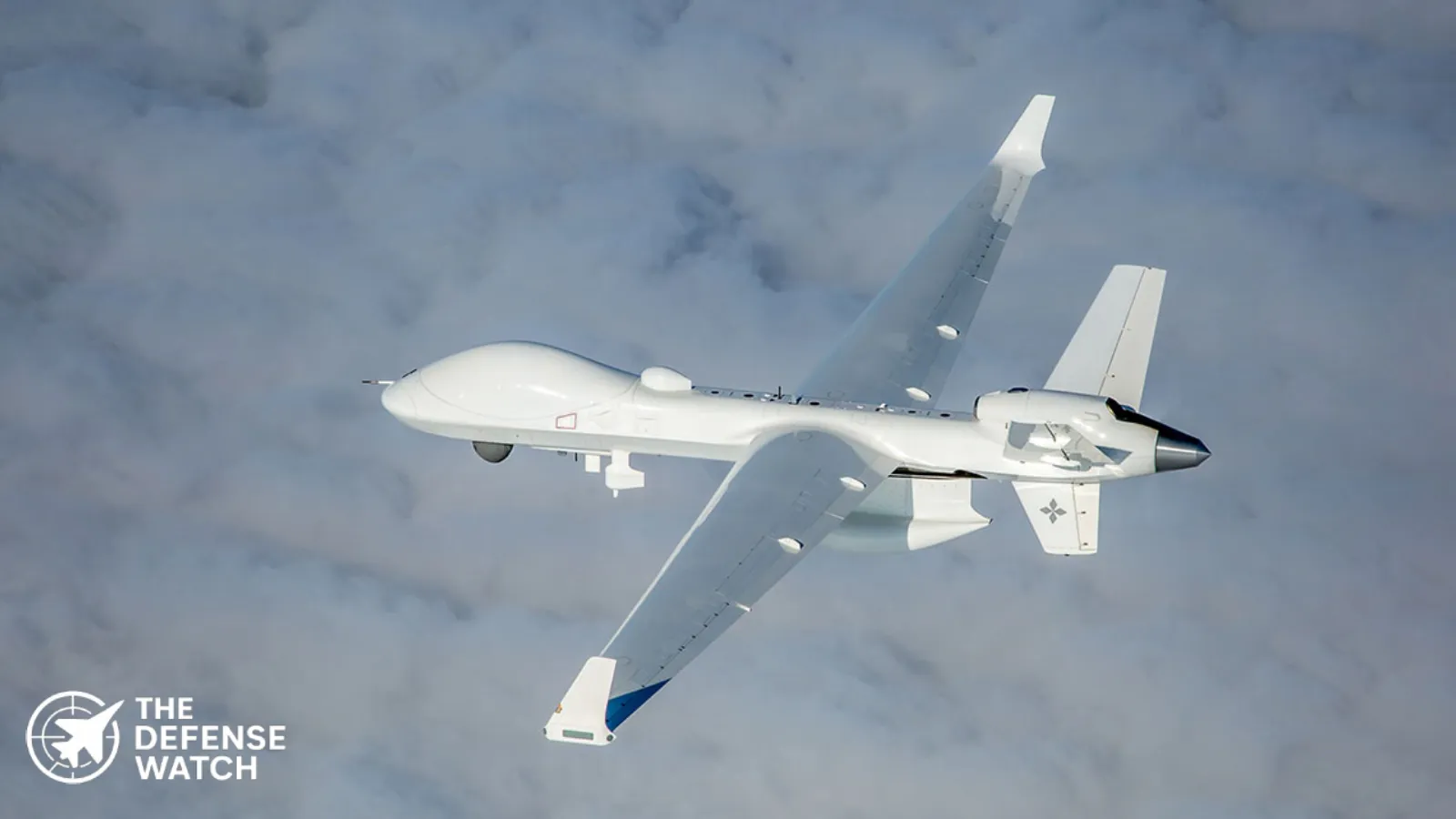
Germany’s Federal Office of Bundeswehr Equipment, Information Technology and In-Service Support, working with the NATO Support and Procurement Agency, has agreed to buy eight MQ-9B SeaGuardian remotely piloted aircraft from General Atomics Aeronautical Systems.
The deal, announced January 12, includes four certifiable ground control stations, with first deliveries scheduled for 2028. The procurement is part of NATO’s broader long-endurance unmanned aircraft expansion and will support German maritime reconnaissance and related missions.
(adsbygoogle = window.adsbygoogle || []).push({});What Germany Is Buying
The MQ-9B SeaGuardian is a medium-altitude, long-endurance unmanned aircraft designed for persistent intelligence, surveillance, and reconnaissance missions. The system offers long range and endurance, wide-area maritime sensors, pole-to-pole satellite control, and cold-climate operations. It can be equipped with anti-submarine warfare sensors if needed.
The package for Germany includes:
- Eight MQ-9B SeaGuardian UAVs
- Four ground control stations
- Support and sustainment services through the NATO Support Partnership framework managed by NSPA.
Broader Fleet and NATO Context
Germany’s decision places it alongside other NATO nations selecting the MQ-9B family of unmanned aircraft, including Belgium, Denmark, and the United Kingdom. The SeaGuardian and its variants such as SkyGuardian are part of a growing multinational fleet intended for shared training and operations.
In 2025, the MQ-9B became the first large remotely piloted aircraft to receive a Military Type Certificate from the United Kingdom’s Military Aviation Authority. This certification allows operation without geographic limits, including over populated areas in domestic airspace.
(adsbygoogle = window.adsbygoogle || []).push({});Operational Use and Integration
German officials see the MQ-9B SeaGuardian as a complement to the country’s fleet of manned Boeing P-8A Poseidon maritime patrol aircraft, adding persistent unmanned surveillance to long-range ISR (intelligence, surveillance, reconnaissance) missions.
Procurement is structured through NSPA to streamline multinational acquisition and support. The MQ-9 Support Partnership mechanism aims to enhance interoperability and supply chain cooperation among participating NATO members.