Danish F-35 Precision Strike Training
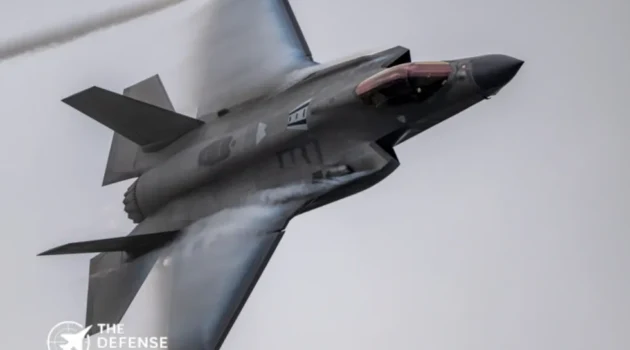
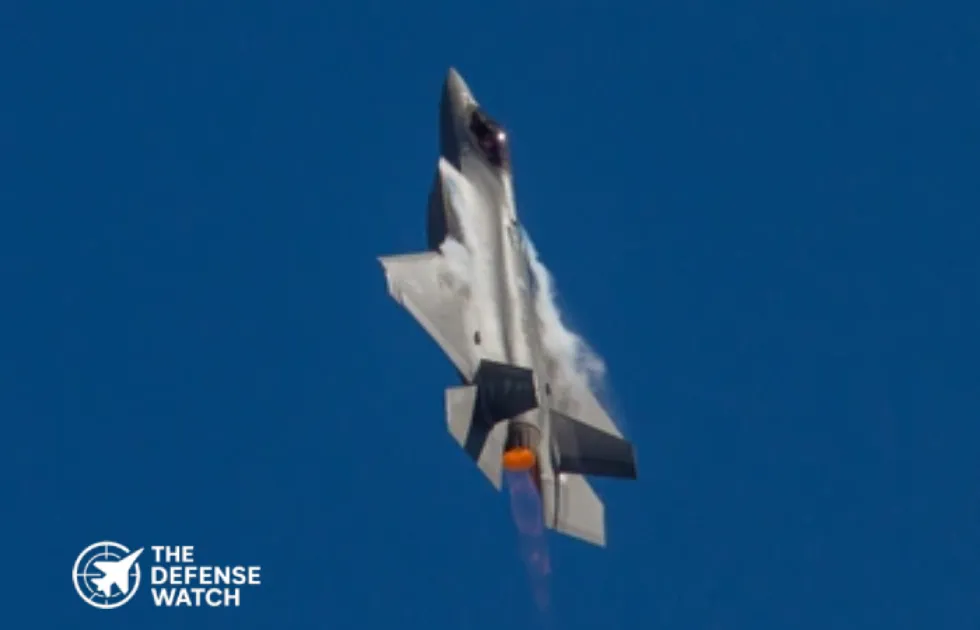
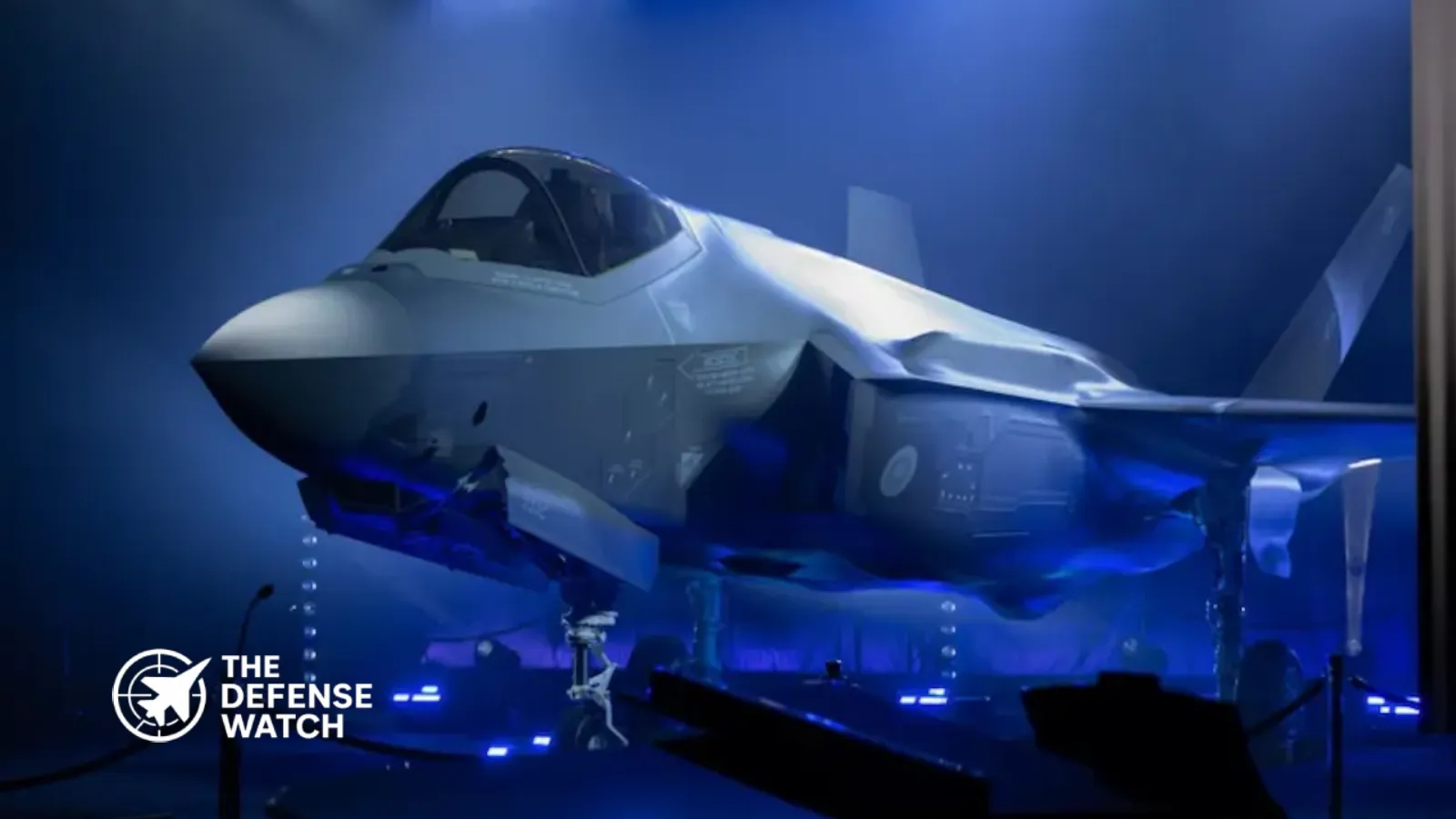
Danish F-35 pilots have conducted live precision strike training with 500-pound and 2,000-pound laser and GPS-guided bombs at the Oksbøl shooting and training area, according to the Danish Armed Forces. The exercise, reported Aug. 28, involved not only pilots but also weapons specialists and Joint Terminal Attack Controllers, providing training across the full process of a precision airstrike.
Takeaways
Denmark has used live 500-pound and 2,000-pound laser and GPS-guided bombs to train its F-35 force in realistic precision strike operations.
The training is significant because it moves beyond simulated weapons employment and gives Danish personnel practical experience with live munitions, aircraft loading procedures, target coordination and weapon delivery under realistic range conditions.
The Danish Armed Forces said the exercise involved precision attacks against ground targets. The targets were retired and environmentally cleared, allowing live weapons to be used under controlled conditions.
500-Pound and 2,000-Pound Weapons
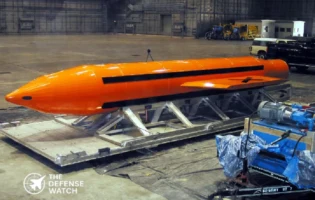
The exercise used two broad bomb weight classes, 500 pounds and 2,000 pounds. Danish Defence documentation for Oksbøl identifies the Mk 82 500-pound class and Mk 84 2,000-pound class among the aircraft bomb types authorized for range activities, although the latest Danish report does not identify the specific weapon models used in this particular F-35 event.
The latest exercise also involved laser and GPS-guided weapons. These guidance methods give aircrews different options depending on the target, mission conditions and available targeting information.
Laser-guided weapons rely on laser designation to provide terminal guidance toward a designated target. GPS-guided weapons use satellite navigation, normally combined with an inertial navigation system, to guide the weapon toward programmed coordinates.
That distinction matters operationally. GPS-guided weapons are well suited to targets whose locations can be accurately established before the strike, while laser guidance can provide a flexible option when a target can be designated during the engagement.
Training the Entire Strike Chain
One of the most important aspects of the Danish exercise was that the training did not stop with the pilot.
According to the Danish Armed Forces, personnel practiced the complete sequence involved in using live weapons, beginning with bomb assembly and preparation, followed by loading the weapons onto F-35 aircraft and ending with delivery against the designated target.
This type of training is essential for maintaining an operational strike capability. A precision strike depends on more than aircraft performance. Weapons handling, mission planning, targeting, communications, aircrew procedures and post-strike safety all have to work together.
For Denmark, this also provides an opportunity to develop the support infrastructure needed to operate the F-35 as a combat system rather than simply as a fighter aircraft.
The F-35 program depends heavily on the integration of sensors, mission systems, weapons and information networks. Lockheed Martin describes the aircraft’s sensor suite as supporting precision targeting, navigation, threat detection and intelligence, surveillance and reconnaissance functions.

JTACs Add the Ground-to-Air Element
Joint Terminal Attack Controllers were another central part of the Oksbøl training.
JTACs are trained to identify and designate targets and coordinate air support with aircraft crews. During the Danish exercise, target designation could be conducted with laser equipment or through radio communications, according to the Danish Armed Forces.
The inclusion of JTACs makes the exercise particularly relevant to joint operations. In a real combat environment, an F-35 may receive information from multiple sources, including forces operating on the ground, other aircraft and command networks.
Practicing these interactions helps ensure that pilots and ground personnel use common procedures before they are required to operate together in an actual conflict.
The training also highlights an important characteristic of modern airpower. The effectiveness of a fifth-generation fighter is increasingly tied to the wider force around it, including sensors, communications, targeting teams, weapons crews and command structures.
Why Live Weapons Training Matters
The Danish Armed Forces specifically emphasized the value of training with live weapons even when personnel regularly practice weapon employment in simulators. Live weapons introduce practical factors that cannot be completely reproduced in a virtual environment.
Those factors include physical weapon handling, aircraft loading, safety procedures, coordination between maintenance and weapons personnel, and the actual release of a munition against a designated range target.
For an emerging F-35 operator, that experience is part of the broader process of building combat readiness.

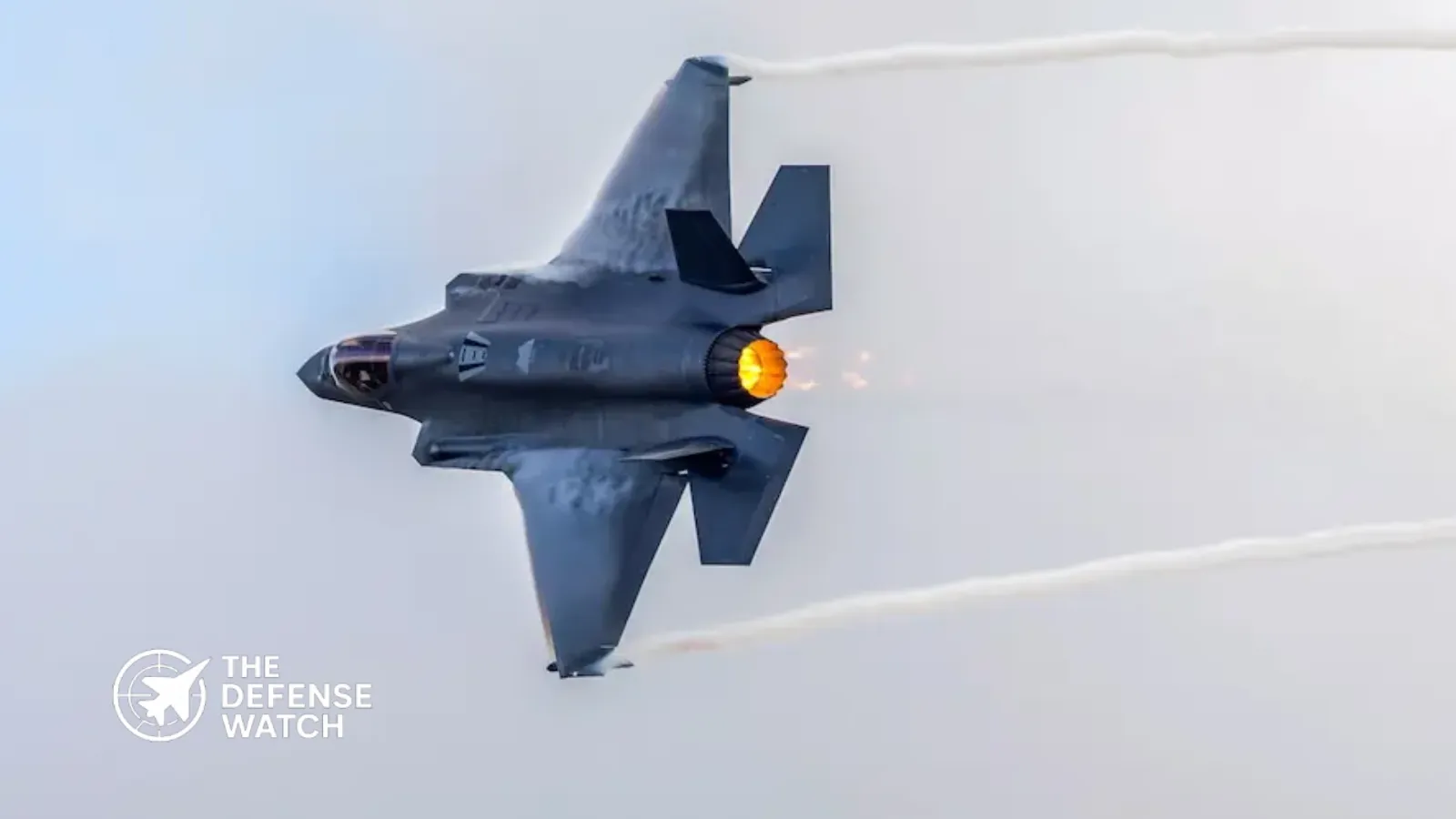
Photo: Lockheed Martin. Denmark received its first F-35 fighters in 2023. The Danish Defence says the aircraft reached the point of supporting the national air policing mission in 2025, while its current milestone plan identifies 2027 for full implementation and participation in selected international missions.
The Oksbøl exercise therefore fits into a longer progression from aircraft delivery and pilot conversion toward a more complete operational capability.
Denmark’s Expanding F-35 Force
Denmark is also increasing the size of its planned F-35 fleet.
The Danish government and parliamentary parties agreed in 2025 to acquire another 16 F-35 aircraft, increasing the planned Danish fleet to 43 aircraft. The acquisition is part of Denmark’s wider defense modernization program under its 2024 to 2033 Defence Agreement.
The larger fleet gives Denmark greater capacity to maintain aircraft for training, national readiness, international deployments and other missions at the same time.
It also increases the importance of weapons training. A larger F-35 fleet requires a corresponding ability to generate qualified aircrews, weapons specialists, maintainers and mission-support personnel.
The Broader NATO Context
Denmark’s F-35 development is taking place within a broader NATO effort to integrate fifth-generation aircraft across Europe.
Danish F-35s participated with Norwegian, Italian and U.S. F-35 aircraft during Ramstein Flag 2026, an exercise designed to strengthen fifth-generation fighter integration and demonstrate the ability of allied aircraft to operate across dispersed locations.
Denmark has also participated in international F-35 training activities, including the multinational Weapons Instructor Course in the Netherlands earlier in 2026.
These activities provide a larger operational context for the Oksbøl live weapons event. The objective is not simply to qualify individual pilots to drop bombs. It is to develop an air force capable of integrating its F-35s into multinational operations while maintaining national readiness.
What the Oksbøl Exercise Demonstrates
The most important takeaway from the Danish F-35 precision strike training is the emphasis on complete mission execution.
The exercise combined the aircraft, live precision weapons, weapons personnel, pilots, JTACs and a controlled target environment. That combination provides a more realistic test of the systems and procedures required to conduct an air-to-ground mission.
The exercise also demonstrates that Denmark is continuing to build practical experience with the F-35 rather than relying solely on simulator-based training.
For NATO, that matters because the value of a fifth-generation aircraft depends partly on how effectively it can operate with other forces. Danish participation in multinational F-35 exercises, combined with domestic live weapons training, helps build the procedures and personnel skills required for that role.
The Oksbøl event was therefore a training activity rather than a new weapons announcement. Its importance lies in the operational proficiency being developed around Denmark’s growing F-35 fleet.
Key Facts
Category Details Aircraft F-35 Lightning II Operator Royal Danish Air Force Training location Oksbøl Shooting and Training Area, Denmark Weapons 500-pound and 2,000-pound guided bombs Guidance Laser and GPS guidance Training Live precision strike Ground element Joint Terminal Attack Controllers Targeting Laser designation and radio coordination Training scope Weapon preparation, aircraft loading and delivery Planned Danish F-35 fleet 43 aircraft Bottom Line
Denmark’s latest F-35 exercise at Oksbøl shows the country’s fifth-generation fighter program moving further into practical live weapons employment.
The use of 500-pound and 2,000-pound guided bombs, combined with JTAC coordination and full weapons-handling procedures, provided training across the broader precision strike chain.
As Denmark expands its F-35 fleet to 43 aircraft and continues integrating with other NATO F-35 operators, this type of live training will remain an important part of developing a deployable and interoperable combat capability.