Key Facts at a Glance
| Specification | F-22 Raptor |
|---|---|
| Manufacturer | Lockheed Martin, Boeing |
| Generation | 5th generation |
| Primary Mission | Air dominance, air superiority, multirole combat |
| Maximum Speed | Mach 2 class |
| Supercruise | Above Mach 1.5 without afterburner |
| Combat Radius | Approximately 410 nautical miles, depending on mission configuration |
| Ceiling | Above 50,000 ft |
| Engines | 2 × Pratt & Whitney F119-PW-100 |
| Thrust | Approximately 35,000 lb class per engine |
| Radar | AN/APG-77 AESA |
| Electronic Warfare | AN/ALR-94 integrated electronic support system |
| Primary Air-to-Air Weapons | AIM-120 AMRAAM, AIM-9 Sidewinder |
| Internal Cannon | M61A2 20 mm |
| Production | 195 aircraft delivered |
| Current Inventory | About 184 aircraft in the U.S. Air Force fleet |
Executive Summary
The F-22 Raptor remains one of the most capable air-superiority fighters ever fielded by the United States. Designed around stealth, supercruise, advanced sensors, high maneuverability and internal weapons carriage, the aircraft was built to establish air dominance against sophisticated fighter and air-defense threats.
The central question behind searches such as how many F-22s does the U.S. have has a relatively clear answer, although inventory figures can vary according to accounting year and aircraft status. The U.S. Air Force has about 184 F-22s in its fleet in 2026, while 195 aircraft were produced and delivered during the program. Nine aircraft were used as test aircraft, according to Lockheed Martin’s production history, leaving the operational fleet smaller than the total production figure.
The F-22 has also been used in combat, beginning with strikes against ISIS targets in Syria in 2014. Despite combat deployments, no F-22 has been confirmed shot down in combat.

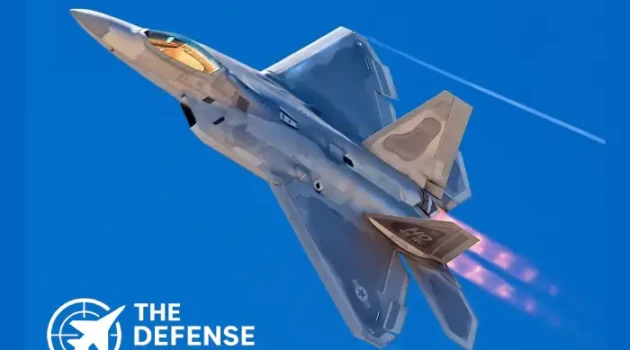
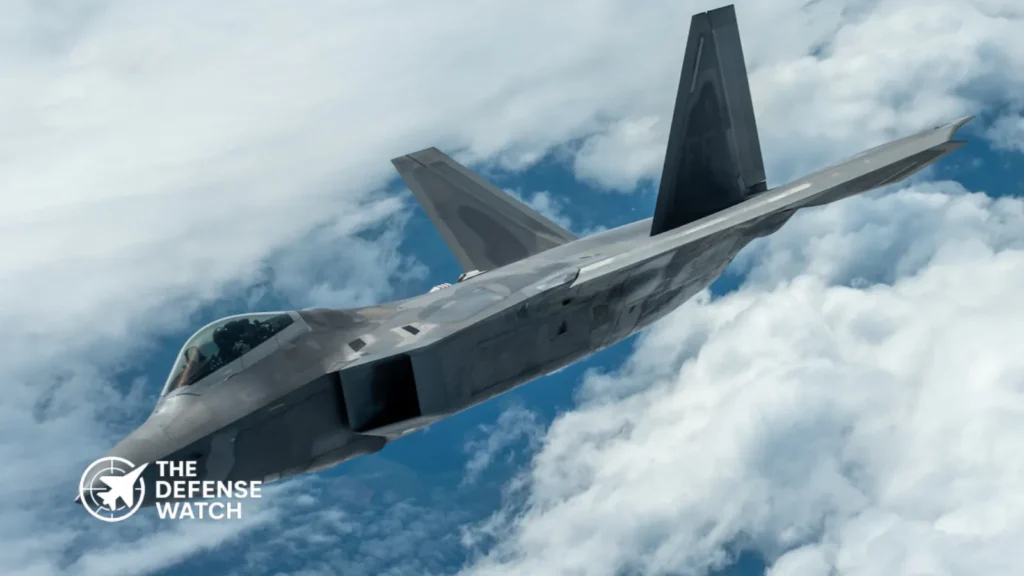
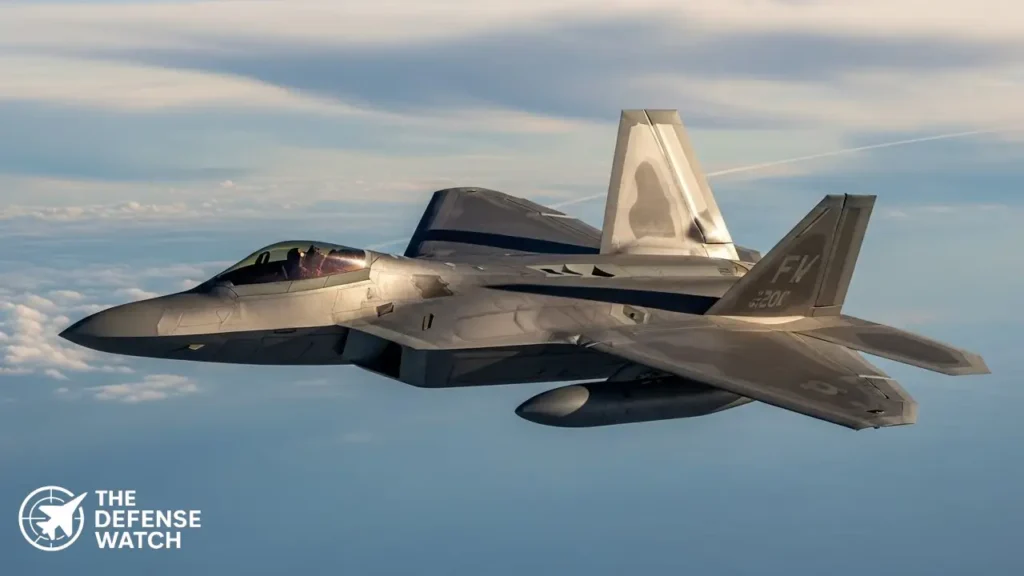
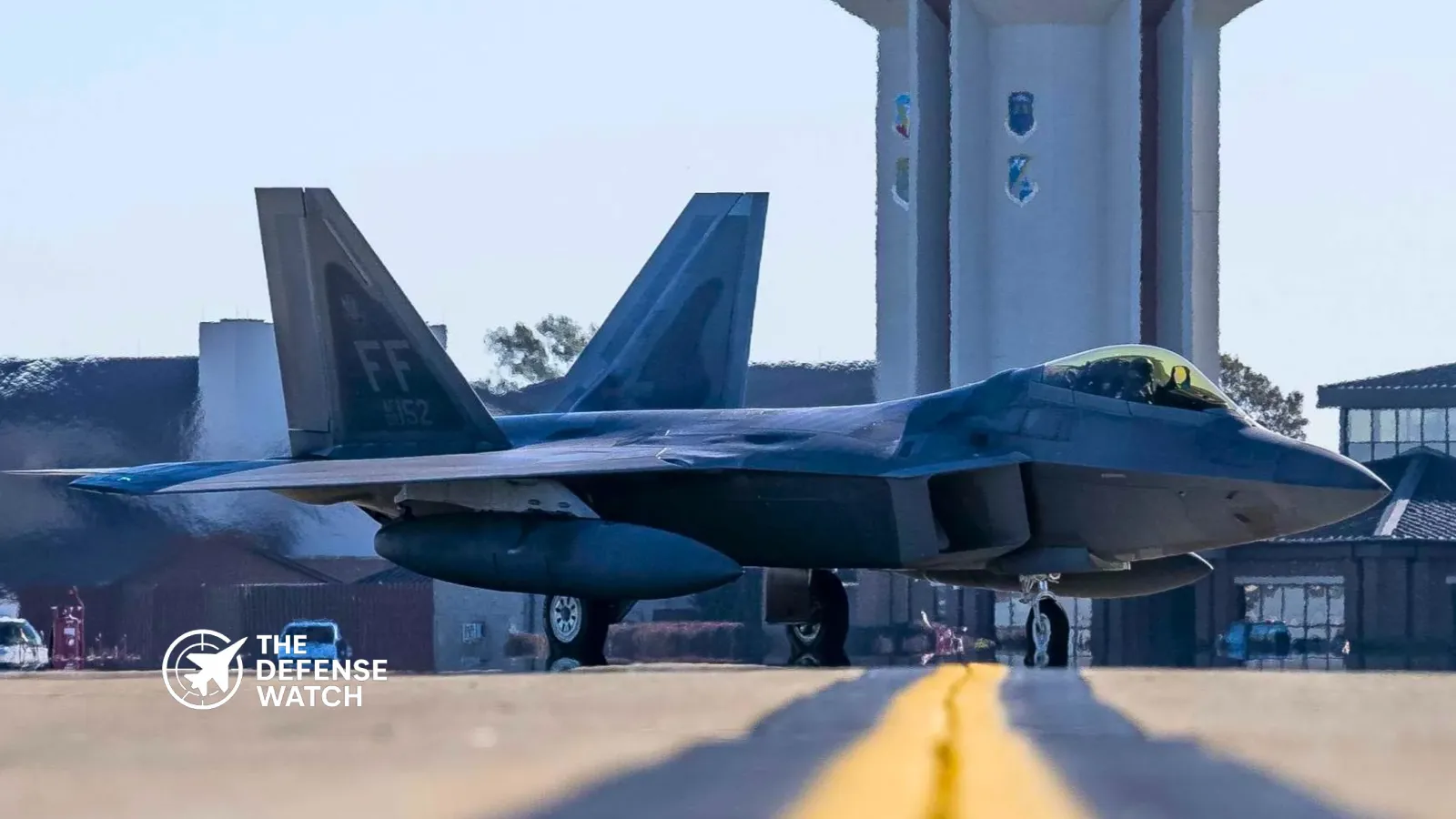
Image: U.S. Air Force. How Many F-22s Does the U.S. Have?
For the question how many f-22s does the us have, the most useful current figure is approximately 184 aircraft.
Air & Space Forces Magazine’s 2026 weapons-platform data lists the F-22 inventory at 184 aircraft. A June 2026 congressional development was particularly significant because the House Armed Services Committee approved an amendment that would keep all 184 Raptors in service until at least the end of fiscal 2032.
This figure should not be confused with the number originally manufactured.
The F-22 production program ended in 2011, with the final aircraft delivered to the Air Force in May 2012. Lockheed Martin states that 195 F-22s were delivered, including aircraft used for testing.
Therefore:
Question Answer How many F-22s were built? 195 How many F-22s does the U.S. have? About 184 in the 2026 inventory How many F-22s are operationally combat coded? Fewer than the total inventory because some aircraft are assigned to test, training or other roles How many F-22s have been shot down? No confirmed combat losses The difference between production and current inventory reflects aircraft attrition, testing, accidents and fleet accounting rather than exports. The F-22 has never been offered as a conventional foreign military sales fighter.
How Many F-22s Were Built?
The answer to how many f 22s were built is 195 aircraft.
Production began after years of development and testing, with the first F-22 flight taking place in 1997. The Air Force declared the aircraft operational in December 2005. The final Raptor was delivered on May 2, 2012.
Of the 195 aircraft delivered, Lockheed Martin identified 187 as operational fleet aircraft and eight as test aircraft at the time of final delivery.
The relatively small production run is strategically important. Unlike the F-35, which was designed for large-scale international production and operation, the F-22 was developed primarily as a high-end U.S. air-superiority platform.
How Many F-22s Are There?
The question how many f-22s are there can produce different answers depending on whether the question concerns aircraft ever produced, current inventory or combat-capable aircraft.
The most useful distinction is:
195 F-22s were produced and delivered, while about 184 remain in the U.S. Air Force inventory in 2026.
Not every aircraft in the inventory should be treated as immediately available for combat. Maintenance, modernization, training, testing and aircraft availability affect the number that can be generated for operational missions at any particular time.
The fleet also includes different modernization configurations. Earlier Block 20 aircraft have significantly less combat capability than the more heavily upgraded Block 30 and Block 35 Raptors.
F-22s Airframe and Stealth Design
The F-22s design combines stealth with aerodynamic performance rather than treating low observability as a separate feature.
Its airframe uses carefully aligned edges, internal weapon bays, shielded engine faces and extensive radar-absorbent materials to reduce radar returns. The exact radar cross section of the Raptor is classified, so publicly available numerical RCS claims should be treated cautiously.
The internal weapons arrangement is particularly important. Keeping missiles and bombs inside the fuselage reduces external stores that would otherwise increase radar signature and aerodynamic drag.
The aircraft also uses serrated or carefully shaped access panels and doors, while its engine exhaust and inlet design contribute to its low-observable characteristics.
Avionics and Sensor Fusion
The F-22’s core advantage is not simply its radar.
The AN/APG-77 AESA radar provides long-range detection and tracking while supporting low-probability-of-intercept operations. The aircraft also incorporates the AN/ALR-94 electronic support system, which provides passive detection and characterization of electromagnetic emissions.
Together with the aircraft’s mission computers and other sensors, these systems create a highly integrated tactical picture for the pilot.
The original F-22 configuration did not include a conventional internal IRST sensor comparable to systems developed for some newer fighters. However, current modernization efforts are adding new infrared sensing capabilities. In 2026, the Air Force is continuing development and testing of infrared search and track targeting systems, alongside defensive infrared missile-warning improvements.
F-22s Propulsion and Performance
The F-22 is powered by two Pratt & Whitney F119-PW-100 afterburning turbofan engines, each producing approximately 35,000 pounds of thrust in the thrust class identified by the Air Force.
The engines incorporate two-dimensional thrust-vectoring nozzles, allowing the aircraft to control pitch through exhaust-vectoring authority in addition to aerodynamic control surfaces.
The aircraft is rated at Mach 2 class speed and can supercruise at speeds above Mach 1.5 without afterburners. Supercruise allows the Raptor to maintain supersonic flight with lower fuel consumption and a smaller infrared signature than sustained afterburner operation.
How Many F-22s Have Been Shot Down?
The answer to how many f 22s have been shot down is zero confirmed combat losses.
The F-22 has conducted combat operations. Its first combat use came in September 2014, when Raptors participated in U.S.-led strikes against ISIS targets in Syria. F-22s later supported operations in the region, including protection missions during the April 2018 strikes against Syrian chemical-weapons facilities.
In February 2023, an F-22 also gained a highly publicized air-to-air kill when it fired an AIM-9X against a Chinese high-altitude surveillance balloon off the South Carolina coast. That was not a fighter-versus-fighter engagement, but it demonstrated the aircraft’s ability to conduct an unusual high-altitude intercept.
No F-22 has been confirmed destroyed by an enemy aircraft or surface-to-air missile in combat.
Modernization and Strategic Outlook
The F-22 is now entering a different phase of its service life. The aircraft remains strategically important, but the fleet is aging and the Air Force is simultaneously developing the F-47 and next-generation air-dominance architecture.
Current modernization includes Increment 3.2B, sensor enhancements, improved electronic warfare capabilities, infrared defensive systems, Link 16 networking and new range-extension concepts. Low-drag external fuel tanks and pylons are also being tested to increase range while limiting the impact on the aircraft’s aerodynamic and stealth characteristics.
The Air Force previously sought to retire 32 older Block 20 aircraft, but congressional opposition has repeatedly complicated that plan. In June 2026, the House Armed Services Committee moved to prohibit F-22 retirements through fiscal 2032, potentially preserving the entire 184-aircraft fleet for longer than earlier Air Force planning anticipated.
Unlike some modern fighters, the F-22 has no international customer roadmap. U.S. law and policy have prevented its export, making international F-22 operators nonexistent.
Conclusion
The F-22s Raptor remains a uniquely important U.S. air-superiority asset despite its relatively small fleet.
The clearest answers to the major questions are straightforward: 195 F-22s were built, about 184 remain in the U.S. Air Force inventory, and no F-22 has been confirmed shot down in combat. The aircraft has nevertheless seen real combat, including operations over Syria and the 2023 high-altitude balloon intercept.
Its combination of stealth, supercruise, thrust vectoring, AESA radar, electronic warfare and internal weapons carriage continues to give the F-22 a powerful role in contested airspace.
The central challenge is now fleet age. The Air Force is investing in upgrades while preparing for the next generation of air dominance. The result is a fighter that remains highly relevant, but one whose long-term future depends on modernization decisions, fleet availability and the arrival of its successor.