

U.S. Army Accepts First XM8 Carbine Delivery
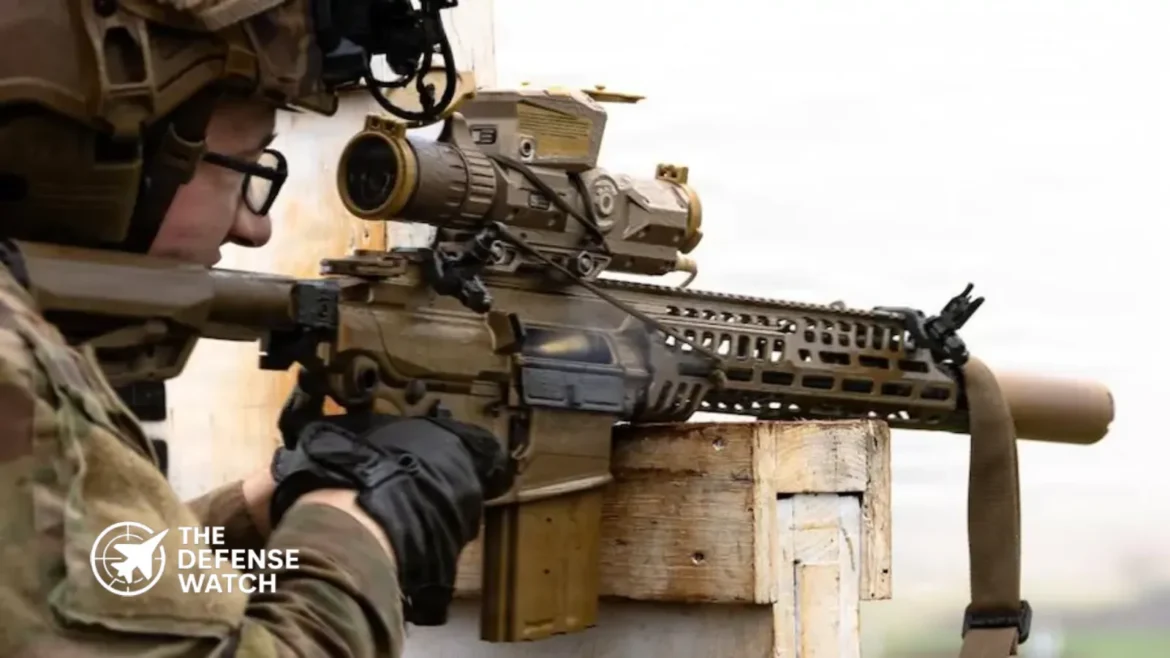
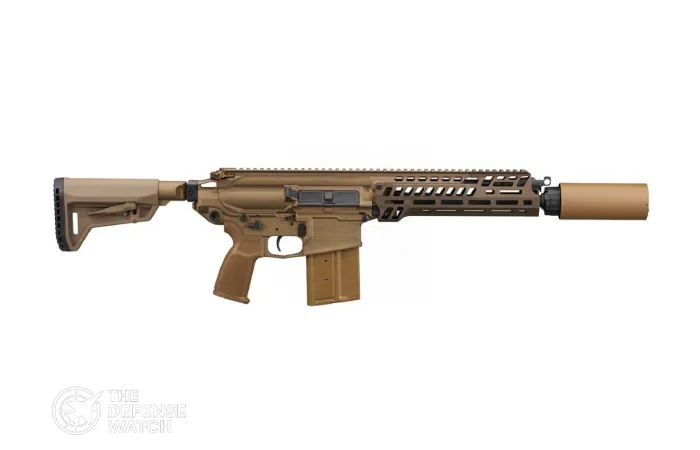
The XM8 carbine U.S. Army program has reached a key milestone with the acceptance of the first delivery from SIG Sauer, marking a renewed push to modernize frontline infantry capabilities.
The initial batch of XM8 carbines has been formally delivered to the U.S. Army, signaling progress in efforts to replace or supplement legacy small arms systems. The move comes as the Army continues to prioritize lethality, reliability, and adaptability in evolving combat environments.
While details on deployment timelines remain limited, the delivery confirms that the XM8 platform is moving from concept and evaluation toward operational integration.
- U.S. Army has accepted its first XM8 carbine delivery from SIG Sauer as part of ongoing infantry modernization efforts.
- The XM8 platform is designed to enhance reliability, modularity, and battlefield adaptability over legacy systems.
- The delivery supports broader efforts to upgrade small arms capability across frontline combat units.
- SIG Sauer continues to expand its role as a key supplier of next generation U.S. Army infantry weapons.
- The move reflects a strategic shift toward more advanced, modular, and future ready weapon systems.
A Renewed Push for Infantry Modernization
The XM8 carbine U.S. Army initiative reflects a broader modernization strategy aimed at addressing emerging threats and closing capability gaps in small arms performance.
For years, the Army has relied heavily on the M4 carbine platform. While proven in combat, the M4 faces limitations in range, lethality, and modular flexibility against near peer adversaries. The XM8, originally developed as part of earlier modernization efforts, has re-emerged as a potential solution to these challenges.
The system is designed with a modular architecture, allowing it to be configured for different mission profiles, including standard infantry use, designated marksman roles, and close quarters operations. This flexibility is increasingly important as U.S. forces prepare for multi domain operations across diverse theaters.
SIG Sauer’s Expanding Role
The SIG Sauer XM8 rifle delivery underscores the company’s growing footprint in U.S. military small arms programs. SIG Sauer has already secured major contracts in recent years, including the Next Generation Squad Weapon program, which introduced the XM7 rifle and XM250 automatic rifle.
By delivering the XM8 platform, SIG Sauer is reinforcing its position as a central player in the Army’s transition toward next generation infantry weapons.
This consolidation of suppliers may also streamline logistics and training, as multiple systems share design philosophies and operational concepts. However, it also places increased responsibility on a single manufacturer to meet performance and delivery expectations.
Operational Implications on the Battlefield
The introduction of the XM8 carbine U.S. Army system could have tangible effects on battlefield performance, particularly in terms of reliability and adaptability.
One of the key advantages often associated with the XM8 design is improved durability under harsh conditions. Past small arms programs have emphasized the need for weapons that can perform consistently in extreme environments, from desert heat to arctic cold.

Additionally, the XM8’s modular design supports rapid customization. Units can adjust configurations based on mission requirements without needing entirely different weapon systems. This reduces logistical burden while increasing tactical flexibility.
From a combat perspective, enhancements in ergonomics, weight distribution, and accessory integration may also improve soldier effectiveness and reduce fatigue during extended operations.
Strategic Context: Preparing for Peer Conflict
The U.S. Army infantry modernization effort, including the XM8 program, is closely tied to preparations for potential high intensity conflict against near peer adversaries.
In such scenarios, small arms are not just individual weapons but part of a larger system of systems that includes sensors, communications, and precision targeting. The XM8’s design aligns with this approach, enabling integration with advanced optics, fire control systems, and digital battlefield networks.
This shift reflects lessons learned from recent conflicts, where adaptability and rapid decision making have proven critical. Modern infantry units must be equipped with weapons that support these requirements without adding unnecessary complexity.
Challenges and Considerations
Despite the progress, the XM8 carbine U.S. Army program is not without challenges.
First, integration into existing force structures will require training, maintenance adjustments, and logistical planning. Transitioning from established platforms like the M4 is a complex process that involves more than simply issuing new weapons.
Second, questions remain about long term procurement scale. It is unclear whether the XM8 will fully replace existing systems or serve as a complementary platform within a broader small arms ecosystem.
Finally, budget pressures and competing priorities could influence the pace of adoption. The Army must balance investments across multiple modernization programs, including armored vehicles, long range fires, and air defense.
What Comes Next
The initial SIG Sauer XM8 rifle delivery is likely just the first step in a phased rollout. Future deliveries, testing, and operational feedback will determine how widely the system is adopted across the force.
If the XM8 meets performance expectations, it could play a significant role in shaping the next generation of U.S. Army infantry weapons. Its success will depend not only on technical performance but also on how well it integrates into the broader modernization framework.
For now, the delivery marks a clear signal that the Army is accelerating efforts to equip its soldiers with more capable and adaptable small arms.


Pakistan Coast Guards Attack Signals Escalation In Coastal Threat Environment
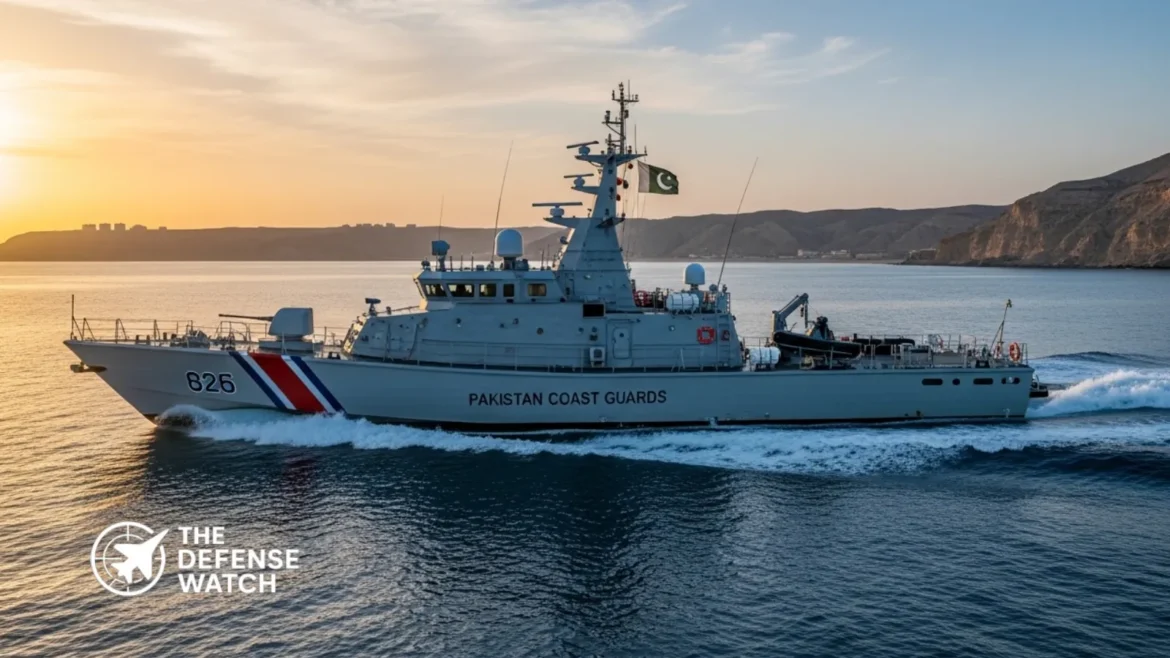
The Pakistan Coast Guards attack near the Iran border marks a rare and significant escalation in maritime security threats along the country’s western coastline, with early reports indicating casualties following a direct assault at sea.
The incident occurred in waters close to Pakistan’s border with Iran, an area historically associated with smuggling networks and intermittent militant activity. Officials have yet to release a full operational account, but initial details suggest that Coast Guard personnel were targeted during an active patrol.
While attacks on land-based security forces in Balochistan are not uncommon, a direct maritime engagement of this nature represents a notable shift in tactics.
- Pakistan Coast Guards reportedly came under direct attack at sea near the Iran border.
- Casualties have been reported, though official confirmation remains limited.
- The incident marks the first known direct maritime assault on the force in this region.
- The attack occurred in a sensitive zone known for smuggling and militant activity.
- Authorities have launched an investigation while increasing coastal security measures.
A Rare Maritime Engagement In A Volatile Region
The Pakistan Coast Guards attack stands out due to its location and method. The coastal belt near Gwadar and the Iran border serves as a strategic corridor for both legal maritime trade and illicit trafficking routes, including fuel smuggling and human movement.
Security analysts note that hostile actors operating in the region have historically avoided direct confrontation at sea, preferring ambushes on land or improvised explosive device (IED) attacks. This incident suggests a potential expansion of operational capability or intent.
Pakistan’s maritime security architecture in the region typically involves coordination between the Pakistan Coast Guards, Pakistan Navy, and Maritime Security Agency. However, the dispersed and rugged coastline presents persistent surveillance and response challenges.
Casualties And Limited Official Disclosure
Reports indicate that the Pakistan Coast Guards attack resulted in casualties, though the exact number of injured or killed personnel has not been officially confirmed. Pakistani authorities have so far maintained a cautious approach in public statements, likely due to ongoing investigations.
This limited disclosure is consistent with previous security incidents in sensitive border regions, where operational details are often withheld to avoid compromising follow-on actions.
Independent verification of the scale and perpetrators of the attack remains pending.
Strategic Implications For Pakistan’s Coastal Defense
From a defense perspective, the Pakistan Coast Guards attack raises concerns about potential gaps in maritime domain awareness and force protection in nearshore environments.
Unlike blue-water naval operations, coastal security relies heavily on smaller patrol units, limited radar coverage, and coordination with land-based intelligence networks. These conditions can create vulnerabilities, especially in areas with complex geography and cross-border dynamics.
If confirmed as a coordinated militant action, the attack could signal an evolution in asymmetric maritime tactics, possibly influenced by regional instability or external support networks.
Iran Border Dynamics And Security Overlap
The Pakistan-Iran border region has long posed challenges for both countries, including smuggling, insurgent movement, and limited state control in remote areas. While both Islamabad and Tehran have conducted joint efforts to improve border security, coordination at sea remains less developed compared to land-based mechanisms.
The Pakistan Coast Guards attack may prompt renewed bilateral engagement focused on maritime surveillance and intelligence sharing.
Analysts point out that any sustained threat in this corridor could have broader implications for regional trade routes, including traffic linked to Gwadar Port, a key node in China-Pakistan Economic Corridor (CPEC) infrastructure.
Operational Response And Likely Next Steps
In response to the Pakistan Coast Guards attack, authorities are expected to increase patrol frequency, enhance surveillance coverage, and potentially deploy additional naval assets to the affected sector.
Short-term measures may include:
- Expanded aerial reconnaissance along the coastline
- Reinforced patrol patterns near high-risk zones
- Intelligence-led interdiction operations targeting suspected networks
Longer-term, the incident may drive investment in coastal radar systems, unmanned surveillance platforms, and improved inter-agency coordination.
Broader Security Context
The Pakistan Coast Guards attack comes amid a broader pattern of security challenges in southwestern Pakistan, particularly in Balochistan province. While most incidents remain land-centric, this development suggests that maritime domains are increasingly part of the threat landscape.
For defense planners, the incident underscores the need to treat coastal security as an integrated component of national defense rather than a secondary layer.

South Korea Poland Strategic Partnership Expands Defense Cooperation
The South Korea Poland strategic partnership marks a significant shift in European defense dynamics, as both nations move to formalize deeper military and industrial ties, according to reporting by Reuters.
South Korea and Poland have agreed to elevate their relationship to a comprehensive strategic partnership, a move that reflects years of rapidly expanding defense cooperation and large-scale arms deals. The upgrade comes as Warsaw accelerates military modernization in response to regional security pressures, particularly following Russia’s invasion of Ukraine.
This development positions South Korea as one of the most influential non-European defense suppliers supporting NATO’s eastern flank.
- South Korea and Poland agreed to upgrade bilateral ties to a comprehensive strategic partnership.
- The move reflects expanding defense cooperation and large-scale Korean arms exports to Poland.
- Poland has become a key European customer for South Korean tanks, howitzers, and fighter aircraft.
- The partnership aligns with NATO’s efforts to strengthen deterrence against Russia.
- The agreement signals Seoul’s growing role in global defense supply chains.
Defense Industry at the Core of Bilateral Ties
The South Korea Poland strategic partnership is anchored in defense procurement and industrial collaboration. Poland has emerged as a major buyer of South Korean military systems, including main battle tanks, self-propelled howitzers, and light combat aircraft.
These acquisitions are not limited to off-the-shelf purchases. A key feature of the relationship is technology transfer and localized production, allowing Poland to build and sustain military platforms domestically. This aligns with Warsaw’s long-term goal of strengthening its defense industrial base.
Reuters reports that the partnership upgrade reflects the scale and strategic importance of these agreements, which have already reshaped Europe’s defense procurement landscape.
From Seoul’s perspective, Poland serves as a gateway into the broader European defense market, offering both political alignment and industrial integration opportunities.
Strategic Context: NATO and Regional Security Pressures
The timing of the South Korea Poland strategic partnership is closely tied to evolving security dynamics in Europe. Poland has been one of NATO’s most proactive members in boosting defense spending and capabilities since 2022.
By partnering with South Korea, Warsaw gains access to rapidly deliverable, cost-effective military systems, addressing urgent capability gaps. Unlike some Western suppliers facing production bottlenecks, South Korean defense firms have demonstrated an ability to scale manufacturing quickly.
This has made South Korea an increasingly attractive partner for countries seeking to modernize their armed forces under tight timelines.
The partnership also reflects a broader NATO trend of diversifying supply chains and reducing reliance on traditional defense producers.
Expanding Scope Beyond Arms Deals
While defense remains central, the South Korea Poland strategic partnership is expected to extend into other areas, including:
- Joint training and military exercises
- Defense technology research and development
- Cybersecurity and emerging technologies
- Energy and infrastructure cooperation
This broader scope indicates a transition from transactional arms deals to a long-term strategic alignment.
Such partnerships are becoming more common as countries seek integrated approaches to security that combine military, technological, and economic elements.
Analysis: A Turning Point for Global Defense Supply Chains
The elevation of the South Korea Poland strategic partnership highlights a deeper transformation in global defense markets.
First, it underscores the rise of South Korea as a top-tier defense exporter, capable of competing with established Western suppliers. Its ability to deliver advanced systems بسرعة and at competitive costs has proven decisive for countries facing immediate security threats.
Second, it reflects Europe’s growing openness to non-traditional defense partners. As demand for military equipment surges, diversification has become both a strategic necessity and a practical solution.
Third, the partnership strengthens NATO’s overall deterrence posture. By accelerating Poland’s military modernization, it contributes directly to alliance readiness on its eastern flank.
However, this shift also introduces new dynamics. Increased reliance on external suppliers could raise questions about interoperability, long-term maintenance, and political alignment. Managing these factors will be critical as the partnership evolves.
Outlook
The South Korea Poland strategic partnership is likely to deepen further in the coming years, particularly as Poland continues to expand its armed forces and South Korea seeks to consolidate its presence in Europe.
If successfully implemented, the partnership could serve as a model for future defense cooperation between Asian and European powers, reshaping how military alliances and industrial partnerships are structured in a rapidly changing security environment.
U.S. Navy Begins Strait of Hormuz Blockade After Iran Nuclear Talks Collapse In Islamabad
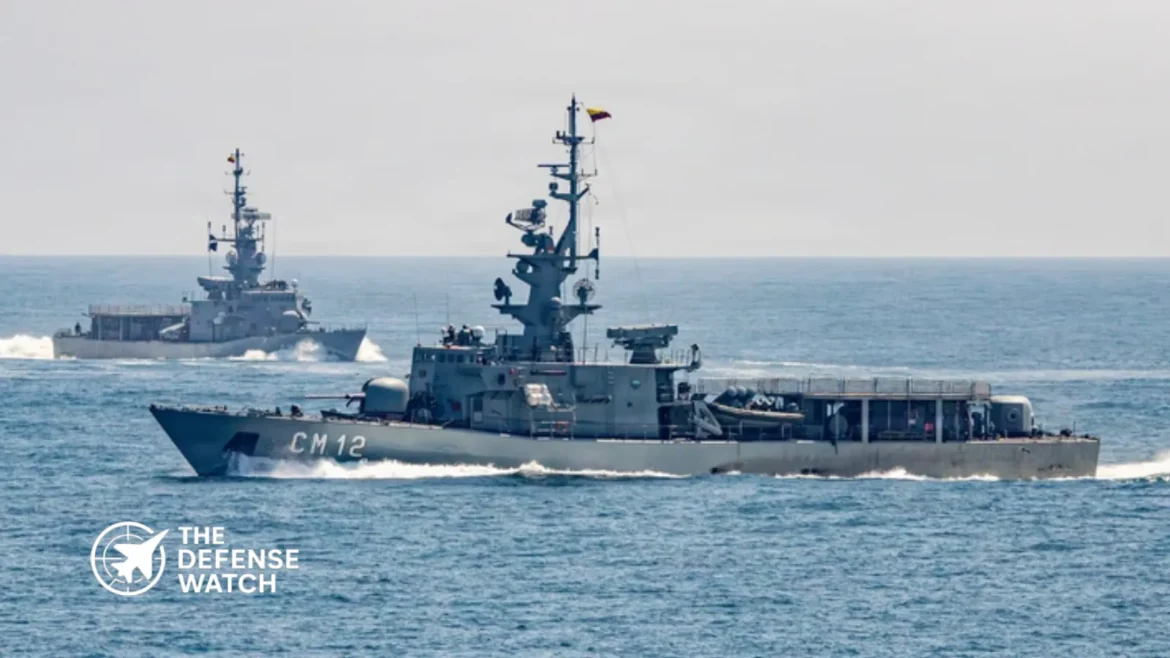
The U.S. Navy has been ordered to blockade the Strait of Hormuz effective immediately, President Donald Trump announced on April 12, 2026, following the failure of direct U.S.–Iran peace talks in Islamabad, Pakistan. The decision marks a significant escalation of Operation Epic Fury and directly threatens a fragile two-week ceasefire that had allowed the first tanker transits from the Gulf in weeks.
- President Trump ordered the U.S. Navy to begin blockading the Strait of Hormuz “effective immediately” on April 12, 2026, following the collapse of direct U.S.–Iran talks in Islamabad, Pakistan.
- The Navy has been directed to interdict all vessels in international waters that have paid a toll to Iran, and to begin clearing Iranian mines from the strait.
- The Strait of Hormuz is a choke point for approximately 20 percent of global energy supplies; hundreds of tankers remain stranded in the Persian Gulf awaiting passage.
- Operation Epic Fury has been ongoing since February 28, 2026; Pentagon data as of April 8 reported 13 U.S. troops killed and 346 wounded.
- Iran’s core demands — control of the strait, war reparations, release of frozen assets, and recognition of its nuclear program — were rejected by the U.S. delegation led by Vice President JD Vance.
The Big Picture
The conflict between the United States and Iran entered a new and potentially decisive phase in April 2026. What began on February 28, 2026, with coordinated U.S. and Israeli air strikes on Iranian military and nuclear infrastructure has since evolved into a sustained campaign with meaningful human and economic costs on both sides.
The Strait of Hormuz sits at the center of this confrontation. Roughly 20 percent of global oil and liquefied natural gas supplies transit the strait, making it one of the most strategically sensitive maritime chokepoints on Earth. Iran moved to block the waterway early in the conflict, deploying mines and leveraging its geographic position along the northern shore to interdict commercial shipping. The ripple effects have sent global oil prices soaring and disrupted supply chains across Europe, Asia, and beyond.
The Islamabad talks represented the first direct high-level U.S.–Iran contact in over a decade. Their failure, and the subsequent blockade order, signals that Washington has concluded diplomacy cannot achieve its core objectives — free passage through the strait and the elimination of Iran’s nuclear weapons capability — within an acceptable timeframe.
What’s Happening
President Trump announced on April 12, 2026, via Truth Social that the U.S. Navy would begin blockading the Strait of Hormuz, ordering the interdiction of every vessel in international waters that had paid a toll to Iran and the destruction of Iranian mines in the strait.
Vice President JD Vance led the U.S. delegation at the weekend talks in Islamabad — the first direct U.S.–Iranian meeting in more than a decade and the highest-level discussions since the 1979 Islamic Revolution. The talks ended without agreement.
Iran’s Parliamentary Speaker Mohammad Baqer Qalibaf and Foreign Minister Abbas Araqchi led Tehran’s delegation. Qalibaf blamed the U.S. for failing to earn Iran’s trust despite what he described as “forward-looking initiatives” from his side.
Iran’s semi-official Tasnim news agency attributed the breakdown to what it called excessive U.S. demands, while other Iranian media reported that the Strait of Hormuz and Iran’s nuclear program remained the main unresolved points.
Despite the diplomatic collapse, three fully laden supertankers passed through the Strait of Hormuz on Saturday — apparently the first vessels to exit the Gulf since the ceasefire deal — while hundreds of tankers remained stranded in the Gulf awaiting passage.
Why It Matters
The blockade order is operationally and legally unprecedented in the modern era. The U.S. Navy has interdicted vessels before — most notably during the 1990 Gulf War embargo against Iraq — but a declared naval blockade of an active international transit corridor of this scale would carry profound consequences for maritime law, energy markets, and U.S. alliance relationships.
From a military standpoint, blockade enforcement requires sustained surface and subsurface presence in a contested, mine-threatened environment. The Navy’s Arleigh Burke-class destroyers, already operating in the Arabian Sea under Operation Epic Fury, would form the backbone of any interdiction force. Mine countermeasures vessels and maritime patrol aircraft — including P-8 Poseidons — would be essential to the mine-clearing mission Trump referenced.
The mine threat is significant. Iran has a substantial inventory of both moored contact mines and more sophisticated influence mines capable of defeating basic countermeasures. Clearing a waterway as wide and trafficked as the Hormuz strait under potential Iranian fire is a complex, time-consuming operation that cannot be executed overnight regardless of the presidential order’s “effective immediately” language.
Strategic Implications
The blockade announcement fundamentally changes the deterrence calculus in the Persian Gulf. By committing the Navy to active interdiction, the administration has staked American credibility on the outcome. Any Iranian attack on U.S. vessels enforcing the blockade will demand a military response, narrowing the diplomatic off-ramps available to both governments.
Pakistan’s Foreign Minister Ishaq Dar called it “imperative” to preserve the ceasefire agreed the previous Tuesday, and Israeli security cabinet minister Zeev Elkin warned that the Iranians were “playing with fire.”
The ceasefire now appears highly fragile. Iran has consistently tied any agreement to a regional-level cessation of hostilities, including Israeli operations against Hezbollah in Lebanon. Israel has continued bombing Hezbollah rocket launchers in Lebanon, insisting that conflict falls outside the Iran–U.S. ceasefire framework — a position Iran explicitly rejects. With combat operations continuing on a secondary front, Tehran has limited political incentive to accept U.S. terms on the strait or the nuclear file.
The economic dimension also deserves attention. Trump’s stated minimum objectives are free passage for global shipping through the strait and crippling Iran’s nuclear enrichment program. Achieving both simultaneously through military pressure alone — without a negotiated settlement — would require a degree of sustained operational intensity that risks widening the conflict beyond its current geographic scope.
Competitor View
China and Russia are watching the Hormuz crisis with a mix of strategic interest and economic exposure. Beijing imports a substantial share of its oil through the strait; any prolonged disruption to tanker traffic directly damages Chinese industrial output. Beijing has publicly called for diplomatic resolution, but has largely avoided taking sides — a posture that preserves Chinese leverage with both Washington and Tehran.
Moscow, meanwhile, benefits from elevated oil prices driven by the disruption. Russian energy revenues remain a critical prop for its defense budget and war economy. A prolonged Hormuz crisis that keeps global oil prices elevated serves Russian economic interests, even as the Kremlin publicly calls for de-escalation.
Iran’s threat perception will likely harden following the blockade announcement. Tehran has long framed its nuclear program as an existential deterrent. The combination of military strikes, a collapsing ceasefire, and a naval blockade order will reinforce the Iranian leadership’s conviction that only a nuclear deterrent can guarantee the regime’s survival — the precise dynamic the U.S. seeks to prevent.
What To Watch Next
The immediate operational question is how quickly the Navy can establish enforceable interdiction lines across the strait’s roughly 21-mile-wide navigable channel. Mine countermeasures operations will likely begin in parallel, with MCM vessels and explosive ordnance disposal teams working under surface and air cover.
Congressional reaction will also shape the operation’s legal and political durability. A sustained naval blockade of international waters constitutes an act of war under international law, and sustained enforcement may require formal authorization beyond an executive order. Whether the administration seeks AUMF-style authorization or proceeds on existing war powers authority will be a key variable.
Oil markets opened higher following the announcement, and Asian buyers — particularly in Japan, South Korea, and India — are likely to accelerate purchases of non-Gulf crude as insurance against prolonged supply disruption.
Diplomatically, Pakistan’s role as a neutral intermediary has been significant. Islamabad hosted the failed talks, and Pakistani officials have publicly pressed for ceasefire preservation. Whether a third round of negotiations is possible — potentially with broader mediator involvement — remains the central open question.
Capability Gap
The Hormuz blockade exposes a persistent tension in U.S. naval strategy: the gap between the ability to project overwhelming strike power and the slower, manpower-intensive work of sustained maritime interdiction in a contested environment.
The Navy’s surface combatant fleet has been under sustained pressure for years. Readiness challenges, deferred maintenance, and a shipbuilding industrial base that cannot keep pace with the fleet’s operational demands mean that prolonged high-intensity Persian Gulf operations will stretch available assets. Mine warfare remains an acknowledged weak point; the Navy has invested in improved countermeasures, but the force structure for sustained MCM operations in a conflict zone is thin.
Iran, meanwhile, retains asymmetric capabilities — fast attack craft, anti-ship missiles, coastal defense batteries, and submarine forces — that could threaten even Arleigh Burke-class destroyers operating in restricted Gulf waters. The Navy has managed these threats effectively in Operation Epic Fury so far, but a blockade posture that requires sustained presence close to Iranian shores increases exposure.
The Bottom Line
The U.S. Navy’s blockade of the Strait of Hormuz marks a strategic inflection point: Washington has moved from coercive strikes to active maritime control, and the durability of that posture — against Iranian resistance, allied concern, and domestic political constraints — will determine whether the operation achieves its core objective of restoring free navigation and halting Iran’s nuclear program.
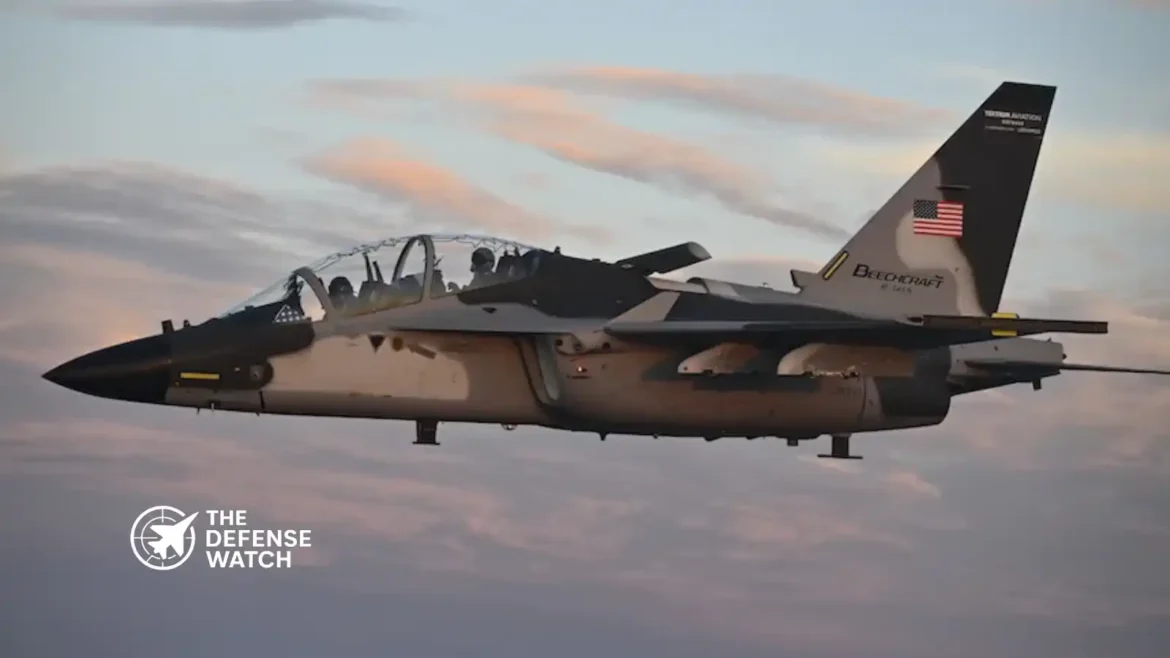
Textron Positions Beechcraft M-346N For U.S. Navy Training Modernization
The Beechcraft M-346N trainer is being positioned by Textron Aviation Defense as a next-generation solution for U.S. Navy pilot training, targeting the service’s evolving requirements for carrier-based aviation. The company unveiled the aircraft at Sea-Air-Space 2026, highlighting its role in the Navy’s Undergraduate Jet Training System program.
The M-346N is a navalized variant of the proven M-346 advanced jet trainer, adapted to meet the demanding conditions of carrier operations. According to Textron Aviation Defense, the platform is designed to bridge the gap between basic flight training and frontline carrier aviation, an area the Navy has been seeking to modernize.
- Textron Aviation Defense is showcasing the Beechcraft M-346N trainer for U.S. Navy pilot training requirements.
- The aircraft is designed for carrier-based training operations with advanced avionics and performance features.
- It is based on the M-346 platform, widely used for advanced jet pilot training globally.
- The proposal aligns with the U.S. Navy’s Undergraduate Jet Training System (UJTS) program.
- The unveiling took place at Sea-Air-Space 2026, a major U.S. naval defense exhibition.
Industry observers note that the Navy’s current training fleet, including legacy systems, faces growing pressure to replicate the complexity of modern combat aircraft such as the F-35C and advanced F/A-18 variants.
Designed For Carrier-Based Training Operations
A key differentiator of the Beechcraft M-346N trainer is its focus on carrier suitability. Textron emphasized that the aircraft incorporates structural and avionics enhancements tailored for naval aviation, including features necessary for carrier landing practice and high-performance maneuvering.
The baseline M-346 platform, developed originally by Leonardo, is already in service with multiple air forces worldwide. It is recognized for its advanced flight control system, embedded simulation capabilities, and ability to replicate the handling characteristics of frontline fighters.
By adapting this platform into the M-346N configuration, Textron aims to provide the U.S. Navy with a cost-effective yet high-fidelity training solution. The aircraft is expected to offer improved training realism without the operational costs associated with using combat aircraft for instruction.
Addressing The Navy’s Training Gap
The U.S. Navy’s Undergraduate Jet Training System program seeks to replace or augment existing trainer aircraft with a more capable platform. The goal is to prepare pilots for increasingly complex operational environments, including carrier strike group operations and multi-domain warfare.
The Beechcraft M-346N trainer directly targets this requirement by offering advanced avionics, digital cockpit architecture, and embedded simulation systems. These features allow pilots to train in scenarios that closely mirror real-world missions, including air-to-air combat and strike operations.
From an operational perspective, this represents a shift in training philosophy. Instead of relying heavily on live training in frontline aircraft, the Navy is moving toward integrated training systems that combine live, virtual, and constructive environments.
This approach reduces costs, increases training efficiency, and accelerates pilot readiness, all critical factors as the Navy faces increasing operational tempo and pilot demand.
Strategic Timing Amid Naval Aviation Demands
Textron’s unveiling of the Beechcraft M-346N trainer comes at a time when the U.S. Navy is under pressure to maintain pilot readiness while managing aging training infrastructure.
Sea-Air-Space 2026 provided a strategic platform for the company to present its solution directly to Navy stakeholders and defense decision-makers. The timing aligns with ongoing evaluations and discussions around the future of naval pilot training.
Analysts suggest that competition for the UJTS program is likely to intensify, with multiple defense firms offering solutions. However, Textron’s partnership approach and reliance on a proven airframe could provide an advantage in terms of risk reduction and development timeline.
Leveraging Proven Technology With U.S. Integration
One of the strengths of the Beechcraft M-346N trainer lies in its hybrid approach. By combining an existing, operationally validated platform with U.S.-based integration and support, Textron aims to meet both performance and regulatory requirements.
This model reflects a broader trend in defense procurement, where militaries increasingly favor mature systems with lower development risk. It also aligns with U.S. industrial priorities, including domestic production, sustainment, and supply chain security.
Textron Aviation Defense has emphasized its ability to support the aircraft through its established infrastructure, which could play a critical role in long-term sustainment contracts.
Implications For Naval Aviation Training
If selected, the Beechcraft M-346N trainer could significantly reshape how U.S. Navy pilots are trained. The aircraft’s advanced simulation capabilities and performance characteristics would allow for more comprehensive training earlier in a pilot’s career.
This could reduce the transition burden to frontline aircraft, improving overall readiness and potentially lowering operational costs.
At a strategic level, the move reflects the Navy’s broader modernization efforts, which include integrating new technologies, improving training pipelines, and ensuring readiness in a rapidly evolving threat environment.

U.S. Space Force Expands Orbital Surveillance Capabilities
The U.S. Space Force Andromeda program is moving forward with new contract awards aimed at strengthening orbital surveillance capabilities and improving space domain awareness across increasingly congested orbits.
The contracts focus on advancing next-generation tracking systems capable of identifying, monitoring, and analyzing objects in space with greater accuracy and persistence. The effort supports the broader mission of the United States Space Force to maintain operational awareness in Earth orbit.
The Andromeda program centers on integrating advanced sensor technologies with data processing tools designed to deliver real-time insights into orbital activity. This includes tracking both active satellites and potential hazards such as debris or adversary systems.
- The U.S. Space Force has awarded multiple contracts under the Andromeda program to enhance orbital surveillance capabilities.
- The initiative focuses on next-generation space domain awareness systems and persistent tracking of objects in orbit.
- Contracts support development of advanced sensors, data fusion tools, and scalable architectures.
- The program aims to improve detection of potential threats, including adversary satellites and debris.
- The move reflects growing urgency to maintain U.S. advantage in an increasingly contested space domain.
Addressing a More Contested Space Environment
The expansion of the U.S. Space Force Andromeda program reflects a clear shift in how military planners view space. Once considered a largely benign domain, orbit is now increasingly contested, congested, and competitive.
Rival powers have continued to invest in counterspace capabilities, including satellite jamming, kinetic interceptors, and co-orbital systems. In this environment, persistent and accurate orbital surveillance is no longer optional. It is foundational to both defensive and offensive space operations.
The Andromeda program is designed to close gaps in detection and tracking, particularly in regions of space where current systems face limitations. These include higher orbits and areas with dense satellite traffic, where distinguishing between routine activity and potential threats can be challenging.
Technology Focus: Sensors, Data Fusion, and Scalability
The contracts awarded under the Andromeda program emphasize three core areas.
First, advanced sensor development. These systems are expected to improve sensitivity and resolution, enabling detection of smaller or more maneuverable objects.
Second, data fusion capabilities. By integrating inputs from multiple sensors and platforms, the system aims to provide a more complete and accurate operational picture. This reduces uncertainty and improves decision-making speed.
Third, scalable architecture. The program is structured to allow rapid integration of new technologies, ensuring that the system can evolve alongside emerging threats and operational requirements.
This approach aligns with broader Department of Defense priorities around modular, open systems that can adapt without requiring full redesigns.
Strategic Importance for U.S. Space Operations
From a strategic perspective, the U.S. Space Force Andromeda program plays a critical role in maintaining U.S. freedom of action in space.
Accurate orbital surveillance underpins a wide range of missions, including missile warning, satellite protection, and support to terrestrial forces. Without reliable tracking, the risk of miscalculation or collision increases, particularly in crisis scenarios.
Moreover, enhanced space domain awareness strengthens deterrence. By demonstrating the ability to monitor and attribute activities in orbit, the United States can impose greater costs on adversaries seeking to operate covertly.
Industry Role and Innovation Pipeline
While specific contractors were not detailed in the initial report, the structure of the Andromeda program suggests a competitive, multi-vendor approach. This model encourages innovation while reducing dependency on a single supplier.
Such an approach is consistent with recent U.S. defense acquisition trends, which prioritize speed, flexibility, and access to commercial technology. The space sector, in particular, has seen rapid advancements driven by private industry, making collaboration essential.
By leveraging industry expertise, the U.S. Space Force can accelerate development timelines and incorporate cutting-edge capabilities into operational systems.
Operational Impact and Future Outlook
The long-term impact of the Andromeda program will depend on how effectively these new capabilities are integrated into existing command and control frameworks.
If successful, the program will provide a more resilient and responsive orbital surveillance network. This would allow operators to detect anomalies faster, respond to threats more effectively, and maintain a clearer understanding of the space environment.
Looking ahead, continued investment in programs like Andromeda signals a broader commitment to space as a warfighting domain. As orbital activity increases and strategic competition intensifies, maintaining a technological edge in surveillance and tracking will remain a top priority.
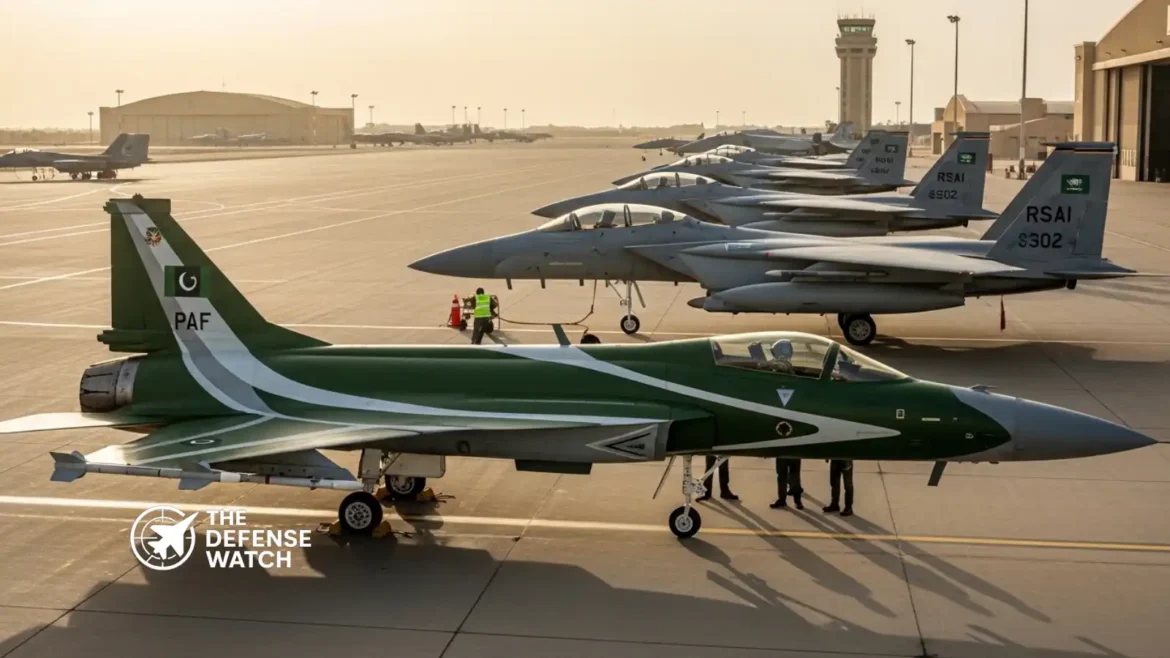
Pakistan Fighter Jets Saudi Arabia Deployment Expands Strategic Air Cooperation
Pakistan fighter jets Saudi Arabia deployment marks a renewed phase in long-standing defense cooperation between Islamabad and Riyadh, with both sides emphasizing continuity rather than escalation.
Saudi Arabia confirmed that Pakistan has sent fighter aircraft along with air force personnel to the kingdom under an existing bilateral defense agreement. The deployment underscores a pattern of military collaboration that has historically included training missions, advisory roles, and joint exercises.
- Saudi Arabia confirmed Pakistan has deployed fighter jets to the kingdom under an existing bilateral defense pact.
- The deployment includes Pakistan Air Force personnel to support operational and training roles.
- The move comes amid heightened regional security concerns in the Middle East.
- Pakistan and Saudi Arabia have a decades-long defense cooperation framework, including training and advisory missions.
- Officials framed the deployment as routine cooperation rather than a response to a specific conflict.
Saudi officials described the move as part of routine cooperation, aimed at enhancing operational readiness and interoperability between the two air forces.
Longstanding Defense Ties Between Islamabad And Riyadh
Pakistan and Saudi Arabia have maintained close military relations for decades, particularly in the domain of air power. The Pakistan Air Force has previously deployed personnel to the kingdom for pilot training, technical support, and advisory roles.
This latest Pakistan fighter jets Saudi Arabia deployment reflects continuity rather than a departure from established policy. Analysts note that such arrangements often remain low-profile but play a critical role in maintaining readiness and strengthening bilateral trust.
Historically, Pakistan has supported Saudi defense infrastructure by providing experienced pilots and maintenance crews. These deployments have helped the kingdom sustain operational capabilities during periods of regional tension.
Operational And Strategic Implications
While officials stress that the deployment is routine, the timing aligns with a complex regional security environment. The Middle East continues to face evolving threats, including missile proliferation, drone warfare, and shifting geopolitical alignments.
From an operational perspective, the presence of Pakistan fighter jets in Saudi Arabia could enhance:
- Air defense coverage and rapid response capability
- Joint training and tactical integration
- Maintenance and operational support for existing fleets
The Pakistan fighter jets Saudi Arabia deployment may also provide valuable real-world experience for Pakistani personnel operating in a different strategic theater.
Air Power Cooperation In A Volatile Region
The Middle East remains one of the most contested air defense environments globally, with increasing emphasis on integrated air and missile defense systems. Saudi Arabia has invested heavily in advanced platforms, including U.S.-supplied fighter aircraft and missile defense systems.
Pakistan’s contribution, while limited in scale, adds a layer of operational flexibility. It also reflects Islamabad’s ability to project air power expertise beyond its immediate region.
Defense analysts point out that such deployments can serve dual purposes. They enhance host nation capabilities while also allowing the contributing country to strengthen diplomatic and military ties.
Political And Strategic Signaling
Although both governments have downplayed any direct link to ongoing conflicts, the Pakistan fighter jets Saudi Arabia deployment carries strategic signaling value.
For Riyadh, it reinforces partnerships with trusted allies at a time of regional uncertainty. For Islamabad, it demonstrates its role as a security partner in the broader Islamic world while maintaining balanced relations across competing regional actors.
Importantly, officials have avoided framing the move as a response to any specific threat. This suggests an effort to maintain stability and avoid escalating tensions in an already sensitive environment.
Continuity Over Escalation
The framing of the deployment as routine cooperation is consistent with past practice. Pakistan has periodically contributed military support to Saudi Arabia without direct involvement in combat operations.
This approach allows both countries to deepen defense ties while minimizing the risk of entanglement in regional conflicts.
The Pakistan fighter jets Saudi Arabia deployment, therefore, should be viewed as part of an enduring security relationship rather than a short-term tactical response.
Outlook For Bilateral Defense Cooperation
Looking ahead, Pakistan-Saudi defense cooperation is expected to remain focused on:
- Training and capacity building
- Air force interoperability
- Strategic consultation on regional security
As regional threats evolve, such partnerships are likely to gain importance, particularly in areas like air defense integration and counter-drone operations.
The Pakistan fighter jets Saudi Arabia deployment highlights how established defense relationships continue to adapt to changing geopolitical realities without fundamentally altering their core structure.
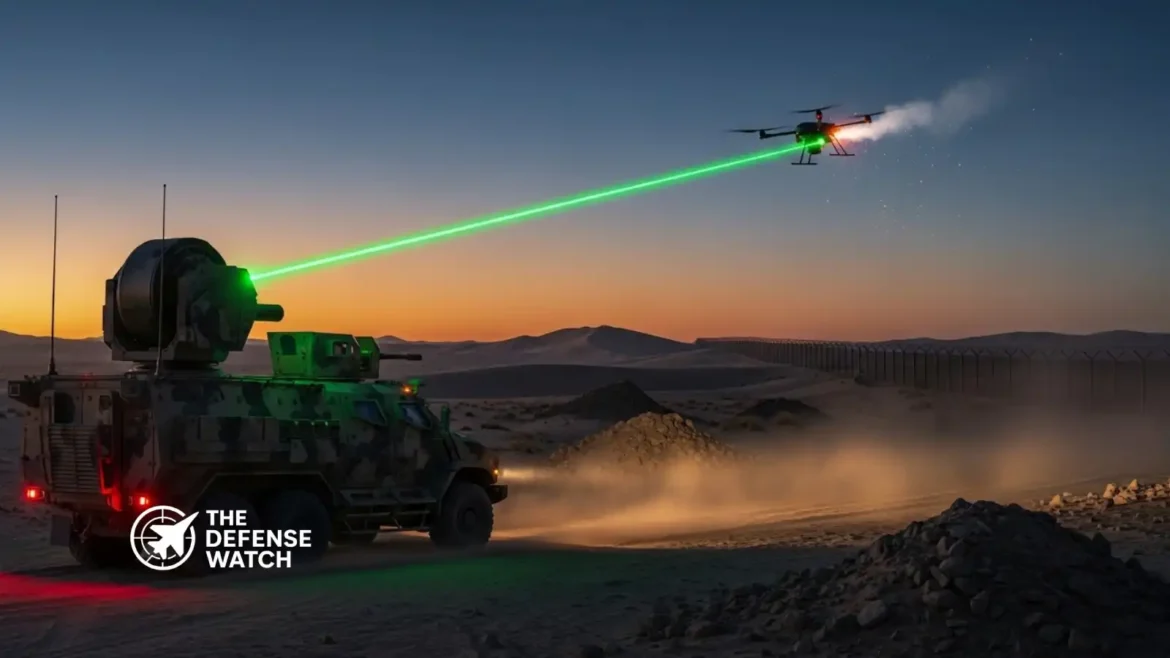
FAA And Pentagon Advance Anti-Drone Laser System Deployment Near U.S. Border
The anti-drone laser system deployment led by the Federal Aviation Administration and the U.S. Department of Defense marks a significant shift in how the United States is addressing rising drone threats near sensitive airspace.
The agreement allows for the integration of military-grade counter-unmanned aerial systems, including directed-energy weapons, into areas traditionally governed by civilian aviation authorities. The focus is on regions near the U.S.–Mexico border, where unauthorized drone activity has increased in recent years.
Unlike conventional counter-drone systems that rely on missiles or electronic jamming, laser-based solutions offer a precise and scalable way to neutralize aerial threats with minimal collateral risk.
- The FAA and Pentagon signed an agreement to deploy anti-drone laser systems.
- Systems will be positioned near the U.S.–Mexico border to counter unauthorized drone activity in sensitive airspace.
- The effort focuses on directed-energy solutions capable of disabling drones without traditional kinetic interceptors.
- The deployment reflects growing concern over drones interfering with civilian aviation and national security operations.
- The agreement establishes coordination between civil aviation authorities and military counter-UAS capabilities.
Why The Anti-Drone Laser System Matters Now
The anti-drone laser system initiative reflects a broader trend. Small, commercially available drones are increasingly being used for surveillance, smuggling, and potential disruption of aviation operations.
U.S. officials have raised concerns about drones operating near airports, border infrastructure, and military installations. Traditional countermeasures, such as signal jamming, often face legal and technical limits, especially in civilian airspace managed by the FAA.
This is where directed-energy systems change the equation.
Laser weapons provide a line-of-sight solution that can disable or destroy drones almost instantly, without generating debris that could endanger aircraft. Their low cost per shot also makes them more sustainable for persistent defense compared to missile-based systems.
Bridging Civil-Military Gaps In Airspace Security
A key aspect of the agreement is coordination. Historically, the FAA has maintained strict control over U.S. airspace, while the military operates under separate authorities.
The new framework allows both sides to work together more closely. It enables the Pentagon to deploy counter-drone capabilities in areas where civilian aviation safety is at risk, while ensuring compliance with regulatory requirements.
This is not just a technical upgrade. It is a policy shift.
The integration suggests that drone threats have reached a level where civil and military domains can no longer operate independently when it comes to airspace security.
Directed Energy Systems Gain Operational Momentum
The anti-drone laser system deployment aligns with the Pentagon’s broader push toward directed-energy weapons.
Over the past decade, the U.S. military has invested heavily in high-energy laser systems for air defense, naval protection, and base security. These systems are now moving from testing into operational use.
Laser-based counter-UAS systems offer several advantages:
- Near-instant engagement speed
- High precision targeting
- Reduced logistical footprint
- Lower long-term operating costs
For border regions, where drone incursions may be frequent but low-cost, these attributes are especially important.
Operational And Strategic Implications
From an operational standpoint, deploying anti-drone laser systems near the border could significantly improve response times to unauthorized UAV activity.
It also reduces reliance on law enforcement or manual interception methods, which are often slow and resource-intensive.
Strategically, the move signals that the U.S. is preparing for a future where drone threats are persistent, decentralized, and difficult to track using traditional methods.
There is also a deterrence element. The presence of advanced counter-drone systems may discourage illicit drone use by raising the likelihood of immediate neutralization.
Challenges And Considerations
Despite its advantages, the anti-drone laser system deployment is not without challenges.
Legal and regulatory concerns remain a key issue. The use of military-grade systems in civilian airspace raises questions about oversight, rules of engagement, and safety protocols.
Weather conditions can also affect laser performance. Dust, fog, and atmospheric interference may reduce effectiveness in certain environments.
Additionally, adversaries may adapt. As counter-drone systems improve, drone operators may shift tactics, including swarm operations or hardened UAV designs.
Outlook: A New Layer Of Airspace Defense
The FAA-Pentagon agreement suggests that counter-drone operations are entering a new phase, one where advanced technologies are deployed closer to civilian environments.
The anti-drone laser system is likely to become a core component of layered air defense, complementing radar, electronic warfare, and kinetic interceptors.
As drone usage continues to expand across both civilian and illicit domains, the demand for rapid, precise, and scalable countermeasures will only grow.
This deployment may serve as a model for future integration of military capabilities into domestic security frameworks.
Navy Researchers Recruit Volunteers for Space Motion Sickness Study Tied to Artemis Lunar Return
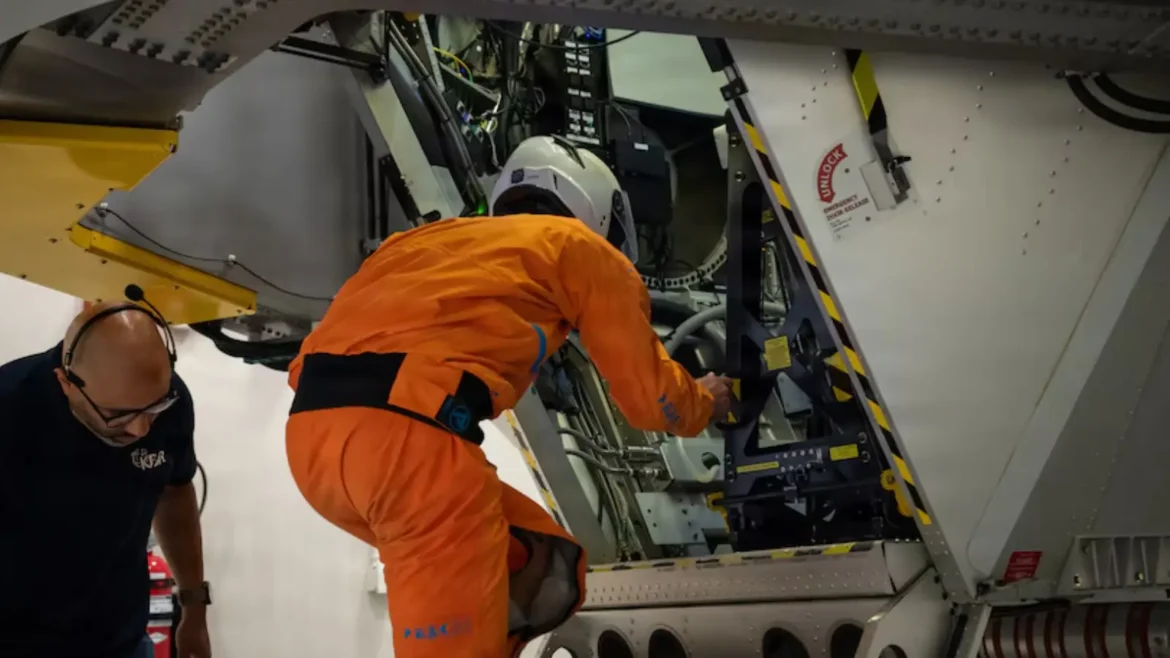
Space motion sickness poses one of the least-publicized but operationally critical threats to NASA’s Artemis program, and a multi-service military research team is now actively recruiting volunteers to address it. Scientists at Wright-Patterson Air Force Base, Ohio, are running the SWAN study — a collaborative program designed to map how the human vestibular system degrades under spaceflight conditions and how that degradation can be countered before astronauts step onto the lunar surface.
- The SWAN (StableEyes with Active Neurophysiology Monitoring) study is a joint effort by the Navy, Air Force Research Laboratory, Johns Hopkins University School of Medicine, and NASA’s Human Research Program.
- Volunteers are exposed to 3G acceleration inside a centrifuge to simulate spaceflight deconditioning effects on balance and coordination systems.
- The research directly supports NASA’s Artemis program, which aims to return U.S. astronauts to the lunar surface for the first time since 1972.
- Artemis II, a crewed mission, launched April 1, 2026, with the crew traveling farther from Earth than any humans in history during a 10-day lunar orbital flight.
- Eligible volunteers must be active-duty military or TRICARE beneficiaries with current aviation medical clearance, aged 18–55, and not susceptible to moderate-to-severe motion sickness.
The Big Picture
NASA’s Artemis campaign is not simply a return to the moon — it is a long-duration operational commitment. Unlike the Apollo missions, which involved brief surface stays, Artemis envisions a sustained human presence on and around the moon, including a planned Gateway orbital station and repeated crewed landings. That ambition raises a problem that engineers cannot solve with hardware alone: the human body.
Astronauts traveling to the moon must navigate three distinct gravitational environments — Earth’s 1G, the near-zero-G of transit, and the moon’s 0.165G surface. Each transition triggers a sensory conflict in the vestibular system, the inner-ear structure responsible for spatial orientation and balance. The resulting disorientation, commonly called space motion sickness, can impair crew performance at exactly the moments when precision matters most — entry, landing, and early surface operations.
Solving this problem requires understanding not just what happens to the vestibular system in space, but how quickly it can be reconditioned and what interventions actually work. That is what the SWAN study is designed to answer.
What’s Happening
Naval Medical Research Unit Dayton, working alongside the Air Force Research Laboratory’s 711th Human Performance Wing, Johns Hopkins University School of Medicine, and NASA’s Human Research Program, is conducting the SWAN study at Wright-Patterson Air Force Base.
Volunteers enter a centrifuge and experience a controlled acceleration profile that reaches three times the force of Earth’s gravity. This exposure simulates the deconditioning effect spaceflight imposes on balance and coordination. Immediately after the centrifuge run — while that temporary deconditioning effect is active — participants perform a series of tasks wearing goggles that track head-and-eye movements, capturing real-time motion sickness data. All participants then complete additional balance assessments.

The full testing protocol runs up to eight hours across two days. To qualify, volunteers must be active-duty military or TRICARE beneficiaries between the ages of 18 and 55, stand between five feet and six feet four inches, weigh between 88 and 245 pounds, hold a current aviation medical clearance, and not have undergone centrifuge training within the prior 72 hours.
The requirement for aviation medical clearance is deliberate. SWAN project manager Rich Folga stated that the clearance ensures candidates have the physical readiness required for the demanding centrifuge exposure and represent a credible analog for the astronaut population. Secondary screening further filters for motion sensitivity, since subjects who are already highly susceptible to motion sickness would skew the dataset.
Why It Matters
Space motion sickness is not a minor inconvenience. Historical data from Apollo, Shuttle, and International Space Station missions consistently shows that vestibular disruption affects crew performance during critical mission phases. NASA’s own Human Research Program identifies sensorimotor adaptation — the ability to rapidly re-calibrate balance and spatial orientation — as one of the primary human health risks for deep space exploration.
[Suggested Internal Link — Add link to related article on TheDefenseWatch.com covering NASA Human Research Program priorities or Artemis crew health challenges]
The SWAN study is notable because it moves beyond passive observation. By using a centrifuge to actively induce a controlled deconditioning state, researchers can study the vestibular system’s response in a reproducible, measurable way on the ground. The goggles tracking head-and-eye movements capture neurophysiological data that would be difficult or impossible to gather during actual spaceflight at the scale and resolution needed for countermeasure development.
This type of ground-based analog research is the foundation of aerospace medicine. The U.S. military developed much of its human performance science through exactly this kind of controlled centrifuge work, and that infrastructure — concentrated at Wright-Patterson — now directly serves NASA’s crewed spaceflight program.
Strategic Implications
The military-NASA collaboration embedded in SWAN reflects a deliberate cross-domain investment. Wright-Patterson has hosted aerospace medicine research since the early days of powered flight, and its centrifuge facilities supported astronaut preparation during Mercury, Gemini, and Apollo. Reactivating and expanding that pipeline for Artemis signals institutional commitment to treating lunar return as a national defense and strategic priority, not merely a science mission.
That framing matters. Artemis is not operating in a vacuum. China’s crewed lunar program — with Beijing targeting a crewed lunar landing before 2030 — has introduced a competitive dimension to the moon that did not exist during the Apollo era. The United States is not simply returning to the moon for scientific prestige; it is attempting to establish operational capability and norms on and around the lunar surface before strategic competitors do.
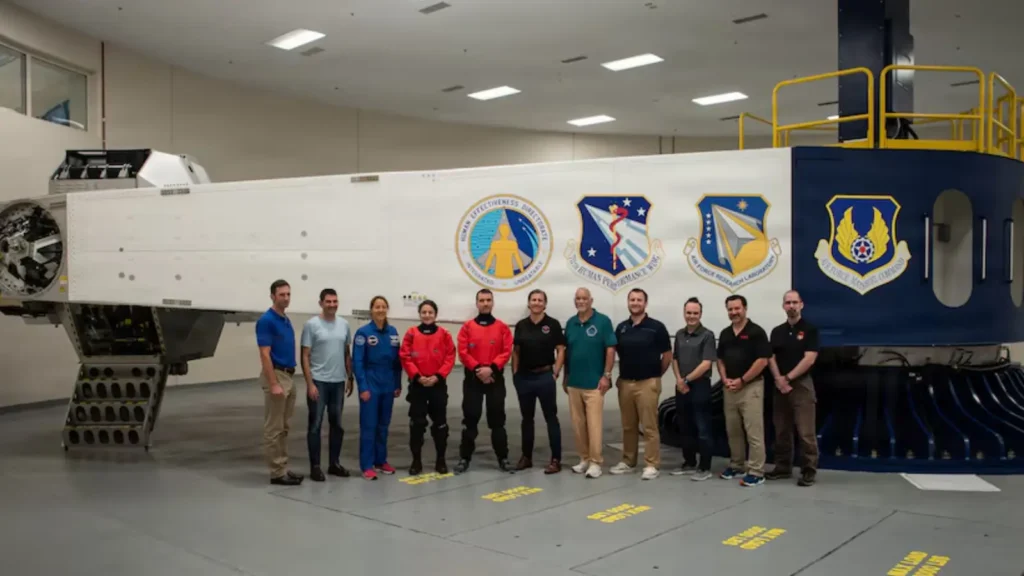
Human performance is a direct enabler of that objective. An astronaut crew that cannot function effectively during the first hours on the lunar surface — due to vestibular disorientation, impaired balance, or motion sickness — represents a genuine operational liability. Countermeasures developed through SWAN could reduce crew vulnerability during the highest-risk phases of a lunar mission and expand the mission envelope for surface operations.
The broader military benefit should not be overlooked. Aviation motion sickness costs the U.S. military training hours, medical disqualifications, and operational readiness. Insights from SWAN that improve the vestibular adaptation models currently used in military aviation medicine would represent a dual-use return on the research investment.
Competitor View
China’s People’s Liberation Army operates its own aerospace medicine research infrastructure and has invested heavily in taikonaut selection, training, and human performance science as part of its Shenzhou and future lunar programs. Beijing watches U.S. military-NASA collaboration closely, particularly research that strengthens the operational performance of American crews in space environments.
Russian aerospace medicine, historically among the world’s most advanced given the Soviet Union’s long-duration spaceflight legacy, continues to inform cosmonaut training — though Russia’s current space program faces significant resource and industrial constraints following international sanctions tied to the war in Ukraine.
Neither competitor currently possesses a comparable ground-based, multi-service research ecosystem that bridges military aviation medicine and crewed spaceflight at the scale of Wright-Patterson. That institutional depth represents a genuine U.S. asymmetric advantage in the emerging era of great-power lunar competition.
What To Watch Next
The immediate milestone is Artemis II mission data. The crewed Artemis II flight, which launched April 1, 2026, provides NASA’s Human Research Program with real physiological data from actual lunar-trajectory crew members for the first time since Apollo 17 in 1972. That data will likely inform SWAN’s research parameters and validate or refine the centrifuge analog protocols being used at Wright-Patterson.
Looking further ahead, Artemis III — the first crewed lunar landing under the Artemis program — will be the true test of vestibular countermeasures developed through studies like SWAN. If crew members can land, egress, and conduct surface operations without significant vestibular impairment, it will validate years of ground-based human performance research.
[Suggested Internal Link — Add link to related article on TheDefenseWatch.com covering Artemis II mission launch or crewed deep space flight milestones]
Researchers will also be monitoring whether SWAN findings translate into updated protocols for military aviators transitioning to high-G environments following periods of inactivity or illness — a parallel application with direct readiness implications.
Capability Gap
The core gap SWAN addresses is the absence of validated, mission-proven countermeasures for rapid vestibular adaptation across multiple gravity transitions. Current mitigation approaches — including pre-mission conditioning, pharmacological interventions, and structured physical rehabilitation — have shown limited effectiveness during the critical landing and early surface phases of lunar missions.
A key limitation of the SWAN methodology is that centrifuge-induced deconditioning, while a useful analog, does not fully replicate the complex sensory environment of actual spaceflight. Microgravity affects the entire musculoskeletal and neurological system over time in ways that a short centrifuge run cannot simulate. The researchers acknowledge this gap through their focus on “analog subjects” rather than operational astronauts, and the study findings will require validation against actual in-flight data.
Nevertheless, the value of high-resolution, reproducible ground-based data — particularly the neurophysiological monitoring component captured through the tracking goggles — is that it can generate the statistical sample sizes that real spaceflight research, constrained by the small number of astronauts and mission opportunities, cannot produce.
The Bottom Line
As the United States races to establish sustained human operations on the moon before strategic competitors, the work being done in a centrifuge at Wright-Patterson may prove as decisive as any piece of hardware in determining whether American astronauts can actually perform when they get there.
Command Senior Enlisted Leader DSCA Appointment Signals Strategic Shift
The Command Senior Enlisted Leader DSCA appointment places Daryl Plude at the center of U.S. efforts to strengthen global defense partnerships, as the Pentagon deepens its focus on security cooperation.
The Office of the Senior Enlisted Advisor to the Chairman announced that Plude will replace Mikael Sundin as the Command Senior Enlisted Leader at the Defense Security Cooperation Agency.
- U.S. Army Sgt. Maj. Daryl Plude selected as Command Senior Enlisted Leader at DSCA.
- Plude brings experience from National Guard Bureau J5 and State Partnership Program.
- Role supports U.S. global security cooperation and partner capacity building efforts.
- Leadership transition replaces Air National Guard Chief Master Sgt. Mikael Sundin.
- Move reflects increasing strategic importance of allied defense integration.
The Big Picture
U.S. security cooperation has become a core pillar of defense strategy, particularly as Washington seeks to counter near peer competitors without direct military confrontation.
The Defense Security Cooperation Agency manages billions of dollars in foreign military sales, training programs, and institutional capacity building for allied and partner nations. Its role has expanded alongside rising geopolitical competition, especially in Eastern Europe, the Indo Pacific, and parts of the Middle East.
Senior enlisted leadership within DSCA plays a critical role in translating policy into operational outcomes. These leaders ensure that training, advisory missions, and partner engagements reflect real world military needs at the tactical and operational levels.
What’s Happening
The Pentagon selected Plude, currently serving as Senior Enlisted Leader for the J5 Directorate at the National Guard Bureau, to assume the DSCA role.
In his current position, Plude oversees strategy, policy, plans, and international affairs. His portfolio includes significant involvement in the State Partnership Program, a long running initiative that links U.S. National Guard units with foreign militaries to build enduring defense relationships.
He will succeed Sundin, whose tenure included extensive contributions to U.S. partner engagement and institutional development efforts.
Officials highlighted Plude’s joint experience and international engagement background as key factors in the selection.
Why It Matters
The Command Senior Enlisted Leader DSCA role has gained importance as the United States shifts toward indirect competition with adversaries.
Security cooperation allows Washington to:
- Strengthen allied military readiness
- Improve interoperability with U.S. forces
- Expand influence without permanent force deployments
Enlisted leadership is essential in this context. Unlike policy level engagement, enlisted leaders often work directly with partner force counterparts on training, doctrine implementation, and operational practices.
Plude’s experience in the State Partnership Program suggests a continued emphasis on long term relationship building rather than short term engagements.
Strategic Implications
The appointment reinforces the Pentagon’s focus on scalable, cost effective defense engagement.
DSCA activities underpin several strategic objectives:
- Building partner resilience against coercion
- Enabling regional security architectures
- Supporting coalition operations
Plude’s background indicates a likely prioritization of integrated planning between U.S. forces and partner militaries. His experience at the National Guard Bureau also reflects a whole of force approach, leveraging reserve components in global engagement.
This aligns with broader U.S. defense priorities that emphasize distributed operations and coalition warfare.
Competitor View
China and Russia closely monitor U.S. security cooperation programs.
Beijing has expanded its own military training and arms export programs, particularly through the Belt and Road framework and bilateral defense agreements. A strengthened DSCA leadership structure signals continued U.S. intent to compete in this space.
Moscow has historically relied on arms exports and military advisory roles to maintain influence. Increased U.S. engagement through DSCA could challenge that position, particularly in Eastern Europe and parts of Africa.
Both competitors are likely to view this leadership move as part of a broader effort to institutionalize U.S. influence within partner militaries.
What To Watch Next
Plude’s transition will likely coincide with ongoing DSCA initiatives, including:
- Expansion of foreign military sales programs
- Increased joint training exercises with partners
- Enhanced advisory missions in key regions
Observers should watch for shifts in how DSCA integrates National Guard partnerships into its global framework. The State Partnership Program may see expanded alignment with DSCA objectives under Plude’s leadership.
Capability Gap
The Command Senior Enlisted Leader DSCA appointment addresses a key operational gap in partner force development.
Many allied militaries face challenges in:
- Non commissioned officer development
- Operational planning integration
- Joint force coordination
Strong enlisted leadership helps bridge these gaps by transferring practical knowledge and institutional practices.
However, limitations remain. Security cooperation programs depend on partner nation political stability, funding, and long term commitment. Leadership changes alone cannot resolve structural challenges in partner forces.
The Bottom Line
The Command Senior Enlisted Leader DSCA appointment underscores a clear U.S. priority, building durable military partnerships as a central tool of strategic competition.