MV-75 Cheyenne Tiltrotor: Next-Gen Army Assault Aircraft
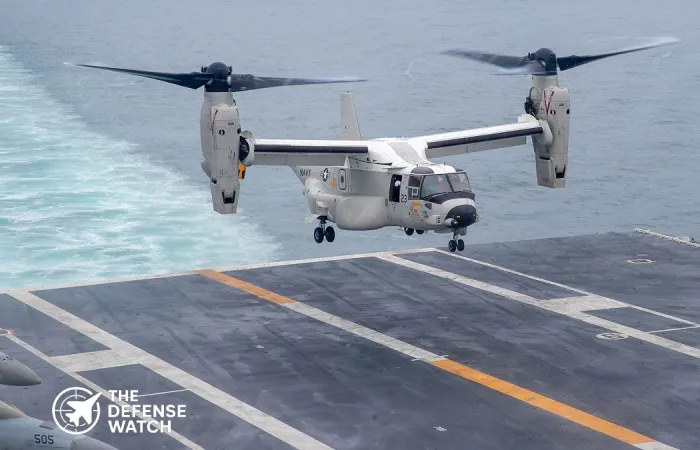
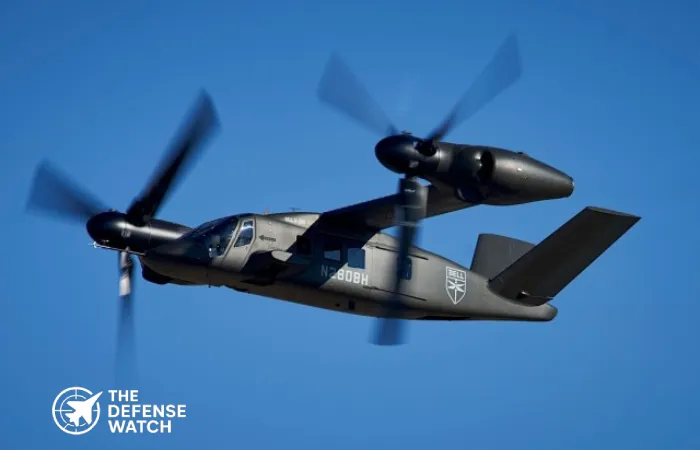
The MV-75 Cheyenne represents a transformative leap in U.S. Army aviation as the selected platform for the Future Long Range Assault Aircraft (FLRAA) program. Designed as a tiltrotor aircraft, it combines the vertical takeoff and landing (VTOL) capabilities of a traditional helicopter with the high-speed cruise performance of a fixed-wing turboprop. This hybrid design addresses the limitations of current rotary-wing fleets, enabling rapid deployment over extended distances in contested environments while maintaining the flexibility required for multi-domain operations. Named in honor of the Northern Cheyenne Tribe and the legacy of the 1960s Lockheed AH-56 Cheyenne program, the MV-75 embodies resilience, speed, and warrior ethos. It is poised to replace the UH-60 Black Hawk as the Army’s primary assault and utility aircraft, significantly enhancing strategic maneuver and joint force projection.
Manufacturer
Bell Textron, a leader in vertical lift innovation, serves as the prime contractor and manufacturer for the MV-75 Cheyenne. Based in the United States, Bell developed the aircraft from its V-280 Valor demonstrator, which successfully met key performance milestones during testing. The program reflects close collaboration with the U.S. Army and suppliers, including Rolls-Royce for propulsion.
Speed and Range
The MV-75 Cheyenne excels in performance, achieving cruise speeds of approximately 280 knots (over 320 mph) and maximum speeds exceeding 300 knots. This represents roughly twice the speed of conventional helicopters. Its combat range supports operations up to around 800 nautical miles, with ferry ranges extending further, allowing deep strikes and rapid repositioning across vast theaters like the Indo-Pacific. Endurance and high-altitude capabilities further support extended missions.
Cost/Price
Specific unit costs for the MV-75 remain classified during the development and early production phases, but the program emphasizes long-term affordability through a Modular Open Systems Approach (MOSA). This design facilitates technology upgrades and reduces lifecycle maintenance expenses compared to legacy platforms. Initial production milestones, including wing structures, indicate a focus on efficient scaling for fleet-wide modernization.
The Cheyenne’s advanced avionics, composite construction, and tiltrotor configuration deliver superior survivability, situational awareness, and payload capacity—typically accommodating a crew of four plus up to 14 troops, with significant internal and external load capabilities (up to 10,000 lbs external). It supports a wide array of missions, including long-range assault, troop transport, reconnaissance, medical evacuation, and logistics in all-weather and night conditions.