Why AESA Radar Matters in Modern Warfare
AESA radar, short for Active Electronically Scanned Array radar, has become one of the most important sensor technologies in modern military aviation, air defense and naval warfare. Instead of mechanically moving a radar antenna to point its beam, an AESA system uses numerous electronic transmit and receive elements to steer radar energy rapidly across the battlespace.
That difference has major operational consequences.
Modern forces increasingly operate in environments filled with low observable aircraft, cruise missiles, unmanned aerial systems, electronic jamming, long range weapons and dense electromagnetic activity. In such conditions, radar is no longer simply a device for finding aircraft. It is part of a larger network of sensors, weapons, electronic warfare systems and command and control architecture.
Takeaways
Why AESA radar has become a core technology for modern military sensing
1. Electronic Beam Steering
AESA radar uses multiple transmit and receive modules to steer the radar beam electronically, allowing extremely rapid changes in direction without mechanically rotating the antenna.
2. Multifunction Sensing
Modern AESA systems can support air to air, air to ground and surveillance functions while rapidly switching between different tasks and targets.
3. Better Survivability
Advanced waveforms, electronic protection and low probability of intercept techniques can make AESA equipped platforms more difficult for hostile forces to detect, classify or jam.
4. Reduced Mechanical Complexity
The absence of a mechanically scanned antenna reduces dependence on moving components and can improve reliability, maintainability and graceful degradation when individual modules experience faults.
5. Central to Networked Warfare
AESA radar is increasingly integrated with electronic warfare, infrared sensors, datalinks, command systems and weapons to create a broader picture of the battlespace.
AESA technology supports that shift by allowing a radar to perform several functions with high speed and flexibility. Depending on the design, a single array can support air to air detection, air to ground mapping, maritime surveillance, target tracking, electronic support and electronic attack functions.
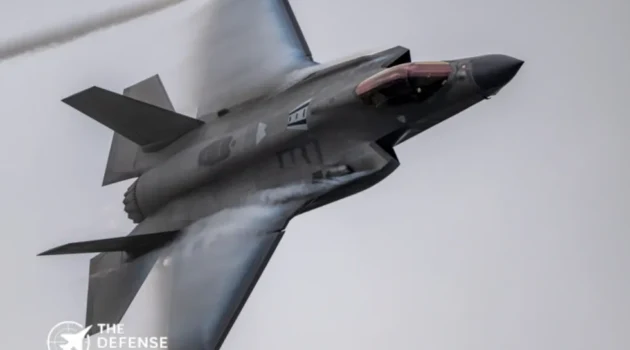
The technology is now deployed across multiple generations of military systems. Northrop Grumman, RTX’s Raytheon business, Lockheed Martin, Leonardo and other major defense companies are developing AESA based systems for fighters, ground based air defense and naval platforms. Northrop Grumman, for example, supplies the AN/APG-81 AESA radar for the F-35 Lightning II and the AN/APG-77 for the F-22 Raptor.
What Is an AESA Radar?
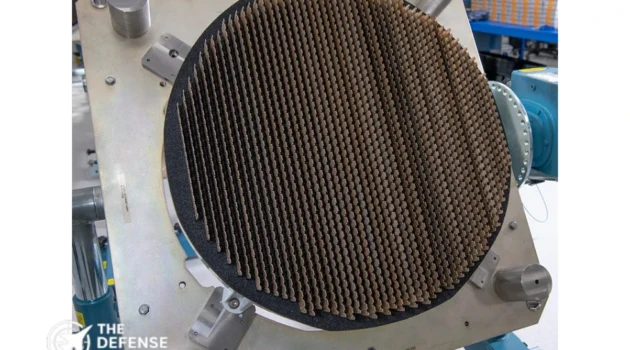
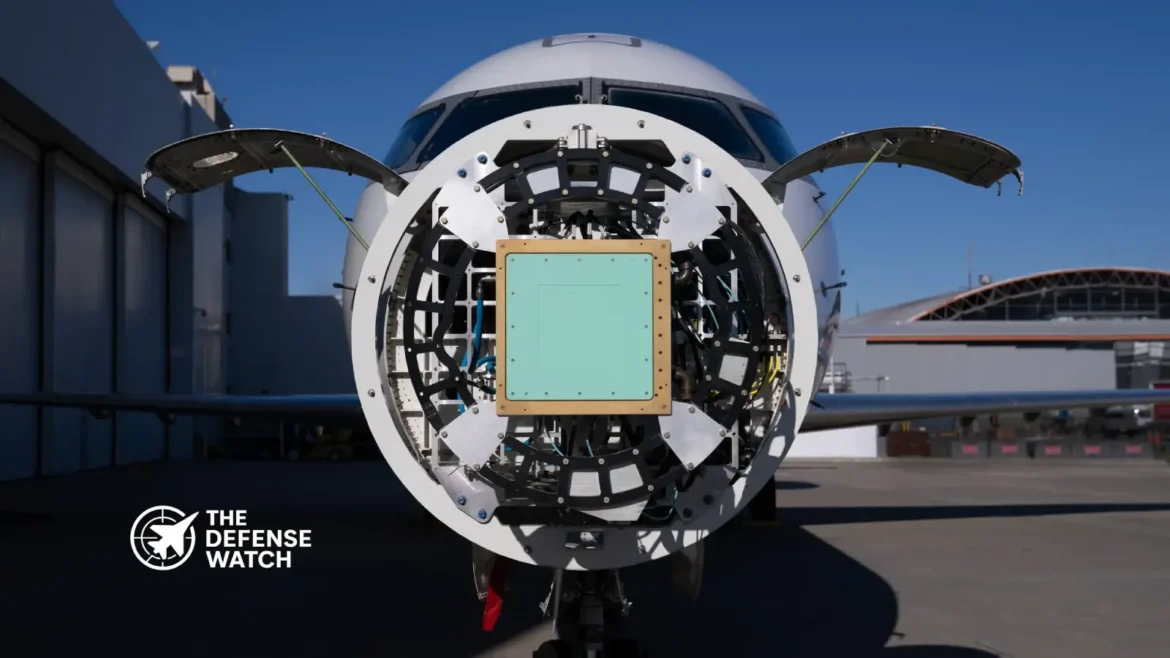
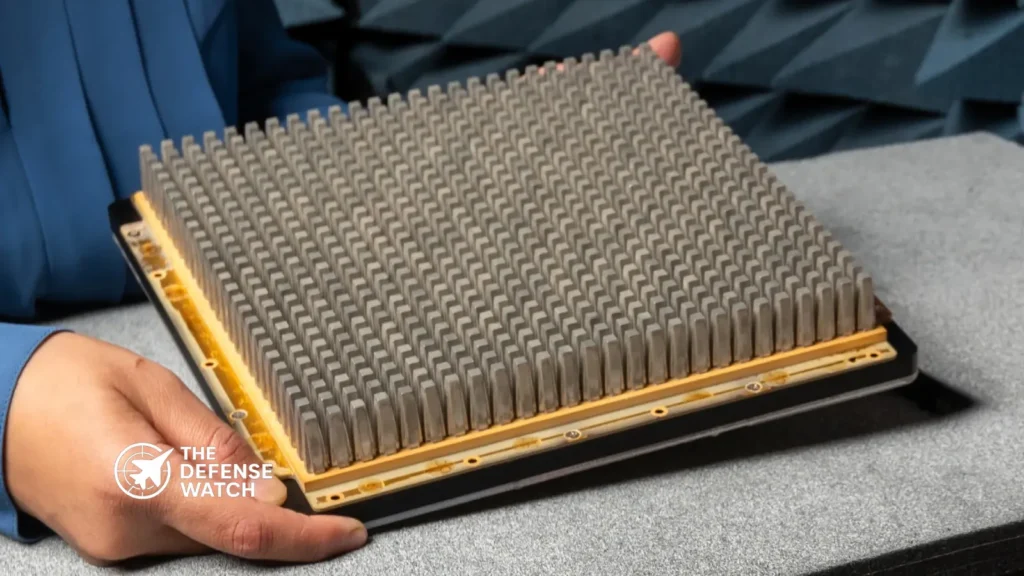
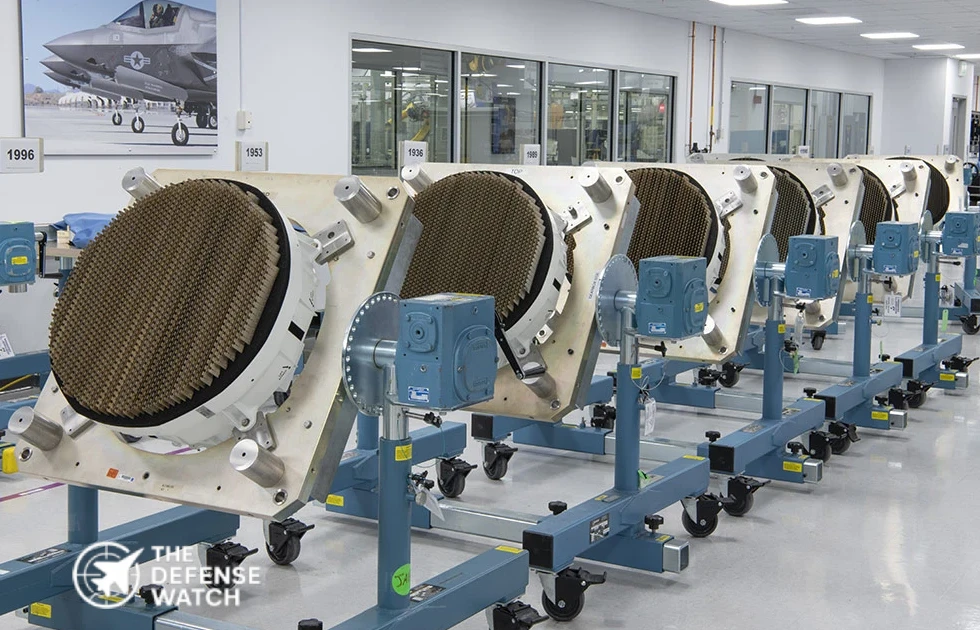
An AESA radar consists of a large number of individual transmit/receive modules, often abbreviated as T/R modules. These modules work together as an electronically controlled array.
Traditional mechanically scanned radars generally move an antenna or reflector to change the direction of the radar beam. AESA systems instead control the phase and amplitude of signals across their individual modules.
By adjusting these signals, the radar can direct and shape its beam without physically moving the antenna.
This allows the radar to rapidly shift between different portions of the sky or surface environment. It can also allocate radar resources to different missions according to the tactical situation.
Northrop Grumman describes AESA arrays as using miniature transmit/receive modules that are electronically steered together, allowing nearly instantaneous beam repositioning. The company also notes that AESA systems eliminate the moving parts associated with mechanically scanned designs.
The practical result is not simply a faster radar. It is a more flexible sensor.
How AESA Radar Works
The basic operating process involves several major stages.
1. Signal Generation
The radar generates radio frequency energy using an exciter and associated processing hardware.
2. Transmission Through T/R Modules
The signal is distributed across many individual transmit/receive modules. Each module can contribute a controlled amount of energy to the overall radar beam.
3. Electronic Beam Steering
The radar adjusts the phase relationships between signals from individual modules. This causes the combined electromagnetic energy to reinforce in the desired direction.
The beam can therefore be moved without physically turning the antenna.
4. Echo Reception
When the radar signal encounters an object, part of the energy is reflected back toward the array.
The T/R modules receive the returning signals and send information to the radar’s digital processing architecture.
5. Signal Processing
Advanced processors analyze the returned signals to determine information such as range, direction, velocity and other target characteristics.
Modern processing techniques also help distinguish genuine targets from clutter, interference and electronic deception.
6. Track Formation
The radar can combine successive detections into tracks. Multiple tracks can be maintained simultaneously, allowing crews and combat systems to build a broader picture of the battlespace.
Key Technical Advantages of AESA Radar
The most important advantage of AESA technology is flexibility.
Rapid Beam Steering
Because the radar does not depend on mechanical antenna movement, its beam can shift rapidly between targets and search sectors.
This is especially valuable when an aircraft faces multiple threats approaching from different directions.
Multifunction Operation
A modern AESA radar can perform several missions using software controlled waveforms and signal processing.
Depending on the system, these can include:
- Air to air search
- Air to air target tracking
- Air combat support
- Air to ground mapping
- Maritime surveillance
- Synthetic aperture radar imaging
- Ground moving target indication
- Terrain mapping
- Electronic support
- Electronic attack
- Missile support and target illumination functions
The AN/APG-81 on the F-35 is an example of this multifunction approach. Northrop Grumman states that the radar supports air to air and air to ground missions and includes synthetic aperture radar mapping and electronic warfare functions.
Electronic Protection
Modern combat aircraft can encounter hostile jamming and other forms of electromagnetic interference.
AESA radars can use techniques such as agile waveforms, adaptive beam control, frequency management and advanced signal processing to maintain radar performance in contested electromagnetic environments.
Exact techniques and performance parameters are frequently classified, so public sources do not provide a complete picture of the electronic warfare capabilities of operational AESA systems.
Reliability
The absence of a mechanically rotating antenna can reduce mechanical failure points.
Northrop Grumman says the solid state architecture of the AN/APG-81, combined with replaceable subassemblies, has improved reliability and maintenance characteristics compared with legacy systems.
AESA Radar and Gallium Nitride
One of the important developments in modern radar engineering is the growing use of gallium nitride, or GaN, semiconductor technology.
Earlier AESA generations commonly relied on gallium arsenide, or GaAs, semiconductor technology. GaN offers higher power density and can improve efficiency and thermal performance when appropriately integrated into a radar design.
The technology is increasingly appearing in modern radar upgrades.
RTX’s APG-82(V)X AESA radar, for example, uses GaN technology and is designed to provide advanced air to air, air to ground and electronic warfare capabilities for fighter aircraft.
Lockheed Martin’s TPY-4 ground based radar also uses GaN transmitter technology alongside an AESA architecture and advanced digital processing.
However, GaN does not automatically make every radar superior. Radar performance depends on the complete system, including antenna size, power generation, cooling, receiver sensitivity, processing, waveform design, software and integration.
AESA Radar on Fifth Generation Fighters
The relationship between AESA radar and fifth generation aircraft is particularly important.
F-35 AN/APG-81
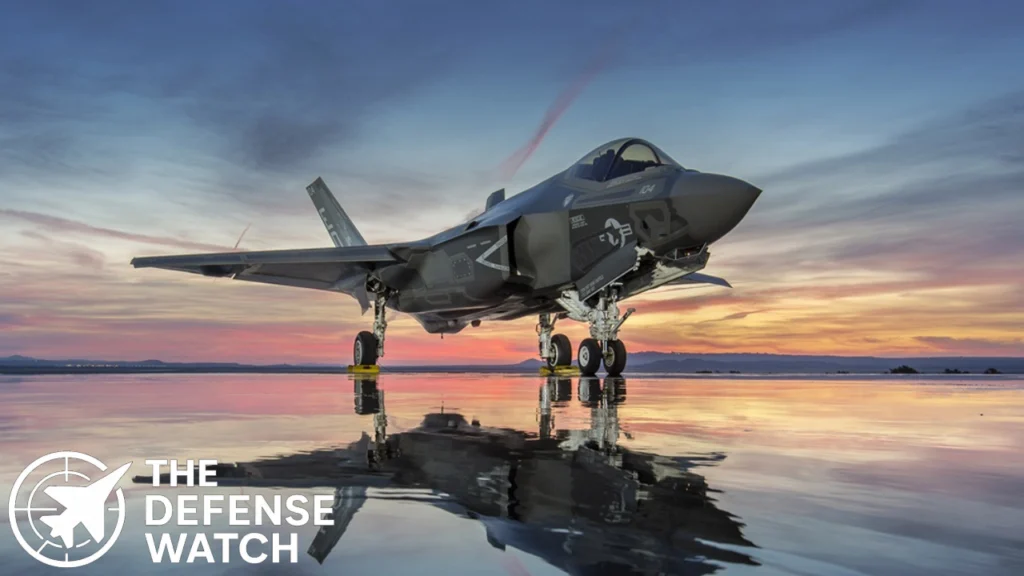
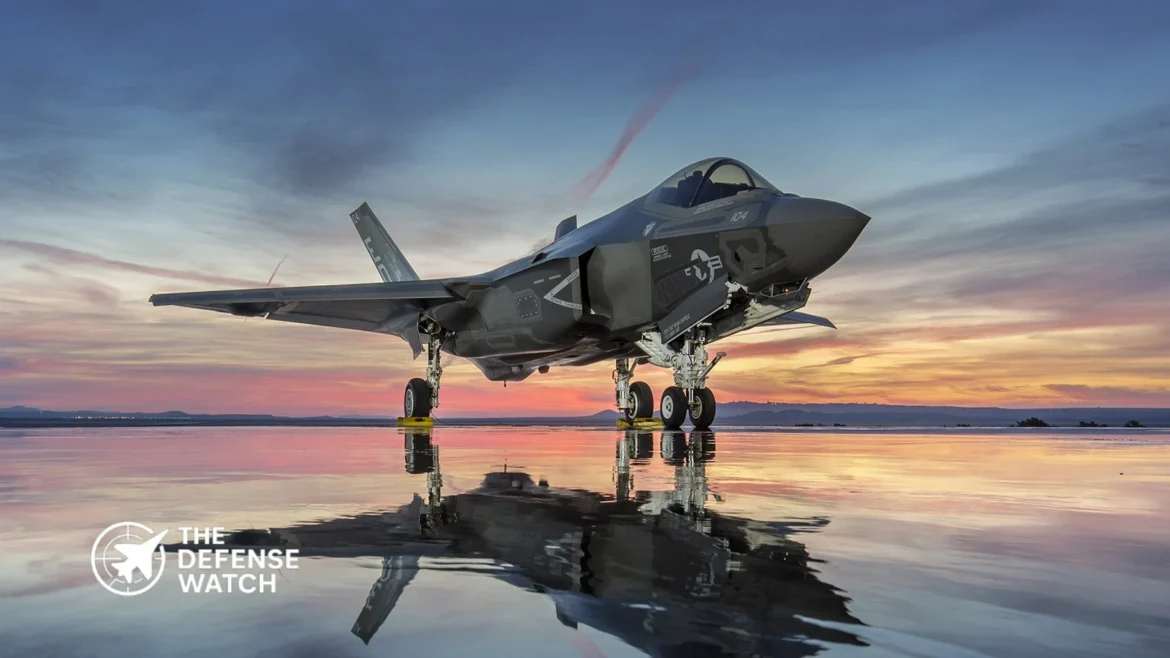
The F-35 Lightning II uses Northrop Grumman’s AN/APG-81 AESA radar as a central component of its sensor suite.
The radar is integrated with the aircraft’s other sensors and mission systems rather than operating as an isolated sensor. This allows radar information to contribute to the aircraft’s broader sensor fusion architecture.
Northrop Grumman says more than 1,000 APG-81 radars had been produced and delivered by December 2022. The company also identifies the radar as a key component of the F-35’s advanced sensor suite.
F-22 AN/APG-77
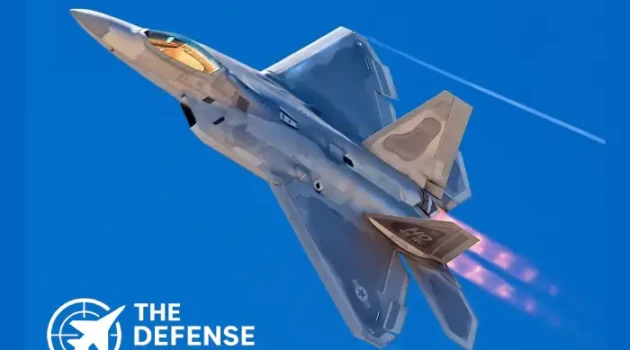
The F-22 Raptor uses the AN/APG-77 AESA radar.
It was developed around the requirements of a stealth air superiority fighter, where detection, tracking, electronic protection and emissions management are closely connected to survivability.
Northrop Grumman identifies the APG-77 and APG-81 as its AESA fire control radar systems for the F-22 and F-35 respectively.
F-16 AESA Upgrades
AESA technology is not limited to fifth generation aircraft.
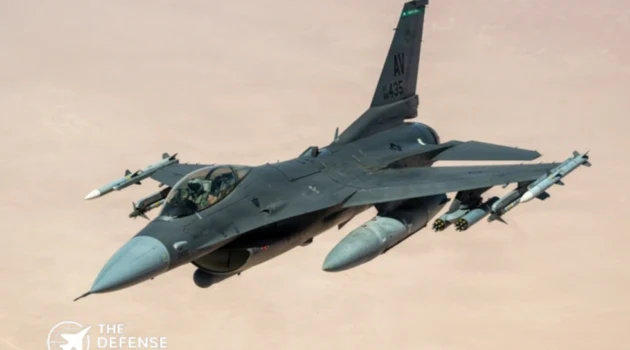
The AN/APG-83 Scalable Agile Beam Radar, or SABR, provides modern AESA capability to upgraded F-16 fleets. Northrop Grumman says the system has been deployed in nine countries and is designed to provide a modern radar capability without requiring replacement of the entire aircraft.
This is strategically important because radar modernization can extend the useful combat life of existing fourth generation fleets.
AESA Radar in Naval Warfare
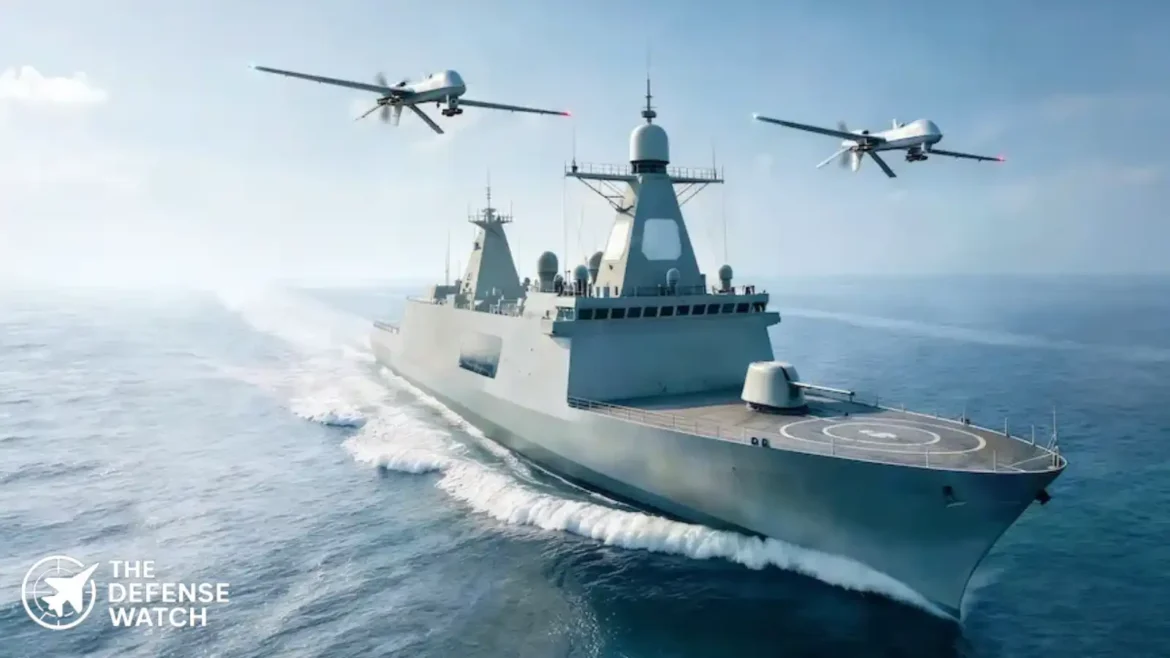
AESA technology has also become a major part of modern naval air defense.
Warships increasingly require sensors capable of tracking aircraft, cruise missiles, ballistic missile related threats and other objects while operating in complex electromagnetic environments.
The U.S. Navy’s SPY-6 family is a major example of the broader move toward modern digital array radar technology.
RTX announced in July 2026 that Raytheon received a $1.8 billion contract extension for SPY-6 radar hardware production and sustainment, with options that could increase the cumulative value to $3.3 billion.
The significance extends beyond the radar itself. Modern naval radar systems feed combat management systems and contribute to integrated air and missile defense networks.
AESA Radar in Ground Based Air Defense
AESA technology is also changing ground based air surveillance and counterfire systems.
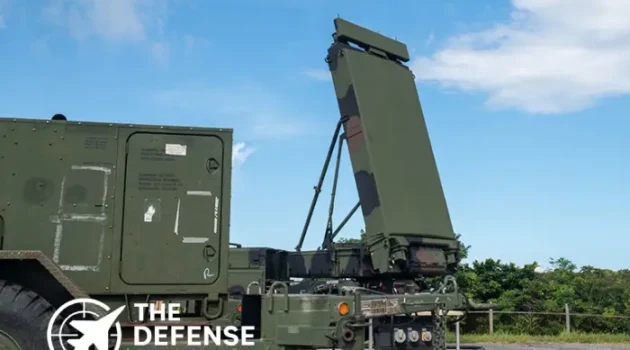
The U.S. Army’s AN/TPQ-53 radar uses a software controlled AESA architecture and supports counterfire target acquisition, counter UAS operations and aircraft surveillance. Lockheed Martin says the system has been deployed in combat since 2010.
The U.S. Marine Corps’ AN/TPS-80 G/ATOR is another example. Northrop Grumman describes it as a multifunction radar capable of air surveillance, air defense and counterfire target acquisition. The system is designed to integrate with U.S., NATO and other command and control architectures.
This multifunction approach can reduce the need for separate sensors performing narrowly defined missions.
AESA Radar and Stealth Aircraft
AESA radar does not defeat stealth by itself.
Stealth aircraft are designed to reduce their radar cross section and control how electromagnetic energy is reflected toward hostile sensors.
The detection problem depends on many variables, including:
- Radar frequency
- Antenna aperture
- Transmitter power
- Target radar cross section
- Aspect angle
- Atmospheric conditions
- Signal processing
- Electronic warfare activity
- Target behavior
- Radar operating mode
An AESA radar can provide important advantages in detection and tracking, but claims that any specific AESA system can detect a particular stealth aircraft at a fixed publicized distance should be treated carefully.
Actual detection and engagement ranges are highly scenario dependent and many relevant parameters remain classified.
Low Probability of Intercept and Electronic Warfare
One of the most discussed AESA characteristics is low probability of intercept, or LPI, although the term should not be treated as meaning invisible radar emissions.
The objective is to make radar transmissions harder for an opposing electronic support system to detect, recognize and exploit.
This can involve combinations of waveform agility, frequency management, beam control, transmission scheduling and signal characteristics.
A modern AESA radar may also contribute directly to electronic warfare.
Northrop Grumman says the F-35’s AN/APG-81 can operate as an electronic warfare aperture and support electronic protection, electronic attack and electronic support functions.
This convergence between radar and electronic warfare is one of the most important trends in modern combat aviation.
AESA Radar vs. Mechanically Scanned Radar
Characteristic AESA Radar Mechanically Scanned Radar Beam steering Electronic Mechanical Moving antenna components Generally no Yes Beam repositioning Very rapid Slower Multifunction capability High on modern systems Varies by design Electronic warfare integration Strong potential More limited on legacy designs Reliability Generally improved by solid state architecture More mechanical wear points Upgrade path Strong software and hardware potential Often constrained by legacy architecture Maintenance Modular designs can simplify repair Mechanical components can increase maintenance burden Cost High acquisition cost Often lower for legacy systems Modern contested environment Designed for high flexibility Performance depends heavily on generation and upgrade level The comparison should not be interpreted as meaning every AESA radar automatically outperforms every mechanically scanned radar. Radar performance is determined by the complete architecture and mission requirements.
AESA Radar: Key Data Summary
System Platform / Domain Developer or Manufacturer Major Function Technology Status AN/APG-81 F-35 Northrop Grumman Air to air, air to ground, EW AESA Operational AN/APG-77 F-22 Northrop Grumman Air superiority and multifunction sensing AESA Operational AN/APG-83 SABR F-16 Northrop Grumman Fighter modernization AESA Operational and deployed APG-82(V)X F-15 RTX Raytheon Air superiority and multifunction sensing AESA with GaN Development and modernization SPY-6 family U.S. Navy surface fleet RTX Raytheon Air and missile defense Digital array radar Production and deployment AN/TPQ-53 U.S. Army Lockheed Martin Counterfire and counter UAS AESA Operational AN/TPS-80 G/ATOR U.S. Marine Corps Northrop Grumman Air defense and counterfire AESA Operational ECRS Mk0 Eurofighter Typhoon Leonardo and European industry Air surveillance and multifunction sensing AESA In service Public specifications for military AESA systems are often incomplete. Exact detection ranges, effective radiated power, sensitivity, electronic attack performance and detailed waveform characteristics are commonly classified or vary with operational configuration.
AESA Radar and NATO Networked Warfare
The value of an AESA radar increasingly depends on what happens to the information after detection.
Modern military operations are moving toward networked architectures in which aircraft, ships, ground radars, satellites, command centers and weapons systems exchange information.
This creates a distinction between sensor performance and kill chain performance.
A radar may detect and track a target, but the wider military system must then distribute, validate and act on that information.
A modern AESA sensor can therefore become one node in a larger network that includes:
- Fighter aircraft
- Airborne early warning aircraft
- Ground based air defense
- Naval combat systems
- Electronic warfare platforms
- Unmanned systems
- Command and control centers
- Tactical datalinks
- Precision weapons
Northrop Grumman emphasizes open architectures and interoperability across its modern radar portfolio, while its G/ATOR system is designed to operate with U.S., NATO and other command and control systems.

Image : Northrop Grumman Operational Advantages in a Contested Electromagnetic Environment
Near peer warfare places increasing pressure on military sensors.
Potential threats include:
- Electronic jamming
- Deception techniques
- Passive detection systems
- Anti radiation weapons
- Long range precision fires
- Unmanned aerial systems
- Low observable aircraft
- Cruise missiles
- Hypersonic weapons
- Dense civilian and military electromagnetic activity
A modern AESA radar can help address some of these challenges through rapid beam management, frequency agility, advanced signal processing and electronic protection.
But AESA is not a standalone solution.
Survivability increasingly depends on emissions control, distributed sensing, mobility, deception, redundancy and networking.
Limitations and Challenges
Despite its advantages, AESA radar comes with significant engineering and procurement challenges.
Cost and Complexity
AESA arrays contain large numbers of sophisticated semiconductor modules and associated electronics.
The system also requires advanced cooling, power management, processing and software.
Thermal Management
High power electronics generate heat. Aircraft designers must balance radar performance against the limited electrical power and cooling capacity available on a fighter aircraft.
Software Dependence
Modern radar performance increasingly depends on software.
That creates opportunities for rapid capability upgrades but also introduces development, testing, cybersecurity and sustainment challenges.
Maintenance and Supply Chain
Although AESA eliminates many mechanical components, individual electronic modules and other components can still fail.
Large military fleets also require long term access to specialized semiconductor and electronic manufacturing capacity.
Classified Performance
Public comparisons are often difficult because key performance data remains classified.
This makes it risky to rank national radar systems using a single advertised detection range or power figure.
Future of AESA Radar
The next stage of AESA development is likely to involve greater integration between radar, electronic warfare and other sensors.
The distinction between radar and electronic warfare equipment is already becoming less clear.
Future systems are expected to place greater emphasis on:
- Digital beamforming
- GaN based transmit technology
- Advanced signal processing
- Artificial intelligence assisted signal classification
- Distributed sensing
- Multifunction apertures
- Electronic attack from radar apertures
- Open mission systems
- Software defined capabilities
- Sensor fusion
- Cooperative engagement
This trend is visible in current modernization programs.
RTX’s APG-82(V)X combines AESA technology, GaN and electronic warfare functions, while Northrop Grumman continues to develop AESA architectures for air, land and maritime applications.
The larger direction is clear: future radar systems will increasingly operate as software intensive multifunction sensors rather than standalone search devices.
Analytical Conclusion
AESA radar has moved from being a premium technology found mainly on advanced fighter aircraft to becoming a major architecture for modern military sensing across air, land and sea domains.
Its advantages come from the combination of electronic beam steering, solid state technology, rapid signal processing, multifunction operation and integration with electronic warfare and networked command systems.
For fighter aircraft, AESA can improve situational awareness and support air to air and air to ground missions. For ground forces, it can combine surveillance, counterfire and counter UAS functions. For naval forces, modern array radars are becoming central to integrated air and missile defense.
The strategic importance of AESA radar therefore extends beyond the radar antenna itself. Its real value emerges when the sensor is connected to a wider combat architecture capable of turning detection into a decision and, when authorized, a weapon engagement.
As the United States, NATO allies and other advanced militaries prepare for increasingly contested electromagnetic environments, AESA technology will remain a central component of military modernization. The next generation will likely focus less on simply detecting farther and more on processing information faster, surviving electronic attack, sharing data across domains and performing multiple missions from a common aperture.

Indra is leading a new €42.5 million European Defence Fund program to develop a next-generation 4D multiband shipborne radar for future warships, a capability designed to counter evolving threats such as hypersonic missiles unmanned systems and swarming drones.
¦ KEY FACTS AT A GLANCE- The European Defence Fund is backing a €42.5 million program led by Indra to develop the first fully European 4D multiband naval radar. :contentReference[oaicite:0]{index=0}
- €29.4 million of the total comes from funding by the European Commission. :contentReference[oaicite:1]{index=1}
- The radar demonstrator will use a 4D Active Electronically Scanned Array capable of simultaneous multiband operation. :contentReference[oaicite:2]{index=2}
- The system is intended to improve air and surface surveillance, tracking, and electronic protection. :contentReference[oaicite:3]{index=3}
- Spain’s navy supports the project, which aims at future interoperability across European fleets. :contentReference[oaicite:4]{index=4}
Europe’s push to build sovereign advanced sensor technology comes amid rising global demand for naval situational awareness and integrated combat systems.
Program Overview
Under the SHIMBAD (Shipborne MultiBand AESA Demonstrator) initiative Indra will head a multinational industrial consortium to design manufacture and validate a scalable radar prototype.
The radar’s Active Electronically Scanned Array architecture will operate across multiple frequency bands at once. This multiband approach aims to give a single sensor the ability to handle long-range air surveillance precision tracking and electronic protection functions that today often require multiple separate systems.
The European Commission is funding €29.4 million of the total budget with the remainder supplied by industry participants and supporting states.
Technical Goals and Capabilities
The radar demonstrator is being designed to:
- Detect and track airborne threats from drones and cruise missiles to high-speed hypersonic weapons.
- Improve littoral surveillance performance by reducing clutter and enhancing low-altitude tracking.
- Provide support for fire control and simultaneous engagement of multiple threats.
Indra describes the architecture as digital and modular intended to cover the full sensor chain from detection to engagement via one system. The company says demonstrations will be carried out in operational environments to validate performance.
Strategic Context
European navies face a widening threat spectrum from fast, low-observable unmanned systems to advanced missile threats requiring rapid and accurate detection and response. A multiband 4D radar can provide improved situational awareness and resilience against electronic interference.
By leading this program Indra strengthens its position in European radar technology having already participated in more than 90 EDF-backed research efforts and led 13 of them.
Spain’s navy has signaled support for SHIMBAD, framing it as central to shaping future operational requirements for European surface combatants.
Industrial and Operational Impacts
The SHIMBAD demonstrator is part of a broader push within the EU and its member states to reduce reliance on non-European sensor technology and bolster interoperability among allied fleets.
Indra’s leadership role also highlights Spain’s growing industrial footprint in high-end sensor and electronic warfare technology across air and naval domains.
Shorter development cycles and modular system design are expected to help future integration on a range of hull classes from larger combatants to smaller surface vessels.
France Limits Rafale Source Code Access
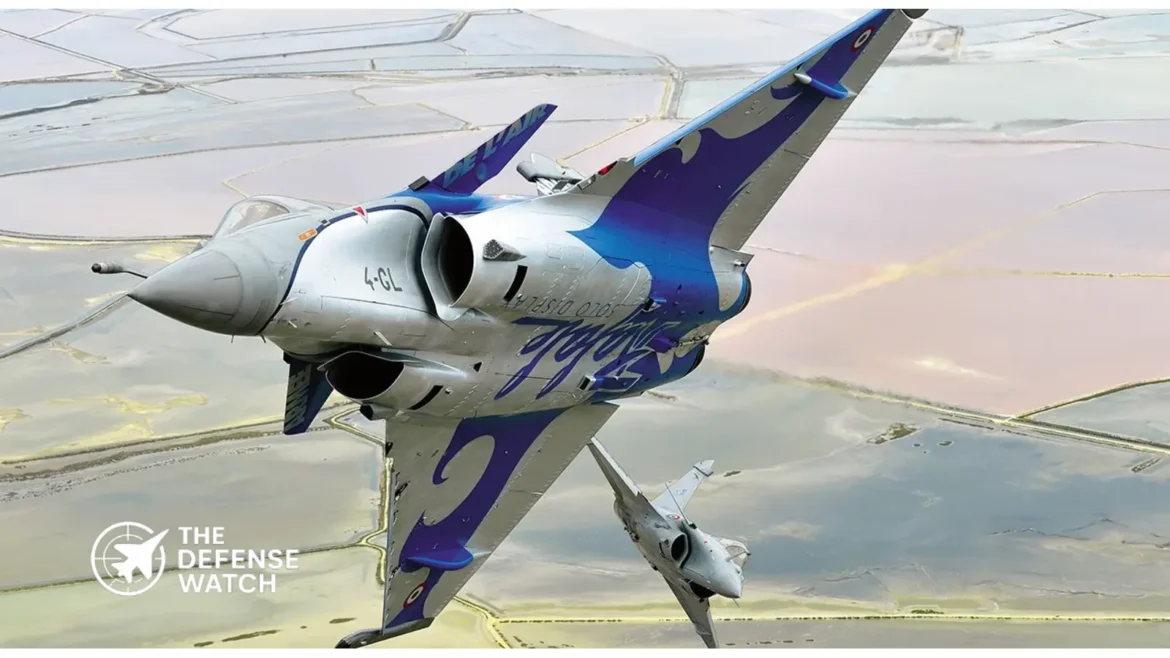
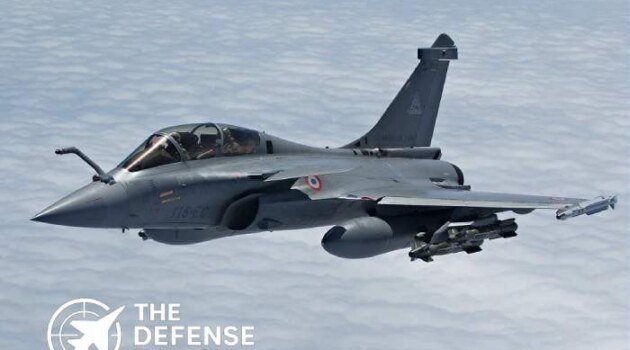
The Rafale source code access dispute has emerged as a key friction point between France and India, raising questions about operational sovereignty over one of the world’s most advanced multirole fighters, the Dassault Rafale.
According to reports, Paris has declined to grant New Delhi access to critical software source codes governing core systems on the Rafale. These include mission computers, radar integration frameworks, and the highly classified SPECTRA electronic warfare system.
The decision effectively limits India’s ability to independently modify or upgrade key onboard systems without French approval or direct involvement from the aircraft manufacturer, Dassault Aviation.
¦ KEY FACTS AT A GLANCE- France has reportedly refused to provide Rafale fighter source codes to India.
- The restriction affects India’s ability to independently integrate new AESA radar systems.
- Access limitations also extend to the SPECTRA electronic warfare suite.
- India seeks greater autonomy in upgrading its Rafale fleet with domestic and third-party systems.
- The issue highlights broader challenges in technology transfer agreements for advanced fighter jets.
Impact on AESA Radar Integration
A central issue in the Rafale source code access dispute is India’s ambition to integrate new or customized AESA radar capabilities into its fleet.
India has pursued efforts to enhance sensor performance, potentially through domestic technologies or hybrid solutions involving foreign subsystems. However, without access to the underlying software architecture, integrating these systems becomes significantly more complex.
Modern fighter jets rely heavily on tightly coupled software ecosystems. Radar, electronic warfare, and weapons systems are deeply integrated through mission computers. Without source code access, even minor changes can require manufacturer support, limiting flexibility and increasing long-term dependency.
This constraint is not unique to India. Many advanced Western platforms operate under similar restrictions, designed to protect sensitive intellectual property and prevent unauthorized modifications that could compromise system integrity.
SPECTRA System Remains Fully Controlled
The Rafale’s SPECTRA suite remains one of its most sensitive components. Developed by Thales Group and MBDA, the system provides radar warning, electronic countermeasures, and threat detection capabilities.
France’s refusal to share source code for SPECTRA underscores the strategic importance of electronic warfare technologies. These systems often incorporate classified threat libraries and advanced algorithms that are closely guarded even among close defense partners.
For India, this means that any effort to adapt SPECTRA to evolving regional threats must go through French channels, potentially slowing response times and limiting customization.
Strategic Implications for India’s Defense Autonomy
The Rafale source code access dispute reflects a broader challenge facing India’s defense modernization strategy, which emphasizes self-reliance and indigenous capability development.
New Delhi has increasingly pushed for deeper technology transfer in major defense acquisitions. Programs such as indigenous fighter development and domestic radar production aim to reduce reliance on foreign suppliers.
However, the Rafale case highlights the limits of such ambitions when dealing with highly advanced Western systems. Even when platforms are purchased outright, critical technologies often remain under the control of the original manufacturer.
This creates a long-term trade-off. While platforms like the Rafale offer cutting-edge performance, they can also lock operators into specific upgrade pathways controlled by external partners.
Balancing Capability and Control
From France’s perspective, restricting access to source code is standard practice. Protecting intellectual property, ensuring system security, and maintaining export control compliance are key considerations.
For India, the challenge is balancing immediate operational capability with long-term sovereignty. The Rafale remains one of the most capable fighters in its inventory, but the inability to fully control its software architecture may influence future procurement decisions.
The Rafale source code access dispute could also shape how India approaches upcoming fighter programs, including potential collaborations or domestic development initiatives.
Northrop Grumman VALEN AESA Radar Signals A New Phase In Airborne Sensing
Northrop Grumman VALEN AESA is being positioned as a generational leap in airborne sensing, expanding the capabilities of active electronically scanned array radar for modern and future combat environments.
In an announcement published by Northrop Grumman, the company introduced VALEN as a scalable AESA radar family designed to support next generation aircraft and mission systems. The system builds on decades of experience in electronically scanned arrays and digital radar architectures.
The launch reflects growing demand across the U.S. and allied defense sectors for sensors capable of operating in contested, spectrum dense environments.
What Is VALEN AESA?
VALEN, which stands for a new radar product line under Northrop Grumman’s portfolio, is a modular, open architecture AESA radar system engineered for adaptability across multiple platforms.
AESA radars use electronically controlled beams instead of mechanically steered antennas. This allows rapid beam steering, simultaneous multi-mode operations, and improved resistance to electronic attack.
According to Northrop Grumman, VALEN integrates:
- Advanced digital beamforming
- Scalable hardware configurations
- Software defined capabilities
- Open mission systems compatibility
The company describes VALEN as a future ready sensing backbone rather than a single platform specific radar.

Image: Northrop Grumman Built For Multi Domain Operations
Modern combat aircraft and unmanned systems operate in increasingly complex environments. Air superiority missions, long range strike, electronic warfare, and intelligence gathering often occur simultaneously.
The Northrop Grumman VALEN AESA radar is designed to support these multi mission demands.
By leveraging digital architecture and scalable transmit receive modules, the system can be tailored to various aircraft sizes and mission sets. This includes:
- Tactical fighters
- Advanced trainers
- Unmanned aerial systems
- Collaborative combat aircraft
Northrop Grumman has long supplied AESA radars to U.S. platforms, including systems for the U.S. Air Force and U.S. Navy. VALEN builds on that legacy, with a focus on modularity and digital transformation.
Digital Backbone And Open Architecture
A key feature of the VALEN AESA radar system is its open systems approach.
The U.S. Department of Defense has increasingly emphasized Modular Open Systems Approach, or MOSA, to reduce vendor lock in and speed up upgrades. By aligning with open architecture standards, VALEN can integrate with evolving mission software, data links, and sensor fusion frameworks.
This design philosophy supports rapid capability insertion, allowing operators to add new waveforms, electronic protection features, and processing upgrades without redesigning the entire radar.
In practical terms, that means improved lifecycle flexibility and reduced long term sustainment costs.
Enhanced Survivability In Contested Environments
Air forces are preparing for high end conflicts where adversaries deploy advanced integrated air defense systems, jamming platforms, and cyber tools.
AESA radars already provide advantages such as low probability of intercept modes and agile beam steering. Northrop Grumman states that VALEN is engineered to further enhance survivability in electronically contested environments.
Digital beamforming enables more precise target tracking and improved discrimination in cluttered battlespaces. The scalable architecture also allows tailored electronic protection measures depending on mission needs.
This is particularly relevant as near peer competitors continue investing in advanced air defense and electronic warfare capabilities.
Supporting Next Generation Aircraft Programs
While Northrop Grumman has not publicly linked VALEN to a specific aircraft program, the timing aligns with several major U.S. modernization efforts.
These include:
- Next generation air dominance initiatives
- Collaborative combat aircraft concepts
- Advanced unmanned systems development
The U.S. Air Force and Navy are both pursuing future air combat ecosystems that rely heavily on sensor fusion and data sharing. In such architectures, radar is not just a detection tool but a central node in a larger combat cloud.
VALEN appears positioned to function as part of that distributed sensing framework.
Northrop Grumman is also a key player in strategic and stealth programs such as the B-21 Raider, underscoring its experience in integrating advanced sensors into low observable platforms.
Scalability Across Platforms
One of the defining features of the Northrop Grumman VALEN AESA radar is scalability.
Rather than designing unique radars for each aircraft, VALEN’s architecture can be adjusted in size, power output, and processing capability.
This approach offers several advantages:
- Reduced development timelines
- Common logistics and training pipelines
- Easier cross platform upgrades
- Interoperability across allied fleets
For allied nations seeking advanced radar performance without bespoke development programs, scalable AESA families can reduce risk and accelerate fielding.
Strategic Implications For U.S. Defense
The introduction of VALEN comes amid intensified global competition in sensor technology.
China and Russia have both invested heavily in AESA radars and electronic warfare systems. Maintaining an edge in sensing and electronic protection remains central to U.S. air dominance strategy.
By focusing on digital architecture, open systems, and modularity, Northrop Grumman is aligning its radar roadmap with Pentagon priorities for adaptability and long term modernization.
For policymakers and defense planners, the emergence of systems like VALEN underscores the shift from platform centric thinking to network centric operations, where sensors, shooters, and command nodes operate as an integrated ecosystem.
Industry Context
Northrop Grumman is one of several major U.S. defense contractors advancing AESA technology. Companies such as Raytheon Technologies and Lockheed Martin also field advanced radar systems across multiple platforms.
However, Northrop Grumman has historically been a pioneer in electronically scanned arrays, including early airborne AESA deployments.
With VALEN, the company signals a continued push toward digitally defined sensing capabilities designed for rapid evolution over decades of service life.
Why VALEN Matters
The Northrop Grumman VALEN AESA radar represents more than a hardware update. It reflects a broader transformation in how airborne sensors are designed, integrated, and upgraded.
As air combat shifts toward data driven, network enabled operations, radar systems must serve as both detection tools and information hubs.
VALEN’s emphasis on scalability, digital backbone, and open architecture aligns with this operational reality.
While specific performance metrics such as range, power class, or waveform details were not disclosed, the strategic positioning of the system suggests it is intended to anchor future airborne sensing solutions across U.S. and allied fleets.
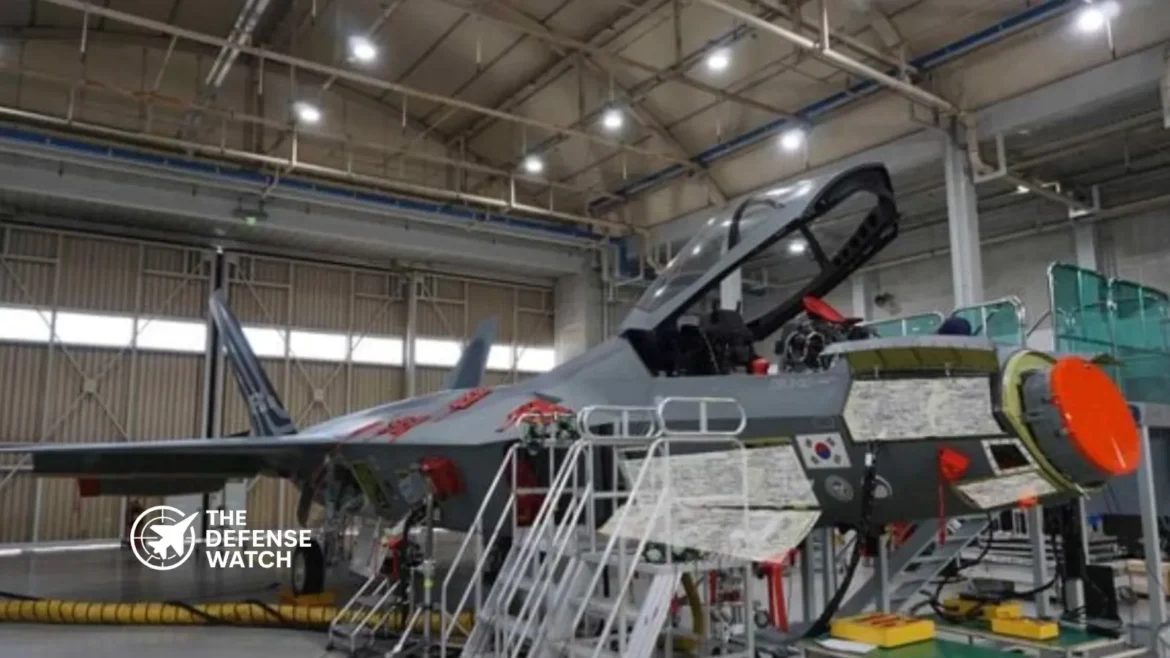
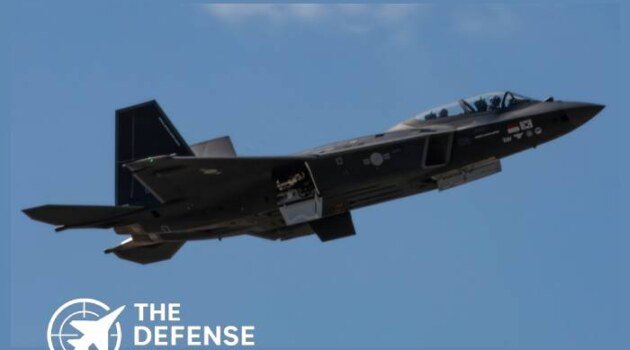
The KF 21 radar system has entered its final testing phase, marking a major milestone in South Koreas effort to field an indigenous advanced fighter aircraft. The program, led by the Defense Acquisition Program Administration and Hanwha Systems, aims to complete validation of the active electronically scanned array radar before integration into frontline KF 21 Boramae aircraft.
(adsbygoogle = window.adsbygoogle || []).push({});The final phase focuses on operational performance, reliability, and combat relevant testing ahead of mass production and service entry.
Radar Testing Moves Into Final Phase
South Koreas Defense Acquisition Program Administration confirmed that the KF 21 radar system has transitioned into its last round of evaluation. This phase includes airborne testing on KF 21 prototypes, tracking accuracy checks, target detection performance, and electronic warfare resilience.
The radar is designed as an AESA system using gallium nitride based transmit receive modules. Officials have stated that the system is intended to meet modern air combat requirements, including multi target tracking, resistance to jamming, and integration with advanced weapons.
Testing during this phase is expected to validate performance under realistic mission profiles, including air to air and air to ground scenarios.
Strategic Importance for the KF 21 Program
The radar is a core sensor for the KF 21 fighter and a critical element in South Koreas broader military modernization effort. Unlike earlier fighter programs that relied heavily on foreign avionics, the KF 21 radar system is largely domestically developed.
South Korean officials view this as a strategic capability that reduces reliance on external suppliers and export restrictions. It also supports Seouls ambition to become a competitive exporter of advanced combat aircraft.
The KF 21 is intended to replace older F 4 and F 5 fighters in the Republic of Korea Air Force while complementing existing F 35A and F 15K fleets.
Role of Hanwha Systems and Industry Partners
Hanwha Systems serves as the prime contractor for the radar, working with the Agency for Defense Development and other local partners. Development began in the mid 2010s, with early ground testing followed by flight trials starting in recent years.
The company has emphasized software defined architecture, allowing future upgrades through software changes rather than hardware redesigns. This approach aligns with modern fighter sensor development trends seen in US and European programs.
South Korean defense officials have stated that lessons learned from the radar program will feed into future aircraft and unmanned systems.
Integration With Weapons and Sensors
During the final testing phase, engineers are focusing on radar integration with the KF 21 mission computer and cockpit displays. This includes sensor fusion, pilot workload reduction, and compatibility with air to air missiles such as the Meteor and domestically developed weapons.
(adsbygoogle = window.adsbygoogle || []).push({});Electronic protection features are also being assessed to ensure survivability in contested electromagnetic environments. These tests are particularly relevant given the growing emphasis on electronic warfare in the Indo Pacific region.
Timeline Toward Operational Service
South Korea plans to complete radar qualification in line with the KF 21 Block I development schedule. Initial operational capability for the aircraft is targeted for the second half of the decade, pending successful testing and production ramp up.
The final testing phase is expected to support certification for serial production aircraft, with early batches focused on air defense missions. Later KF 21 variants are planned to incorporate enhanced strike and electronic warfare capabilities.
Officials have indicated that radar maturity is one of the key gating factors for full rate production approval.
Regional and Global Implications
The progress of the KF 21 radar system underscores South Koreas growing technological base in advanced defense electronics. It also reflects a broader trend among US allies to invest in sovereign defense capabilities amid supply chain risks and export controls.
For regional security watchers, the program highlights Seouls intent to maintain qualitative airpower advantages while reducing dependence on foreign platforms.
From a global market perspective, a proven indigenous AESA radar could strengthen the KF 21s export prospects, particularly among countries seeking advanced fighters without the political constraints attached to some Western systems.
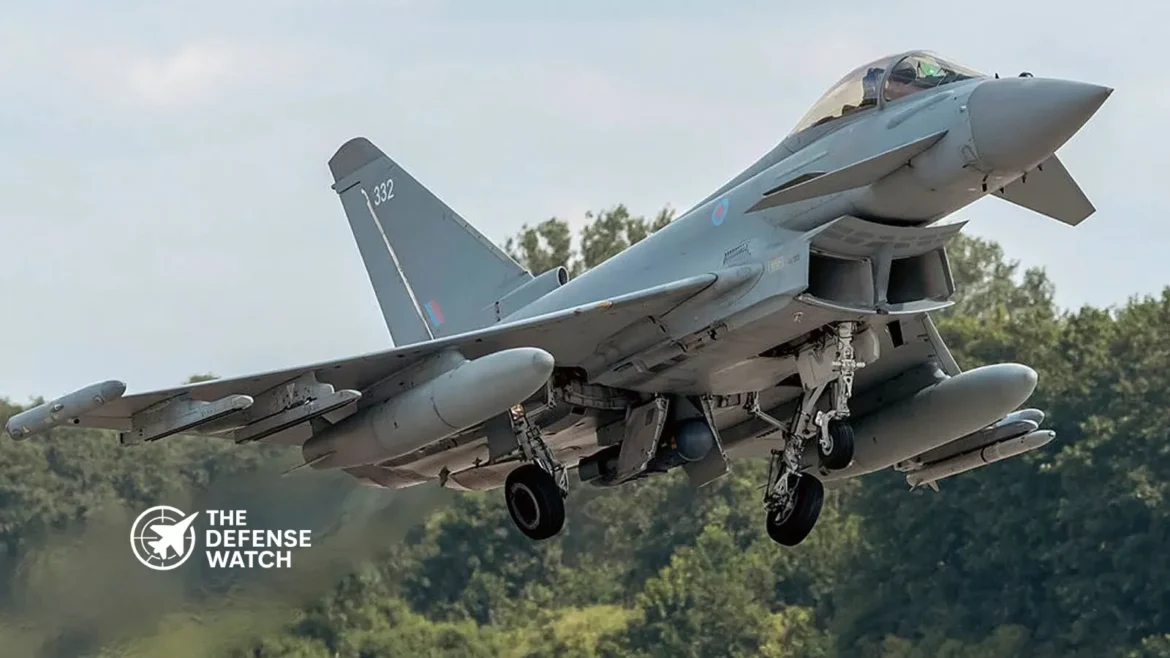
UK Orders 40 ECRS Mk2 AESA Radars for RAF Typhoon
The United Kingdom Ministry of Defence has awarded a £453.5 million contract for the production of 40 ECRS Mk2 active electronically scanned array (AESA) radars for the Royal Air Force’s Eurofighter Typhoon fleet, the UK Defence Equipment and Support agency confirmed January 22 2026.
The radar order is part of a long-running effort to modernize Typhoon’s sensor suite and electronic warfare abilities under the European Common Radar System (ECRS) programme. Deliveries are scheduled to begin later this decade with installation on Tranche 3 standard aircraft.
New Radar Contract Approved
The full production contract was awarded to a team led by BAE Systems in partnership with Leonardo UK and Parker Meggitt. Manufacturing of the AESA radar hardware will take place at Leonardo’s facilities in Edinburgh and Luton with integration onto Typhoon aircraft at BAE Systems’ Lancashire site.
Defence officials described the radar as a key capability enhancement that will strengthen the Typhoon’s ability to detect, track, and engage multiple threats in increasingly complex air environments. The ECRS Mk2’s design combines advanced search and tracking with embedded electronic attack and suppression functions.
Enhanced Detection and Electronic Warfare
The ECRS Mk2 AESA radar represents a significant step up from the legacy Captor-M mechanically scanned radar. AESA sensors use an electronically steered array of transmit/receive modules to provide rapid beam steering, improved target discrimination, and resilience against electronic countermeasures.
In addition to longer detection range and multirole tracking capabilities, the radar’s electronic warfare functions will enable Typhoons to conduct high-power jamming and support suppression of enemy air defenses missions without dedicated external pods. That marks a shift toward more autonomous electronic attack capability for frontline fighters.
Strategic and Industrial Impact
Defence Secretary John Healey highlighted the radar contract as vital to maintaining the RAF’s air defence strength in the face of evolving threats along NATO’s eastern flank. The investment also supports skilled jobs across the UK defence industrial base, with an estimated 1,300 highly skilled positions tied to radar production, integration and sustainment over the coming decade.
The radar upgrade comes as the UK also seeks to sustain and grow its export footprint for Typhoon and associated systems. Other Typhoon operators have adopted or are considering variants of the ECRS radar family, which includes Mk0 and Mk1 versions for international users.
Programme Background
The ECRS Mk2 radar is being developed under a broader phased enhancement programme that the UK MoD values at several billion pounds. Prototype radars have already flown on test aircraft and have undergone ground validation over recent years. Earlier contracts under the overall radar programme have included design, testing, and early production commitments.
The modernized radar is expected to keep the Typhoon competitive against near-peer threats into the 2030s while the UK pursues future combat aircraft technologies through the Tempest/GCAP programme.
AESA radar, updated avionics, and new air-to-air weapons define the latest JF-17 upgrade
The Pakistan Air Force has begun inducting the JF-17C Block III, the most advanced iteration of the JF-17 Thunder multirole fighter, marking a significant step in the service’s ongoing modernization program.
Developed by Pakistan Aeronautical Complex in collaboration with China’s Aviation Industry Corporation of China, the JF-17C Block III introduces a wide range of avionics, sensor, and weapons upgrades over the earlier Block II configuration.
Radar and Sensor Enhancements
A central feature of the JF-17C Block III is the integration of the KLJ-7A active electronically scanned array radar. According to open source defense reporting, the radar employs more than 1,000 transmit receive modules and is assessed to offer detection ranges between 150 and 220 kilometers against fighter sized targets, depending on operational conditions.
The aircraft also features a new wide area cockpit display derived from systems used on China’s J-20 fighter, alongside a modern helmet mounted display and cueing system. These additions are intended to improve pilot situational awareness and enable high off boresight missile engagements.
An expanded electronic warfare and electronic support measures suite is paired with infrared and ultraviolet missile approach warning sensors, enhancing survivability against radar guided and infrared threats.
Weapons Integration and Performance
The JF-17C Block III is configured to employ advanced Chinese air-to-air missiles, including the PL-10 short range missile and the PL-15 very long range air-to-air missile. These weapons are integrated with the aircraft’s radar, helmet mounted display, and onboard sensor fusion architecture.
Manufacturer specifications list a maximum takeoff weight of approximately 30,000 pounds and an external weapons payload of up to 10,700 pounds across multiple hardpoints. Reported performance figures include a maximum speed exceeding Mach 1.7, a service ceiling of around 56,000 feet, and a combat radius of roughly 1,450 kilometers.
Structural updates include greater use of composite materials and refinements to the three axis fly by wire flight control system.
Production and Operational Context
Pakistan Aeronautical Complex continues to assemble the JF-17 domestically, a factor Pakistani officials have emphasized as supporting fleet sustainability and operational independence. The Block III variant is expected to operate alongside earlier JF-17 models as well as higher end fighter types within the Pakistan Air Force inventory.
Defense analysts note that while the JF-17C Block III narrows the capability gap with newer generation fighters, its operational impact will depend on pilot training, network integration, and employment concepts.

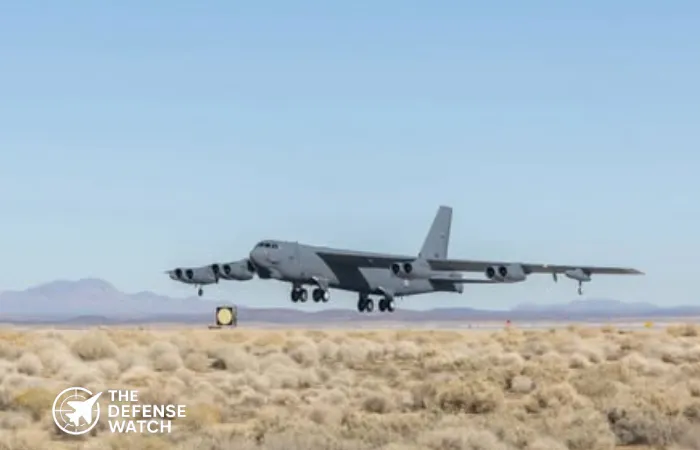
US Air Force Begins In-Flight Testing of New AESA Radar on B-52 Bomber
The US Air Force has begun formal testing of a new active electronically scanned array radar on its B-52 Stratofortress bomber. The first B-52 fitted with the advanced radar system arrived at Edwards Air Force Base, California on December 8, 2025, marking the start of a comprehensive ground and flight test program that will run through 2026.
New Radar Replaces Aging System
The new radar, designated the AN/APQ-188, replaces the long-serving AN/APQ-166 mechanically scanned sensor currently on B-52H aircraft. The legacy radar, originally fielded decades ago, has been called outdated and prone to failure.
Built by Raytheon Technologies and integrated onto the B-52 by Boeing, the AN/APQ-188 AESA leverages proven technology from fighter radars such as the AN/APG-79 and aspects of the AN/APG-82, which equip the F/A-18E/F Super Hornet, EA-18G Growler and F-15EX aircraft.
Air Force officials describe the upgrade as essential to give the B-52 the ability to maintain situational awareness, precise targeting, and reliable all-weather navigation in modern combat environments.
What Testing Involves
After being delivered by Boeing from its San Antonio, Texas facility, the radar-equipped B-52 was ferried to Edwards AFB where crews from the 49th Test Evaluation Squadron and the 419th Flight Test Squadron will lead the evaluation.
The test campaign will include both ground and flight operations. Data collected will support a planned production decision later in 2026 on retrofitting the radar across the B-52 fleet of 76 aircraft.
The modified aircraft will undergo detailed checks of radar performance, integration with the bomber’s mission computers, and interface with new display systems installed in the cockpit to support imagery and control functions.
Why the Upgrade Matters
The B-52’s original radar dates back to mid-20th century designs and has become increasingly unreliable. Older mechanical scanning limits detection range, tracking, and mapping performance when compared with modern AESA systems.
AESA radars, unlike traditional mechanical units, use a stationary set of transmitters and receivers that steer beams electronically. This design offers faster target updates, better resistance to interference, and improved multi-mode performance for ground mapping and air surveillance.
The new radar also ties into broader efforts to modernize the B-52 for the decades ahead. The bomber already carries advanced weapons such as the AGM-158 Joint Air-to-Surface Standoff Missile and the emerging AGM-181 nuclear cruise missile. Modern radar performance helps support targeting and navigation for these long-range systems.
Broader B-52 Modernization Program
The radar update is one key part of the B-52 Radar Modernization Program. Alongside radar replacement, the Air Force is also working on extensive upgrades that will eventually be part of the full B-52J configuration. These efforts include re-engining with Rolls-Royce F130 engines, updated avionics and communications for both conventional and nuclear missions, and new crew station designs.
The Air Force plans to keep the B-52 in service through at least 2050 and possibly beyond, making these upgrades vital to maintaining the bomber’s relevance in future joint force operations.
Secretary of the Air Force Troy Meink said the radar modernization ensures the B-52 will continue to serve as a central element of US airpower for years. General Ken Wilsbach, Air Force Chief of Staff, emphasized the upgrades support readiness, deterrence, and the bomber fleet’s ability to “fight and win” in contested environments.
What Comes Next
With the first radar-equipped B-52 now in testing, the Air Force will conduct rigorous evaluations of the system’s performance. The results will inform decisions about fleet-wide installation and future sustainment needs.
If testing proceeds as planned, production decisions and broader deliveries could begin later in 2026, setting the stage for a phased rollout across the bomber fleet. Continued development of other modernization elements, such as communications and weapons integration, will proceed in parallel.
The radar program links to larger strategic goals of keeping the B-52 viable alongside next-generation fighter and bomber aircraft, contributing to long-range strike, deterrence and global response options well into the mid-21st century.
In the rapidly evolving landscape of military aviation, fighter jets with advanced radar systems represent the cutting edge of aerial superiority. These sophisticated sensors not only detect and track threats at unprecedented ranges but also integrate electronic warfare capabilities, enabling pilots to dominate contested airspace. As of October 2025, advancements in active electronically scanned array (AESA) technology have elevated radar performance, allowing for simultaneous multi-target engagement and resistance to jamming. This article compares six standout fighter jets equipped with the most advanced radar systems, drawing on recent developments to highlight their unique strengths.
(adsbygoogle = window.adsbygoogle || []).push({});The Evolution of Fighter Jet Radar Systems
Radar technology in fighter jets has come a long way since the mechanically scanned arrays of the 20th century. Today’s AESA radars use thousands of transmit/receive modules to electronically steer beams without physical movement, offering faster scanning, greater reliability, and enhanced stealth features. By 2025, gallium nitride (GaN) components have become standard in many systems, boosting power efficiency and range. These innovations are crucial in an era of hypersonic threats and drone swarms, where early detection can decide the outcome of engagements.
(adsbygoogle = window.adsbygoogle || []).push({});F-35 Lightning II: AN/APG-81 AESA Radar
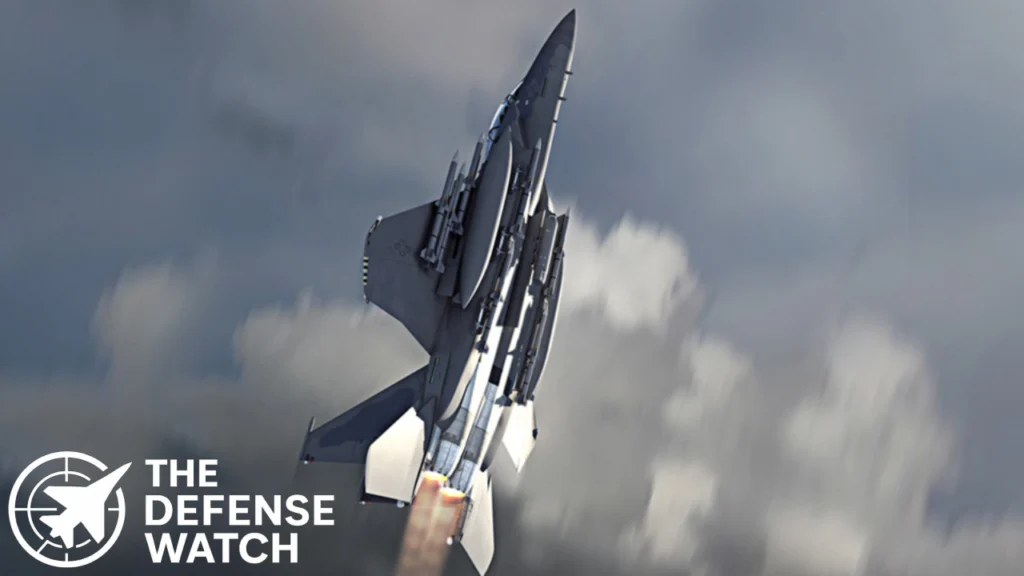
The Lockheed Martin F-35 Lightning II stands out among fighter jets with advanced radar systems due to its AN/APG-81 AESA radar, developed by Northrop Grumman. This system excels in sensor fusion, seamlessly integrating data from radar, infrared sensors, and electronic warfare suites to provide a 360-degree situational awareness bubble.
Capable of tracking up to 23 targets simultaneously while engaging multiple threats, the AN/APG-81 offers detection ranges exceeding 150 kilometers for air-to-air targets. Its low-probability-of-intercept mode makes it hard for adversaries to detect, enhancing the jet’s stealth profile. As of 2025, over 1,000 F-35s have been delivered globally, with ongoing upgrades incorporating AI-driven threat analysis (Source: Northrop Grumman AN/APG-81).
F-15EX Eagle II: AN/APG-82(V)1 AESA Radar
Boeing’s F-15EX Eagle II features the Raytheon AN/APG-82(V)1 AESA radar, a powerhouse among fighter jets with advanced radar systems. Utilizing GaN technology, this radar delivers superior performance over legacy systems, with faster target acquisition and improved resistance to electronic countermeasures.
It can track more than 30 targets at once and engage up to eight simultaneously, with ranges extending beyond 200 kilometers in optimal conditions. The F-15EX, entering service with the U.S. Air Force in recent years, benefits from this radar’s ability to handle high-threat environments, making it ideal for air superiority and strike missions. Recent tests in 2025 have demonstrated its integration with hypersonic missile detection (Source: Boeing F-15EX).
(adsbygoogle = window.adsbygoogle || []).push({});Su-57 Felon: N036 Byelka Radar Complex
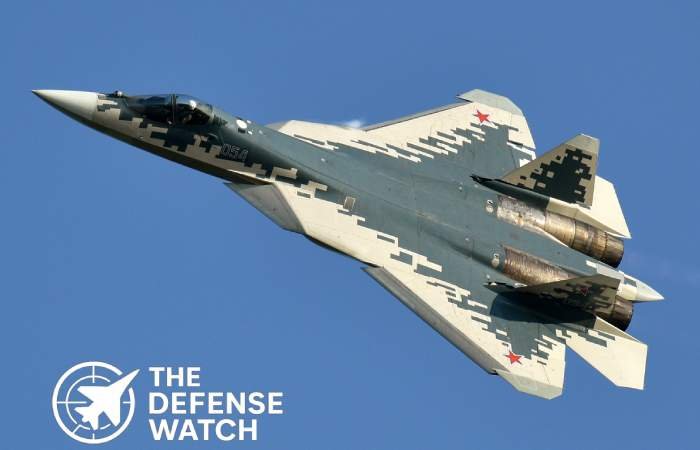
Russia’s Sukhoi Su-57 Felon incorporates the N036 Byelka AESA radar complex, a multi-array system that sets it apart in the realm of fighter jets with advanced radar systems. Developed by the Phazotron-NIIR institute, it includes forward-facing, side-looking, and rear arrays for full spherical coverage.

Claimed detection ranges reach up to 400 kilometers for large targets, with the ability to track 60 threats and engage 16 at once. The Su-57’s radar also supports passive detection modes, reducing its electromagnetic signature. By mid-2025, Russia has ramped up production amid geopolitical tensions, positioning the jet as a counter to Western stealth fighters.
Rafale: RBE2 AESA Radar
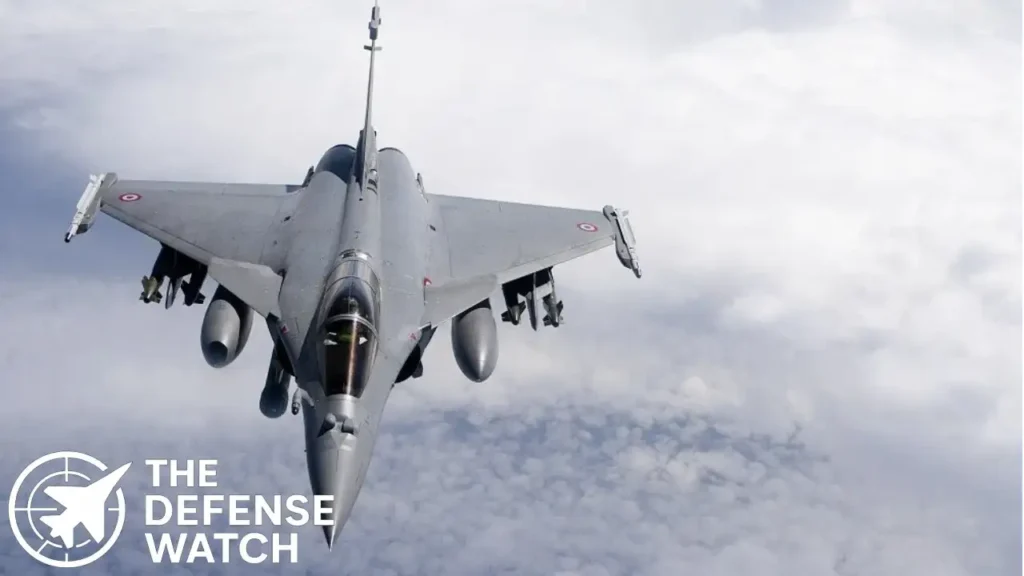
The Dassault Rafale employs the Thales RBE2 AESA radar, a versatile system that enhances its status among fighter jets with advanced radar systems. This radar tracks 40 targets concurrently and engages eight, with detection ranges over 200 kilometers for fighter-sized objects.
Integrated electronic warfare functions allow it to jam enemy radars and communications, providing a dual offensive-defensive role. France’s Rafale fleet, updated in 2025 with software enhancements, has seen exports to nations like India and Greece, underscoring its reliability in multi-role operations
(adsbygoogle = window.adsbygoogle || []).push({});KF-21 Boramae: Indigenous AESA Radar
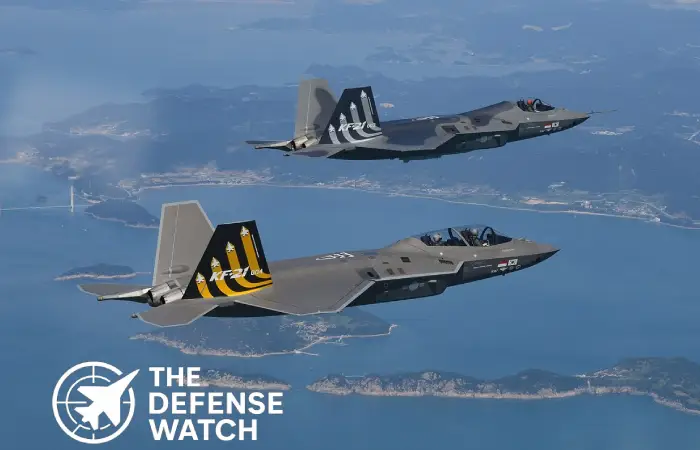
South Korea’s KF-21 Boramae features a homegrown AESA radar from Hanwha Systems, marking a significant leap for fighter jets with advanced radar systems in Asia. This radar offers rapid beam steering for quicker target locks and extended detection ranges compared to older mechanical systems.
Image Credit: Creative Commons. It supports multi-mode operations, including synthetic aperture mapping for ground strikes. As of August 2025, the first batch of 40 radars was delivered, with full production slated through 2028. The KF-21’s development reflects South Korea’s push for indigenous defense tech amid regional threats.
J-20 Mighty Dragon: Type 1475 AESA Radar
China’s Chengdu J-20 Mighty Dragon is equipped with the Type 1475 AESA radar, an advanced system shrouded in some secrecy but recognized for its prowess among fighter jets with advanced radar systems. Analysts estimate detection ranges comparable to peers, around 250-300 kilometers, with strong electronic warfare integration.
It enables simultaneous air-to-air and air-to-ground modes, bolstering the jet’s stealth and supercruise capabilities. By 2025, China has expanded its J-20 fleet to over 200 units, enhancing its air force’s projection in the Indo-Pacific.
Comparative Analysis of Advanced Radar Systems
When comparing these fighter jets with advanced radar systems, key metrics include detection range, target tracking capacity, and integration features. The Su-57’s Byelka leads in claimed range (400 km) and 360-degree coverage, ideal for defensive scenarios, while the F-35’s AN/APG-81 excels in sensor fusion for networked warfare. The F-15EX and Rafale offer robust multi-target engagement (30+ and 40 tracks), making them suited for high-intensity conflicts.
In terms of technology, GaN adoption in the AN/APG-82 and RBE2 provides efficiency gains over earlier designs. The KF-21 and J-20 represent emerging powers’ advancements, with the former emphasizing rapid acquisition and the latter focusing on stealth synergy. Overall, Western systems like the AN/APG-81 prioritize interoperability, while Russian and Chinese radars emphasize raw power and electronic countermeasures.
Strategic Implications and Future Trends
The proliferation of fighter jets with advanced radar systems underscores a shift toward information-centric warfare, where superior sensing translates to battlefield dominance. In contested environments like the South China Sea or Eastern Europe, these radars enable early warning against stealth threats, potentially deterring aggression through enhanced deterrence postures.
Looking ahead, trends point to AI integration for automated threat prioritization and quantum-resistant encryption to counter jamming. As nations like the U.S. advance Next Generation Air Dominance (NGAD) programs by 2025, expect even more hybrid sensor suites that blend radar with directed energy weapons, reshaping global airpower balances.
(adsbygoogle = window.adsbygoogle || []).push({});In summary, these six fighter jets with the most advanced radar systems highlight the technological arms race in aerospace, each contributing uniquely to modern defense strategies.
FAQs
What is an AESA radar and why is it better?An Active Electronically Scanned Array (AESA) radar uses many small transmit/receive modules to steer beams electronically rather than mechanically. This enables faster scan rates, better multibeam/multimode operation, improved reliability, lower probability of intercept and greater resistance to jamming.
Are older radars still effective compared to AESA?Yes — while AESA offers significant advantages, older PESA or mechanically-scanned radars (such as in Su-30MKI or early Typhoon models) remain effective, particularly when upgraded, and when integrated into a strong sensor/weapon network.
Does radar detect stealth aircraft?Radar detection of stealth aircraft depends on many factors (RCS, frequency band, geometry, environment). Advanced radars with wide coverage, EW integration and novel sensor modes improve detection, but stealth remains a relevant challenge. Moreover, emerging technologies such as quantum radars promise new detection vectors.
How important is radar for multirole missions (air-to-ground as well as air-to-air)?Very important — modern radars often include synthetic aperture radar (SAR) mapping, ground-moving target indication (GMTI), and full multimode air/ground capability. Platforms such as the F-35, Typhoon and Gripen E are designed with this in mind.