U.S. Bombers Leave RAF Fairford Amid Security Concerns
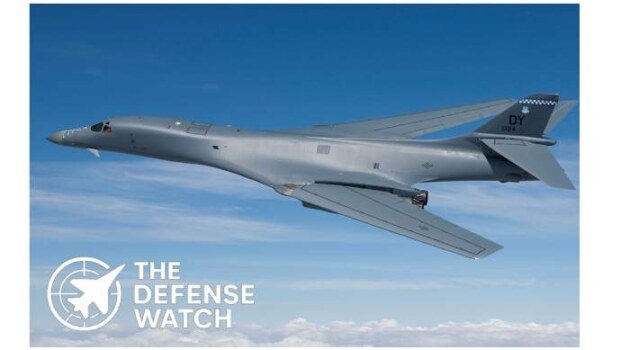
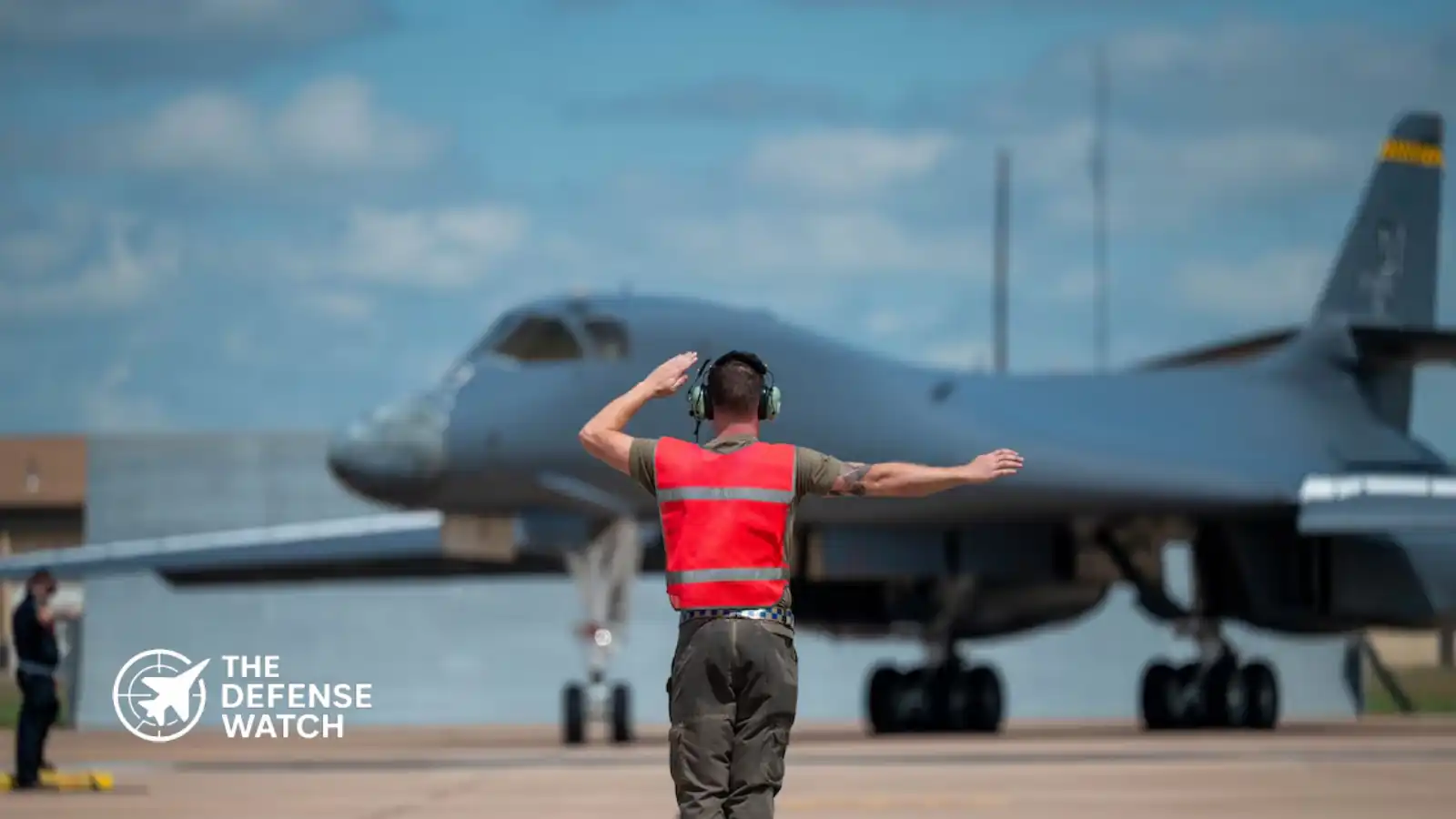
The U.S. Air Force has returned all bombers deployed to RAF Fairford in the United Kingdom to their home stations in the United States, ending the forward bomber presence at the British base after a security incident near the installation.
The Pentagon confirmed the redeployment on October 4, saying the movement had been withheld from real-time disclosure for operational security reasons. The statement did not identify the specific aircraft involved, but independent reporting and aircraft tracking indicate that approximately 12 B-1B Lancer bombers had been operating from Fairford.
The departure followed a counterterrorism investigation launched after suspicious vehicles were reported near the base on September 27. British authorities subsequently arrested five men and later detained a 25-year-old dual British-Iranian national in London in connection with the investigation. The second suspect was released on bail on October 3, while the five original suspects had already been placed on police bail.
The security investigation remains separate from the bomber decision
British counterterrorism authorities have confirmed that the September 27 incident involved three vehicles reported to be travelling toward RAF Fairford. Armed police responded, five men were arrested, and an exclusion zone was established while specialist teams examined the vehicles.
The investigation did not find improvised explosive devices. Police said a quantity of petrol was recovered, while the five suspects remained under investigation. Around 85 households were temporarily evacuated during the initial operation.
On October 1, Counter Terrorism Policing announced another arrest involving a 25-year-old dual UK-Iranian national. Authorities said they were examining multiple lines of inquiry, including possible foreign state involvement. The individual was subsequently released on bail.
That distinction is important. British authorities have not publicly established that Iran ordered or directed the activity near Fairford. Prime Minister Andy Burnham has reportedly referred to strong indications of Iranian involvement, while Iran has denied any connection to the alleged plot. The investigation remains active.
The Pentagon has also not publicly stated that the bomber redeployment was a direct response to the investigation. The timing strongly connects the two developments, but the available public evidence does not establish whether the aircraft were withdrawn specifically because of the incident or whether other operational factors were involved.
Why RAF Fairford mattered to the bomber force
RAF Fairford is not a permanent B-1B operating base. It is a U.S. forward operating location that can support bomber deployments, exercises and contingency operations in Europe.
The U.S. Air Force has repeatedly used the Gloucestershire installation for Bomber Task Force missions involving B-1B, B-2 and B-52 aircraft. Official Air Force material describes Fairford as a location capable of supporting large bomber deployments and integration with NATO allies and partners.
That forward position can reduce the distance between U.S. bomber crews and potential operating areas compared with launching every mission from the continental United States. It also provides opportunities for coordination with European allies and for maintaining a visible U.S. long-range strike presence.
The base has also been used extensively for training and readiness missions. In 2025, B-52H Stratofortress aircraft deployed from Barksdale Air Force Base to Fairford for Exercise Cobra Warrior, demonstrating that the installation remains an important part of the U.S. bomber deployment architecture in Europe.
The B-1B can operate without a permanent forward base
The withdrawal does not remove the B-1B from the U.S. long-range strike inventory or prevent the aircraft from conducting missions beyond North America.
The Air Force has demonstrated the ability to conduct long-range bomber operations directly from U.S. bases. During Operation Epic Fury in March 2026, B-1B aircraft conducted missions against targets in Iran and returned to the continental United States. U.S. Central Command publicly documented B-1B operations associated with the campaign.
That operating model provides flexibility, but it comes with a tradeoff. Forward basing can shorten transit requirements and simplify access to a theater, while continental U.S. operations reduce the exposure of aircraft and personnel at overseas locations but require longer-range missions and associated tanker, command-and-control and logistical support.
The Pentagon has emphasized that U.S. bomber crews remain capable of conducting precision global strike missions from the continental United States. That statement suggests Washington does not regard the departure from Fairford as a loss of the underlying bomber capability, although the forward positioning option has temporarily been removed.
A security problem for a high-value forward operating location
The Fairford episode illustrates a wider vulnerability associated with deploying high-value aircraft overseas during a conflict.
A bomber base does not need to be attacked successfully to impose an operational cost. Increased security measures, temporary evacuations, surveillance requirements and the possibility of hostile activity around access routes can affect how commanders assess the value of maintaining aircraft at a particular location.
For the United States, the decision also demonstrates the flexibility built into the bomber force. B-1B aircraft can relocate between operating locations, while the United States retains the ability to conduct long-range missions from its home bases.
For Britain, the incident highlights the security demands associated with hosting U.S. strike aircraft during an active conflict. RAF Fairford has historically supported U.S. bomber operations, but the concentration of high-value aircraft at a relatively small number of forward locations can make those facilities important targets for hostile intelligence collection, disruption or attack planning.
The available evidence does not establish the full intent behind the September 27 incident, and the British investigation remains ongoing. What is confirmed is narrower but significant: five men were arrested after suspicious vehicles were reported near the base, a sixth person was subsequently arrested and released on bail, and all U.S. bombers deployed at Fairford have now returned to the United States.
The immediate operational question is therefore not whether the United States still possesses a long-range bomber option. It does. The more relevant question is when and under what security conditions Washington will again use RAF Fairford or another European location as a forward bomber hub.